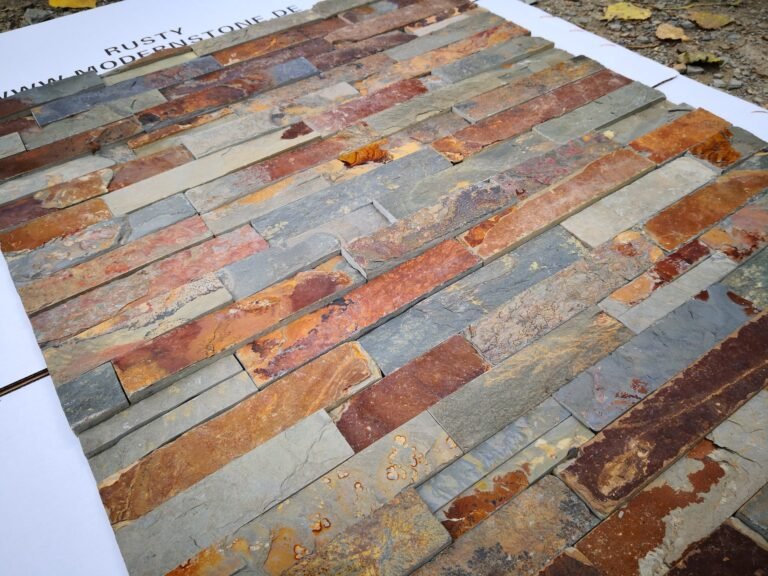
For B2B buyers importing natural stone panels from China, the Certificate of Origin is not a formality. It is one of the most consequential documents in the entire shipment file, yet it is routinely the one buyers understand the least. At Top Stone Panels, we issue dozens of COOs every month for shipments going to more than 30 countries, and we have seen first-hand how a small error on that one page can delay a container by a week and cost the importer hundreds of dollars in demurrage.
This guide walks through what a Certificate of Origin actually is, which types apply to natural stone exports from China, who issues them, how to apply, and the mistakes importers make that you can avoid. Whether you are on your first container or your fiftieth, the details here will keep your stone shipments moving through customs without surprise.
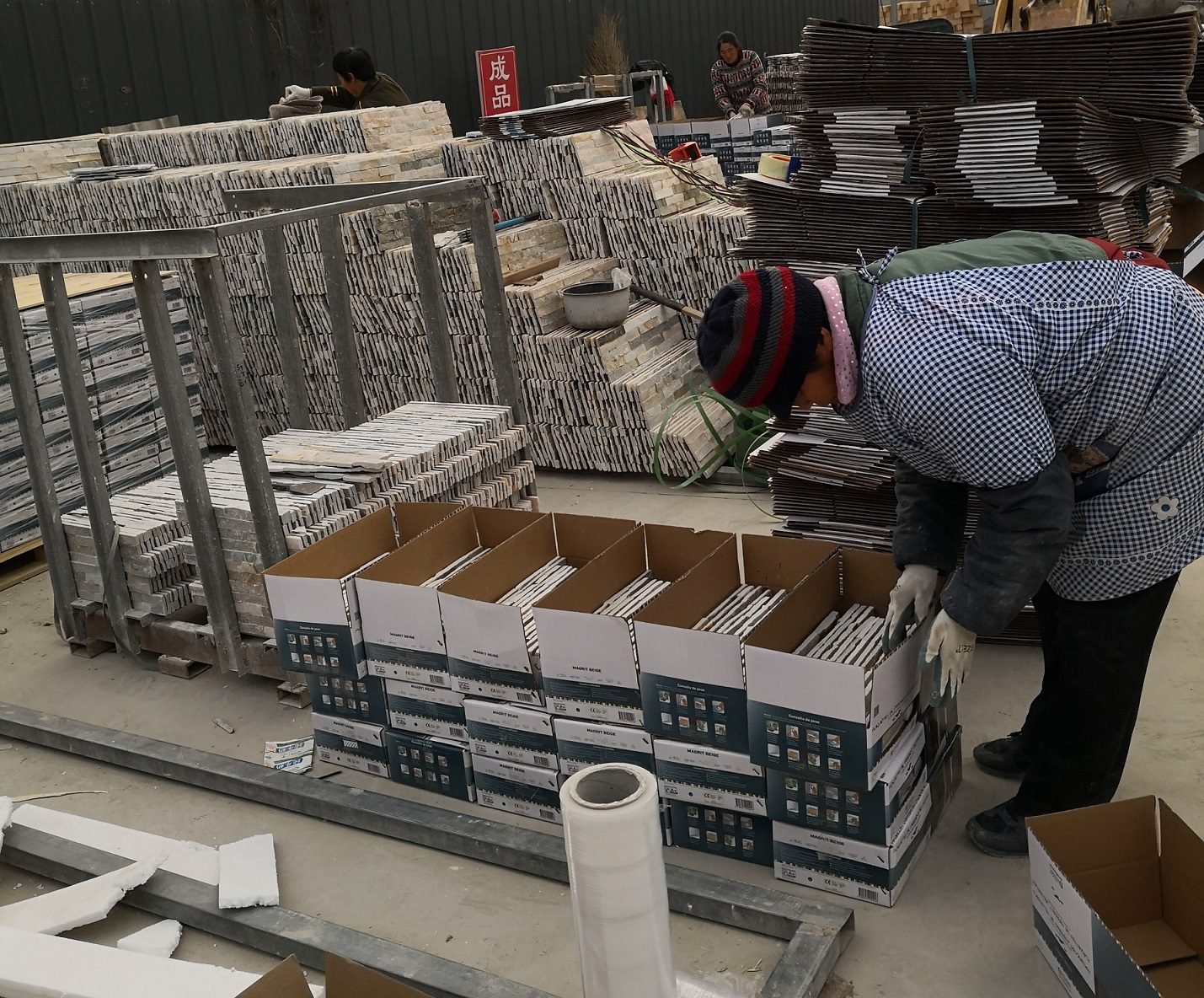
What a Certificate of Origin Actually Is
A Certificate of Origin is an official document that declares the country in which a traded good was wholly obtained, grown, or manufactured. For stone cladding, that country is the one where the rock was quarried and then worked into its final panel form. Customs authorities at the destination port read the COO to answer three questions: what duty rate applies, whether any trade preferences apply, and whether any trade remedies, such as anti-dumping duties or quotas, need to be enforced.
Under the World Trade Organization’s Agreement on Rules of Origin, every member country must accept a COO as long as it is issued by a recognized authority in the exporting country and the rules of origin it applies are transparent and non-discriminatory. In practice, that means the format, the issuing body, and the supporting evidence all have to line up, or the document will be challenged at the border.
Why natural stone has a stricter origin test than most goods
Unlike a plastic toy assembled from imported components, natural stone carries its geological origin in its mineral signature. A piece of Chinese slate can be distinguished from Indian or Brazilian slate by isotope ratios and trace-element profiles. Customs labs in the EU, the US, and Australia routinely run these tests when an importer claims a different origin to avoid a higher duty. That makes the COO for stone a harder claim to fake and a riskier one to get wrong.
How the COO fits into the full shipment file
The COO sits alongside five other documents in every container file: the commercial invoice, the packing list, the bill of lading, the ISPM 15 fumigation certificate for the wooden pallets, and the pre-shipment inspection report if the buyer has requested one. The invoice describes what was sold. The packing list describes how it was loaded. The COO tells customs where it came from. Miss one, and the file is incomplete. Get one wrong, and the others become suspect.
Three Types of Certificate of Origin for Stone Exports
Not every COO is the same document. Stone exporters in China work with three distinct types, each serving a different purpose and recognized by a different set of destination countries. Using the wrong type is one of the most common reasons a stone shipment is held at the destination port.
1. Non-preferential Certificate of Origin (general COO)
The non-preferential COO, sometimes called a “general” or “ordinary” COO, simply certifies that the goods originated in China. It does not unlock any duty reduction. Its purpose is to satisfy the importing country’s requirement to know where the goods came from, which then determines the standard Most Favoured Nation duty rate.
For natural stone panels shipped to the United States, Canada, the European Union, the United Kingdom, and most Middle Eastern countries, the non-preferential COO is the document you will use. The applicable duty rate is then read off the importing country’s tariff schedule against the HS code of the product.
2. Preferential Certificate of Origin (Form A, Form E, Form F, RCEP)
A preferential COO certifies that the goods qualify for a reduced or zero duty rate under a specific free trade agreement between China and the importing country. The document carries a form number tied to that agreement: Form A for GSP countries, Form E for ASEAN, Form F for Chile, Form L for New Zealand, Form K for South Korea under the China-Korea FTA, and RCEP certificates for members of the Regional Comprehensive Economic Partnership.
For stone shipments, the most commonly used preferential forms are Form E to ASEAN countries such as Vietnam, Thailand, and Indonesia, where natural stone cladding often enters at a reduced rate, and RCEP certificates for shipments to Japan, South Korea, Australia, and New Zealand, where the phase-down schedules vary by product line.
3. Certified copy and embassy legalization
Some destination countries require the COO to be legalized by their embassy or consulate in China before it is accepted at their border. This applies to shipments going to several Middle Eastern countries, including Saudi Arabia, the UAE, Egypt, and Iran. The process involves two additional steps: certification of the COO by the Chinese Ministry of Foreign Affairs (MFA), followed by legalization at the destination country’s embassy in Beijing. This adds seven to fifteen working days to the document preparation timeline.
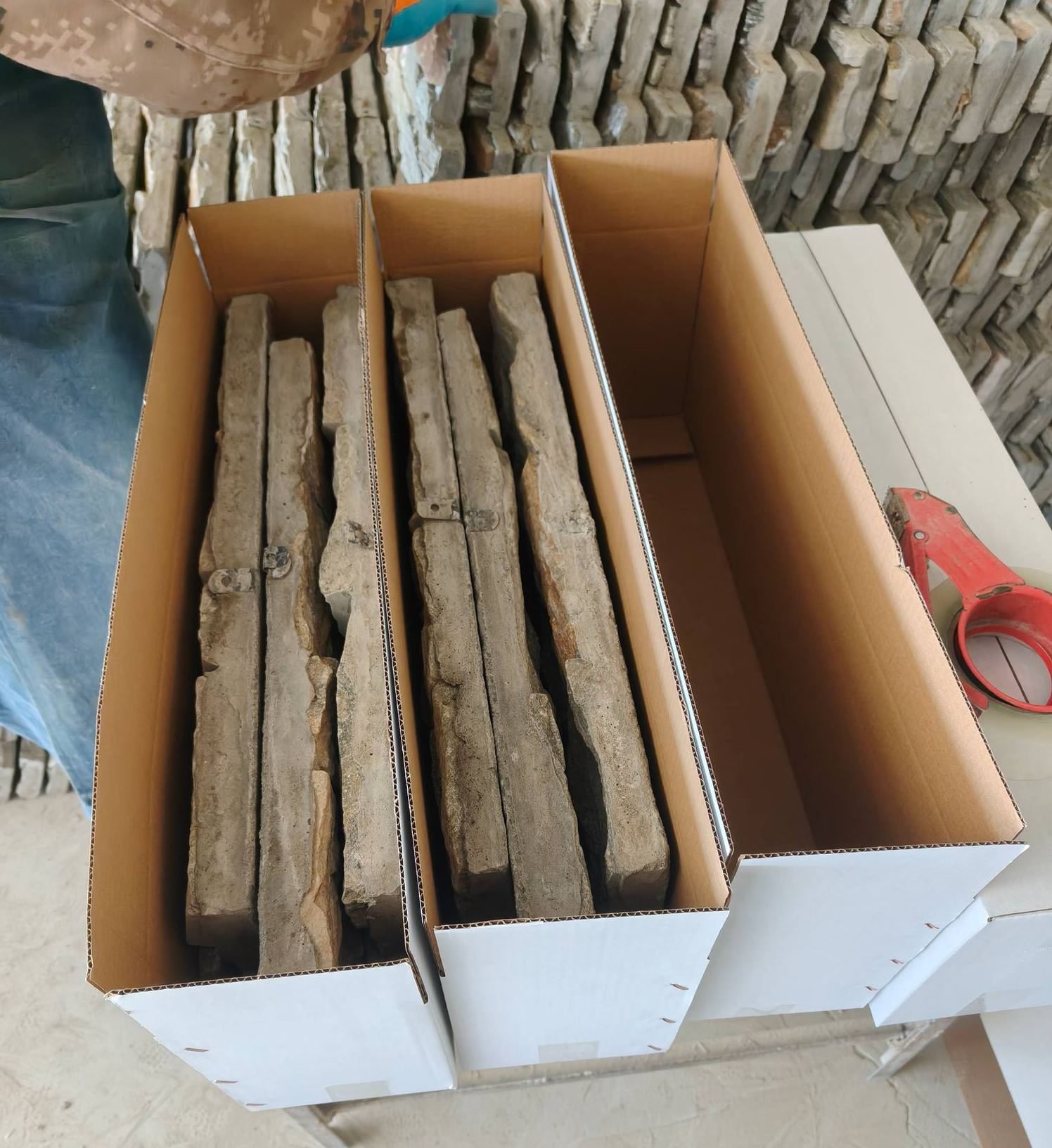
Who Issues Certificates of Origin in China
China has two authorized issuing bodies for Certificates of Origin, and which one you use depends on the type of certificate you need.
CCPIT: non-preferential certificates
The China Council for the Promotion of International Trade issues non-preferential COOs. CCPIT has branches in every major trading city, including the local branch in Baoding that serves the stone-export region around Yixian county. Applications can be submitted online through the CCPIT single-window portal, and the certificate is typically issued within one to three working days of document submission.
General Administration of Customs: preferential certificates
Preferential COOs under China’s FTA network are issued by the General Administration of Customs through its local offices. The application process is more involved because customs must verify that the stone qualifies under the rules of origin of the specific agreement. For slate and quartzite panels, the rule is almost always “wholly obtained” because the raw material is quarried in China. For stone products that incorporate imported components, such as certain epoxy resins or mesh backing sourced from outside China, customs applies a “substantial transformation” test, and the application may require a production flow declaration.
Top Stone Panels’ document workflow
At Top Stone Panels, the export documentation team prepares COOs in parallel with the pre-shipment inspection. We submit the CCPIT application as soon as the container is sealed, and the preferential application is filed three to five days before the vessel’s closing date to give the local customs office time to verify. Copies of the issued COO are sent to the buyer within 24 hours for review before the original is couriered with the rest of the shipment file.
How to Apply for a Certificate of Origin: Step-by-Step
The application process looks straightforward until you reach the field where you have to describe the goods. Stone products in particular trigger a set of classification questions that trip up first-time exporters. Here is the sequence, with the traps flagged.
Step 1: classify the product under the correct HS code
The HS code determines both the duty rate at destination and the rules of origin that apply. For natural stone cladding, the two main headings are 6802 for worked monumental or building stone (quartzite, granite, marble, sandstone panels) and 6803 for worked slate and articles of slate. Within each heading, subheadings split by stone type, finish, and whether the product is simply cut or further worked.
A stacked stone panel made of quartzite with a natural split face and CNC-cut edges is classified under 6802.29. A thin slate veneer panel with a honed surface falls under 6803.00. The wrong code can add 5 to 12 percentage points to the duty rate at the destination port, which on a $40,000 container is a $2,000 to $5,000 surprise for the importer.
Step 2: confirm the rule of origin
For non-preferential COOs, the rule is straightforward: the stone was quarried in China and worked into panels in China. For preferential COOs, the applicable FTA defines the rule. Most FTAs use a “wholly obtained” test for minerals, meaning 100% of the raw stone must originate in China. A few FTAs, notably RCEP, allow a small percentage of non-originating material, such as imported epoxy resin used in panel backing, as long as the value-added in China exceeds a specified threshold.
Step 3: prepare the supporting documents
A standard COO application requires the following: the signed application form, a copy of the commercial invoice, a copy of the packing list, a copy of the bill of lading or booking confirmation, and a product description matching the invoice. For preferential certificates, you also need a quarry sourcing declaration and, in some cases, a cost-breakdown sheet showing the percentage of Chinese-origin materials.
Step 4: submit and wait for verification
Non-preferential applications submitted through the CCPIT portal are usually cleared in one to three days. Preferential applications through customs take longer, typically three to five working days, because a customs officer may visit the factory to verify the production flow before signing. Build this into your shipping timeline. A container that closes on Friday needs the preferential COO application filed by the previous Monday at the latest.
Step 5: review the draft before final issue
Most issuing bodies send a draft COO for review before the original is printed. This is where most errors surface: misspelled consignee names, wrong container numbers, transposed digits in the gross weight. At Top Stone Panels, the export team sends the draft to the buyer’s customs broker for a parallel check. The broker knows exactly how their local customs system reads the document and will catch format mismatches that the exporter cannot see.
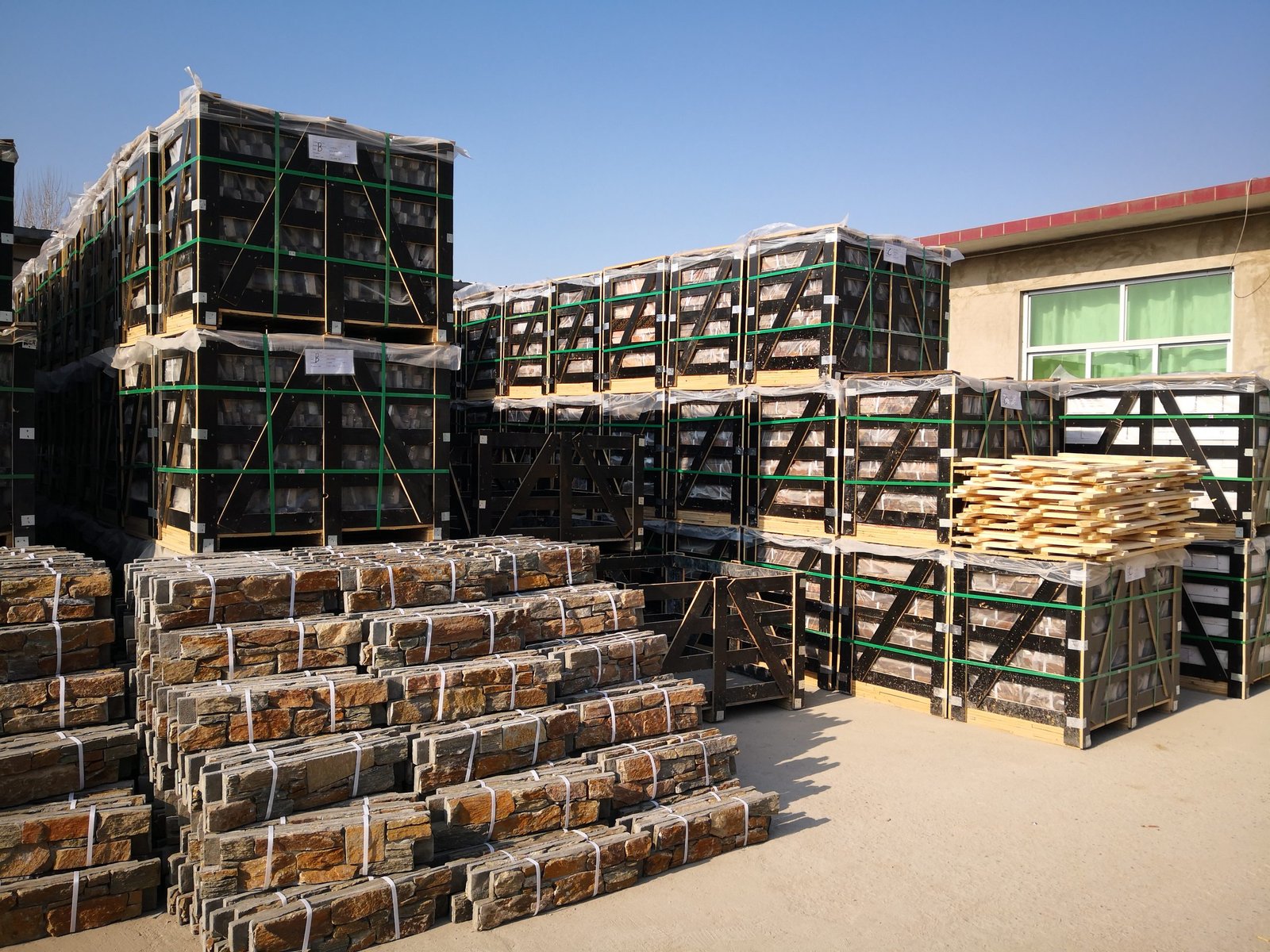
Certificate of Origin Requirements by Destination Market
Different markets read the COO differently. What clears in Antwerp in an hour can hold in Los Angeles for a day if the format is wrong. Here is how the main destination markets handle stone-origin documentation.
United States
US Customs and Border Protection requires a Certificate of Origin for all commercial imports, but the format is flexible. A CCPIT-issued non-preferential COO is accepted. The US does not have an FTA with China, so no preferential certificate applies. Since 2018, stone products under HS 6802 and 6803 have been subject to additional Section 301 tariffs, and CBP officers pay close attention to the COO when the declared origin is China. Any discrepancy between the COO and the physical stone can trigger a full country-of-origin examination.
European Union
EU customs accepts both non-preferential and preferential COOs. The EU does not currently have a comprehensive FTA with China, so stone imports generally enter on a non-preferential COO at the MFN duty rate, which for worked slate and quartzite panels ranges from 1.7% to 2.7%. EU customs places heavy weight on the HS code consistency between the invoice, the packing list, and the COO. A mismatch on any one of the three documents will flag the shipment.
ASEAN countries
Shipments to Vietnam, Thailand, Indonesia, Malaysia, and the Philippines typically use the Form E preferential COO under the ASEAN-China FTA. Natural stone panels under HS 6802 often qualify for zero duty under Form E, which makes the preferential COO commercially significant. The application requires a quarry sourcing declaration, and the ASEAN importer must retain a copy for five years for audit purposes.
Australia and New Zealand
Under RCEP and the bilateral China-Australia and China-New Zealand FTAs, natural stone panels can qualify for reduced duty with a preferential COO. Australian importers should note that the Australian Border Force has been tightening origin verification on stone products since 2024, and may request an independent geological origin test in addition to the COO.
Middle East and GCC countries
Shipments to Saudi Arabia, the UAE, Kuwait, and Qatar often require embassy legalization of the COO. The legalization process adds one to two weeks to the document preparation timeline and costs between $80 and $200 per document depending on the embassy. Factor this into your shipping schedule when the buyer’s market is in the Gulf.
Seven Common Mistakes Importers Make with the COO
After processing thousands of stone shipments, the same errors show up again and again. None of them are deliberate. All of them are avoidable.
1. Declaring the wrong HS code on the COO
The HS code on the COO must match the HS code on the commercial invoice and the bill of lading exactly. A common mistake is using a generic 6802 code on the invoice while the COO lists a more specific subheading. Customs at the destination port reads the COO as the authoritative document and reclassifies the shipment accordingly, often to the importer’s disadvantage.
2. Mismatched container numbers or seal numbers
The COO lists the container number and, in some formats, the seal number. If the container is swapped at the last minute, which happens regularly when a shipping line reassigns equipment, the COO becomes invalid. The fix is simple: always confirm the final container and seal numbers with the freight forwarder before the COO is issued, not after.
3. Gross weight that does not match the bill of lading
The gross weight on the COO must be identical to the gross weight on the bill of lading, down to the kilogram. A discrepancy of even 50 kg on a 24,000 kg container is enough for some customs authorities to question the entire file. Weigh the loaded container before sealing and use the actual weight on all documents.
4. Consignee name spelled differently across documents
If the buyer’s company is registered as “Acme Building Materials LLC” on the invoice but the COO says “Acme Building Materials Ltd.”, some customs systems will reject the document. Copy the consignee name exactly as it appears on the buyer’s import license and commercial registration.
5. Late application causing missed vessel closing
The COO does not have to be in hand before the container is loaded, but it does have to be in hand before the buyer’s customs broker files the import declaration. If the original COO arrives late, the broker files with a copy and the shipment is flagged for document verification on arrival, which adds two to four days to clearance.
6. Using a preferential form when no FTA applies
A surprisingly common error: an exporter sends a Form E to a country that is not in ASEAN, or a Form A to a country that has graduated out of the GSP system. The destination customs authority will reject the preferential claim and re-assess duty at the full MFN rate, plus a penalty for the incorrect declaration.
7. Forgetting embassy legalization for Middle East markets
A non-legalized COO sent to a Saudi or Emirati port will be rejected at the counter. The importer will then have to courier the original back to China for legalization, which can add three to four weeks and $300 to $500 in courier and agency fees. Confirm the legalization requirement with the buyer before the container sails.
How Top Stone Panels Handles COO Documentation for Buyers
At Top Stone Panels, the COO is part of the standard shipment document set and is included in the FOB price. There is no separate charge for non-preferential certificates. Preferential certificates and embassy-legalized documents carry a small administrative fee, typically $30 to $60, which covers the government application and courier costs.
Here is how the workflow runs for a typical container shipment:
- Day of loading: the container number, seal number, and loaded gross weight are recorded on site and sent to the export documentation team.
- Day +1: the COO application is submitted to CCPIT (non-preferential) or to the local customs office (preferential), with the final invoice and packing list attached.
- Day +2 to +3: the draft COO is sent to the buyer’s customs broker for parallel review. Any corrections are filed immediately.
- Day +3 to +5: the original COO is issued and couriered to the buyer along with the rest of the shipment file: original bill of lading, commercial invoice, packing list, ISPM 15 fumigation certificate, and the pre-shipment inspection report.
- Day +5 to +7: the buyer’s broker confirms receipt and flags any final discrepancies before the vessel arrives.
For buyers placing a first order, we also provide a sample COO from a recent shipment to the same destination country so the buyer’s broker can pre-approve the format before the first container sails. This single step eliminates roughly 80% of the document-related customs delays we see from first-time importers.
Related Documents Every Stone Importer Should Request
The COO does not travel alone. A complete shipment file includes five companion documents, and the importer should request all six as a standard set.
- Commercial invoice: lists the product, quantity, unit price, total value, and HS code. Must match the COO line by line.
- Packing list: lists the carton count, pallet count, gross and net weight, and container number. Must match the COO on the physical description.
- Bill of lading: the contract of carriage between the shipper and the shipping line. The consignee, container number, and gross weight must match the COO.
- ISPM 15 fumigation certificate: certifies that the wooden pallets and crates have been heat-treated or methyl-bromide fumigated. Required by every major importing country. Read our full guide to ISPM 15 fumigation certificates for stone exports.
- Pre-shipment inspection report: a third-party or factory inspection report with photos and video of the loaded container. At Top Stone Panels, we provide a loading video and high-resolution photos as standard.
- Certificate of quality or test report: a physical-properties test report covering water absorption, flexural strength, and freeze-thaw resistance, available on request from the factory lab or an independent testing body.
Frequently Asked Questions
What is a Certificate of Origin for stone exports?
A Certificate of Origin (COO) is an official document that certifies the country where a stone product was quarried, processed, and manufactured. Customs authorities at the destination port use the COO to determine import duty rates, enforce trade agreements, and apply anti-dumping or quota restrictions.
Who issues a Certificate of Origin in China?
In China, Certificates of Origin are issued by the China Council for the Promotion of International Trade (CCPIT) for non-preferential certificates, or by the General Administration of Customs (GAC, formerly AQSIQ/CIQ) for preferential certificates under free trade agreements such as Form E, Form A, or RCEP.
How long does it take to get a Certificate of Origin for stone shipments?
A standard non-preferential COO through CCPIT usually takes 1-3 working days after submission of a complete application. Preferential certificates such as Form E for ASEAN or RCEP certificates can take 3-5 working days because the local customs office must verify that the stone qualifies under the relevant trade agreement.
What HS code is used for natural stone cladding panels?
Natural slate cladding and worked slate typically fall under HS code 6803.00, while worked quartzite, marble, and granite building stone generally fall under HS code 6802. The exact subheading depends on the stone type, finish, and whether the panel is raw, cut-to-size, or further worked. Correct HS classification is essential to avoid customs delays.
Does a Certificate of Origin reduce import duty on stone from China?
A non-preferential COO does not reduce duty on its own. Duty reduction requires a preferential COO issued under a free trade agreement between China and the importing country, such as Form E for ASEAN, Form F for China-Chile, or RCEP certificates for member nations. Without an FTA, the COO simply confirms origin for customs clearance.
Can the same COO cover multiple containers in one shipment?
Yes. A single COO can cover multiple containers as long as they are listed on the same bill of lading, share the same consignee, and are loaded at the same port within the same voyage. Split shipments across different vessels require separate COOs.
What happens if the COO is lost in transit?
The issuing body can reissue a certified true copy on request, usually within one to two working days. The reissued copy carries the same legal weight as the original. At Top Stone Panels, we always retain a scanned copy of every COO in our export archive for exactly this reason.
Conclusion: One Document, One Chance to Get It Right
The Certificate of Origin is a small piece of the stone-export puzzle, but it is the piece that customs looks at first. A clean COO, with the right type, the right HS code, and the right consignee details, clears a container in hours. A messy one holds it for days.
For B2B buyers sourcing natural stone panels from China, the practical takeaway is straightforward. Know which type of COO your destination country requires. Confirm the HS code with your customs broker before the container loads. Check the draft before the original is printed. And work with a supplier who treats the document file as seriously as the stone itself.
If you are planning your first container of natural stone cladding and want to see a sample COO from a recent shipment to your market, the export documentation team at Top Stone Panels will send one over with a full quotation. No obligation, just the paperwork you need to make an informed decision.
The origin certificate feeds the entry; the rest of the process sits in the customs clearance guide for natural stone imports.