Natural stone imports clear customs faster when the paperwork leaves the factory correct, and slower when every document fights the others. The difference is usually a few business days, and sometimes the difference between a truck delivering to your yard and a container sitting on demurrage while customs asks questions.
Top Stone Panels ships slate, quartzite, and related cladding products from Hebei, China, to distributors across North America, Europe, and Oceania. Every container leaves with the core export documents an importer needs. This guide maps the clearance sequence, the HS codes that classify stone, the documents to require from your supplier, and the mistakes that turn routine entries into penalties.
- Slate cladding commonly declares under HS 6803.00.90 and quartzite cladding under 6802.93.11; cement-backed panels may classify differently, so confirm with a broker.
- The importer of record, not the broker and not the factory, is legally responsible for the declaration.
- ISPM 15 covers wood packaging, not the stone; unmarked pallets or crates trigger holds in North America, Australia, and the EU.
- US buyers must transmit the Importer Security Filing about 24 hours before loading and file the entry summary on arrival.
- A supplier that ships COO, ISPM 15 certificate, packing list, and loading video as standard is telling you its export nuance is already controlled.
What Customs Clearance Actually Covers
Customs clearance is the declaration, the evidence, and the payment that turn a container into released cargo. Your agent declares the goods to the destination authority, presents the shipping and origin documents, pays the duty and fees that apply, and receives release to the carrier for delivery.
One legal point dominates every other rule here: the importer of record is responsible. If you buy the stone, you are the importer even when a licensed broker files the entry and even when the supplier charged you CIF. The broker’s mistake is still your shipment, your bond, and your liability.
That is why serious buyers vet the export side before the vessel sails. The China sourcing guide on this site covers supplier qualification, and the factory audit checklist shows what to inspect at the source.
HS Classification for Natural Stone Panels
The HS code is the address customs uses to find the duty rate, and it is where most stone entries go wrong. Split-face slate and quartzite cladding have well-established homes; composite products need a broker’s eyes.
| Product | Typical HS Heading | Note |
|---|---|---|
| Natural slate panels | 6803.00.90 | Split-face slate cladding and veneer |
| Quartzite cladding | 6802.93.11 | Worked quartzite panels and strips |
| Cement-backed panels | May differ | Composition decides; confirm with broker |
| Flagstone and crazy paving | 6802 or 6803 family | Depends on stone type and mesh backing |
Classification also matters because the wrong code can bring a higher rate or a surprise measure. Check the current tariff schedule for your country before you place the order, then confirm the entry code with your broker against the real product. The cost breakdown guide shows what the duty line does to landed cost.
Document Checklist Before the Vessel Sails
Five documents carry most stone shipments through customs. Each one answers a different question, and they must agree with each other.
| Document | Prepared By | What It Answers |
|---|---|---|
| Commercial invoice | Exporter | Price, parties, goods, terms |
| Packing list | Exporter | Containers, cartons, net and gross weight |
| Bill of lading | Carrier | Title, route, shipment details |
| ISPM 15 certificate | Treating agent | Wood packaging treatment |
| Certificate of origin | Exporter or chamber | Where the goods were made |
The invoice and packing list deserve a closer read. Unit prices, quantities, and net and gross weights must match the bill of lading, because customs compares them line by line. A one-metric-ton mismatch between the invoice total and the packing list is a classic trigger for a hold or an exam. The certificate of origin guide on this site details the origin document, and the weight calculator explains why the declared weight deserves the same care as the price.
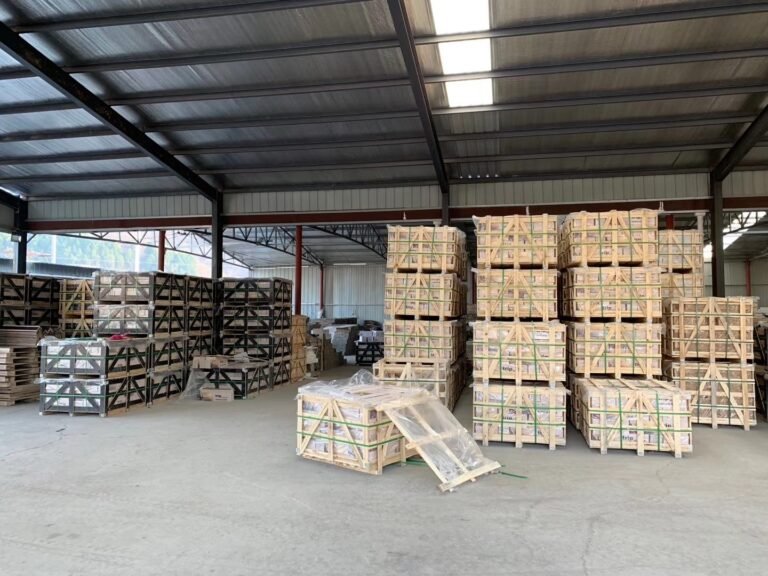
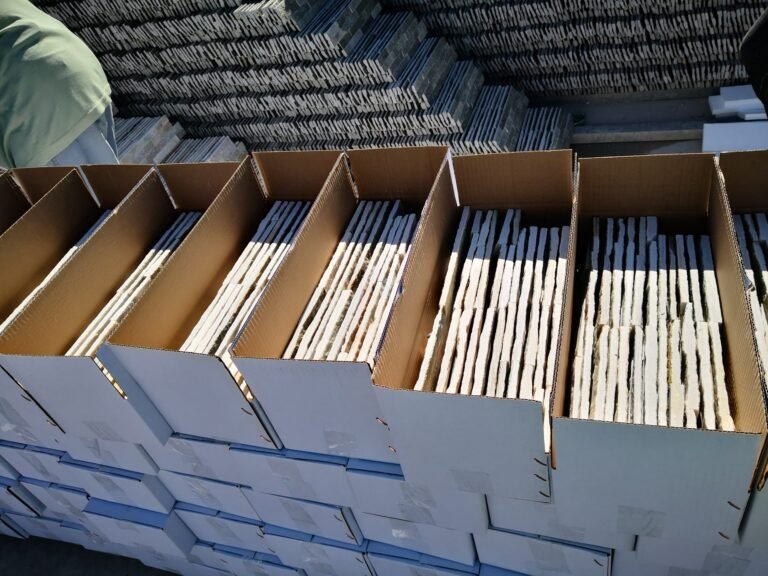
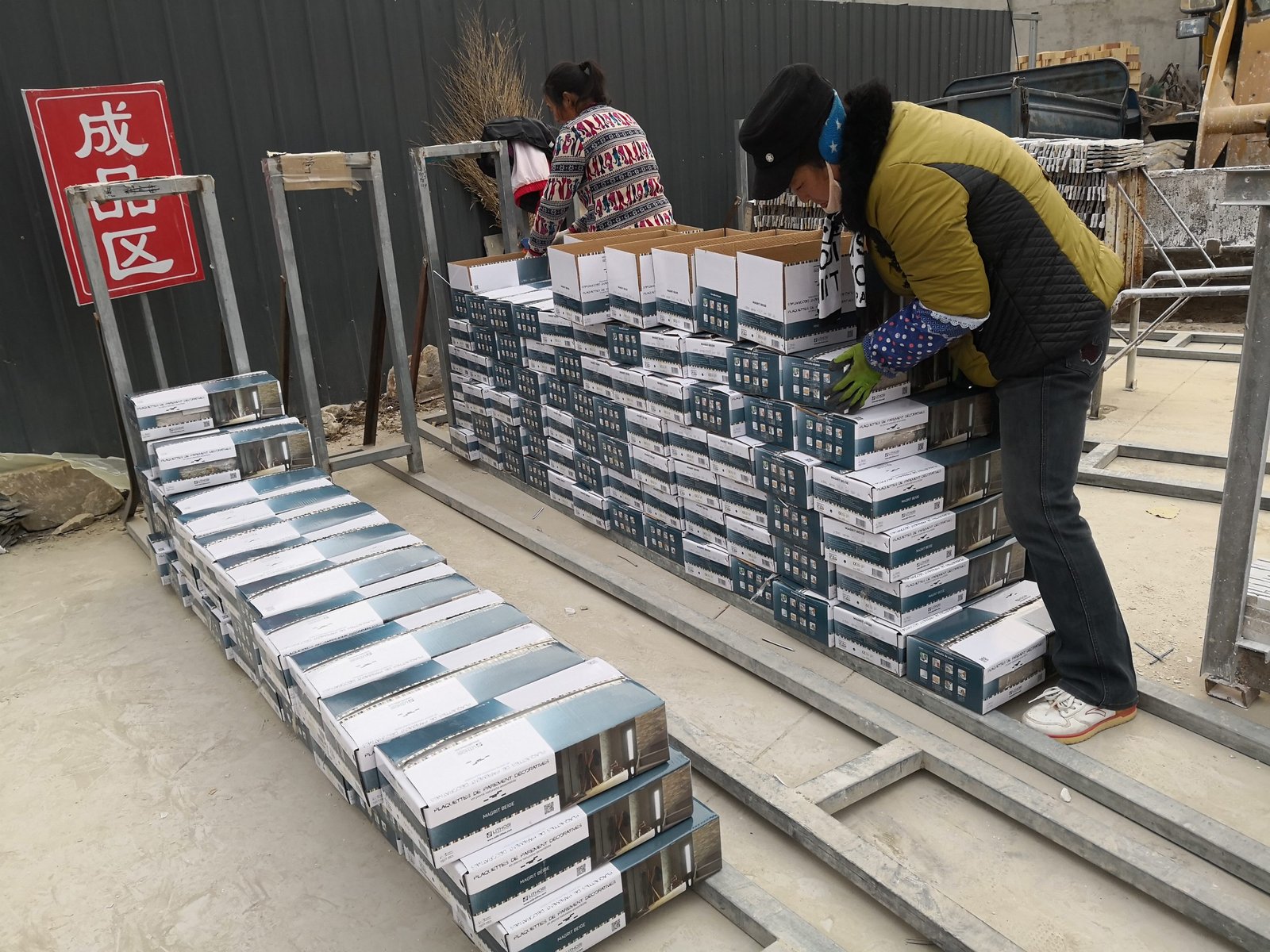
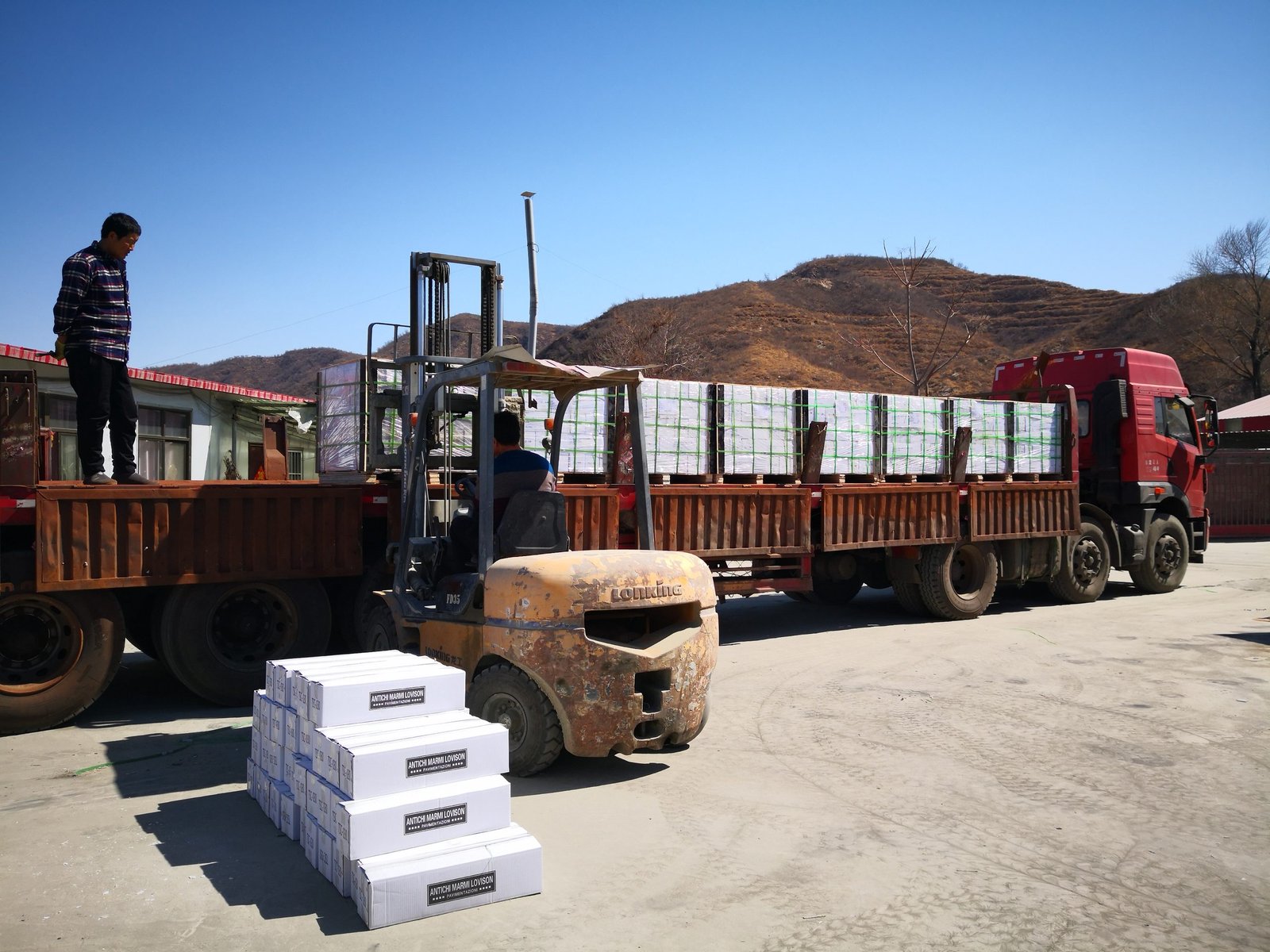
One more document matters even though it is not paper: the photos and video of the load. When stone arrives damaged, the clean bill of lading plus the factory loading video is what separates an insurance claim from a dispute. Modern export factories record the loading for exactly this reason.
Send scanned copies of every document to your broker while the vessel is at sea. The broker can draft the entry, flag mismatches, and correct them at origin before the container reaches the terminal. A document problem solved in transit costs nothing; the same problem solved at the dock costs demurrage.
How Duties and Landed Cost Are Calculated
Most stone cladding enters on an ad valorem basis, which means duty is a percentage of value. The value itself differs from your commercial price. In the United States, the customs value generally includes the freight and insurance to the US port. A CIF or DDP invoice enters at a higher duty base than an FOB invoice, though both pay freight somewhere.
Beyond duty, the US charges a Merchandise Processing Fee near 0.35 percent of value, with statutory minimum and maximum amounts. A Harbor Maintenance Fee of about 0.125 percent also applies to most port shipments. These figures move with regulation, so ask your broker for the current schedule rather than trusting a memo from last year. The US Customs and Border Protection trade pages publish the current fees and entry requirements.
Landed cost, in other words, is duty plus fees plus freight plus insurance plus terminal charges, stacked onto the FOB factory price. The Incoterms structure defines who carries each leg, and the FOB Xingang versus CIF comparison shows how the choice changes the entry value you declare.
Duty minimization is legitimate only when it runs through correct classification and true valuation. Classify the product honestly, value it at the real transaction, and claim the preferences your origin documents genuinely support. Anything beyond that invites the penalty regime, and containers of stone are too heavy to hide in a low-value lane.
The Clearance Timeline, Step by Step
Clearance does not start at the port. It starts before the vessel loads, at least for the US market.
- Before loading. File the Importer Security Filing about 24 hours before the container boards the vessel, with the carrier’s manifest.
- During transit. Have the broker prepare the draft entry against the scan of the bill of lading and invoice.
- On arrival. The broker transmits the entry summary, customs reviews or selects the container for examination, and duty becomes payable.
- After payment. Customs releases the container to the carrier, the terminal clears it out, and you arrange the truck.
With clean documents, most containers clear within one to three days of arrival. A customs examination can add a week or more, plus storage if the terminal free-time expires. Ask your forwarder how many free days the bill of lading carries before you schedule the truck; that number decides how patient you can afford to be.
ISPM 15, Wood Packaging, and Biosecurity
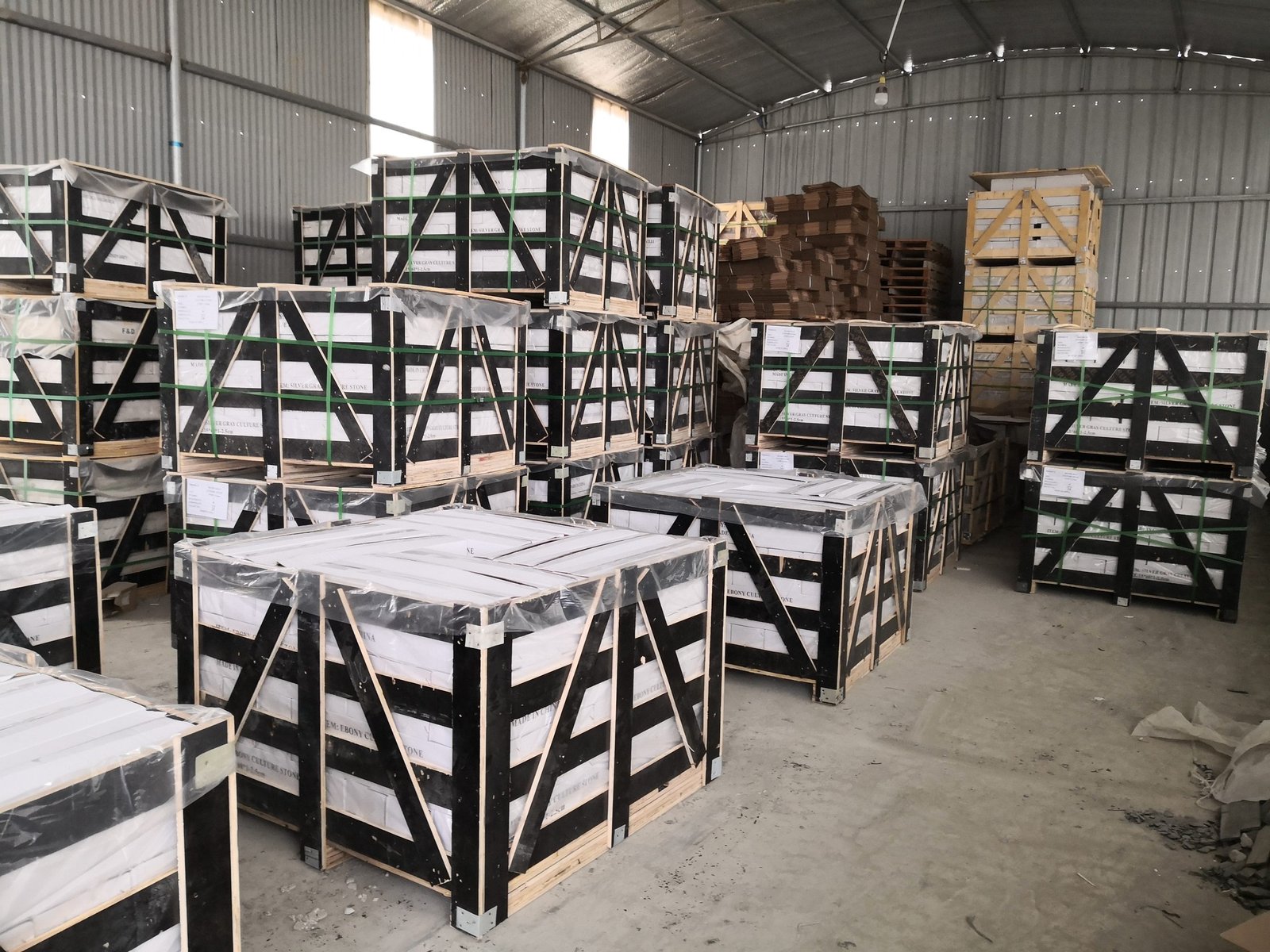
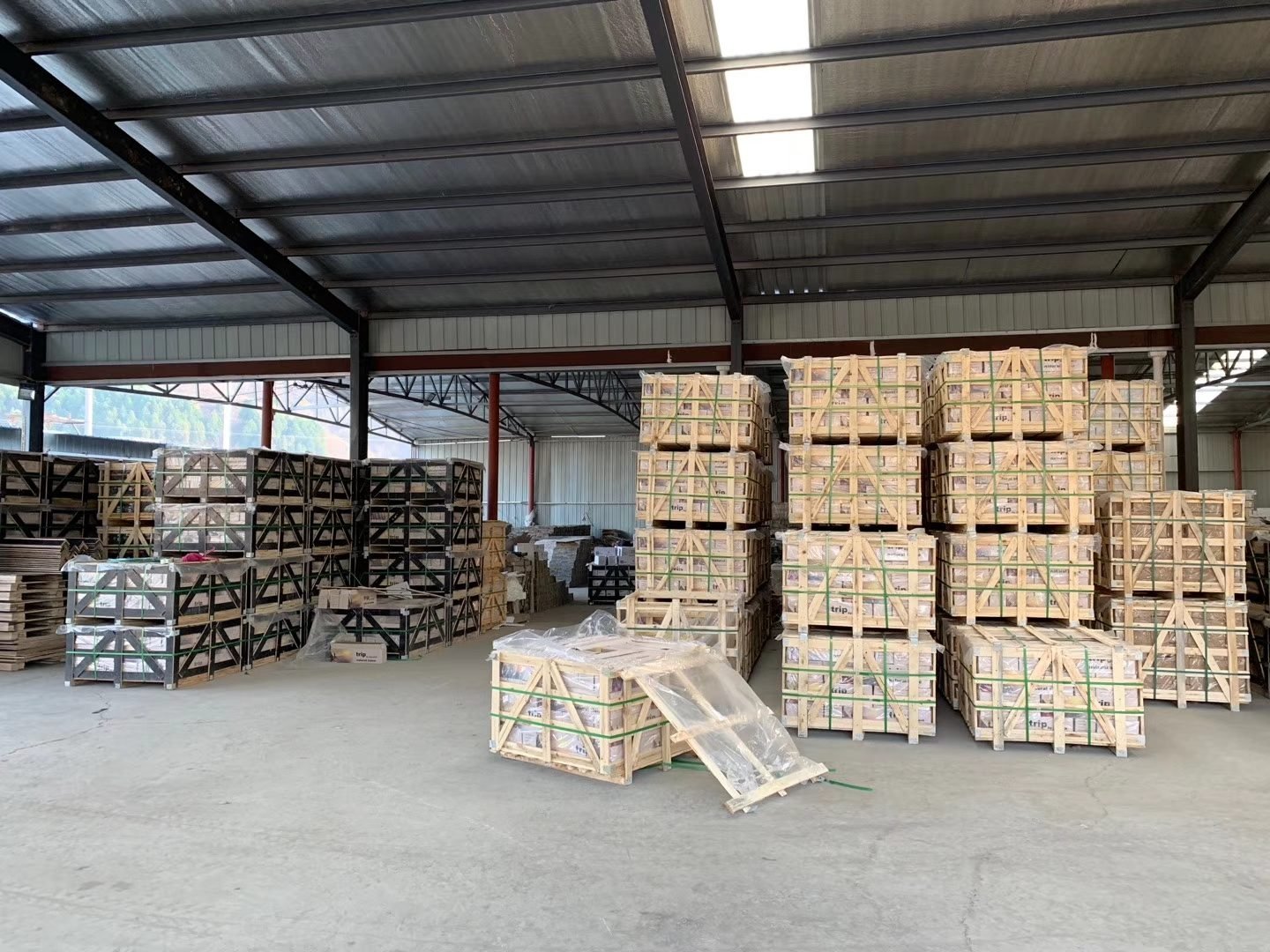
ISPM 15 is the international standard for wood packaging, and it applies to the pallets and crates around your stone, not the stone itself. Treated wood must carry two things: heat treatment to the ISPM 15 schedule and the IPPC mark stamped on two visible faces.
This is the most common breakage point for first-time importers. A single pallet without the mark can hold the whole container at the destination. So can a crate with a damaged face where the mark used to be. Buyers in Australia and New Zealand face the strictest enforcement, where biosecurity agencies inspect every shipment and wood packaging is a regular reason for delays or treatment orders.
The full ISPM 15 guide on this site covers treatments, marks, and what the certificate should state. The standard itself is maintained by the IPPC and published on ippc.int, where the current treatment schedule is public. The practical requirement for you: verify that every pallet and crate is ISPM 15 compliant before the container closes, because after it closes you must fix problems in another country.
Country-of-Origin Marking and Valuation Rules
Destinations require country-of-origin marking on the goods themselves, not just in the paperwork. In the United States, the marking rule sits in Title 19 of the CFR. The practical reading for stone buyers: cartons, and where practical the stones, must identify China as the origin.
Valuation has its own traps. Transaction value is the rule for most arms-length purchases. Customs adjusts it when pricing looks manipulated, when related-party prices miss fair market, or when document quantities disagree with physical counts. Keep the commercial relationship arm’s length and the documents exact, and valuation stays routine.
One product-class caution: quartz surfacing slabs from China are subject to separate US trade measures, while split-face natural quartzite cladding is a different product class. Confirm the current scope with your broker so a similar-sounding product does not drag your shipment into the wrong order.
Canada, EU, and Australia Differences
The core documents stay the same across markets; the filing mechanics change. Canada requires importers to hold a CBSA account and file through the eManifest window, with the party responsible entering the declaration and GST paying alongside duty. The EU works on an EORI number and TARIC codes per member state, with import VAT typically due even when duty is low or zero.
Australia pairs customs clearance with biosecurity inspection, and stone shipments carry a genuine risk of refused wood packaging. Factor in GST on import and a few extra days for quarantine review when you plan the truck.
| Market | Key Registration | Extra Payment | Special Watch |
|---|---|---|---|
| United States | None pre-entry; ISF + entry | Duty, MPF, HMF | ISF before loading |
| Canada | CBSA import account | Duty, GST | eManifest timelines |
| European Union | EORI number | Duty, import VAT | TARIC per member state |
| Australia | Customs-client ID | Duty, GST | Biosecurity inspection |
Every market rewards the same habit: send the documents early, let the broker pre-file, and never let the container arrive before the paperwork question has an answer. The import lead-time plan on this site aligns production, shipping, and clearance into one calendar.

Choosing a Customs Broker
Buy your customs broker before you buy the container. A licensed broker files the entry, pays the duty from your account, and answers the examiner’s questions, but the importer of record stays legally responsible for every line. The broker you pick is less a service provider and more a partner who will name their liability in writing.
Ask a candidate broker three questions before you engage. How many stone entries have they cleared in the last year, since stone has stable HS codes but an odd wood-packaging history. Do they handle the pre-arrival filings for your specific market, because the US ISF window closes before the vessel sails. And will they review the supplier’s document set before the container loads, since the cheap fix for most holds is a corrected invoice at origin.
A broker with stone experience costs the same as a generalist, and the difference shows up in your demurrage line. Start the discussion the week you place the order, not the week the vessel arrives.
Mistakes That Trigger Penalties
Penalties compound the delays, so the list of classic errors is worth memorizing.
- Undervaluation. Declaring below the true transaction value to cut duty is fraud territory, not negotiation.
- Wrong HS code. Misclassification produces duty underpayment plus interest and penalty exposure.
- Weight and quantity mismatches. Invoice total versus packing list versus actual count must line up.
- Missing ISPM 15 compliance. Unmarked wood packaging is a hold and a treatment bill.
- Late or missing ISF. In the US, the filing is mandatory and tied to vessel loading.
- Broken recordkeeping. Most authorities require years of entry records retained with the importer.
Consistency is the theme. Customs is built to cross-check, and it does. The pre-shipment inspection guide shows how verifying the container before it leaves the factory protects the entry after it arrives.
What Your Supplier Should Provide
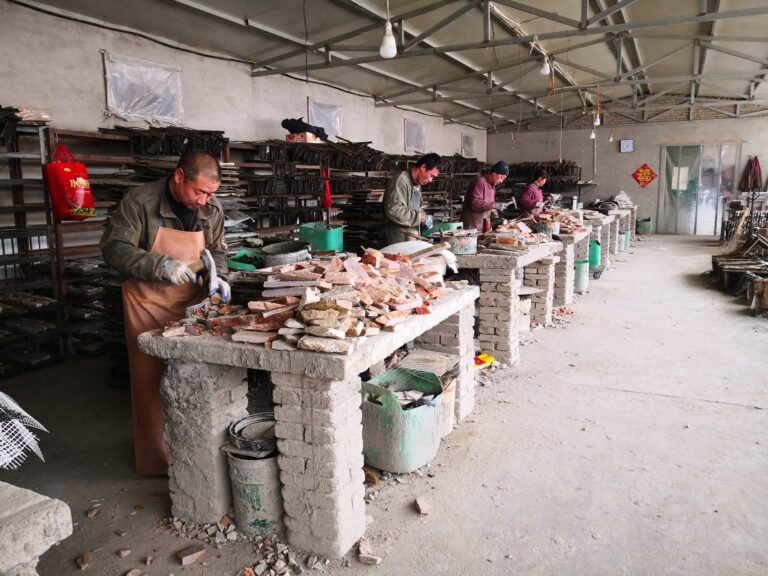
A factory that exports 220+ containers a year has this sequence automated. Ask for these deliverables in the order contract and keep them on file before the vessel sails.
- Commercial invoice with unit prices, quantities, and Incoterms stated.
- Packing list with net and gross weight per carton and pallet plan.
- Certificate of origin for the exact shipment.
- ISPM 15 certificate plus IPPC-marked pallets and crates.
- Bill of lading issued by the carrier, not the factory.
- Loading video and pre-shipment inspection report as evidence the container matched the paperwork.
All six ship standard with orders from Top Stone Panels. The container loading guide on this site explains the packing protocol that keeps the stones intact and the marks legible, and the China sourcing checklist fits these documents into the broader procurement process.
Preparing your first customs clearance?
We ship every container with the COO, ISPM 15 certificate, packing list, and loading video your broker needs. Samples ship in 1-3 days; production runs 20-25 working days at a one-20GP minimum.
Slate | Quartzite | Z-panels | FOB Xingang / CIF / DDP
Frequently Asked Questions
How long does customs clearance take for stone imports?
With clean documents, most US and Canadian containers clear within one to three days of arrival. Examinations and ISPM 15 issues can extend that to a week or more plus storage.
What documents do I need to import stone from China?
A commercial invoice, packing list, bill of lading, certificate of origin, and ISPM 15 certificate for the wood packaging. US buyers also file an Importer Security Filing before loading.
Do I need a customs broker to import stone?
Not legally in every market, but practically yes for B2B containers. The importer of record stays liable either way, so a broker’s expertise is cheap insurance against misclassification.
Does ISPM 15 apply to the stone itself?
No. It applies to wooden pallets and crates around the stone. The stone needs no fumigation, but every piece of wood packaging must carry the IPPC mark and treatment certificate.
What is the minimum order from Top Stone Panels?
One 20GP container, with production in 20-25 working days and physical samples in 1-3 days. FOB Xingang / EXW / CIF / DDP terms and 30% T/T deposit with 70% before shipment.
Conclusion
Customs clearance rewards preparation, not speed. The importer who verifies HS codes, demands the ISPM 15 marks, and keeps invoice and packing list consistent clears within days. The importer who discovers the problem at the dock pays demurrage and penalties for the lesson.
- Confirm classification with a broker before shipment; slate and quartzite have distinct HS homes.
- Require the six standard export documents and check them before the container closes.
- Treat ISPM 15 compliance and country-of-origin marking as part of the contract, not paperwork after the fact.
- Keep the declared weight and value consistent across invoice, packing list, and bill of lading.
Ask your supplier for the document set on the first price quote, not the last loading day. A factory that names its certificates in the proposal is a factory that has already cleared the container a hundred times.