You requested three quotes for the same stacked stone specification, and each came back with a different number. Opaque pricing is the most frustrating part of sourcing natural stone cladding from overseas, and it costs importers real money every year. Mastering stone panel pricing negotiation does not require insider connections. It requires understanding which variables move the needle on a FOB quote and how to position your specifications so each factor works in your favor.
This guide breaks down the seven pricing factors that every stone panel factory in Hebei uses to calculate a FOB Xingang quotation.
Key Takeaways
- Seven pricing variables determine every FOB stone panel quote: raw material grade, dimensions, surface finish, backing type, order volume, customization, and seasonal timing.
- Raw material grade is the single largest cost driver. Quarry vein quality and stone type (slate vs. quartzite vs. sandstone) create meaningful price differentials before processing begins.
- Panel thickness affects two cost lines simultaneously: raw material consumption and shipping weight per container.
- Epoxy bond backing adds cost over cement backing but delivers superior moisture resistance for exterior applications.
- Order volume is the most straightforward negotiation lever. Setup costs amortize across more units, creating natural volume-based price breaks.
- Mid-year ordering (May through August) typically offers the best combination of pricing flexibility and lead time availability.
Understanding FOB Stone Panel Pricing Basics
Before dissecting individual cost factors, establish what a FOB quote covers. FOB Xingang means the supplier bears all costs from quarry extraction through production, quality inspection, export packaging, and inland transport to Tianjin port. Once the container clears the ship’s rail, risk and cost transfer to the buyer. The Incoterms guide for stone exports covers how FOB, CIF, and DDP structures compare.
The standard container unit is a 20GP, and the MOQ at Top Stone Panels is one 20GP per product type. The port of Xingang sits roughly 200 kilometers from the quarry and production facilities in Yixian, Baoding. This proximity to port is a structural cost advantage Hebei suppliers hold over southern Chinese factories.
Payment terms follow a 30/70 structure: a 30% T/T deposit confirms the order, and the remaining 70% is paid before shipment after the buyer reviews loading video and HD layout photographs. The guide on sourcing stone cladding from China covers the full supplier vetting process.
Raw Material Grade: The Largest Cost Driver
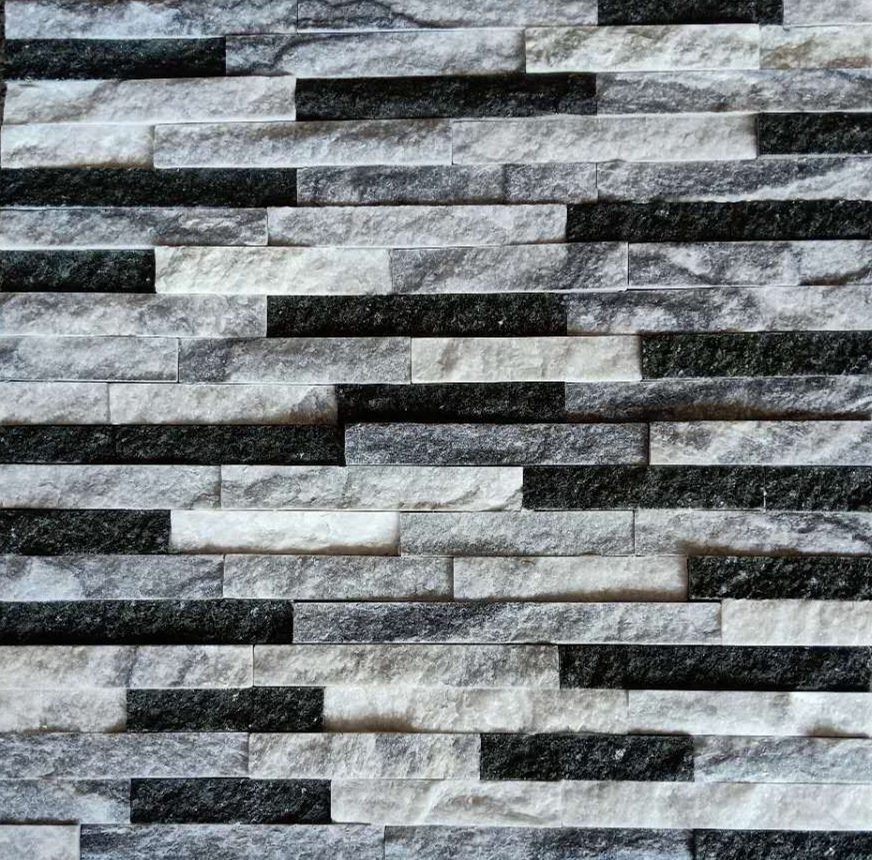
Stone panel pricing begins at the quarry face. The quality of the vein currently being extracted determines how much usable material emerges from each cubic meter of rock, and that yield rate flows directly into per-square-meter cost. A high-grade vein with consistent color and minimal fissures produces more first-quality panels per block. A lower-grade vein generates more waste, and that waste gets priced into the output.
Different stone types carry inherently different cost structures. Natural slate, the most common material for stacked stone panels and thin ledgestone, occupies the middle of the price spectrum. Quartzite is harder to quarry and more demanding on diamond cutting blades, typically commanding a premium due to higher tooling consumption and slower processing speeds. Sandstone and marble each have their own cost profiles based on quarrying characteristics and availability.
Top Stone Panels operates its own quarries in Hebei, providing direct control over vein selection and raw material grading. This vertical integration eliminates the margin a third-party block trader would add. The negotiation implication for buyers: requesting a narrow color range narrows usable quarry output and raises per-unit cost. If the project allows color variation within an acceptable band, communicating that flexibility can unlock a more competitive quote. Batch-specific vein selection is available for projects requiring visual uniformity, though it carries a premium reflecting additional sorting labor.
Panel Dimensions and Thickness Impact
Every millimeter of stone thickness adds weight and material cost. Thicker panels consume more raw stone per square meter and weigh more per container load. Since container shipping costs are fixed regardless of whether the 20GP weighs 18 tons or 24 tons, heavier panels reduce the square meters that fit within a container’s weight limit, raising the per-unit shipping cost.
Standard dimensions in the Top Stone Panels catalog include 15×60 cm and 15×55 cm for stacked stone, 36×10 cm for thin ledgestone, and 20×55 cm or 15.2×61 cm for Z-Panels. Thin stone veneer uses a sliced stone face bonded to a backing substrate, reducing weight substantially. Flagstone and crazy paving follow different dimension conventions with irregular shapes and thicker profiles. Non-standard sizes require custom CNC programming and calibration, adding a setup surcharge that becomes less significant per unit as order volume increases.
Surface Finish Complexity and Labor Cost
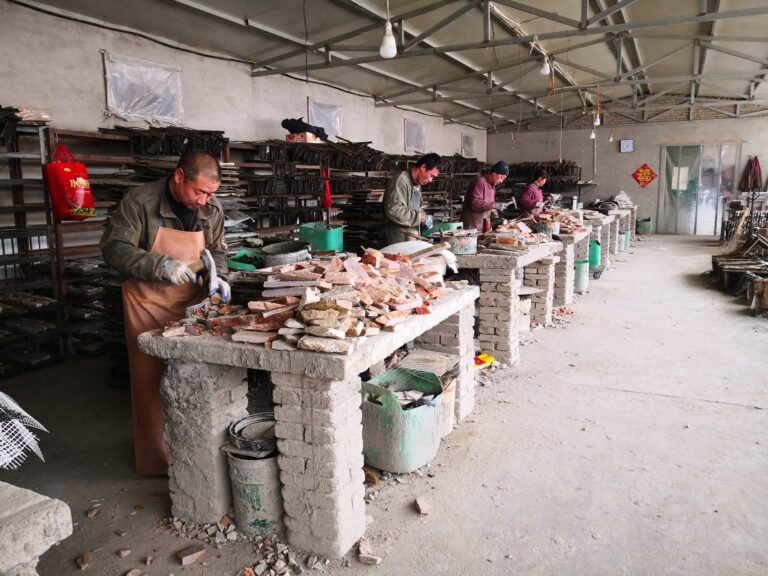
The surface finish determines how much hand labor is involved, and hand labor is where costs diverge most sharply between product types. A split-face finish requires skilled workers who can judge fracture points and apply force with precision. Each panel must be individually split and inspected. This process cannot be fully automated.
A honed finish relies on mechanical grinding with progressively finer abrasive pads. The process is more predictable and easily standardized across large runs. Natural cleft surfaces preserve the stone’s original bedding plane with minimal intervention, reducing labor but limiting correction of surface irregularities. Each finish type occupies a different position on the cost spectrum.
Production capacity figures illustrate the labor intensity differences. Top Stone Panels produces approximately 80,000 square meters of stacked stone per month but only 60,000 square meters of thin ledgestone, despite the latter being physically smaller panels. The difference reflects additional handwork and quality control steps.
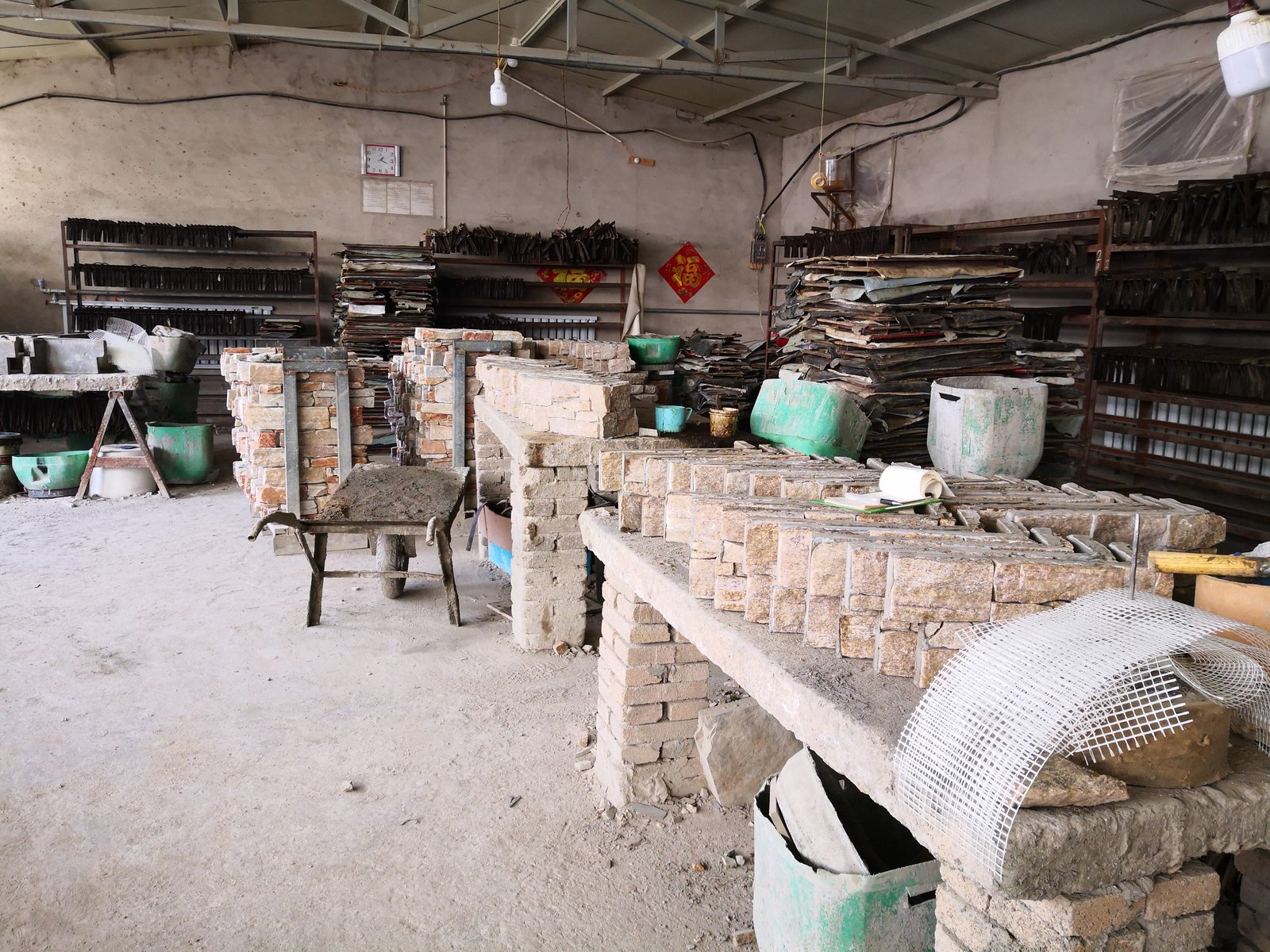
When specifying finish in your inquiry, be precise. A vague request for “textured finish” may result in quotes based on different assumptions. Providing a physical sample or reference photograph ensures all quotes are comparable.
Backing Type Selection and Price Implications
The backing material bonded to the rear of a stone panel is invisible once installed, but it accounts for a measurable portion of production cost. Three options are standard: cement backing, mesh backing, and marine-grade epoxy bond.
Cement backing is the most economical option, using Portland cement-based mortar to create a flat surface compatible with standard thin-set adhesives. Mesh backing uses fiberglass or polyester mesh for tensile reinforcement without significant weight addition. It is common for thin stone veneer where weight reduction is a priority. Cost sits between cement and epoxy bond.
Marine-grade epoxy bond is the premium option. A two-part epoxy resin delivers adhesion strength and moisture resistance that exceed cement and mesh alternatives. It is specified for exterior cladding in coastal environments, freeze-thaw climates, and applications where panel integrity is critical. The higher material cost and longer curing time translate into a price premium. The natural stone cladding cost breakdown article provides additional context on how backing fits into total project economics.
Order Volume Economies and Price Breaks
Production economics in stone panel manufacturing reward volume. Every run carries fixed setup costs: color-matching calibration, CNC program loading, packaging line preparation, and quality inspection staging. Spread across 500 square meters instead of 100, the per-unit allocation drops significantly.
Top Stone Panels ships more than 220 containers per year. The standard MOQ is one 20GP per product, typically holding 400 to 600 square meters depending on thickness and packaging. Buyers who consolidate multiple product types or commit to a series of containers over a project timeline can often negotiate more favorable per-square-meter pricing.
Mixed container orders deserve mention. A buyer wanting 200 square meters of stacked stone and 200 square meters of Z-Panels in a single container places a more complex order than one filling it with a single product. The factory must schedule two production runs and coordinate different backing systems. This may carry a slight premium. The guide on MOQ and mixed container orders explains the logistics in greater detail.
For repeat buyers, the pricing conversation shifts. Once packaging templates, color standards, and shipping preferences are established, subsequent orders eliminate those setup costs. The first order carries a 25-30 day lead time due to packaging setup; repeat orders compress to 20-25 working days.
Ready to Get a Detailed FOB Quote?
Share your project specifications with the Top Stone Panels sales team and receive a quotation based on your exact stone type, dimensions, finish, and volume requirements.
Customization Level: OEM, Private Label, and Packaging
Standard catalog products with standard export packaging represent the baseline price. Every customization layer introduces additional cost.
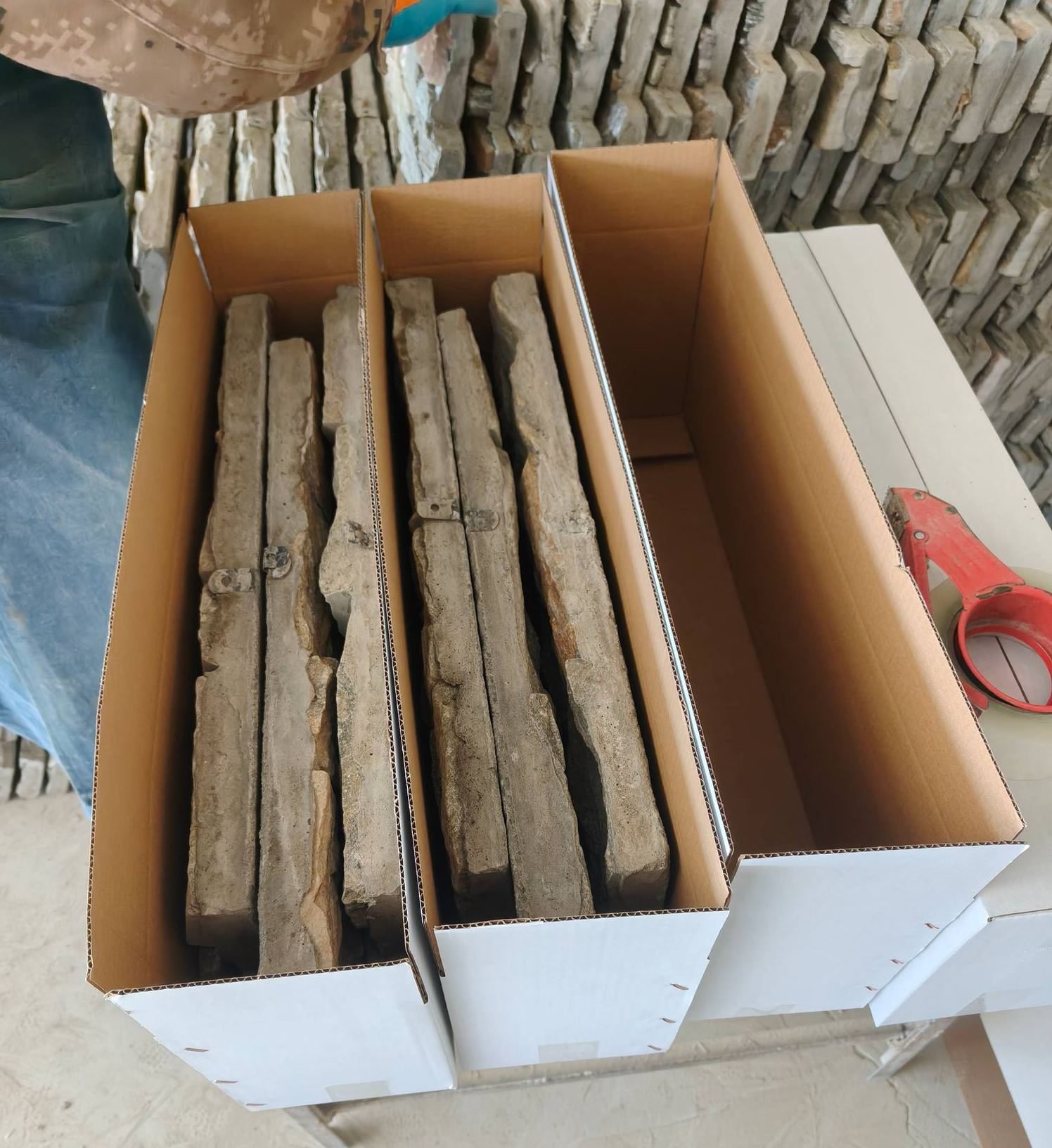
Custom color box packaging is the most common first-order customization. The factory prints branded packaging with the buyer’s logo, product information, barcode, and marketing copy. This requires printing plates and a minimum carton run, which is why first orders with custom packaging carry a 25-30 working day lead time compared to 20-25 days for repeat orders where packaging stock already exists.
Private label branding extends to branded inserts, installation instruction cards, warranty documentation, and custom labeling on the panel backing. The OEM and private label stone panel guide covers branding options and cost implications.
OEM product specifications represent the deepest customization level. Non-standard dimensions, proprietary profiles, or specific color blends require tooling development, prototyping, and approval sampling before full production begins. These costs are amortized into unit pricing over the first several orders.
The practical advice: separate needs from wants. If branded packaging drives sales in your distribution channel, it earns its cost. But adding layers without clear ROI inflates the quote without proportional benefit.
Seasonal Timing and Production Scheduling
Stone panel production in Hebei follows a seasonal rhythm that affects pricing flexibility and lead time availability.
Q1 (February through March) presents the tightest conditions. Factories resume after Chinese New Year with a gradually returning workforce. Pre-holiday backlogs must be cleared first, limiting pricing flexibility.
Q2 through Q3 (April through September) is the optimal ordering window. The workforce is fully staffed, production lines run at capacity, and factories are motivated to fill order books. Top Stone Panels operates year-round, but mid-year consistently offers the best combination of competitive pricing and reliable lead times.
Q4 (October through December) introduces pre-holiday pressure. Orders must be completed before the January shutdown. Buyers needing Q4 shipments should place orders no later than early October.
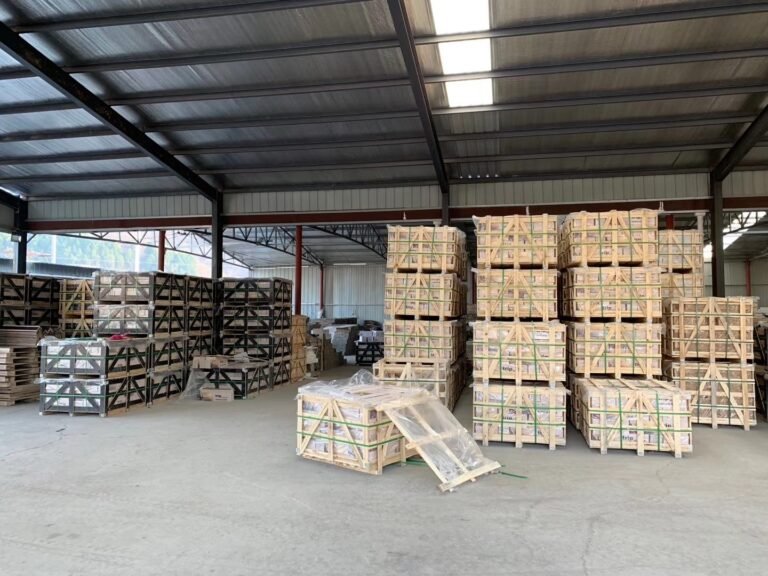
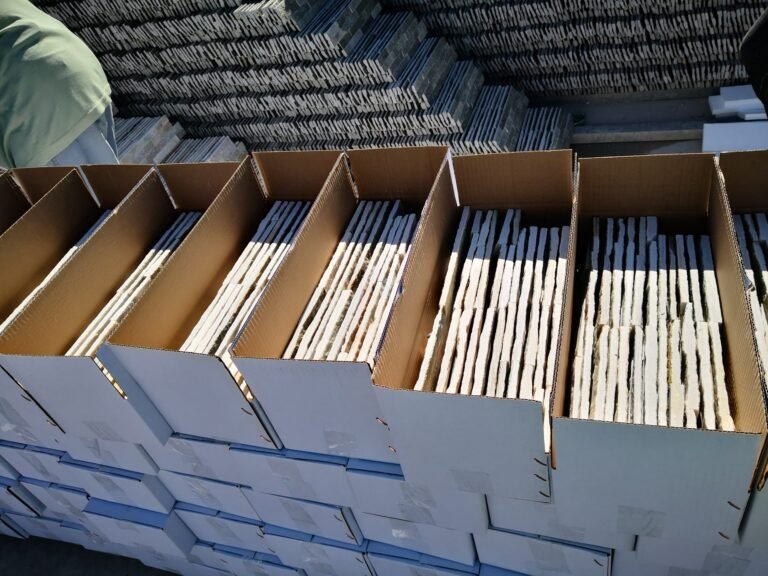
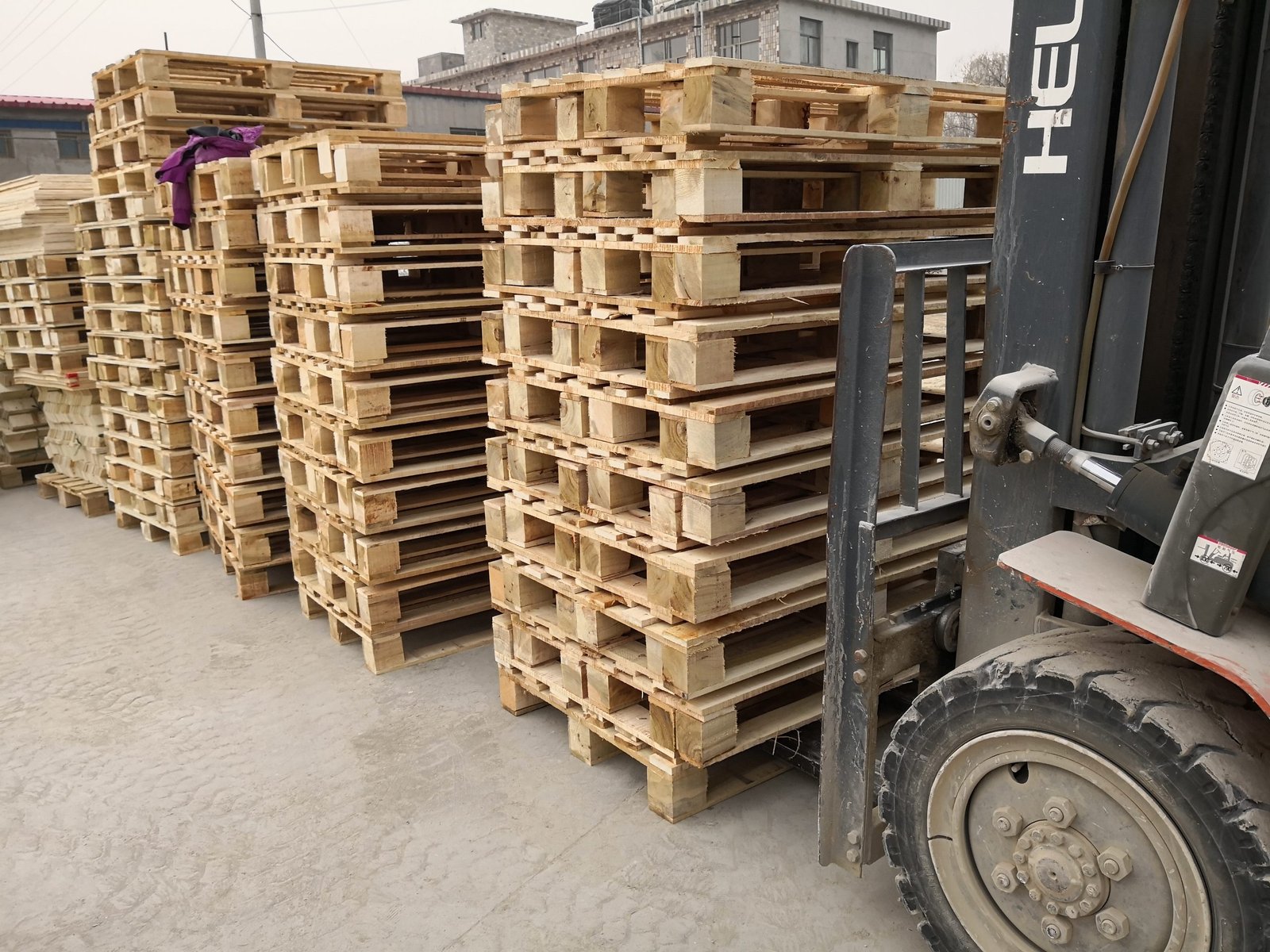
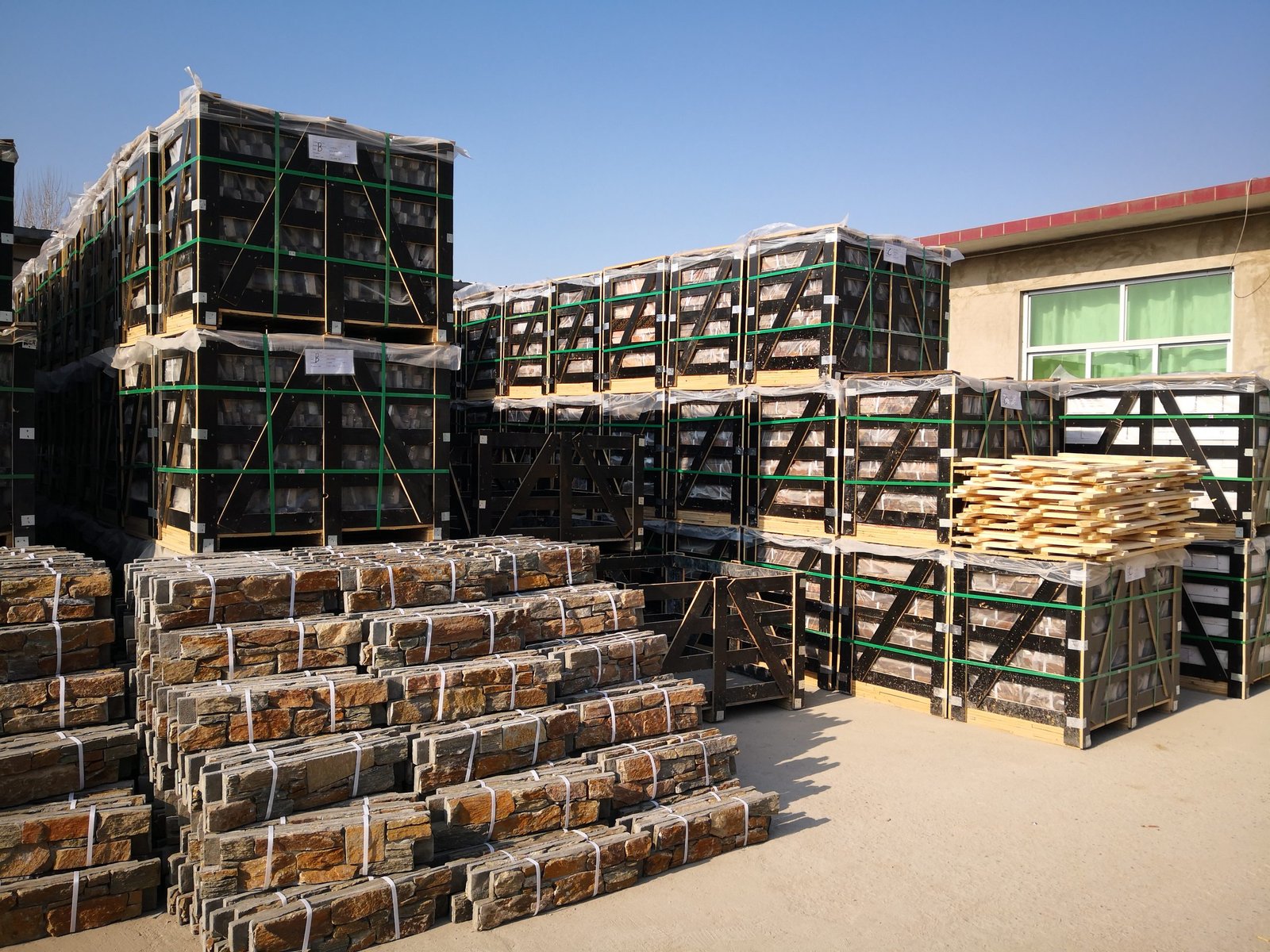
The export packaging protocol remains consistent regardless of season: 3-5 layer corrugated cartons, fumigation-free plywood pallets, 4-6 steel bands per pallet, and industrial airbag fill within the container. The container loading and zero-breakage packaging guide details this system. All materials comply with ISPM 15 standards, and certificates of origin with pre-shipment inspection reports are provided as standard.
Negotiation Tactics: A Buyer’s Checklist
With the seven pricing factors established, here is a structured approach for your next inquiry.
Specify with Precision
Ambiguous inquiries produce padded quotes. Provide exact specifications: stone type, panel dimensions, thickness, surface finish, backing type, and target quantity. The quantity calculation formula guide helps determine precise requirements before requesting a quote.
Signal Volume Commitment
If your project requires multiple containers, say so in the initial inquiry. A factory that sees a five-container project will calculate differently from the start. Communicating total project scope gives the supplier a reason to offer competitive pricing.
Separate FOB from Logistics
Request a clean FOB Xingang quote first, then ask for CIF or DDP as separate line items. This lets you compare production cost against logistics cost independently. The Incoterms guide explains how these trade terms differ.
Request Tiered Pricing
Ask the factory to quote at two or three volume tiers: one container, three containers, five containers. The spread between tiers reveals where meaningful price breaks exist.
Time Your Inquiry Strategically
Send inquiries during the Q2-Q3 window when capacity is available and motivation to secure orders is high. Avoid the first three weeks after Chinese New Year and the final two weeks before the January shutdown.
Frequently Asked Questions
What is the standard trade term for stone panel quotes from China?
FOB Xingang (Tianjin port) is the standard quote basis for stone panel exports from Hebei, China. Suppliers can also provide EXW, CIF, or DDP quotes depending on buyer requirements. FOB means the supplier covers all costs up to loading the goods on the vessel at the port of origin.
How does order volume affect stone panel pricing per square meter?
Larger orders reduce the per-square-meter cost because production setup costs, color-matching calibration, and packaging preparation are amortized across more units. A buyer ordering 5 containers will typically receive a more competitive rate than one ordering a single 20GP container, which is the standard MOQ.
Does stone panel backing type affect the FOB price?
Yes. Marine-grade epoxy bond backing costs more than cement backing due to higher material expense and longer curing time. However, epoxy bond offers superior moisture resistance and adhesion strength, making it the preferred choice for exterior cladding in humid or freeze-thaw climates.
Can I mix different stone types in one container to reduce costs?
Mixed container orders are possible and many buyers use them to diversify their inventory. However, mixing multiple stone types in a single 20GP container may carry a slight premium due to additional sorting, handling, and production line changeover requirements.
When is the best time of year to negotiate stone panel pricing?
Mid-year months (May through August) typically offer the most favorable pricing conditions. Production capacity is fully available after the Chinese New Year rush, and factories are motivated to fill their order books before the Q4 holiday season.
What information do I need to provide for an accurate stone panel quote?
For an accurate FOB quote, provide the stone type (slate, quartzite, sandstone, or marble), panel dimensions and thickness, surface finish preference, backing type, estimated quantity in square meters, packaging requirements, and preferred trade terms.
Your Action Roadmap for Smarter Pricing
Negotiating stone panel pricing means understanding the cost structure well enough to make informed trade-offs between specification choices and budget constraints. The seven factors in this guide are the same variables every Hebei factory uses to build a quote. Here is the action roadmap for your next sourcing cycle:
- Map your specifications. Define stone type, dimensions, thickness, finish, and backing before contacting any supplier. Ambiguity costs money.
- Calculate total material requirements. Use project formulas to determine square meters needed, then evaluate whether consolidating into larger orders improves per-unit cost.
- Time your inquiry. Target the Q2-Q3 window for the best combination of pricing flexibility and reliable lead times.
- Request tiered pricing. Ask for quotes at multiple volume levels to understand where price breaks exist.
- Separate production cost from logistics. Start with a clean FOB Xingang quote, then layer on CIF or DDP as needed.
- Invest in the relationship. The most competitive pricing emerges from repeat orders where setup costs are eliminated and production efficiency is maximized.
Top Stone Panels has been quarrying and exporting natural stone cladding from Hebei for over 18 years, shipping more than 220 containers annually. Whether your project calls for stacked stone, thin ledgestone, thin stone veneer, Z-Panels, flagstone, or stone columns, contact the Top Stone Panels team with your specifications and target timeline for a detailed FOB quote.