Volume Pricing from Stone Factories: What Tiered Quotes and Annual Agreements Actually Deliver
Short answer: yes, Chinese stone factories give volume-based price breaks, but not in the flat “big number, small number” ladder most buyers imagine. Real tiers follow production logic: the container as the atomic unit, the full container load of one SKU versus mixed, and the seasonal calendar where the factory’s quarry and line capacity are idle. The move that earns the break is committing to volume in waves, not years: a container-count band with an option, not a 24-month firm promise you cannot forecast. What an annual agreement genuinely buys is not the lowest unit price; it is a fixed price-horizon, protected production slots, and a color-batch program that keeps your reorder matching last year’s wall.
Distributors with growing reorder volume face the same quiet question every renewal: are you paying the same per square meter as you did on one trial container? The answer should not be. This guide covers where real discounts live, what the factory wants in exchange, and the structure of agreements that hold when stone markets move.
Where a Factory’s Real Discounts Live
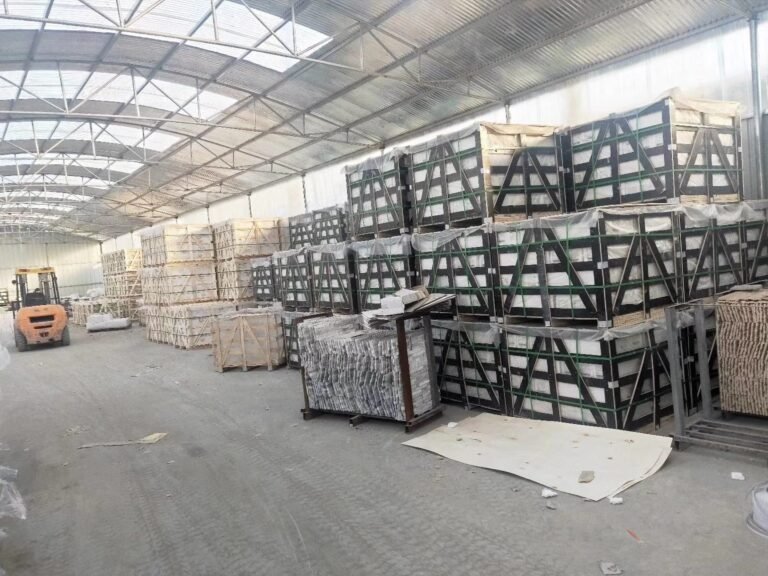
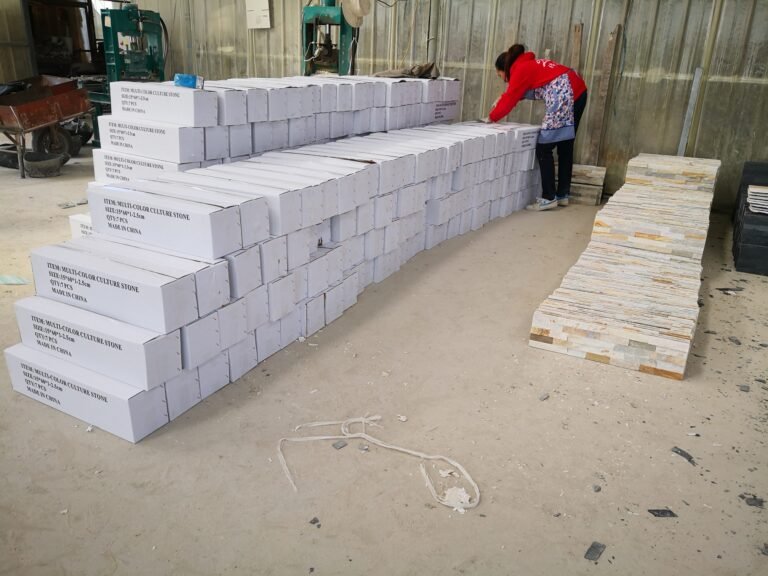
Converting stone has three cost cliffs a buyer can ride. The first is the container-load single-SKU run: a mill that loads one full 40HQ of one product eliminates mixed-packing labor, pallet variation, and the inspection overhead of a multi-SKU order; the pricing of that difference is why the container mix guide treats the 40HQ as the negotiation unit rather than the square meter. The second is production batching: a factory scheduling three of your containers back-to-back in one campaign reuses the same saw setup, mesh, and box tooling, and setup amortization is exactly the line an annual agreement can shrink, which the seven FOB cost lines in the FOB structure itemize. The third is the slack calendar: northern stone regions have weather-driven slow seasons in winter; a buyer who books into a factory’s idle quarter with a committed campaign gets better rates than the same buyer quoting spot in spring peak, and a forward buyer who also understands how freight behaves across those seasons, as laid out in the freight spike playbook, keeps the landed advantage intact.
The Commitment a Factory Will Actually Price
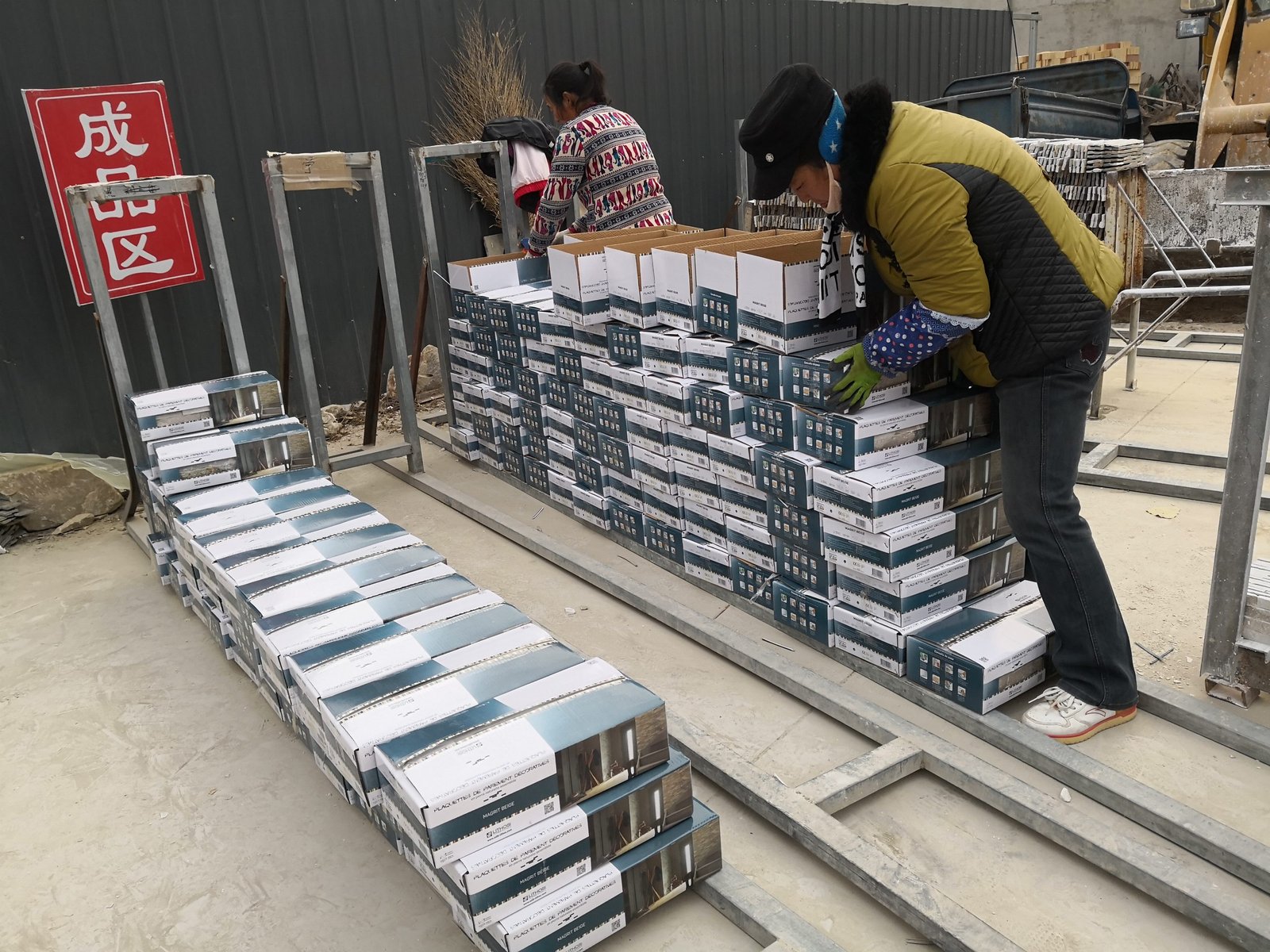
Factories discount against things they can plan, not against things you say you might buy. Ranked by what earns a response: a rolling 12-month container count with a quarterly option window (commit two quarters firm, option the rest) is the strongest structure because it is the factory’s planning horizon and your forecast horizon together; an SKU-level volume band with a price-review trigger moves unit cost but invites argument about which months counted; a pure “we expect 40 containers this year” declaration moves nothing, because everyone says it in January. A model contract from the ICC clause library is the drafting base for the committed-plus-option structure; it spells out exactly what the price holds against and what happens on both sides if the band is missed or beaten.
Expect the exchange to be asymmetrical in the factory’s favor on price and in yours on certainty: the discount per square meter on a 40-container band is commonly smaller than buyers hope, and the real prizes are the locked production slot in peak season, the color-batch program against your retained samples (the matching discipline is a whole subject in the sample retention guide), and the right to re-quote or walk if the mill’s quality slips mid-term. A buyer chasing a headline percentage gives away all three as the factory’s “reward” for a promise it never needed to keep.
When Annual Locks Beat Spot Buying
Three variables decide it. If your demand is retail-shelf steady (garden centers, stocking distributors), an annual price-horizon smooths your own margin even if the unit price is not the best you could have cherry-picked, and a service-level layer on top of the agreement (order response, claim windows, dispatch tolerance) is worth more than the discount; those terms are drafted in the supplier SLA article. If your demand is project-lumpy, annual locking is usually the wrong instrument: the committed volume you would pay for is volume you do not have, and the right tool is a price validity window per project quote. And if FX is moving, remember that the currency exposure in an annual RMB-denominated quote is a cost that can eat the tier discount in a quarter; the hedging and currency-choice logic is worked through in the import payment currency guide.
What a Realistic Price Ladder Looks Like
Ask the mill for its band sheet and you should see, in plain writing: price for a single trial container of one SKU; price for a full mixed 40HQ; price for a two-container campaign of a single SKU in one quarter; and a named volume band above which the “annual partner” number applies, with its review trigger. If a factory’s “ladder” has one step, “whatever you order,” it is telling you its conversion margin is thin and honest, or that volume was never priced in; either way, your counter is the campaign structure, not the demand for a discount. The comparison discipline is the one in the negotiation factors guide: normalize every rung to landed cost per installed square foot, the arithmetic built in the per-square-foot cost article, before ranking suppliers, because a per-meter tier discount that hides a coverage-basis difference is not a discount.
How to Open the Volume Conversation Without Bluffing
The wrong opener is your growth projection; the right opener is your schedule. Put the factory’s own planning language on the table: which quarters your reorders historically hit, which SKUs you repeat, and what container cadence you can hold if the mill holds price and delivery on that cadence. Then ask the mill’s export manager a question they can actually answer and check: if I book a two-container campaign of the same SKU inside one month, what does your price look like, and what does the packing and inspection plan look like? A factory that prices the campaign immediately, in the same call, is a factory whose cost structure has the batching savings you predicted; a factory that has to “ask the boss” and comes back a week later with your current price unchanged is telling you the volume tier was marketing, not arithmetic. That read is free, and it is worth more than any discount sheet, because it tells you what your renewal conversation will be like for the rest of the contract term. The same question asked backward in the scorecard discipline of the manufacturer versus agent comparison also exposes whether the entity you are negotiating with controls the converting line at all, which changes what any commitment from them is worth.
Once the exchange is real, write it as behavior, not percentages: “price X applies to campaigns of two or more containers of a single SKU booked within any 60-day window, with the same slab batch and packing standard.” You have just made the discount self-qualifying, which is exactly the format a mill can audit and a factory accountant can approve, and it removes the year-end argument about whether your total volume “really” earned the tier.
One last practical habit before you sign anything: price your own alternative. Get a real landed quote from a second country of origin, even if you will not switch; the number caps what the tier negotiation can cost you, and factories can tell within a conversation whether a buyer’s walk-away is a bluff. Stone has enough alternative origins, India and Turkey among them, that a well-benchmarked importer rarely gets treated like a captive account, and the same benchmark is what your next renewal review starts from instead of the last invoice.
FAQ
Do Chinese stone factories actually give volume discounts?
Yes, but sized to their own savings: setup batching, mixed-packing avoidance, and idle-season capacity. Expect single-digit percentages on square meter, not the retail-style 30 percent a buyer half-hopes for, and expect the larger value in protected scheduling.
Should I commit 12 months of containers to get better pricing?
Only in waves. Firm first-quarter plus options on later quarters gives the factory the planning signal that earns the rate while leaving you the exit your forecast honesty requires.
What is the best non-price thing to lock in an annual agreement?
Production slot priority in your delivery peak, and a color-batch program tied to retained samples; both are worth more than a percentage on reorder matching, and neither shows up on the quote sheet.
How do I protect against a mid-year price increase in an annual deal?
Define the trigger and the review window in the agreement: named cost drivers (freight bands, energy, duty changes), a quarterly review date, and either your right to cancel unshipped volume at the agreed terms or a symmetrical increase-and-decrease clause.
Is a lower trial-order price or a lower annual-band price the better deal?
Neither without your unit economics. Convert both to landed cost per installed square foot with current freight and duty; that number, not the ladder’s headline, is what your margin actually feels.