Most first-time EU importers ask about the tariff before they have the paperwork right — and that is the mistake. Importing stone to the EU is not a single duty problem. It is a stacked set: Chapter 68 classification, CE marking under EN 1469, an ISPM 15 stamp on every wooden pallet, an EORI number, and an import declaration that a customs representative files on your behalf. Get the classification wrong and the rate you worried about becomes the least of it.
Top Stone Panels ships natural stone cladding from Tianjin Xingang to buyers across Europe under FOB, EXW, CIF, and DDP terms, and our existing European partners — Castel, Iryda, and OBI in building material retail and wholesale — clear these containers every week. This guide is the market-entry checklist we walk distributors through: what the EU actually requires, what the ocean part costs in days, and which decisions to make before you place the first container order.
- Worked stone from China classifies under HS 6802 (quartzite, sandstone, granite, marble) or 6803 (slate); classification drives the EU duty and VAT treatment.
- CE marking under Regulation (EU) 305/2011 is mandatory for construction products covered by a harmonised standard; for cladding slabs that is EN 1469.
- An EU importer needs an EORI number, and clearance runs through a customs representative with an electronic import declaration.
- Every wooden pallet and crate must carry the ISPM 15 IPPC stamp; unmarked wood sits at the port.
- Direct sailing runs 30-35 days Shanghai-to-Rotterdam and 32-36 days to Hamburg; DDP FCL factory-to-EU totals about 40-50 days.
- Standard production is 20-25 working days, the MOQ is one 20-foot container, and payment is 30% T/T deposit plus 70% before shipment.
The Market Case for EU Sourcing
Europe is a natural stone importer, not a natural stone exporter. Its quarries are real, but a large share of panelized cladding sold through EU distributors arrives from outside the Union, and China’s manufacturing regions supply the volume. The global stone trade data shows European ports among the top destinations for Chinese slab and panel exports, and our own order book matches that picture: European building material chains buy direct from the factory, not through an import agent.
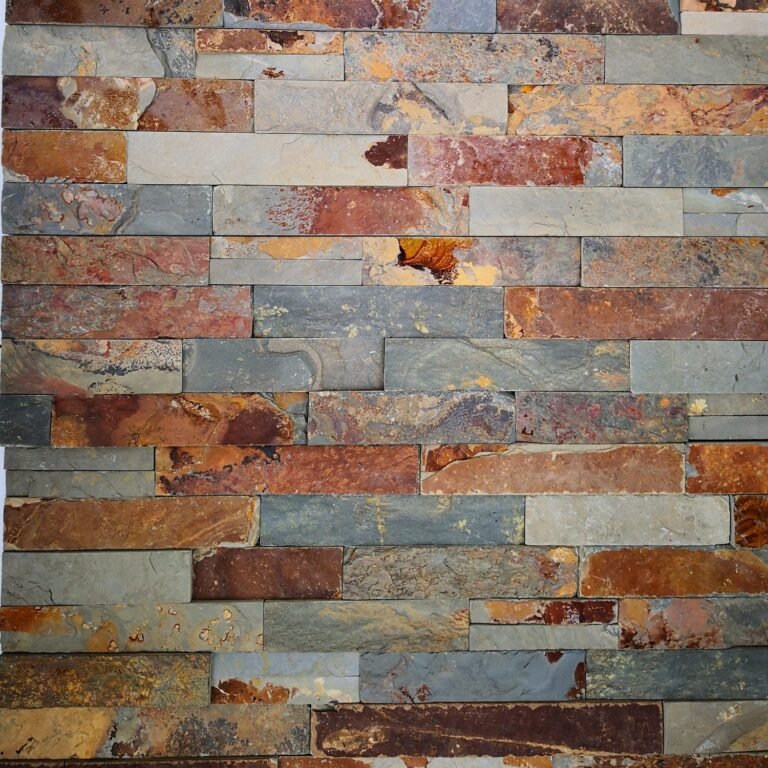
The product mix that works in the EU is worth naming precisely. Thin ledgestone panels and stacked stone panels carry the EU renovation market, because they convert to installed wall area quickly and install over existing substrates. Interlocking Z-panels suit commercial facades where install speed decides the job. All three ship in a standard 20-foot container, meet the farm gate of the distribution model, and carry private-label potential for the distributor who wants their own brand on the box.
Commercial reality sets the pace. Standard production takes 20-25 working days, first orders with custom carton printing run 25-30 days, and the minimum order is one 20GP container. Count the ocean leg on top and a first EU container lands about 11-15 weeks after the order date — which is why distributors who want spring inventory order in late autumn instead of gambling on the spring rush.
Classifying Stone for EU Customs
EU customs runs on the Combined Nomenclature, which extends the HS headings into CN subheadings. Worked stone from China lands in Chapter 68: quartzite, sandstone, granite, and marble panels under the 6802 series, and worked slate panels under 6803. The stone cladding HS code guide walks through the full 6802 vs 6803 decision; the short version is that slate veneer and panels classify as 6803, everything else as 6802.
| Product | HS Chapter 68 line | Examples |
|---|---|---|
| Worked monumental or building stone | 6802 series | Quartzite, sandstone, granite, marble panels and slabs |
| Worked slate | 6803 | Slate cladding panels, slate veneer strips |
| Cement-backed stone panels | Composition decides | Z-panels with cement backing; classify with the manufacturer and broker |
| Mesh-backed veneer, random shapes | 6802 or 6803 family | Flagstone and crazy paving on fiberglass mesh |
The EU applies the Common Customs Tariff, and the effective rate for Chapter 68 stone depends on the CN subheading and the origin of the goods. Rates can be zero on some lines and low single digits on others, but pricing that on memory is how landed-cost errors start — confirm the applicable TARIC rate in writing with a licensed customs broker before you commit a quote. It is the same discipline our US import guide recommends for the American side, and it is the correct habit on any border.
VAT is the second cost layer and the one distributors most often under-estimate. Import VAT is charged at the destination member state’s standard rate when goods enter, separate from any customs duty. Because member states set their own rates — most standard VAT rates sit in the rough 19-25% band — the same container can carry materially different cash VAT into Germany versus France versus Spain. An importer reclaims it later under their own VAT registration, but the cash has to be funded at the border first.
CE Marking and EN Standards
CE marking is an EU legal requirement for construction products covered by a harmonised European standard, under Regulation (EU) 305/2011, the Construction Products Regulation. For natural stone cladding slabs the reference standard is EN 1469. A manufacturer covered by it issues a Declaration of Performance (DoP) stating the essential characteristics — dimensions, flexural strength, reaction to fire, water absorption — and the product carries CE marking on that basis.
Related standards map to the rest of the stone product family: EN 12058 for floor and stair slabs, EN 12057 for modular tiles, EN 1341, EN 1342, and EN 1343 for external paving, and EN 12326-1 for roofing slate. Reaction to fire is classified under EN 13501-1, where natural stone without organic content is generally class A1. The CE and EN standards guide explains the full set and what a Chinese mill must provide.
Read CE marking as a performance declaration, not a quality award. It says the product meets declared performance under the EN test methods; it is separate from customs clearance, from VAT, and from the ISPM 15 rules on wooden packaging. A distributor who asks for the DoP, checks the declared dimensions against the product, and files it with the other import documents has done the compliance job correctly. A distributor who assumes CE marking stops at a sticker will meet the difference at the first technical query from a customer’s architect.
Paperwork That Clears the Border
Every EU landside clearance is a file of documents, and the file changes with the terms. Under FOB or CIF the buyer’s representative files the import declaration; under DDP the seller handles it. Either way the same set travels with the container.
| Document | Purpose | Who issues |
|---|---|---|
| Commercial invoice | Value basis for duty and VAT | Exporter |
| Packing list | Carton, pallet, and crate count per container | Exporter |
| Bill of lading | Title and ship movement record | Carrier |
| Certificate of origin | Origin proof; can affect the duty rate | Exporter or chamber of commerce |
| ISPM 15 mark on wood packaging | Biosecurity proof for pallets and crates | Fumigation provider |
| Declaration of Performance (DoP) | CE-marked performance declaration | Manufacturer |
| EORI registration | EU-wide importer identifier | Importer (national customs) |
Two documents deserve watch-out status. The ISPM 15 mark is applied to wood packaging, not cargo: every pallet and wooden crate must carry the IPPC stamp, or the terminal treats the packaging like contraband and pulls the container out of the delivery stream until it is re-treated. The ISPM 15 standard is universal, not EU-specific, which is why a factory that honors it for US, Australian, and EU orders rarely trips on it. The DoP is the one document buyers forget because it looks like paperwork until a customer asks for the performance numbers.
For the origin side, the stone export documents guide runs through the full shipment file from the exporter’s side — what leaves the factory, the loading video, and the pre-shipment checks that make the file trustworthy.
Shipping Lanes and Transit Times
Europe lanes are the slow end of the transpacific industry for one simple reason: the boat has farther to go. Direct sailings from Shanghai to Rotterdam typically run 30-35 days, and to Hamburg about 32-36 days. Services that transship, usually through Singapore, land at about 35-40 days — the transshipment choice quietly costs roughly a week before you ever see a customs form.
| Lane | Typical direct sailing | Realistic landed picture |
|---|---|---|
| Shanghai → Rotterdam | 30-35 days | 5-6 weeks plus customs and delivery |
| Shanghai → Hamburg | 32-36 days | 5-7 weeks plus customs and delivery |
| Via transshipment hub | 35-40 days | Add 5-10 days versus direct |
Door-to-door FCL from a Chinese factory to a European buyer totals about 40-50 days, and LCL consolidation stretches that to 45-55 days. Add production on top and the full calendar from order to a German warehouse sits near 11-15 weeks. The stone shipping transit time guide breaks the schedule into four blocks and shows why the same lane can differ by weeks depending on port congestion and customs dwell.
Stone is weight cargo, and that changes the freight arithmetic. Dense panels make a 20GP container weight-limited well before it cubes out, so the same box carries far fewer square meters of heavy quartzite than of light ledgestone — a fact that directly changes which per-square-meter price makes sense for a European distributor’s target margin.
DDP vs FOB/CIF for European Buyers
Choose the terms before you choose the factory, because the terms decide who carries the border risk. FOB Xingang and CIF hand the buyer the clearance problem at the destination — the EORI registration, the customs agent, the VAT funding. That works for a distributor with an established clearance channel. It is a heavy lift for a first container.
| Element | FOB / CIF | DDP |
|---|---|---|
| Ocean booking | Buyer’s forwarder | Seller’s forwarder |
| EU import declaration | Buyer or their representative | Seller |
| Duty and VAT | Buyer | Seller (built into quote) |
| VAT recovery | Buyer reclaims against VAT registration | Buyer may still need VAT-registered accounting |
| Final-mile delivery | Buyer arranges | Seller arranges |
| Single accountable party | Split between buyer and seller | Yes — the seller |
For a distributor launching a thin ledgestone program on one container, DDP is usually the cheaper mistake. It caps the landed price you sell against, and the supplier who mis-judges clearance eats the difference on their margin, not yours. The DDP shipping guide lists the exclusions on a door-to-door quote — free days at the destination, demurrage after them, and what happens when a terminal slips.
For repeat volume, FOB or CIF pays off. A distributor clearing many containers a year captures the freight margin on their own contract and controls the terminal timing. But “cheaper per container” only holds if your clearance channel runs at the same reliability the factory’s DDP arrangement ran at. Compare the two as workflows, not as line items.
Top Stone Panels quotes FOB Xingang, EXW, CIF, and DDP on the same order, with zero-breakage packaging, a loading video, and a 30% T/T deposit plus 70% balance schedule. Production runs 20-25 working days; the MOQ is one 20-foot container.
Explore Our Thin Ledgestone Panels → | Request an EU DDP Quote →
Factory Checks Before the First Container
The border work is only half the risk; the factory half decides whether the container is worth clearing. Run these checks before you commit production, not after the vessel sails.
- Order a physical sample first. Top Stone Panels ships samples in 1-3 days so your lab can verify color, split face texture, dimensions, and weight before you buy a container of them — the sample stage is where classification and performance doubts get settled cheaply.
- Check the QC trail. Our factory runs a three-step control — raw material selection, in-process recheck, and pre-shipment final inspection — and provides the loading video plus layout photos before the balance payment releases the container.
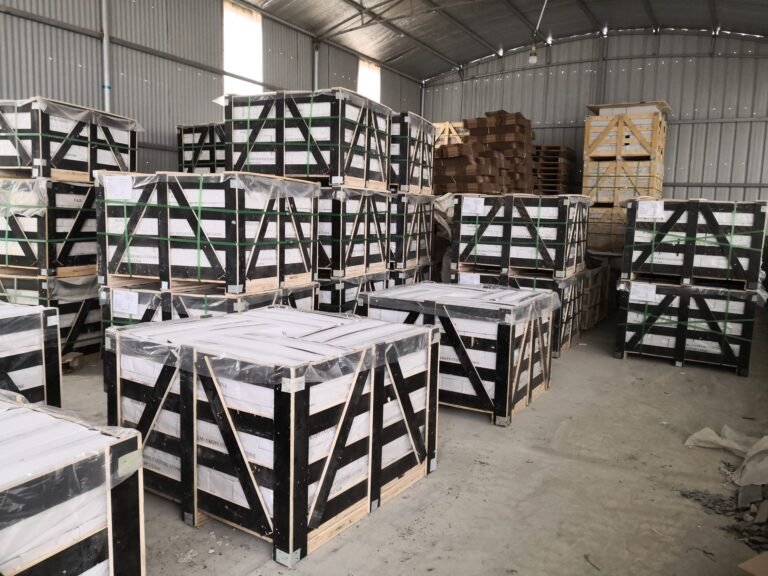
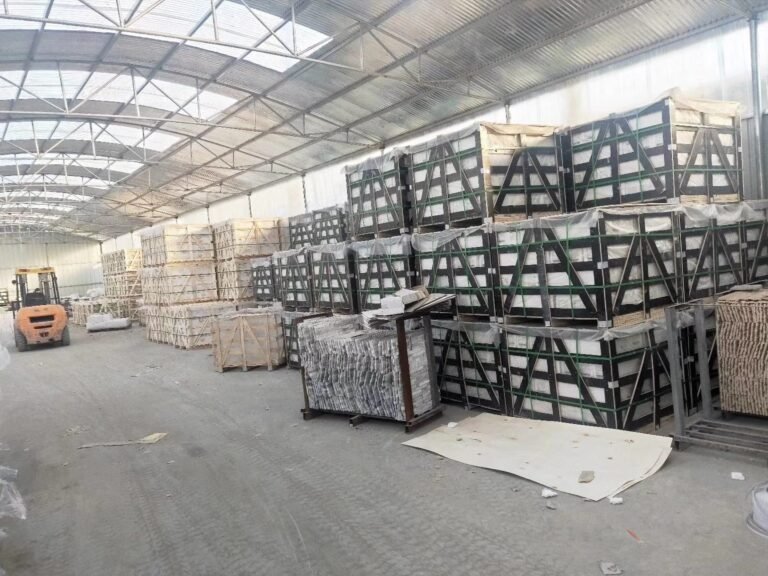
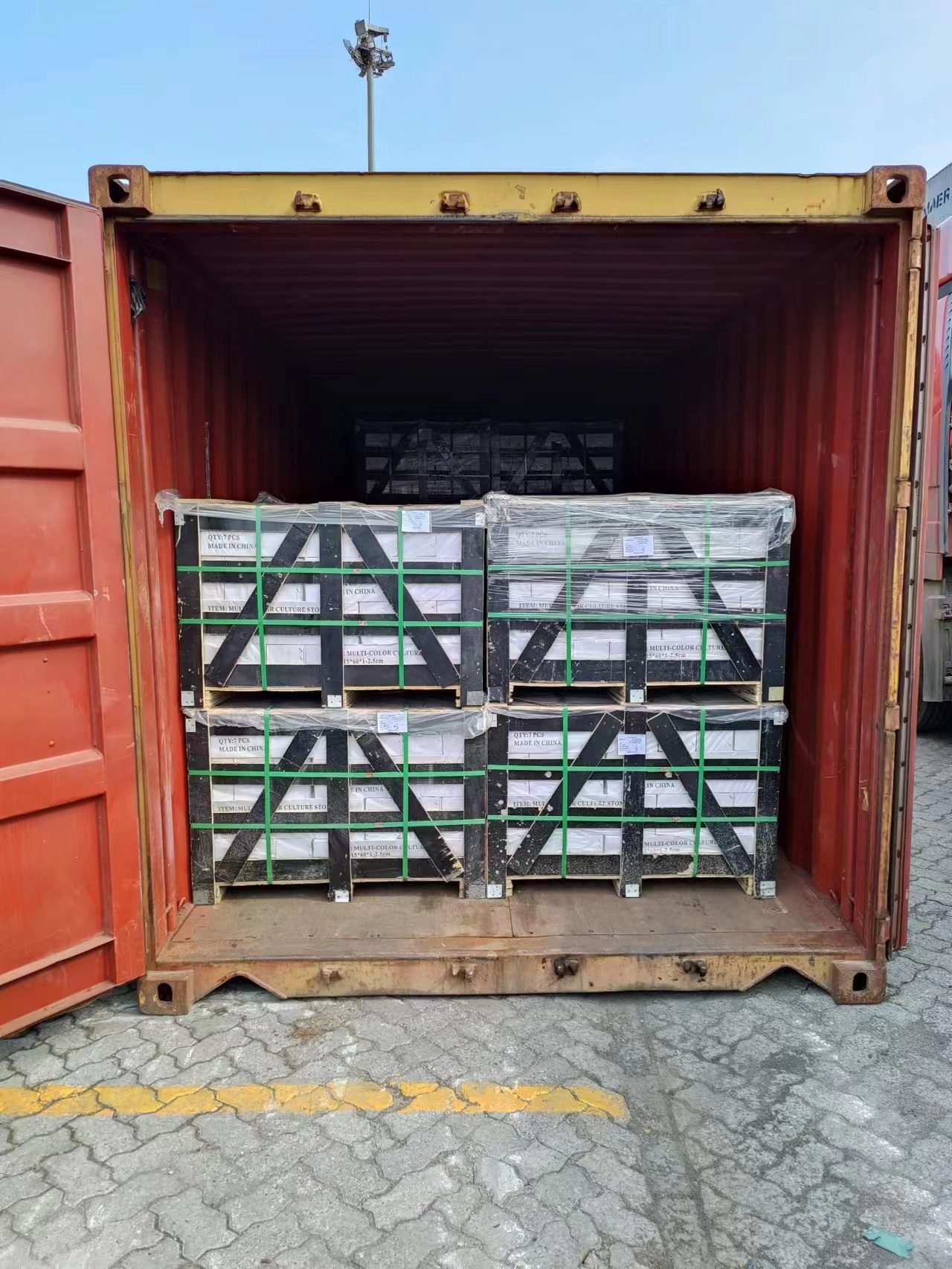
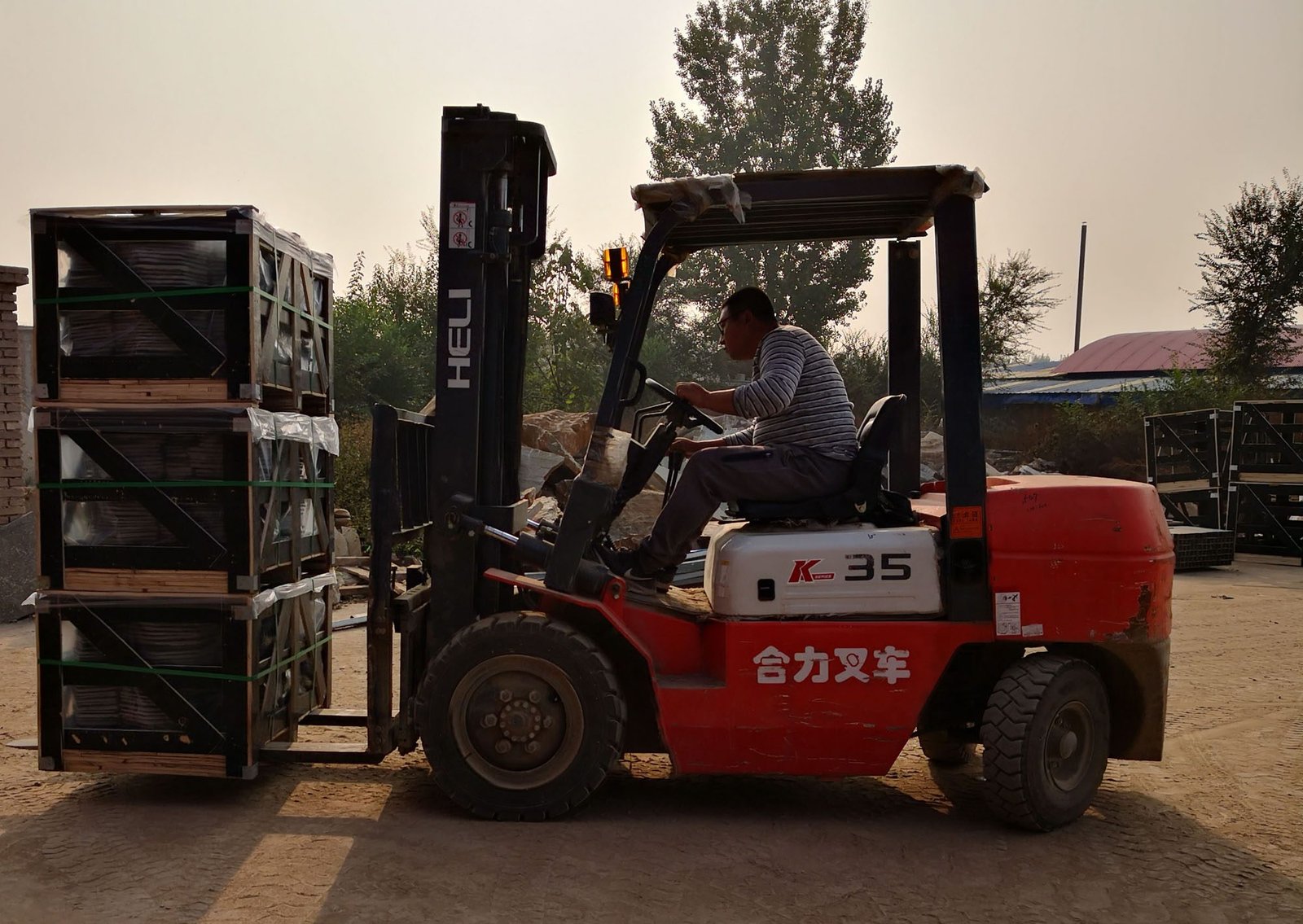
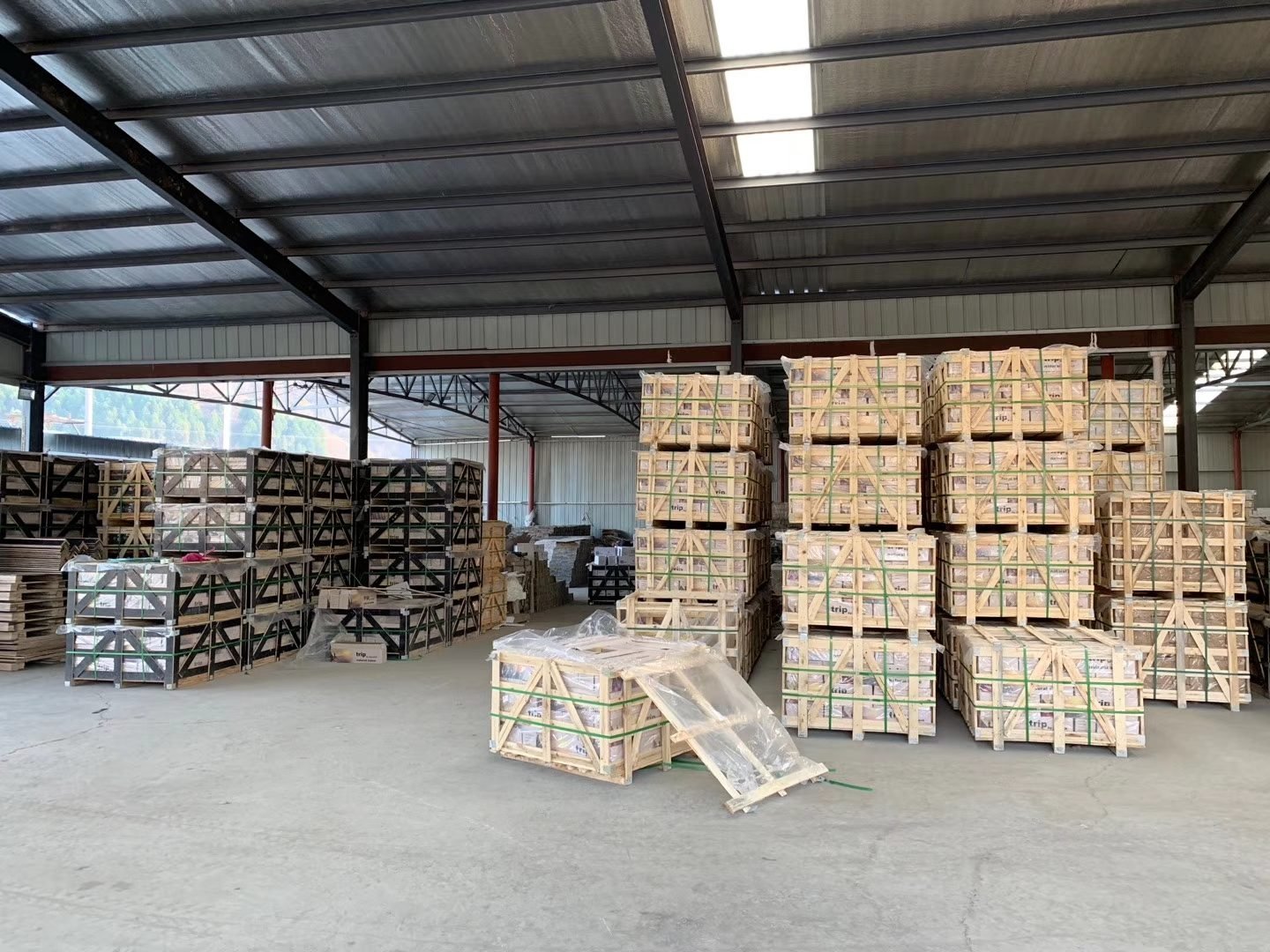
- Confirm the packaging protocol in writing. Zero-breakage packaging uses 3-5 layer cartons, plywood pallets, 4-6 steel straps, and airbag filling inside the container; the ISPM 15 treatment on the wood must be visible before loading.
- Verify the payment structure. 30% T/T deposit and 70% before shipment is the standard import pattern; anything that demands 100% up front with no loading video should read as a warning.
- Ask for the DoP and classification file. A CE-compliant cladding order should come with the Declaration of Performance and the HS/CN code basis, not a shrug.

Europe’s distributor model rewards consistency over heroics: a factory that ships the same panel, same packaging, same documents every time lets you run a price list instead of a fire drill. That is the working definition of a supplier worth a multi-container program.
FAQ
What do I need to import stone into the EU?
An EORI number, an electronic import declaration filed through a customs representative, correct Chapter 68 classification, ISPM 15-compliant wood packaging, and a CE Declaration of Performance where EN 1469 applies.
Does China stone need CE marking for the EU?
Not for every product, but for construction products covered by a harmonised EN standard, CE marking is mandatory under the Construction Products Regulation, Regulation (EU) 305/2011. For cladding slabs that standard is EN 1469.
What is the customs duty on stone imported into the EU?
The rate depends on the CN subheading and origin under the Common Customs Tariff. Confirm the current rate in writing with a licensed customs broker before quoting a landed price.
How long does shipping from China to Europe take?
Direct sailing from Shanghai to Rotterdam takes about 30-35 days and to Hamburg 32-36 days. Door-to-door FCL from factory to a European buyer totals about 40-50 days.
Is DDP safe for a first EU stone container?
For a first container, DDP gives one supplier-managed price and schedule, and the seller arranges clearance, which removes most EORI and customs friction from your side.
Does the EU charge VAT on imported stone?
Yes. Import VAT is charged at the destination member state’s standard rate when goods enter, separate from customs duty, and the importer or a representative accounts for it.
Conclusion
Importing stone to the EU is a paperwork discipline wrapped around an ocean schedule. The classification drives the duty, CE marking covers the construction product side, ISPM 15 protects the border, and the EORI plus import declaration route the container to your warehouse.
- Classify stone under 6802 or 6803, confirm the TARIC rate in writing with a broker, and fund VAT at the destination member state’s rate.
- Ask for the DoP on any CE-marked cladding order, and check the ISPM 15 stamp on every pallet before loading.
- Budget 20-25 working days of production plus 30-35 days of sailing to Rotterdam, and add 5-10 days for transshipment routes.
- Use DDP for the first container, then move to FOB or CIF when your clearance channel earns the freight margin.
Next step is concrete: send the destination city, the target arrival week, and the panel line you want to carry. We will show you the sailing schedule, the DDP quote with the border steps spelled out, and the sample package that starts the file. Contact Top Stone Panels and the first container plan will come back with the documents listed, not hidden.