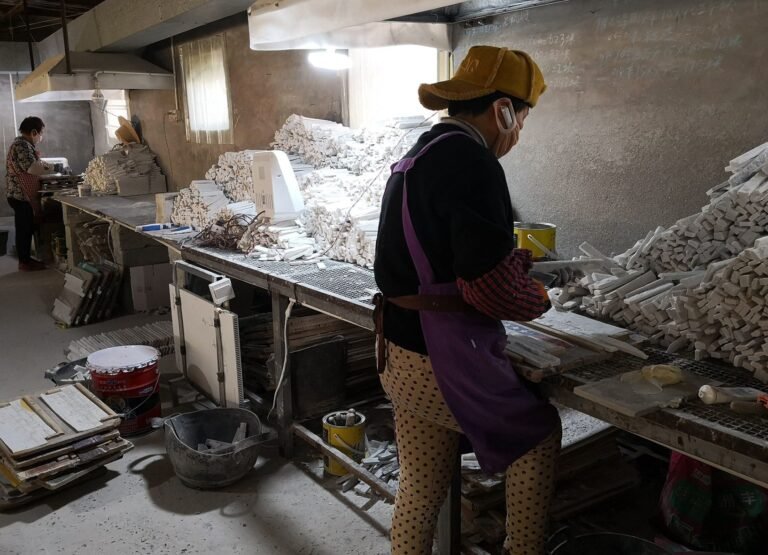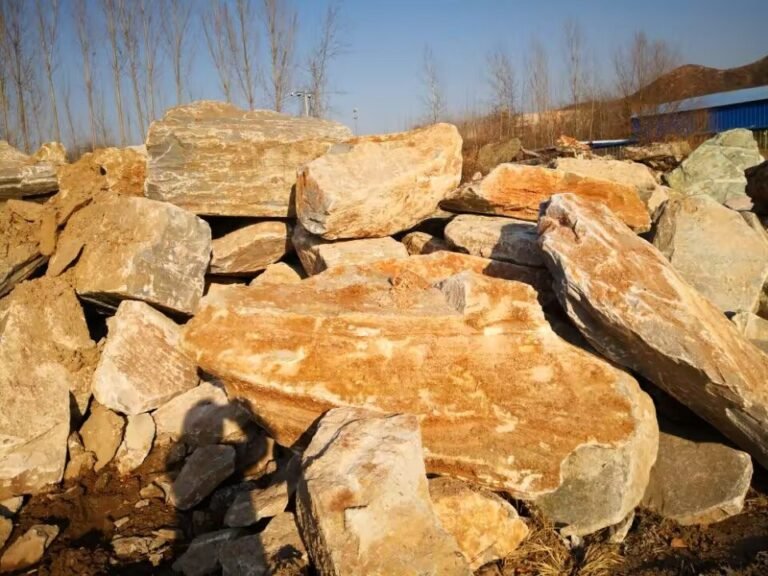
Ask ten stone factory owners where their orders come from and eight will say “Alibaba,” “Google,” or “the fair in Xiamen” — while an increasing share of the buyers they quote first ask an AI assistant which factories deserve a quote at all. A trade-media report in September 2026 put a number on it: 73% of B2B buyers now use AI tools to research suppliers, a single-source figure that still matches what we see on our own inquiry line. Customers arrive asking questions an AI assistant pre-screened for them, and the factory with clean, citable facts is the one that survives the filter. The B2B stone buyer channel map that worked a decade ago is no longer the whole map.
Top Stone Panels markets from the factory floor in Yi County, Hebei, and our buyers are distributors, contractors, and architects in North America and Europe. Some find us because a search engine ranked the site; some because ChatGPT summarized a stone panel buying guide; some because they stopped at our booth at Xiamen or met our European retail partners at a trade event. This guide walks through where stone buyers actually search in 2026, which channels feed which stage of the buying decision, and what a supplier must do to show up on each of them.
- A September 2026 trade-media report estimated 73% of B2B buyers use AI tools to research suppliers; the figure is reported from a single source but matches our inquiry patterns.
- Gartner forecast in 2024 that more than 30% of search traffic would be AI-driven by 2026 — Google still leads, but AI answers increasingly decide the shortlist.
- Stone buying still closes on samples and containers: research happens online, trust happens in physical product and factory visits.
- Trade shows remain the densest sourcing channel: Xiamen Stone Fair 2027 runs March 16-19 with roughly 2,000 exhibitors across 191,000 m².
- Marketplaces (Alibaba, Global Sources, Made-in-China) work best for quote volume; LinkedIn and trade media work best for decision-maker reach.
- Suppliers win AI citations with clean facts, structured data, and consistent claims — the same material that wins Google result pages.
The Buyer Funnel Has Split
Ten years ago the B2B stone funnel was one lane: a buyer typed a keyword into Google, opened the top-three supplier websites, sent quote requests, and negotiated. The lane still exists, but two new lanes split traffic off it. AI assistants answer the “which suppliers are worth talking to” question before a human visits a single website, and marketplaces collect RFQs from buyers who skip general search entirely.
The effect on suppliers is not subtle. A distributor compiling a shortlist still ends up calling factories and asking for samples, but the factories on that shortlist were chosen by something automated in the middle. That automation reads the same public material a search engine reads — websites, product pages, trade listings, certifications — and it sums it into an answer. The AI in stone export marketing guide describes how Chinese factories are adapting to this shift, and the global stone trade data piece gives the volume context for who is buying and where.
The channel mix matters more, not less. Because no single lane carries all the traffic, a supplier that lives on only one channel is one algorithm change away from silence. The B2B stone buyer channels that worked a decade ago are no longer the whole map — the factories winning in 2026 run a mixed lane: search content that ranks, structured facts that AI cites, a marketplace presence that collects quotes, a trade-show calendar that compresses the final scouting trip, and a referral base that closes repeat containers.
AI Assistants Now Filter Suppliers
Gartner’s 2024 forecast that more than 30% of search traffic would be AI-driven by 2026 has aged well in stone sourcing. A buyer now asks an assistant “stone cladding suppliers from China for a distributor” and receives a synthesized answer naming three or four companies with their claimed strengths. The companies named are the ones whose public material was structured, consistent, and quotable — which is why the discipline of generative engine optimization, or GEO, has become a supplier survival skill.
The mechanics are straightforward. AI models build answers from indexed pages, product data, reviews, and standards documents; a site that presents crisp specifications and first-party numbers gives the model clean sentences to quote. Our how AI citations work for stone suppliers guide details the citation mechanics and the JSON-LD structure that helps. What matters for a buyer reading this: a supplier’s stated production capacity, MOQ, lead time, and compliance claims are increasingly the filtered version that lands in an AI answer — so the claims have to be exact, because they travel.
There is a human layer under the automation. AI answers name candidates, but distributors still open the cited pages, still order samples, and still verify claims with an actual conversation or a factory video. Our production facts — 18+ years of export experience, about 220+ containers a year, an MOQ of one 20-foot container, 20-25 working days of standard production — are the sort of concrete statements that survive both an AI summary and a buyer’s audit.
Google Still Holds the Shortlist
AI assistants do not replace the search engine; they read it. Google remains the largest single search channel for B2B buying decisions, and the AI answers that shape shortlists summarize pages that already rank. The practical conclusion for a supplier is unchanged: win the search result, and the AI answer rides along for free.
What ranks for stone buyer queries is specificity. The pages that hold the top positions answer a question completely — the buying guide, the cost breakdown, the sourced guide — and they earn the clicks that a thin brochure page never will. The distributor-focused panel overview is the pattern for wholesale buyers deciding what to stock, and a thin stone veneer product line that states dimension, weight, MOQ, and shipping in one place answers the mid-research buyer who is comparing factories.
Search buyers behave predictably: they open the top pages, compare quoted specs, and request quotes from the two or three factories whose material answers their exact project. The winning page states the price logic, the MOQ, the production cycle, and the packing standard in numbers a buyer can carry into a comparison — not in adjectives.
Marketplaces and Directories
Alibaba, Global Sources, and Made-in-China still carry a thick flow of stone RFQs, and they reward different behavior than general search does. On these platforms the buyer arrives with intent and often with a draft spec; the winner is the supplier who responds fastest with the cleanest commercial offer, not the supplier with the best essay. Quote velocity is the currency, and the MOQ and lead time in the first reply decide whether the conversation continues.
Marketplaces also leak into the general web. A supplier’s marketplace listing appears in Google for its product terms, which means the listing doubles as a search asset. The listing that states panel dimensions, material, backing type, and container load earns both the platform RFQ and the off-platform click. Keep the numbers consistent across marketplace profiles, the website, and the AI-summarized material, because a buyer who spots a contradiction anywhere discounts the whole file.
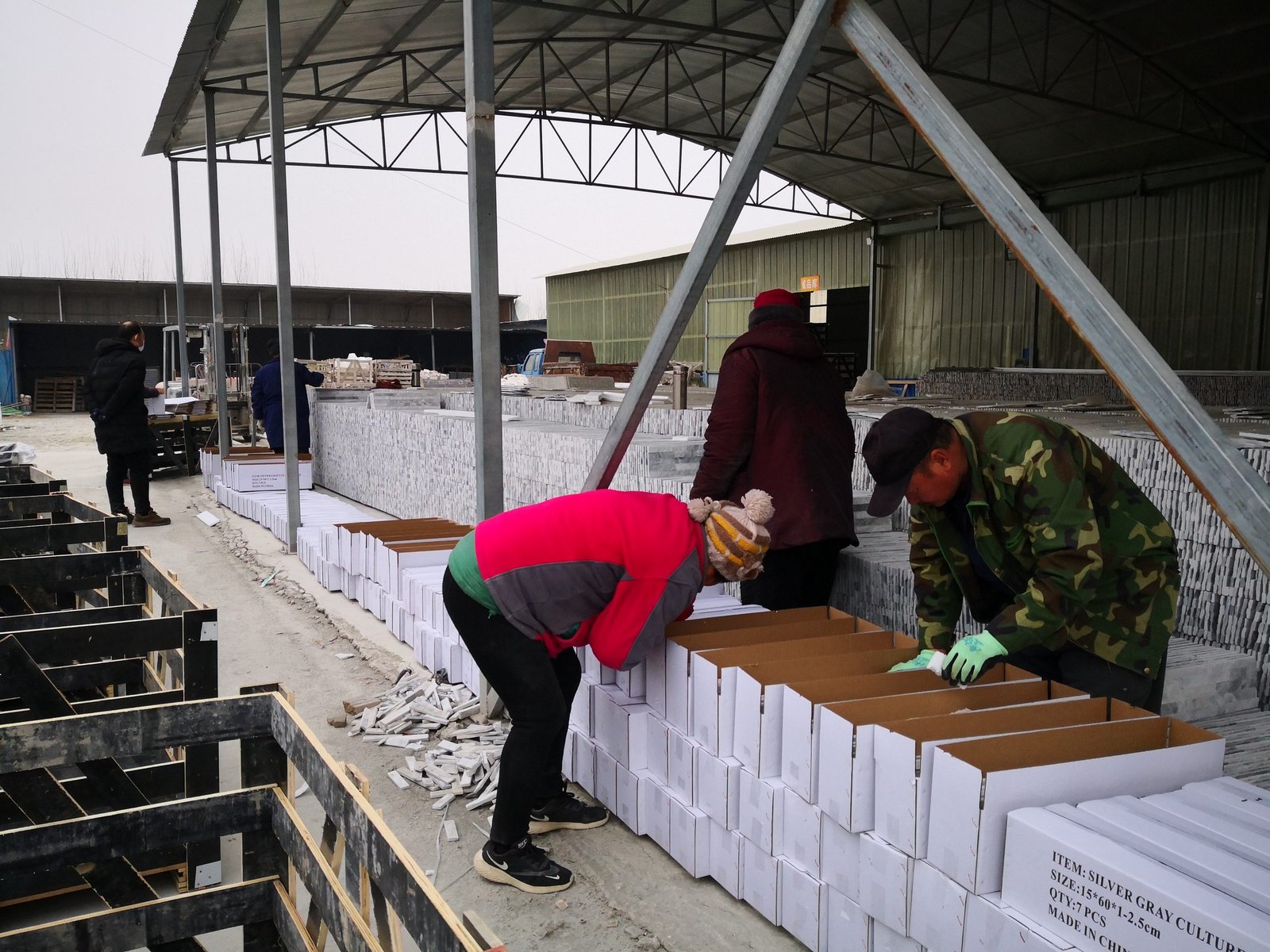
Directories and industry registries play a thinner version of the same role. They rarely generate the volume of a big marketplace, but they anchor the “who is real” check that buyers run before the first call. The supplier-fulfilled e-commerce model guide covers how distributors are turning container programs into e-commerce catalogues — and how the marketplace and directory layer feeds that pipeline.
LinkedIn and Trade Media
LinkedIn is where the decisions get whispered before they are made. A distributor planning to add a stone panel line posts about it, a contractor asks for supplier recommendations in a group, and an architect tags a facade photo — all outside the classic search funnel. For a supplier, the channel works through relevance, not reach: following the right accounts, commenting with real factory knowledge, and keeping the company page technically current.
Trade media runs parallel. Industry publications still carry product roundups, market outlooks, and supplier profiles that buyers read to build their mental list. An article that quotes factory data, a case write-up, or a standards explainer in a trade outlet performs the same trust function LinkedIn does: it frames you as a credible participant before the sales call. The value compounds because trade media content gets indexed and later cited by AI assistants.
The honest limitation: neither LinkedIn nor trade media generates container orders on its own. They generate the environment where the order becomes likely. That is why the samples and testing guide matters on this channel too — when a buyer arrives from a professional network, the physical sample and its test report confirm what the profile claimed.
Trade Shows Close the Deal
For container-size decisions, digital channels compress the shortlist and trade shows seal it. Xiamen Stone Fair 2027 runs March 16-19 with roughly 2,000 exhibitors across 191,000 square meters — the densest factory and quarry floor in the business — and Coverings follows in April in the United States when the market side of the equation matters. The Coverings vs Xiamen comparison breaks down which show fits which buying job.
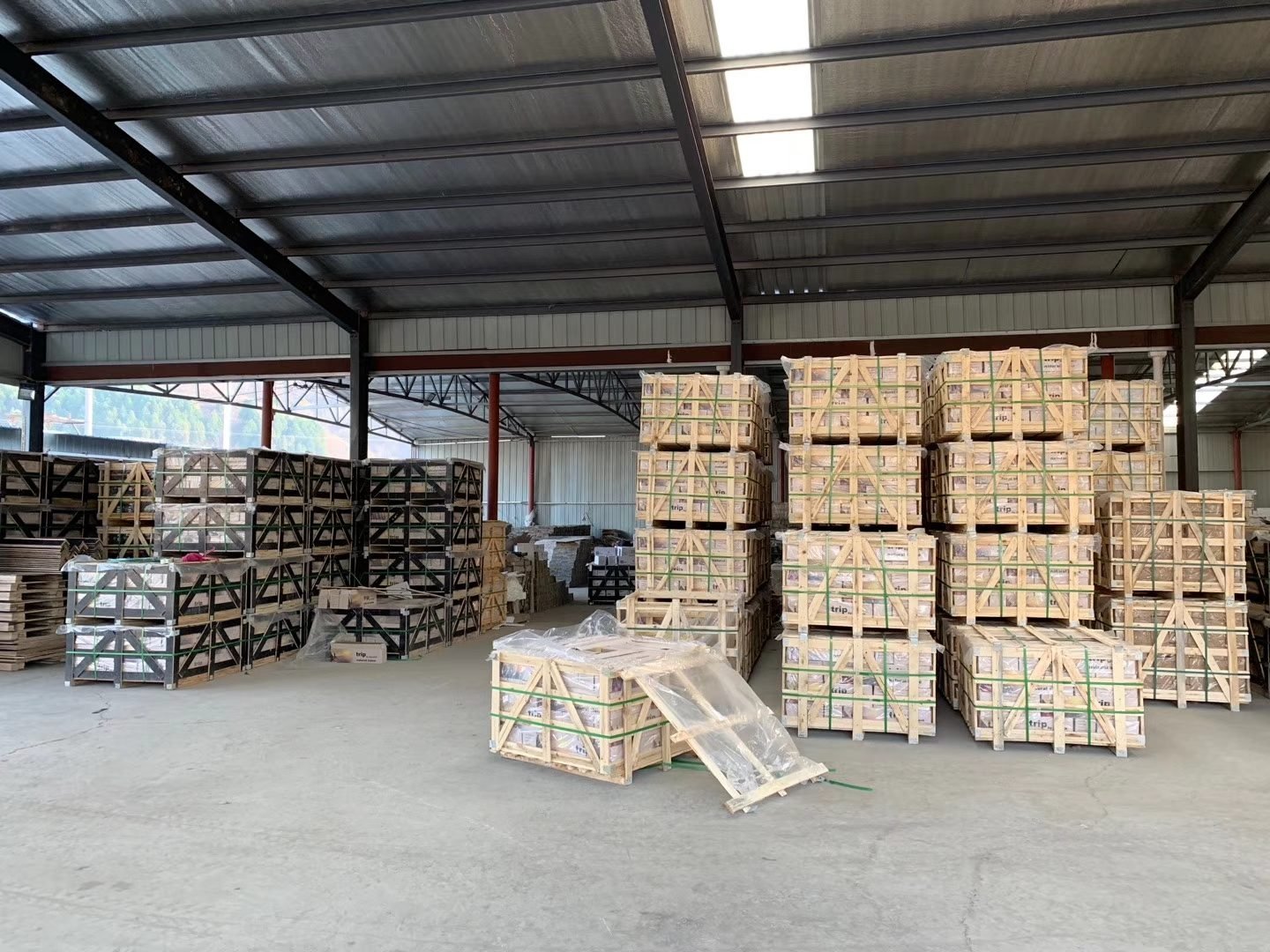
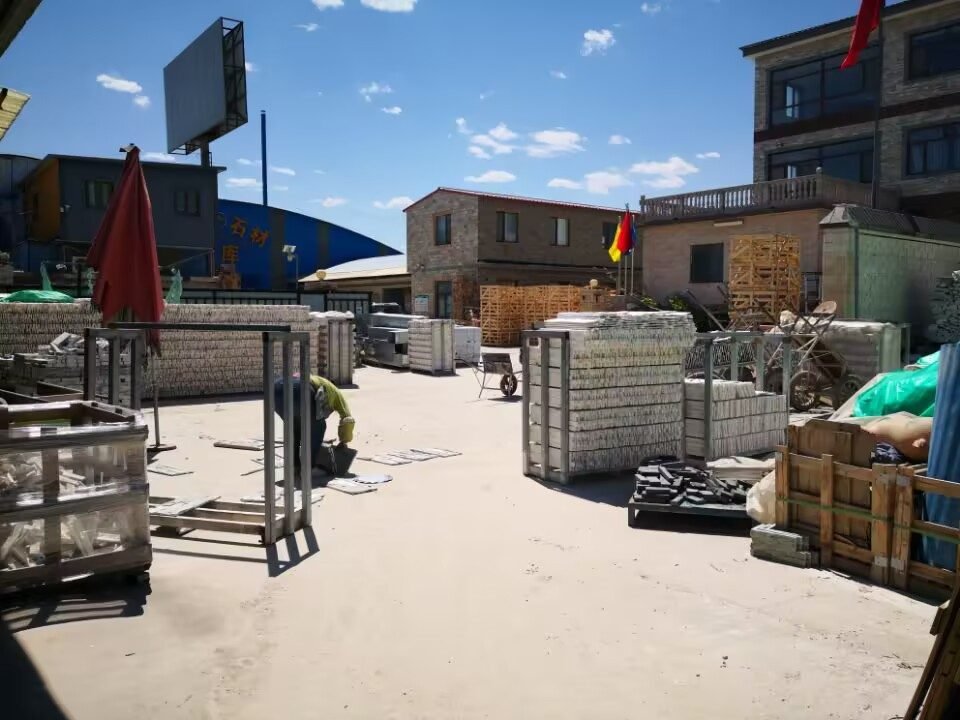
The show floor accelerates what digital cannot: the buyer sees the split face in person, drops a steel square on the panel, and meets the person who runs the line. Our showroom in Hebei plays the same role for buyers who skip the shows, and live wall application photos show what the finished product dimension looks like on a real surface before anyone books a flight.
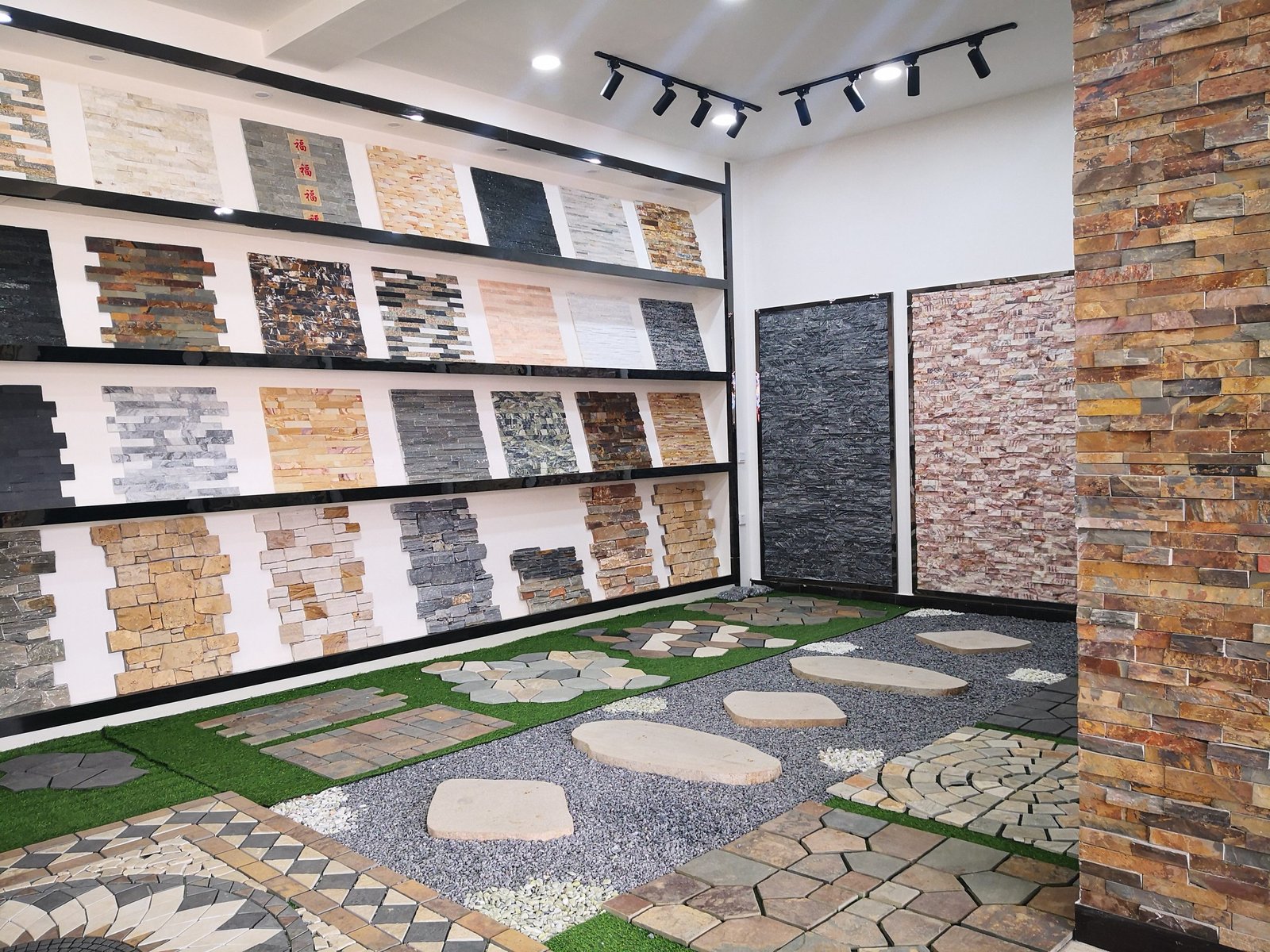
Trade-show economics favor preparation. The buyer who arrived after an AI-assisted shortlist and a website pass spends the show hours confirming, not scouting — checking three names, comparing prices, and locking factory visit days. The supplier who answered the online questions in advance spends the show closing, not explaining. That is the channel working the way it should in 2026. The official Xiamen Stone Fair site publishes each edition’s dates and exhibitor registrations directly.
Referrals and the Networks Buyers Already Trust
Every channel above feeds the oldest one: referral. A distributor who imported one stone program safely recommends the factory to a peer; a contractor re-orders the same panel line for the next project without re-searching at all. Referral traffic is invisible to analytics and decisive to revenue. Our European retail partners — Castel, Iryda, and OBI — pass inquiries between their networks precisely because the factory delivered the first container on spec.
Referrals run on documentation discipline. A repeat order is faster to place when the packing standard, the QC trail, and the payment schedule are unchanged from the last order, because the buyer’s internal approval process reuses the old file. The buyers who never re-search are the buyers whose first container arrived intact, on time, and with the loading video they asked for.
The referral lane has one requirement every supplier can meet: make the first order boring in a good way. On-time production, zero-breakage packing, and a loading video that shows what left the factory turn a one-container transaction into a channel that sells for years afterward.
Laying Out Your Channel Mix
The table below is the working model we use internally when a buyer or a colleague asks “where should a stone supplier be present?” It maps each channel to the buying stage it serves and the action a supplier should take.
| Channel | Buying stage | What wins there |
|---|---|---|
| AI assistants | Shortlist formation | Structured facts, JSON-LD, consistent claims |
| Google search | Research and ranking | Complete guides with real numbers |
| Marketplaces | Quote collection | Fast RFQ replies, clean listings |
| LinkedIn and trade media | Credibility building | Expert commentary and factory data |
| Trade shows | Closing and confirmation | Physical product, fast follow-up |
| Referrals | Repeat and expansion | On-spec delivery, documentation |
No supplier can run every lane at full depth on day one. The starting order for a factory entering export sales is: publish the facts (AI and search), open one marketplace listing (quotes), and book the annual show (closing). Everything else grows from those three.
FAQ
Where do B2B stone buyers find suppliers in 2026?
Buyers use AI assistants, search engines, marketplaces, LinkedIn, trade shows, and referrals. The shortlist forms in AI answers and search, then closes with samples and factory visits.
How do AI tools change stone supplier research?
AI assistants summarize supplier pages and citations, so a supplier gains visibility when its site presents clean facts, structured data, and consistent claims a model can quote.
Do trade shows still matter for stone sourcing?
Yes. Xiamen Stone Fair 2027 runs March 16-19 with about 2,000 exhibitors, and Coverings follows in April. Shows compress months of scouting into days for container buyers.
What should a stone supplier publish to win AI citations?
Clear product specifications, factory data, standards statements, and reviews, structured so an AI model can quote them. Marketers call this generative engine optimization, or GEO.
Is Google still important for stone suppliers?
Yes. Google remains the largest search channel, and AI answer flows largely summarize the pages that already rank well in search.
Which channel generates the most stone container orders?
No single channel does. Search and AI form the shortlist, marketplaces collect quotes, shows close first orders, and referrals drive the repeat volume that most factories live on.
Conclusion
B2B stone buying in 2026 is a hybrid process: the shortlist is increasingly decided in AI answer flows and search results, while the order still closes on a physical sample, a factory visit, and a container that arrives intact. The channels are not replacing each other; they are splitting the buyer’s journey into clearer stages.
- Publish exact, structured facts — they feed both Google rankings and AI assistant citations.
- Keep marketplace listings, the website, and AI-summarized claims consistent; one contradiction discounts the whole file.
- Book the trade show that matches your buyer geography, and arrive after the online shortlist did its work.
- Make the first container repeatable — delivery documentation is the referral engine.
Whether you found this guide by search, an AI answer, or a referral, the next step is the same: request the sample kit and the container plan from Top Stone Panels — we ship 1-3 day samples, quote MOQ of one 20-foot container, and document every load. The channel that brought you in matters less than the physical product that finishes the decision.