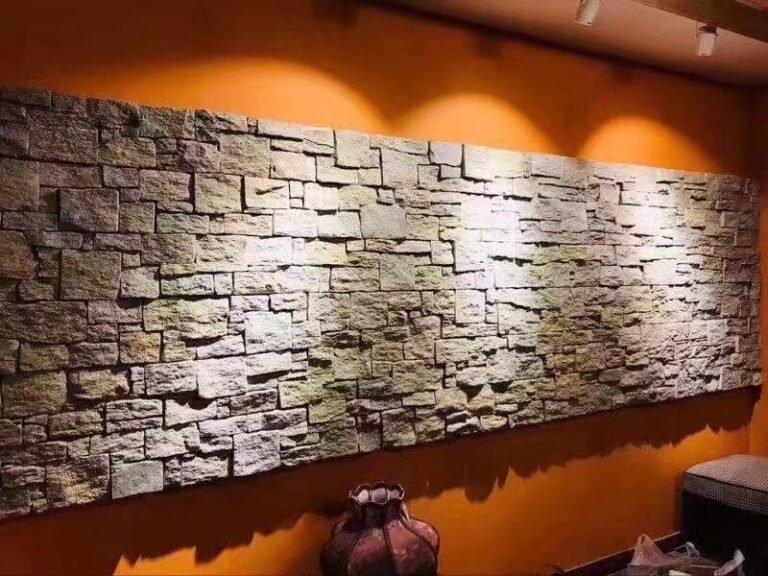
The kitchen was finished, and the owners kept turning off the under-cabinet light to watch the wall. The stone contractor had left a 12 millimeter gap behind the ledger panels and run a warm-white LED strip through it, so at night the split-face texture appeared to float off the wall. The design cost one extra fixture line and changed the whole room after dark.
A backlit stone backsplash is a natural stone veneer backsplash paired with LED light, and the glow comes from the edges and shadows, not from shining through the stone. This guide covers three illuminated kitchen designs, the panel and LED choices that make them work, and the wiring and sourcing details that keep the wall beautiful and legal.
- A backlit stone backsplash lights the split-face texture with LEDs, usually through a glow seam, a cove-lit shelf, or an illuminated feature band.
- Light tones reflect more light per watt: royal white, sparkle white, oyster, and ice grey ledger strips give the brightest result.
- Use low-voltage LED runs with a separate driver and GFCI protection, and keep connections out of wet and heat zones.
- The 36x10cm strip covers 0.036 m2, about 27.8 per m2, so the same coverage math applies to the illuminated band.
- Top Stone Panels ships samples in 1-3 days, production in 20-25 working days, and the MOQ is one 20GP container.
- 1. What a Backlit Stone Backsplash Is
- 2. Design 1: Floating Ledger Panels with a Glow Seam
- 3. Design 2: Cove-Lit Shelf Niche Above the Range
- 4. Design 3: Illuminated Feature Band Behind the Range
- 5. Panel and LED Selection That Works
- 6. Wiring, Safety, and Installation Basics
- 7. Sourcing the Stone: Colors, Samples, and MOQ
- FAQ
- Conclusion
1. What a Backlit Stone Backsplash Is
The name sounds like the stone glows, and the reality is more practical: the light comes from an LED source placed where the stone can catch it. Slate and quartzite are not translucent marble. The split-face panels read as a dark mineral surface in daylight, and the backlighting works by contrast, drawing the texture out of the shadows at night.
Three lighting layouts produce the effect. A glow seam runs an LED strip in a gap behind floating ledger panels, so the stone appears to hover. A cove-lit shelf niche points light down from above a shelf cut into the backsplash. An illuminated feature band puts a wider LED wash behind a band of contrast stone. All three use the same thin veneer formats that plain backsplash installs use, and all three follow the stone veneer backsplash preparation, adhesive, and sealing sequence underneath the light.
The design works best where the kitchen already reads as a daytime room. Warm white light adds the evening layer, cool white flatters stainless steel, and a dimmer run lets the wall move from task light to mood light on the same circuit.
2. Design 1: Floating Ledger Panels with a Glow Seam
The floating ledger panel is the signature backlit look. Panels sit with a visible gap from the wall, an LED strip hides in the gap, and a soft line of light escapes between the panel and the painted wall behind it.
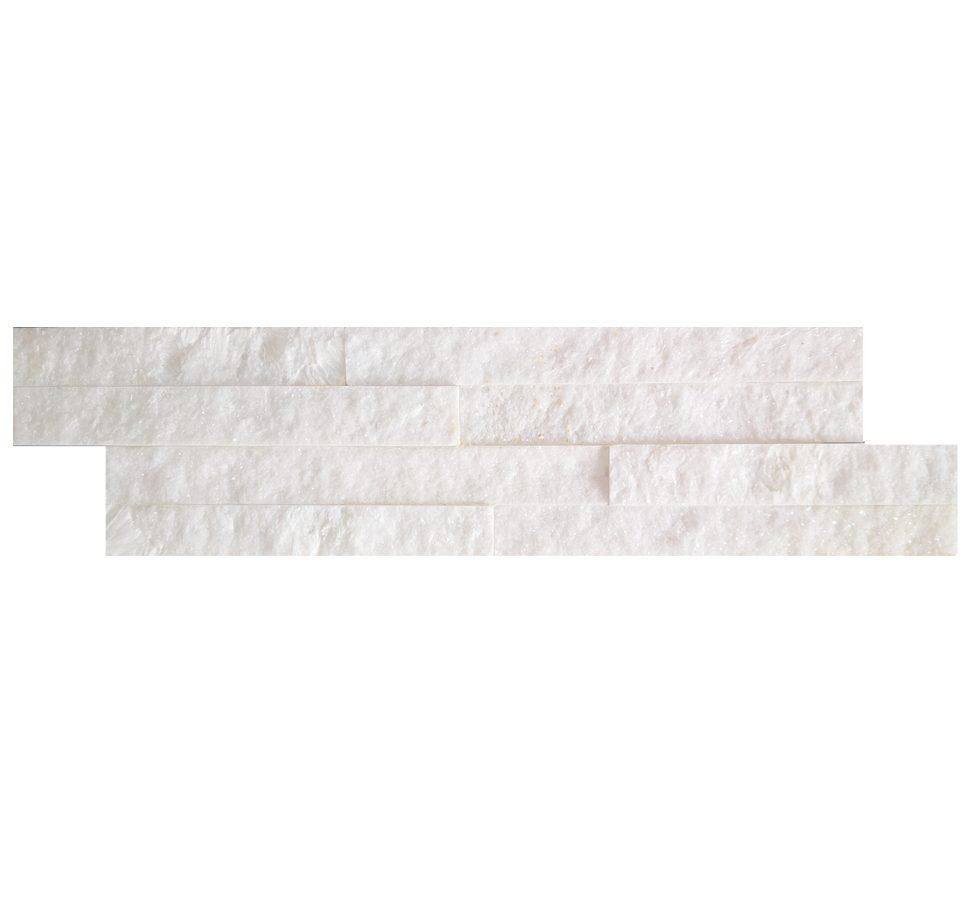
Build the gap with a spacer batten or a doubled substrate line before the stone goes on. The 36x10cm ledger strip sits on the batten with the LED channel behind it, and the light reads out through the seam at the top and bottom of the band. Keep the wall cavity ventilated behind the panel band, and place the LED strip so no electrical connection sits inside the stone zone.
Floating bands suit the wall between the counter and the upper cabinets above a prep sink or coffee station, where the glow replaces the under-cabinet task light after hours. The stone reads as texture during the day and as a light plane at night, and the effect costs one LED run, one driver, and the wiring labor on top of a normal backsplash install. The thin ledgestone panel format is the workhorse for this design because the narrow strip keeps the seam spacing tight and the line clean.
3. Design 2: Cove-Lit Shelf Niche Above the Range
The shelf niche turns the backsplash zone above a range into a recessed display shelf with light coming from the top edge. The wall builds out slightly, the niche is lined with ledger strips on the back and the shelf face, and an LED strip hides in the ceiling of the niche. The light washes down across the stone and whatever the shelf holds.
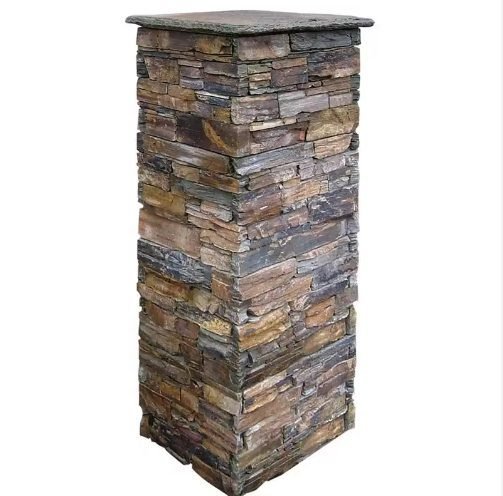
This design gives the practical kitchen a reason for the light: the niche holds oils, herbs, or decorative pieces, and the cove light makes the shelf usable without turning on the whole kitchen. Line the niche back with the same slate or quartzite batch as the surrounding wall, and order the extra strips in the same production batch. Keep the shelf edges clean with the same cut and return discipline as the rest of the backsplash.
The range wall is a heat zone, so the details matter more here. Keep the LED strip and its driver outside the niche’s splash path, use a strip rated for the environment, and follow the manufacturer’s minimum separation from the cooktop. Natural stone is non-combustible, so the wall itself carries no flame spread of its own; the electrical rules for a kitchen lighting circuit still govern the installation. The step-by-step stone veneer backsplash install guide covers the bottom-up sequence that this niche inherits.
4. Design 3: Illuminated Feature Band Behind the Range
The feature band is the boldest of the three: a wider illuminated zone of contrast stone behind the range hood, lit with a linear LED wash from above or below. The rest of the backsplash stays in a neutral ledger tone, and the band punches out with light and texture so the cooking wall reads as the focal point of the kitchen.
Use a light-toned stone in the band because light tones reflect more of the LED output than dark stone: royal white, sparkle white, oyster, and ice grey ledger strips give the brightest glow per watt. The band can be one full course of a different color from the field, a vertical panel run on the wall behind the hood, or a stacked stone center with ledger strips on each side. The field-to-band transition follows a straight seam or a metal reveal, and the joint lines stay in the same plane as a normal backsplash.
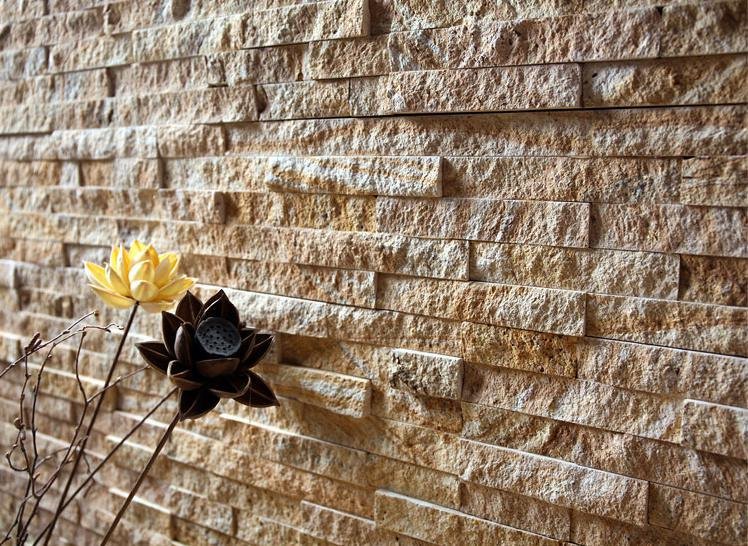
The 15x60cm stacked stone panel format suits the wider band because it covers more area per course, and the thin stone veneer line adds the random-length option for a hand-set look inside the band. Keep the band panels and the field panels in the same batch for tone, and set the LED wash so it lights the stone face without putting the fixture inside the hood’s exhaust path.
5. Panel and LED Selection That Works
Panel selection for a backlit design follows the same coverage math as any backsplash. The 36x10cm strip covers 0.036 square meters, about 27.8 pieces per square meter, so a 3 to 5 square meter kitchen zone needs about 85 to 140 strips before the cut allowance. The illuminated band adds a strip run or two to that total, ordered from the same batch so the tone matches.
LED selection decides the quality of the glow. Use low-voltage LED strip runs at 12V or 24V with a separate driver, and choose a dimmable driver if the design wants a mood setting. Match the color temperature to the kitchen: 2700K to 3000K warm white suits timber and cream stone, while 3500K to 4000K neutral suits stainless and grey stone. Check the strip’s output per meter and its cut length before ordering, because the channel spacing in a floating panel design depends on the strip’s light distribution.
The physical properties of the stone matter the same way they do on a plain wall. The panels are 100 percent natural slate or quartzite, bonded to marine-grade epoxy or cement and mesh backings. The Natural Stone Institute documents the material vocabulary specifiers use on submittals. A lighter stone reflects more light; a darker stone absorbs more and gives a moodier cove. Choose the tone for the room, then buy the LED to match the tone.
6. Wiring, Safety, and Installation Basics
The electrical half of a backlit backsplash is a kitchen lighting circuit, and the rules are the same as any under-cabinet light. Use low-voltage LED runs with a separate driver. Install the driver where it can be serviced and outside the wet and heat zones, and connect through a GFCI-protected circuit that the local electrical code already requires for kitchen counters. When the driver is dimmable, match the driver, the strip, and the dimmer from one manufacturer to avoid flicker.
Keep every junction accessible. A driver buried behind a stone panel is a service nightmare and a code problem, so run the driver in the cabinet above or below the wall and pass only the low-voltage cable through the wall. The stone install sequence stays the same as a plain backsplash. The stone media wall project shows the same wiring discipline in a living-room setting: light the surface from a maintained fixture, never from a buried splice.
Heat is the last check. The strip behind or above a range must keep the manufacturer’s clearance from the cooktop, and the driver must never sit in the exhaust path of the hood. Natural stone tolerates the temperature, the electrical components do not, so the separation is a fixture rule, not a stone rule.
7. Sourcing the Stone: Colors, Samples, and MOQ
Sourcing a backlit backsplash is a standard stone order with a color conversation added. Ask for physical samples in the shortlisted tones, hold them in the actual kitchen under the LED strip you plan to use, and approve the batch against the samples before production. Top Stone Panels ships samples in 1 to 3 days, so the sample pass stays a week-long step.
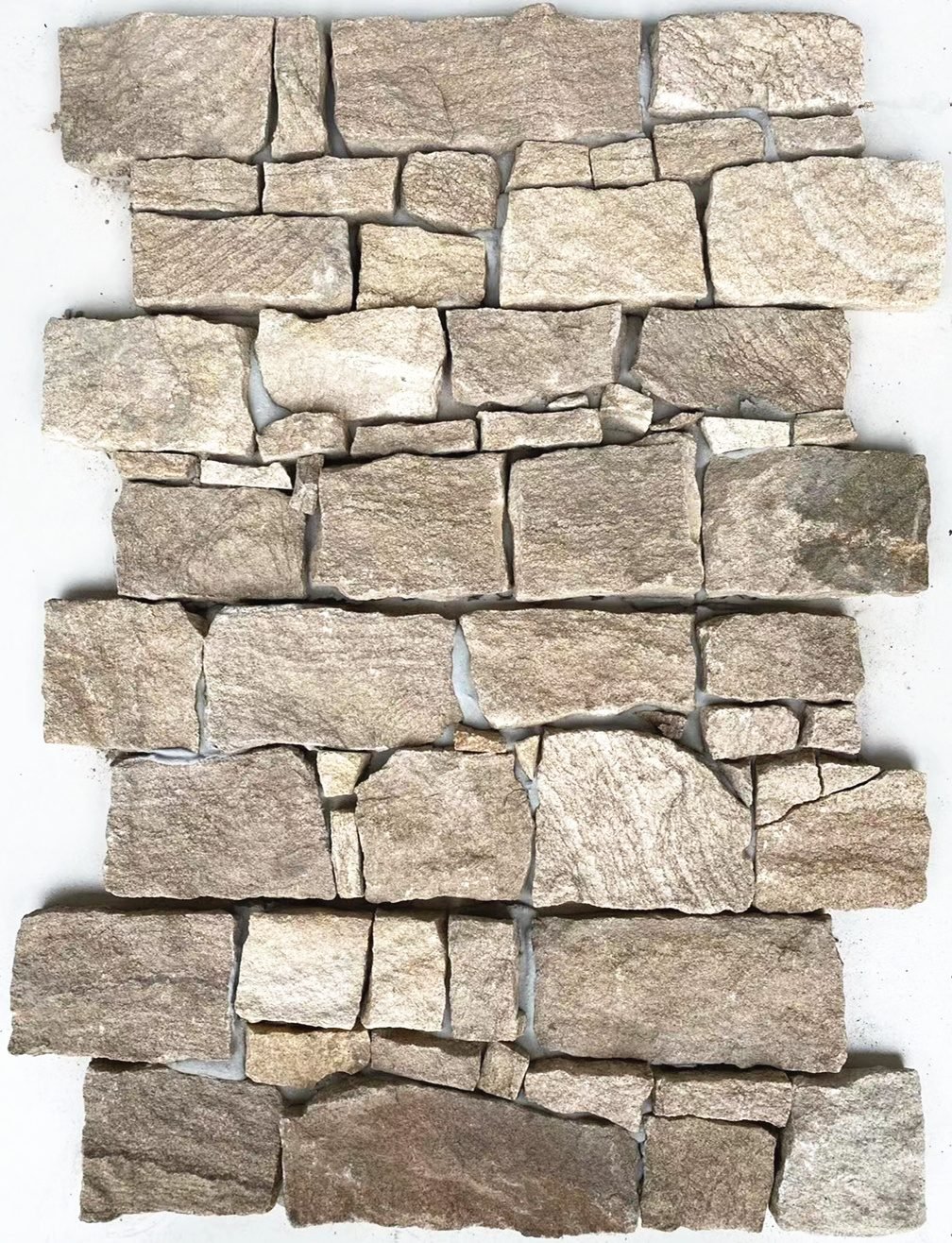
Standard production runs 20 to 25 working days after sample approval, and the minimum order is one 20GP container, which carries roughly 500 to 530 square meters of stone at a payload near 26.5 metric tons. A kitchen showroom or a builder running a series of homes accumulates the volume fast, and a mixed container with ledger strips, stacked panels, and outdoor formats covers the whole program. The interior program extends beyond the kitchen to commercial interior wall panels, where the same LED-cove detail scales to lobby and reception features.
FAQ
What is a backlit stone backsplash?
A natural stone veneer backsplash paired with LED lighting so the light reads against the split-face texture, using a glow seam, a cove-lit shelf, or an illuminated feature band rather than translucency.
Can you backlight natural stone veneer panels?
Yes, with indirect light. Slate and quartzite are not translucent marble, so the design lights the edges and texture with LED strips behind floating panels or above a shelf instead of shining through the stone.
Is LED lighting safe behind stone in a kitchen?
Yes when installed to code: use low-voltage LED runs with a separate driver, GFCI protection on the kitchen lighting circuit, and keep drivers and connections out of wet and heat zones.
What stone colors work best for backlit backsplashes?
Light tones reflect more light per watt: royal white, sparkle white, oyster, and ice grey ledger strips give the brightest glow; dark slate works for a moodier cove effect.
Does a backlit stone backsplash cost more than a standard one?
The stone material is comparable; the added spend sits in the LED strips, the driver, and the wiring labor, so the light counts as a fixture line in the budget, not a stone premium.
Conclusion
A backlit stone backsplash is a lighting design on top of a standard stone install. Choose the layout the kitchen can service, pick a light-toned ledger panel for the brightest glow, and wire the LED run to code with a maintained driver. The stone covers the wall; the light makes the room.
Key Takeaways
- Three layouts carry the look: a floating glow seam, a cove-lit shelf niche, and an illuminated feature band.
- Light tones like royal white, sparkle white, oyster, and ice grey reflect the most light per watt.
- Use low-voltage LED strip runs with a separate dimmable driver and GFCI protection.
- Order the band and field from one batch, approve samples under the actual LED, and work from a 20GP MOQ.