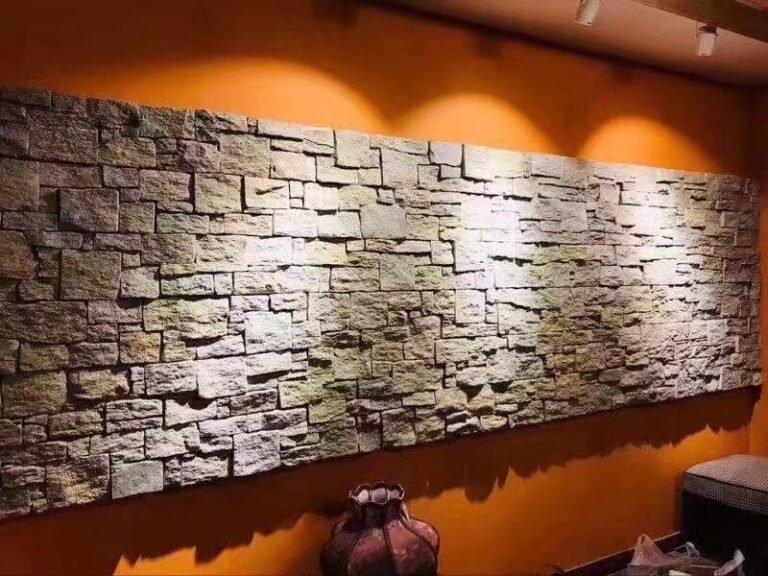
An outdoor fireplace kit with steel structure and a natural stone skin is the closest thing this industry has to a shortcut that also looks custom. The steel core does the heavy lifting: firebox, chimney, structural framing, and the certified clearances that make the build safe. The stone panels do the looking: a stacked stone surround, a linear ledgestone face, a hearth, and a cap that make the assembly read as masonry even though no one laid a block.
This guide is for contractors, distributors, and designers who have a steel-frame outdoor fireplace in front of them and need to pair it with the right stone, in the right format, with the right sourcing. Top Stone Panels is the quarry-owning slate and quartzite exporter in Yixian County, Hebei, shipping stacked stone, thin ledgestone, interlocking Z-panels, and column kits; the pairing rules below are the ones we see work across hundreds of shipped containers.
- The steel kit provides structure, firebox, and chimney; the stone is a non-combustible finish, so material choice is driven by fire safety and format, not structural math.
- Dense slate and quartzite veneer is non-combustible and rated for -30°C to +50°C, making it a safe outdoor fireplace cladding.
- Follow the kit’s certified clearance manual for the firebox gap; never override it with generic spacing advice.
- Linear look: thin ledgestone 36×10 cm. Textured look: stacked stone 15×60 cm with L-corners. Both ship at a one-20GP MOQ.
- Order the hearth, cap, and corners from the same quarry vein as the surround so the whole build matches.
- Physical samples ship in 1-3 days, so color and texture can be confirmed before the container commits.
- 1. Why Kit Plus Stone Works So Well
- 2. What a Steel-Frame Kit Includes
- 3. Choosing the Stone Format for the Surround
- 4. Clearances and Heat-Zone Rules
- 5. Assembly Sequence: Frame to Stone
- 6. Three Proven Design Directions
- 7. Weathering, Sealing, and Maintenance
- 8. Sourcing and Container Economics
- FAQ
- Conclusion
1. Why Kit Plus Stone Works So Well
The division of labor is the whole trick. A fireplace is a contained fire and the system that vents it; a kit delivers both in engineered steel with tested clearances. The installer does not design a chimney, pour a massive footing for block, or guess where the smoke goes. The steel frame stands on its own, and the cladding becomes a finish trade instead of a structural one.
That is where natural stone earns its place. Because the kit is designed for non-combustible finishes, the surround can be stone rather than a masonry product, and natural slate or quartzite is inherently fire-safe. The difference between a kit-and-stone build and a full masonry fireplace is roughly a week of site labor and a structural engineer’s bill. The stone veneer gives back the masonry look without masonry weight, speed, or expense.
The pairing is also forgiving on the design side. A steel kit accepts stacked stone for a rustic hearth, thin ledgestone for a clean modern line, or interlocking panels for a monolithic commercial face. Because the panels are thin and bonded, the surround gains depth and texture without loading the steel or the footing beyond plan.
2. What a Steel-Frame Kit Includes
Before choosing stone, read the kit’s component list. A typical steel-frame outdoor fireplace kit contains a steel firebox (the chamber that holds the fire), a structural frame or integral legs, a flue and chimney chase assembly, and often a lintel across the top of the firebox opening. Some kits add a base pan, a spark screen, and a log grate or gas burner tray.
The firebox is the part that sees the fire, and its certification sets the rules. Zero-clearance kits are tested so their firebox can sit against non-combustible materials at specified distances; that certification is the document that tells you how close the stone can get. Chimney height is engineered into the kit for draft; the chase around it is your space to clad, and the stone panels or column wraps can follow the chase outline exactly.
Know which parts are finish and which are system. The firebox and flue are system; do not cut, modify, or cover their operational openings. The outer face of the chase, the surround beside the firebox, the hearth in front, and the cap on top are finish—that is where stone lives. Mixing those two lists is the most common install error, and it is always a clearance error.
3. Choosing the Stone Format for the Surround
Stone choice for an outdoor fireplace comes down to format, color, and the heat rules. Format decides the look; color decides the mood; the heat rules decide what is safe up close. The table below maps the product lines to the natural design intent of a surround.
| Product line | Format | Design voice | Best placement |
|---|---|---|---|
| Stacked stone | 15×60 / 15×55 cm + L-corners | Rustic, masonry-like | Chase, surround, hearth face |
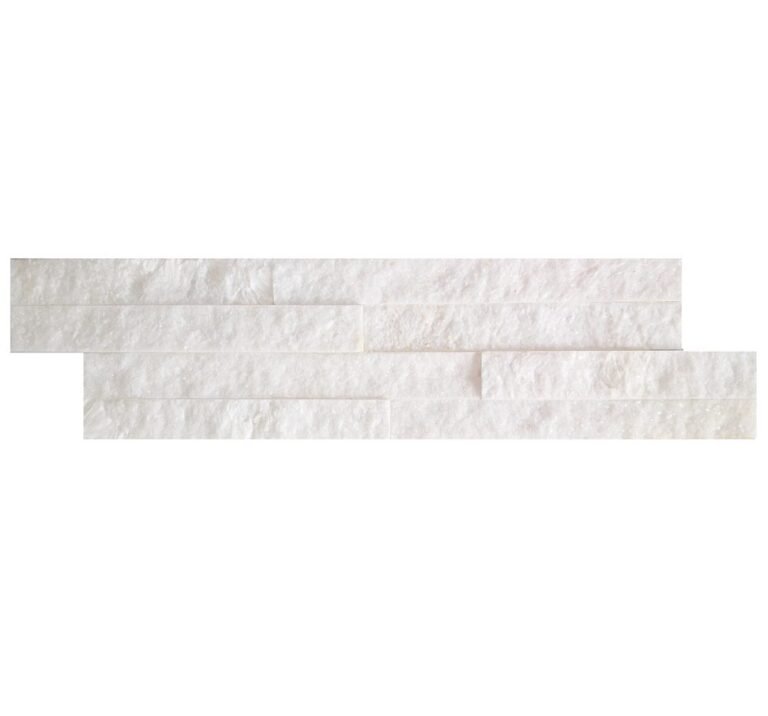
| Thin ledgestone | 36×10 cm ultra-thin | Linear, modern, minimal | Linear firebox surrounds |
| Interlocking Z-panels | 20×55 / 15.2×61 cm | Monolithic, commercial | Tall chase faces |
| Thin stone veneer | Random split-face strips | Natural fieldstone | Gardens and organic surrounds |
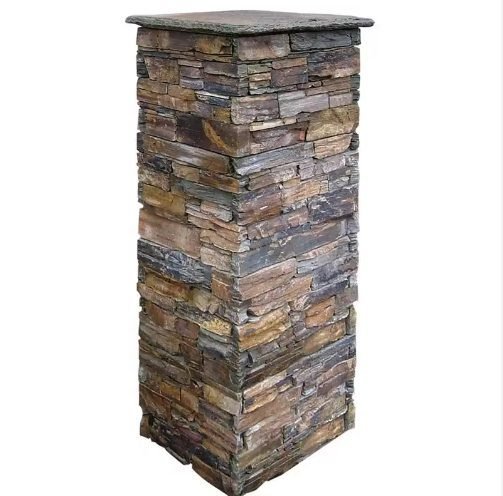
| Column kits | Custom 40×40 / 50×50 cm | Chimney chase, pillars | Chase corners and accents |
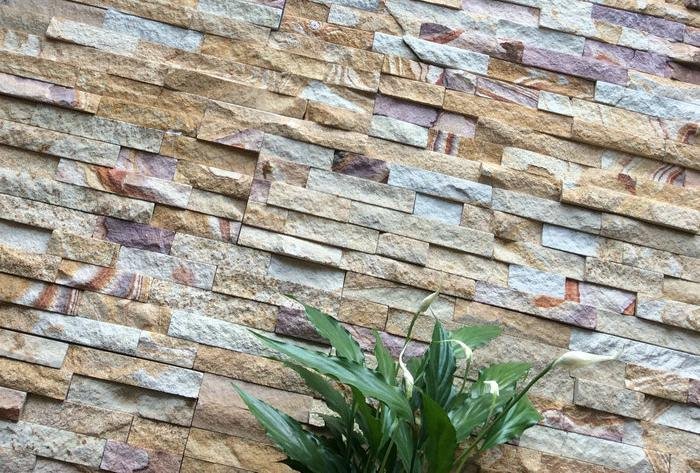
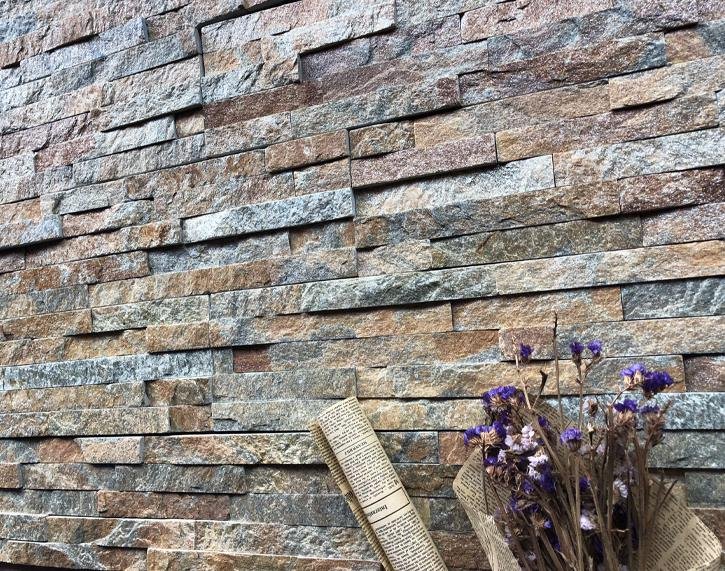
Color discipline matters outdoors because the surround competes with the sky and the patio it sits on. Grey and charcoal slate recede and read as furniture; white quartzite pops against a hardscape and suits modern houses; bronze and gold quartzite warm a shaded corner. Ordering the surround, hearth, cap, and L-corners from the same quarry vein—the batch-specific selection Top Stone Panels runs—keeps the entire build on one color register.

4. Clearances and Heat-Zone Rules
Clearance rules exist because a fireplace is a machine that makes heat, and heat ignites or degrades materials near it. The kit’s certified manual is the only authority on its clearance zone; generic advice from a website is not. Read the section that states distances to combustible construction and the type of non-combustible surface the firebox may sit against, then design the stone layout inside those lines.
Natural stone is the friend of the clearance problem because it does not burn. Slate and quartzite carry A-class fire performance, and the Top Stone Panels Bible rates them for -30°C to +50°C, which covers both the heat span and outdoor freeze cycling. That lets a non-combustible stone face wrap close to the firebox where the kit allows it, in places a wood trim could never go.
The heat zone has practical limits even for stone. Direct flame impingement and the extreme zone inside the firebox opening are the steel’s job, not the veneer’s. Keep the stone back from the opening per the manual, use the kit’s gap requirements, and resist the urge to let panels overhang into the fire area. A stone that survives a cold winter is still not a firebrick.
5. Assembly Sequence: Frame to Stone
Sequence every steel-frame fireplace as system first, stone second. The checklist below is the order that prevents the classic mistakes: stone installed before the steel is leveled, or chimney chase shortened to please the eye.
- Set the steel frame and firebox on the approved base; level, shim, and anchor per the kit manual.
- Build out the chimney chase and any framing to the kit’s specified height and clearances.
- Run the final flue termination and any gas or electrical lines before any veneer goes up.
- Prepare the non-combustible backer surface on the chase and surround per the kit’s approved substrate.
- Set the stone panels with the correct setting material, starting at the hearth and working up and outward.
- Install L-corners and returns at the chase edges, and cap the top with a clean stone cap.
- Caulk the stone-to-firebox seams with the sealant temperature rating the manual allows around the unit.
- Let the assembly cure and then run the first fire per the kit’s burn-in procedure.
Each step passes a baton: the frame gives the stone a true plane, the backer gives the mortar a bond surface, and the stone gives the kit its finished face. Skipping the substrate step invites the outermost failure—a panel that does not stay bonded because it was set on raw steel or a bare panel seam was caulked instead of flashed.
6. Three Proven Design Directions
Three formats cover most outdoor fireplace projects, and each has a signature move worth stealing.
Linear ledgestone for modern patios. Thin ledgestone at 36×10 cm in grey or white quartzite wraps a rectangular firebox in clean horizontal lines. The move is to run the ledgestone continuously past the firebox to a seating wall or a plant shelf, so the fireplace reads as part of a designed outdoor room rather than an island. It suits contemporary homes and commercial patios where minimalism is the brand.
Stacked stone for the masonry-style hearth. Stacked stone at 15×60 cm in charcoal or multicolor slate builds a surround that reads as laid masonry, especially with the restaurant-style deep joint the split face makes natural. The move is to extend the stacked face up a full chimney chase and cap it with a matching stone cap, so the kit disappears into what looks like a traditional outdoor fireplace. This is the safest look for resale and for hospitality venues.
Interlocking panels for tall commercial chases. For a tall chimney chase in a commercial outdoor lounge, interlocking Z-panels on a cement or mesh backing give a monolithic face with hidden vertical seams. The move is to pair the panels with a contrasting hearth or a stone column kit at the chase corners, turning a tall functional box into a designed feature. It suits hotels, clubs, and restaurant patios where the fireplace anchors the space from a distance.
7. Weathering, Sealing, and Maintenance
An outdoor fireplace lives in two weather worlds: the heat of the fire and the weather of the site. The stone handles the first because it is non-combustible; the second is a moisture story. In freeze climates, the stone must be dense and low-absorption so water that freezes cannot push it apart; slate and quartzite and the -30 to +50 rating are the metric that matters.
Joint maintenance is the real task. The mortar and sealant joints around the firebox and across the chase face take thermal cycling every time the fire burns, then rain, then frost. Inspect them seasonally: hairline cracks in the sealant around the firebox get resealed; mortar that crumbles at the joints gets pointed before water finds the backer. The stone itself needs little beyond a rinse; a breathable sealer can help on absorbent faces but never on-the-frame areas the manual says to leave unsealed.
Cover or drain the chimney top so rain does not wash down the flue, and keep the hearth clear of leaves that hold moisture against the stone. A fireplace that is stone-clad but dry inside the assembly outlasts a beautiful one that is leaking by miles.
8. Sourcing and Container Economics
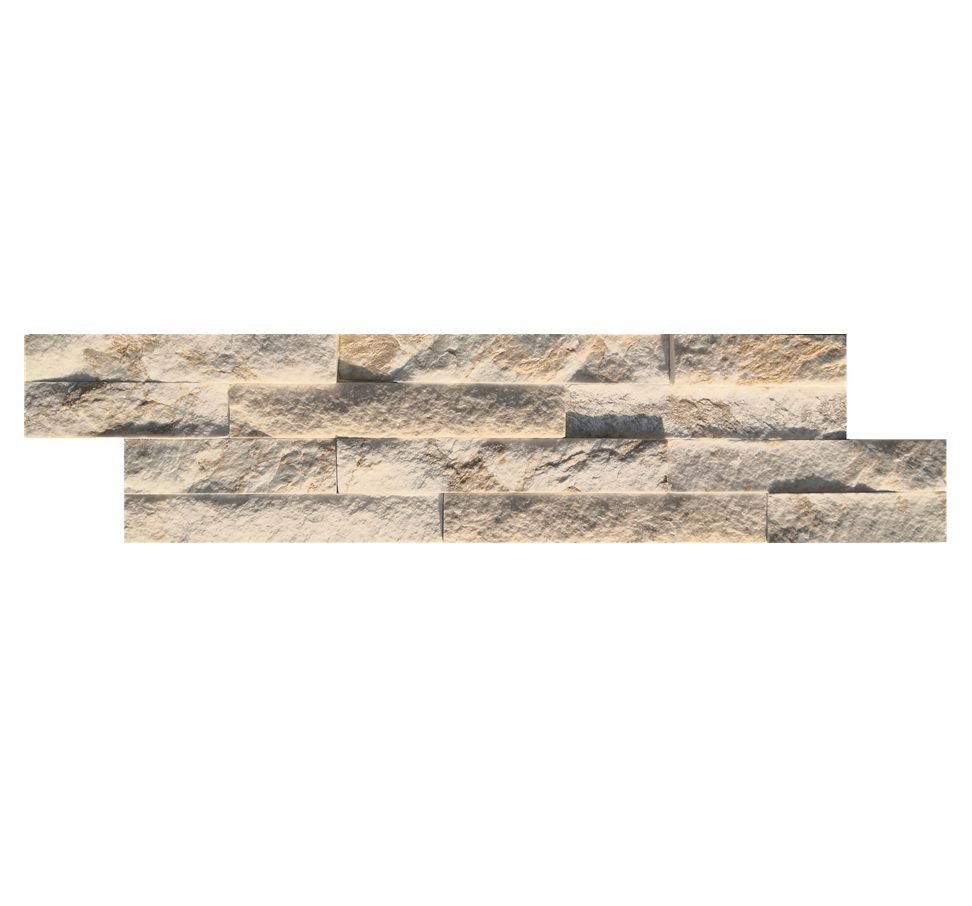
For a distributor stocking fireplace surrounds, the sourcing decision is a container math exercise with a color constraint. The constraint is that every surround should ship in matched tones: face, hearth, corners, and cap from the same vein. The math is that one 20GP container is the MOQ and carries real square footage of thin veneer—the ultra-thin 36×10 ledgestone line was engineered exactly to maximize loaded square meters and spread freight.
The full sourcing sheet is the product matrix: stacked stone at 80,000 m² monthly capacity, thin ledgestone at 60,000 m², interlocking Z-panels at 50,000 m², thin veneer at 40,000 m², and column kits at 10,000 sets. Production runs 20-25 working days on repeats and 25-30 on first orders with custom cartons; samples leave the factory in 1-3 days, which is long enough to lock the surround color before the container loads.
Related reading: the fire science and maintenance of fireplaces is outlined by Wikipedia’s fireplace article, and free-standing outdoor fire features by the fire pit page. On this site, see ledgestone fireplace designs and the hearth design guide for more styling detail.
FAQ
Can I put stone veneer over a steel outdoor fireplace frame?
Yes. Steel-frame kits are designed to be clad with non-combustible finishes, and natural slate or quartzite veneer is non-combustible. Follow the kit manual for the firebox clearance limits.
What is the best stone for around a fireplace?
Dense natural slate and quartzite are the safest choices because they are non-combustible and rated for high temperature spans; they also resist freeze-thaw in outdoor use.
Do outdoor fireplace kits come with a chimney?
Most kits include a firebox and flue or chimney chase assembly; styles range from masonry-style chimneys to linear ribbon burners. Confirm the listed components before ordering.
How far should stone veneer stay from the firebox opening?
The kit manual sets the clearance zone. In general, keep non-combustible veneer clear of the direct flame opening and respect the manufacturer’s minimum gap around the firebox.
Is an outdoor fireplace kit cheaper than masonry?
Typically yes for labor: the steel core removes on-site block and mortar chimney work, and the stone panels reduce the project to surface cladding. Material cost still depends on stone grade and chimney height.
Conclusion
Pairing an outdoor fireplace kit with natural stone panels is a smart build because each half does what it is good at: the steel delivers structure and certified clearances, and slate or quartzite delivers a safe, durable, finished surround. The rules are the kit manual for clearances, the format for the look, and the quarry vein for the match.
For distributors, the opportunity is a repeatable product: stock a matched slate or quartzite surround set, pair it with a steel kit, and sell a complete outdoor fireplace package. Top Stone Panels ships all the surround formats at a one-20GP MOQ with 20-25 working-day production, and the sample you order today settles the color before the container does.
Key Takeaways
- Steel kits handle structure and fire safety; stone handles the finish.
- Choose slate or quartzite for non-combustible, freeze-resistant cladding.
- Respect the kit manual’s clearance zone around the firebox.
- Source the surround, hearth, cap, and corners from one quarry vein.