Breakage during ocean freight is the single most expensive variable in stone panel importing. And it’s almost entirely preventable.
At Top Stone Panels, we ship over 220 containers per year from Xingang/Tianjin port. After 18+ years of exporting natural stone cladding to distributors across North America, Europe, the Middle East, and Australia, we’ve refined a packaging and loading system that keeps breakage effectively at zero.
This guide breaks down exactly how stone panels container loading packaging works when done right. Whether you’re a first-time importer or a seasoned distributor evaluating a new supplier, these are the standards you should expect.
Why Stone Panel Packaging Makes or Breaks Your Import Business
Natural stone is heavy, brittle, and unforgiving. Unlike ceramic tile or engineered products, stone panels carry inherent fracture lines from the quarrying process. A panel that survives the production line perfectly can crack from a single hard impact during transit.
The economics are straightforward. A container of stacked stone panels represents a significant investment — product cost, ocean freight, customs duties, inland trucking. If 5-10% arrives damaged (a rate that’s disturbingly common in the industry), you’re absorbing losses that wipe out your margin on that shipment. Worse, you’re explaining delays to your own customers.
Some importers treat packaging as an afterthought. They focus on unit price, stone quality, and lead time — then discover that the factory cut corners on cartons or skipped dunnage to save a few dollars per container. That savings costs them thousands in claims and replacements.
Prevention is cheaper than cure. Every time. That’s why serious manufacturers invest in structured packaging protocols rather than hoping for the best. If you’re still evaluating suppliers, our guide on how to source stone cladding from China covers the full vetting process, including packaging capability assessment.
The 4-Layer Protection System
Effective stone panels container loading packaging follows a layered defense approach. Each layer addresses a different threat: surface abrasion, impact shock, stacking compression, and cargo shift. Miss any one of these and the entire system weakens.
Here’s the 4-layer system we use at Top Stone Panels for every container we ship.
Layer 1 — Inner Carton Packaging
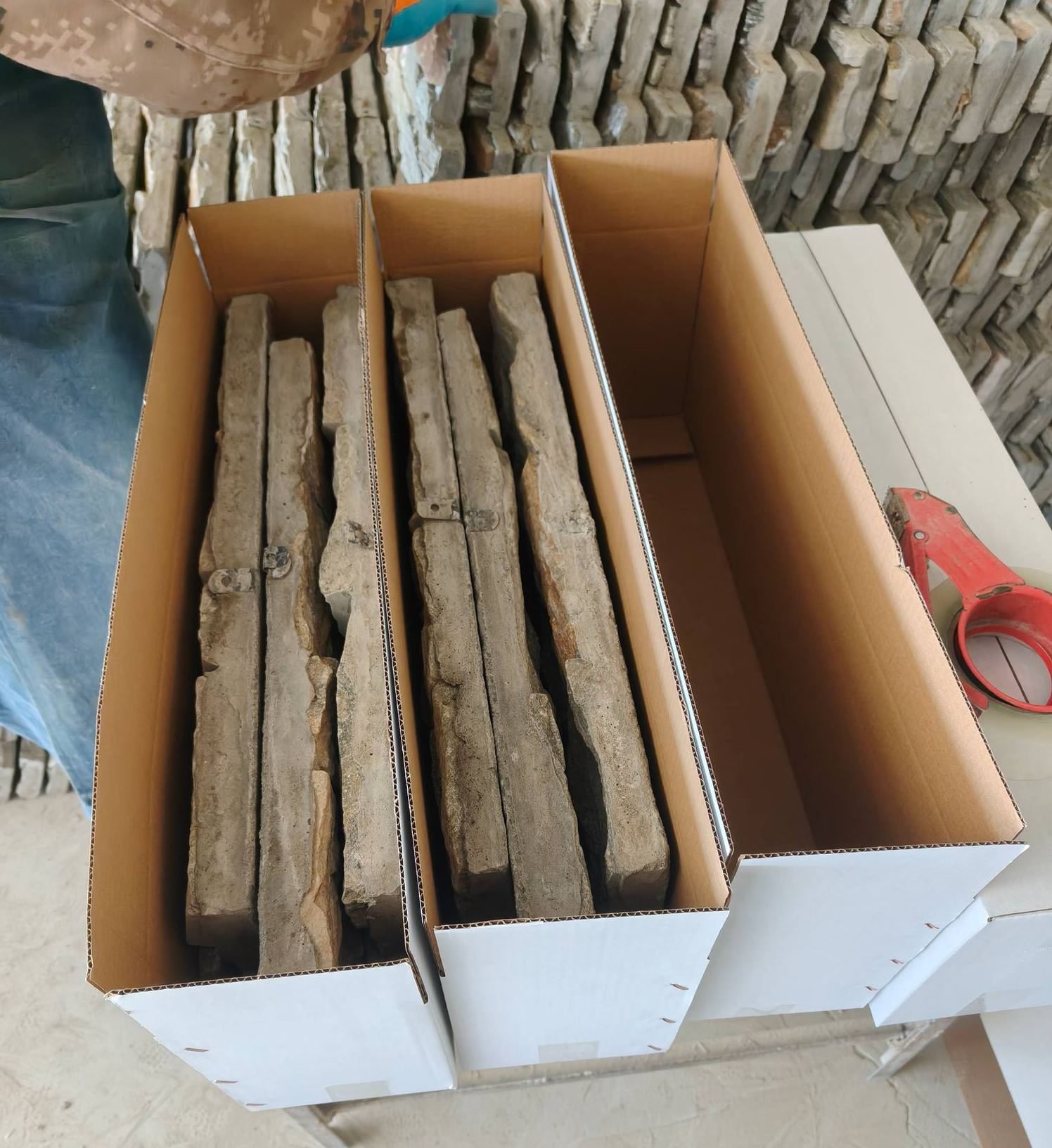
Every stone panel starts its journey inside a carton. But not just any carton.
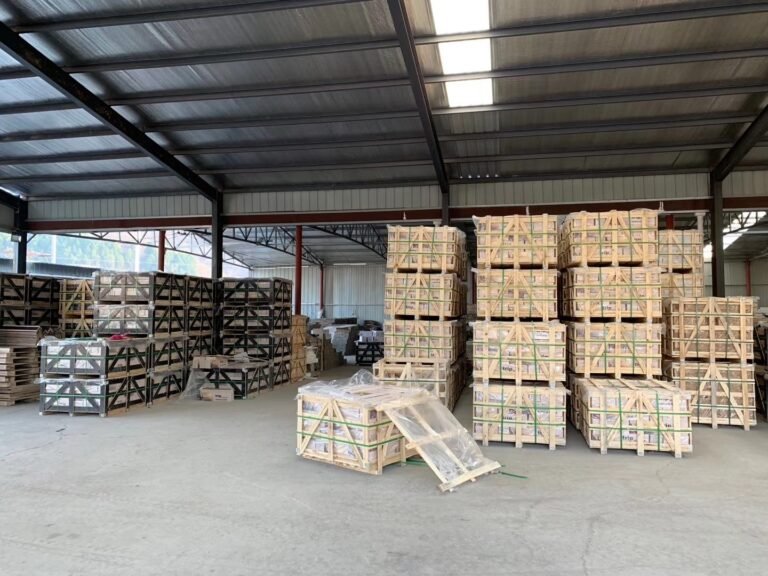
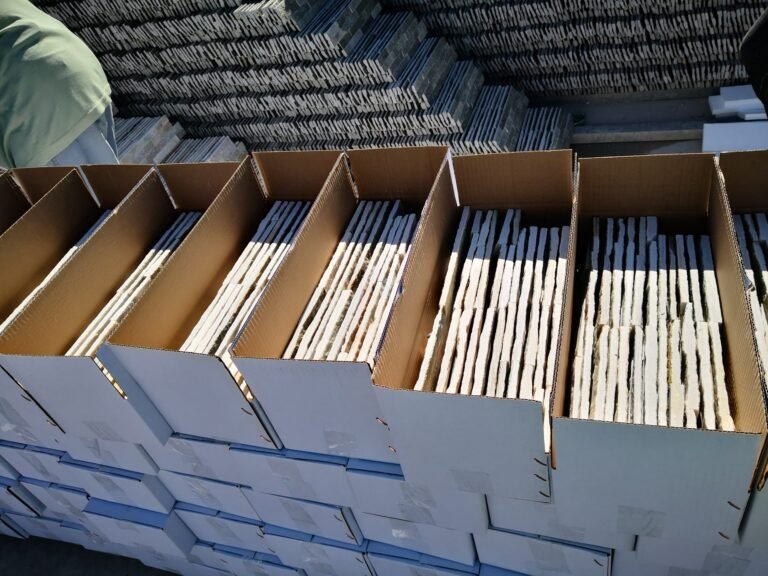
We use 3-5 layer reinforced corrugated cartons specifically rated for heavy, brittle cargo. Standard single-wall shipping boxes would buckle under the weight of stone panels stacked in a container. The multi-layer construction provides compression resistance — critical when pallets are stacked or when the container experiences lateral forces at sea.
The carton interior matters, too. Panels are arranged to minimize movement within the box. For products like thin ledgestone (36x10cm), the smaller format allows tighter packing. For larger formats like Z-panels (20x55cm or 15.2x61cm), we adjust the carton dimensions and internal bracing accordingly.
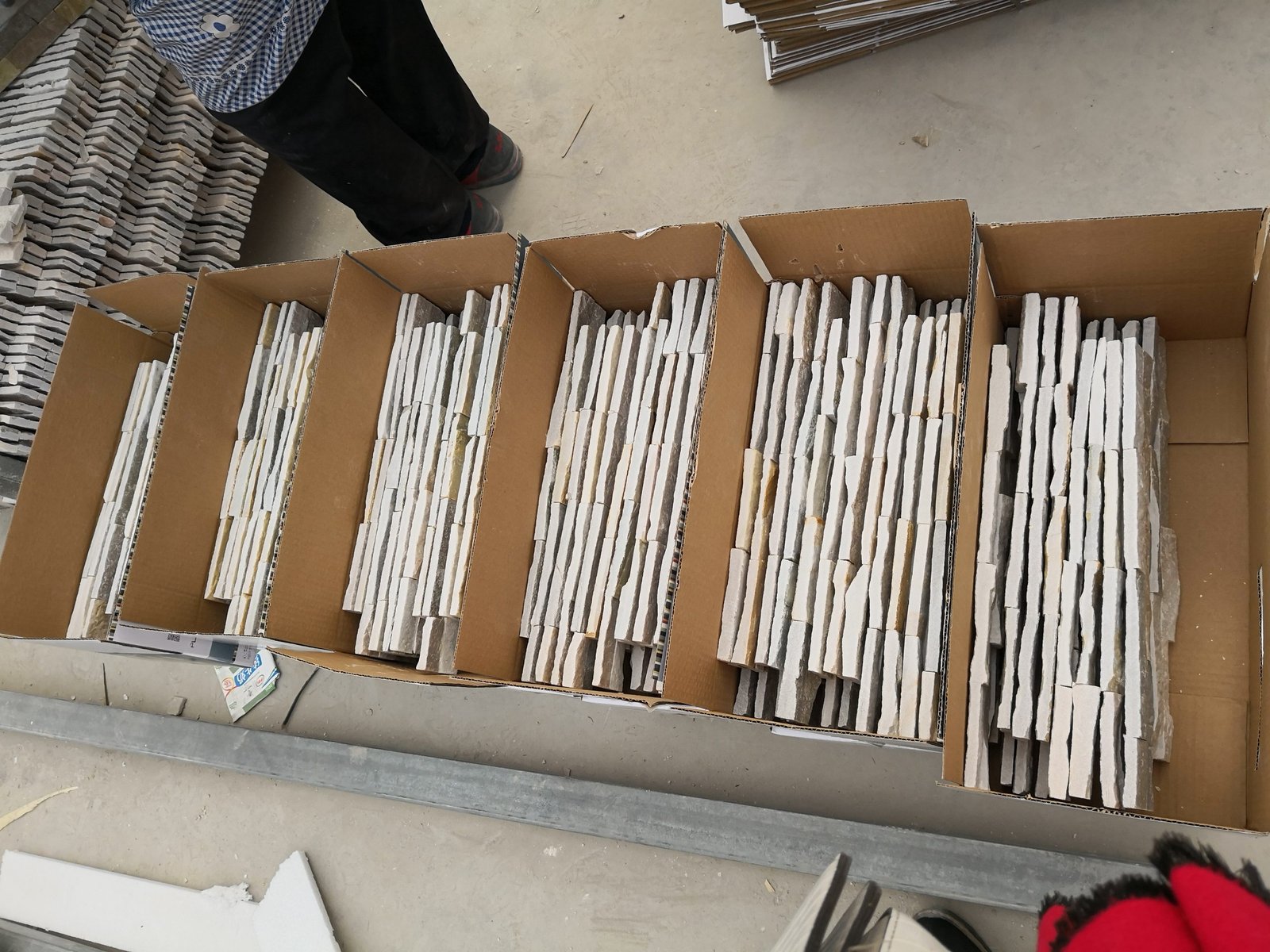
Each carton is sealed with heavy-duty packing tape and labeled with product type, quantity, and gross weight. This isn’t cosmetic. Proper labeling means warehouse teams at the destination can handle each box appropriately without guessing what’s inside.
Layer 2 — Pallet Assembly
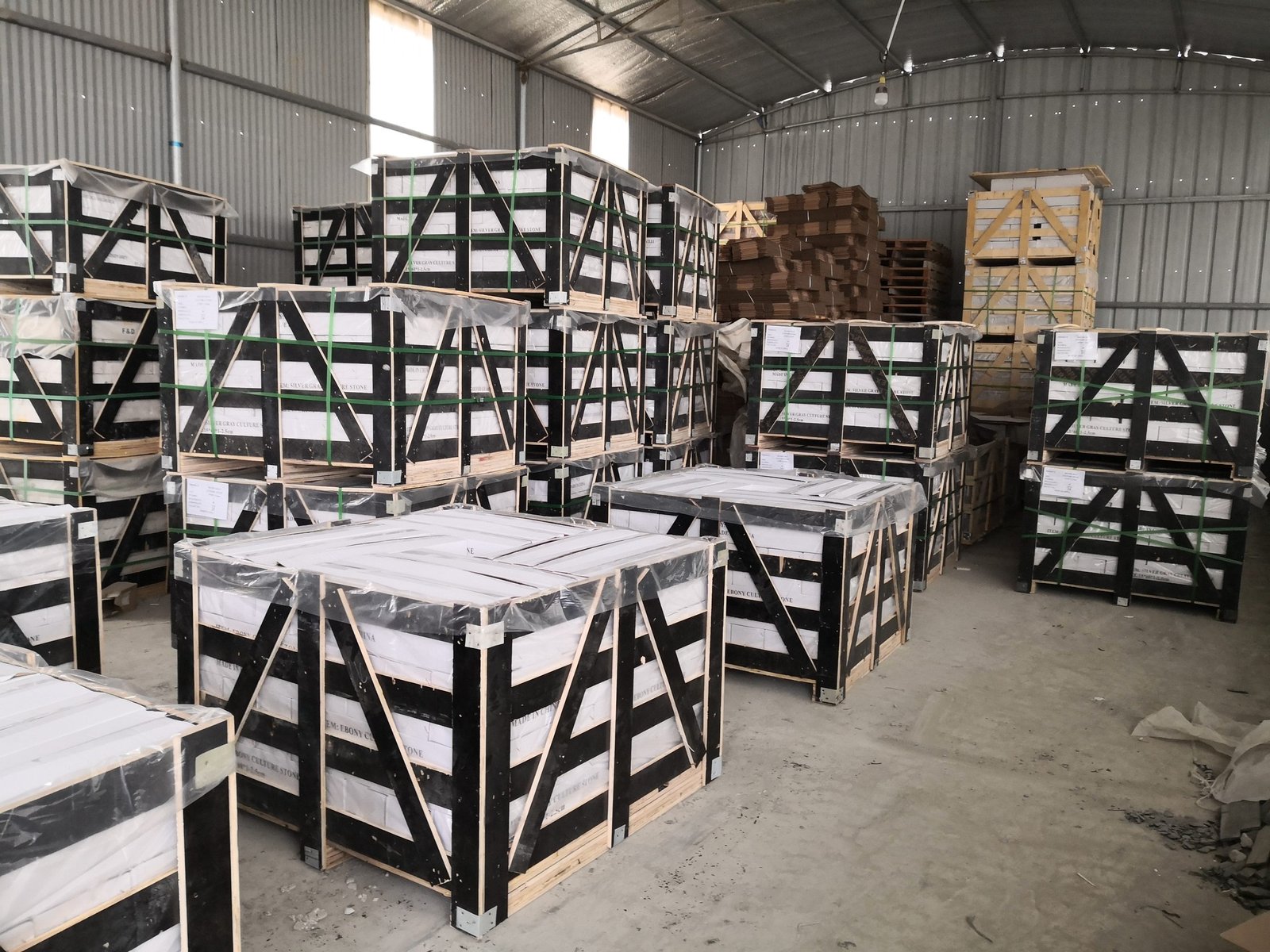
Cartons don’t go into the container loose. They’re assembled onto pallets — and the pallet quality matters as much as the carton quality.
We use fumigation-free solid wood and plywood pallets. The fumigation-free designation is important for international trade. Under ISPM 15 regulations, wood packaging materials crossing international borders must be heat-treated or fumigated and stamped. Plywood pallets bypass this requirement entirely because the manufacturing process (high-temperature lamination) eliminates pest risk.
Weight distribution on the pallet is calculated before assembly. Cartons are stacked in a pattern that centers the load and prevents overhang. Overhang — where cartons extend beyond the pallet edge — creates pressure points that lead to crushing during transit. It also wastes container space.
The pallet footprint is designed to match standard 20GP container internal dimensions, maximizing floor coverage while leaving room for dunnage at the walls.
Layer 3 — Steel Band Strapping
Once cartons are assembled on the pallet, the entire unit gets strapped with 4-6 high-tensile steel bands.
This is the structural backbone of the palletized unit. Steel banding compresses the carton stack into a single rigid mass. During ocean transit, containers experience rolling, pitching, and sudden lateral acceleration. Unstrapped cartons would shift, grind against each other, and eventually fail.
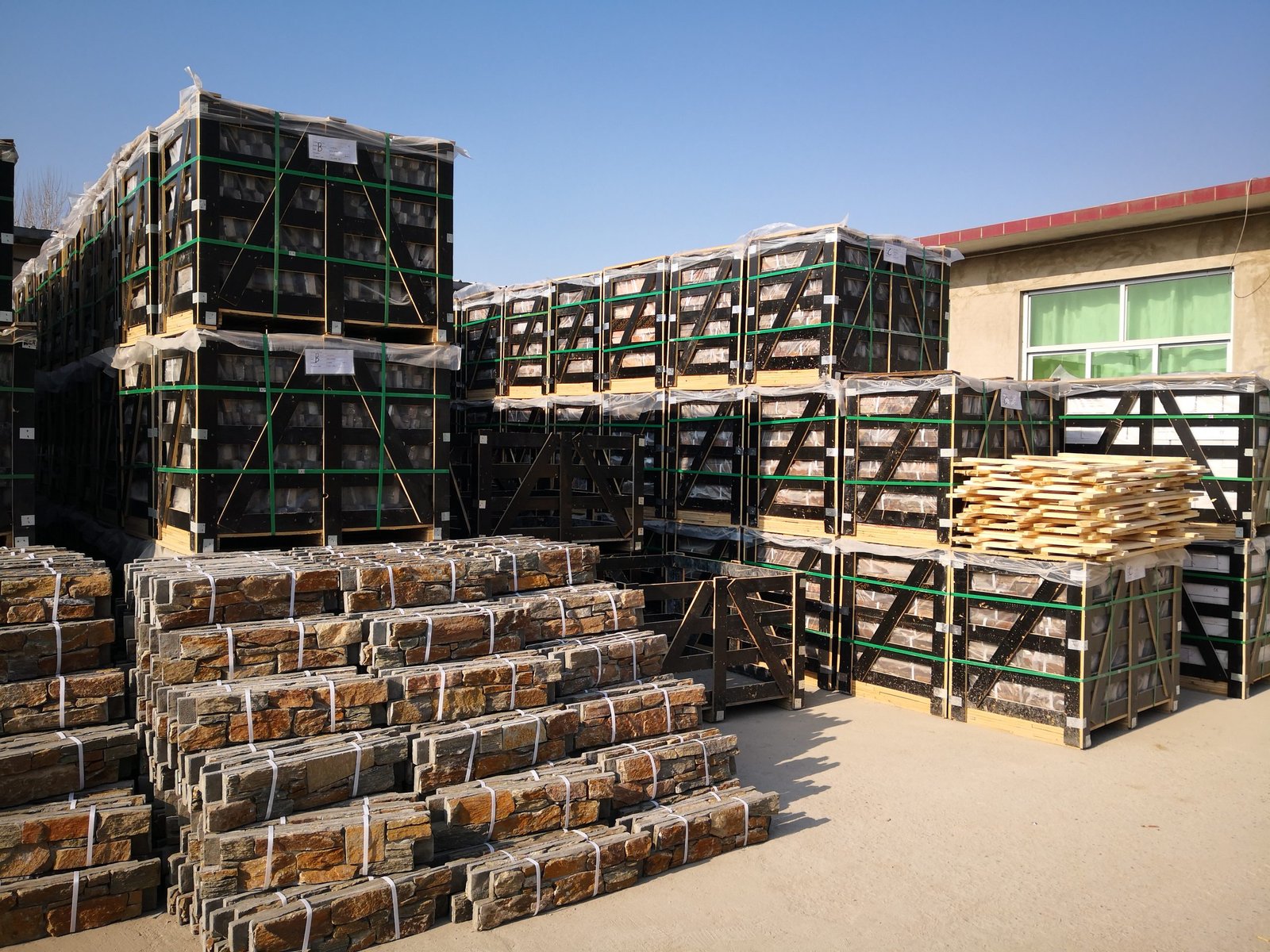
The strapping pattern matters. We apply bands in both horizontal and vertical orientations, creating a cross-pattern that locks cartons from multiple directions. Edge protectors are placed under each band to prevent cutting into the carton walls.
Some factories substitute plastic strapping or use fewer bands to reduce costs. Steel strapping costs more. It also doesn’t stretch, snap, or degrade in humidity — which is exactly what you need when a container sits on a ship crossing the Pacific for 25-35 days.
Layer 4 — Container Dunnage and Airbag Filling
The final layer happens inside the container itself.
Even with perfect palletization, gaps exist between pallet units and between the cargo and the container walls. These gaps are the enemy. Any space that isn’t filled is a space where cargo can move. And movement is what causes breakage.
We fill every void with industrial-grade airbag dunnage. These inflatable bags are placed between pallets, along the container walls, and at the container doors. Once inflated, they create a continuous cushion that locks the entire cargo load in place.
This isn’t optional. A container that leaves the port with unfilled gaps is a container that will deliver damaged goods. The physics are relentless — thousands of kilograms of stone, subjected to weeks of vibration and occasional heavy seas, will find any weakness in the loading pattern.
Container Loading Patterns for Different Stone Products
Not all stone panels load the same way. Each product type has its own dimensions, weight profile, and fragility characteristics. Loading patterns need to account for these differences.
Here’s how the approach varies by product:
Stacked Stone Panels (15x60cm / 15x55cm) are relatively uniform in thickness and weight. They stack well in standard carton-on-pallet configurations. The key consideration is weight distribution — stacked stone is dense, so pallet loads need to be balanced to avoid exceeding floor load limits at any single point in the container.
Thin Ledgestone (36x10cm) comes in smaller-format strips. The smaller size means more cartons per pallet, but the individual cartons are lighter. The loading pattern here favors tighter stacking with more carton layers per pallet height.
Z-Panels (20x55cm / 15.2x61cm) have a distinctive interlocking profile that requires careful orientation during packing. The Z-shape means panels can nest into each other, but if loaded incorrectly, the protruding edges become fracture points.
Thin Stone Veneer is the lightest product in the range, but its reduced thickness also means reduced structural rigidity. Cartons need additional internal support to prevent flexing, and stacking height is sometimes limited to prevent compression damage to the bottom layers.
Flagstone and stone columns present entirely different challenges. Flagstone comes in irregular shapes and sizes, requiring custom carton configurations. Stone columns are cylindrical and heavy — they need cradle-style packaging and cannot be stacked in the same way as flat panels.
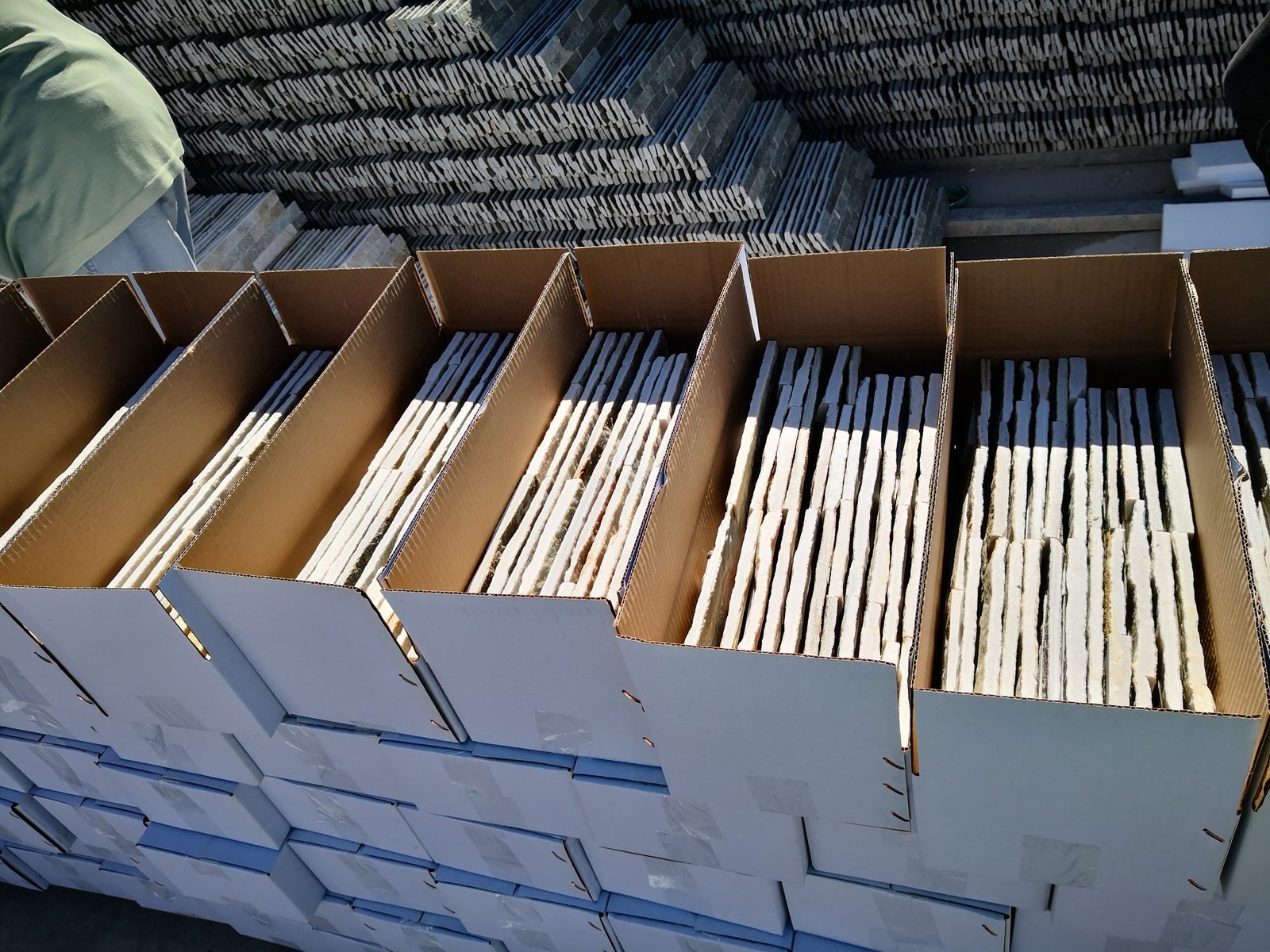
The loading pattern for mixed containers (where multiple product types share a single 20GP) requires extra planning. Heavier products go on the bottom. Lighter, more fragile items ride on top. And the weight distribution across the container floor must remain balanced port-to-starboard and fore-to-aft.
Loading Capacity: How Many Square Meters Fit in a 20GP Container
This is the question every buyer asks, and the honest answer is: it depends on the product.
A 20GP container has internal dimensions of approximately 5.9m x 2.35m x 2.39m — roughly 33 cubic meters of total volume. But stone panels are weight-limited before they’re volume-limited. The maximum payload for a 20GP is approximately 28 metric tons, and stone is heavy.
The practical loading capacity varies based on:
- Product dimensions — larger panels mean fewer units per carton, fewer cartons per pallet
- Stone density — quartzite is heavier than slate per square meter
- Packaging weight — cartons, pallets, and strapping add to the gross weight
- Packing pattern — optimized patterns squeeze more product into the same space
At Top Stone Panels, our production capacity gives you a sense of scale: 80,000 m²/month for stacked stone, 60,000 m²/month for thin ledgestone, and 50,000 m²/month for Z-panels. For specific loading quantities per container by product type, our logistics team provides a detailed loading plan with every quotation.
Our MOQ is 1x 20GP container per product. This ensures efficient loading and consistent product quality throughout the shipment.
Pre-Shipment Inspection and Documentation
Packaging quality means nothing if you can’t verify it before the container sails. This is where documentation and transparency separate reliable suppliers from risky ones.
At Top Stone Panels, we operate a 3-step quality control process:
- Raw material selection — stone quality is verified at the quarry and upon arrival at the factory
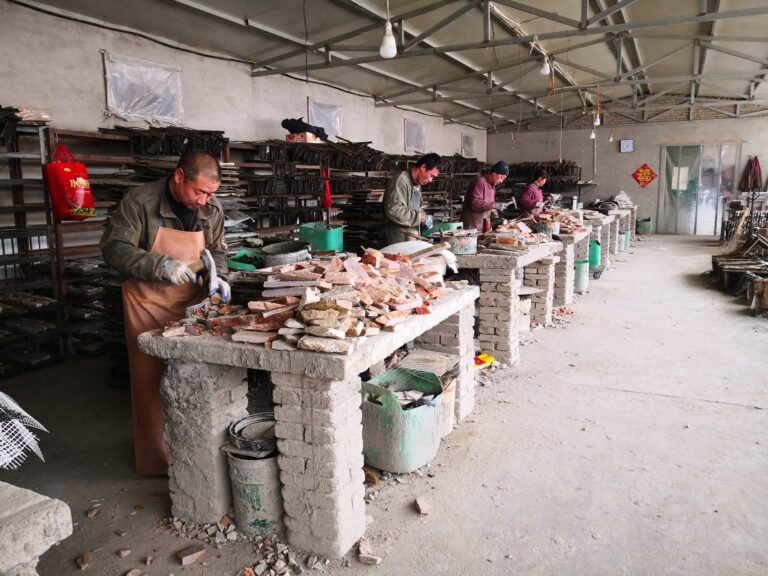
- In-process inspection — panels are checked during cutting, splitting, and sorting
- Final pre-shipment inspection — the completed order is inspected before packaging begins
After packaging is complete and the container is loaded, we provide:
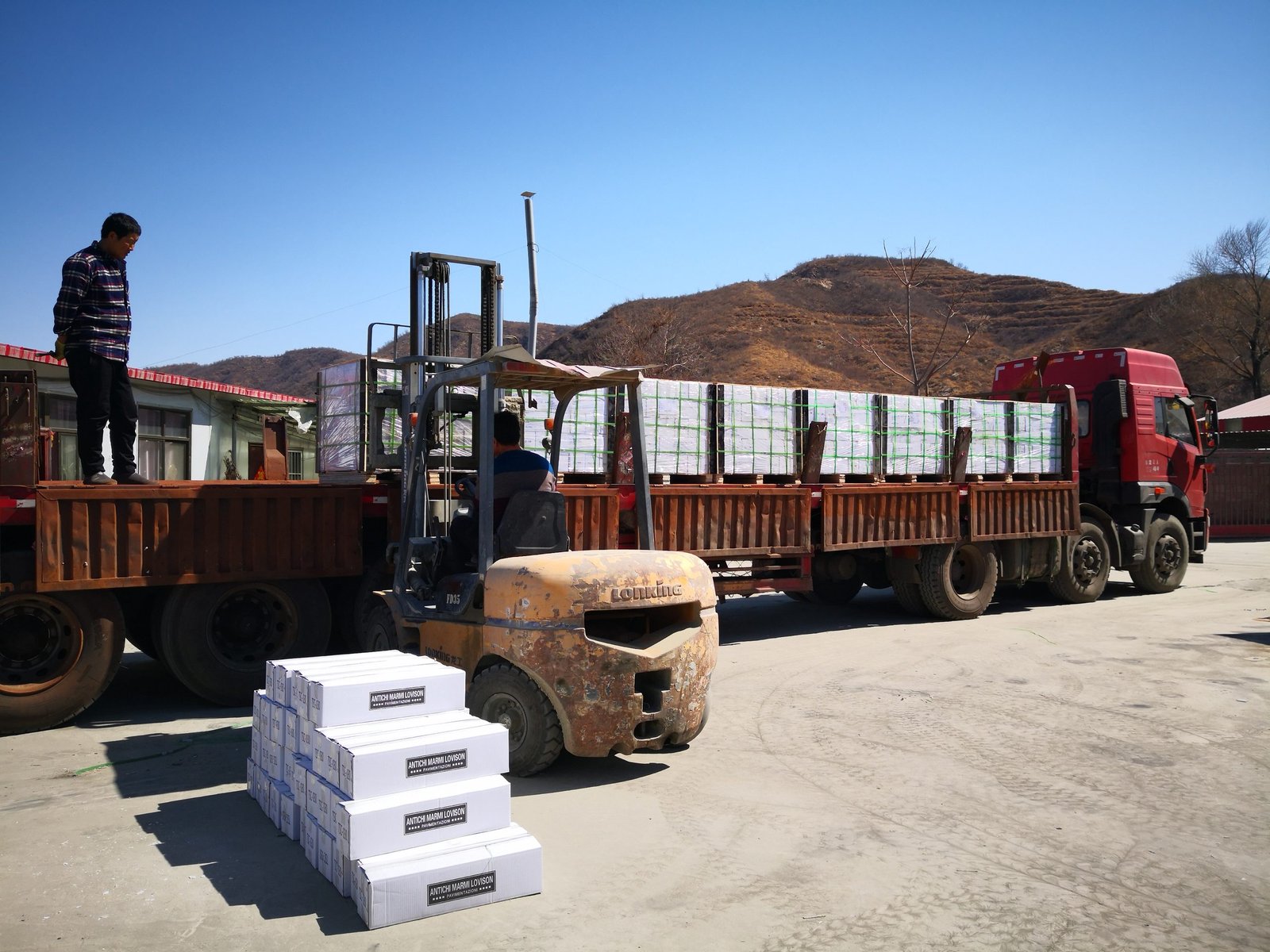
- Container loading video — a full walkthrough of the loading process showing pallet placement, dunnage filling, and door closure
- HD cargo layout photos — high-resolution images of the loaded container from multiple angles
- ISPM 15 fumigation certificate — required for wood packaging entering most countries
- Certificate of Origin (COO) — confirms the product’s country of manufacture for customs clearance and preferential tariff treatment
- Pre-shipment inspection report — documents the condition and quantity of goods at the time of loading
Our payment terms reflect this transparency: 30% T/T deposit to start production, with the remaining 70% due only after you’ve reviewed the container loading video and cargo photos. You verify the loading quality before your final payment clears. That’s accountability built into the commercial terms.
If you’re new to importing stone from China, our guide on sourcing stone cladding from China walks through the entire process — from supplier identification through to receiving your first container. For a deeper look at supplier verification, including factory audit checklists, see our article on how to verify a stone cladding supplier.
Common Loading Mistakes That Cause Breakage
After 18+ years in this business and 220+ containers shipped annually, we’ve seen — and occasionally had to fix — the mistakes that less experienced factories make. Here are the most common ones:
Inadequate dunnage. This is the number-one cause of transit breakage. If there are gaps between pallet units, the cargo shifts during ocean transit. Even a few centimeters of movement, repeated thousands of times over a 25-day voyage, is enough to fracture stone panels. Some factories skip dunnage entirely or use cheap inflatable bags that deflate mid-transit.
Single-wall cartons. Standard corrugated boxes are rated for lightweight consumer goods, not for 25+ kg of natural stone. Under the compression load of a stacked container, single-wall cartons buckle. The panels inside then bear the full weight of the cargo above them — and they crack.
Improper pallet sizing. Pallets that are too small allow carton overhang. Pallets that are too large waste container floor space and create gaps. Both scenarios lead to movement and damage.
Insufficient strapping. Two bands on a pallet might hold the load together during forklift handling, but they won’t prevent internal carton shift during weeks of ocean vibration. Four to six steel bands in a cross pattern is the minimum for stone cargo.
Uneven weight distribution. Loading all the heavy product on one side of the container creates an imbalanced load. This affects the ship’s stability calculations and puts uneven stress on the container floor. Experienced loaders plan the weight map before the first pallet goes in.
No loading documentation. If the factory doesn’t photograph or video the loading process, you have no way to verify what happened between the warehouse floor and the container doors closing. This is a red flag. Any supplier unwilling to document the loading is a supplier you should be cautious about. For more on this, read our breakdown of the natural stone cladding cost structure — where hidden risks like poor packaging show up in the total landed cost.
How Top Stone Panels’ Zero-Breakage Protocol Works
Our zero-breakage protocol isn’t a marketing claim. It’s a structured process with accountability at every stage.
Step 1 — Production QC. The 3-step quality control process (raw material, in-process, final inspection) ensures that only panels meeting our standards reach the packaging line. Defective or out-of-spec pieces are removed before they ever enter a carton.
Step 2 — 4-Layer Packaging. Cartons, pallets, strapping, and dunnage are applied according to the product-specific loading plan. Every pallet is photographed during assembly.
Step 3 — Container Loading with Verification. The loading team follows the planned weight distribution map. The entire loading process is video-documented. Once the container is sealed, HD photos of the final cargo layout are sent to the buyer along with the loading video.
Step 4 — Buyer Confirmation. The buyer reviews the loading documentation before releasing the 70% balance payment. If anything in the video or photos raises concerns, we address them before the container leaves the factory yard.
This process applies whether you’re ordering stacked stone, thin ledgestone, Z-panels, thin stone veneer, flagstone, or stone columns. The specifics of the loading plan change by product. The process discipline does not.
Delivery timelines are 20-25 working days for standard orders, and 25-30 days for first orders that include custom color box branding. Trade terms available include FOB Xingang, EXW, CIF, and DDP — whatever suits your import structure.
Frequently Asked Questions
How many square meters of stone panels fit in a 20GP container?
Container capacity depends on the product type, stone density, and carton dimensions. Stacked stone (15x60cm), thin ledgestone (36x10cm), and Z-panels (20x55cm) all load differently due to their varying sizes and weights. Our logistics team provides a product-specific loading plan with every quotation, showing exact square meter quantities per container. MOQ is 1x20GP per product.
What packaging materials are used for stone panel container loading?
Professional stone panel packaging uses a 4-layer system: 3-5 layer reinforced corrugated cartons for inner protection, fumigation-free solid wood or plywood pallets for structural support, 4-6 high-tensile steel bands for strapping, and industrial-grade airbag dunnage filling inside the container to prevent cargo shift during transit.
Do I need fumigation certificates for stone panel shipments from China?
Yes. When wood packaging materials are used in international shipments, an ISPM 15 fumigation certificate is required by most importing countries. Top Stone Panels provides ISPM 15 certificates along with Certificate of Origin (COO) and pre-shipment inspection reports as standard documentation for every container shipment.
How can I verify that my stone panels were loaded correctly before shipment?
Top Stone Panels provides a container loading video and HD cargo layout photos before final payment. This allows you to verify pallet placement, dunnage filling, strapping integrity, and overall loading quality before the container leaves the factory. The 70% balance payment is only released after you’ve reviewed and approved this documentation.
What causes breakage during stone panel container shipping?
The most common causes are insufficient dunnage allowing cargo to shift, weak cartons that collapse under stacking weight, improper weight distribution on pallets, missing or inadequate steel band strapping, and loading gaps between pallet units. Experienced factories eliminate these risks through a structured 4-layer protection system and mandatory loading documentation.
Planning a Stone Panel Import?
Whether you’re ordering your first container or your fiftieth, packaging quality should be non-negotiable. Top Stone Panels ships 220+ containers per year with a zero-breakage packaging protocol backed by loading video verification.
We offer FOB Xingang, CIF, and DDP shipping terms with a transparent payment structure: 30% deposit, 70% after you approve the loading documentation.
Explore our product range — stacked stone, thin ledgestone, Z-panels, thin stone veneer, flagstone, and stone columns — or learn more about our factory verification process.