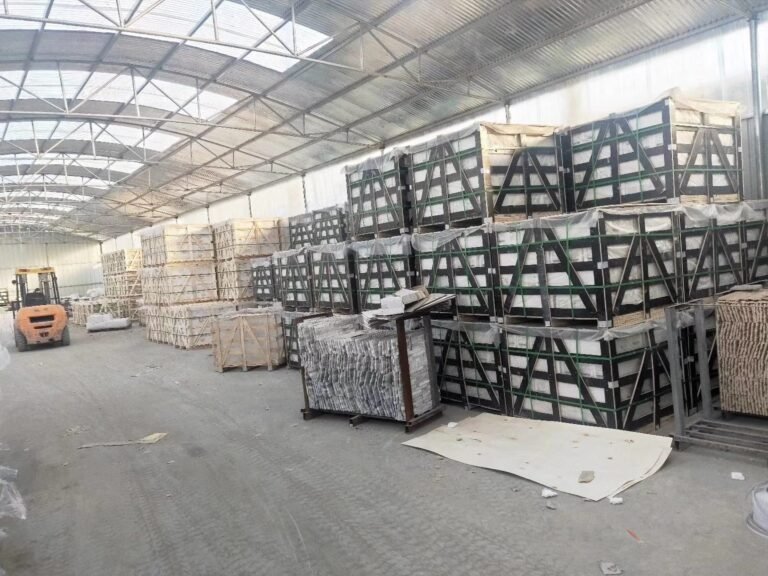
Ask three suppliers for a delivered price on the same stone panels and you will get three different DDP quotes, sometimes per square meter and sometimes per container, and rarely side by side. That is the honest problem with door-to-door shipping from China: the term sounds simple, but what hides inside a quote decides whether the deal is a bargain or a surprise. DDP, or Delivered Duty Paid, is an official Incoterms 2020 rule that puts the seller in charge of getting stone to your door, including import clearance and duty. This guide walks through what belongs in a DDP quote for stone, what usually does not, how the term compares with FOB and CIF, and the documents and deadlines that make a door-to-door container actually arrive.
Most stone buyers who start with FOB move to DDP at some point, usually on the second or third order, because one paid price is easier to compare against a landed budget than a string of freight quotes. The buyers who get burned are the ones who treat DDP as “the supplier handles everything.” The supplier handles a lot, but the buyer still owns unloading, spot checks, and a few decisions that sit in the fine print.
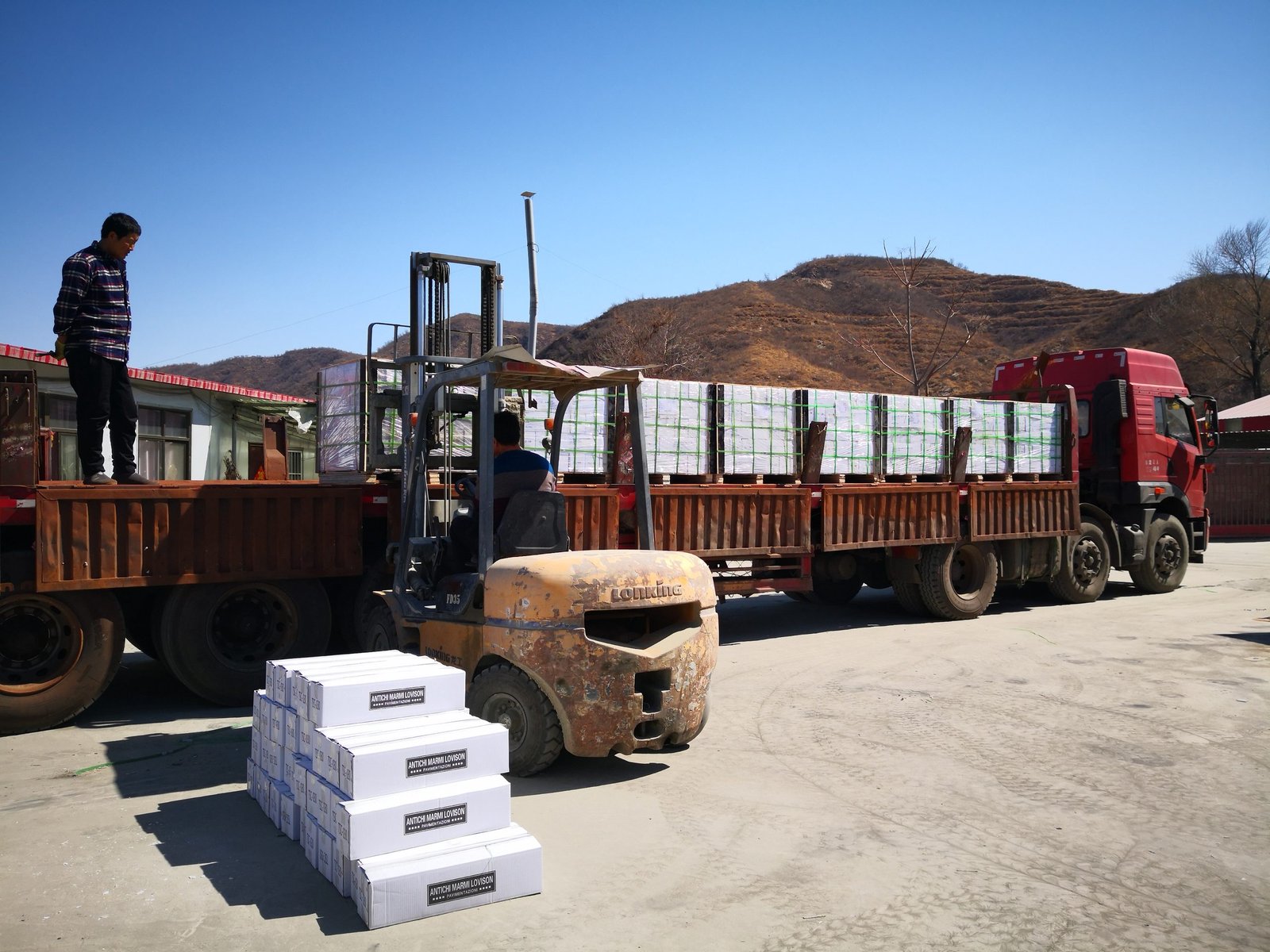
- DDP means the seller pays freight, export and import clearance, duty, and taxes, and delivers to a named place; the buyer unloads and takes delivery.
- A useful DDP quote for stone shows the layer-by-layer breakdown — goods, packing, inland, ocean, duty, final delivery — not one opaque lump sum.
- DDP suits first containers, new suppliers, and small-to-mid buyers who want one predictable landed price; FOB usually wins for repeat volume programs with your own freight booking.
- Confirm the importer-of-record arrangement when shipping DDP to the USA; someone with a U.S. presence must appear on the entry.
- Watch the classic exclusions: unloading, demurrage and detention, customs exam fees, and anything that happens after the truck arrives.
- Ask for document proof at each stage — packing photos, loading video, bill of lading, ISPM 15 certificate when wood is used.
- What “DDP” Actually Means on a Stone Order
- What a DDP Quote Includes (and Should Show You)
- What DDP Does Not Cover
- DDP vs FOB vs CIF on a Stone Container
- When DDP Makes Sense — and When It Costs More
- The Door-to-Door Timeline for a Stone Container
- Documents Behind a DDP Stone Shipment
- How to Vet a DDP Stone Supplier
- DDP into the USA: Importer of Record and Tariffs
- FAQ
- Conclusion
What “DDP” Actually Means on a Stone Order
DDP is one of the eleven Incoterms 2020 rules published by the International Chamber of Commerce. It sets the point where cost and risk pass from seller to buyer, and it describes the duties of each side. Under DDP the seller carries the goods all the way to the buyer’s named place — in practice, your warehouse door or a nominated distribution center — and along the way pays export packing, inland trucking in the exporting country, ocean freight, import clearance at the destination, and import duty and taxes. Risk transfers to the buyer only when the goods arrive ready for unloading at that named place.
For a container of natural stone, the practical translation is short: one quote, one price, door delivered. The seller’s forwarding agent files the export declaration, books the vessel from Tianjin Xingang, files the destination customs entry, pays the duty, and arranges the truck from the destination port to your address. The buyer’s list is short — unload the truck, inspect the cartons, and check the paperwork — which is exactly why first-time stone importers find DDP comfortable.
Two terms in that paragraph deserve a second look because they cause most disputes. First, “named place” — DDP to your city is not DDP to your dock; confirm the final delivery address and whether the trucker can back into a loading area. Second, “ready for unloading” — the buyer unloads. If you expected the driver to help with the pallets, say so before you book, because that labor is the classic DDP gray zone.
What a DDP Quote Includes (and Should Show You)
A good stone supplier quotes DDP the way a factory would quote any other line item: transparently. If the supplier only gives you one delivered number, ask for the breakdown. You are not asking for a trade secret — you are asking for the same five lines any freight forwarder would show you.
| Cost layer | What it covers | How stone suppliers charge it |
|---|---|---|
| Goods | Panels plus L-corners if ordered, at the agreed FOB or EXW unit price | Per square meter or per piece |
| Export packing | Cartons, pallets, steel banding, and edge protection | Per set or included in FOB price |
| Inland trucking | Factory to Tianjin Xingang terminal, customs inspection if any | Per container |
| Ocean freight | Export/import terminal charges, documentation, vessel carriage | Per 20GP or 40HQ container |
| Destination clearance | Customs entry filing, ISF where required, handling at the destination port | Flat fee, sometimes per shipment |
| Duty and taxes | Import duty on the HS classification and destination VAT/GST where applied | Line item on the proforma |
| Final-mile trucking | Destination port to your door, including chassis time | Per container |
Stone freight has one quirk that makes the per-square-meter view essential: dense panels are weight cargo. A 20GP container filled with stacked stone reaches its payload limit before it fills up, so freight is really paid per ton moved. Two different products on the same lane can carry very different per-square-meter freight. The 20GP vs 40HQ container guide works through the math, and the FOB, CIF, and DDP comparison article shows how the same container price shifts as you move down the Incoterms ladder. Ask your supplier to quote both the delivered per-square-meter number and the freight line on the container, and you can compare DDP offers from different factories without guessing.
What DDP Does Not Cover
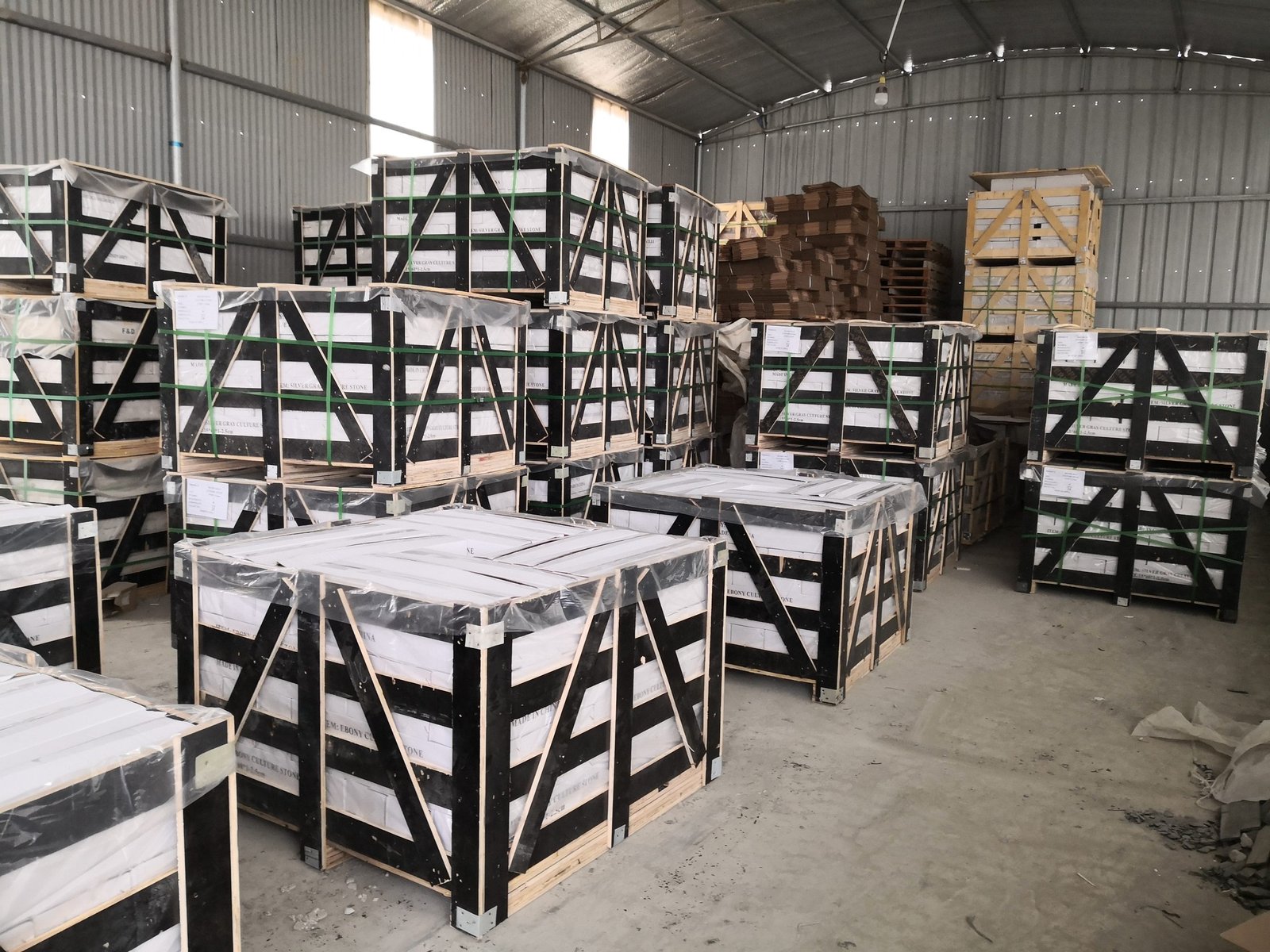
Every DDP dispute traces back to one of four exclusions. Learn them once and they stop being surprises.
Unloading at destination. The Incoterms rule puts unloading on the buyer. If your crew is small or the dock has no forklift, negotiate “driver will assist” or “tailgate delivery” into the contract — it will cost extra and be worth it.
Demurrage and detention. If the container sits at the destination terminal past the free days, or the truck sits at your site, the clock charges belong to whoever held the equipment. A buyer whose yard is not ready pays the detention bill. Ask the supplier or their forwarder what free-time assumption the DDP price assumes.
Customs exam fees. Most containers clear on documents. Some get pulled for examination, and inspection fees and container opening charges typically land back on the cargo owner. A DDP quote rarely includes them. This is a low probability, but it can be a four-figure surprise, so know the policy before you book.
Anything after delivery. Storage beyond the agreed free time, moving the stone to a second site, or installation labor are never part of DDP. The term stops at the named place.
One more boundary deserves a line: DDP does not mean “no paperwork.” The seller files the entries, but the buyer should still keep the commercial invoice, packing list, bill of lading, and any certificates — your insurance claim, your local building authority, and your accountant will all ask for them eventually. The stone export documents guide lists each document and who issues it.
DDP vs FOB vs CIF on a Stone Container
Stone buyers work with three terms more than any others. FOB puts the goods on the vessel in China and clears export; the buyer owns freight and import. CIF extends the seller’s responsibility to the destination port, with insurance, but import clearance and duty stay with the buyer. DDP goes the full distance. The choice is not about being sophisticated — it is about who has the freight relationships and who wants the risk.
| Element | FOB Xingang | CIF destination port | DDP buyer’s door |
|---|---|---|---|
| Export clearance | Seller | Seller | Seller |
| Ocean freight booking | Buyer | Seller | Seller |
| Origin transport to vessel | Seller | Seller | Seller |
| Destination customs entry | Buyer | Buyer | Seller |
| Duty and taxes | Buyer | Buyer | Seller |
| Insurance | Buyer’s option | Seller (minimum cover) | Seller’s option |
| Delivery point | Onboard vessel Xingang | Destination port | Named address |
The FOB vs CIF deep dive covers the middle pair in detail. The practical rule for choosing: price the whole ladder for your lane and volumes. A DDP quote that adds, say, 10-15 percent over FOB on freight and clearance may still be the cheapest option when you count your own freight bureau, customs broker fees, and a week of internal time. (Markets move, so treat that spread as a rule of thumb, not a number to rely on.) A DDP quote that adds more than your own freight line says the middleman is charging for convenience — decide whether that convenience is worth it.
When DDP Makes Sense — and When It Costs More
DDP wins for four buyer profiles. First-time importers who want one number they can budget against. Shops buying a single test container from a new factory, where the freight discovery cost is worse than a slightly higher price. Buyers in countries where the duty structure and clearance steps are complicated, and the supplier’s forwarder has better local access than a random broker. And distributors whose cash flow prefers rolling the total price into one payment instead of several freight invoices.
DDP loses when the buyer already runs volume freight. A distributor importing ten containers a year with a dedicated forwarder will beat most suppliers on the ocean freight line — that is the whole game of the FOB quote negotiation playbook. DDP also hides the freight market from you. Your supplier’s forwarder books at their rates, and in a volatile freight market the supplier either prices high to protect themselves or re-quotes upward later, which arrives as an amendment email nobody enjoys.
The middle path used by many North American distributors: buy FOB (or EXW) with your own forwarder on repeat orders, and use DDP for sample containers and trials. That way you get the price transparency on volume and the predictability on experiments.
The Door-to-Door Timeline for a Stone Container
A realistic door-to-door schedule for stone from China runs eight to eleven weeks from confirmed order to arrival at a US or Canadian door. Most of the calendar is fixed: production, then a port-to-port transit that depends on the lane.
| Stage | Who leads | Typical duration |
|---|---|---|
| Sample approval (first order) | Buyer + seller | 1-3 days shipping, plus lab time |
| Production and packing | Seller | 20-25 working days (25-30 first order) |
| Inland to port and sailing | Seller’s forwarder | 1-2 weeks |
| Ocean transit | Carrier | Los Angeles / Long Beach 3-4 weeks; New York / Houston 5-6 weeks |
| Destination clearance | Seller’s broker | 2-7 days (exam can add time) |
| Final-mile delivery | Seller’s trucker | 1-3 days from port |
Ocean transit windows are indications, not guarantees. Schedules shift with carrier rotations, weather, canal traffic, and port congestion — a container ship can sit at anchor longer than the captain’s ETA. If your customer contract has a hard install date, plan the buffer. The lead time and production planning guide lays out how to schedule production inside your order, and the customs clearance guide covers what can slow a container at the US port.
Documents Behind a DDP Stone Shipment
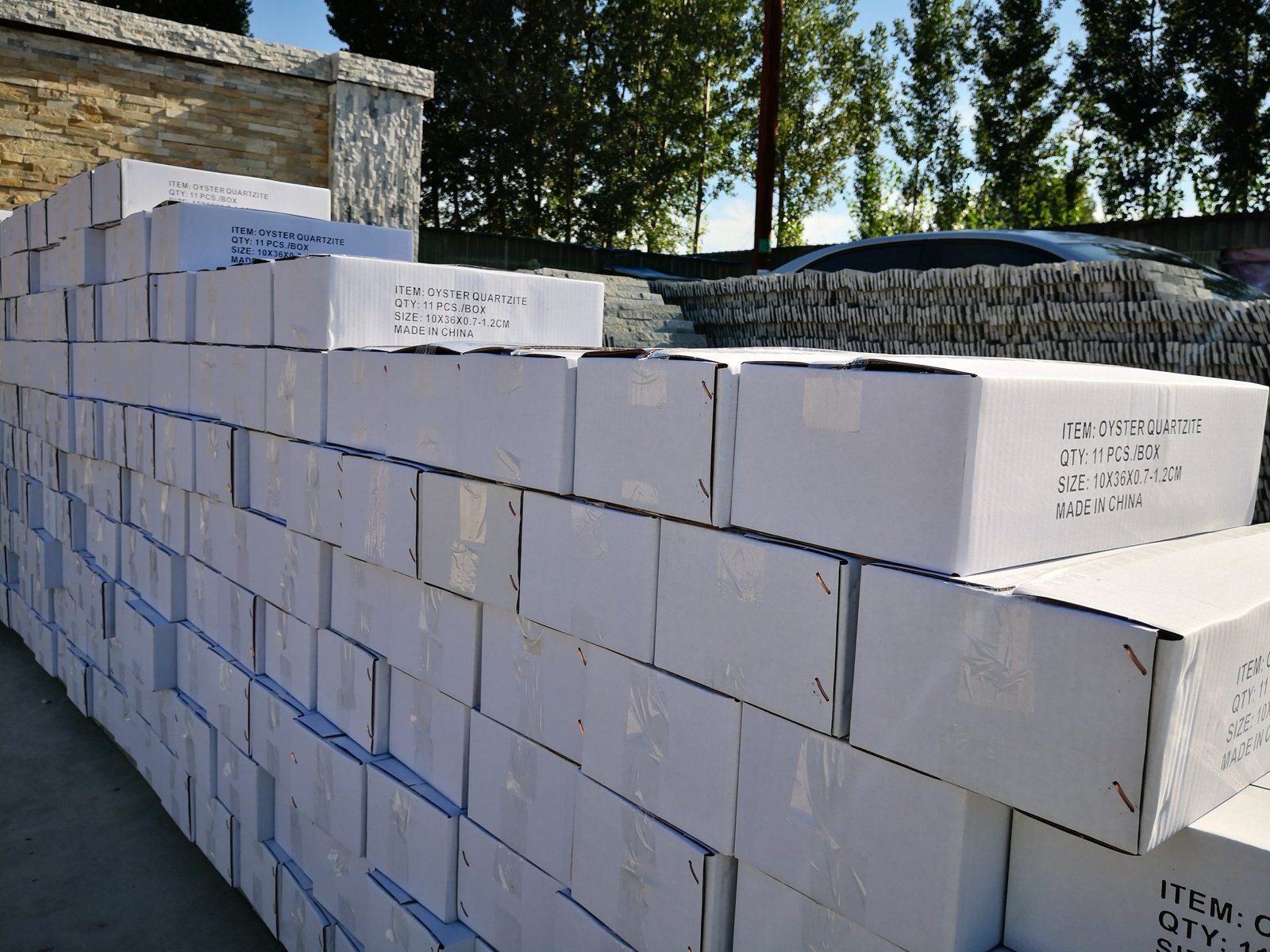
Even though the seller handles the filing, the buyer needs to know what each document proves. This is the same document set a full trace requires, and it is the difference between a smooth claim and a dead end when a carton arrives damaged.
| Document | Proves | Common issue for stone |
|---|---|---|
| Bill of lading / FCR | Carriage contract and cargo receipt | Marks and count must match the packing list |
| Commercial invoice | Value basis for duty and payment | Duty line should match the DDP quote |
| Packing list | Box count, carton dimensions, weight | Check gross weight against the container limit |
| Certificate of origin | Country of origin for duty preference | China COO is standard; some programs need forms |
| ISPM 15 certificate | Wood packaging heat-treated or fumigated | Needed whenever pallets or crates are wood |
Two documents deserve extra attention on DDP shipments. If the packaging uses wood, the ISPM 15 certificate must travel with the shipment, or the destination port can hold or refuse the container on phytosanitary grounds. And the certificate of origin matters more than buyers expect, because duty rates and trade programs are applied against the origin shown on the entry. Ask for both as PDFs before the vessel sails, not after arrival.
How to Vet a DDP Stone Supplier
A DDP quote asks you to trust the supplier’s freight network, not just their factory. Before you accept a door-to-door number, check four things.
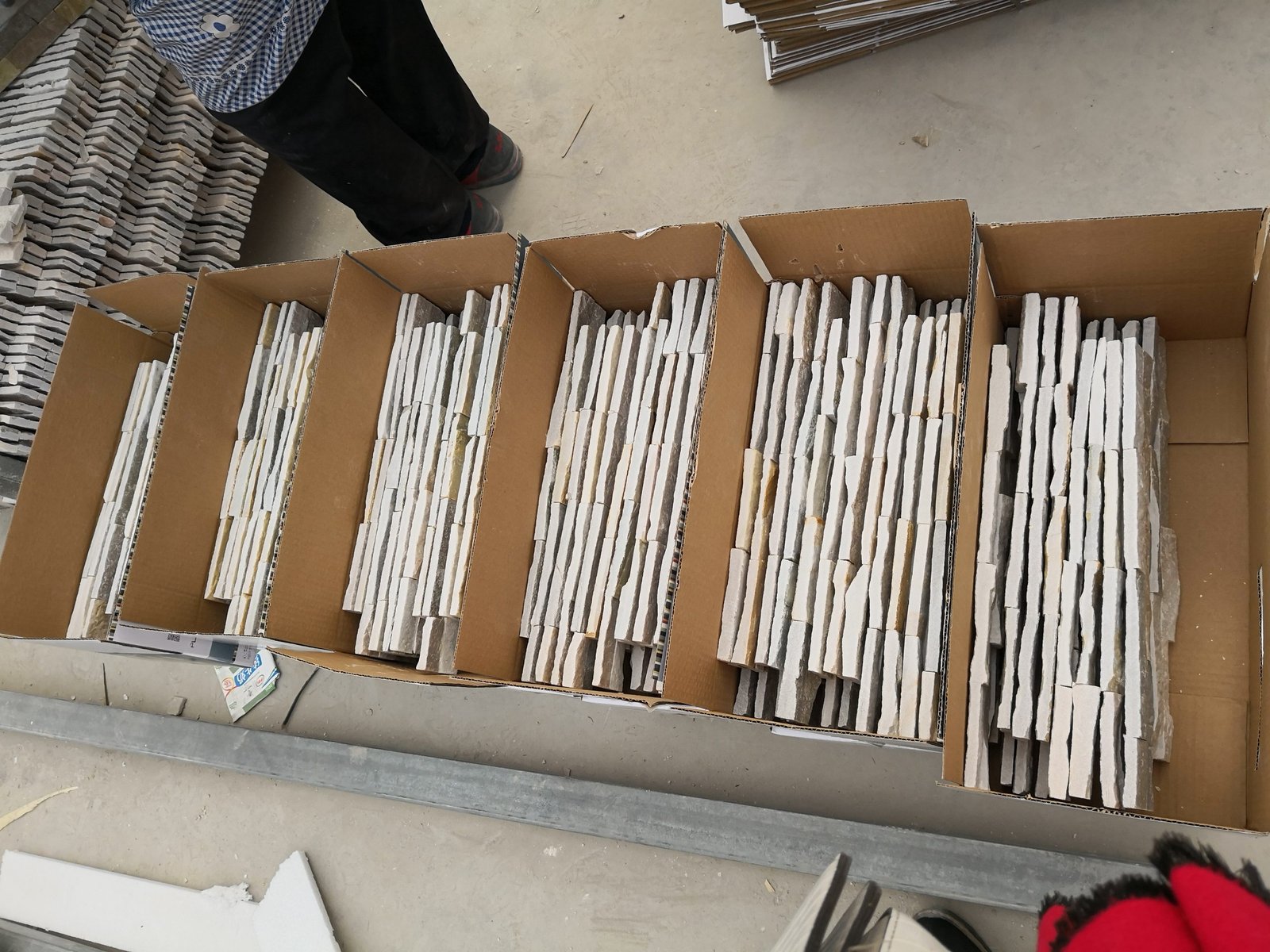
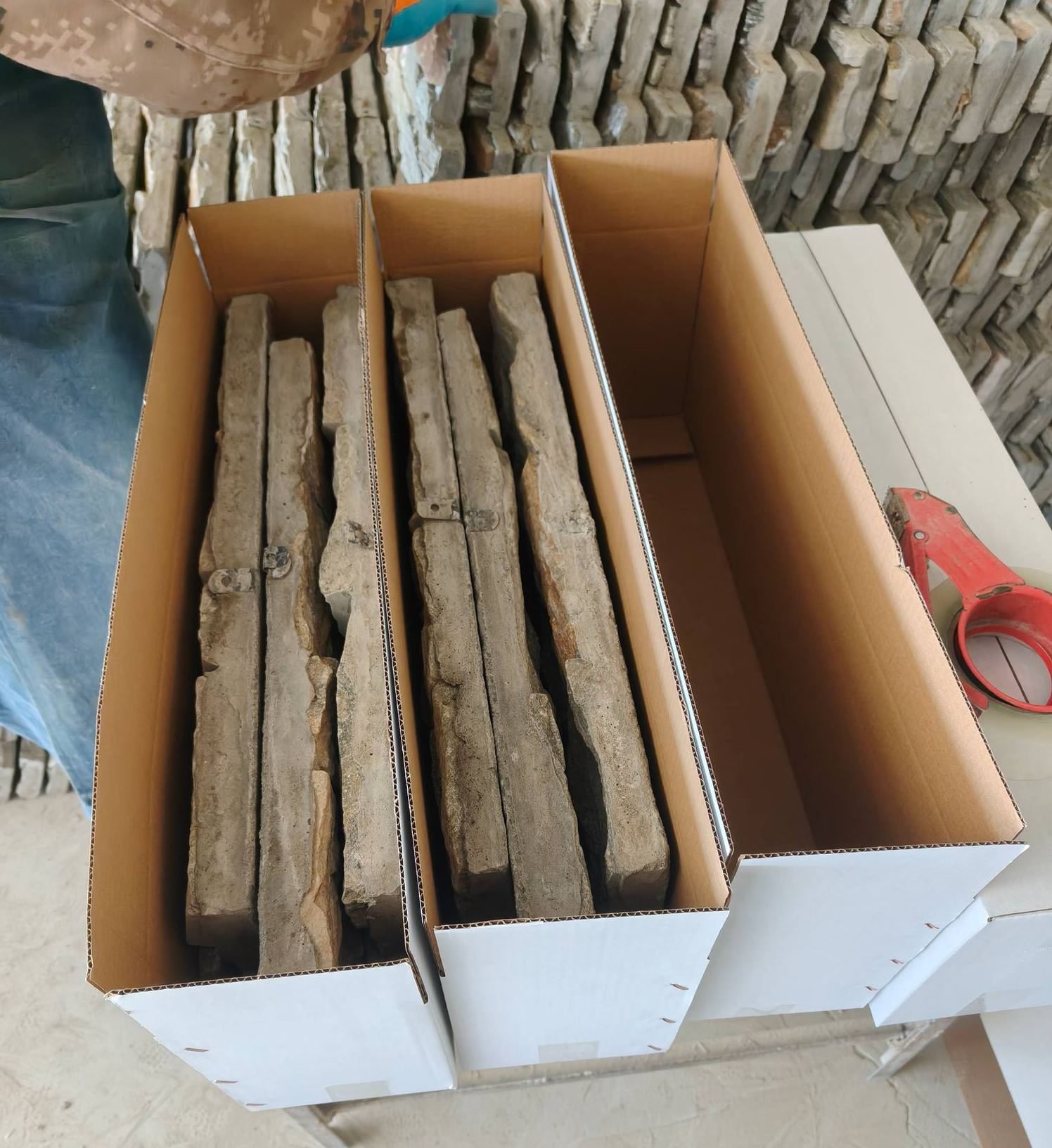
First, packing evidence. Stone arrives broken more often from bad packing than from the voyage itself. Ask for photos or video of the container-loading and zero-breakage packaging protocol — corner protection, steel banding, edge guards, and air bags inside the container. A supplier that is used to export will send these without a pause.
Second, a named forwarder. Ask who files the US entry and who travels the final mile. The answer should be a real company with a customs broker license in your country, not “our partner handles it.” When you spot-check the broker on the ISF filing and entry, you are verifying the actual chain of custody.
Third, the duty math. The supplier should state the HS classification they plan to declare and the duty rate assumed. Natural stone slate, quartzite, and sandstone work different headings — the HS code guide for stone cladding shows how the product divides. If their assumed rate is wrong, the correction bill lands on you at the destination.
Fourth, inspection access. A supplier confident in DDP will still offer pre-shipment options — packing photos, loading video, or a third-party inspection. The pre-shipment inspection checklist tells you what to look at while the container is still open at the factory. If a supplier refuses these, that is the louder signal than any price.
DDP into the USA: Importer of Record and Tariffs
DDP into the United States carries one compliance wrinkle that trips up buyers: someone must be the importer of record, and US customs (Customs and Border Protection) wants an entity with a US presence and tax ID on the entry. Under a clean DDP commercial arrangement, that role can be filled by the seller through a licensed customs broker acting with power of attorney — or the seller nominates the buyer as importer of record and reimburses the duty. Either structure is legal; the problem is only when nobody documents which one applies.
Get the importer-of-record arrangement in writing before the goods ship, and ask to see the entry summary after the container clears. These two habits resolve most DDP customs disputes before they start.
Tariffs change the economics faster than any other line. US import duty on China-origin natural stone sits on top of the freight and clearance cost, and the tariff picture for China-origin construction materials shifted repeatedly through 2025 — Section 301 action on top of a broad 2025 tariff increase. Do not take a duty rate from a blog, an old invoice, or this article. Take it in writing from your customs broker or your supplier’s broker for the specific HS number and origin you are shipping, because the applicable rate on the sailing date is the rate that matters. The guide to importing stone into the USA walks through the entry process and the current tariff structure the same way our trade desk checks it before every quote.
FAQ
What does DDP shipping include?
Door-to-door delivery with the seller paying freight, export and import customs clearance, duties, and taxes. The buyer’s job is typically to unload the truck and take delivery at the named place.
Who pays customs duty under DDP?
The seller, in effect, because the duty is built into the delivered price. Ask for the duty line item in writing on the proforma so you know the number you are actually paying.
Is DDP or FOB better for importing stone?
DDP gives one predictable delivered price and removes customs work, which suits first containers and smaller orders. FOB gives you control over freight and clearance and usually costs less on repeat volume programs.
How long does DDP delivery from China to the USA take?
Roughly 20-25 working days of production, then ocean transit of about 3-4 weeks to the US West Coast and 5-6 weeks to East and Gulf ports, plus 3-10 days for customs and final delivery.
Is DDP shipping cheaper than FOB?
The DDP price is usually higher on paper because it includes freight, clearance, and duty that you would pay separately under FOB. Compare the full landed cost, not the headline numbers.
What documents do I receive with a DDP stone shipment?
A bill of lading or forwarding receipt, commercial invoice, packing list, certificate of origin, and an ISPM 15 fumigation certificate when wood packaging is used.
Conclusion
DDP is a freight choice, not a quality shortcut. It gives the buyer one delivered number and moves customs work to people who do it daily; what it never removes is the buyer’s job of checking the packing, confirming the importer-of-record line, and reading the exclusions before signing. Buyers who treat DDP as “the supplier handles everything” get surprises at the dock. Buyers who price the FOB, CIF, and DDP ladder side by side, ask for the layer-by-layer breakdown, and confirm the duty math in writing get the only kind of door-to-door deal worth having — one where the delivered price and the received goods match.
Key takeaways:
- DDP bundles freight, clearance, duty, and door delivery under Incoterms 2020; the buyer unloads.
- Ask for the quote layer by layer — goods, packing, inland, ocean, duty, final mile — so you can compare suppliers honestly.
- Use DDP for first containers and trials; run FOB with your own forwarder on repeat volume.
- Confirm the importer of record in writing on shipments to the USA, and verify tariff rates with a broker on the sailing date.
- Collect the full document set — FCR or bill of lading, invoice, packing list, COO, ISPM 15 — at navigation time, not at claim time.
If you are pricing your first door-to-door container, ask Top Stone Panels for the DDP line on your exact mix — the trade desk will lay out goods, freight, clearance, and duty separately, and the stacked stone panel line and thin stone veneer are the usual starting points for a first container.