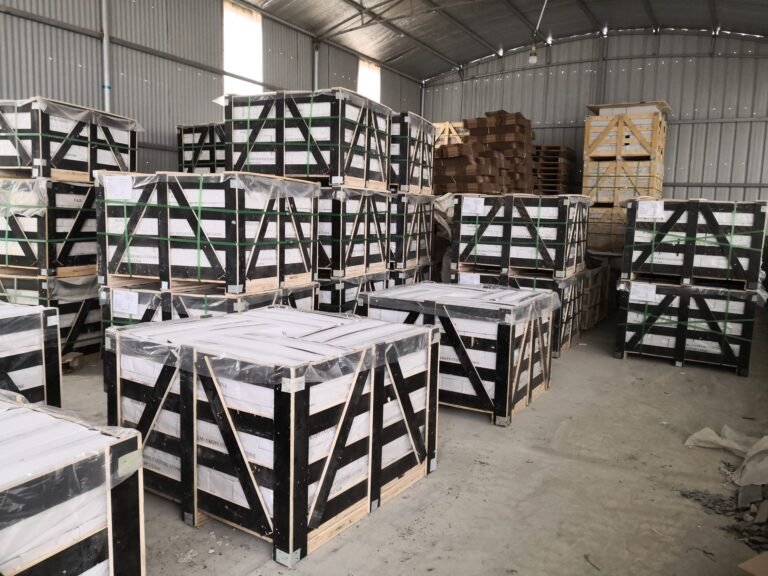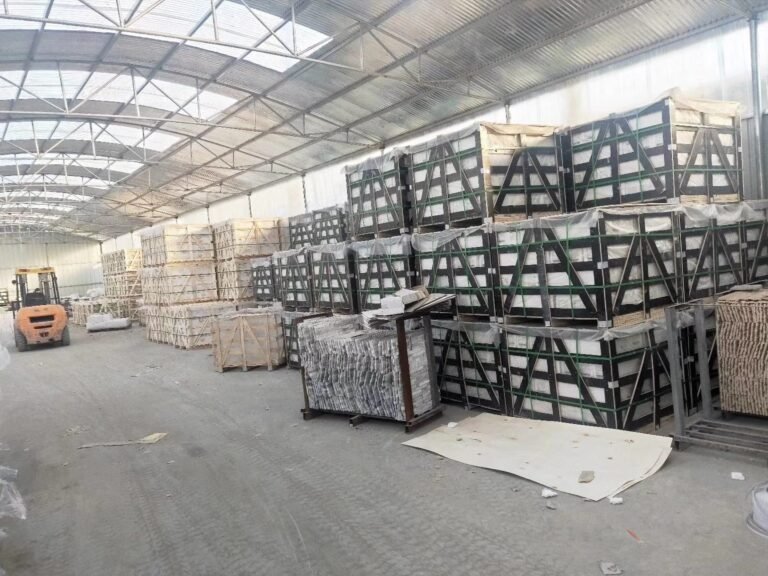
Unloading a stone container looks like the easy part of importing. You open the door, forklift out the pallets, and sign the delivery receipt. Then a corner crumble turns into a three-month claims dispute because someone signed for the box before checking what was inside.
The low point of most buyer stories is not the factory and not the ocean leg. It is the 40 minutes at the dock when nobody photographs the seal, the crew stacks pallets on edge chips, and the receiving team signs a clean receipt while insurance clock is already running. Top Stone Panels ships from Tianjin Xingang and has watched buyers on both sides of that lesson. This guide maps the unload procedure in order, so the cargo inspection happens before your signature, not after.
- Confirm demurrage free days and the dock appointment in writing before the vessel arrives; free time is carrier-set and varies by port.
- Check the container seal against the bill of lading before you open the door, and record the seal number in your unload photos.
- Inspect each pallet as it comes off, not after the truck leaves; a clean delivery receipt weakens later cargo claims.
- Use a forklift rated at 3 tons or more, or a heavy-duty pallet jack plus level dock, for 20GP stone pallets that can exceed 1,200 kg each.
- A 20GP of thin stone panels from Top Stone Panels loads roughly 500 to 530 m2 at about 50 kg per m2, and the packing protocol uses 3-5 layer cartons, steel straps, and air bags for consistent pallet condition.
- Notify the carrier in writing within the claim window and keep every photo, packing list, and bill of lading copy in one file.
- 1. Paperwork to Confirm Before the Container Lands
- 2. Seal Check and External Container Inspection
- 3. Equipment and Weight Limits for Stone Pallets
- 4. Step-by-Step Dock Unloading Procedure
- 5. Inspecting Cartons, Crates, and Pallet Loads
- 6. Documenting Damage to Protect Your Claim
- 7. What to Do With Freight-Damaged Stone
- 8. How Packing Quality Prepares You at the Dock
- 9. Common Mistakes Buyers Make at Unloading
- FAQ
- Conclusion
1. Paperwork to Confirm Before the Container Lands
The unload starts days before the truck arrives. Pull the bill of lading, the packing list, and the commercial invoice into one folder, because every inspection step below references a number from one of them. The container seal number sits on the bill of lading. The carton count, pallet count, and weight breakdown sit on the packing list. The total value that your cargo claim references sits on the invoice.
Demurrage free time is the quiet cost killer. Carriers and ports set their own free days, typically a handful of days before per-day charges start, and the days are not standardized across trade lanes. Confirm your free days and daily demurrage and detention rates in writing from the carrier or freight forwarder before the vessel sails, then schedule the unload inside that window. The demurrage mechanics that carriers apply to import containers are worth reading once so the per-day charge does not surprise the accounting team.
Book the dock appointment with the trucker or port early. A stone container destined for a warehouse needs a level dock, forklift access, and space to stage pallets in single file for inspection. A booking confirmation plus a copy of the packing list is usually all the gate needs. Missing the appointment can push you past free time and into demurrage before a single pallet moves.
If your stone export documents are incomplete, the container sits at port. That single failure costs more than any unloading mistake. The remedy is a checklist, not hope, and it starts with what your supplier committed to sending before the box sailed.
2. Seal Check and External Container Inspection
Walk the container before you open it. Compare the seal number printed on the bill of lading with the actual seal on the door. A mismatch is a red flag worth photographing and reporting to the carrier, because it can mean the box was opened in transit. The seal does not guarantee cargo condition, but it does prove the door was not opened between port and your dock.
Then look at the box itself. Record dents, punctures, and doors that sit unevenly. A sidewall push-in on a container loaded with heavy stone pallets is expected at the lower wall level; a puncture that exposes a carton is not. Photograph each damaged area with a reference in the frame, and note it on the delivery receipt before the driver leaves.

The external pass takes five minutes and costs nothing. Buyers who skip it hand the carrier a clean slate for every dent that already existed. The receiving team should treat the outside of the container the same way customs treats the inside: documented, photographed, and signed with exceptions where they exist.
3. Equipment and Weight Limits for Stone Pallets
Stone pallets are heavier than they look. A standard 20-foot container of thin stone panels from Top Stone Panels carries roughly 500 to 530 square meters at about 50 kg per square meter, which puts a full box close to the container floor limit of roughly 26.5 metric tons. Split into 10 to 14 pallets, a single loaded pallet can exceed 1,200 kg, well past what a manual pallet jack team can move on a slope.
| Container | Usable volume | Typical floor limit | Thin panel area | Pallet weight risk |
|---|---|---|---|---|
| 20GP | About 33 m3 | Roughly 26.5 t | 500-530 m2 | 1,200+ kg per pallet |
| 40HC | About 76 m3 | Roughly 26.5 t | Near 1,000 m2 | Same per-pallet range |
The equipment decision follows the math. A forklift rated at 3 tons or more lifts a stone pallet in one pass. A heavy-duty pallet jack rated at 4 to 5 tons works on a level dock with enough floor clearance, but it cannot deliver a pallet onto a higher storage rack. Inexperienced crews moving 1.2-ton pallets with a hand jack on a sloped ramp invite the exact edge-impact damage you are trying to detect, not create. The pallet math also explains why thin ledgestone panels load more square footage per box than full-thickness stone: at roughly 36×10 cm and a fraction of the mass, the weight per skid stays manageable for standard lift equipment.
4. Step-by-Step Dock Unloading Procedure
Run the unload in a fixed order and assign one person to document while the other drives equipment. This sequence keeps the inspection steps from getting crushed by the pace of the work.
- Photograph the sealed container from the front and both sides, plus the seal itself, before any latch opens.
- Open the doors inward and check for load shift. Air bags, strap positions, and carton faces visible from the door tell you whether the load moved in transit.
- Unload one pallet at a time. Bring the pallet to a staging area in single file, not stacked, so each load can be inspected without re-lifting.
- Photo each pallet before breaking the straps. The tightened strap state and the carton face are the evidence for a freight claim; both disappear once you cut the steel bands.
- Count pallets against the packing list before any carton opens. A confirmed pallet count isolates a short shipment from a handling accident.
- Inspect cartons per the checklist in the next section, opening only enough to verify edge condition without disturbing intact pallets.
- Sign the delivery receipt with exceptions written at the scene. “Two cartons crushed, seal intact” beats a clean signature plus a 30-minute call to the carrier later.
One warning about the steel straps: they are under several hundred kilograms of tension. Cut them with the pallet flat on the floor and never from the side where the strap can spring into a face. The supplier protocol from Top Stone Panels applies 4 to 6 steel straps per pallet, which is why cutting hardware belongs on the dock checklist, not just a knife from the office drawer.

5. Inspecting Cartons, Crates, and Pallet Loads
The inspection goal is to separate shipping damage from manufacturing variation before you accept the load. Natural stone panels vary in tone and surface character within an acceptable range, and that variation is not a defect. A creased carton corner, a cracked panel edge, or a broken strap is a shipping event, and it is what your claim records should capture.
| Check | What to look for | Action if found |
|---|---|---|
| Carton corner crush | Dented or split corners with loose material inside | Photograph, set aside, open last |
| Edge chips | Fresh breaks along panel edges in packed rows | Count pieces, add to claim list |
| Surface cracks | Hairline fractures across panels | Photograph both faces, tag carton |
| Straps and blocks | Broken straps or shifted corner blocks | Document load shift on pallet |
| Carton count | Tally vs packing list per pallet | Note short count before signing |
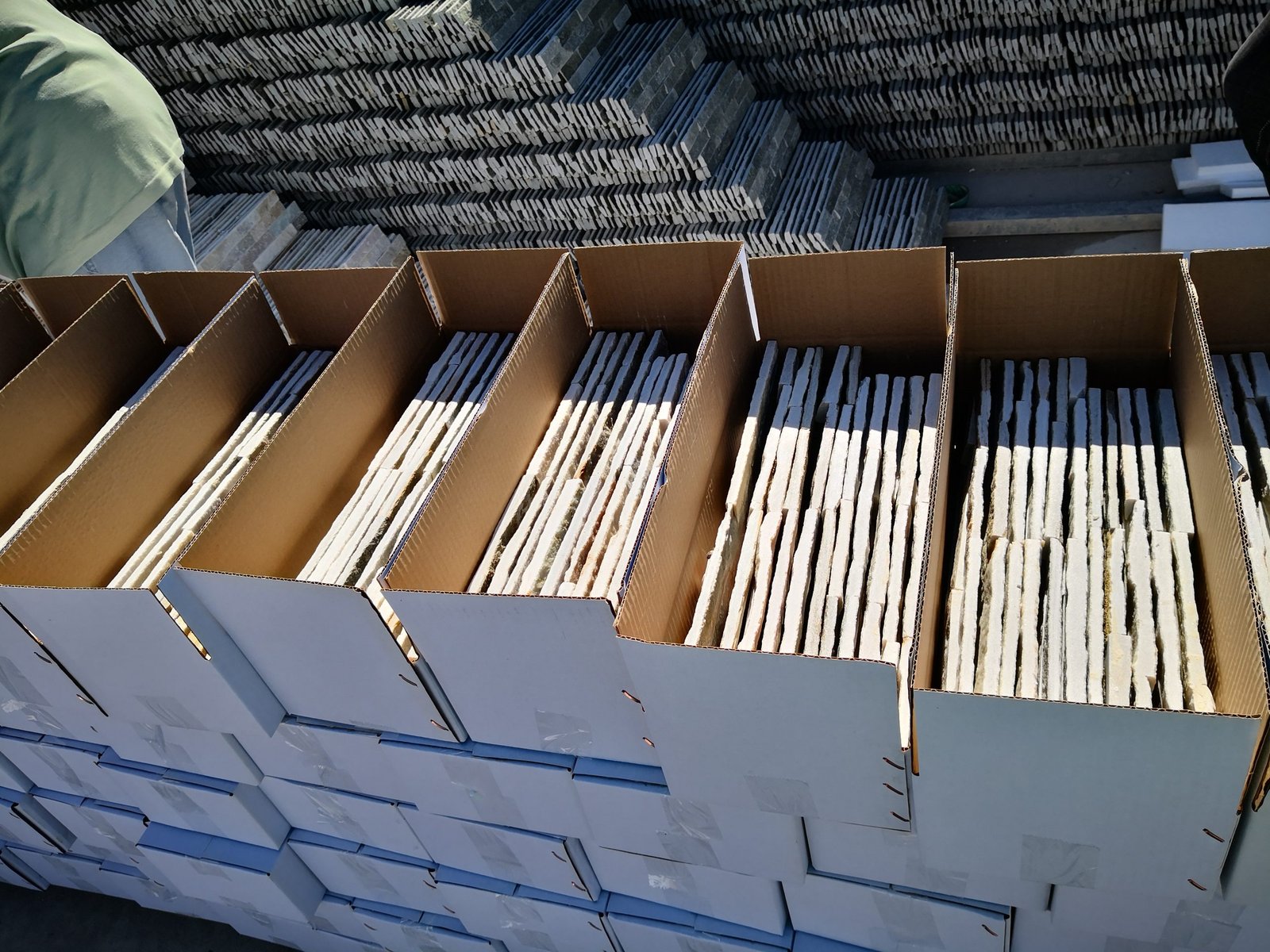
Use a sampling rule that scales with the load. Full inspection of a 20GP of thin ledgestone panels means opening a portion of every pallet, focused on the outside rows that take the transit hits. If the outside rows are clean after two or three pallets, spot-check the interior rows and move on. If the outside rows show consistent breakage, stop unloading and document every pallet before continuing.
A supplier with disciplined pre-shipment inspection keeps the dock inspection short. Top Stone Panels runs a three-step factory QC pass, sends loading videos and layout photos before the balance payment, and photographs the pallet state that leaves the factory. That baseline is what your unload photos compare against, and the pair is what an insurer wants to see.
6. Documenting Damage to Protect Your Claim
Documentation is the entire game in freight claims. A container unload without a photo log and a written exception resume is a container unload that cedes the negotiation to the carrier. The standard tools are cheap: a phone camera, a marker board with date and container number in frame, and a spreadsheet that lists carton number, damage type, and photo file name.
Notify the carrier within the claim window that your booking terms set, and keep the notice in writing. Cargo claims live or die on two records: the delivery receipt exceptions you signed at the dock and the photographic sequence you took during the unload. A clean receipt followed by a claim weeks later reads like buyer-caused damage, regardless of what actually happened on the voyage.
Your insurance policy has its own notice clause. Report the event to the insurer alongside the carrier, and include the bill of lading, the packing list, the container photos, and the pallet photos in one package. The damaged stone shipment claims checklist covers the full sequence from seal photo to claim letter in the order insurers expect.
7. What to Do With Freight-Damaged Stone
Sort damaged material out of the good stock before storage. A carton with a visible corner break stays in the claims staging area; the intact pallets go straight to the site storage setup with airflow and dry spacing. Mixing damaged cartons back into inventory creates a second problem: a contractor pulls the cracked panel a month later, and nobody remembers which pallet it came from.
Isolate, photograph, and retain the damaged carton until the claim closes. Many carriers request the original packing for survey. Throwing away the carton and straps before the surveyor sees them weakens the claim by exactly the evidence the carrier needs to assess it. Keep the damaged goods staged, clearly marked, and undisturbed.
Then decide between replacement and re-supply. A few chipped corners in a large order can be absorbed as cutting stock for fireplaces or column wraps, which is how most distributors work the loss. A pallet-level failure, such as uniform edge breakage across a stack, is a replacement discussion with the supplier if the damage pattern matches the factory loading photos, or with the carrier if it matches a rough sea leg.
8. How Packing Quality Prepares You at the Dock
The single biggest predictor of a clean unload is the packing done at the factory, not the receiving procedure at your dock. A well-packed stone container arrives with cartons tight against each other, pallets strapped with 4 to 6 steel bands, and industrial air bags filling the empty space so the load cannot shift. That packing shows up on your side as an unload where the door opens to a stable wall of cartons.
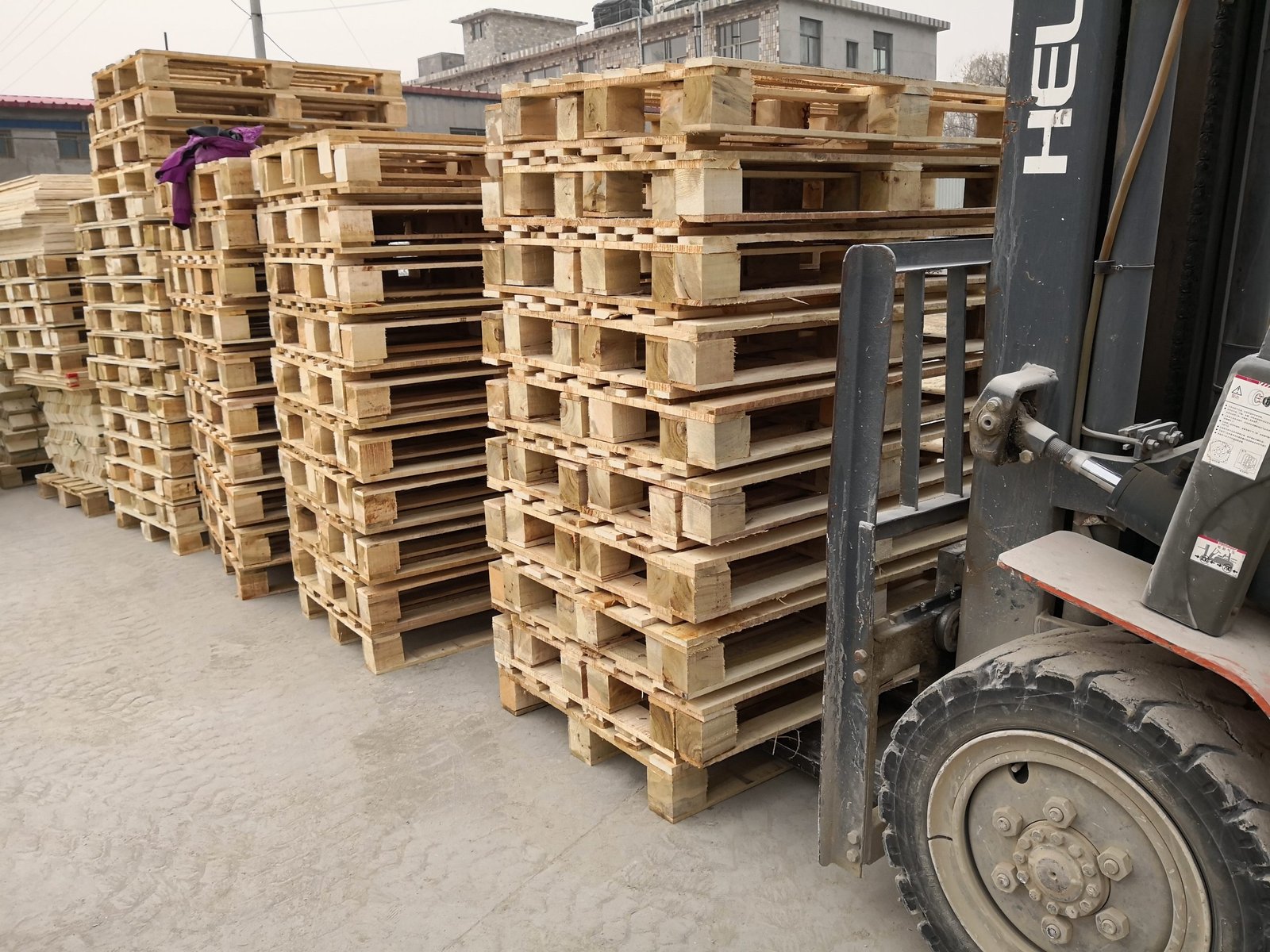
Top Stone Panels builds every export box to its zero-breakage protocol: 3-5 layer heavy-duty cartons, fumigation-free plywood or solid wood pallets, steel strapping, and air-bag blocking inside the container. Wood packaging also carries the ISPM 15 mark, which the customs gate on the import side verifies before release. Without that mark, wooden crates can be held for treatment or returned, and the unload stops at the gate regardless of your dock skills.
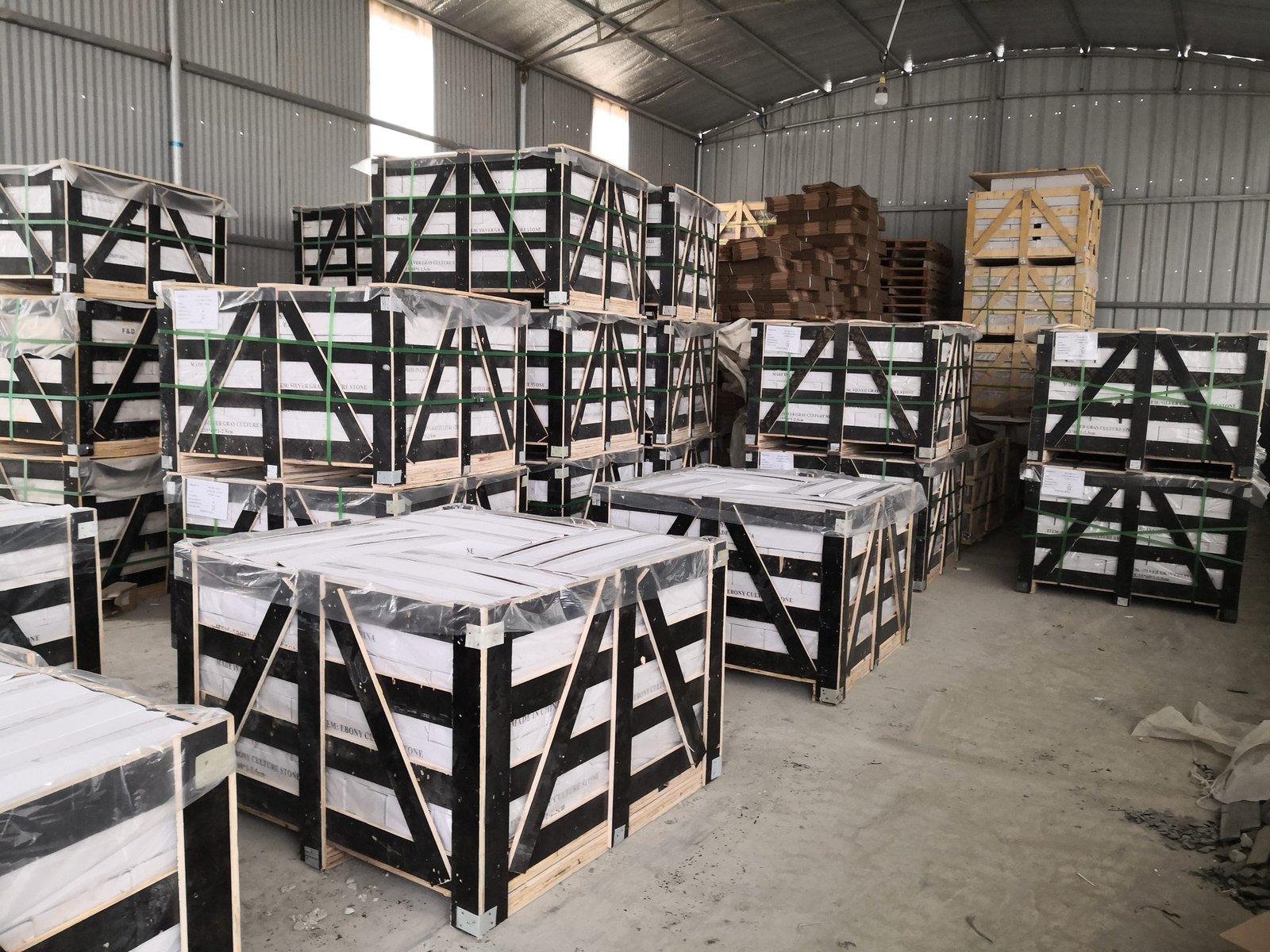
That is why the buyer should interrogate the packing page of the purchase order, not just the price per panel. Ask for the pallet count, the per-skid weight, the strap count, and the ISPM 15 treatment certificate. A supplier that cannot describe its own packing in those terms is handing you a dock problem in the making.
9. Common Mistakes Buyers Make at Unloading
Most unloading failures repeat the same handful of errors. Signing the delivery receipt before inspection tops the list, because it turns every later finding into a self-inflicted claim. Second is skipping the seal check and losing the proof that the container stayed sealed from origin to dock. Third is unloading into a wet or uneven staging area, which creates the moisture story no one can cleanly assign.
The rest are operational. Cutting the load from tallest pallet first, when the tall pallets were wedged in transit, invites toppling. Unloading onto a single-file line with no inspection zone forces the crew to re-handle pallets, doubling the edge-impact risk. And assuming the carton damage is purely a carrier problem forgets that a pattern of broken straps at the dockside was often visible in the factory loading photos before the container ever sailed.
Treat the unload as the second inspection point in a two-point system. The third-party inspection at the factory catches production issues before loading; your dock procedure catches transit issues before storage. Buyers who run both close the loop and keep disputes small.
Ready to plan a container that unloads clean?
Top Stone Panels ships thin ledgestone, stacked stone, and flagstone from Tianjin Xingang with zero-breakage packing and pre-shipment photos. Get the pallet plan before you book.
Tianjin Xingang origin · MOQ one 20GP · Loading photos before balance
FAQ
How do you unload a stone container safely?
Confirm free time and the dock appointment, check the seal, photograph the container, offload pallets one at a time with a forklift or pallet jack rated for the weight, and inspect cartons before signing the delivery receipt.
How long does it take to unload a 20-foot stone container?
A two-person crew with a pallet jack typically clears a 20GP in one to two hours, while a full 40HQ with double the mass runs four hours or more depending on forklift access and staging distance.
What happens if your stone arrives damaged?
Photograph every damaged carton before movement, note exceptions on the delivery receipt, and notify the carrier and insurer in writing within the claim window your booking terms set.
Who pays for demurrage if unloading runs late?
The consignee holds the container, so demurrage and detention land on the buyer unless the booking contract assigns them to the supplier. Confirm free days in writing before arrival.
Do you need a forklift to unload stone pallets?
A forklift rated at 3 tons or more handles most stone pallets in one lift; without one, a heavy-duty pallet jack plus a level dock keeps the operation safe for 20GP volumes.
Conclusion
The unload is your last controlled point in the import chain. Confirm the paperwork, check the seal, photograph everything, offload in order, inspect by pallet, and sign with exceptions. Each step takes minutes, and together they are the difference between a clean claim package and a months-long dispute.
When you order from a quarry-owning factory with a written packing protocol, the dock procedure becomes a confirmation exercise instead of a damage lottery. Plan the container before it arrives, and the unload takes care of itself.
- Confirm demurrage free days and dock appointment before the vessel arrives.
- Check the seal number against the bill of lading before opening the doors.
- Use a forklift or pallet jack rated for 1.2-ton plus pallets.
- Photograph every pallet before breaking the straps, and sign with exceptions.
- Keep damaged cartons staged until the cargo claim closes.