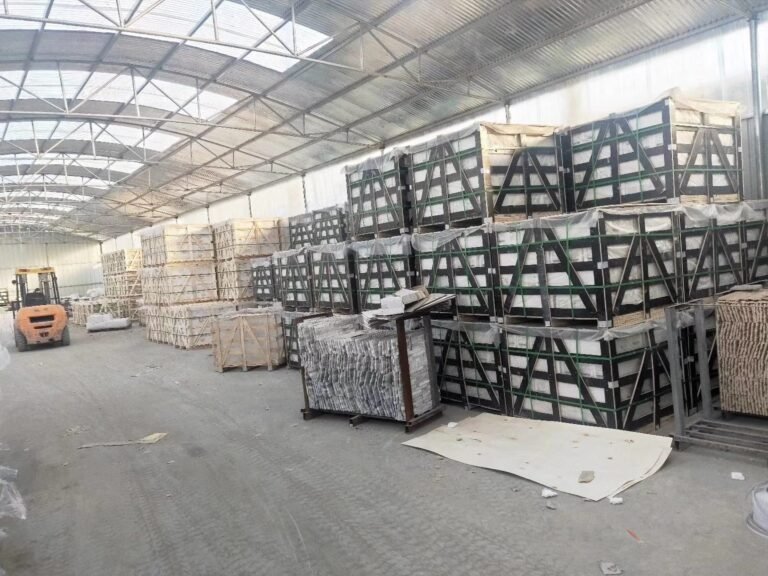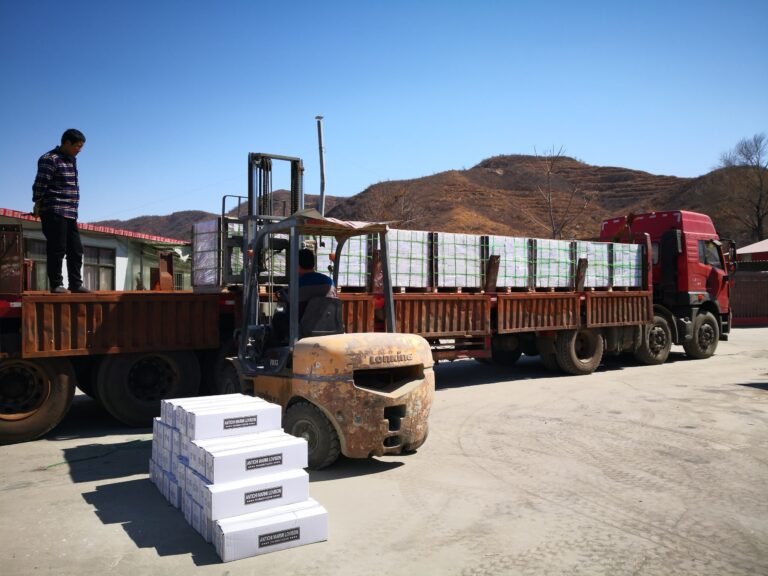
A third-party stone panel inspection is the cheapest insurance most importers never buy. You sign a contract for a container of split-face veneer, pay a deposit, wait a month, and then find out what arrived only after the container door opens. Independent inspection moves that discovery three weeks earlier, while the factory can still fix the problem, at a cost that is usually less than one percent of the order value.
This guide covers when to book a third-party inspection, how AQL sampling works, and what a stone-specific inspector actually checks. It also explains how to read the report, what a failed inspection means, and how to build inspection into your sourcing contract. The buying-side habits that prevent bad stone orders are not complicated, they just have to be done in sequence. Top Stone Panels runs an internal factory QC loop and welcomes independent inspection, because a verified container is a repeat order in waiting.
- Independent inspection covers four stages: pre-production, during production, pre-shipment, and container loading supervision; most orders only need the last two.
- AQL sampling follows ISO 2859-1: a 2,000-piece lot at General Level II draws 200 samples and fails at 11 major defects on an AQL of 2.5.
- Stone-specific checks go beyond dimension: vein and color consistency, backing bond, chipped corners, dry-pack moisture, carton counts, and loading sequence.
- Typical cost runs US$250-450 per inspector man-day plus travel, and one day usually covers a single-container order.
- Factory QC and third-party inspection are different layers: internal control prevents defects, independent inspection verifies them.
- Book the inspection before the final balance payment, and let the report gate the money.
- What Third-Party Inspection Covers for Stone
- When Your Order Needs Independent Inspection
- AQL Sampling: The Numbers Behind the Check
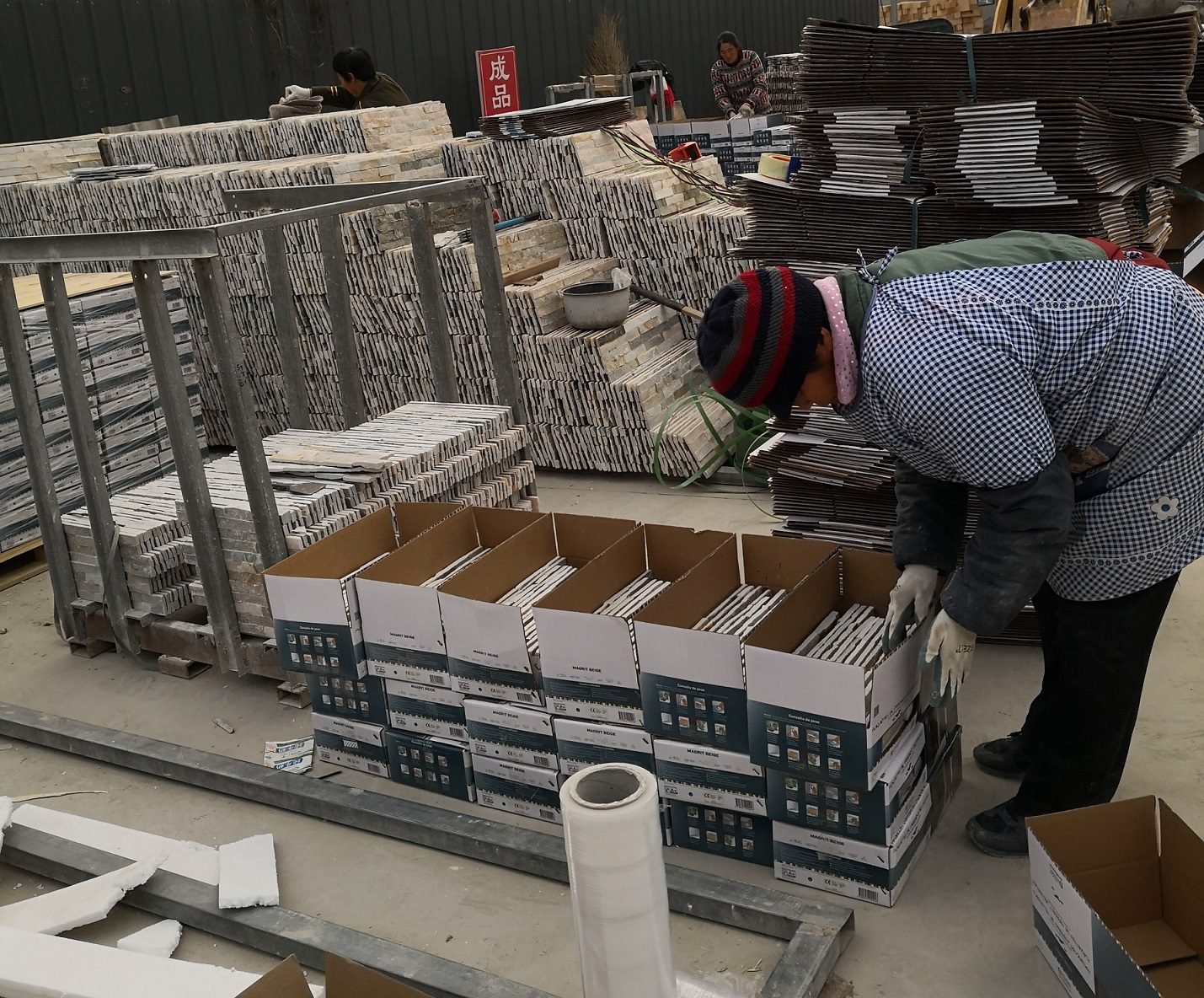
- What a Stone-Specific Inspector Checks
- Reading the Inspection Report
- Cost and Timing of an Inspection
- Factory QC vs Third-Party Inspection
- When a Report Fails: Sort, Rework, or Reject
- Container Loading Supervision: The Final Check
- Building Inspection Into Your Sourcing Contract
- FAQ
- Conclusion
What Third-Party Inspection Covers for Stone
Inspection firms sell four separate services, and buyers mix them up. Each one answers a different question about your order, and the pricing follows the stage.
| Stage | When it runs | What it answers | Used for |
|---|---|---|---|
| Pre-production inspection | After sample approval, before cutting | Is the raw material the approved vein? | First orders, tight color control |
| During production inspection | Mid-production, at agreed output | Are panels being made to spec? | Long runs, new factories |
| Pre-shipment inspection | Production complete, before packing | Does finished goods match the PO? | Standard for most wholesale orders |
| Container loading supervision | At the container, during loading | Was the right quantity loaded, packed right? | Final count and damage verification |
Most B2B stone buyers run a pre-shipment inspection plus loading supervision. That combination verifies the finished goods and the actual container contents in one pass. Pre-production and during-production checks add cost and time, so reserve them for first orders, new suppliers, or jobs where color matching is non-negotiable.
One hard rule: an inspection only verifies against a document. Bring a clean purchase order with quantities, dimensions, tolerances, and a sealed physical sample. Without the sample, an inspector checks size and count but cannot judge whether the color is the color you approved. The complete stone panel buying guide walks through what that PO should contain before any inspection happens.
When Your Order Needs Independent Inspection
Not every container needs a third-party inspector. The trigger is the size of the mistake, not the size of the order. Run the check when any of these conditions appear.
- First order with a new factory. A factory you have never seen has only its sales pitch between you and a container of unknowns. Book pre-production and pre-shipment checks until the relationship earns trust.
- Repeat supplier with a drift problem. Orders two and three often slip on thickness tolerance or vein selection while nobody looks. A single pre-shipment check catches the drift before it becomes a warehouse of bad panels.
- Any order over your comfort threshold. If the replacement cost of a rejected container is more than your monthly margin, the inspection pays for itself by arithmetic. One bad container of thin veneer can wipe out several orders of profit.
- Colors or blends that are hard to reorder. Warm-toned and multicolor stone rarely match across batches. When the buyer cannot easily replace the stone, verify it before it ships. The stone sample ordering guide explains how to lock the reference tone properly.
- Orders tied to a deadline. A commercial project schedule leaves no room for a rejected container. Inspection before loading gives the factory time to sort and rework while the schedule still fits.
Skip the inspection only when you know the supplier, the order repeats a verified batch, and the consequences of a defect are small. That combination is rare in stone, which is why most established distributors inspect anyway.
AQL Sampling: The Numbers Behind the Check
Pre-shipment inspection of stone follows acceptance sampling, usually at ISO 2859-1, General Inspection Level II, with a single sampling plan. AQL stands for acceptable quality limit: the worst quality level the buyer agrees to tolerate in the lot. Stone orders commonly run major defects at AQL 2.5 and minor defects at AQL 4.0, with zero critical defects allowed.
| Lot size (pieces) | Sample size | AQL 2.5 accept / reject | Read this as |
|---|---|---|---|
| 151-280 | 50 | 3 / 4 | A small fireplace order |
| 281-500 | 80 | 5 / 6 | A room project |
| 501-1,200 | 125 | 7 / 8 | A medium facade order |
| 1,201-3,200 | 200 | 10 / 11 | Most 20GP container lots |
| 3,201-10,000 | 315 | 14 / 15 | Large split-face format runs |
Read the sample line as a red line, not a suggestion. A 20GP container of ledger panels commonly runs 3,200 to 10,000 pieces depending on format. Level II draws 315 samples; at AQL 2.5 the lot fails when the inspector finds 15 or more major defects. Fourteen are a pass that nobody enjoys defending. That is the difference between working to a number and working to a feeling.
Defect classes matter more than counts. Critical defects, like a panel with a structural crack or a failed backing bond, fail the lot at one occurrence. Major defects, such as an off-spec thickness or a chipped visible edge, count against the AQL 2.5 line. Minor defects, like a small stain on the back face, count against AQL 4.0. If the contract does not say which class applies where, the inspector chooses, and you lose the argument later.
What a Stone-Specific Inspector Checks
A generic goods inspector measures boxes. A stone inspector reads the product. Send someone who has handled veneer before, and brief them on the PO before the visit.
| Check | Method | What flags a problem |
|---|---|---|
| Vein and color consistency | Lay sampled panels against the approved sample in daylight | New vein, tone shift, mixed source blocks |
| Dimension and thickness | Vernier caliper and straightedge on sampled panels | Thickness variance beyond the agreed tolerance |
| Surface and edge defects | Visual scan of split face and cut edges | Deep chips, cracks, open seams in the split face |
| Backing bond | Tapping, lifting corners, inspection of the back face | Delamination, hollow areas, weak cement or mesh |
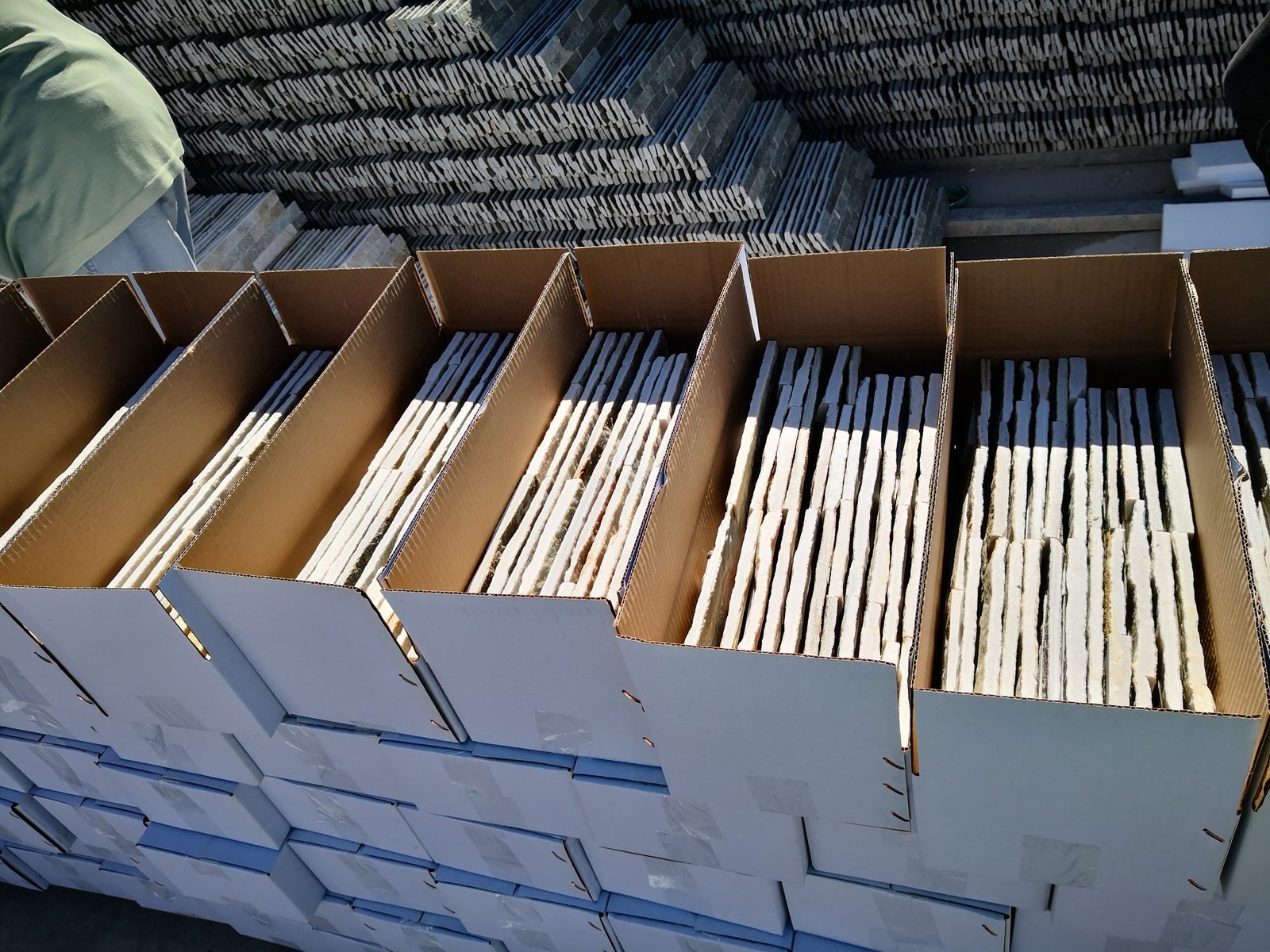
| Packing and moisture | Open random cartons, check dry pack and carton condition | Wet panels, crushed cartons, missing dividers |
| Quantity and labeling | Count cartons, compare batch marks to the PO | Short count, mixed sizes in one carton |
Backing bond deserves a second look on cement-backed and mesh-backed products. A panel face can look fine while the cement or mesh layer holds it together by luck. Flexural performance and installation behavior depend on that bond, and a failed bond shows up months later on a wall, not at the factory. When you brief the inspector, ask for photos of the back face of sampled panels, not just the split face, because that is where user-installation failures actually start.
Briefing the inspector is half the job. Send the PO, the packing list, the sealed sample, and a short list of the failure modes you care about. On split-face ledger and stacked panels, buyers typically care about three: vein drift, thickness variance, and edge chips on the visible face. On flagstone and crazy paving, the concerns shift to geometry and thickness spread because installation depends on how pieces lay together. The inspector cannot read your mind, but they can read your briefing.
Reading the Inspection Report
A professional inspection firm files the report within 24 hours, with photos that carry timestamps and location metadata. The report contains three blocks, and each block answers a decision.
The first block is the summary: pass, conditional pass, or fail, with the AQL verdict stated. The second block is the defect register, where every defect found in the sample is photographed and classified as critical, major, or minor. The third block is the packing and loading record, which documents carton condition, counts, and the loading sequence. Read all three. The summary tells you what the inspector concluded; the register tells you whether they actually worked.
The most common mistake buyers make is paying on the summary. Pay on the register. A report that says pass while listing 350 photos of edge chips is a pass at the numbers and a failure at the counter. Ask the inspector for the defect photos in full resolution, and freeze the ones you care about into a corrective action request while the factory still has the goods.
Top Stone Panels supports third-party pre-shipment inspection and container loading supervision on every wholesale order, with documentation including a sampling report video on request. Wholesale orders start at one 20GP container.
3-step factory QC | Pre-shipment inspection welcome | Documentation support
Cost and Timing of an Inspection
Inspection firms quote per inspector man-day plus travel, and the quote lands in a predictable band. Most published rates fall between US$250 and US$450 per man-day. One inspector usually covers a single-container order in one day: a morning on the production floor and an afternoon at the cartons. Add a second day for loading supervision at a different time, or bundle it in the same visit when the factory can stage the goods.
| Cost driver | Typical impact | How to control it |
|---|---|---|
| Inspector man-days | US$250-450 per day | Book one day for PSI, one for loading |
| Travel and accommodation | Varies by factory location | Group inspections at one factory hub |
| Rush bookings | Surcharge for under 72 hours notice | Confirm the date at production start |
| Extra samples or lab tests | Separate lab fees | Test on approved physical samples first |
Timing is where buyers lose the most money. The inspection date must sit after the goods are finished but before the factory packs for good. Book it through the factory sales contact, confirm the production schedule by phone, and re-confirm 72 hours out. A rushed inspection on a half-finished batch is a wasted day and a false green light.
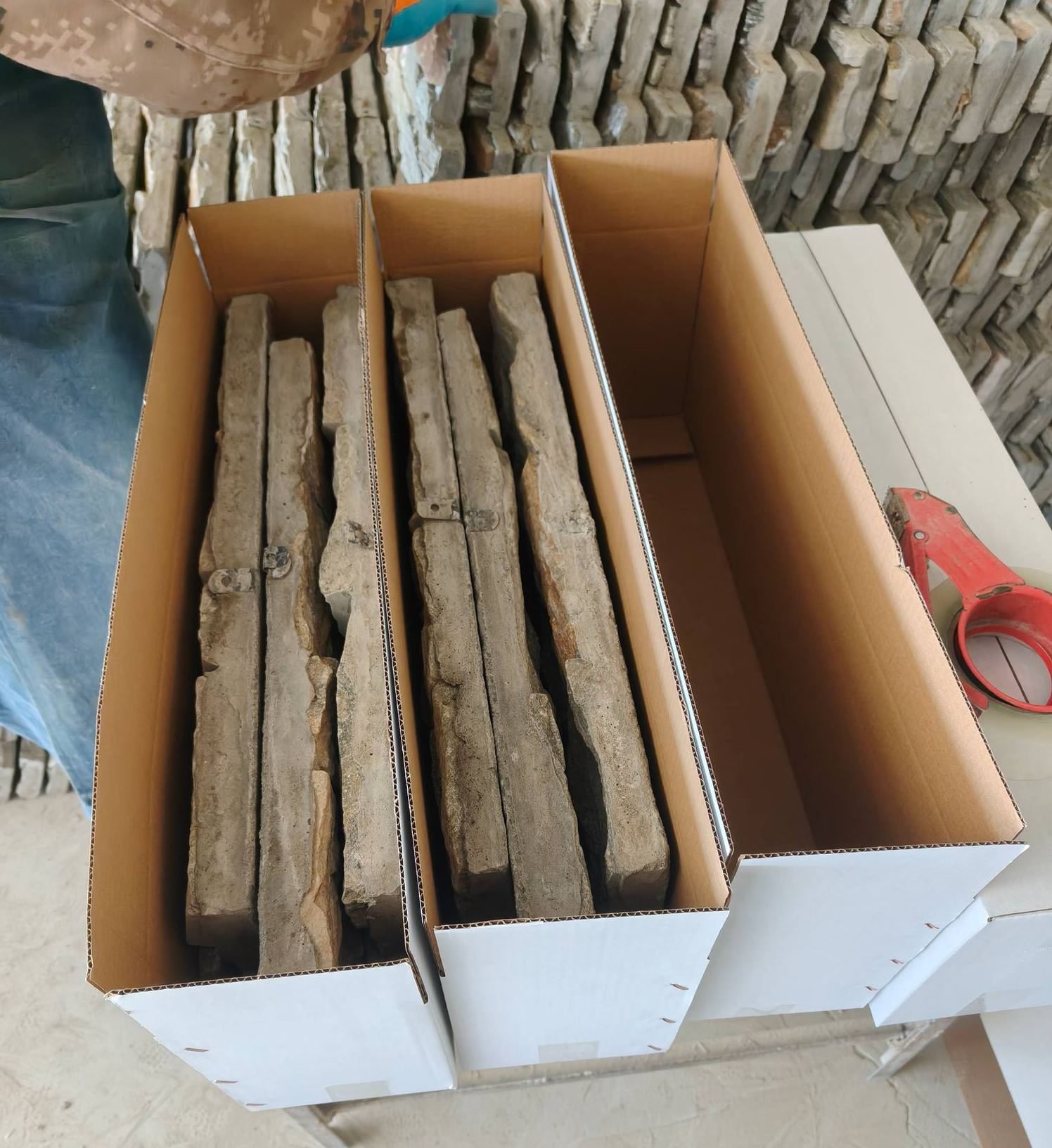
Compare the fee against what you already spend on freight and duty. For a 20GP order, the inspection fee is small next to the ocean freight and the customs entry. Anyone who balks at a few hundred dollars of inspection on a five-figure order is betting the container on a handshake.
Factory QC vs Third-Party Inspection
The two layers answer different questions. Factory QC is the manufacturer catching its own defects on the line; third-party inspection is an independent party verifying the finished order against your contract. They are not substitutes, and a good factory runs both without friction.
Top Stone Panels, for example, runs a three-step internal QC loop. It covers raw material selection at the quarry vein, mid-production recheck during cutting and assembly, and a final pre-shipment total check on the packed goods. That loop keeps panels off the line. An independent inspector then verifies the packed container against your PO. One controls, the other verifies. A supplier that argues against independent inspection is usually protecting something the QC loop missed.
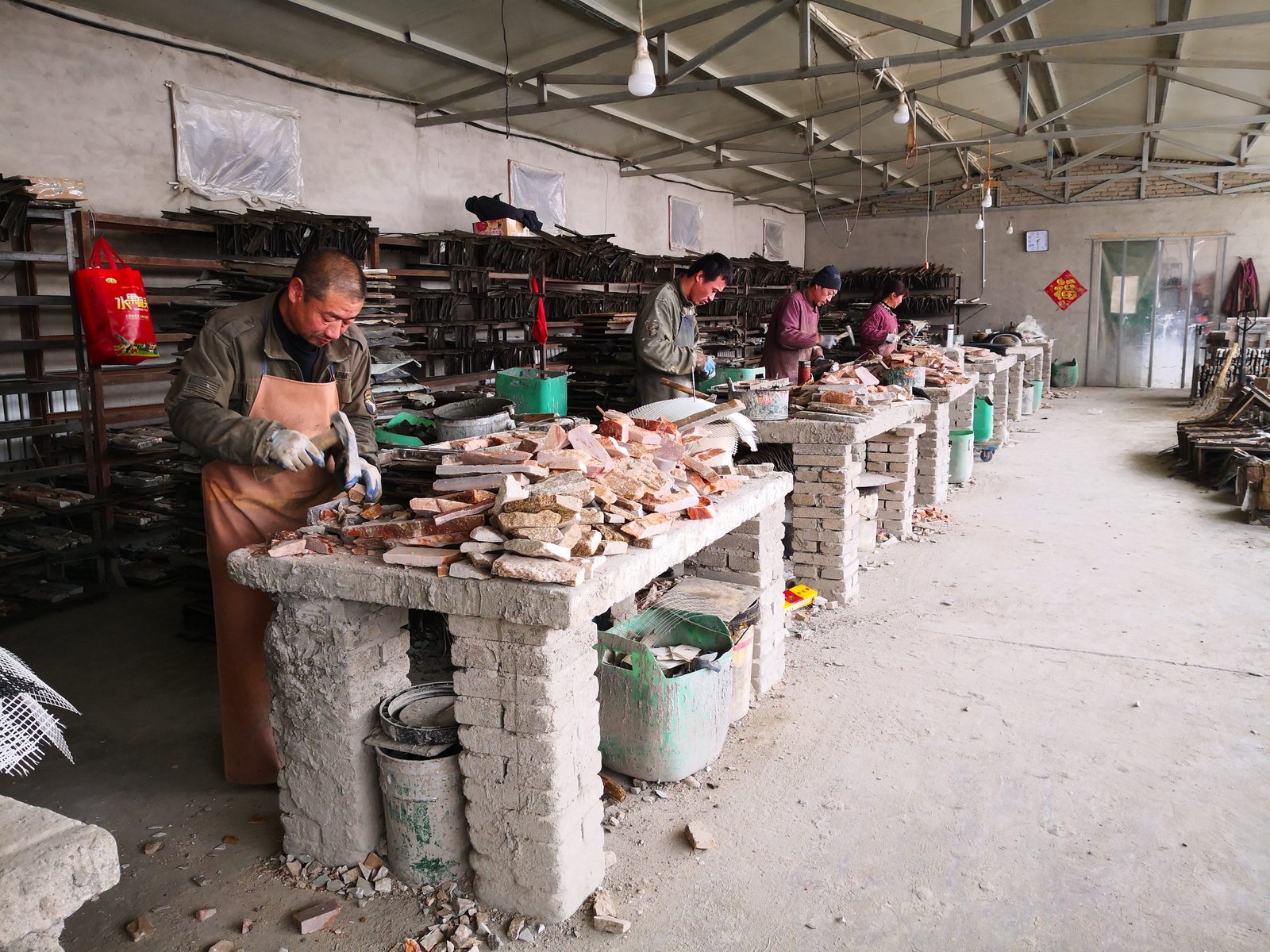
Ask the supplier three questions before the inspection day. Who runs the QC loop, and what is the pass rate on runs similar to yours? Can they stage the packed order for a clean inspection? Fast answers signal a mature process. Factories that hedge are telling you where their risk sits, and that is exactly where your inspector should spend the afternoon.
Documentation matters at this layer. Export factories routinely hold origin certificates, ISPM 15 fumigation certificates, and pre-shipment sampling records. The stone export documents guide lists what a compliant shipment carries, and an inspector can confirm the documents match the goods on the same visit.
When a Report Fails: Sort, Rework, or Reject
A failed inspection is a decision point, not a disaster. The factory has three options, and the price of each comes out of the conversation you have while the goods are still at the plant.
Sorting is the cheapest fix when defects are isolated. The factory pulls the defective pieces, rechecks the remaining lot, and re-inspects. Sorting works when failures cluster in one production day or one block of stone. Its cost is labor, not materials, because the good panels stay in the order.
Rework fits defects you can repair: a chipped edge dressed down, a panel re-cut to tolerance, a carton repacked dry. Rework extends the schedule and needs a follow-up inspection, so pin the rework date before the original inspection day ends.
Rejection is the last lane. When the defect rate crosses the AQL line or hits a critical defect, you can reject the lot, agree a partial credit, or have the factory replace the batch. Rejection is expensive for both sides, which is why the sample and the PO language must be airtight beforehand. If a shipment does land damaged despite the checks, the damaged stone shipment claims guide runs the evidence trail from container photos to the carrier claim.
Container Loading Supervision: The Final Check
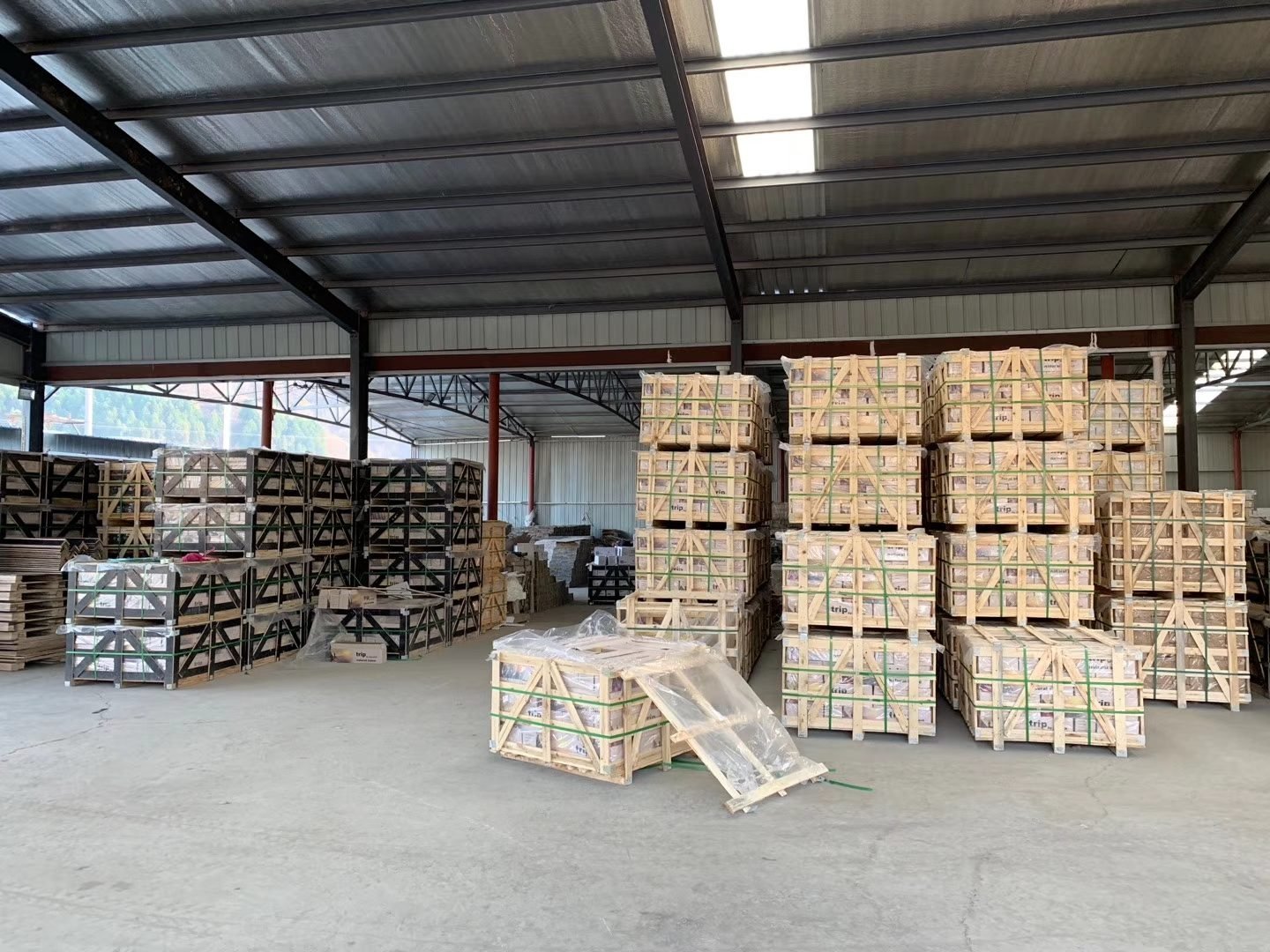
Packing and loading fail independently of product quality. A beautiful batch of panels can arrive broken because the cartons shifted, the steel strapping cut the boxes, or the container was loaded wet. Loading supervision exists to stop that class of failure.
The supervisor checks five things at the door. Carton condition before loading, banding and strapping integrity, pallet condition and fumigation marks, dunnage placement, and the piece count against the packing list. On stacked and ledger formats, the count verification matters because panels ship in nested carton layers that are easy to miscount at volume. The 20GP vs 40HQ container guide explains how format and palletization change what fits, which is exactly what the supervisor is checking against.
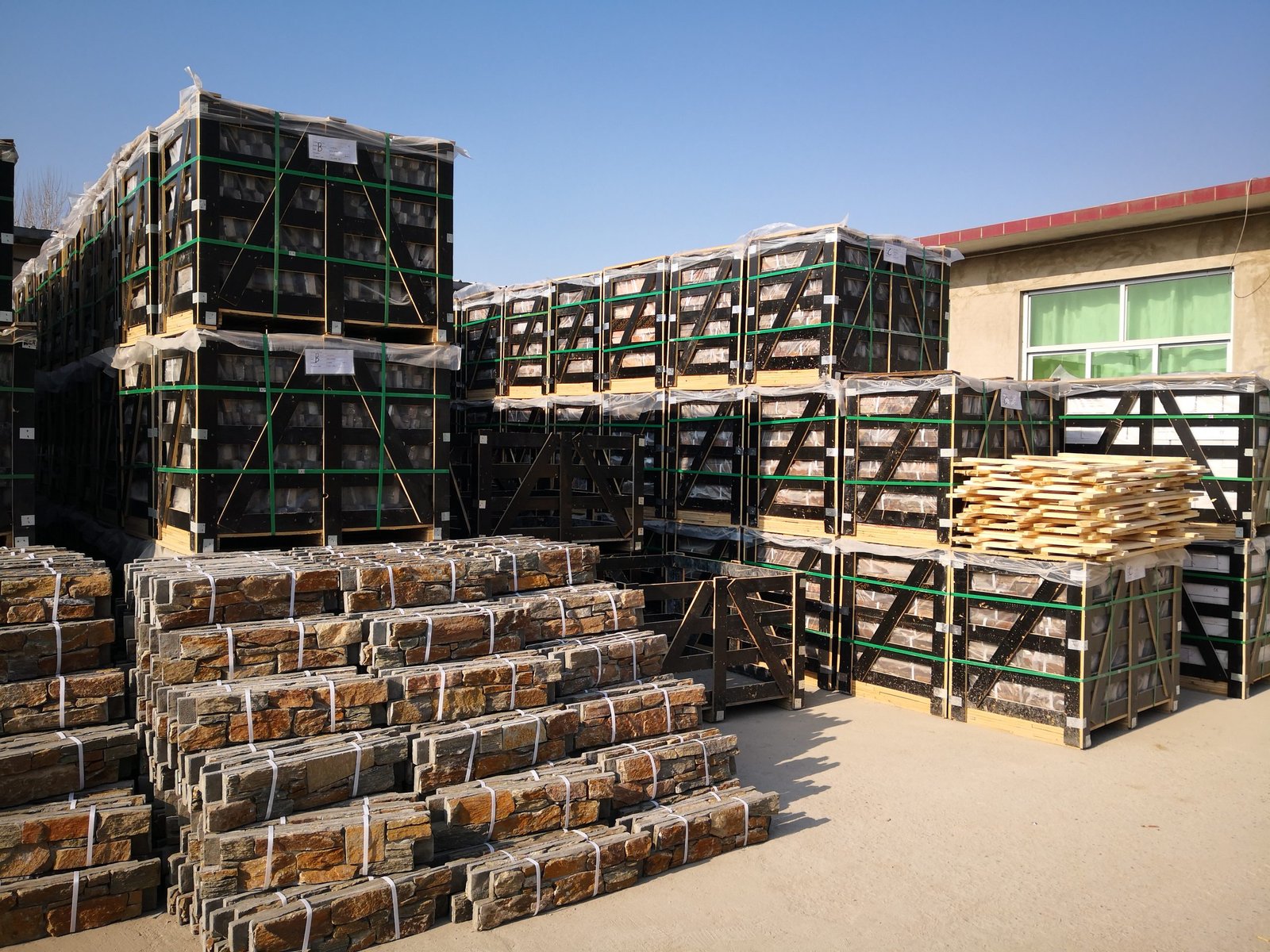
Top Stone Panels ships under a zero-breakage packing protocol: reinforced 3-5 layer cartons, fumigated or plywood pallets, 4-6 steel straps, and airbag dunnage in the container. That protocol is designed for the loading-supervision checklist, and a supervisor’s photos of strapping and airbags are part of the documentation set you keep with the bill of lading.
Building Inspection Into Your Sourcing Contract
Inspection that depends on goodwill is inspection that happens at the wrong time. Put the inspection clause in the order before production starts, and let it gate your money.
- Seal the reference sample. Write into the order that the approved physical sample is the color and finish reference, and that batch-to-batch drift from the sample is grounds for rejection.
- State the AQL and defect classes. Name ISO 2859-1, Level II, AQL 2.5 major and 4.0 minor, zero critical. Vague contracts let the inspector improvise and the factory argue.
- Schedule inspection before the balance payment. Payment terms commonly run 30% deposit and 70% before shipment. Make the 70% release conditional on a satisfactory pre-shipment report. That single sentence does more than any inspection budget.
- Name the report deadline. Require the inspection report within 24 hours of the visit and a corrective action plan within 48 hours if the first report fails.
- Confirm documentation early. Ask for the certificate bundle, including the origin certificate and ISPM 15 fumigation certificate, at the inspection stage so a missing document cannot stall the container at port. The importing stone to the United States guide covers the document set a US entry needs.
One more clause pays for itself: a re-inspection fee arrangement. Spell out that a failed inspection triggers a follow-up visit, and who pays for it. Factories that price rework fairly have fewer failed inspections; factories that treat the first report as a bluff get a second chance at your expense.
FAQ
How much does third-party inspection of stone cost?
Most firms quote per inspector man-day, commonly US$250-450 plus travel and accommodation. One day usually covers a single-container order, and loading supervision is typically booked as a separate half or full day.
What does AQL 2.5 mean for a stone order?
AQL 2.5 is the acceptable quality limit for major defects. Under ISO 2859-1 Level II, a 3,200-10,000 piece lot draws 315 samples and fails when 15 or more major defects appear. Zero critical defects are allowed.
When should I book the inspection for a stone shipment?
After production finishes but before the factory packs for good, and before you pay the final balance. Confirm the date at production start and re-confirm 72 hours out; rush bookings carry surcharges.
Can I rely on factory QC instead of third-party inspection?
Factory QC controls defects on the line; third-party inspection verifies the finished order against your contract. They are different layers. Use both on first orders, large orders, and new suppliers.
What happens if the inspection report fails?
The factory sorts defective pieces, reworks repairable panels, or replaces the batch. You negotiate the lane while the goods are at the plant, then re-inspect before the container loads.
Conclusion
Third-party inspection is a contract discipline, not a supplier insult. Book it at the right stage, state the AQL in the order, review the photos on the register, and let the report gate the final payment. The fee is small relative to the freight and the risk it covers.
Key takeaways:
- Book pre-shipment inspection plus container loading supervision for first orders, big orders, or any batch you cannot afford to replace.
- Write ISO 2859-1 Level II, AQL 2.5 major and 4.0 minor, zero critical into the contract, with the sealed sample as the color reference.
- Pay on the defect register, not the summary line; review full-resolution defect photos before releasing the balance.
- Use a factory that runs its own QC loop and welcomes independent inspection, like Top Stone Panels, so control and verification work together.
Add inspection to your next order and let the report carry the risk. Top Stone Panels supports third-party pre-shipment inspection and container loading supervision on every wholesale order. Request a quote through the contact page, or review the thin stone veneer product line to scope the format you plan to inspect.