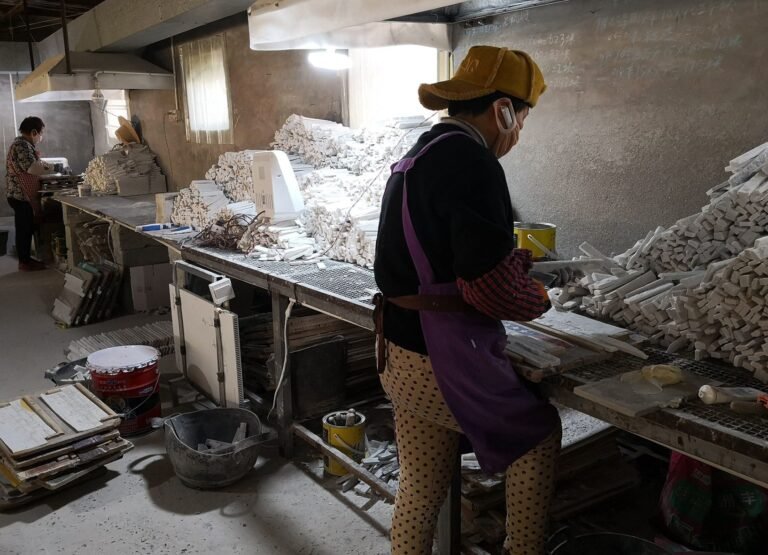
A first-time stone buyer walks into the container conversation with a shortlist of worries: Is the factory real? Is the price floor honest? Will the panels arrive looking like the samples? Most of those questions have better answers than a sales email can give, and the fastest way to reach them is a disciplined Q&A with the people who own the production line.
Top Stone Panels is the quarry-owning slate and quartzite factory in Yixian County, Hebei, with 18+ years of stone export experience and more than 220 containers shipped a year. Every week our export team fields the same first-order questions, in nearly the same sequence. This article walks the list from the factory side: what buyers ask first, what the honest answer is, and which answers should change how you price, plan, and protect the deal.
- Start with ownership and capacity: a factory that ships 220+ containers a year from owned quarries answers differently than a trading desk with a warehouse.
- MOQ sits at one 20GP container per product line, with monthly capacity from 30,000 m2 of flagstone up to 80,000 m2 of stacked stone panels.
- Sample lead time runs 1-3 days; standard production runs 20-25 working days, and first orders with custom cartons run 25-30.
- Payment splits 30% T/T deposit and 70% balance released against loading photos and video before the container leaves the plant.
- Quality control is a three-step factory gate from raw material selection to final pre-shipment checks, with COO, ISPM 15, and inspection video available on request.
- Ask for the packing protocol in writing: pallet count, strap count, per-skid weight, and the air-bag block plan are the numbers that predict a clean unload.
1. Why Buyers Ask the Factory Owner First
The price list cannot tell you whether the factory controls its own material, whether the line can hold your delivery date, or whether the truck at the gate on Tuesday actually belongs to the plant. Those facts live in production, not in sales collateral. A direct Q&A with the owner or the senior export manager collapses the distance between the brochure and the floor.
Buyers who skip the conversation pay for it later. A container that runs late because the quarry feed was slow, a carton that arrives with the wrong mix because the batch plan was ambiguous, a payment dispute over who bears the demurrage cost, these are all questions that were answerable before the PO was signed. The factory owner can answer them in minutes because the answers sit in the daily production sheet.
The rest of this guide is organized the way the real conversation runs: ownership, capacity, quality, packing, payment. Each section names the question, explains why it matters to the buyer, and gives the straight factory-side answer that a capable supplier should be able to stand behind.
2. Ownership and Quarry Questions
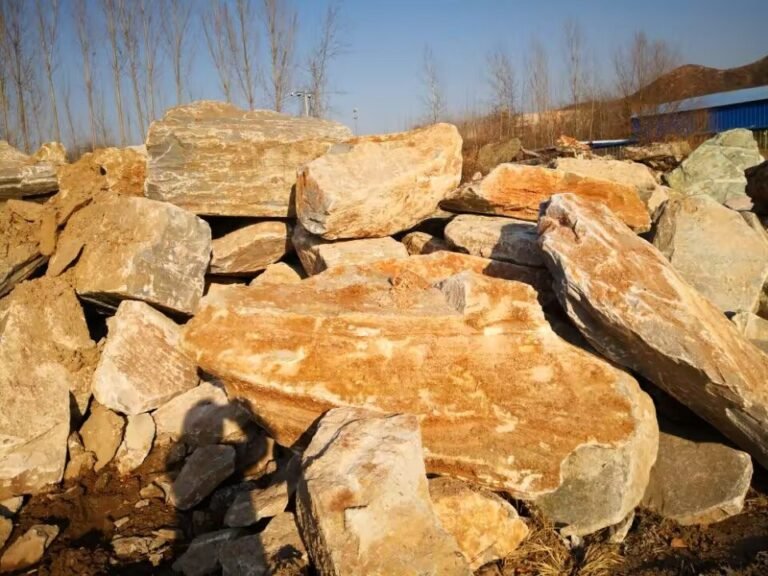
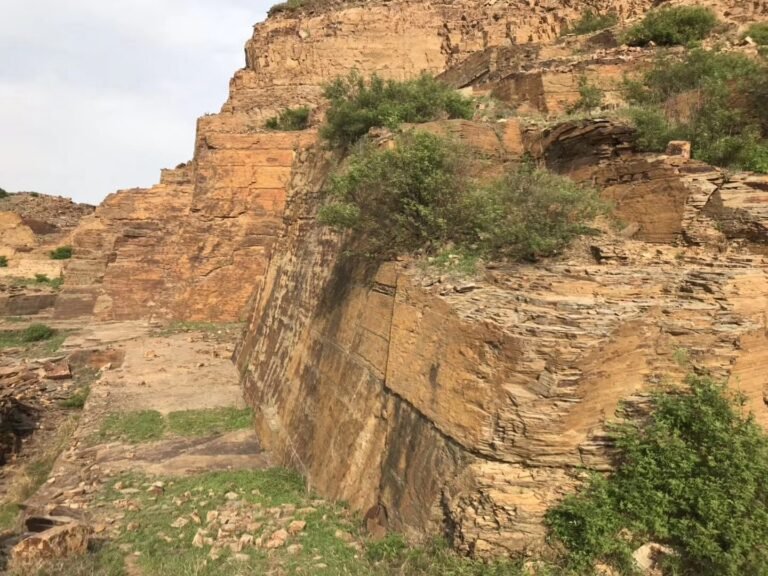
Question 1 is the oldest in the import book: “Do you own the quarry, or are you a trading company?” The answer changes the whole risk profile of the first order. A quarry-owning factory controls its raw material cost, its vein consistency, and its delivery schedule; a trading desk controls none of those and layers its margin on top.
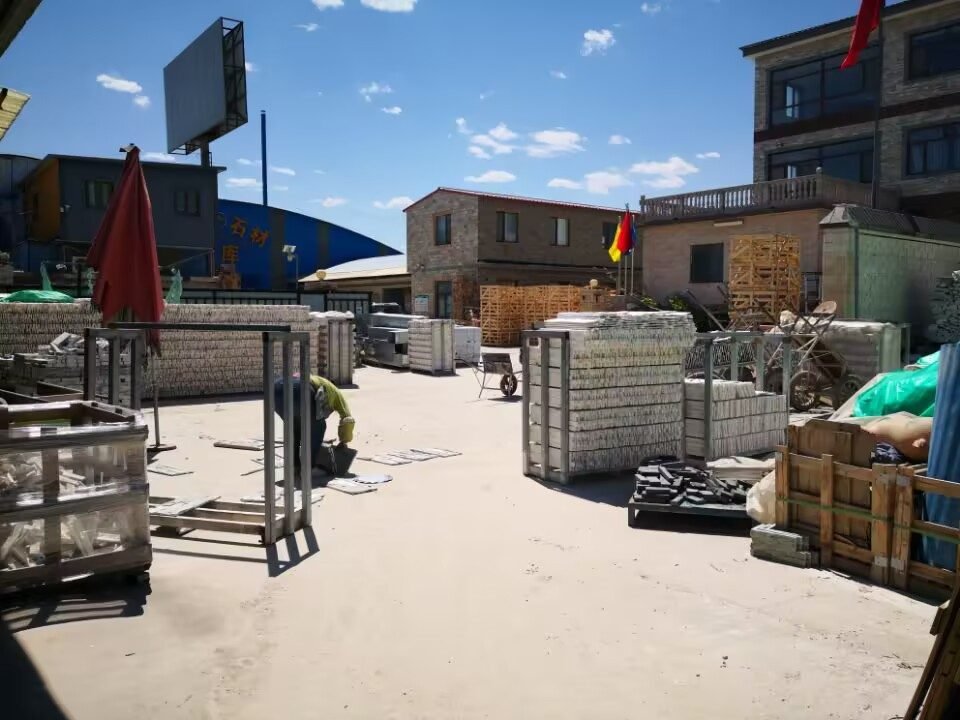
The verifiable answer is evidence, not a slogan. Ask for the quarry location and county, photos of the pit and the processing line, and documentation on the export registration. Then confirm with independent eyes: a factory audit checklist that covers quarry access, equipment, and staffing beats a month of trusting emails. Top Stone Panels sits in Yixian County, one of China’s slate and culture stone production regions, and the quarry-to-container chain runs under one roof.
Ownership also explains price. A quarry-owning factory quotes from the pit cost up, which is why its FOB Xingang price can sit below a trader’s number even after the processing margin. If a quote lands far below every comparable, that is a warning, not a bargain. The honest discussion about raw material quarry economics starts with the same question: who controls the rock before it becomes a panel?
3. Capacity, MOQ, and Lead Time Questions
Every first-order buyer asks some version of “How big is the smallest order?” and “How fast can you ship it?” The factory-side answers set the planning calendar for the entire deal. MOQ is generally one 20GP container per product line, and container mixing lets a buyer combine several stone types in a single box, which is how many distributors start with a broad assortment on one freight budget.
| Question | Factory-side answer | Why the buyer asks |
|---|---|---|
| What is your MOQ? | One 20GP per product line | Sets the smallest committed volume |
| What capacity do you hold per month? | 30,000-80,000 m2 by product line | Confirms the line can hold big orders |
| How fast are samples? | 1-3 days with lab testing support | Settles color and finish before production |
| How long is production? | 20-25 working days standard | Builds the container booking timeline |
| What about the first order? | 25-30 working days with custom cartons | Plans the custom packaging lead time |
Lead time is the number that most buyers get wrong once. Sample requests ship in 1-3 days, which creates the illusion that production runs at the same pace. Bulk production from owned material runs 20-25 working days, and a first order with custom carton printing runs 25-30. A buyer who books freight before production confirms the date is booking optimism instead of schedule. The production scheduling guide walks the back-calculation from shelf date to PO date.
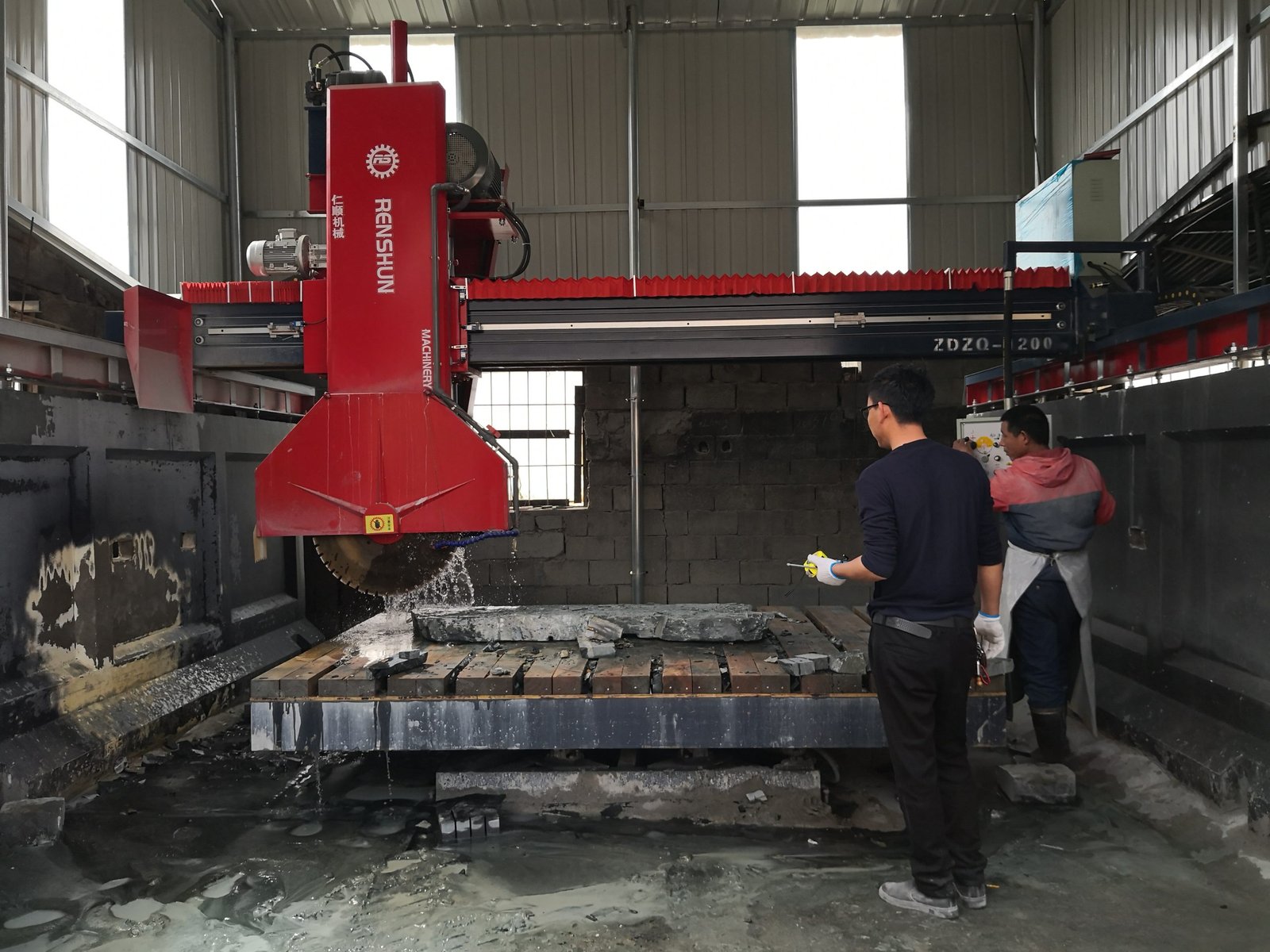
The capacity number only matters if the factory can schedule your batch inside it. A line that runs 80,000 m2 of stacked stone panels a month owns the cutting, drying, packing, and loading steps in sequence, so a first container slots into a rhythm that already exists. Ask which week your batch would run, then confirm the date in the order confirmation.
4. Quality Control and Inspection Questions
The question that separates serious buyers from casual ones is not “Is your quality good?” It is “How do you control quality, and what proof exists at each step?” A factory with a written gate process can show you the sequence; one without it will give you a shrug and a guarantee of excellence.
Top Stone Panels runs quality as a three-step factory gate: raw material selection in the quarry and at the receiving yard, in-production rechecks against the batch plan, and a final pre-shipment check of the finished panels before packing. The third gate is where thickness tolerance, edge condition, and color mix against the approved sample get signed off. For buyers who want independent eyes, third-party inspection slots in at the same point.
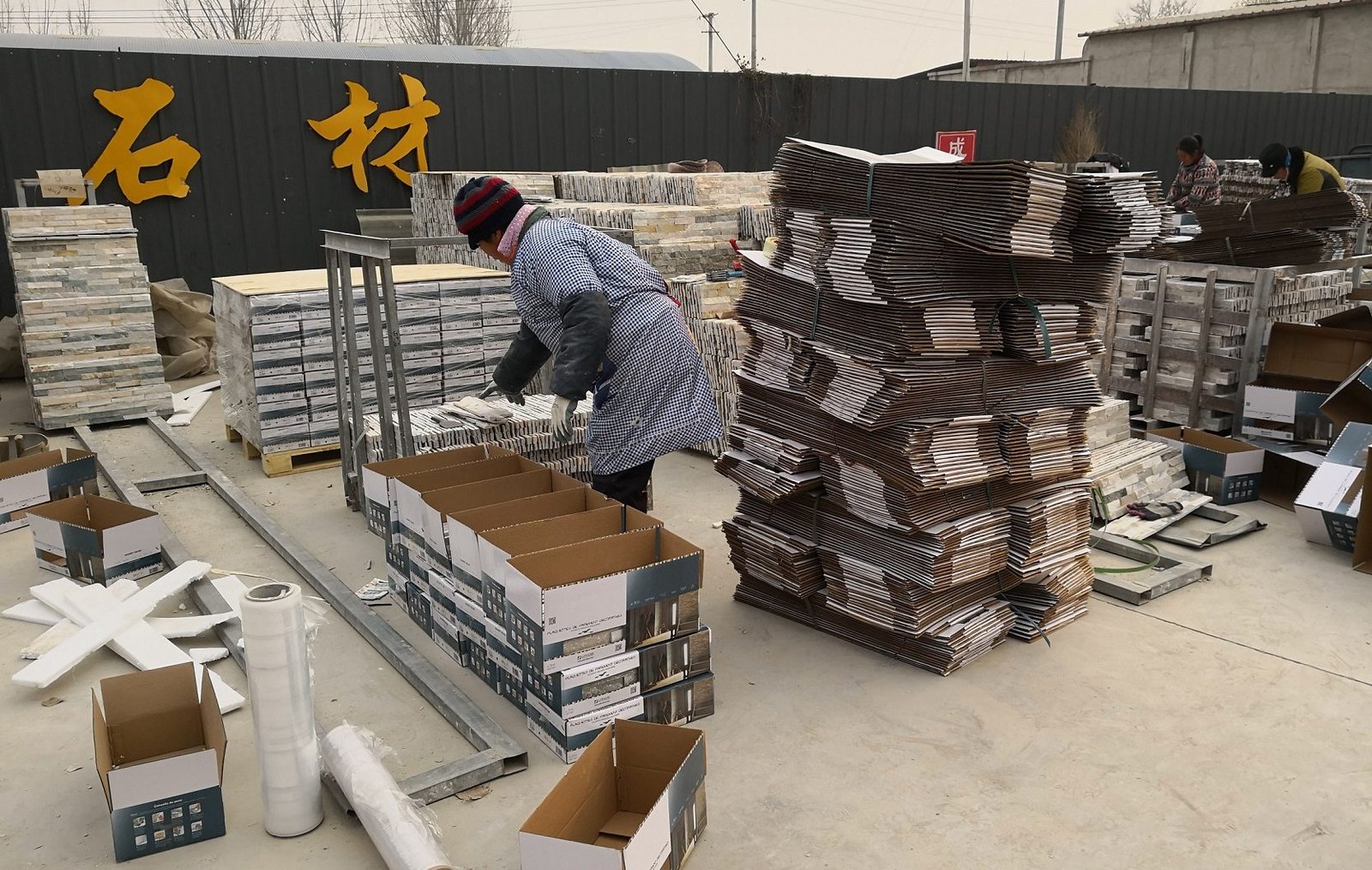
Ask for the inspection artifacts, not the policy. Loading videos and layout photos are standard practice at release, and a pre-shipment inspection record gives the buyer a numbered baseline for the container. When the box arrives, the dock team compares what they see in the truck against what the factory photographed at loading. That comparison is the cleanest damage-claim position a buyer can hold, and it starts with the questions asked before production.
5. Packing and Shipping Questions
Shipping questions usually begin with the port and the packing. The port is a fact, not a preference: material from Yixian County loads at Tianjin Xingang, the nearest major export gateway, and the buyer books the freight leg from there. FOB Xingang, EXW, CIF, and DDP are all available, and the Incoterm choice decides where risk transfers on the voyage.
The packing protocol deserves its own question set. Ask for the carton construction, the pallet type, the strap count, the per-skid weight, and the load-securing plan inside the box. Top Stone Panels ships under a zero-breakage protocol: 3-5 layer reinforced cartons, fumigation-free plywood or solid wood pallets, 4-6 steel straps per skid, and industrial air bags filling the void space so the load cannot shift.
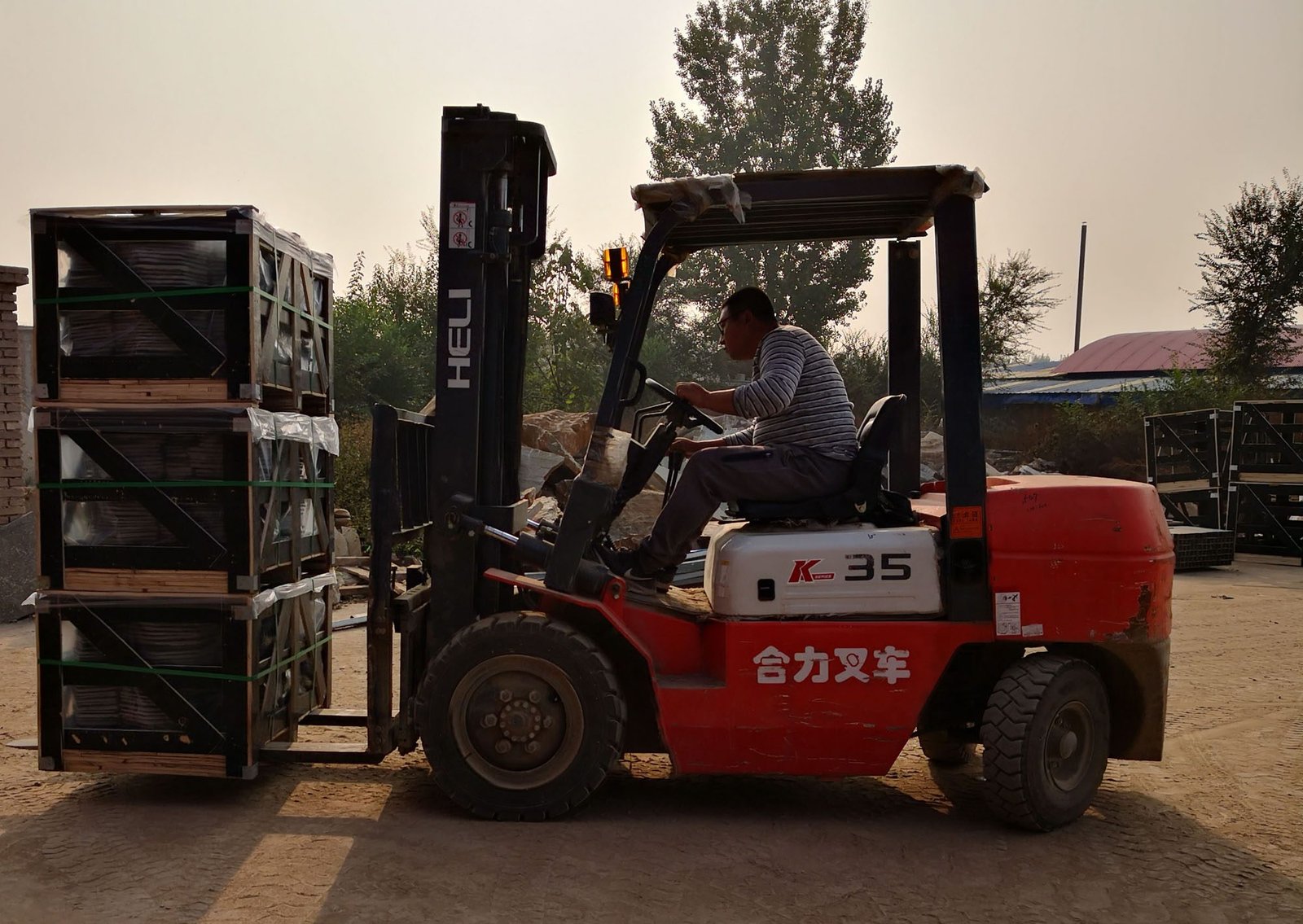
Wood packaging also carries the ISPM 15 treatment mark, which the destination customs gate verifies before release. A buyer who asks for the ISPM 15 certificate at the quotation stage avoids the single most common customs delay on the import side. The full packing playbook lives in the container loading and packaging guide, and the receiving side is covered in the dock unloading and inspection walkthrough.
6. Payment and Trade Term Questions
Payment structure is the moment trust gets priced. Export factories run on a 30/70 T/T split as standard: 30% deposit secures the production slot and buys the raw material, and the 70% balance releases against loading photos and video before the container leaves the yard. The balance is not paid against a promise; it is paid against visual proof that the material is on the truck.
The buyer’s natural question is whether the split can move. For a first order, most factories hold the structure because the 70% balance is what makes the loading proof mean something. Repeat buyers earn different terms by shipping history, not by asking harder. The T/T versus L/C comparison lays out the alternatives for buyers who want a banking layer between the payment and the factory.
Incoterms deserve the same precision as payment. FOB Xingang transfers risk to the buyer when the goods are on board the vessel; CIF rolls freight and insurance into the price but keeps the risk profile close to FOB; DDP obligates the seller through destination delivery. Read the ICC Incoterms rules once with your freight forwarder, because the term that looks cheapest on paper can be the most expensive in dispute.
7. The First-Container Question Sheet
Print this list before the first factory call. Each line is a question that has real pricing, scheduling, or risk consequences, and each one should get a written answer in the quotation or the contract.
| Topic | Ask | Track the answer in |
|---|---|---|
| Ownership | Do you control the quarry for this stone type? | Audit checklist |
| MOQ | One 20GP per line; what can mix into one container? | Quotation |
| Capacity | Monthly m2 per product line | Contract appendix |
| Lead time | Samples 1-3 days; production 20-25 working days | PO schedule |
| QC | Three-step gate; loading video and layout photos | Inspection report |
| Packing | Carton layers, pallet type, strap count, per-skid kg, ISPM 15 | Packing protocol |
| Payment | 30/70 T/T with balance against loading proof | Sales contract |
| Terms | FOB Xingang / EXW / CIF / DDP | Incoterm clause |
Two supporting guides close the loop. The relationship-building guide covers the recurring conversation after the first container, and the container mix guide explains how to bundle several products into one shipment without blowing the packing plan. Together they turn the first-order Q&A into a repeat-order system.
Ready to run the first-container interview?
Top Stone Panels answers ownership, capacity, QC, and packing questions directly from the factory floor in Yixian County. MOQ one 20GP, samples in 1-3 days, and a written packing protocol.
Quarry-owned · Tianjin Xingang origin · 30/70 T/T with loading proof
FAQ
What should you ask a stone factory before your first order?
Ask about quarry ownership, MOQ, monthly capacity, sample lead time, production lead time, the three-step QC process, packing protocol, payment terms, and which Incoterms the factory ships under.
How do you know if a stone factory really owns its quarry?
Ask for the quarry location, photos, and export documentation, then confirm with a factory audit or third-party inspection report. Ownership claims are common; audited quarries are not.
What is the minimum order for stone panels from a factory?
Most export factories set MOQ at one 20GP container per product line. Top Stone Panels requires a 20GP minimum, and container mixing lets buyers combine several stone types in one shipment.
How long does a stone factory take to produce a container?
Standard production runs 20-25 working days, and a first order with custom carton printing runs 25-30 working days. Physical samples typically ship within 1-3 days.
How do stone factories handle payment and quality control?
Payment commonly works on a 30% T/T deposit with a 70% balance released after loading photos and video, and quality control runs as a three-step in-house gate with optional third-party inspection.
Conclusion
A first container is a pilot shipment that carries the weight of a full order. The questions in this Q&A are the ones that separate a real production partner from a brochure, and they all get answered before the PO, not after a problem surfaces.
Run the sheet with every candidate factory. Compare the answers, then verify the load-bearing ones with a factory audit and an inspection report. The factory that answers clearly on quarry, capacity, QC, packing, and payment is the factory that can deliver the container that unloads clean.
- Verify quarry ownership before comparing prices.
- Book production lead time before booking freight.
- Write the packing protocol and ISPM 15 requirement into the contract.
- Release the balance against loading video and layout photos.
- Use third-party inspection as the independent check on the first order.