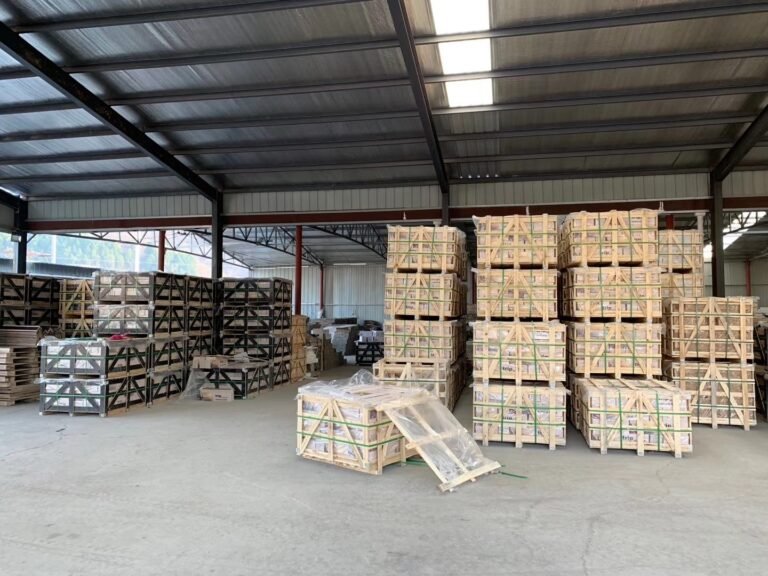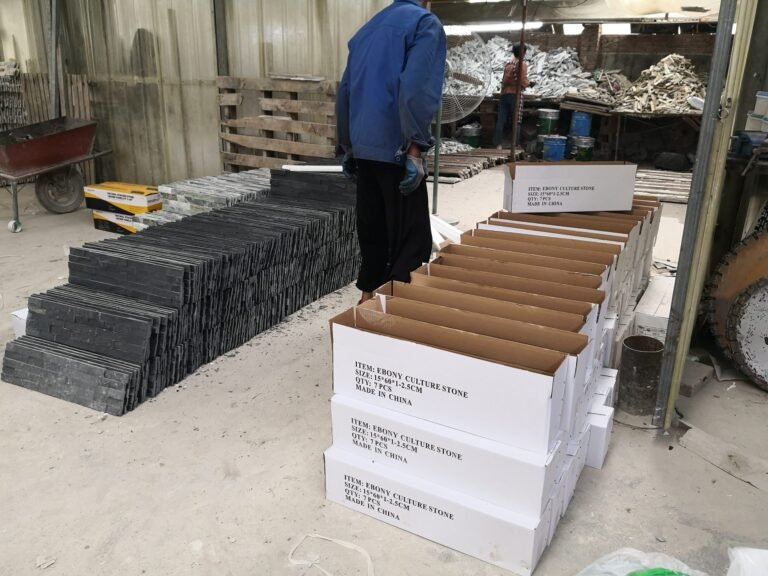
Your container lands, the driver backs the trailer to your dock, and the first pallet tells the story: a side of the carton is staved in, and the noise inside is not the sound of intact panels. Every importer rehearses this scene about once, usually badly. The instinct is to start lifting cartons and counting cracked pieces. That instinct costs money.
A damaged stone shipment is not a tragedy — it is a procedure. The carrier owes you a duty under the terms of the bill of lading; your cargo policy or the seller’s CIF cover exists precisely for this day; and the evidence you gather in the first 48 hours decides how much of the invoice value you recover. Suppliers who pack for ocean transit — Top Stone Panels ships under a Zero-Breakage Packaging Protocol with a loading video supplied before balance payment — win on the third question, too: what to do so the next container does not repeat it.
This guide walks the response sequence, the risk map of who pays, the document list that wins claims, and the packaging and payment terms that keep the problem rare in the first place.
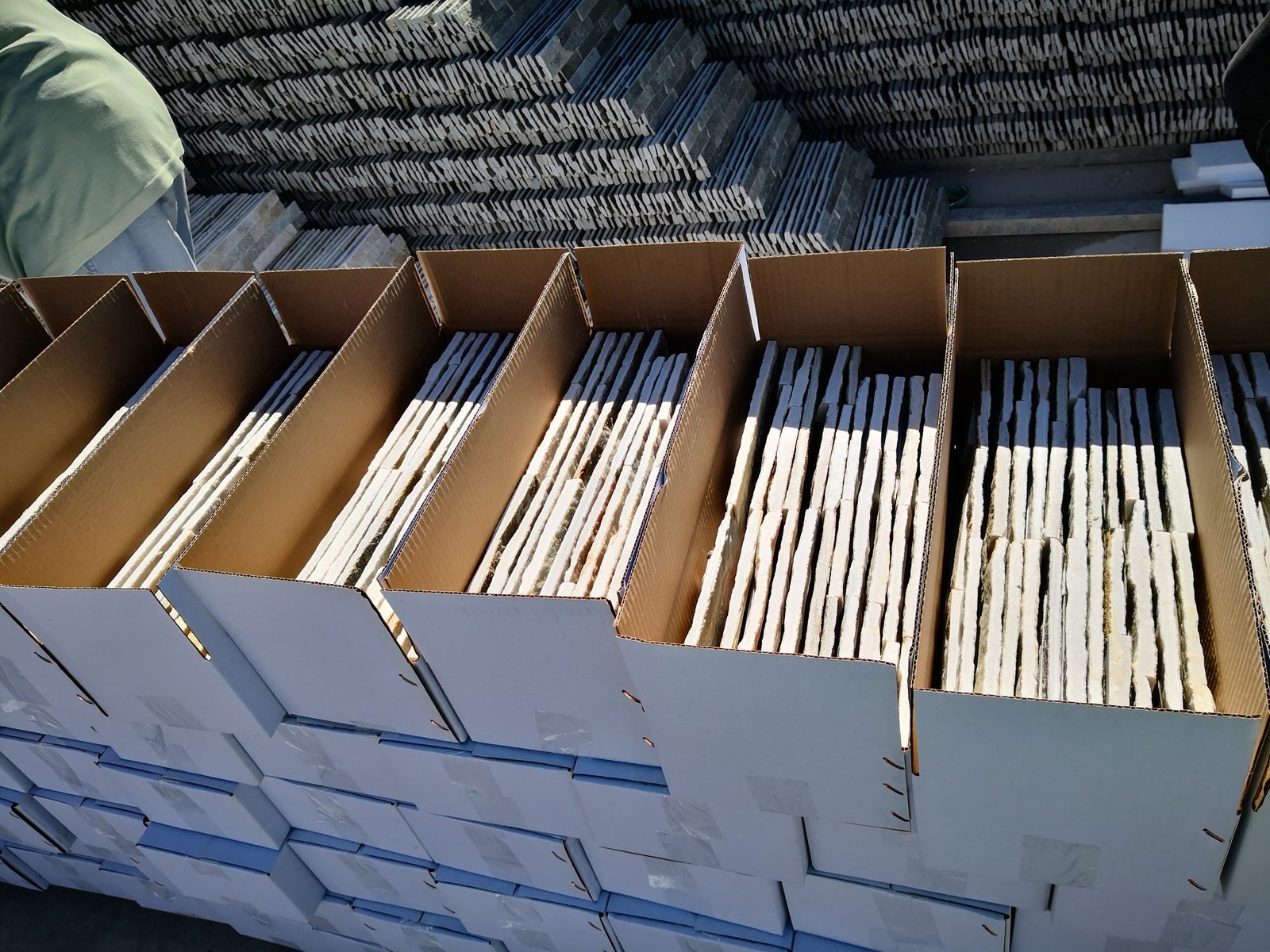
- Protect the status quo first: photograph the container, the seals, and the damaged cartons before any cargo moves, and keep the damaged pallet untouched.
- Give the carrier written notice at delivery, or within three days when damage is not apparent; under U.S. COGSA the deadline to sue is one year from delivery.
- Who pays depends on the Incoterm: the seller for pre-loading damage, the carrier or insurer for voyage damage, the seller again under DDP until delivery.
- CIF minimum cover is Institute Cargo Clauses C — narrower than most buyers assume; CIP requires all-risks Clauses A under Incoterms 2020.
- A dated loading video, container seal record, and pre-shipment inspection are the evidence that separates factory responsibility from voyage damage.
- Top Stone Panels’ Zero-Breakage Protocol uses 3-5 layer cartons, ISPM-15-exempt plywood pallets, 4-6 steel straps, and air bags, with a 30% deposit / 70% payment structure that lets buyers confirm the loading video before the balance clears.
First 24 Hours: Protect the Cargo and the Evidence
Photograph before you move anything
Do not remove cartons to count damage before you have a complete record. Photograph the container from the door in both directions, the seal number on each door, the position of pallets, and every damaged carton from three angles before you touch it. Film a slow pan inside the container, because video carries context that stills miss.
Then count. Note the number of broken cartons, the corner condition of each affected pallet, and whether the damage concentrates on one side of the container — a cargo that shifts against the door during the voyage leaves a signature that points at the carrier, not the stone.
Note the container condition on the delivery receipt
When the driver hands you the delivery receipt, an unqualified signature is a quiet agreement that the boxed unit arrived whole. Write the exception before you sign: “container arrived with door-side cartons crushed on pallets 2-3, seal intact, pre-delivery condition unknown.” A noted receipt keeps your claim alive; a clean signature hands the carrier an argument.
If damage is not visible until you open cartons later, most regimes still accept written notice within three days of delivery, but that clock starts at the dock — not after you finish unpacking next Tuesday.
Notify the carrier and your forwarder in writing
Send the notice by email the same day to the carrier, the freight forwarder, and the seller — even when fault is unclear. The email is cheap, the deadline is not. Include the container number, the bill of lading number, the described damage, and the date of delivery, and ask the carrier’s local office for the claim form and survey process in the same message.
Below a crew or a container-truck operator handles an empties backhaul and the box is gone 48 hours later; the only record left is the one you made. Move on the first working day.
Who you call first
The order of phone calls matters. Start with your freight forwarder — they are the intermediary the carrier will listen to, and they know whether the voyage was covered by a full container policy or by a shared load where the limit is smaller. Second comes the insurer or the seller under CIF. Third comes the surveyor; most insurers want the cargo surveyed before repair or disposal, and a self-appointed survey loses its weight if it contradicts theirs.
A damaged stone shipment claims file starts with those three calls on day one. Skip the survey step and you hand the insurer room to dispute the damage percentage; skip the carrier notice and the three-day window closes from underneath the claim.
Who Pays for Damaged Stone: Carrier, Factory, or Insurance?
Liability follows risk, and risk follows the Incoterm on your contract. The map is simple once you place the damage in time: before loading, the seller; onboard and at sea, the carrier and your insurance; in a port warehouse, the stevedore and the policy that insures that leg. Our FOB / CIF / DDP guide for stone exports walks each term in detail; the claim logic is what matters here.
| Incoterm | Risk passes | Who pays pre-loading damage | Who pays voyage damage |
|---|---|---|---|
| EXW | Factory gate | Seller | Buyer / buyer’s carrier and cargo cover |
| FOB Xingang | On board the vessel | Seller | Buyer / carrier / cargo cover |
| CIF | Same as FOB, insurance arranged by seller | Seller | Insurer under the CIF policy (buyer files) |
| DDP | At destination delivery | Seller | Seller handles end-to-end |
Two traps hide in the table. First, CIF does not buy you the cover you imagine: Incoterms 2020 obligates the seller to minimum cover under Institute Cargo Clauses C, a policy that excludes a significant share of the perils importers assume are covered. CIP, by contrast, requires all-risks Clauses A. Second, a clean on-board bill of lading is the carrier’s confession that the cargo was loaded in apparent good order — if the box left the factory crushed, the B/L should have said so.
For the carrier layer, the clock is unforgiving. Under the U.S. Carriage of Goods by Sea Act, a consignee must give written notice of apparent loss at the time of removal, or within three days when the damage is not apparent, and suits for cargo damage are barred one year after delivery. Your freight forwarder can copy you on the filing dates, but the obligation is yours.
The Paper Trail: Documents That Win a Claim
A cargo claim is decided on paper, so assemble the folder before you call anyone. Insurers ask for the same five or six documents regardless of the commodity; stone shipments add two that make or break the story — the container photos and the factory loading record.
- Bill of lading — clean or noted, with container number and seal. A noted B/L supported by your delivery-receipt exception shifts the burden to the carrier.
- Commercial invoice and packing list — they fix the value per carton and the item counts, the denominator of every recovery calculation.
- Container photographs and video — door-open condition, seal numbers, pallet positions, and damaged cartons before anything moves.
- Cargo survey or loss adjuster report — often arranged through the insurer or an independent surveyor; the surveyor’s percentage-of-damage figure becomes the settlement basis.
- Insurance certificate or CIF policy — confirms the cover clauses, the assured party, and whether you must add a buyer extension.
- Factory loading video and pre-shipment inspection photos — prove the cargo left in good order, which is the seller’s half of the story and the buyer’s defense against a deflection claim.
- Certificates of origin and ISPM 15 paperwork — not damage evidence, but the container will not move through customs while quarantined, so keep the originals close.
Keep claim documents under the same purchase-order number as the order. That small discipline matters when three containers from three suppliers arrive in the same month and the insurer asks which shipment a stack of photos belongs to.
The surveyor’s report is the pivot document in most damaged stone shipment claims. A good surveyor photographs every damaged carton, separates stone broken beyond use from stone that can be re-cut or re-used, and issues a percentage-of-damage figure tied to counts on the packing list. That percentage, not the buyer’s opinion, is what the insurer pays against — so hand the surveyor the packing list and invoice on the spot, and do not commingle the damaged row with the clean cargo before they visit.
Why Voyage Damage Looks Like Factory Damage
The most expensive mistake in a stone claim is blaming the wrong party. A chipped corner inside a perfectly intact carton is usually a pre-loading defect or a packing failure — the factory’s problem. A crushed carton on a pallet that shifted into the container door is voyage handling — the carrier’s problem. And a row of cracked panels sitting between two undamaged pallets is often a lashing failure, which the carrier’s stowage responsibility covers.
Natural stone adds a third possibility that is not a claim at all. Slate and quartzite are quarried products: hairline micro-cracks at the end of a panel, minor color variation between batches, and the occasional chip on a hand-split face are within normal trade tolerance. Our sample evaluation checklist shows buyers how to set the acceptance bar at sample stage, so the tolerance dispute does not become a damage dispute at the dock.
The sorting test that settles most arguments is the loading video plus a pre-shipment inspection. If the third-party inspection and the dated factory video show clean panels leaving a properly packed container, the damage window narrows to the voyage. If the carton is crumpled before the pallet was strapped, the footage says so. That is why Top Stone Panels supplies a loading video and layout photos, and why the 30/70 payment structure lets you review them before the final 70% clears.
How the Zero-Breakage Protocol Prevents the Problem
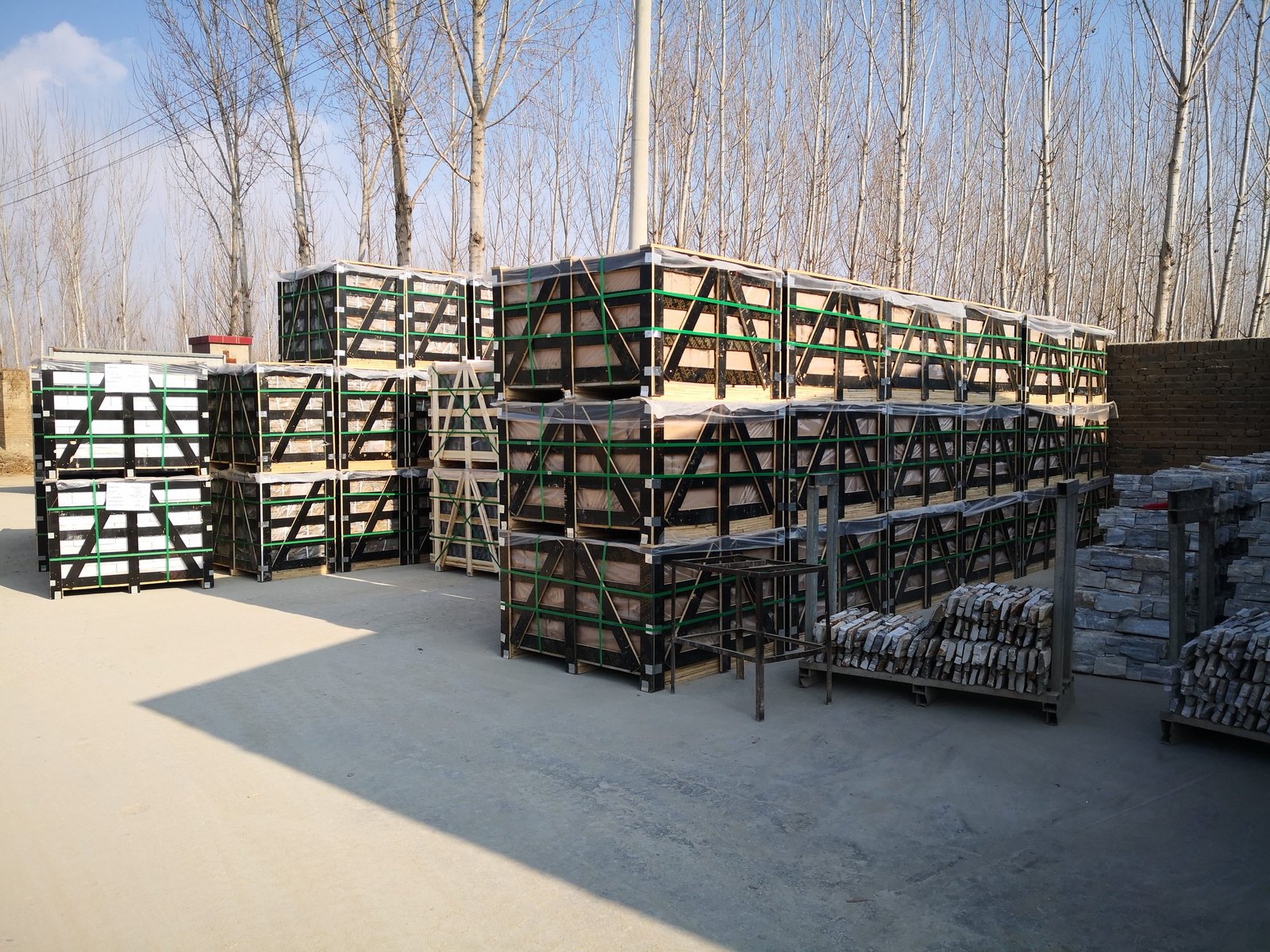
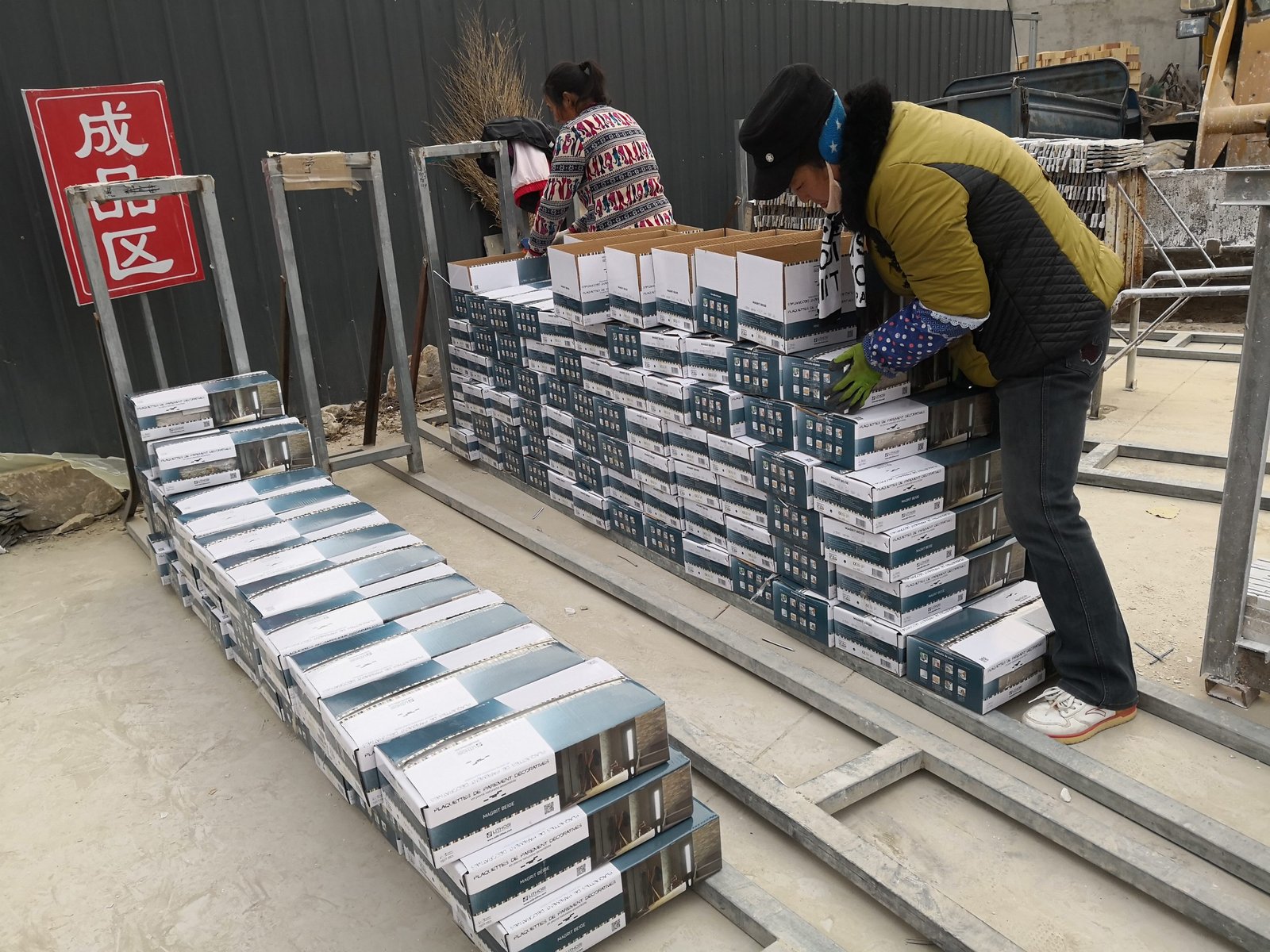
Claims are insurance; prevention is packaging. The packed-for-stone difference starts at the box. Top Stone Panels ships under a Zero-Breakage Packaging Protocol built around four layers of protection: hardened corrugated cartons three to five layers thick, ISPM-15-exempt plywood pallets so the wood clears customs without fumigation delays, four to six high-tension steel straps per pallet, and industrial air bags inflated inside the container to lock the load against door shift and road vibration.
Those details are not decoration. Air bags stop the pallet train from rolling on the flatbed trailer and sliding in the container; steel straps keep the carton column square under the weight of the stack; the plywood pallet keeps the bottom row off moisture and forklift forks. Taken together they are why the panels arrive with the cartons in the same order they were loaded — and why the stone’s own marine-grade epoxy bond, tested through 26.5 tons of ocean-load pressure, stays intact to the door.
Readers working through their own packaging spec should start from our container loading and zero-breakage packaging guide, then include the buyer-side check: a pre-shipment inspection at the factory before the container is sealed. Between the packaging spec, the inspection, and the shipping weight check in our container weight calculator, the claim file rarely has anything to fill.
Your next order can ship with the prevention layer built in. Top Stone Panels packs every line under the Zero-Breakage Protocol, supplies a loading video and layout photos before balance payment, and ships physical samples in 1-3 days from an MOQ of one 20GP container.
Highlights: 6 product lines | Broken-carton claims essentially eliminated by air-bag restraint | 30/70 payment with video review
Prevention Checklist for Your Next Order
Handle the next container as if it were the one after a bad claim. Add these lines to the purchase order before the factory prints the first carton.
- Name the packaging protocol in writing: carton layers, pallet type, strap count, and air-bag restraint, or adopt the supplier’s published Zero-Breakage Protocol.
- Require a third-party pre-shipment inspection, or at minimum a dated inspection video at the factory before the container is sealed.
- Ask for the loading video and pallet layout photos before you release the final 70% payment under 30/70 T/T terms.
- Confirm the Incoterm and the insurance clauses in the same email as the price; under CIF, ask whether the cover is Clauses C and decide if you add all-risk on top.
- Prepare the arrival folder in advance: B/L number, container number, seal list, and the name of the surveyor you will call if the door opens onto damage.
- For high-visibility jobs such as a retail storefront, add a small spare-carton buffer to the order and say why in the purchase order — see how commercial storefronts use stone cladding — so a rejected carton never stalls an installation crew.
Buyers importing through customs clearance know the drill continues past the dock. Keep the ISPM 15 certificate and certificate of origin with the cargo papers, because a held container is a damaged-freight claim that never reaches the carrier’s desk.
Ask the warranty question before the claim question. A factory that backs the material with a written warranty — see our stone panel warranty guide for what B2B buyers should expect — gives you a defined channel for pre-loading and product defects, separate from the carrier dispute. The two conversations should never be mixed; the warranty covers the stone, the carrier covers the voyage, and each file needs its own folder.
FAQ
Who is responsible when a stone container arrives damaged?
It follows the Incoterm and the point of occurrence. Pre-loading damage belongs to the seller; voyage damage belongs to the carrier or insurer; under DDP the seller carries the risk until delivery.
How long do I have to file a carrier claim for damaged stone?
Give written notice at delivery, or within three days when damage is not apparent. Under U.S. COGSA, cargo lawsuits are barred one year after delivery.
What documents prove a stone shipment damage claim?
The bill of lading, commercial invoice, packing list, container photos with seal numbers, the survey report, and the insurance certificate or CIF policy. Factory loading video strengthens every claim.
Should I buy extra insurance on top of CIF?
Yes when the cargo value is high. CIF’s default cover is Institute Cargo Clauses C, narrower than buyers assume; CIP requires all-risks Clauses A. Extra own cover is a small premium against a large reject.
Can I claim against the factory for shipping damage?
Yes, when damage is a pre-loading defect or packing failure. A dated loading video showing intact cargo inside the container shifts the burden to the voyage parties.
Conclusion
A damaged stone container is a procedure with a deadline, not a disaster with a phone number. Protect the evidence before you move the cargo, notify the carrier in writing inside the three-day window, and file under the deadline that governs your ocean route — usually one year.
Before the next order, put the prevention layer on paper:
- Adopt a named packaging protocol — carton layers, pallet type, straps, air bags.
- Require a pre-shipment inspection and review the loading video before the 70% balance clears.
- Fix the Incoterm and the insurance clauses at quote time, and close the CIF cover gap with your own all-risk policy where value is high.
- Build the arrival folder — B/L, container, seal, surveyor contact — before the container lands.
Top Stone Panels ships every order under the Zero-Breakage Protocol with a loading video supplied before payment, so the next time your door opens, the story is already written — and it is a good one. Request a packing spec and quote from Top Stone Panels →