Ordering stone samples sounds like the smallest step in a container purchase, and that is exactly why it gets rushed. You email three factories, one sends a free coupon, a week later you hold a piece of slate and call it done. For a wholesale buyer the sample is not a memento, it is the evidence base for a 20-foot container decision worth tens of thousands of dollars, so the way you order stone samples should look more like a procurement checklist than a polite request.
This guide covers what sample programs actually cost, the realistic timeline from request to approval, and the short list of tests that separate a trusted factory from a pretty photo. The numbers come from a quarry-direct panel factory that ships 220+ containers a year, so the cost and timing here are the operating reality, not brochure language.
- Treat the sample as evidence for a container decision: request multiple color tones, full-size pieces where possible, and the batch’s lab reports, not one free coupon.
- Budget for a sample fee plus courier freight; expect 1-3 day dispatch from a responsive factory and 3-7 days of transit to North America or Europe.
- Attach a clear test spec to the sample request: water absorption, dimensional tolerance, and freeze-thaw for cold climates are the minimum load-bearing checks.
- Sample approval gates production: color approval first, then 20-25 working days of manufacturing for repeat orders.
- A supplier that manages samples casually usually manages containers the same way, so response speed and paperwork quality are early data points.

- Why Samples Matter Before a Container Order
- What Stone Samples Actually Cost
- Sample Timeline: Request to Approval
- What to Request in a Sample Pack
- Tests to Run on Sample Pieces
- Seven Questions to Ask Before Paying
- Why Samples Fail: Color, Texture, and Limits
- From Sample to Container: Closing the Loop
- FAQ
- Conclusion
Why Samples Matter Before a Container Order
A container order stone samples answer four questions no PDF can answer. Color is the first: natural stone varies by block and by batch, and a screen renders that variation poorly. Texture is the second, because a split-face panel’s relief, sharpness, and finger feel decide whether a fireplace or a facade reads as stone or as a printed imitation. Dimension is the third, since thin veneer panels and ledger strips must sit within a tolerance that your installer’s layout assumes. Performance is the fourth, and it is the one labs test, not eyes.
The cost of skipping this step compounds later. A color mismatch discovered on a warehouse pallet is a rework, a schedule delay, or a discount claim that eats your margin. The evaluate stone panel samples checklist on this site walks through the 22-point inspection buyers run when a sample pack arrives, and most of those points assume you ordered the right sample in the first place.
Commercial stake matters too. Wholesale pricing, MOQ of one 20GP container, and payment terms like 30% T/T deposit are all structured around a buyer who has already decided the material is right. The sample is where that decision gets made, so ordering samples is where serious buyers spend attention, not where they save time.
What Stone Samples Actually Cost
Expect to pay for physical samples in B2B stone sourcing. The myth of the free sample survives on small color cards and domestic suppliers, but a freight container from a quarry factory in China carries real per-unit cost even at sample scale. A healthy factory covers the piece cost and asks the buyer to carry the courier freight, or charges a small sample fee and credits it against the first order.
Plan a realistic sample budget before you email. The table below is the typical B2B range for natural stone cladding, not a quote from any single factory.
| Line Item | Typical Cost | Notes |
|---|---|---|
| Sample fee (physical pieces) | USD 0 to 50 per set | Often waived or credited against the first order; varies with stone type and piece size |
| Courier freight (China to US/EU) | USD 40 to 120 | Express courier (DHL/FedEx/UPS) for a 2-5 kg sample box, door to door |
| Lab tests (if outsourced) | USD 150 to 600 per test suite | Water absorption, flexural strength, freeze-thaw; high when you run the full set |
| Sample credit against order | Common practice | Negotiate this before paying the fee, and get it in writing |
Two thresholds matter more than the dollar amounts. First, a supplier who refuses any documentation alongside their sample is a risk signal. Second, a sample fee in the tens of dollars is a cheap insurance policy compared with a container-level color mismatch, so optimize for information, not for free shipping.
Sample Timeline: Request to Approval
A quarry-direct factory with a standing sample program moves quickly. From a confirmed order, Top Stone Panels dispatches samples in 1-3 days because the pieces, boards, and photos are already in the system from serving dozens of wholesale buyers. Couriers then carry the box to North America or Europe in 3-7 days. A full request-to-approval cycle fits inside two working weeks.
| Stage | Duration | Buyer Action |
|---|---|---|
| Request and quote | Same day to 2 days | Send stone type, application, and target colors; get itemized sample cost |
| Production of samples | 1-3 days | Factory cuts and picks pieces from the batch matching your spec |
| Courier transit | 3-7 days | Express courier door to door; economy services run longer |
| Buyer inspection and tests | 3-10 days | Walk the checklist, run lab tests, take project photos |
| Color approval sign-off | 1-2 days | Signed color approval unlocks production scheduling |
Watch the calendar when you plan lead times. Production for a repeat order runs 20-25 working days after approval, and first orders with custom packaging run 25-30 working days. If your project sits downstream of a fixed completion date, add the sample cycle, the production window, and sea freight before you promise anything to your client. The stone panel import lead time guide lays out the full scheduling math.
What to Request in a Sample Pack
A thin, single-tone sample tells you almost nothing. Build the request around four items.
Multiple Color Tones of the Same Stone
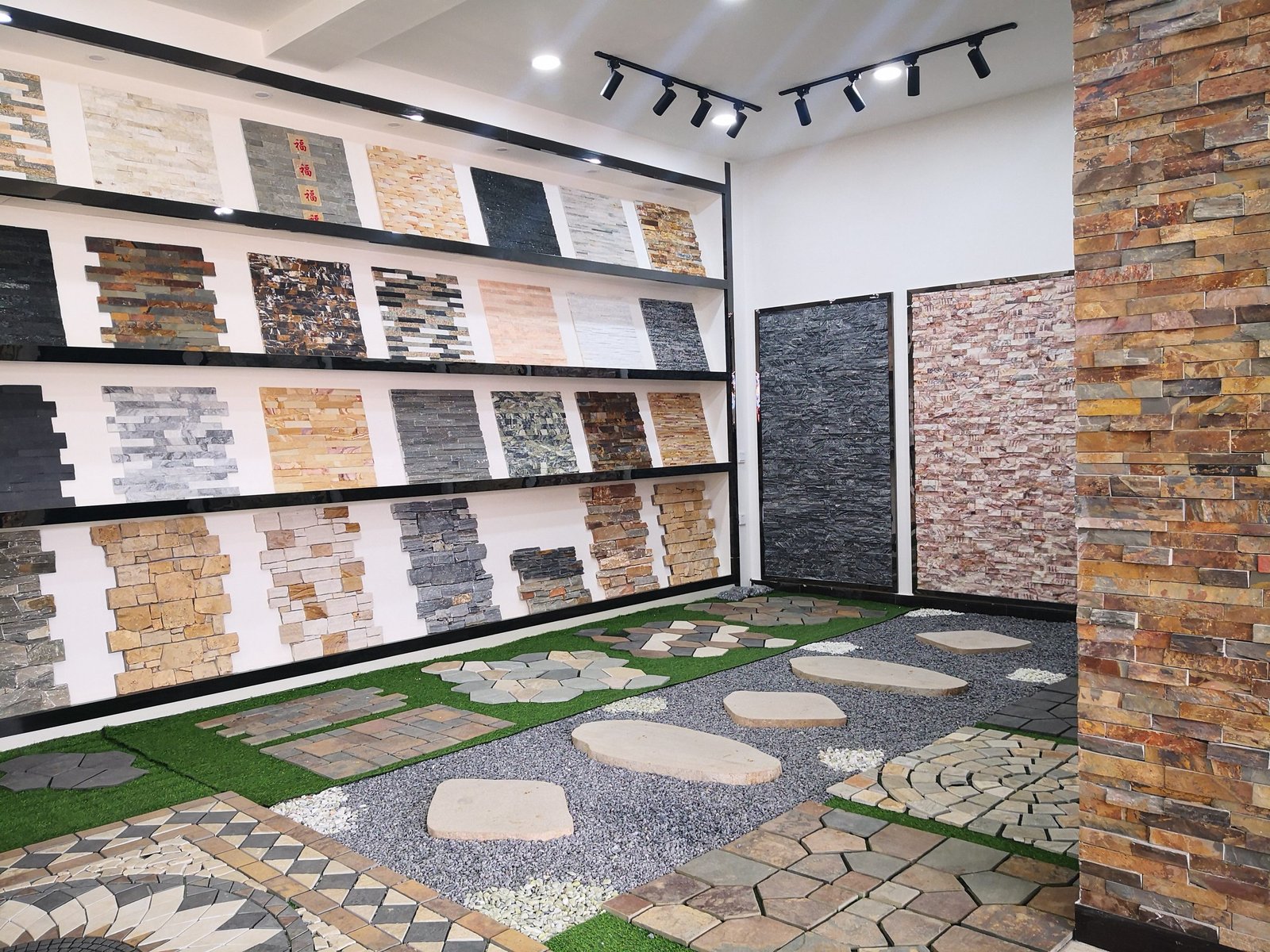
Quarried stone runs in ranges, not single colors. Ask for the lightest, darkest, and mid tones of the stone you are evaluating, plus the split percentages if the factory offers batch-specific vein selection. This mirrors what a delivered pallet looks like and stops the shock of variation later.
Full-Size Pieces and Corner Profiles
A coupon the size of a coaster cannot show joint rhythm or a corner transition. Request at least one full-size panel in your planned dimensions, typically the 15x60cm or 15x55cm stacked stone formats, and an L-corner sample where the application needs them. Corners change the entire installed look, so skipping them is the most common sample mistake. The thin stone veneer collection and the thin ledgestone panels line both show the format choices a sample pack should document.
Batch Photos and Video
Ask for high-resolution images of the exact batch your sample is cut from, plus a short video outdoors in daylight. Camera color is unreliable, but the comparison of photos to physical pieces tells you whether the factory documents honestly.
Documents, Not Just Stone
Request the pack include the stone’s family data: water absorption, density, and any freeze-thaw or fire documentation available for that material. The stone veneer thickness guide explains which thickness program fits which surface, and the sample pack should match the thickness you intend to specify.
Tests to Run on Sample Pieces
Eyes confirm color and texture. The performance claims get confirmed in a lab or by controlled checks, and for a wholesale buyer it is worth writing the spec down before the sample arrives.
| Test | Standard Reference | What It Confirms |
|---|---|---|
| Water absorption | ASTM C97 / EN 13755 | Density and staining risk; dense slate and quartzite stay low, which matters for exterior cladding |
| Freeze-thaw cycling | ASTM C666 / EN 12371 | Survival in cold climates; demand it for any North-facing or northern-state project |
| Slip resistance | ANSI A326.3 / ASTM C1028 | Wet-surface traction for walkways, steps, and pool decks |
| Flexural strength | ASTM C880 / EN 12372 | Bending load capacity for thin veneer and panel spans |
| Dimensional tolerance | Factory QC sheets | Thickness and face dimension consistency across a sample set, which controls layout cost |
Run thermocycling seriously if your market is cold. The Natural Stone Institute’s technical resources catalog the accepted test methods for absorptive and frost-resistant stone, and a dense quartzite or slate panel from a documented quarry resists the freeze-thaw cycle with the factory’s -30C to +50C envelope, but that claim should arrive with a report, not a promise. Coastal projects add the salt-spray check on top, since sea-salt exposure rewards low-absorption stone with a stable mineral face.
Floor surfaces change the priority order. Walking surfaces push slip resistance to the front; vertical cladding does not need it. The natural stone vs porcelain tiles comparison on this site covers how absorption and density data behave differently when the two materials compete for the same project.
Seven Questions to Ask Before Paying
Ask these before you transfer a dollar for samples. The answers separate factories that run a sample program from factories that improvise.
1. What exactly is in the sample fee, and is it credited against my first order? Get the breakdown in writing. A fee that disappears into the order raises your effective sample cost to zero later.
2. Can I see the batch, not just the samples? Request photos of the blocks and the cut batch. Who shows you production reality usually ships what they showed.
3. Will the sample match the production batch? Confirm the factory keeps the same vein and color selection for production as for the sample, or disclose the expected variation range.
4. What documents come with the sample? The useful set includes material data, water absorption and density figures, and COO or ISPM 15 documentation where required for import.
5. What happens to the sample fee if I order? Negotiate the credit and the MOQ mix before payment. The MOQ container mix guide shows how multiple stone types fit one 20GP container.
6. Who pays if the courier taxes the package? Confirm delivery duty paid or receiver pays, so a surprise brokerage bill does not derail the approval step.
7. What color approval process gates production? The factory should name one: your signed approval, a retained sample set, and a batch-matching policy before the 20-25 day production window starts.
Request a multi-tone sample set and factory batch photos from Top Stone Panels. Dispatch in 1-3 days, courier freight to your door, sample fee credited against your first container.
Request Samples →
Multi-tone sets | Batch photos | Lab documents | 20GP container MOQ
Why Samples Fail: Color, Texture, and Limits
Most sample disappointments are predictable, and a good factory will tell you about them before you are surprised.
Color drift between sample and production is the biggest complaint in natural stone. It is caused by batch-to-batch vein variation, and the fix is not a better screenshot, it is a color approval process anchored to the physical sample. When you order, require production to be cut against your approved sample, and inspect high-volume photos before shipment clearance.
Surface treatment differences cause the second round of failures. The same stone cut with a diamond-blade face, a split face, or a flame finish looks like three different products, so state the finish in the sample request and check it against the pieces you receive.
Scale is the third limit: a sample accents a wall, a panel program has joint rhythm. Ask for how many panels per square meter and the L-corner details so the mock-up you build on your showroom wall predicts the real installation. The stone veneer quantity calculation formula gives the coverage math that turns a sample into a take-off.
From Sample to Container: Closing the Loop
Sample approval should feed one decision document: a purchase spec that locks material, finish, thickness, color tones, MOQ mixing, and the acceptance test set. With that in hand, the container order stops being a gamble and becomes execution.
Where Your Samples Come From: Factory, Trading Company, or Intermediary
Who cuts your sample explains what your sample means. A quarry-direct factory cuts the sample from the same stock it will manufacture, which makes the sample a preview of production. A trading company assembles samples from multiple factories, which widens your color menu but blurs the batch-to-batch chain, so the delivered order can diverge from what you approved. An intermediary or showroom usually charges the highest sample uplift with no faster dispatch.
You can test which you are dealing with before paying. Ask for the next three export containers to the same port with the same stone, then compare their packing, batch photos, and retained samples. A factory keeps its own QC stack; a trader will hesitate exactly where ownership gets fuzzy. The supplier factory audit guide gives the site-visit checklist, and the Chinese factory relationship piece explains how direct relationships change pricing and priority.
Freight method changes the sample math too. Express courier delivers door-to-door in 3-7 days, and a set of ledger samples under 5 kg keeps the freight bill in the double digits. Sea freight of a sample pallet can take weeks and is worth it only when the sample is a full mock-up panel set. Read the freight collection terms, then confirm who pays broker taxes on the receiving end.
From Sample to Container: Closing the Loop
Sample approval should feed one decision document: a purchase spec that locks material, finish, thickness, color tones, MOQ mixing, and the acceptance test set. With that in hand, the container order stops being a gamble and becomes execution.
Two financial facts keep the loop sane. First, the sample fee and the freight are rounding errors against the cost of a wrong container, so do not optimize the sample budget to the dollar. Second, the container-level economics are where margin lives: one 20GP container, FOB Xingang or CIF terms, 30% T/T deposit and balance before shipment, with the zero-breakage packaging protocol absorbing freight risk. The natural stone cladding cost breakdown and the FOB vs CIF shipping terms guide cover the numbers a buyer needs at that stage.
Then protect the vote. Archive your approved sample, the batch photos, and the color sign-off in your project folder. When the container arrives and the installer says the color looks different, you have the evidence chain that turns a dispute into a conversation.
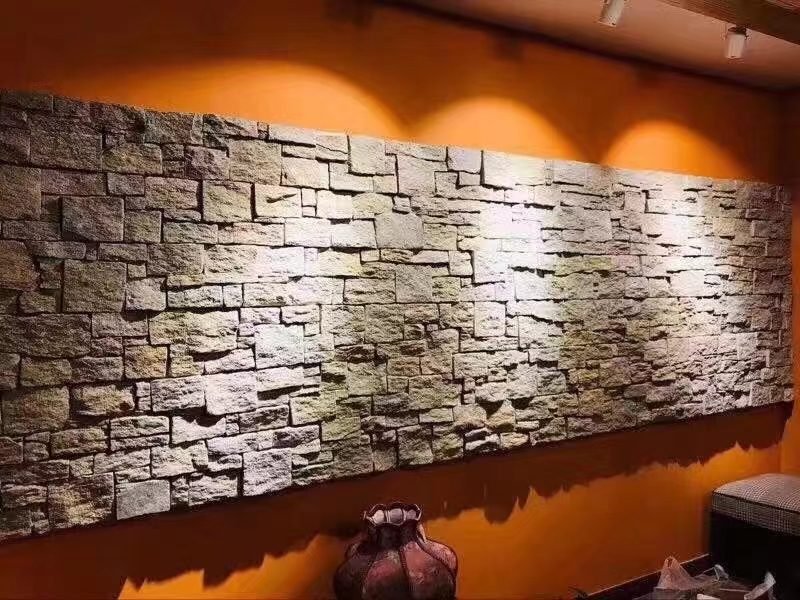
Approved samples translate to installed panels on exterior walls; archive the sign-off to settle any later color conversation.
FAQ
How much do stone sample kits cost?
A physical sample set from a China-based quarry factory typically runs USD 0-50 for the pieces plus USD 40-120 courier freight to North America or Europe. Most factories credit the sample fee against the first order.
How long does it take to receive stone samples from China?
Dispatch takes 1-3 days after a confirmed order, and express courier transit to the US or EU adds 3-7 days. The complete request-to-approval cycle usually fits inside two working weeks.
Are stone samples free from suppliers?
Not reliably. B2B factories usually charge for physical pieces or courier freight, and the professional signal is the credit policy: the fee offset against the first container order, written into the quote.
What tests should I run on a stone sample before ordering a container?
Run water absorption, dimensional tolerance, and freeze-thaw for cold climates; add slip resistance for walking surfaces and flexural strength for thin veneer. Ask for the factory’s density and absorption figures alongside the physical pieces.
Can I mix several stone types in one sample request?
Yes, and you should. A single ledger panel range can carry multiple color tones, and ordering one combined freight box is cheaper than three separate courier shipments. The same logic scales to a mixed 20GP container later.
Conclusion
Ordering stone samples is the qualification step that protects a five-figure container decision, and it deserves the same discipline as the order itself. Cost the sample honestly, run the short test set, and file the proof chain.
- Request multiple color tones, full-size panels, corner profiles, batch photos, and material documents in one sample pack.
- Budget for a sample fee plus courier freight, and negotiate the credit against your first order before paying.
- Write the test spec first: water absorption, dimensional tolerance, and freeze-thaw minimums, with slip resistance for walking surfaces.
- Gate production on a signed color approval, then run the 20-25 working day production window without surprises.
Start with a serious sample request from Top Stone Panels, get the batch photos and lab documents in the same box, and you will know before you buy.