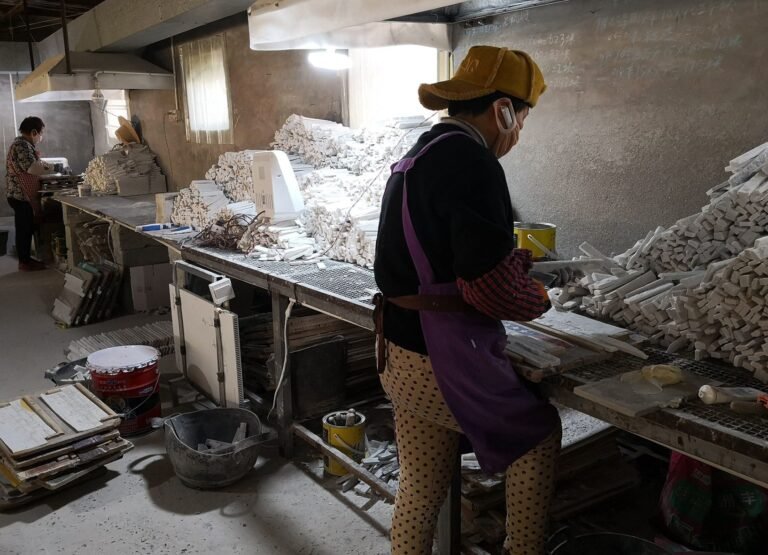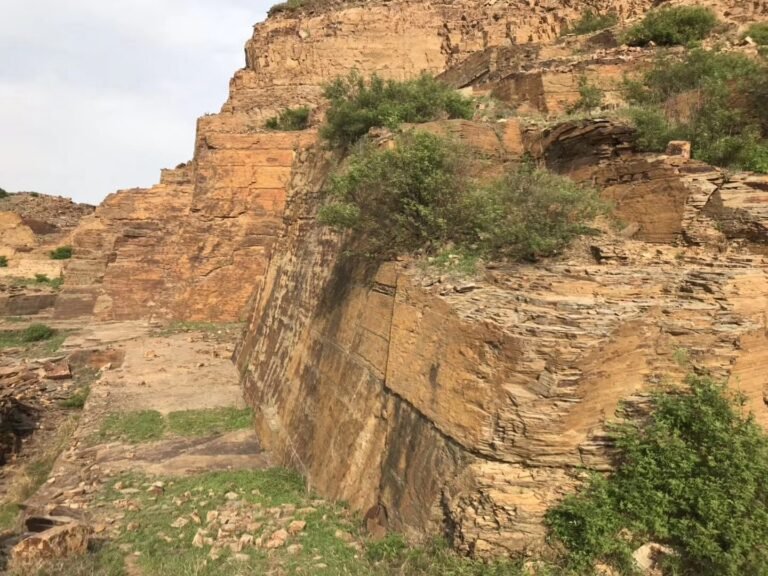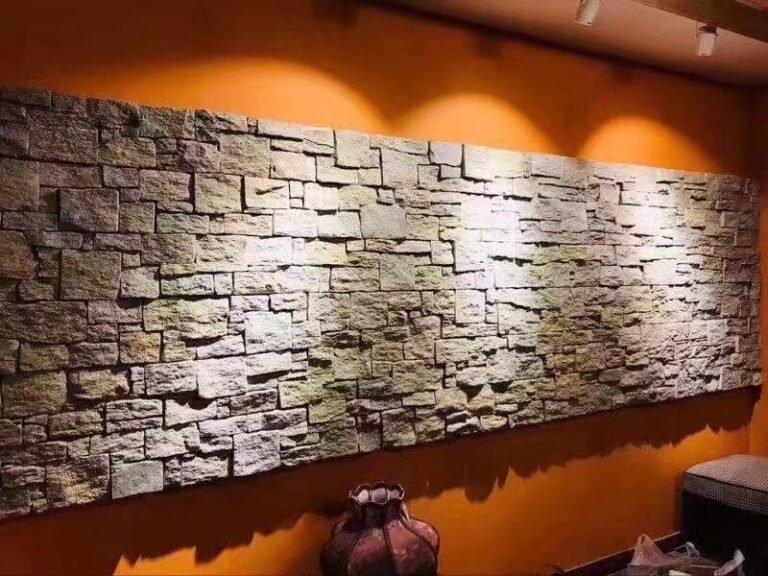
A quarry visit changes how a buyer reads a stone supplier. On paper, two factories look identical: both sell slate veneer, both quote FOB, both promise color consistency. Standing at the quarry face, the differences become obvious. One company shows you the actual deposit its panels come from, with a plan for which part of the mountain is being worked next. The other talks about “the quarry” while the blocks on their yard could have come from anywhere. That gap, seen in a day, explains many of the container problems buyers blame on stone itself.
This guide is a checklist for that visit: what to ask about ownership and reserves, vein control and color, block quality and yield, and traceability from the quarry to the container. It is written for distributors and project buyers sourcing natural stone panels from export factories, using Top Stone Panels, an own-quarry supplier in Yixian County, Hebei, as the benchmark for what a serious on-site review looks like.
- Confirm who owns the deposit and how many years of workable reserves remain; spot-bought blocks are a supply risk.
- Pin down which vein family your color is cut from, and ask how the factory keeps reorders on that vein.
- Ask block-size and yield questions; they predict usable panel area before the first cut.
- Check traceability from the face to the container so the quarry-direct story has paper behind it.
- Use the quarry-to-factory hand-off (QC points, batch control) to judge whether the supplier can repeat color order after order.
- 1. Why Visit the Quarry at All
- 2. What a Quarry Visit Can and Cannot Prove
- 3. Documents to Review Before You Go
- 4. On-Site: Ownership, Reserves, and Access
- 5. Vein Selection and Color Control at the Face
- 6. Block Quality and Yield Questions
- 7. Traceability From the Quarry to the Container
- 8. The Quarry-to-Factory Pipeline Check
- 9. Red Flags and Follow-Up
- FAQ
- Conclusion
1. Why Visit the Quarry at All
Most buyers never see the source of their panels. They receive samples, approve colors, place container orders, and measure the supplier by what shows up in the first few shipments. That works for two or three containers. The trouble starts on the reorder, when the next batch of blocks comes from a different part of the deposit and the color shifts. A quarry visit is the cheapest way to understand, before that happens, what the supplier is actually working with.
Quarries are where three of the biggest B2B stone risks are decided. Supply stability: a factory that owns or controls its deposit can commit to your reorders; one buying blocks on the open market is exposed to price and availability swings. Color control: natural stone varies across a deposit, and only the quarry can show you which zone your color comes from. Traceability: distributors who advertise quarry-direct sourcing need proof, and proof is built at the quarry, not in the office. All three are visible in an afternoon of good questions.
A visit also changes conversations later. When you have seen the face, the reserves, and the cutting plan, a factory’s explanations about “vein variation” or “block availability” land completely differently. You are no longer negotiating with a PowerPoint; you are negotiating with someone who knows you have seen the mountain.
2. What a Quarry Visit Can and Cannot Prove
Set expectations first. A quarry visit is evidence, not proof. It shows you the current working conditions, the visible extent of the deposit, and the processes the supplier runs today. It cannot guarantee the next ten years of a mountain, and it cannot predict every block a deposit will yield. The goal is to reduce uncertainty, not to eliminate it.
| Question the visit answers | What it shows | What it leaves open |
|---|---|---|
| Who owns the deposit? | Owned vs. controlled vs. spot-bought material | Future leases and license renewals |
| Is the vein family stable? | The zone your color comes from today | The full range of the deposit under the surface |
| Are blocks consistent in size? | Current extraction output and quality | Yield on future benches |
| Does the factory control the hand-off? | How blocks are selected for the cutting line | How that control behaves under demand spikes |
Keep that table in mind while you walk the site. The goal is to fill in the first column with direct observations, and to ask follow-ups about anything in the second column that looks vague. Industry standards give you the vocabulary: dimension stone terminology and the practice of quarrying are documented under ASTM C119, which defines the terms a buyer and a quarry operator should be using to mean the same thing.
3. Documents to Review Before You Go
The quarry visit starts with paperwork, not boots. Before you book travel, ask the supplier for three documents and read them before you walk the site. The questions you can then ask in person are twice as sharp.
- Quarry license and ownership documents: who holds the extraction rights, for what area, and until when. A legal license is the floor of supply stability.
- Deposit or geological documentation: any survey, block-yield records, or bench plan the operator keeps. The absence of any geological paperwork is itself an answer.
- Export and compliance paperwork: COO support, and any environmental or extraction permits the operator is willing to share. This is where sustainability and traceability claims become checkable.
Run these documents through the same skepticism you would apply to a factory’s QC claims: they are the supplier’s own statements until verified. The visit verifies them. If the license is missing on site or the operator deflects, treat that as a supply-chain red flag rather than an oversight.
4. On-Site: Ownership, Reserves, and Access
Your first questions at the quarry should settle the single most important fact for a container buyer: can this deposit supply my reorders for the life of my program? Ask who owns the extraction rights, how long they run, and how many years of workable stone the operator believes the current benches hold. The exact reserve number matters less than the operator’s clarity about it. A serious quarry knows its remaining benches and can talk about them in years; a spot-market operation cannot, because it does not know what it will be cutting next season.
Ask about access and logistics too, even if it feels like a surface question. How far is the quarry from the factory yard? Is the road passable in the rainy season? Which part of the deposit is being worked this month, and what is the plan for the next bench? These answers tell you how fast a block can move from the mountain to your container, which is a real lead-time factor, and whether weather will stall your reorder in a particular season. Top Stone Panels works a deposit in Yixian County, Hebei, with the factory close enough that block movement is measured in hours, not days, which is part of why standard production runs 20-25 working days.
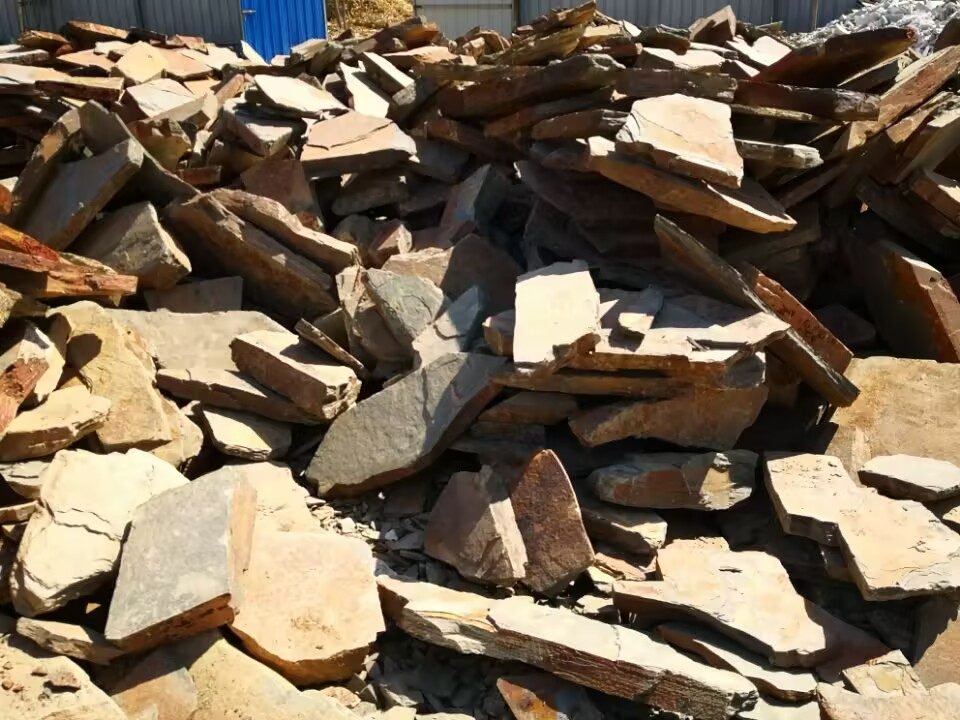
The quarry face itself is worth a quiet look. Stand where the operator works and observe: is the extraction organized, with clean bench geometry, or is it a scramble to pull whatever looks good? Organized extraction supports consistent block sizes and predictable yield. Chaotic extraction is the natural stone equivalent of a factory with no production schedule, and it will show up in your lead times and your reorder match.
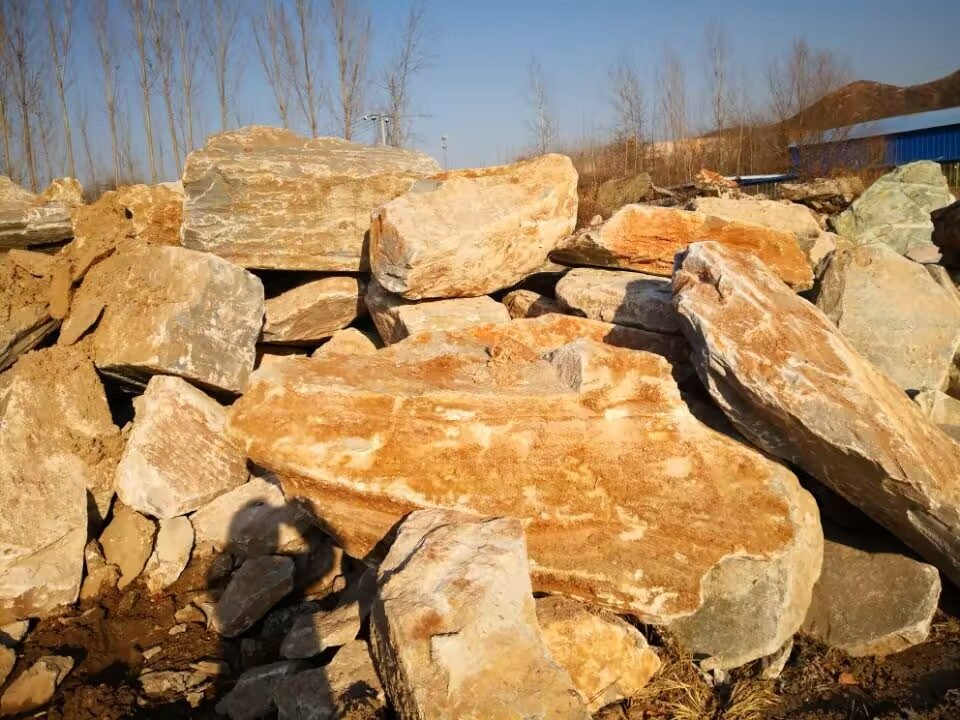
5. Vein Selection and Color Control at the Face
Color drift on reorders is the most common B2B stone complaint, and the answer is at the quarry face. A deposit is not one uniform material; it is a set of zones, and each zone yields a slightly different tone. The factory that controls color does so by selecting blocks from the vein family matched to the approved sample, and the quarry is where that selection is visible.
What you confirm at the face is what a reorder later depends on: our stone reorder color match guide explains how locking production to one vein lot, and referencing it on the repeat PO, carries that colour control from the quarry into a second container.
Ask the operator to show you the exact zone your sample came from. A serious supplier can walk you to it: the bench, the part of the face, and the characteristics of that zone. Then ask how the next blocks are chosen to match it. The answer should involve a process (block selection against a standard, a vein tracking code, a QC step at the cutting line), not a hope (“we do our best to match colors”).
Watch for mixing. If the quarry moves material from several zones and the factory does not separate it, your container will have more color spread than a distributor can sell in one delivery. Batch-specific vein selection, the deliberate practice of tying a production lot to one vein family, is the factory-side term for what you want to see. When the operator shows you the blocks that will feed your next order, take a photo and match it to the sample later; it is the on-site evidence behind every future color claim.
This is also the moment to verify the factory’s three-step QC story. Selection at the raw material stage is step one of the three-step process (selection, processing, pre-shipment check) used by factories like Top Stone Panels to hold color through the whole run. If the quarry stage has no selection discipline, steps two and three cannot fix the range the blocks already bring in.
6. Block Quality and Yield Questions
Block quality is the site where a quarry visit pays for itself, because it is almost invisible in samples. A sample board is cut from the best part of the best block; the container is cut from many blocks. Yield, the usable panel area you get from a block, decides your real cost per square meter after waste. Asking about it at the quarry tells you what the factory’s pricing is really built on.
| Ask on-site | Why it matters | Follow-up if the answer is weak |
|---|---|---|
| What are typical block dimensions? | Block size drives how panels can be laid out and how much waste the cutting line gets | Ask for the size that the current panel dimensions are planned against |
| What yield do you get on blocks for my panel line? | Yield is the real cost per square meter after sawing and splitting loss | Ask for the waste rate between block and finished panel |
| How are defective blocks rejected? | Determines how much variation reaches the cutting line | Walk the reject pile and look at what is being discarded |
| Are blocks stored and handled properly? | Cracked or dirty blocks raise waste before the infeed | Check the yard layout, supports, and pre-cut handling |
Yield is not a number you can fully verify in one visit, but you can verify that the supplier is honest about it. A factory that quotes a realistic yield and shows you the waste stream is more trustworthy than one that quotes a perfect number and cannot explain where the offcuts go. The quarry’s waste handling is also a sustainability signal: stone is a natural product, and how an operator treats the rejected material says a lot about the operation’s maturity. The panel program that consumes the blocks also changes how you read yield, because each line cuts a different thickness from the same block; the thin stone veneer range and the stacked stone line each have their own economic thickness, so ask the factory which line your container is planned against.
7. Traceability From the Quarry to the Container
Quarry-direct is a marketing word until it has paperwork behind it. Traceability is the system that connects a specific block at the quarry to the panels in a specific container. Without it, “from our own quarry” is a claim the buyer cannot check, and a claim the factory cannot reproduce under audit.
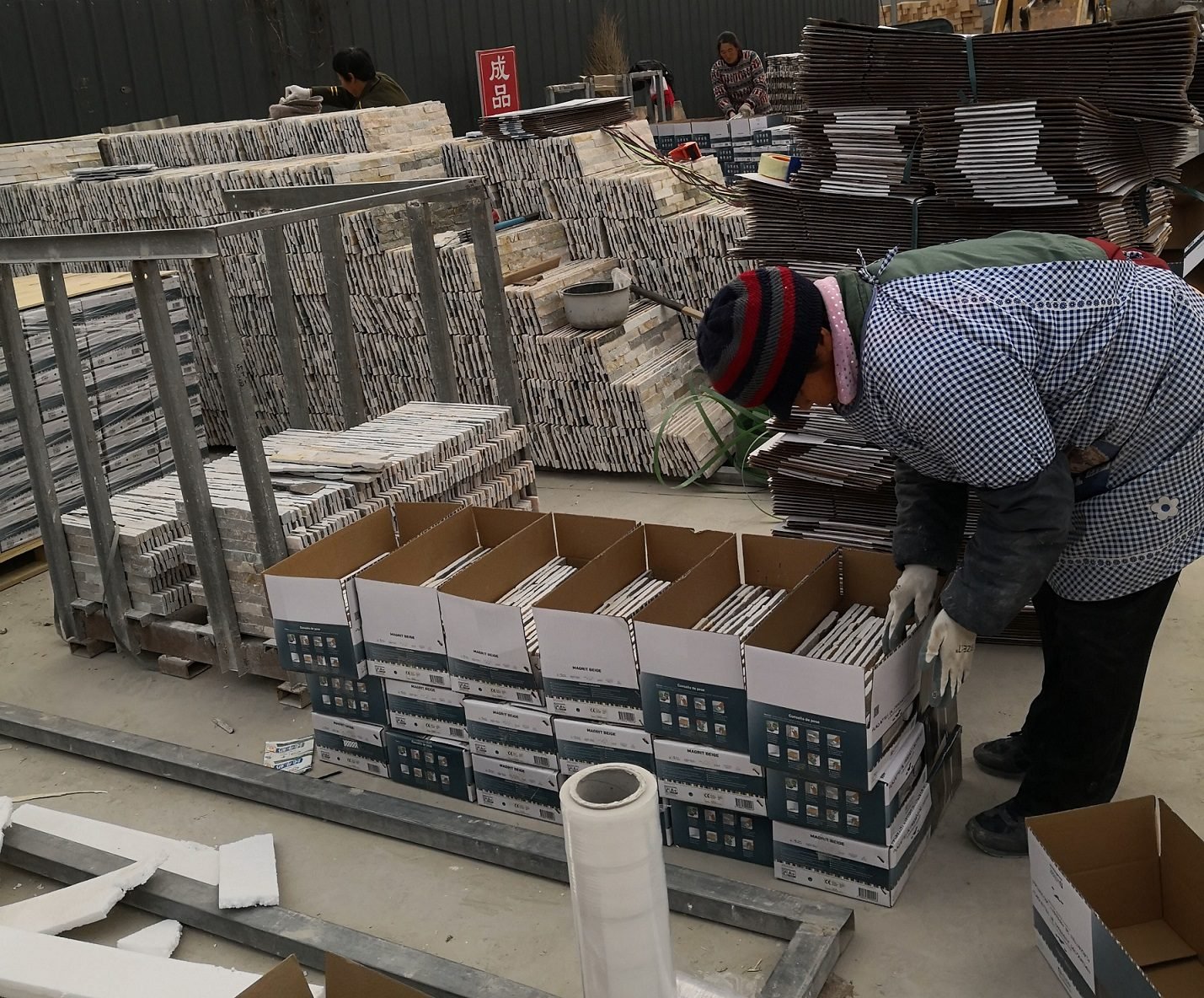
Ask how a container is traced back to its source material. A workable answer includes tags or codes on blocks, a link between those codes and the production lot, and paperwork (packing list, COO, inspection records) that follows the shipment. The best factories can show you the chain: this block came from this bench, this lot was cut from these blocks, this QC check was performed at this stage. That chain is what a distributor can later show a customer who asks where the stone came from.
For distributors selling quarry-direct sourcing, this is not a nice-to-have, it is the product. If you cannot trace a pallet back to a block, you cannot answer the customer who asks, and the story falls apart at the first audit or the first complaint. Our quarry-to-panel traceability guide walks through the record chain that makes the claim verifiable downstream.
Traceability also overlaps with documentation that ships with the container. A supplier that can produce a complete export document set with traceable origins is operating at a level that protects you at customs and in front of your own customers, not just at the quarry gate.
8. The Quarry-to-Factory Pipeline Check
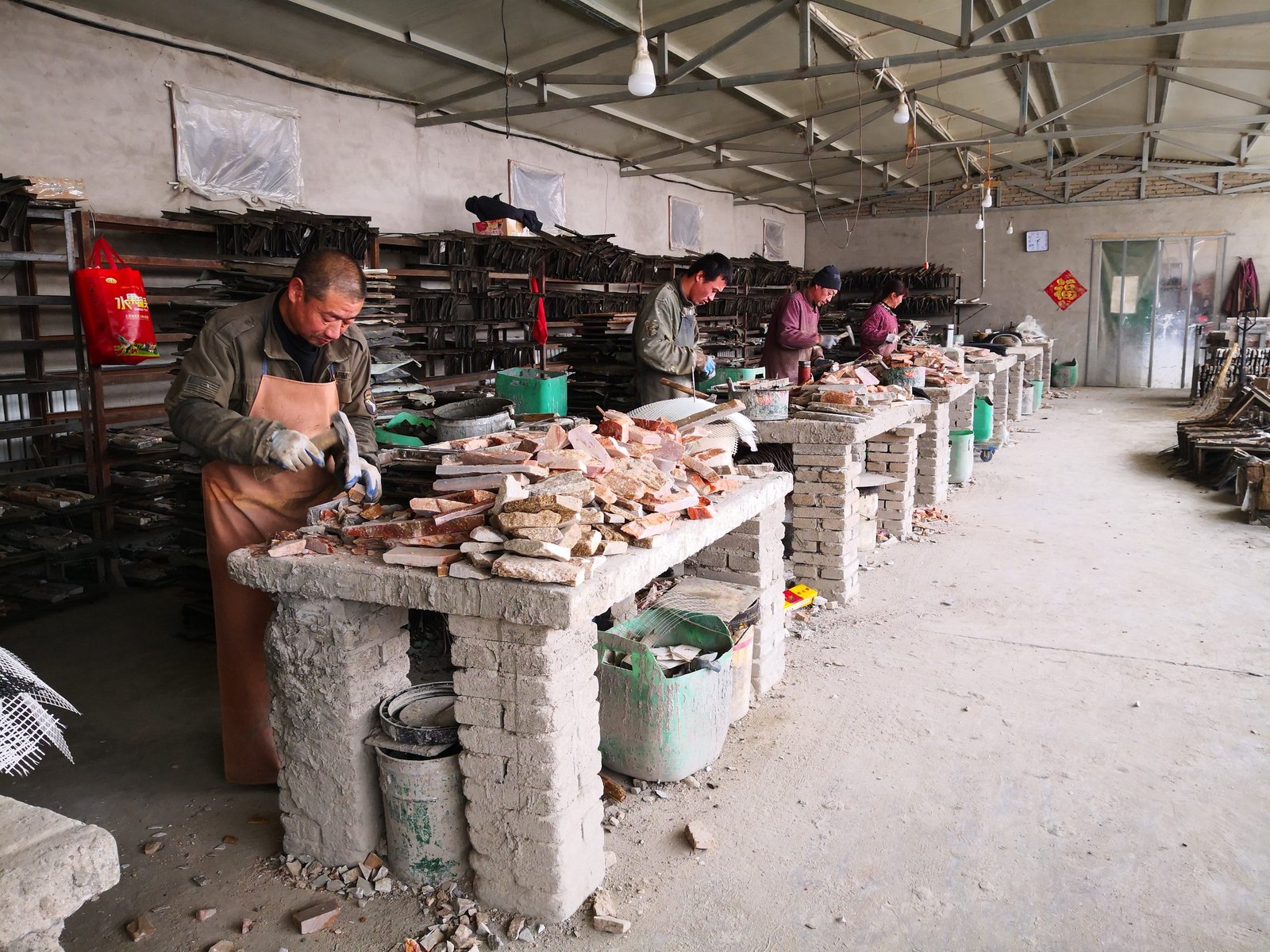
Most buyers visit a quarry or a factory; the sharper ones look at the pipeline between the two. The quarry is the source, the factory is the process, and the hand-off is where quality control is won or lost. A day on site should include seeing how blocks arrive at the cutting line, not just how they come out of the mountain.
- Block selection at infeed: does the factory re-check blocks against the target vein family before cutting, or does whatever arrives get cut?
- Splitting and cutting: is the split face consistent with the approved finish, and is the cut line calibrated for the panel thickness spec?
- In-process checks: where in the line does someone confirm color, thickness, and backing against the current order?
- Batch separation: are lots kept separate so a reorder can be matched to its own vein family, or do lots mingle in the yard?
- Pre-shipment check: what happens before the container loads, and can you see the file for your order?
This pipeline check connects the quarry questions to the container outcome. A factory that runs batch separation and three-step QC (selection, processing, pre-shipment check) can explain what happens to your blocks from the moment they leave the deposit. The factory side of this process has its own documentation; our three-step quality control guide describes the checks a panel passes between quarry and carton.
The pipeline is also where you verify the factory audit, if you do one. A factory audit and a quarry visit are complementary: the audit checks systems and records, the quarry visit checks the raw material truth behind them. Buyers who run both get the whole picture; our supplier verification guide covers the audit-side checklist that pairs with this quarry visit.
9. Red Flags and Follow-Up
Some answers on a quarry visit are disqualifiers regardless of price. Memory-check this list on the ride back:
- Vague ownership: “we buy from several sources” without a clear primary deposit is a supply-stability risk.
- No reserves conversation: a quarry that cannot talk in years of remaining workable stone is planning month to month.
- Mixed material: blocks from several deposits on one yard without separation codes means your color range will be wider than a distributor can sell.
- No vein mapping: if the supplier cannot show which zone your sample came from, batch color control is a guess.
- Paperwork gaps: an operator that cannot produce license, export, or compliance documents on request is exposing you to customs and audit risk.
- Over-polished tours: a quarry visit that skips the face, the reject pile, or the infeed line is a marketing event, not a supply-chain check.
Follow-up matters as much as the visit. A supplier that answers on-site and then fails to send the promised documents in writing is telling you what to expect after the contract, too. Send the quarry a written summary of what you saw and what you agreed, ask for the documents in writing, and put the key commitments (vein family, block selection, traceability codes) into the PO language. The visit only pays off if the follow-up records it.
Inside the buy, connect the on-site evidence to the container terms. If the quarry is strong on vein control but the factory delivery window is long, plan your reorders around the standard production calendar rather than asking for magic dates. When the pipeline is solid, the lead-time math is predictable; when it is not, every order is a reopening of negotiations.
FAQ
What should you ask when visiting a stone quarry?
Ask about ownership and remaining reserves, which vein family your color comes from, typical block sizes and yield, extraction methods, and how the quarry feeds the factory’s cutting line with a batch-control system.
Why do buyers visit stone quarries before ordering?
A quarry visit verifies supply stability, color control, and traceability on-site, the three things that determine whether repeat containers will match the approved sample and keep arriving on schedule.
How does a quarry visit help with color consistency?
You see which part of the deposit your color is cut from, whether the vein family is stable, and how the factory separates blocks so the next production run matches the approved sample instead of drifting.
What are red flags at a stone quarry?
Spot-bought blocks with no documented source, vague answers about reserves, mixed material from several deposits, no vein-mapping process, and missing license or export paperwork are the main disqualifiers.
How does a quarry connect to the factory?
The quarry feeds the cutting line with blocks from a chosen vein family. The hand-off runs through block selection, in-process checks, and a pre-shipment check, which turns a mountain into a repeatable product line.
Is a quarry visit worth it for a container-sized order?
Yes. The visit cost is small next to a container or a reorder mismatch, and the on-site answers on reserves, vein control, and traceability protect every order that follows the first one.
Conclusion
A stone quarry visit is a supply-chain audit with better shoes. Ask who owns the deposit and how long it will last, which vein family your color comes from, what blocks and yield the cutting line expects, and how a panel in a container traces back to a bench on the mountain. The answers separate quarry-direct suppliers from stone resellers with a nice yard, and they protect every reorder after the first container.
Key Takeaways
- Confirm ownership, remaining reserves, and quarry-to-factory logistics before you commit a container order.
- Verify the vein family behind your color at the face and the batch-selection process that keeps reorders on it.
- Ask about block size, yield, and waste handling to understand the real cost per square meter.
- Check traceability from bench to container so quarry-direct claims have documentation behind them.
- Pair the quarry visit with a factory audit and write the on-site commitments into the PO.
Planning a sourcing trip or a first container? Top Stone Panels operates its own quarry in Yixian County, Hebei, and runs batch-specific vein selection through three-step QC before panels ship from Tianjin Xingang. Ask us for a factory tour or a virtual walk-through of the quarry, and we will show you the deposit behind the panel.