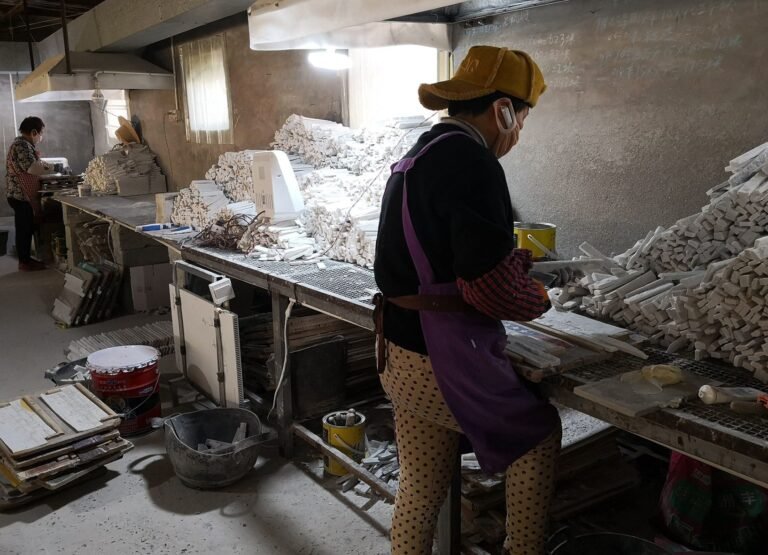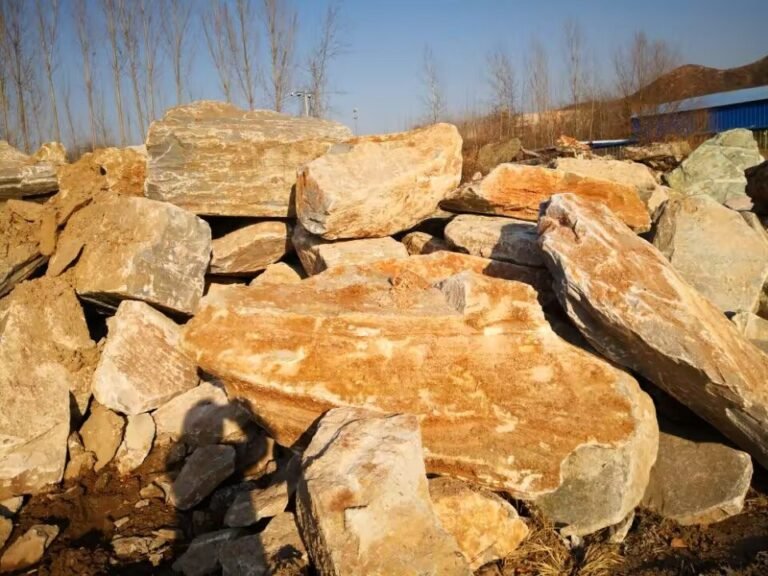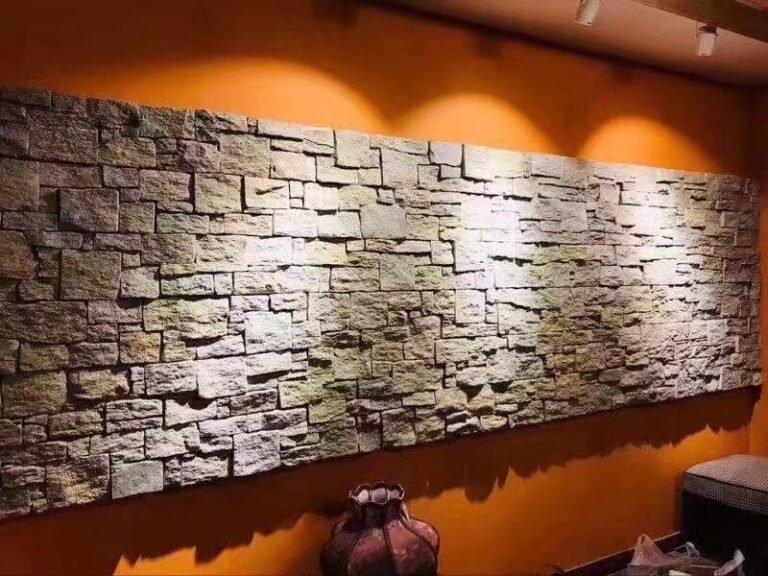
Every few years the stone trade re-arranges itself around a single question, and the current version of that question is where in the chain a buyer should actually sit. Distributors, facade contractors and landscape merchants in North America, Europe and Australia have been shortening their chains, moving away from stacked import warehouses and multi-layer trading arrangements toward producers who cut their own stone from a source they control. The move is usually described as a cost play, and it is one, but describing it that way misses the more interesting half: buyers going upstream are mostly buying control over the three things that cost them the most money and cause the most arguments, which are colour and thickness consistency, breakage in transit, and who owns the specification.
This article sets out why that pull is strengthening, what quarry-direct genuinely delivers, what it conspicuously fails to deliver, how the economics show up line by line, and how a buyer tests an upstream claim in a market where the phrase is printed on plenty of websites that have never broken a block. The regional industry comparison, the traceability and environmental argument and the trade statistics all have their own treatments on this site and are linked rather than repeated here.
- Going upstream is a control decision first and a price decision second: vein, packing, specification and lead-time truth all sit with the producer, not the trader.
- Three cost lines move: site waste and labour from inconsistency, breakage and claims in transit, and freight per square metre where the producer engineers it at source.
- Three cost lines do not move: ocean freight rates, duty and clearance, and your own inspection and logistics management.
- A shorter chain concentrates risk on one source and transfers coordination work to the buyer, so it suits repeat volumes and penalises one-off project buying.
- Upstream claims are testable with evidence only production can generate: named vein, sort records, a DFM and loading calculation, a reverse-analysis match sample, and a completed export file.
- The right question is not “how far upstream can I go” but “how much of my cost is decided before the stone leaves the source”.
- Where Upstream Sits in a Stone Chain
- Why the Pull Is Strengthening
- What Going Upstream Actually Delivers
- What It Does Not Deliver
- The Economics, Cost Line by Cost Line
- The Risk That Comes With a Short Chain
- Testing an Upstream Claim
- Who Should Not Go Quarry-Direct
- Choosing Your Chain Depth
- Frequently Asked Questions
- Conclusion
Where Upstream Sits in a Stone Chain
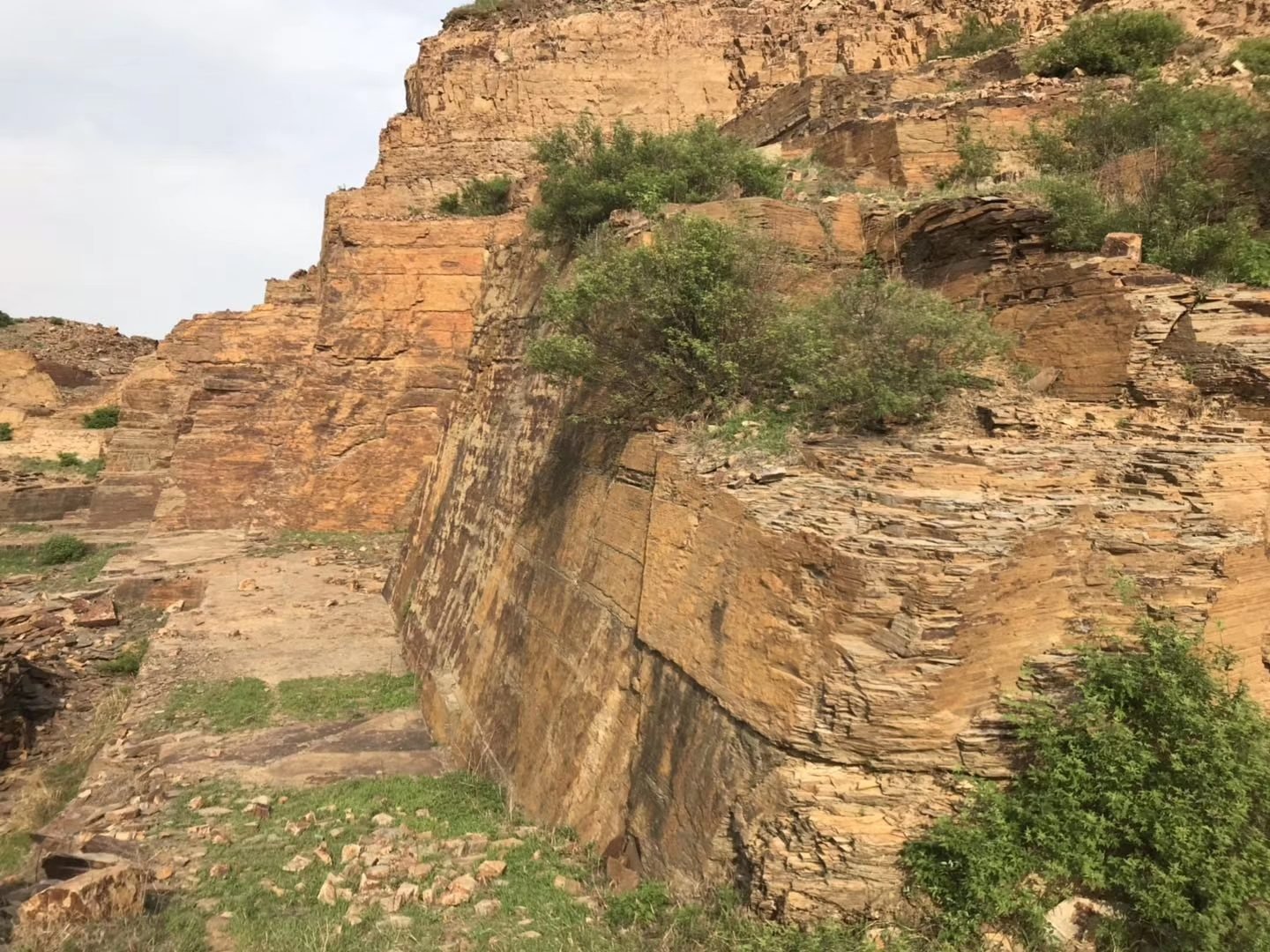
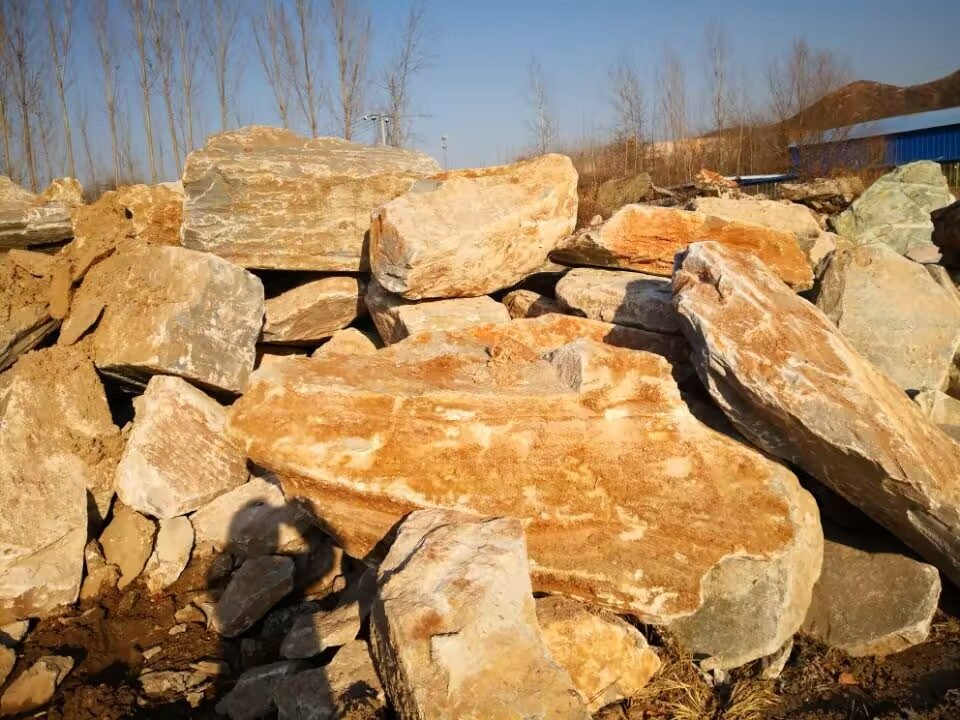
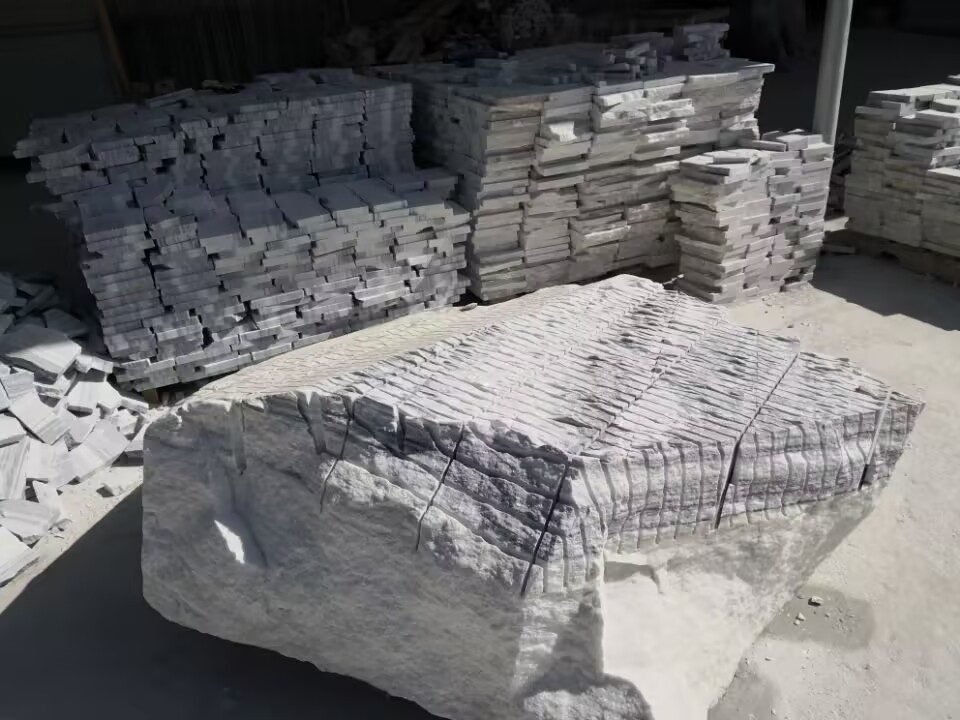
A natural stone cladding chain has roughly six positions a buyer can occupy, and each has a different cost and information profile. At the far end sits the block in the ground. Behind it comes the quarry and primary cutting operation, where vein selection, thickness and format are decided. Then the manufacture of assembled product: bonded panels, corners, mesh-backed paving. Then the exporter or trading layer, which may or may not be the producer. Then the import warehouse, which holds stock and breaks bulk. Then the distributor or contractor who sells and installs. A buyer purchasing from a position where the same company owns the source and the cutting line is buying upstream, and the difference is not primarily the invoice: it is that the decisions that determine what arrives were made in the same building.
The practical consequence is information quality. Every hand in a chain adds a layer of description between the buyer and the process, and by the third or fourth layer, the answers to the questions that actually matter, which seam, which batch, how it was strapped, what the thickness tolerance was measured at, are opinions rather than records. The channels a B2B stone buyer can use are catalogued elsewhere on this site; what is new in the current market is not the existence of those channels but how far along them buyers are willing to travel themselves.
Why the Pull Is Strengthening
Five pressures explain most of the movement, and none of them is a fashion.
- Variance costs more than it used to. Labour on site is the line a contractor cannot renegotiate, and a wall whose depth and tone wander is a wall that eats fitting hours. Consistency is therefore a purchasing criterion rather than a quality nicety, and consistency is a property of vein selection and sorting, which happen at source. For split-face loose stone, hand-sorting against a single quarry vein is what holds natural colour transition at 95 percent or better, and a buyer who is not buying from the sorter is buying an expectation instead.
- Freight broke things, and claims taught people. Stone is heavy and brittle, and the difference between a pallet that arrives intact and one that arrives as aggregate is crate design, strapping passes and how the container load is secured. Read the mechanics in zero-breakage container packaging and the aftermath in damaged stone shipment claims; buyers who have settled one of those disputes stop buying from whoever has a warehouse and start buying from whoever controls the packing bench.
- Margin compression pushed distributors to look at landed cost rather than unit price. The arithmetic of a delivered square metre, including freight, duty, wastage and claims, is laid out in the natural stone cladding cost breakdown, and it routinely shows that the cheapest per-square-metre quotation is not the cheapest square metre.
- Specification and branding became a competitive weapon. Distributors want their own colour mixes, formats and carton print, and only a producer can hold those definitions on file and reproduce them; the mechanism is the custom colour-mix and OEM process.
- Buyers want to know where material came from. That demand has its own traceability and environmental treatments, which are covered in quarry-to-panel traceability and sustainable quarrying and EIA, so it is only named here as one of five drivers rather than argued again.
What Going Upstream Actually Delivers
Four things, and it is worth being precise about each because the marketing version of this trend blurs them into “better and cheaper”.
Decisions instead of descriptions. Buying upstream means the buyer’s drawing is read by the people who cut the stone. New custom work is assessed for manufacturability and for how it will load, including a calculation of square metres per 20GP and weight per square metre before the price is meaningful. That is a different conversation from asking a warehouse whether it has something similar in stock.
Repeatability across years. A project that runs over three phases fails on colour far more often than on anything else, and the fix is a supplier that can name the vein and hold the definition. Where an existing wall has to be extended, the upstream route can put a physical piece under a microscope for about 3 working days, reverse-analyse vein density, cutting tolerance and backing, and issue a 1:1 sample. Nobody downstream of the producer can do that.
Engineered freight. Weight and thickness are manufacturing choices that show up on the freight line. Cutting an ultra-thin 36x10cm format lowers weight per square metre and raises the coverage a 20GP can carry, which is a landed-cost improvement rather than a price discount; the container economics behind it are worked through in 20GP versus 40HQ loading for stone.
Assembly-level product development. Pre-made corner pieces, interlocking cement-backed panels and column kits are products that only exist because a producer decided to manufacture the labour saving rather than leave it on site: finished corners remove the 45-degree mitre cut, roughly 20 percent of material waste and more than 50 percent of corner labour. That kind of innovation is a supply-side phenomenon, and a buyer purchasing through a warehouse is buying whatever the upstream somebody decided to make.
What It Does Not Deliver
The honest ledger matters more than the pitch, because a buyer who goes upstream expecting universal savings arrives at a dispute with their own purchasing department. Quarry-direct does not change ocean freight rates, which are set by the lane and the schedule rather than by your supplier’s goodwill. It does not change duty, clearance or the paperwork burden at destination, though it does make the declaration cleaner when the producer knows what it is shipping under, slate at 6803.00.90 and quartzite at 6802.93.11, as set out in the stone cladding HS code guide. It does not remove the need for inspection, and it does not make small quantities cheap: an upstream order at project volume is a container conversation, which is why minimum-order and mixed-container logic in MOQ and container mixing is the first test of whether a buyer is ready for this channel at all.
It also does not usually improve breadth. A quarry-owning producer is deep in the material it cuts and thin in everything else, so a buyer who needs slate, sandstone, porcelain, fixtures and timber in one delivery will find a distributor or buying agent more practical, and should be honest about that trade-off rather than ideological about vertical integration. The useful test of depth versus breadth is the supplier’s own catalogue: if the product lines a source factory lists are all cut from one mineral family and its neighbours, that is a producer telling you honestly where its strength sits.
The Economics, Cost Line by Cost Line
The argument is best made as a table rather than as a slogan, because the interesting question is which line moves and by what mechanism. The FOB number itself is decomposed elsewhere on this site in how quarries set FOB prices and in the seven factors behind a quote; what follows is the chain-length view.
| Cost line | Does going upstream move it? | Mechanism |
|---|---|---|
| Product price at source | Sometimes | Fewer hands taking a margin, offset by taking volume and payment terms you previously did not have to carry |
| Freight per square metre | Yes, engineerably | Thickness and weight control raise coverage per container; loading plans are made by the party doing the packing |
| Breakage and claims | Yes | Crate design, strapping passes, airbag work and video evidence are set at the packing bench |
| Site labour and waste | Yes | Tolerance consistency, finished corners and interlocking formats remove cutting and fitting time |
| Reorder and sampling cost | Yes, over time | Vein, mix and artwork definitions on file mean repeats do not restart setup |
| Ocean freight rates and duty | No | Set by the lane, the carrier and the tariff schedule, not by the source |
| Your own coordination cost | No, it rises | Planning, inspection, terms and dispute handling move onto your desk from the intermediary you removed |
The Risk That Comes With a Short Chain
Removing intermediaries removes their services as well as their margin, and a serious buyer counts both. Three exposures arrive with the move upstream. The first is concentration: a single producer is a single point of failure for vein, capacity and cash-flow problems, and the mitigation is contractual rather than purchasing, which is what a written service level is for, as discussed in writing an SLA for stone orders. The second is financial structure: buying direct usually means taking deposit and balance terms and managing currency exposure yourself, and the mechanics are in T/T against L/C at sight and currency risk on import payments. A standard 30 percent deposit with 70 percent released after reviewing the loading layout and video is a workable rhythm only if the buyer treats that review as a real control point rather than a formality.
The third exposure is quality ownership. Upstream, nobody between you and the quarry is going to catch a bad pallet, so inspection becomes a purchasing function: the three-step factory QC is worth mirroring with your own check, described in the three-step thickness and QC process and in third-party inspection. The distributors who get the best out of a quarry-direct relationship are, without exception, the ones who invested in reading a test report and photographing a container, and who therefore treat the shorter chain as more process, not less.
Testing an Upstream Claim
Any business can describe itself as a source factory, so the test has to be evidence that only production can generate. Five checks separate the two, and all five can be requested in an email before a trip is booked.
- Name the material. Ask which vein or seam a colour comes from and what the last three batches looked like. A producer answers in specifics; a reseller answers in adjectives. The mechanism worth hearing is batch-specific vein selection explained as a process, including what happens when a vein runs out.
- Ask for a buildability answer. Send a drawing with formats and quantities and ask for a manufacturability and loading assessment. A source operation will return a DFM view and a square-metres-per-container calculation; a trading house will return a price.
- Ask for a match. Send a physical piece and see whether a 1:1 reverse-analysis sample arrives. This is the single most discriminating request in the catalogue, because it requires a laboratory and a cutting line.
- Ask for throughput. Container volume per year, the repeat product mix and the season profile are the operating numbers behind any lead-time promise, and a site exporting above 220 containers annually with samples out in 1 to 3 working days, an in-stock path near 20 working days and a first custom batch at 25 to 30 is describing a schedule with room in it. Regional context on where that capacity sits is in Hebei versus Fujian stone industries.
- Check the story against public trade data. Customs flows by HS code are openly queryable, and the buyer-side walkthrough of what to look for is in global stone trade data; platforms such as Trade Map let you test whether the volumes a supplier describes are the shape of its business at all. Do not accept a claim about being upstream that no record can corroborate.
Who Should Not Go Quarry-Direct
The channel is wrong for three buyer profiles, and admitting that early saves a bad first order. Small merchants whose value is assortment rather than depth should buy from an import warehouse that has already done the container, because a quarry conversation is a container conversation. One-off project buyers with no repeat volume have no definition to hold on file and no vein to protect, so they are paying for a capability they will use once, and a distributor’s stock is the better instrument. And any organisation without someone who can inspect, read a report and manage a shipment will find that the savings upstream are consumed by the cost of their own learning curve, which is the unglamorous argument in favour of a distributor’s margin.
For the profile the channel does suit, the path in is orderly rather than dramatic: prove the material with samples, put one container on trial terms, inspect it, and only then move the definition of a repeat into an OEM file. Aiming at a long-term relationship rather than at a single cheap shipment is also the difference between being a customer worth scheduling and being an order that loses to one, a point worth reading alongside becoming a distributor and the margins involved and scaling a stone distribution business.
Choosing Your Chain Depth
Chain depth is a decision about which processes you want to be able to influence, and the table below is the practical version of that question.
| Buyer situation | Right depth | Why |
|---|---|---|
| Repeat volume, own brand, multi-phase projects | Quarry-owning producer | Vein, mix, artwork and packing definitions must be reproducible on file |
| Project with a tight schedule, standard product | Producer’s in-stock path or a well-stocked distributor | The scarce resource is calendar, not specification control |
| Assortment-led merchant, small lots | Import warehouse or distributor | Bulk-breaking and mixed loads are the value being bought |
| New entrant without inspection capability | Distributor first, producer at the second or third order | Quality ownership has to be built before it is taken |
Frequently Asked Questions
What is quarry-direct sourcing for stone buyers?
Buying from a producer that controls its own stone source and its own cutting line, instead of buying through traders, block markets or import warehouses several steps downstream.
Why are B2B buyers moving upstream?
Because the three things that cost them most money, colour and thickness variance, freight breakage and repeated margin compression, are all decided by processes that only a quarry-owning producer controls.
Is quarry-direct always cheaper?
No. It moves the cost lines that sit inside the producer’s control, such as waste, breakage, freight per square metre and site labour, but it does not move ocean freight rates, duties or the cost of your own inspection, and it concentrates supply risk on one source.
How do you verify a supplier is genuinely upstream?
Ask for evidence that only production can give: the vein a colour comes from, batch and sort records, a DFM or loading-rate calculation for your drawing, a reverse-analysis match sample, and a completed export file under your destination’s HS declarations.
Which buyers should not go quarry-direct?
Small buyers who need to mix many products in one container, one-off project purchasers with no repeat volume, and anyone without the ability to inspect and manage a shipment themselves should stay on a shorter-warehouse or distributor channel.
Conclusion
The move upstream is not a taste for vertical integration; it is arithmetic. Variance, breakage and site labour are decided before a container is booked, so buyers who want those numbers to change have to buy where those decisions are made, and the producers who can name a vein, engineer a load, produce a match sample and hold a definition on file are the ones who get the repeat business. What quarry-direct does not do is remove freight rates, duty, or the work of inspecting and coordinating a shipment, and it concentrates supply on one source, which is why the buyers who benefit are the ones with volume, a specification worth owning and someone to check the container.
- Buy upstream where your costs are decided: vein and tolerance for consistency, packing for breakage, format engineering for freight per square metre.
- Do not expect the ocean lane, the tariff schedule or your own coordination cost to change because the supplier is closer to the rock.
- Test upstream claims with production-only evidence: named vein, sort records, DFM and loading calculations, reverse-analysis match samples, corroborable export volumes.
- Match the channel to the profile: repeat volume suits source buying, assortment and one-off projects do not.
- Build quality ownership before you take it, then protect the relationship with written terms rather than with hope.
Sourcing from a producer with its own quarry, and wanting to know which of your cost lines can actually be moved? Send the specification, the drawing and a sample piece to the Top Stone Panels team and we will tell you what we can cut, what we can hold on file for your repeat orders, and what neither of us can change.