The number importers argue about is the freight rate. The number that actually moves their landed cost is the exchange rate on the day the balance is released, and it is almost never discussed in the same conversation. On a standard stone order, 30% of the invoice is paid at purchase order and 70% is paid weeks later, before shipment. That second payment is a bet on a rate, placed at the moment you sign the first one.
This guide puts the exposure in writing. It covers what one real fixing day did to the currencies stone buyers actually invoice in, why the payment schedule rather than the freight line creates the risk, and which four tools remove it. None of them needs a treasury department. All rate figures come from the published yuan reference rate for 30 September 2026, and every percentage shown is arithmetic on that published data.
- A stone order fixes the rate twice: a 30% deposit at order and a 70% balance before shipment, roughly 20 working days apart.
- Only the balance is exposed once the deposit clears, so a 2% adverse move costs 1.4% of invoice value, not 2%.
- In the 30 September 2026 yuan fixing, every quoted currency weakened against the yuan: USD/CNY by 60 basis points (0.089%), AUD/CNY by 238 and NZD/CNY by 201.
- Currency choice is a real lever: same-day moves differed by roughly six times across the sourcing currencies.
- Incoterms widen or narrow exposure by deciding what sits inside the invoice: FOB, CIF and DDP change the amount, not the rate.
- The cheapest first hedge is a quote written in the currency you already hold, with payment dates fixed in the proforma.
The Schedule Creates the Exposure
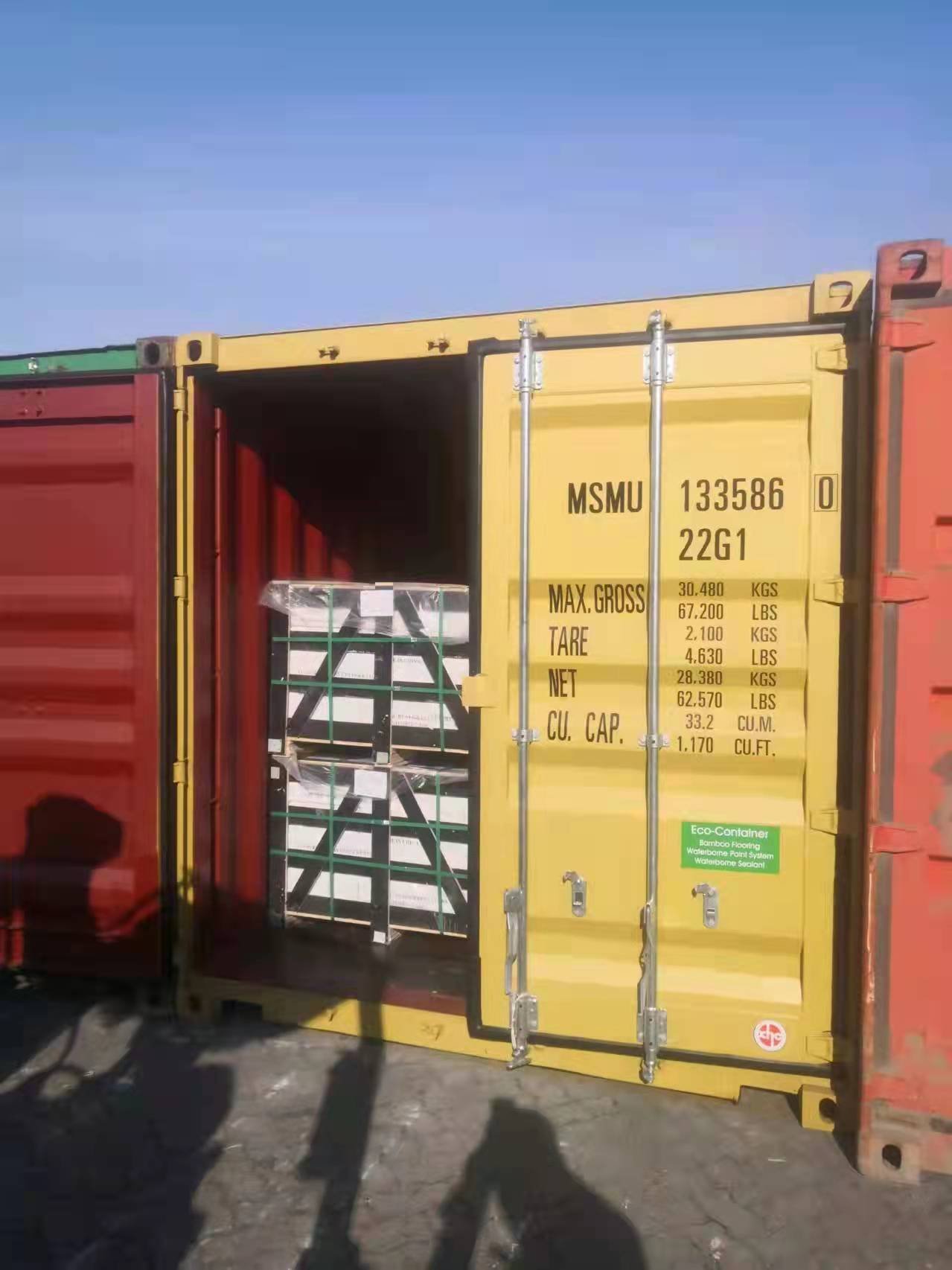
Most stone purchases are settled on the same two-stage structure: a 30% T/T advance to open production and a 70% balance released before shipment. The balance is not released on a whim. Our factory releases it against a loading video and a high-resolution layout photo of the actual run, which is the buyer’s inspection step, and that sequence is what sets the payment date.
Between those two dates sits the production window. Stock mass production runs about 20 working days from Tianjin Xingang. A first order with custom printed cartons runs 25 to 30 working days. Four to six weeks, in other words, during which the deposit is already converted at the rate of the day and the balance is still floating.
That asymmetry is the whole exposure. If the yuan strengthens across the production window, the factory’s cost base rises against a foreign-currency quote and re-quoting pressure appears on the next order. If the yuan weakens, a buyer who converted the deposit early has paid more of their own currency than the same invoice would have needed later. The contract does not refund either outcome.
Read the schedule before you read the price. Two quotes that look identical can carry different FX profiles depending on the production lead time behind them, which is why the import timeline breakdown belongs in the same folder as the proforma.
What One Fixing Day Reveals
China Foreign Exchange Trade System publishes the yuan reference rate, the fixing the domestic market is anchored to. The published reference rate file dated 30 September 2026 at 9:15 is a useful snapshot because one session covers every currency stone buyers actually invoice in.
| Pair | Reference Rate | Session Change | Move in Percent |
|---|---|---|---|
| USD/CNY | 6.7351 | -60 bp | 0.089% |
| EUR/CNY | 7.6215 | -279 bp | 0.365% |
| AUD/CNY | 4.6959 | -238 bp | 0.504% |
| NZD/CNY | 3.7899 | -201 bp | 0.528% |
| GBP/CNY | 8.8918 | -254 bp | 0.285% |
| CAD/CNY | 4.7341 | -108 bp | 0.228% |
| SGD/CNY | 5.2607 | -66 bp | 0.125% |
Two things in that table are worth more than any forecast. First, the moves are small in one session, which is why buyers under-react and leave the balance open. Second, they are wildly different between currencies: the New Zealand move was about six times the US move on the same morning, on the same underlying yuan. A distributor invoicing into AUD or NZD carries a materially different daily risk than one invoicing in USD, even when both buy from the same factory.
Direction matters as much as size. Every pair in that table carries a negative session change on 30 September, meaning each foreign currency weakened against the yuan reference. Read from the factory side, that is the exporter’s problem: a cost base in yuan, a quote in a currency that just bought less of it. Read from the buyer side, the exposure appears when your revenue currency and your invoice currency are not the same one. Take an importer selling in New Zealand dollars and paying in US dollars. On that fixing NZD gave up 0.528% against the yuan while USD gave up 0.089%, a cross-currency gap of roughly 0.44% before freight moves at all.
Read as arithmetic, the pattern says something practical. The percentage move is the basis-point change divided by the prior rate. For USD, 0.0060 divided by 6.7411 is 0.089%. For NZD, 0.0201 divided by 3.8100 is 0.528%. Same session, same yuan, roughly six times the exposure. Currency selection is a hedge you can execute for free.
Choose the Invoice Currency on Purpose
Most buyers accept the invoice currency the supplier defaults to. That is the first avoidable mistake. The rule is simple: invoice in the currency your revenue arrives in, so the deal has no conversion inside it.
Match the currency to the sale, not to the quote. A distributor selling in Auckland should push for NZD settlement, or accept AUD and know exactly what that basis risk is. On the 30 September fixing, AUD gave up 0.504% against the yuan and NZD gave up 0.528%, so a New Zealand reseller invoicing in AUD carries a real gap on every container. A European importer with euro receivables should want EUR, where the same fixing moved 0.365%. Every mismatch adds a conversion that nobody priced.
Understand what the supplier is hedging. A Chinese manufacturer’s costs are largely in yuan: quarry blocks, cutting labor, crating, inland haulage to Xingang. When a factory quotes in USD or EUR, it is carrying the conversion risk between quote date and receipt date. That is why a longer validity window on a foreign-currency quote usually costs money somewhere, and why a yuan-based quote can sometimes be defended in detail more easily.
Make the currency part of the negotiation. The quote is a bundle of decisions about weight, format, backing and packaging, and currency is one of them. The seven factors that shape an FOB number are covered in the stone cladding cost breakdown; treat the settlement currency as an eighth line rather than a formality.
Four Ways to Remove the Move
Four tools cover what a mid-size stone importer can actually execute. They are listed in ascending order of effort, and we would work them in that order.
1. Align the invoice currency. Free, immediate, and the single highest-value change available. If your receivables and your payable sit in the same currency, the rate stops mattering entirely. This is not a hedge in the technical sense; it removes the exposure rather than offsetting it, which is strictly better.
2. Compress the exposure window on the balance. The exposure period is the gap between the deposit and the balance. A stock order at about 20 working days carries less open time than a first custom-carton order at 25 to 30 days. Consolidating lines into one container rather than splitting them into two sequential orders removes a second floating payment date as well. The container-mix ordering guide covers how to combine product lines in one load.
3. Fix the payment structure deliberately. Standard terms are 30/70. A larger deposit converts more of the order at today’s rate and shrinks the open balance. A smaller deposit does the opposite. The gap between the two structures is one day’s move on the portion you chose to leave floating. Treat it as a financing decision and run it against your cost of capital, not against the supplier’s preference. The structural options, including LC at sight versus T/T, are compared in the payment terms guide.
4. Buy the exposure away with a forward contract. A forward fixes an exchange rate today for a payment that settles on a known future date. It is the right instrument only when three conditions hold at once. The invoice currency must differ from the currency your revenue arrives in. The balance must be large enough that a move of the size in the table above, between 0.089% and 0.528% in one session, changes the margin on the deal. And the payment date must be firm enough to contract against. If any of the three fails, the forward costs money to hedge a risk you do not really have.
One honest caveat on forwards. They remove the downside and the upside in the same stroke. A buyer who forwards the balance and then watches the yuan move in their favor has no gain to show for it, only a saved loss nobody notices. That asymmetry is exactly why currency discipline at quote stage beats remedial hedging at payment stage.
Send the target market, the annual volume and the formats you plan to stock. The export team returns a quote with the currency, the deposit and balance amounts, and both payment dates written into the proforma.
Explore Our Stacked Stone Range -> | FOB, EXW, CIF and DDP via Xingang | 30/70 terms with layout photo release | 1 to 3 day samples
Incoterms Change the Exposed Amount
Incoterms decide who pays for freight, insurance and the point where risk transfers. They do not decide the exchange rate. What they do decide is how much money sits inside the invoice you are converting, and that is where the FX argument sneaks back in.
A buyer on FOB terms from Tianjin Xingang converts the goods value of the panels, such as a stacked stone ledger order, plus local charges: ocean freight, insurance, duty, inland delivery. A buyer on CIF or DDP converts a larger invoice that already includes freight and, under DDP, destination costs. Same container, same goods, different exposed principal.
That distinction matters twice over. First, a bigger invoice means a bigger absolute number attached to the same percentage move. Second, freight is itself priced in a currency that shifts with fuel and route markets, so a DDP quote bundles two moving inputs into one conversion. The trade-offs between origin and delivered terms are laid out in the FOB versus CIF comparison.
| Term | Inside the Invoice | Effect on Exposure |
|---|---|---|
| EXW or FOB | Goods value only | Smallest floating principal |
| CFR or CIF | Goods plus ocean freight and, on CIF, insurance | Larger principal, one conversion |
| DAP or DDP | Goods, freight, destination costs, duty on DDP | Largest principal, two moving inputs |
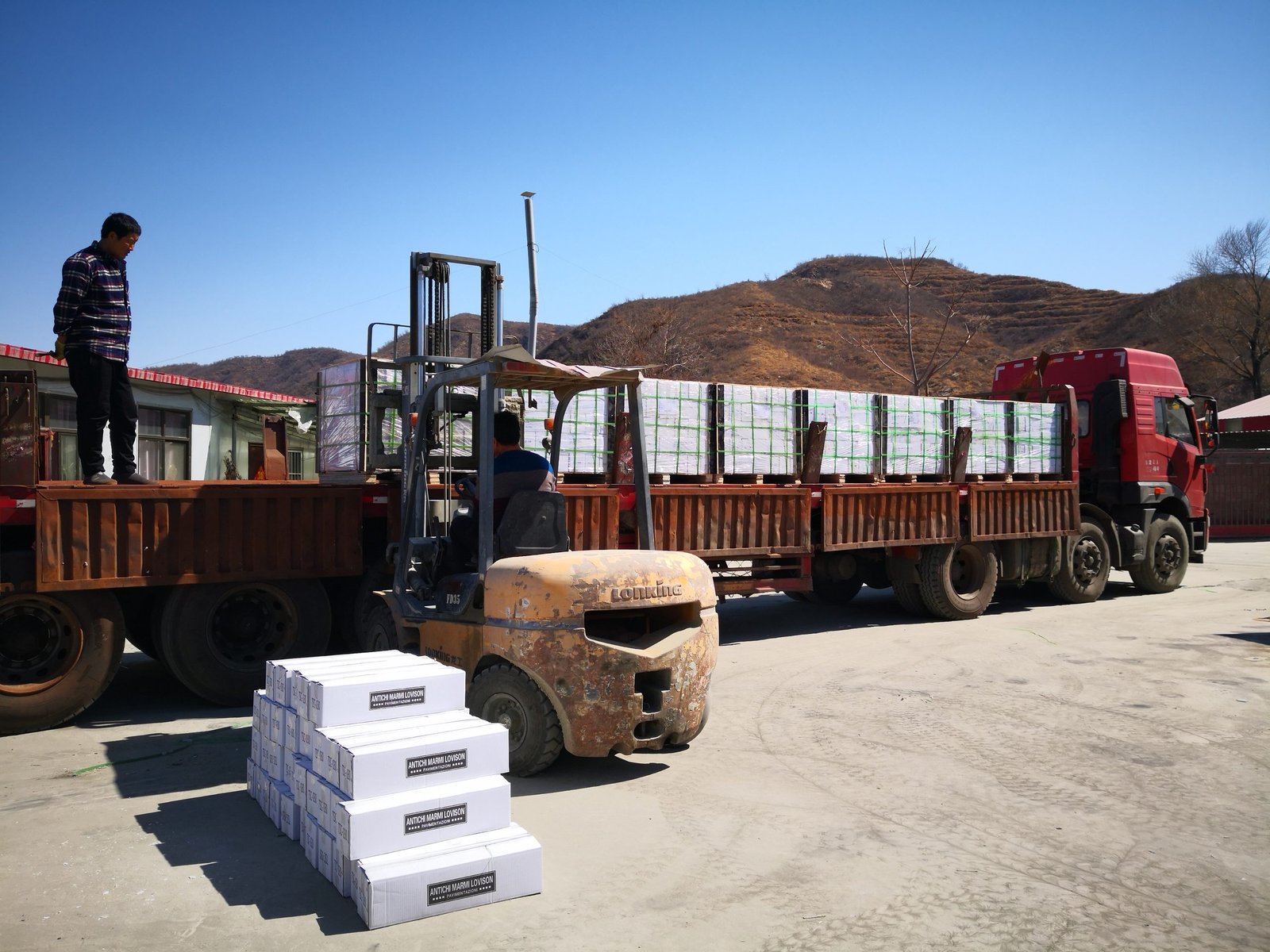
Practical rule: if you want the smallest floating principal, buy the goods on FOB and control the freight yourself. If you want the simplest cash flow, take CIF and accept a larger FX exposure in exchange for fewer moving parts. The size of that difference is the freight share of your invoice. Add freight and insurance worth 10% of goods value, and the same percentage rate move now costs 10% more in dollars than it would on an FOB invoice for the same goods.
The Evidence Gate Sets Your End Date
Most importers treat the balance date as the supplier’s decision. On a stone order it is not. The balance is released against evidence, so the exposure window ends when both sides finish their part of the inspection step.
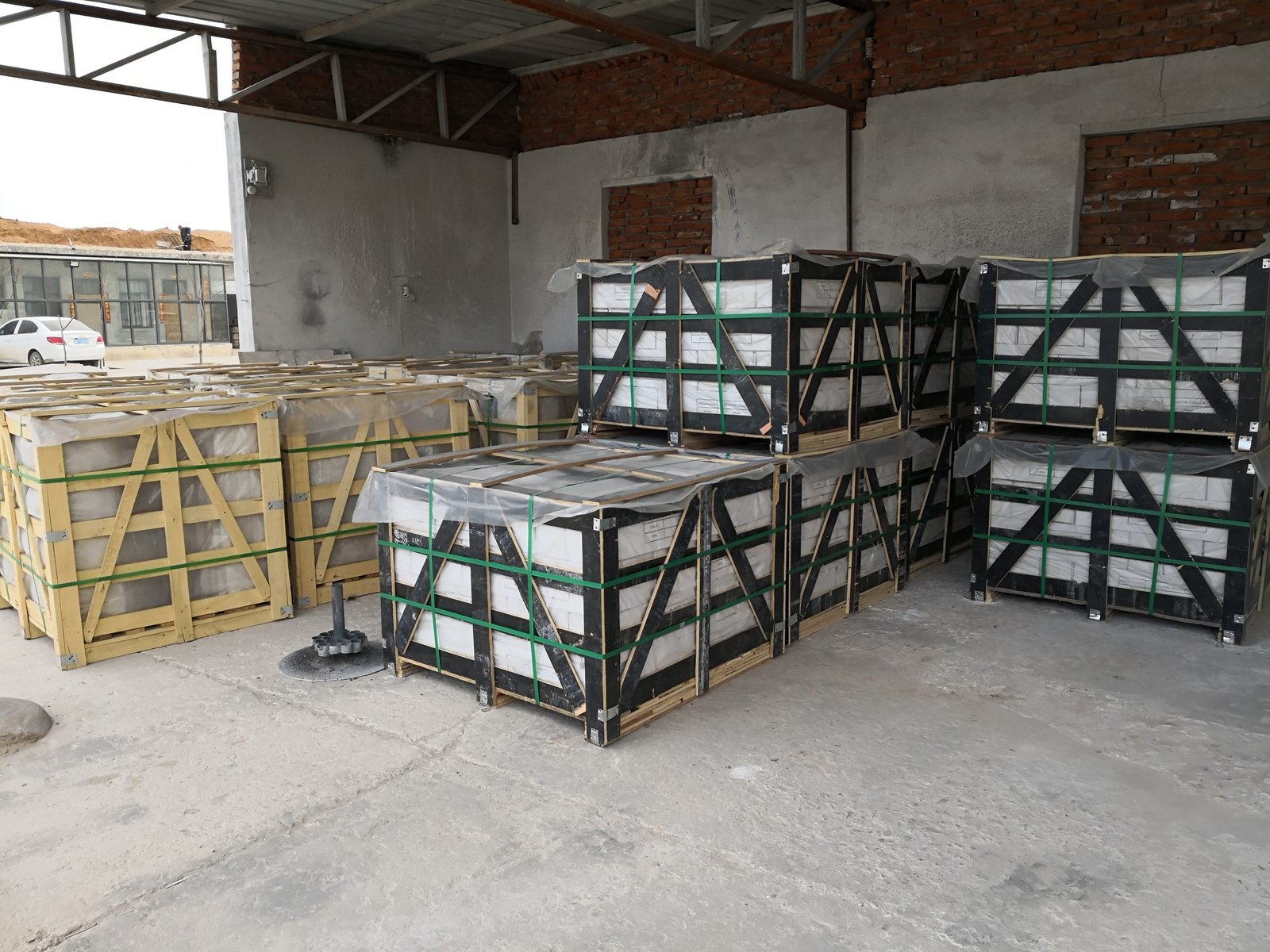
Two deliverables close it. A high-resolution layout photo of the actual production run shows color transition, profile and joint behavior across the batch that has already been made. A loading video of the container being filled and strapped proves the packing method was followed and dates the load. Neither is a courtesy item; both are the reason the payment can be conditioned at all.
That structure gives the buyer a lever nobody uses. The production window is 20 working days on a stock order and 25 to 30 on a first custom-carton order, and the balance date sits at the end of it. Review the photo package inside a few days and the conversion happens on a date you planned. Sit on it for a week and you have added seven days of exposure to a payment that was already fixed in amount.
The same documents are the audit trail a board or a finance controller asks for, which is why they belong in a diary entry rather than in an inbox thread. Read the whole chain as one timeline before you sign. The money dates and the freight dates do not move together, and the gap between them is where the exposure lives.
A Worked Order Example
Set up the arithmetic with a hypothetical order, because the method matters more than the number. Suppose a buyer’s balance payment is 70,000 US dollars on a 100,000 dollar order, and the deposit was already converted at signing.
Case one: the yuan moves 2% against the buyer between deposit and balance. The exposure sits only on the open 70%, so the added cost is 70,000 multiplied by 2%, or 1,400 dollars. Against the full order that is 1.4% of invoice value, not 2%. Anyone quoting a 2% currency hit on the whole deal is double-counting the deposit.
Case two: the same 2% move on an order placed on CIF instead of FOB. The invoice now carries ocean freight and insurance inside the goods value, so the floating principal is larger and the dollar cost of the identical move is larger in proportion. Same rate, same percentage, more money.
Case three: the buyer sells in Australian dollars and pays in US dollars. Now two currencies move against each other, and the AUD fixing above shows the mechanism: minus 238 basis points in one session, about 0.504%. A four to six week production window can carry many sessions like that one. Be honest about the method, though: multiplying a single published fixing into a forecast is an assumption, not a measurement. Plan for a direction you cannot see rather than predicting one.
The decision that would have removed most of this is not a derivative. It is the choice to invoice in the currency the buyer already receives, and to consolidate the order into one container so a single payment date carries the whole exposure.
Moves That Cost Money for No Reason
Waiting for a better rate before placing the order. This is speculation with a delivery schedule attached. The order timing is usually driven by season, site access and container space, and those rarely align with a rate you liked. Delay the project to catch a rate and you have traded a rate you cannot control for a selling window you cannot recover.
Paying the balance early to beat a move. The balance is released against the loading video and the layout photo. Paying before those arrive removes the buyer’s only inspection lever. A fraction of a percent on the rate is not worth that lever, which is why the release condition sits in the payment terms rather than in courtesy.
Splitting one order into two to smooth cash flow. Two orders mean two deposit dates, two balance dates, and two rate conversions, plus two minimum-order structures. If volume is the constraint, container-mix exists precisely to avoid this.
Treating demurrage as an FX problem. Detention and demurrage charges are a schedule failure, not a currency one, and they get worse when a payment delay holds the documents. They are billed by the carrier and the terminal, not by the exchange, so no hedge touches them.
Hedging before the terms are fixed. A forward written against a soft payment date is a contract against a guess. Fix the dates in the proforma first, then decide whether an instrument is needed at all.
Currency Questions Answered
Which part of a stone order carries currency risk?
The 70% balance, because the 30% deposit is converted on its own payment date. Once the deposit clears, only the open balance still floats against the rate at the release date.
How long is the exposure window on a container order?
Roughly the production period: about 20 working days for stock production, and 25 to 30 working days for a first order with custom printed cartons. Those are the dates a hedge has to cover.
Does the incoterm change my exchange-rate exposure?
It changes the amount, not the rate. CIF and DDP pull ocean freight, insurance and in DDP’s case destination costs inside the invoice, so a bigger share of the total is converted at a single future rate than under FOB.
When is a forward contract worth paying for?
When the invoice currency differs from your revenue currency, when the balance is large enough that the published session moves above change your margin, and when the payment date is firm. Without all three, the premium buys protection you do not need.
Is it better to invoice in USD or in my local currency?
In the currency your customers pay you in. Same-session moves against the yuan differed by roughly six times between USD and NZD in the 30 September 2026 fixing, so the currency choice is a real risk decision, not administrative detail.
Where do I check the yuan reference rate myself?
China Foreign Exchange Trade System publishes the reference rate with a dated timestamp, including the pair-by-pair values and session changes used in this article. Read the published file rather than a chart, because the file carries the date.
Conclusion
Currency risk on a stone import is a scheduling fact, not a market mystery. The deposit is converted on day one. The balance floats for the length of the production window. Everything else, including whether you need a financial instrument at all, follows from those two dates.
Key takeaways:
- Invoice in the currency your revenue arrives in; the 30 September 2026 fixing shows yuan-relative session moves of 0.089% for USD and 0.528% for NZD, so the choice is worth taking.
- Count exposure on the open balance only: 2% on a 70% balance costs 1.4% of invoice value.
- Decide the incoterm as a currency question, because CIF and DDP enlarge the floating principal while FOB leaves it at the goods value.
- Use a forward only when the currency mismatches, the amount is material, and the payment date is fixed in the proforma.
Ready to put dates and currency into the paperwork before you place a container order? Send your target market and volume plan to Top Stone Panels and the export team returns a proforma with the invoice currency, deposit and balance amounts, and both payment dates stated in writing.