The quote that wins the job is rarely the lowest one. It is the one where the numbers hold after the wall is measured, the panels are counted, and the freight lands at the port. Most cladding quotes fail on arithmetic, not on market rates. They miss corners, forget the backer, undercount waste, or apply margin to the material and forget that labor and freight are margins too.
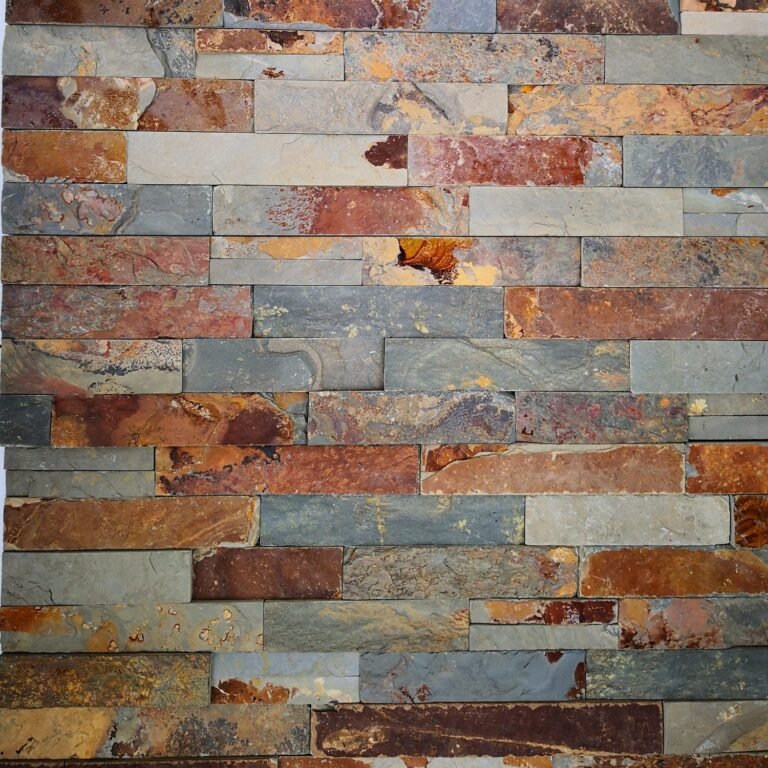
A stone cladding project quote is a line-item build, and the material side is the piece you can actually pin down before the crew arrives. Top Stone Panels supplies factory panel formats in 15x60cm stacked stone, 36x10cm ultra-thin ledgestone, and interlocking z-panels. Each 15x60cm panel covers 0.09 m2, so a square meter takes 11.1 panels before waste. Installed weight runs 35 to 55 kg per square meter, and a 20GP container carries roughly 500 to 530 m2 at about 26.5 metric tons of payload. Build the quote from those numbers and the field stops shrink.
- Quote in line items: area, panel count, corners, accessories, labor, freight, duties, margin. One missed line is where the profit goes.
- 15x60cm stacked stone covers 0.09 m2 per panel, or 11.1 panels per square meter, before a 5 to 10 percent cut allowance.
- Installed weight runs 35 to 55 kg per square meter, so the substrate and anchorage belong in the quote as a real line.
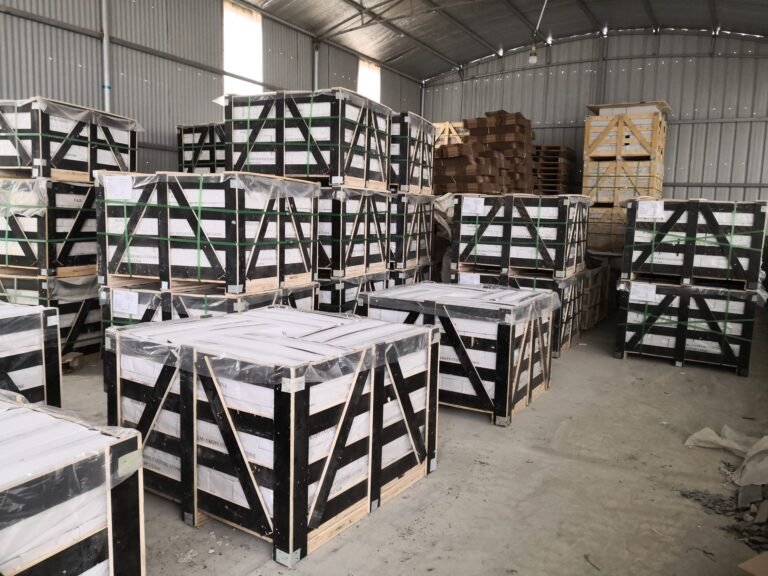
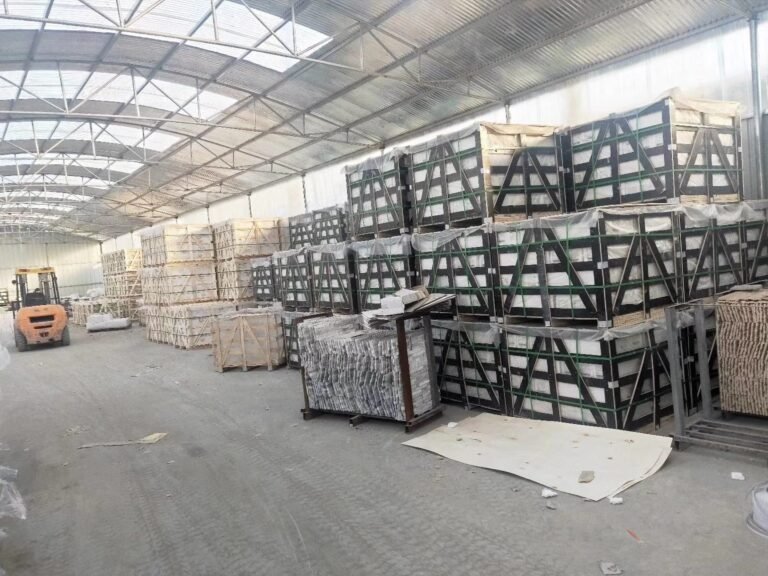
- A 20GP container carries roughly 500 to 530 m2 of stacked stone, which is the buying unit for factory-direct material.
- Factory infrared CNC cutting reduces jobsite loss by about 20 percent, and L-corner sets cut return labor roughly in half.
- Samples ship in 1 to 3 days, production runs 20 to 25 working days, and terms are 30 percent deposit with 70 percent before balance.
- 1. Why Cladding Quotes Come in Wrong
- 2. Measure the Wall Before You Price It
- 3. Panel Coverage Math You Can Quote
- 4. Material Line Items Beyond Panels
- 5. Corners, Trim, and Waste Allowances
- 6. Labor Hours and Crew Setup
- 7. Freight, Duties, and Import Costs
- 8. Margin Models That Hold
- 9. Build the Quote Line by Line
- 10. Deposits, Invoicing, and Change Orders
- 11. Red Flags That Eat Your Margin
- FAQ
- Conclusion
1. Why Cladding Quotes Come in Wrong
Cladding estimates fail at the same five places, in the same order, almost every time. The area is measured flat and the returns are missed. The waste allowance comes from a habit instead of the project. The corners get a lump sum instead of a count. The freight is quoted as a guess. And the margin is applied once, to material, while labor and freight price themselves without one.
Each failure has a simple fix, and the fix belongs in the quote template, not in the estimator’s head. A wall with returns changes panel counts and corner counts at the same time. A panel format with precise factory dimensions changes the count the crew can depend on. The supplier’s format data, not a broker’s inflation buffer, is the honest base for the material line.
Start from the buyer’s decision, not the supplier’s catalog. A distributor pricing a container order and a contractor pricing a single wall need different quotes with the same arithmetic underneath. The method below works for both, with the margin model as the main switch between them.
2. Measure the Wall Before You Price It
Measure the cladding area as it will actually be built: the face, the returns around openings, the column side, the gable under the roofline. A wall is a rectangle only on the drawing. Walk it, measure every plane that gets stone, and write each one down as a separate line so the site foreman can verify it later.
Door and window openings get deducted only when the frame work is complete in the quote. Otherwise the estimator and the installer argue about the deduction after the panels are cut. The standard discipline is to quote gross area minus the openings, with the opening edges priced back in as jambs and returns. That keeps the deduction honest and the trim paid for.
Add the wall height and the access conditions to the site file. Scaffolding, ladder work above two stories, and a wall over a finished patio change the labor rate before a single panel is set. Note them on the quote line, because the crew remembers the access that was not priced into the job.
3. Panel Coverage Math You Can Quote
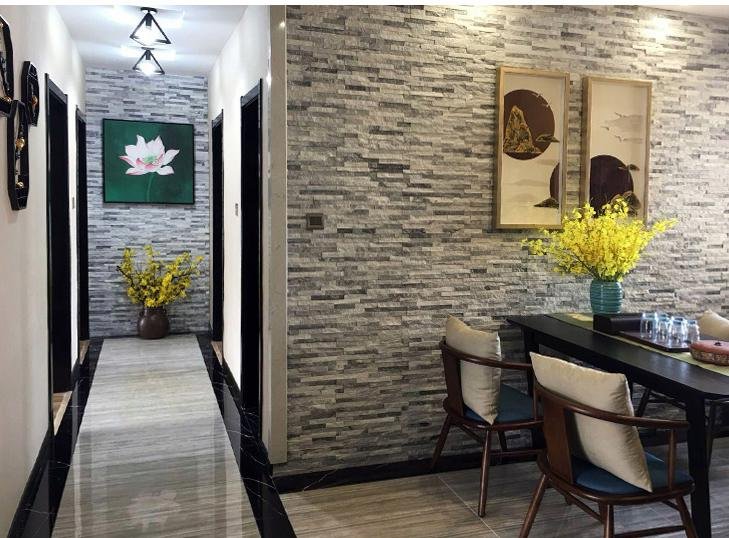
Panel count comes from coverage, and coverage comes from the panel’s printed size. Factory panel formats remove the site-variable of natural stone veneer that ships as random shapes. With a set panel size, the estimator divides area by panel coverage and gets a count the warehouse can verify on the packing list. The vocabulary of those dimensions follows the dimension stone standard, such as ASTM C119, maintained with the Natural Stone Institute.
| Format | Panel size | Coverage per panel | Panels per m2 | Installed weight |
|---|---|---|---|---|
| Stacked stone | 15x60cm / 15x55cm | 0.09 m2 | 11.1 | 35 to 55 kg/m2 |
| Thin ledgestone | 36x10cm ultra-thin | 0.036 m2 | 27.8 | Lighter retrofit format |
| Interlocking z-panel | 20x55cm / 15.2x61cm | 0.11 / 0.093 m2 | 9.1 / 10.8 | Cement or mesh backing |
Worked example: a 40 m2 facade at 11.1 panels per square meter takes 444 panels before waste. Add 10 percent for cuts and returns and the count grows to about 488 panels. The same math applies to stacked stone panels and to thin ledgestone with their per-panel coverage swapped in. Write the coverage basis on the quote, because the buyer will re-run the math.
Weight is the second number in the material line. At 35 to 55 kg per square meter, a 40 m2 wall hangs 1.4 to 2.2 metric tons of stone. The lath, mortar, and substrate plan have to carry it, and the quote should carry the substrate cost as a real line, not an afterthought.
4. Material Line Items Beyond Panels
Panels are half the material story. The quote that ends at panel price stops 40 meters short of the jobsite. Include the adhesive system, the backing, the corner sets, the trim, the sealant, and the fasteners, each as its own line so nothing gets absorbed into a hopeful lump sum.
| Line | What it covers | Why it gets missed |
|---|---|---|
| Panels | Coverage at 11.1 panels per m2 for 15x60cm | Rarely missed |
| L-corner sets | Return coverage at outside corners | Counted as a lump sum instead of per corner |
| Adhesive and mortar | Modified thin-set rated for panel weight | Assumed as a small bucket cost |
| Backer and lath | Non-combustible substrate, fasteners | Hidden inside the labor or ignored |
| Trim and sealant | Exposed edges, joints, penetration seals | Added after the quote goes out |
| Waste | 5 to 10 percent for cuts and damage | Set from habit, not the project |
Factory-direct formats shrink the waste line. Infrared CNC cutting keeps panel edges true, which the factory states cuts jobsite loss by about 20 percent against field-guessed dimensions. The allowance still covers cuts at openings, but it does not have to fund sloppy sizing.
5. Corners, Trim, and Waste Allowances
Corners are where a cladding estimate goes bust. A simple 10 m facade with two outside corners and a chimney return has more detail per square meter than a warehouse wall, and the quote has to price the detail, not the flat. Factory L-corner sets wrap the return and stagger the joint, and the factory states they cut return labor roughly in half versus field miters.
Count the corners on the walk-through, then convert them to L-corner sets at a coverage basis comparable to the panel. Inside corners and openings get returned or stopped at a trim line, and the trim line is a line item, not a favor. Square-cut trim at the top and bottom of the run finishes the job and prevents the exposed-edge argument on the final walk.
Waste allowance tracks the project pattern. A clean rectangle with few openings runs 5 percent. A facade with multiple windows, a gable, and a column wrap runs 10 percent. State the chosen percentage on the quote so the buyer sees the logic and the warehouse buys the right panel count from the same number.
6. Labor Hours and Crew Setup
Labor turns the material quote into a job quote, and it is the line where local truth beats national averages. The honest method is to estimate hours from the measured area, the wall height, the detail density, and the crew’s pace, and then price those hours at the local crew rate. Copying a national per-square-meter rate from the internet is how a two-story chimney job gets priced like a flat patio wall.
Build labor as two parts. Setting panels scales with area but not linearly: a 40 m2 wall takes more than four times the crew of a 10 m2 wall once scaffolding, layout, and site mobilization flatten out. Returns, openings, and trim hours scale with detail, so count them separately. The crew that sets 15x60cm stacked stone panels moves more square meters per day than a crew cutting random ashlar, because factory sizing removes the field-variance.
Add the day’s checks to the labor estimate: mortar-coverage pull-tests, lippage passes, and cleanup. They are work, they take crew time, and a quote without them underbids the job by the last two hours of every shift.
7. Freight, Duties, and Import Costs
Factory-direct material arrives with a freight story, and the quote has to tell it. Top Stone Panels ships FOB Xingang from Tianjin with EXW, CIF, and DDP options. Each term moves a different cost off the supplier’s invoice and onto the buyer’s quote, so the line has to name the term, not just the port.
Container math sets the buying unit. A 20GP container carries roughly 500 to 530 m2 of stacked stone at about 26.5 metric tons of payload, and the minimum order is one 20GP. A project that needs 200 m2 still buys within a container, so the freight cost spreads across the usable area and the unused balance becomes the distributor’s next order or the contractor’s next bid. The 20GP versus 40HQ comparison walks the container decision, and the freight booking guide covers the booking timeline and documents.
Duties and import taxes belong on the quote as a line with a caveat: tariff rates change, so the number is confirmed by the import broker, not assumed from last year’s shipment. The US import and DDP shipping guides cover the terms side for buyers who want the landed cost on one sheet.

Panels at 11.1 per square meter, corners counted, freight on the quoted term. Top Stone Panels supplies the panel formats and coverage data a cladding quote needs, with samples in 1 to 3 days and production in 20 to 25 working days.
8. Margin Models That Hold
The margin argument is where the quote either protects the business or gives it away. Three models dominate cladding, and each one suits a different seller. Pick the model on purpose, and put the basis on the quote so the buyer understands the arithmetic.
| Model | How it works | Who it fits | Risk |
|---|---|---|---|
| Material markup | Markup on the landed material cost | Distributors reselling factory direct | Freight and labor earn no markup |
| Cost plus | Itemized cost plus an agreed percent | Contractors with trusted clients | Requires clean cost tracking |
| Rate per square meter | One installed rate for the whole area | Installers bidding repetitive walls | Details average out across jobs |
Material markup is the trap for first-time importers. A 25 percent markup on panels looks healthy until freight, duties, and the container’s unspent balance eat it. Cost plus protects the estimator when the scope is honest. A per-square-meter rate rewards speed and punishes detail, so use it only on walls the crew has already set before.
The commercial cladding ROI guide shows the buyer’s side of this arithmetic, which is exactly the lens the estimator needs when defending a line item against a discount request.
9. Build the Quote Line by Line
A cladding quote is a spreadsheet that reads like a story. Put the line items in the order the buyer will check them: area, panels, corners, accessories, labor, freight, margin, total. Each line names a quantity, a unit, and a basis, so the site team and the buyer land on the same set of numbers.
| Line | What goes in it |
|---|---|
| 1. Area | Measured faces plus returns, minus openings, with the basis noted |
| 2. Panels | Count from coverage per panel, 11.1 panels per m2 for 15x60cm |
| 3. Corners and trim | L-corner sets by count, square-cut trim by length |
| 4. Accessories | Adhesive, backer, fasteners, sealant as separate lines |
| 5. Waste | 5 to 10 percent stated on the quote |
| 6. Labor | Setting hours plus detail hours at the local crew rate |
| 7. Freight and duties | Container cost per term, duties per broker confirmation |
| 8. Margin | Applied on the chosen model with the basis shown |
| 9. Total and validity | Total plus the quote’s validity period and payment terms |
A 40 m2 facade built from these lines reads: 444 panels before waste, about 488 with 10 percent, L-corner sets counted per corner, the substrate line populated, and the container math split across the project. The buyer can re-run each line, which is the point: a quotable quote builds trust before the contract is signed.
10. Deposits, Invoicing, and Change Orders
Forms guard the quote after the number is accepted. Factory-direct terms run 30 percent T/T deposit with 70 percent before balance, which anchors the material line and leaves the release hinge on the loading video and batch layout photos. The contractor’s own terms then layer on top: a mobilization deposit for custom work, progress billing at defined milestones, and a holdback until the final walk.
Change orders need a written lane because cladding scope moves on site. The owner adds a column, the fireplace gets taller, the trim changes profile: each one gets a change order number, a price, and a signature before the work happens. The estimator who prices the change on site and the one who prices it on paper produce different invoices.
Validity periods stop the quote from becoming a stale promise. Material prices move with freight and exchange rates, so state the validity on the quote and re-issue it when the buyer comes back in two months with the same drawing.
11. Red Flags That Eat Your Margin
Watch the margin drain on these five patterns. A quote that prices panels without corners underbids every exterior run. A waste allowance set from a patio job will not cover a window-heavy facade. A container half-filled with stone spreads freight across wrong area and hides the true cost per square meter. A labor estimate built from a national rate rather than the local crew misses the two-story chimney. And a margin applied once to material leaves labor and freight unprotected.
The fix is the template. When the line items are fixed, the estimator cannot forget one. When the basis rides on each line, the buyer cannot misread one. When the margin model is named, the owner cannot renegotiate the arithmetic after the fact.
For the material side of every one of these lines, the complete stone panel buying guide and the cladding value assessment give the factory-direct anchor price and the sourcing logic behind the format choices.
FAQ
How do you quote a stone cladding project?
Measure the wall area and returns, convert it to panel counts with a waste allowance, price material and labor as line items, add freight and duties, then apply your margin.
How much does stone cladding cost per square meter?
The number belongs to your local market once labor and freight are added. The material side starts from the factory quote, with installed weight of 35 to 55 kg per square meter driving the labor rate.
How many stone panels do I need per square meter?
A 15x60cm stacked stone panel covers 0.09 square meters, so a square meter takes 11.1 panels before a 5 to 10 percent allowance for cuts.
What is the MOQ for a stone cladding order?
Top Stone Panels works from one 20GP container, which carries roughly 500 to 530 square meters, with samples in 1 to 3 days and production in 20 to 25 working days.
What line items do contractors forget on cladding quotes?
Corners and trim, adhesive and backer, waste, freight and duties, and an allowance for change orders are the items that quietly eat a cladding margin.
Conclusion
The quote that holds is the one built from measured area, counted corners, and named line items, with the margin model stated on the sheet. Start from the panel coverage math, price the material at factory-direct numbers, add the freight story with the import term named, and let the buyer re-run every line.
Key Takeaways
- Use panel coverage per format, 11.1 panels per square meter for 15x60cm, with waste named at 5 to 10 percent.
- Price corners and trim by count, and hold factory L-corner sets to their roughly 50 percent labor saving.
- Build the container math at 500 to 530 m2 per 20GP, and name the import term on the freight line.
- Choose a margin model on purpose and show its basis on the quote, or the buyer will renegotiate the arithmetic.
Ready to build the material side of a quote? Top Stone Panels supplies the panel formats, coverage data, physical samples in 1 to 3 days, and container-level pricing for the format you measure. Send the wall schedule and the measured area for a per-panel and per-container material plan.