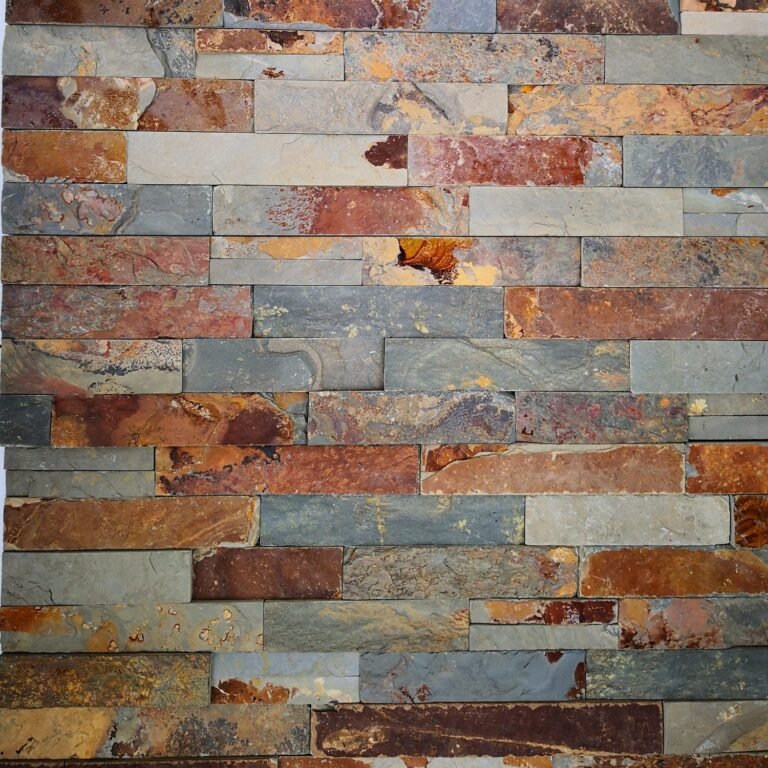
Commercial property owners ask one question before any facade project: does stone cladding pay for itself? The answer is not a single percentage you can look up. The return sits in three separate accounts: what the renovation recovers at resale, what it saves each year in operating cost, and what it does to leasing and rents. Stone cladding ROI for commercial buildings is the sum of those three, and each one is measurable before you sign the order.
This guide walks a building owner or their capital team through the decision framework. You will get the three numbers to collect, the value and maintenance mechanics that make the math work, and the cost and sourcing factors that protect the payback. A worksheet at the end lets you reuse the approach on the next property. Top Stone Panels is the slate and quartzite quarry exporter in Yixian County, Hebei, shipping stacked stone, thin ledgestone, thin veneer, and interlocking z-panels at 220+ containers a year. The sourcing numbers below come from the same document we use on sales calls.
- Cladding ROI has three channels: resale recovery, annual operating savings, and leasing or rental income effects. No single published percentage covers all three.
- Cost-vs-value surveys commonly report exterior facade upgrades recovering roughly two-thirds of project cost at resale, with heavy market-by-market variation.
- Natural slate and quartzite tolerate -30°C to +50°C swings, which keeps freeze-thaw maintenance off the operating ledger.
- Precision-cut panels cut onsite waste about 20%; pre-made L-corners cut corner labor about 50%.
- MOQ is one 20GP container, samples ship in 1-3 days, and production runs 20-30 working days.
- Sourcing quality and packaging decide whether your cost projection holds or quietly inflates.
- 1. Why ROI Is the Right Question
- 2. The Three Numbers That Decide Payback
- 3. Value Drivers on a Commercial Building
- 4. Lifespan and Maintenance: Where the Return Compounds
- 5. Energy Performance and the Building Envelope
- 6. The Cost Side: Formats, Labor, and Container Math
- 7. Where Natural Stone Pays Back Fastest
- 8. Sourcing Decisions That Protect Your Payback
- 9. A Simple ROI Worksheet
- FAQ
- Conclusion
1. Why ROI Is the Right Question
“Does cladding pay?” sounds like a finance question, and it is. Owners who skip the framework end up mixing resale hope with operating guesses and leasing wishes, then argue about a single number that never existed. Separate the three channels and the decision becomes manageable, even boring.
The resale channel is what most people imagine: spend money on the facade, and the building is worth more at sale or refinance. The operating channel is quieter and often bigger: lower maintenance, fewer repair cycles, and envelope behavior that helps the HVAC budget. The income channel is the one owners of rent-producing buildings care about most: curb appeal, leasing speed, vacancy, and tenant retention.
A serious projection names all three, puts a number on each, and then applies the building’s own horizon. A flipper cares mostly about the first. A hotel or office owner holding for a decade cares mostly about the other two. That split, not the material, is the real determinant of whether the math works.
2. The Three Numbers That Decide Payback
Every cladding ROI projection reduces to three inputs. Collect them before the architect’s drawings become a construction cost, and you can defend the decision in a boardroom; skip them and the project rests on opinion.
- Project cost: material, marine-grade epoxy or cement backer, adhesive, labor, flashing, and scaffold. Your supplier quote plus local install labor covers this line.
- Annual operating delta: the yearly saving from reduced maintenance, repainting, and repair compared with the current facade system.
- Income delta: the change in rent, vacancy, or leasing velocity you can defend with market evidence, not optimism.
Payback in years = project cost divided by the combined annual delta of operating and income. Resale recovery is a separate one-time number, best read from cost-vs-value style renovation surveys in your metro, not from a supplier brochure.
| Channel | What to measure | Owner horizon | Where the number comes from |
|---|---|---|---|
| Resale recovery | % of project cost recovered at sale | Short-hold, flips | Cost-vs-value surveys, local appraisers |
| Operating delta | Annual maintenance, repair, repaint savings | All holds | Current facade repair history, supplier data |
| Income delta | Rent, vacancy, leasing velocity change | Hold-to-lease owners | Broker comps, lease-up records |
Be direct with yourself about which channel matters. A cost-vs-value survey in one metro may show exterior work recovering roughly two-thirds of cost at resale; an adjacent market can move that range by twenty points. Treat every published percentage as a starting hypothesis for your building, never a guarantee.
3. Value Drivers on a Commercial Building
Curb appeal is not decoration; it is leasing infrastructure. Photographs, listings, and drive-bys are the first filter for commercial tenants and buyers, and an exterior material reads faster than any interior finish. That is why retail and hospitality owners invest in facades even when the resale math alone looks thin.
Stone signals permanence and low maintenance, which matches the risk profile of a long-term tenant. A retail storefront clad in natural stone photographs well in listings and holds its appearance under heavy use, and the same logic applies to hotel and resort entrances where first impression drives rate and review. The interior version of the same argument runs into the commercial feature walls that designers specify for lobbies and storefronts.
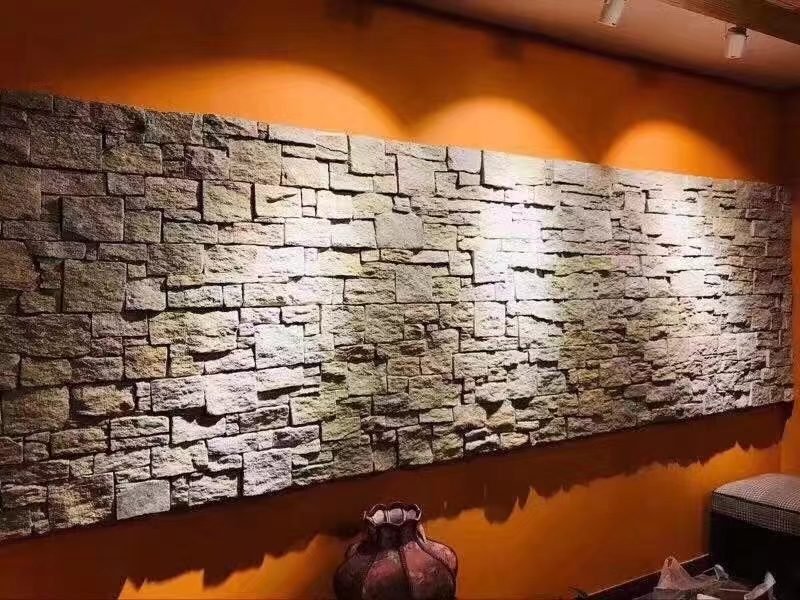
On the valuation side, an upgraded facade changes the comparables your appraiser can use. Buildings with replaced, premium envelopes compare with better-sold or better-leased inventory; buildings with worn stucco or dated siding compare with the discount tier. That shift in the comp set, not a magical multiplier, is how the resale channel shows up in an appraisal.
Refinancing follows the same path. Lenders underwrite on stabilized value and income, and the facade is a visible, controllable input to both. A defensible operating-cost story and a lease-up record matter more to a lender than the cladding brand, but stone supplies both.
4. Lifespan and Maintenance: Where the Return Compounds
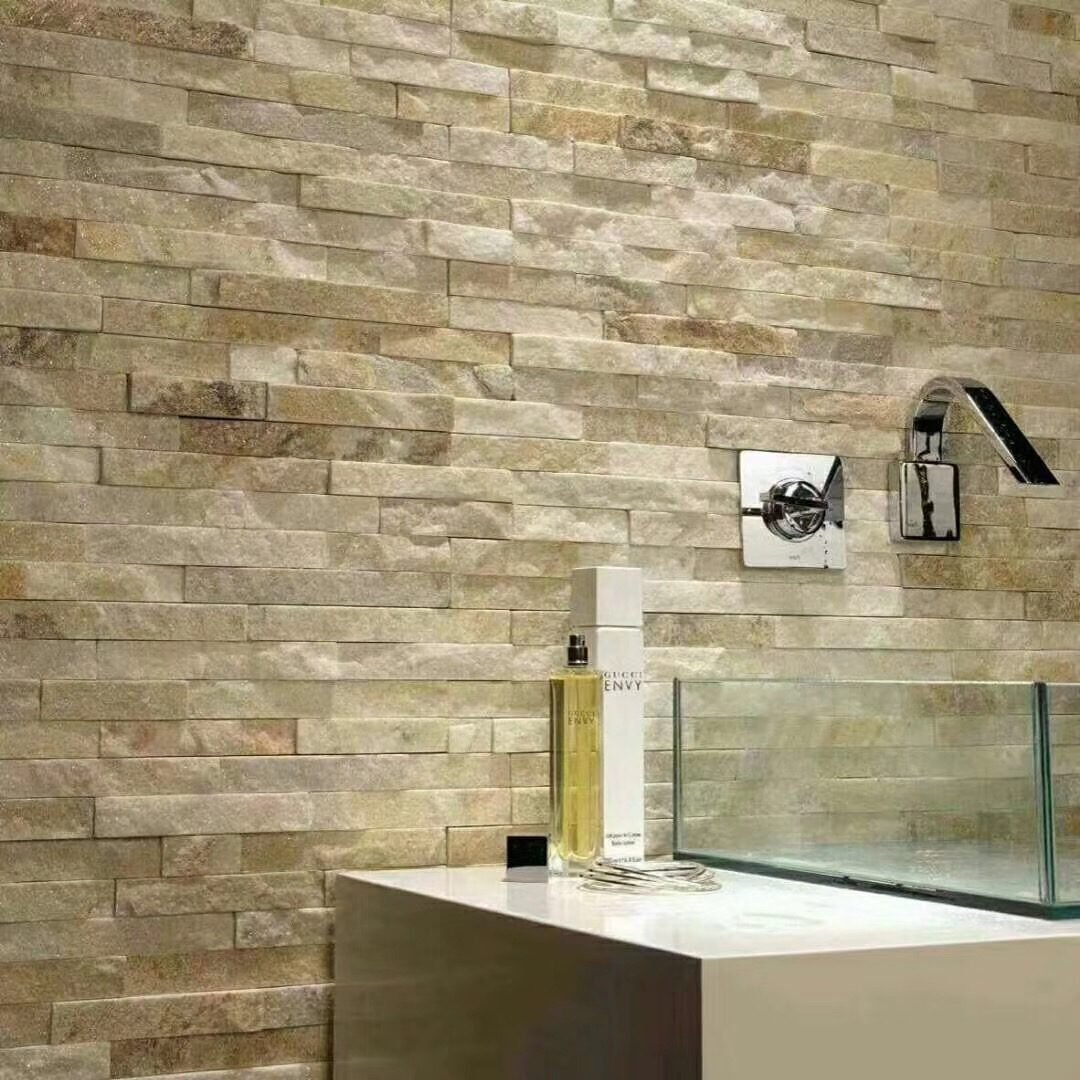
Maintenance cost is a project trivially cheap at signing and brutally expensive at year eight, so the cladding choice is really a 20-year cost curve. Natural slate and quartzite tolerate -30°C to +50°C swings and resist UV and salt spray, which removes the two biggest external repair drivers for facades in cold or coastal climates. The Natural Stone Institute’s guidance on natural stone documents the same durability argument: a material that has survived on buildings for centuries needs no repainting cycle and no re-cladding horizon measured in human attention spans.
Compare that with the operating ledger of a painted facade: recoat every five to eight years, crack repair after freeze-thaw seasons, and the labor of touching up a building exterior. Stone moves most of that spend off the ledger and replaces it with cleaning and resealing, which runs on a much longer cycle.
| Task | Natural stone cladding | Typical painted facade |
|---|---|---|
| Repaint cycle | None; no paint film | Every 5-8 years |
| Freeze-thaw response | Engineered for -30°C to +50°C | Cracks and touch-ups after harsh winters |
| UV stability | Natural, no fading | Fades; color mismatch on patch jobs |
| Clean and reseal | Long cycle, low cost | Wash only; film fails over time |
For owners holding past the first lease cycle, the operating delta is real money. A facade that skips every repaint and most repair calls repays its material premium slowly but reliably, and that is the channel a flipper never sees.
5. Energy Performance and the Building Envelope
The facade is the visible half of the building envelope, and the envelope controls how much energy the HVAC system has to buy. Green building practice at the EPA treats envelope performance, insulation, and moisture control as one system because the cladding layer, air barrier, and insulation decide the building’s thermal and moisture behavior together.
Stone cladding does not insulate by itself; a thin veneer is a facing, not a thermal panel. The ROI case for the envelope comes from combining the cladding with the right insulation and air barrier behind it, which is why the assembly specification matters as much as the stone. A ventilated cladding assembly in a wet or freeze-thaw climate gives moisture an escape path, protecting the insulation and structure from the damage that shows up as mold and energy loss.
Thermal mass is the quieter advantage. Natural stone absorbs heat during the day and releases it at night, smoothing temperature swings on the occupied side of the wall. On a commercial building in a heating-dominated climate, that mass works with the HVAC schedule rather than against it.
The honest caveat: energy modeling should quantify this for your climate and building before you put it in the ROI spreadsheet. Envelope savings vary by zone, orientation, and occupancy, and a vague “energy will improve” line is not a number.
Ready to price the format that fits your facade?
Stacked stone, thin ledgestone, thin veneer, and interlocking z-panels each change the cost and labor lines in your ROI model. MOQ is one 20GP container, samples ship in 1-3 days, and all six product lines come from quarry-owned slate and quartzite sources.
6. The Cost Side: Formats, Labor, and Container Math
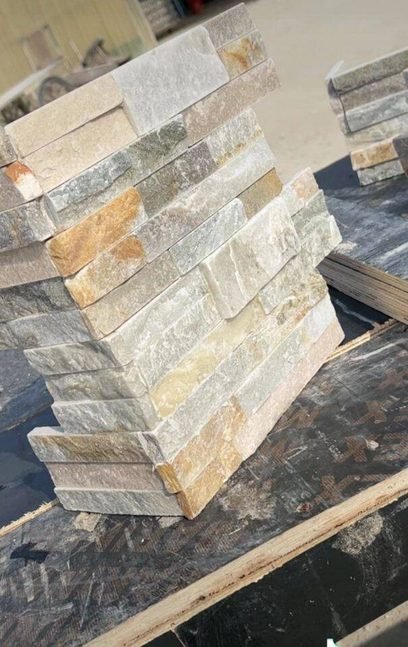
Cost control starts in the format, because format decides labor hours and waste. Loose split-face veneer over lath is the traditional route and carries the heaviest labor burden. Mesh-backed mats and precision-cut panels cover wall faster, and engineered panels with a flat back cut the labor further because the attachment plan ships with the product.
Two factory details change the cost line more than the base material price. Precision infrared CNC cutting keeps panel dimensions tight, which reduces onsite waste by roughly 20 percent on a large facade area. Pre-made L-corner kits eliminate on-site mitering, saving about 50 percent of the corner installation labor, the slowest part of any stone wall. Both are why the buyer’s sourcing decision leaks into the ROI spreadsheet.
| Format | Typical use | Labor effect | Speed |
|---|---|---|---|
| Loose split-face veneer | Hand-laid feature walls | Highest; piece by piece | Slowest |
| Mesh-backed mats | Large flat elevations | Medium; mat carries layout | Fast |
| Precision-cut panels | Uniform commercial exterior | Low; tight joints, less waste | Fastest |
| Interlocking z-panels | Fast-track cladding over concrete | Lowest; adhesive to back | Fastest |
The container math is simple for importers: MOQ is one 20GP, and a 20-foot container of thin stone panels covers roughly 500-530 square meters at about 50 kg per square meter, depending on format and thickness. FOB pricing from the stacked stone line, thin veneer, or interlocking z-panels scales by volume, so the first container establishes the unit economics for the whole project.
Full cost breakdowns belong in a separate model; our natural stone cladding cost breakdown walks through the line items, and the facade quantity calculator converts drawings into square-meter orders before you quote.
7. Where Natural Stone Pays Back Fastest
Some building types convert a stone facade into income faster than others. The pattern is simple: the more the exterior photographs, leases, or sets the rent, the faster the returns arrive.
| Building type | Biggest payback channel | Why it works |
|---|---|---|
| Retail / QSR storefront | Income and leasing velocity | Storefront presence drives foot traffic; see our QSR storefront guide |
| Hotel and restaurant | Rate, reviews, occupancy | First impression sets nightly rate expectations |
| Office / lobby | Tenant retention and rent | Lobby and facade signal building quality; see commercial lobby designs |
| Mixed-use / multifamily | Lease-up and resale comps | Upgraded exterior moves the building into a higher comp set |
Retail is the clearest case. A fast-food and QSR storefront in stone stays photogenic under grease, cleaning chemicals, and heavy traffic, and the durability removes the repaint chore that would otherwise recur every few years. The resale and markup trade on the same exterior shows up in retail pricing conversations between distributors and contractors.
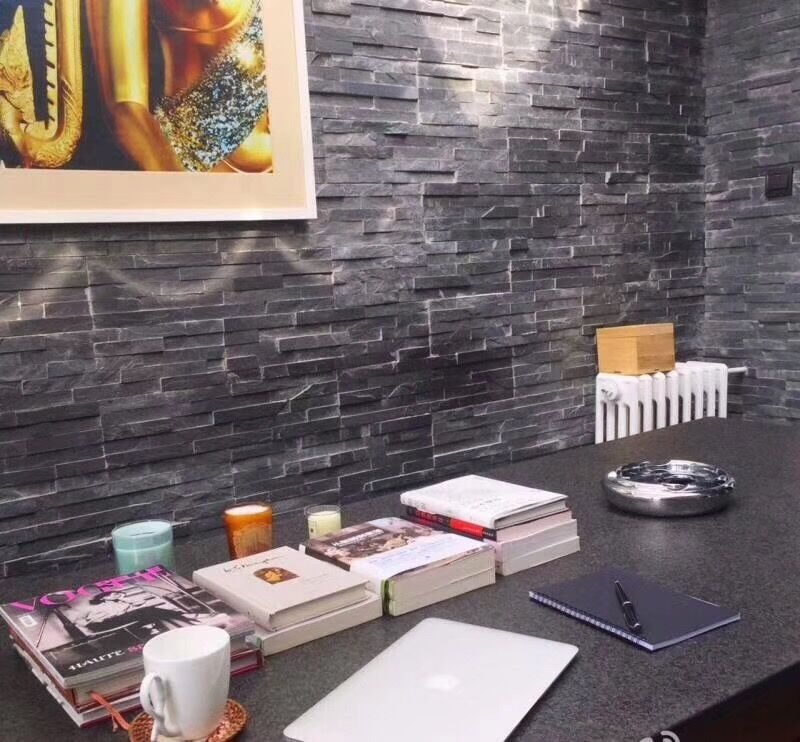
Hotels and restaurants follow the same logic one step up: the facade is part of the product being sold nightly, and the material’s permanence underwrites premium positioning. If most of the value in a hospitality property sits in brand and location, the envelope is the cheapest honest upgrade that changes the first impression.
8. Sourcing Decisions That Protect Your Payback
The ROI model assumes the stone arrives on time, matches the sample, and survives shipping. Each of those assumptions is a sourcing decision, and each can erode the payback silently.
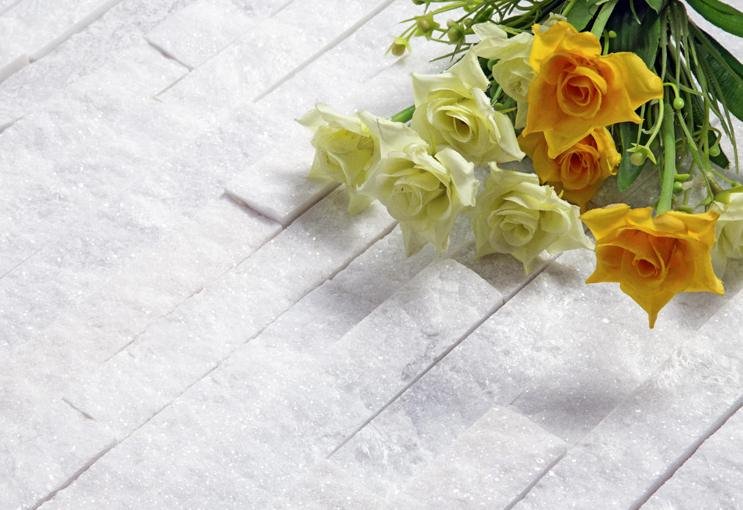
Sample-to-production color matching. Natural stone comes from the earth; veins differ. A supplier that selects batches from the same vein and holds the color across the production run is protecting your install-day schedule. Ask for the production batch plan before you sign, not after the container arrives.
QC that survives the process. A three-step inspection protocol, raw material selection, mid-process recheck, and pre-shipment final inspection, is what turns a pallet of “looks right” into a container that lands square. Confirm the QC steps in writing and request the pre-shipment video.
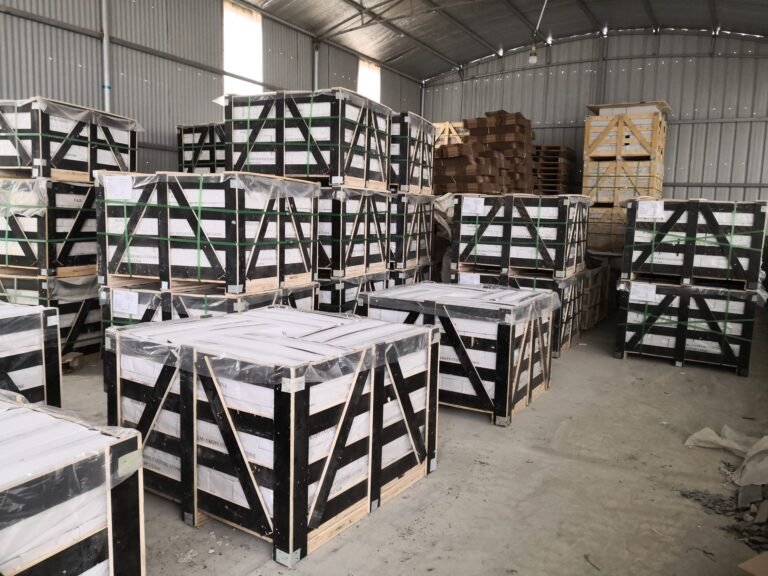
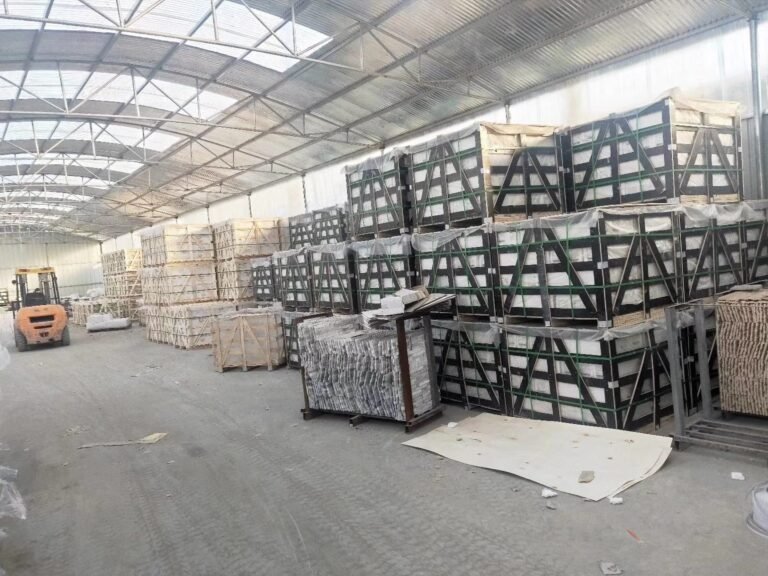
Packaging that arrives intact. Stone that breaks in transit is stone you paid for twice. Zero-breakage protocols, hardened cartons, fumigation-free pallets, steel strapping, and air bags in the container keep the delivered-area yield close to the quoted area.
Timeline you can schedule against. Samples ship in 1-3 days, production runs 20-25 working days, and a first order with custom cartons runs 25-30 days. A supplier that states this in writing lets you book the installer instead of paying them to wait.
The sourcing conversation belongs in the ROI spreadsheet because every delay and every broken box is a line item. Our guide on whether natural stone cladding is worth it covers the same question from the buyer’s side, and the commercial lobby designs series shows how designers translate facade and interior stone into tenant-facing spaces.
9. A Simple ROI Worksheet
Take five minutes with a spreadsheet and fill these lines. The result will be rough, but it will be your building’s rough, which beats a vendor’s universal number.
- Project cost: material quote plus install labor, scaffold, flashing, and contingency. Get the container-based unit price in square meters, then multiply by the facade area.
- Current annual maintenance: add up the last five years of repaint, repair, and touch-up spend and divide by five. That is your baseline operating cost.
- New annual maintenance: estimate cleaning and reseal cycles for stone, then subtract from the baseline. The difference is the annual operating delta.
- Leasing effect: use broker comps or lease-up data for comparable upgraded buildings. Write down a defensible rent or vacancy improvement, or leave the line at zero.
- Payback estimate: divide project cost by the combined annual delta. Then run one sensitivity case where the leasing effect is zero, and decide whether the project still stands.
Run the sensitivity case honestly. If the building only pays back on a hopeful rent assumption, the project is a bet on the market. If it pays back on maintenance alone, the cladding is operational finance disguised as a renovation.
FAQ
Does stone cladding increase commercial property value?
It can, through three channels: resale recovery of project cost, lower operating expense over decades, and faster leasing or higher rents on stronger curb appeal. The local market and building type decide the mix.
How long does stone cladding last on a commercial building?
Natural slate and quartzite cladding is expected to last decades when the wall is detailed and installed correctly, withstanding freeze-thaw cycles from -30°C to +50°C.
Is stone cladding worth the cost for commercial owners?
For owners holding a building past the first lease cycle, the maintenance, envelope, and leasing effects usually outweigh resale recovery. For short-hold flips, the market sets the ceiling on what you recover.
What is the payback period for stone cladding?
There is no universal payback period. Build the projection from project cost, annual operating savings, and annual income change, then divide cost by the combined delta for your building.
Does stone cladding reduce maintenance costs?
Compared with painted or some manufactured claddings, natural stone needs no repainting and resists UV, salt spray, and freeze-thaw damage. Cleaning and resealing remain, but the repair curve flattens.
How should a commercial owner start the ROI calculation?
Collect the project cost, a building-specific operating saving estimate, and a leasing or retention assumption. Enter them in the worksheet in this guide before committing to a facade spec.
Conclusion
Stone cladding ROI for commercial buildings is a three-channel calculation, not a sales pitch. The resale channel pays on the comps, the operating channel pays on the maintenance ledger, and the income channel pays on the lease line. Owners who separate the three and measure each one get a decision they can defend; owners who chase a single magic percentage get a bet.
Key Takeaways
- Measure resale recovery, annual operating savings, and leasing income separately.
- Natural slate and quartzite flatten the maintenance curve over decades in freeze-thaw and coastal climates.
- Precision-cut panels and pre-made corners cut the waste and labor lines before install starts.
- Source for color matching, QC, and packaging, because the ROI model assumes the stone arrives perfect.
Ready to build the facade projection? Top Stone Panels supplies stacked stone, thin ledgestone, thin veneer, and interlocking z-panels from quarry-owned slate and quartzite sources. MOQ starts at one 20GP container, samples ship in 1-3 days, and production runs 20-30 working days. Ask us for unit pricing per square meter and the production batch plan for your facade area.