The Sealing and Maintenance Program Your Stone Cladding Client Forgot to Specify
Short answer: natural stone cladding without a specified sealer and a written maintenance plan will stain, haze and effloresce on schedule, especially in humid, salty or polluted climates, and the supplier who stayed silent at the sale inherits the reputation damage three years later. A defensible program has four parts: an impregnating (penetrating, breathable) sealer chosen for the specific stone and exposure, applied at installation; low-pressure pH-neutral cleaning on a defined interval with no high-pressure washing that forces water into the wall; scheduled re-application keyed to a simple water-bead test rather than a calendar guess; and prompt, type-specific treatment of stains and efflorescence. What the panel supplier should have handed over at the sale is a one-page care sheet tied to the actual stone variety, absorption and finish, written into the project documentation before the panels ship.
The complaint arrives as photographs. A restaurant group’s stone facade, three years old, shows dark staining around the joints and a cloudy haze that cleaning moves and then returns. Nobody specified a sealer. The facade looked perfect at handover because new stone looks perfect at handover, and the maintenance reality showed up only once rain, cooking grease, salt spray or traffic pollution had years to work. This is a specification gap, not a stone defect, and closing it at the sales stage is one of the most durable trust moves a stone distributor can make. The building owners who get handed a real care program become repeat buyers; the ones who discover the problem themselves become the review that quietly kills the next tender.
Why Unsealed Stone Fails on a Predictable Clock
Two mechanisms drive most facade complaints, and they are related. The first is absorption. Porous stone wicks water and whatever is dissolved in it; when that water evaporates at the surface it leaves the dissolved solids behind as a stain or a salt deposit. That is the recurring “haze” most clients misdiagnose as dirt: it is usually efflorescence, soluble salts carried to the face by moving water, which is why it returns after cleaning until the moisture path is stopped. The site’s treatment of efflorescence in stone veneer covers the moisture-transport root cause, and cleaning grout haze covers the surface residue that looks similar but behaves differently. A sealer does not fix a water-management design fault, but it slows the wicking that turns ordinary weathering into visible staining.
The second mechanism is time and environment. A dense quartzite in a dry continental climate ages slowly and forgivingly; the same family of stone at a coastal or tropical restaurant, with salt, humidity, organic growth and daily grease-laden air, ages fast. Climate, orientation, exposure to splash and the presence of adjacent planting all change the interval. That is why the correct answer is never “seal it and forget it” and never a fixed universal number of years; it is a program tuned to the actual product, written where the building owner will find it.
The Four Parts of a Real Program
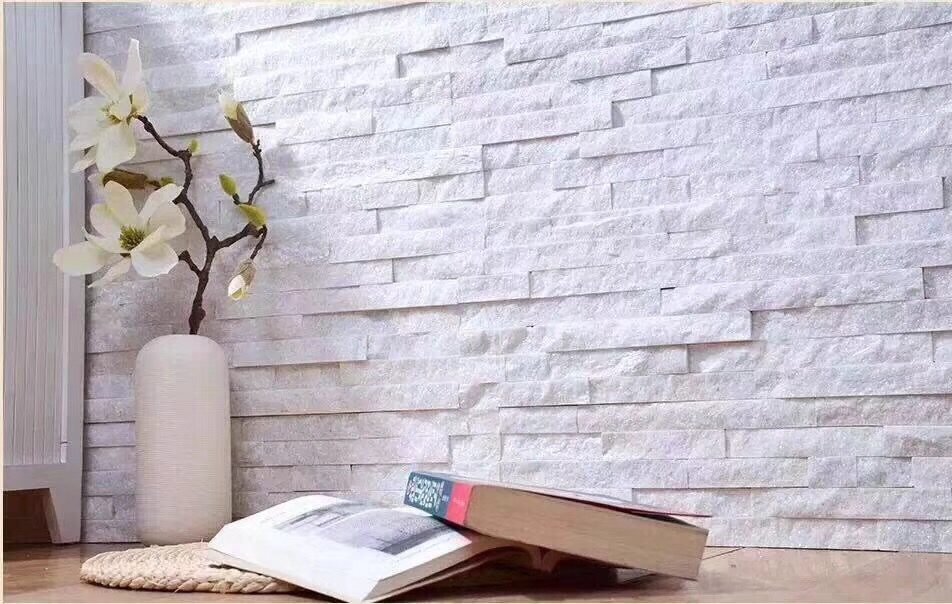
Sealing at installation. For exterior cladding the workhorse is a breathable impregnating sealer that penetrates the pores and repels water and oil without film-forming on top; a surface coating that seals the stone’s face can trap moisture behind it and is the wrong tool for a wall that needs to dry. The sealer is selected for the stone type and the exposure, and a fluorochemical or silane-siloxane impregnant is the common family for stain and water resistance while staying vapor-open. Apply on clean, dry stone at the correct stage of the job so the treatment is not fighting trapped construction moisture.
Cleaning on a schedule, gently. Low-pressure water with a pH-neutral detergent and a soft brush, at an interval set by the environment, typically every year or two in demanding settings. High-pressure washing is the client’s favorite mistake: it drives water deep into the wall assembly and can force moisture past the drainage plane, then the efflorescence returns worse. Inspect twice a year for open joints, cracked units and failed sealant, because a small joint failure is the path that feeds the staining the client will later blame on the stone.
Re-sealing on evidence, not calendar. The water-bead test is the honest trigger: sprinkle water on a representative area, and if it soaks in rather than beading, the treatment has worn and is due. Impregnants on dense exterior stone can run several years; on porous stone in harsh exposure they shorten. Writing the trigger into the care sheet stops the debate before it starts.
Spot treatment done right. Grease and organic stains, metal stains, and efflorescence each need a different approach; a poultice draws a stain out of the body of the stone, while brushing and moisture control address salts. The point for the supplier is not to become a restorer but to tell the owner which problems are normal weathering, which need a professional, and which a wrong cleaning attempt makes worse.
What the Supplier Should Have Disclosed Before the First Panel
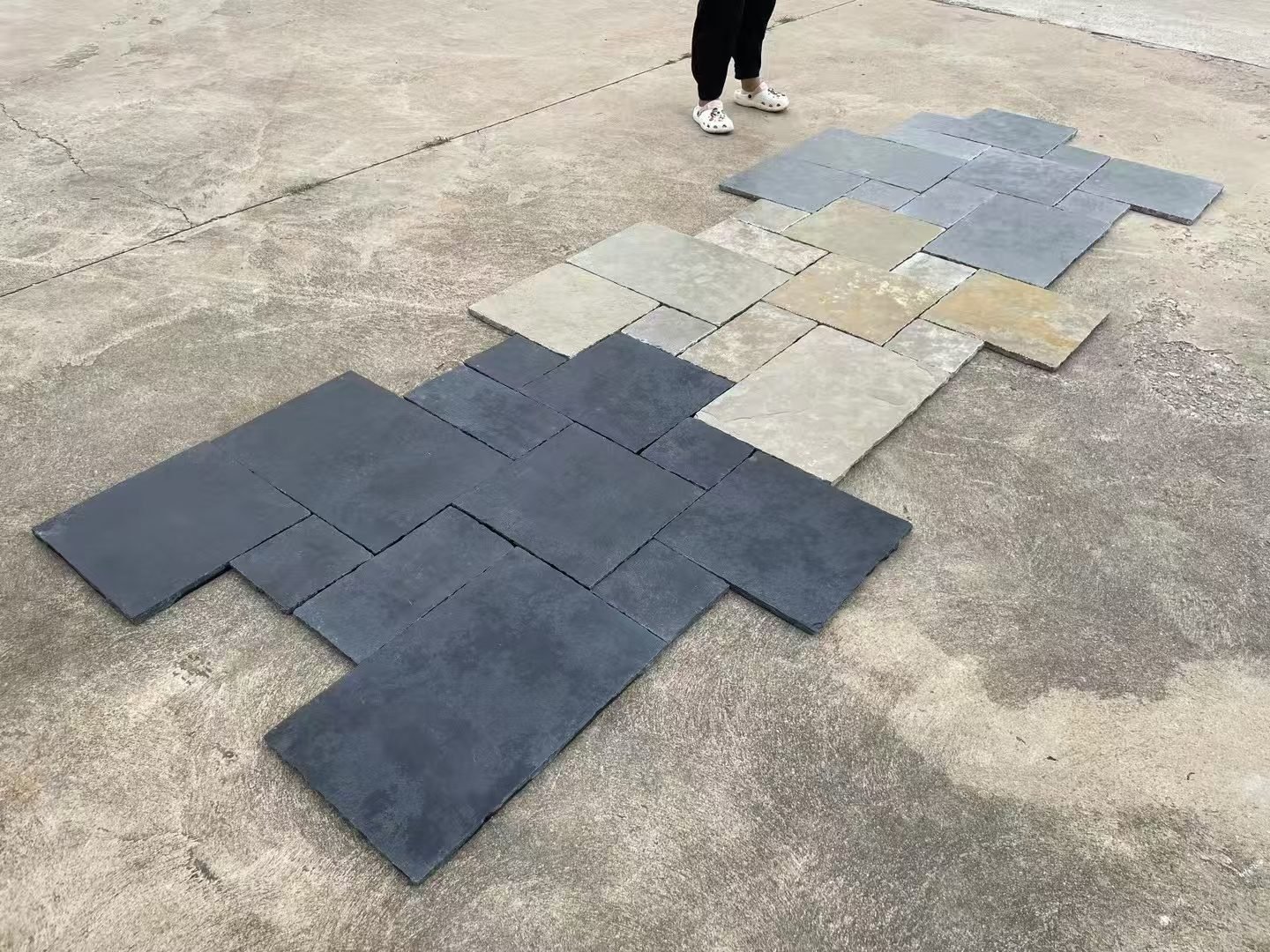
Three disclosures, made at the sale, convert this from a liability into an advantage. First, the stone’s real absorption and porosity for the exact variety and finish, because a sealer program is meaningless without knowing how fast water moves through the chosen material, which is the same property documented in the guide to water absorption rate. Second, the non-negotiable need for a sealer on that stone in that climate, stated plainly rather than left to the client’s intuition. Third, a written care and maintenance recommendation, ideally one page, that the client can hand to whoever eventually cleans the building. The neutral, authoritative reference for that care sheet is the Natural Stone Institute maintenance guidance, which lets a distributor point to an independent standard instead of a brand promise.
The commercial logic is blunt. A facade that stains three years in generates a callback, a dispute over whether it is the stone, the installer or the owner, and a building owner who now distrusts the product family. A facade sold with an honest care program either ages gracefully or, when a problem appears, has a documented path to resolution that names the cause quickly. That documentation belongs in the same submittal package that already travels with a serious commercial job, alongside the test reports and installation instructions; treating the care sheet as a spec line rather than a sales afterthought is what makes the whole file credible.
For a distributor, the practical next step is small: pick the three or four stone varieties and finishes you ship most, define the sealer family and the interval trigger for each, and attach the one-page care recommendation to the order confirmation. It costs nothing, it survives turnover on the client’s side, and it turns the most common post-install complaint into the moment a client discovers you were the only supplier who ever mentioned it.
One subtlety belongs in the care sheet rather than in a sales conversation: a sealer changes the cleaning chemistry, not the physics of the wall. Impregnated stone repels water and oil at the surface, so routine soiling lifts more easily and stains get less purchase, but the sealer does nothing for a joint that has opened, a sealant bead that has failed, or a cavity that has no way to drain. Owners who treat resealing as the entire maintenance answer will still see staining, and will then blame the product twice. The honest framing, in a single paragraph on the sheet, is that the sealer slows water and stain uptake while the joints and drainage carry the structural duty, and the inspection catches the difference. Distributors who write it that way get one fewer angry call, and the calls that do come arrive with enough detail to actually diagnose.
Frequently Asked Questions
Should natural stone cladding always be sealed?
Almost always yes for exterior and wet areas, but the sealer must be a breathable impregnating type matched to the stone and finish, not a surface film. Dense stone in mild climates may need only light protection; porous stone in humid, salty or polluted exposure needs it at installation and on schedule.
My stone keeps getting a white haze after cleaning. Is it dirty?
Usually not. Recurring white deposits are typically efflorescence, salts carried to the surface by moving water, so cleaning without stopping the moisture path just resets the cycle. Fix the water source and joint failures first, then address the salts, then reseal.
How often must exterior stone be resealed?
There is no universal number; use the water-bead test on a representative area. When water soaks in instead of beading, the treatment is spent. Harsh coastal, pool and commercial-kitchen exposures shorten the interval compared with dense stone on a sheltered dry wall.