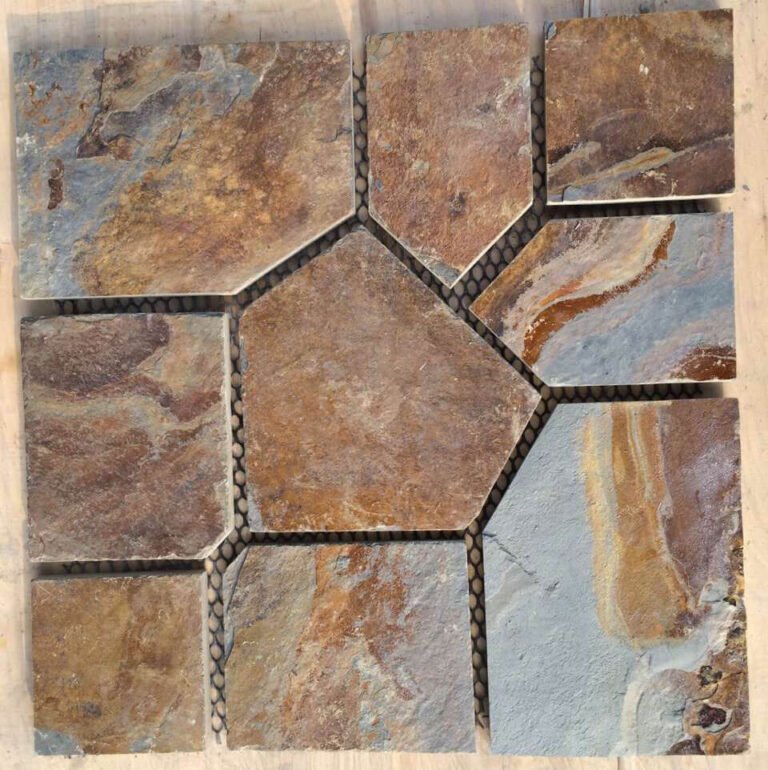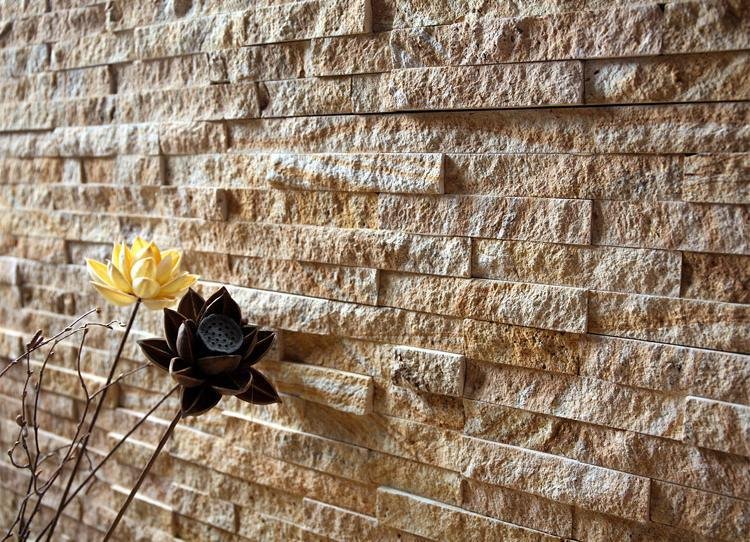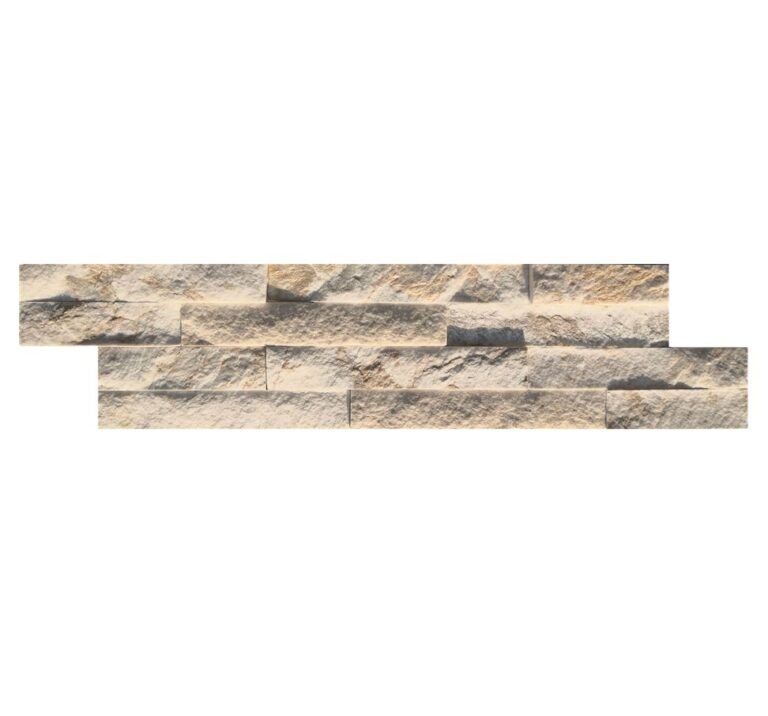
The call came in from a distributor in Colorado who had a builder waiting on one decision: what color ledge stone goes on the garage wall. The answer was not a color. It was a range: charcoal at the dark end, cream and white at the light end, and grey, copper, and multicolor blends in between. The right pick depended on the facade, the climate, and the owners’ tolerance for natural variation.
Ledge stone earns its name from the format: narrow, horizontal strips of split-face natural stone, usually sold as panels, that read like stacked sedimentary ledges when installed. The color is not paint. It is the mineral character of the slate or quartzite the factory cuts, which is why the conversation about color always becomes a conversation about stone type, batch selection, and samples. This guide walks you through the color families, how each one behaves on an exterior wall, and the ordering discipline that keeps a facade matching from first panel to final box.
- The working color range for exterior ledge stone runs from charcoal and black through grey to cream, white, copper, and multicolor slate blends.
- At Top Stone Panels, thin ledgestone panels are 36x10cm ultra-thin format, cut from 100% natural slate and quartzite with a monthly capacity of 60,000 m2.
- Dark tones give modern contrast but hold heat and show mineral dust; light cream and white tones brighten coastal and farmhouse facades and stay UV stable.
- Natural stone color varies within a vein by design; batch-specific vein selection and an approved physical sample, not a photo, are how you match a reorder.
- Samples ship in 1-3 days for color sign-off before production, and standard production takes 20-25 working days at a one-20GP minimum order.
- 1. Why Ledge Stone Color Decides the Facade
- 2. The Full Ledge Stone Color Range
- 3. Charcoal and Black for Modern Contrast
- 4. Cream and White Tones for Bright Facades
- 5. Copper and Multicolor Blends for Rustic Walls
- 6. How Color Reads on a Full Wall
- 7. Matching Ledge Stone Colors on Reorders
- 8. Ledge Stone Color Decision Checklist
- FAQ
- Conclusion
1. Why Ledge Stone Color Decides the Facade
Color is the first thing a buyer registers on a stone facade, before texture, before joint width, before the profile of the panels. A charcoal wall reads as a solid, anchored mass. A cream wall reads as light and air. The same installation method, the same lath and mortar, and the same panel size look like two different products when the mineral color changes, so the color decision shapes every other specification that follows.
For a distributor or contractor the risk is not taste. It is commitment. Panelized ledge stone arrives in boxes with a defined color family, and the facade is only as consistent as the batch behind it. A buyer who picks a color from a web photo, orders blind, and gets a vein shift on the delivery is the buyer who writes a bad review. The fix is a discipline that costs almost nothing: order samples, mock up a square meter, and approve the lot against that physical reference before production cuts.
Climate adds a second filter. Facades in Minnesota and Alberta live with freeze-thaw cycles, road salt, and long UV summers, so color is not only a look; it is a durability question. The natural slate and quartzite panels supplied by Top Stone Panels are rated for -30 C to +50 C thermal cycling. They are also UV stable. The color stays true while lighter painted surfaces would fade or peel.
2. The Full Ledge Stone Color Range
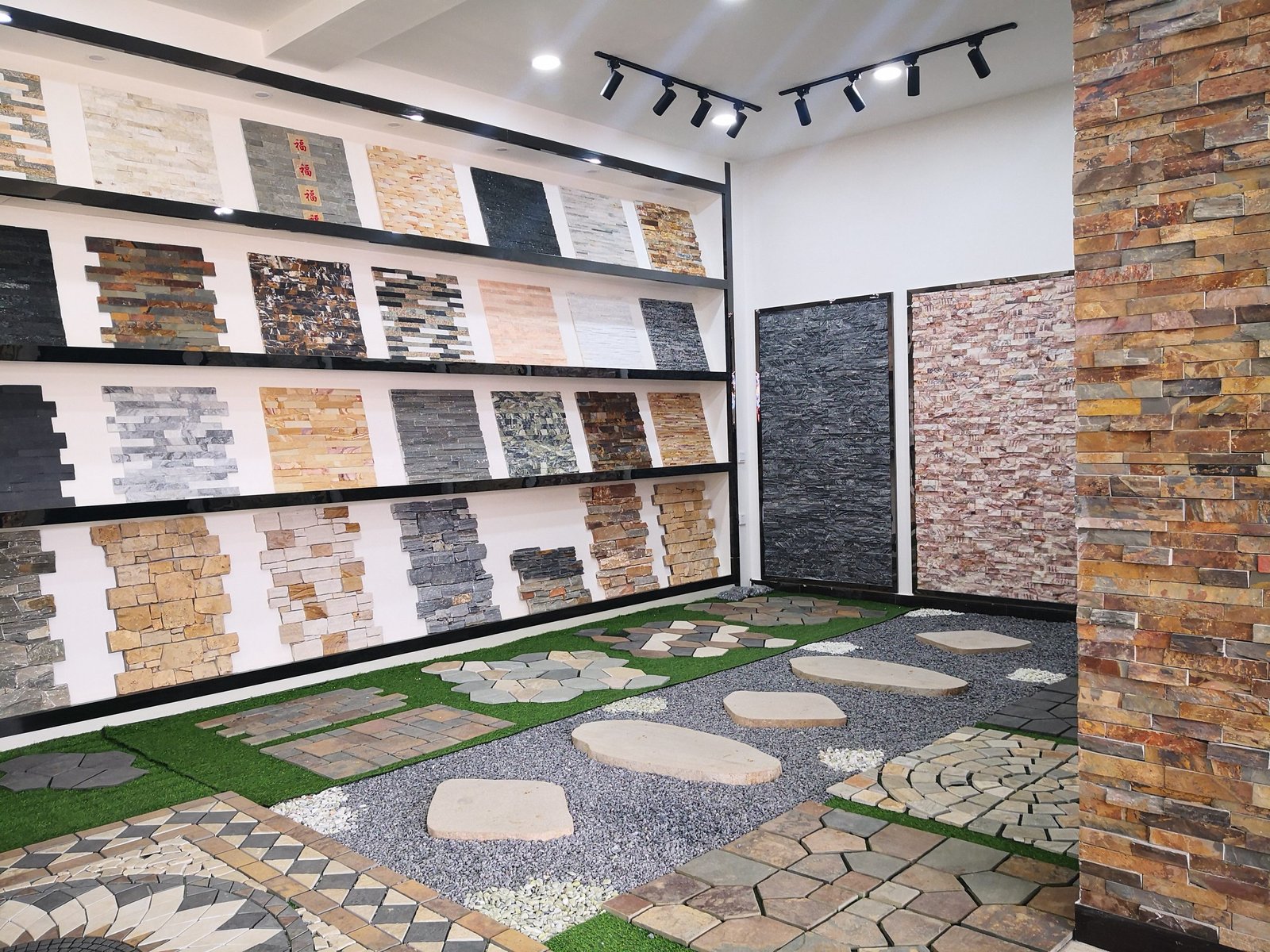
Think of the palette in five families, each tied to the stone it is cut from. The factory currently produces thin ledgestone in 36x10cm format across thirteen named colorways, from sparkle black quartzite at the dark end to sparkle white quartzite at the light end.
| Color family | Factory names | Typical stone | Reads best on |
|---|---|---|---|
| Charcoal / black | Black natural stone, sparkle black quartzite | Slate, quartzite | Modern and alpine facades |
| Grey | Rotia grey, sparkle ice grey | Slate, quartzite | Everyday residential and commercial |
| Cream / white | Cream quartzite, oyster, royal white, sparkle white | Quartzite | Coastal, farmhouse, bright modern |
| Copper / bronze | Rustic copper, bronze sparkle | Quartzite | Rustic and southwest styles |
| Multicolor | Multicolor slate, rustic country multicolor | Slate blend | Country, casual, mixed masonry |
The color families come from two rocks. Slate delivers the deep greys, blacks, and the earthy multicolor blends; quartzite delivers the lighter creams, whites, and the sparkle tones that catch light on the split face. Both are 100% natural stone, and both are described in the color-family resources published by the Natural Stone Institute, which is the reference specifiers use to classify natural stone veneer on drawings.
3. Charcoal and Black for Modern Contrast
Dark ledge stone is the fastest way to make a wall read as intentional. Architects use it to anchor a facade against light siding, to frame a garage door opening, or to give a chimney mass against a pale roof. On a modern alpine lodge or a minimalist urban frontage, black and sparkle black quartzite panels create the crisp geometry that light stones cannot deliver.
Dark tones carry two honest trade-offs. They absorb heat rather than reflect it, so a south-facing wall runs warmer in summer; masonry absorbs that heat and releases it slowly, which in cold climates is an advantage on the sunny side of a building. The second trade-off is maintenance optics: mineral dust and light-colored mortar residue show more on black than on grey, so the installer has to control mortar smears at the joints during installation.
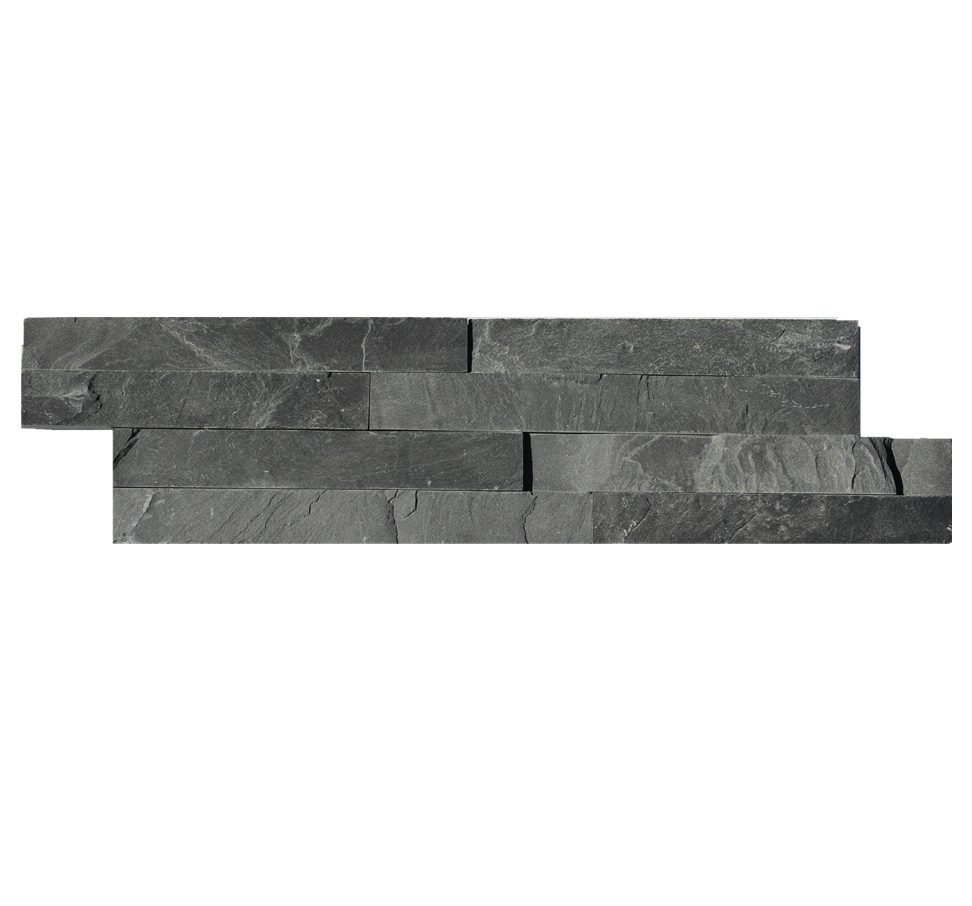
Snow-belt buyers often ask whether dark stone cracks in freeze-thaw. The failure driver is trapped water, not the color; dense slate and quartzite with proper flashing and drainage handle the cycling, which is why the -30 C rating matters more than the shade. Pair dark panels with a grey or dark mortar to keep the joints from drawing the eye, and you get a wall that reads as one solid mass rather than a grid of stones.
4. Cream and White Tones for Bright Facades
Cream quartzite and the white family are the light end of the range. They sell hardest in coastal towns, farmhouse renovations, and any project where the client wants the house to glow rather than recede. A cream ledge stone wall spreads daylight across the facade, makes the front facade look larger, and pairs cleanly with white trim, dark roofs, and timber accents.
Light stone gets a reputation for being hard to keep clean, and the honest version of that concern is about biology, not dirt. In humid shade, moss and algae find a foothold in masonry joints regardless of stone color; the fix is sunlight, drainage, and a gutter that keeps water off the wall, not a different shade of quartzite. UV fading is not part of the problem. The Natural Stone Institute notes that natural stone color holds under UV exposure, and the quartzite panels from Top Stone Panels are rated UV stable, so a cream facade keeps its tone for decades.
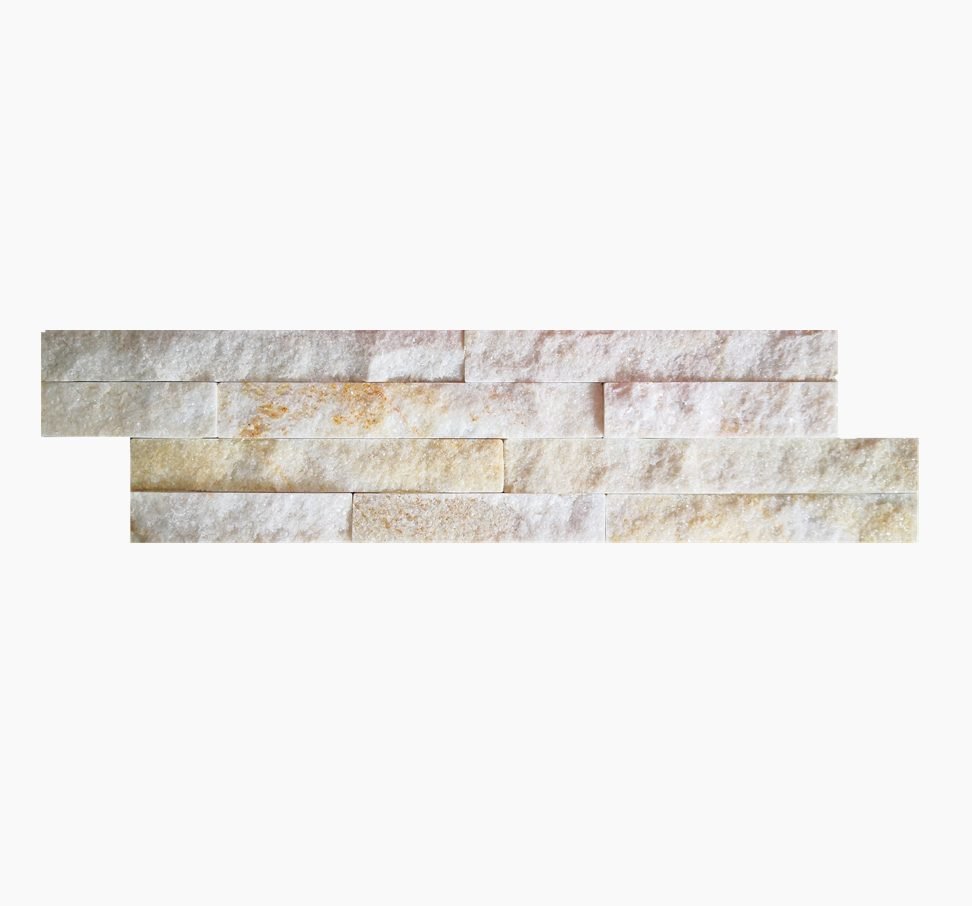
The practical rule with light tones is to mock up before committing. A sample card hides the truth; a one-square-meter test wall at the actual site, seen in morning and afternoon light, shows how the cream reads against the siding color you plan to use. For a finished look, specify cream panels with an off-white mortar and keep the joints tight, because an overwide joint grid reads as engineering, not texture.
5. Copper and Multicolor Blends for Rustic Walls
The warm end of the range is where ledge stone stops behaving like a neutral finish and starts behaving like a material with personality. Rustic copper and bronze sparkle quartzite catch orange and gold tones in direct sun. Multicolor slate and the rustic country blend mix grey, brown, and green mineral fragments into a wall that looks like it was quarried from one hillside, which it often was.
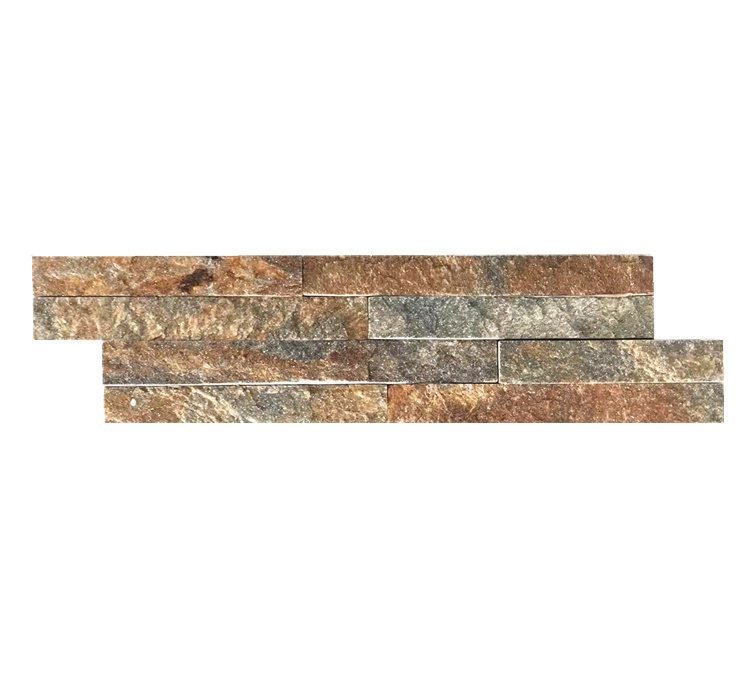
Warm and multicolor blends are the most forgiving for installers because small variation is part of the design. A copper panel that runs slightly darker near a chimney, or a multicolor run with a green fragment cluster, disappears into the mix; the same variation on a single-color grey wall would need a reorder conversation. That forgiving nature is why rustic styles stay popular with builders who cannot promise every installer the same light.
For a deliberate rustic look, ask the supplier about custom color mix. Top Stone Panels supports custom color blending on large orders, so a distributor can specify the rough proportion of copper to grey to black in each box rather than accepting whatever the quarry delivered. That is a supply-chain advantage that shows up on the wall, not just on the invoice.
6. How Color Reads on a Full Wall
A panel in hand and a wall on the house are two different colors, because scale, light, and joint lines change perception. This is the section most buyers skip and most installers regret. The color you approve should always be read on a full mockup, and the factory color mix should be a stated blend rather than a hope.
Set the mockup in the same orientation as the final wall. A north-facing facade never gets the same light as a south-facing one, and a 36x10cm panel viewed flat at arm’s length looks darker and busier than the same panel from across a street. Grey is the classic trap: rotia grey and sparkle ice grey look close on a sample board and clearly different on two house fronts.
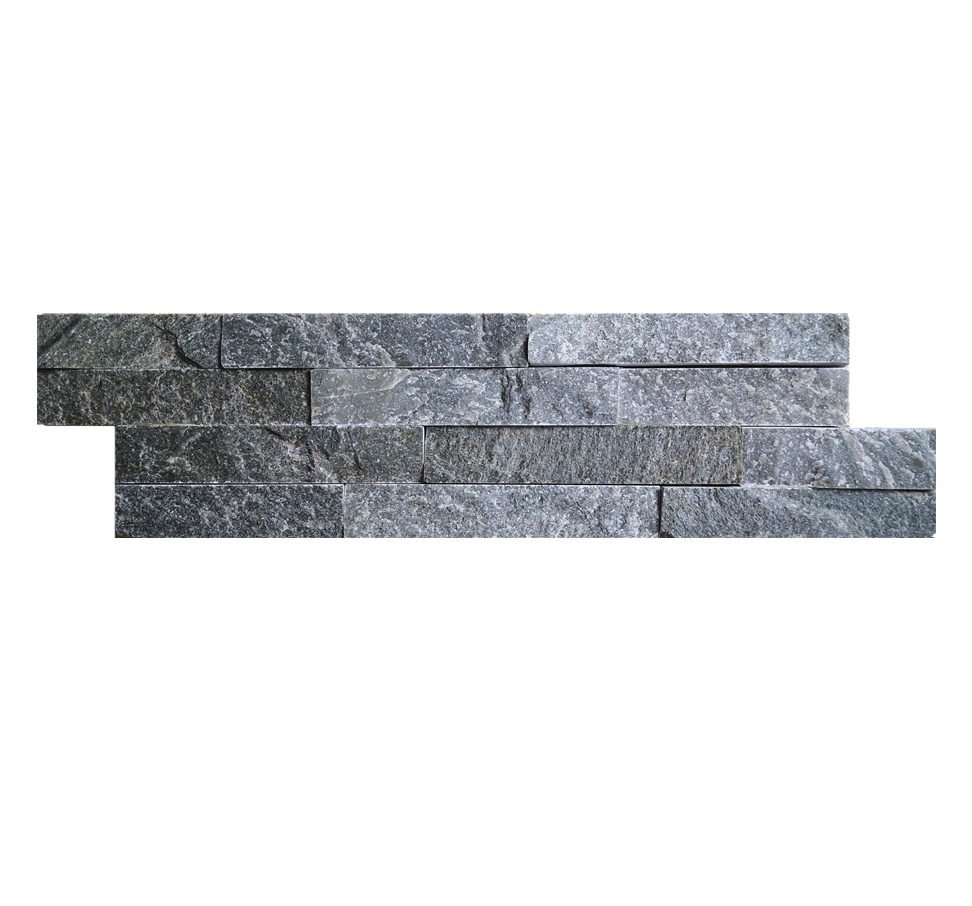
Variation within a vein is a natural-stone fact, not a defect. Specs for manufactured tile can promise uniform color; specs for quartzite stone panels and slate should state the acceptable range instead. Note it on the drawing the same way you would a wood floor grade, and the installer and the owner both know what “natural variation” means before the first box opens.
7. Matching Ledge Stone Colors on Reorders
Color matching across orders is where most stone facades go wrong, and it is fully preventable. Natural stone comes out of the earth in veins, and a vein shifts a little with every bench the quarry opens. Factory color sorting, not luck, is what keeps a reorder close to the original lot.
Matching a colour across phases is a workflow, not a hope: stone reorder color match sets out how single-vein selection, a stored specification and a retained sample keep a repeat batch inside the same family at 95% or better transition.
Top Stone Panels controls production with batch-specific vein selection: the factory sorts raw material to the approved color family before cutting. That discipline continues through the three-step QC checks on raw selection, in-process inspection, and pre-shipment inspection. For the buyer the same discipline means two habits. Order an approved physical sample before production, and hold part of that sample back for the reorder conversation. The sample retention guide explains the full system, and ordering samples takes 1-3 days from quotation.
A photo will never match a reorder. Project light changes the shot, phone screens change the tone, and the owner’s memory of a wall is warmer than the stone. The physical sample is the contract. If the facade will be extended in phases, order the sample now, store it sealed in the box it arrived in, and hand it to the supplier at the reorder quotation—that single habit prevents most color-batch disputes.
For interior and exterior ledgestone features, the same color rules apply at smaller scale. The ledgestone fireplace designs guide shows how color families behave on chimney breasts, and the flagstone color guide covers the companion palette if the project mixes ledgestone walls with paving.
8. Ledge Stone Color Decision Checklist
Use this five-step order to turn a color conversation into a defensible specification.
- Pick the family from the building, not the catalog. Modern and alpine facades push toward charcoal and black; coastal and farmhouse walls push toward cream and white; rustic projects sit in copper and multicolor blends.
- Check the exposure. South and west walls get the heat load and the direct UV; north walls get the flat light where greys separate most.
- Order the approved sample. Ask for the exact named colorway, such as rotia grey or rustic copper, and receive a physical piece that represents the production lot.
- Build a one-square-meter mockup. Look at it in morning, noon, and evening light, and approve the lot against the sample, not a screen.
- Lock the batch. Confirm batch-specific vein selection, order full quantity in one lot, and keep the sample sealed for future reorders.
The 36x10cm thin ledgestone panels from Top Stone Panels are the product most buyers specify for this palette. For larger format work, the stacked stone range in 15x60cm and 15x55cm panels offers the same color families with different profile weight.
FAQ
What colors does ledge stone come in?
Ledge stone runs from charcoal and black at the dark end through grey, cream, and white to copper, bronze, and multicolor slate blends at the warm end. Top Stone Panels produces thirteen named ledgestone colorways in 36x10cm format.
Which ledge stone color is best for a modern exterior?
Charcoal and sparkle black quartzite give the crisp contrast most modern facades need. Pair them with dark mortar so the wall reads as one solid mass.
Does dark ledge stone absorb heat?
Yes, dark natural stone absorbs more solar heat than light stone. In cold climates that stored heat is a benefit on sunny walls; the masonry releases it slowly overnight.
How do I match ledge stone colors between orders?
Keep an approved physical sample, order additional lots with batch-specific vein selection, and match the new lot to the sample before production. Photos and phone screens will not match stone.
Are cream and white ledge stone hard to keep clean?
Light stone is UV stable and holds color; the real cleaning concern is moss and algae in humid shade, which affects any masonry. Drainage and sunlight are the fix.
Conclusion
Ledge stone color is a range decision, not a single pick, and it deserves the same rigor as the structural spec. Choose the family from the building and the climate, approve a physical sample, mock up a full square meter, and lock the batch before production starts.
Key Takeaways
- Five color families cover the exterior palette: charcoal, grey, cream, copper, and multicolor, each tied to slate or quartzite.
- UV-stable natural stone keeps its color outdoors; climate and drainage, not fading, drive most practical color concerns.
- Batch-specific vein selection plus an approved physical sample is the only reliable way to match reorders.
- Specify the acceptable color range on drawings so installers and owners share the same expectation for natural variation.
Planning an exterior palette? Top Stone Panels supplies thin ledgestone, stacked stone, and ledger panels across thirteen colorways, with samples in 1-3 days, batch-specific vein selection, and MOQ of one 20GP container. Send the facade dimensions and the preferred color family for a sample and quote.