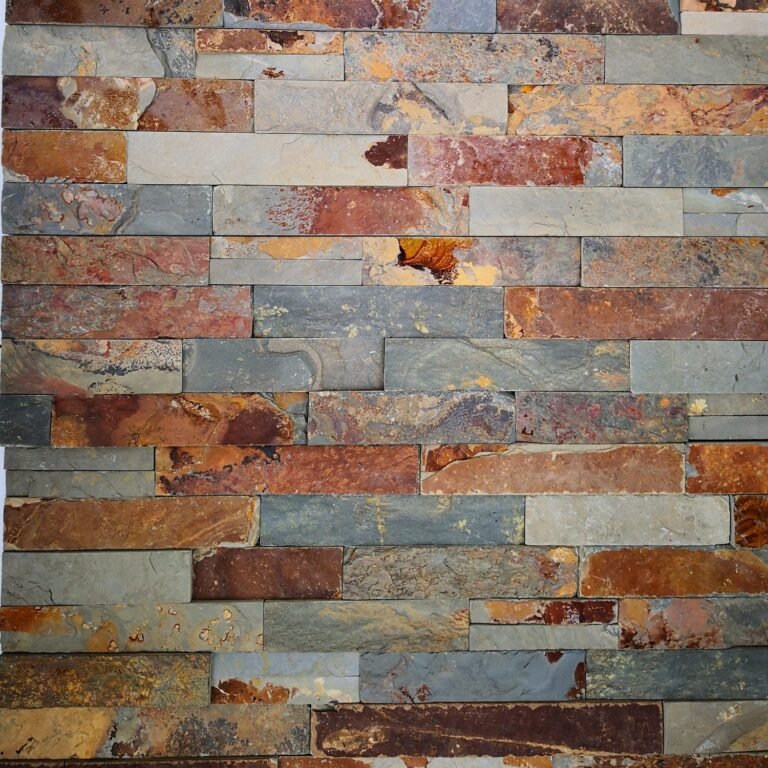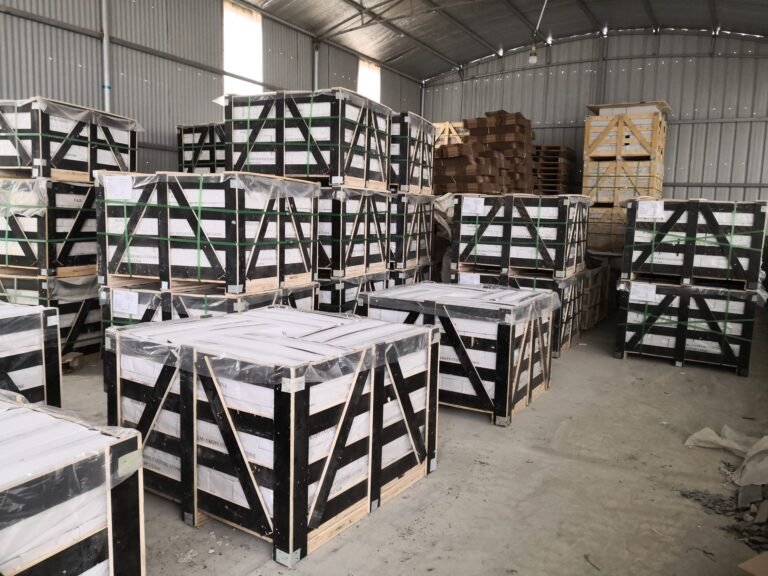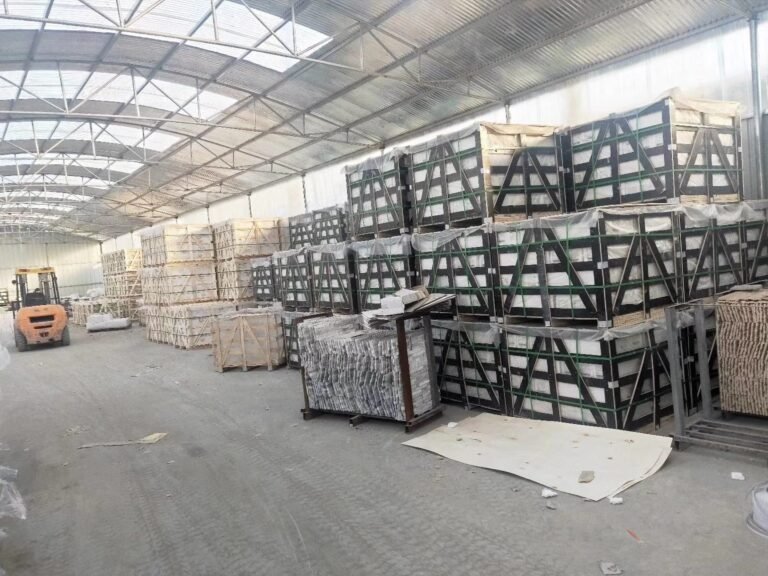
Every stone buyer keeps one comparison moment at the back of their mind. The approved sample sits next to the production carton, laid out under daylight, after the container finally arrives. In the natural stone trade that moment decides whether an order was a win or the beginning of a claims file. Stone is quarried, not formula-mixed, so “same as the sample” is a promise a factory has to engineer and a buyer has to protect.
Stone sample retention is the set of habits that protects that promise. It covers how many samples you keep, how you record an approval, how the factory keeps batch veins honest, and how you verify before the balance payment. This guide is for distributors, importers, and project buyers ordering from export factories. Top Stone Panels, the example throughout, is a quarry owner in Yixian County, Hebei, shipping 220+ containers a year with a minimum order of one 20GP container per product line.
- A sample proves a vein family and a finish, not every panel in the load; the factory controls the full-lot range in production.
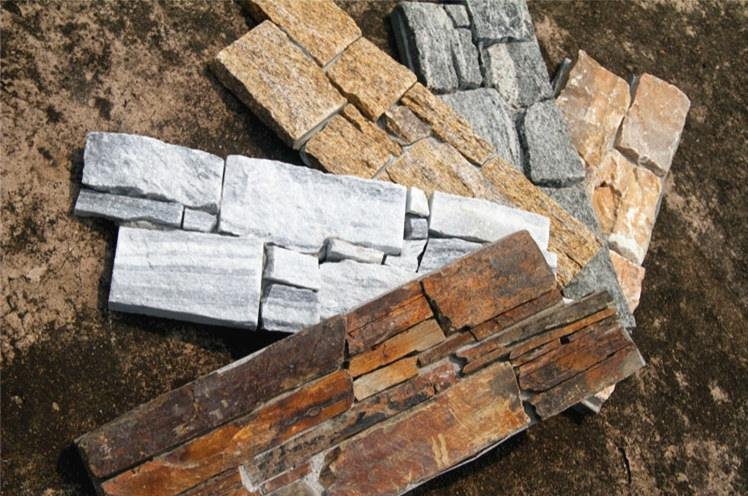
- Keep at least one untouched full panel per color line, plus loose pieces and corner returns, stored flat, dark, and dry.
- Log every approval with a sample ID, a photo under fixed light, the PO number, the batch or vein code, and the date.
- Match every reorder to the same vein family; Top Stone Panels holds this at selection, during processing, and in the pre-shipment check.
- Physical samples ship in 1-3 days and production runs 20-25 working days, so re-approval takes days, not weeks.
- Verify before the balance payment with loading photos, container layout, and a pre-shipment inspection when the order justifies it.
- 1. Why Sample and Container Drift Apart
- 2. Manage Two Samples, Not One
- 3. What a Sample Can and Cannot Prove
- 4. The Approval Record That Saves Reorders
- 5. How Much Sample to Keep and Where
- 6. Batch Control: Same Vein, Same Face
- 7. Verify Before the Balance Payment
- 8. Receiving: Compare in Daylight, Quickly
- 9. Reorders and the Closed-Vein Case
- FAQ
- Conclusion
1. Why Sample and Container Drift Apart
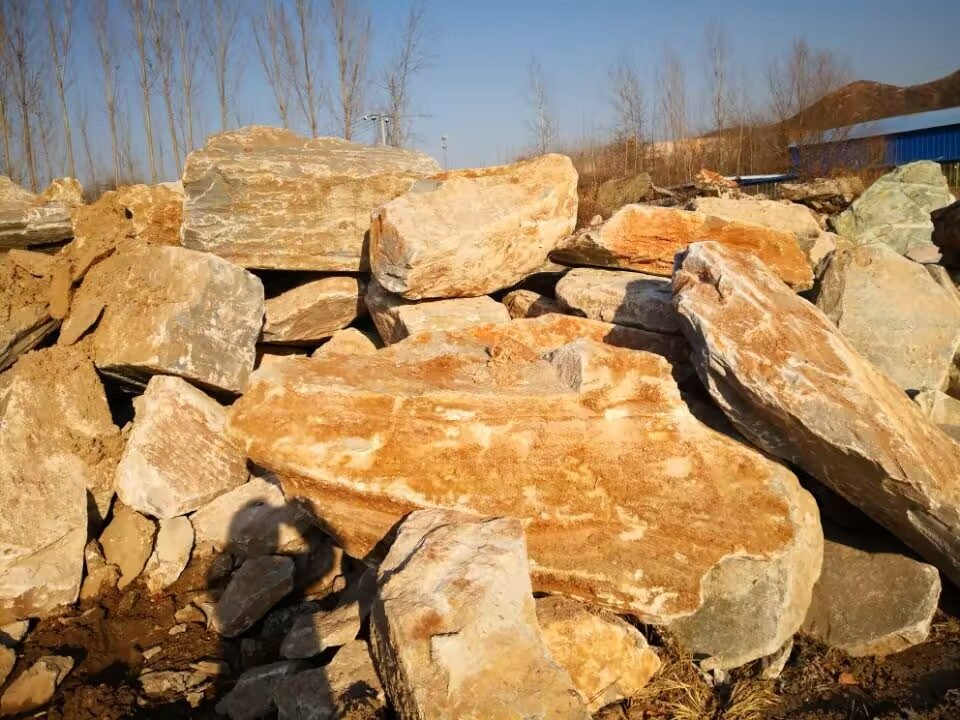
Natural stone comes from a mountain, and a mountain is not uniform. One section of a quarry face yields darker, denser slate; another section fifty meters away shows warmer undertones. A factory cutting a sample board today and production stock three weeks later is physically working with different parts of the same deposit unless it deliberately controls which part it uses.
That is the whole story behind most color complaints: nobody swindled anyone, the sample and the container simply came from different zones of the vein. The fix is not trust, it is process. A factory that practices batch-specific vein selection matches production to the approved sample at three points: raw material selection, processing, and the pre-shipment check. A buyer who knows those three points exists, and files the evidence for them, stops the drift before it reaches the loading dock.
Add the calendar and the risk compounds. A first order is one approval, but a distributor reorders the same color line every season, and each reorder reopens the question of whether the next cut still matches the original reference. Stone sample retention is how that question stays answered with the same answer every time.
2. Manage Two Samples, Not One
Buyers usually think of “the sample” as a single object. In the ordering chain there are actually two references, and confusing them causes most mismatch disputes.
- The approved sample: the board the buyer signed off on, often sent before the first order. It defines color, texture, and finish expectations for the whole relationship.
- The production or shipment sample: pieces pulled from the actual container lot, photographed or shipped so the buyer sees what production is packing today. It confirms that the approved reference survived the factory run.
An experienced buyer treats them separately. The approved sample is the fixed standard. The production sample is the live check that the current container meets that standard as it loads. If the two disagree, do not proceed to balance payment; ask the factory to explain the deviation against the approved reference.
Top Stone Panels supports both because the factory can act on either quickly: physical samples leave in 1-3 days, and production samples or loading videos come with the container documentation. That speed matters because the buyer’s alternative is waiting for the next production cycle, which runs 20-25 working days on standard orders and 25-30 days on first orders with custom retail cartons.
3. What a Sample Can and Cannot Prove
A single board is a small piece of evidence about a large natural deposit. Knowing exactly what it proves and what it leaves open keeps the expectations realistic on both sides of the contract.
| Aspect | What the sample proves | What it does not prove |
|---|---|---|
| Face color | The target tone and family of the vein | An identical shade on every panel in the box |
| Texture | Split face, cleft, or sawn finish | Uniform relief across a full wall |
| Thickness | Nominal thickness of the line (15-40 mm range) | Per-piece variation, which QC must hold |
| Full-lot range | The vein family the lot should follow | Every shade variation in the full deposit |
| Corners | L-corner profile and matching face | Corner fit if the profile was not sampled |
The practical rule: quote the sample as the color family standard and the finish standard, and quote the factory’s QC as the holder of the full-lot range. A distributor who sells a customer “exactly like this board, panel by panel” is selling a promise no quarry can keep. The honest sell is “from the same vein family, held to the sample by three-stage inspection,” and the buyer who phrases it that way sets up fewer disputes.
The category and finish vocabulary has a formal home. US specifiers reference ASTM C119, the dimension-stone terminology standard, when contract documents need agreed definitions for panel, veneer, and finish types. Using the same vocabulary as the spec keeps the sample record, the PO, and the factory’s batch codes talking about the same thing.
4. The Approval Record That Saves Reorders
A sample without a record is a memory, and memory drifts. The approval record is the paper trail that makes reorders reproducible. Build it from the day the sample arrives, not the day the container fails to match.
| Field | What to record | Why it matters |
|---|---|---|
| Sample ID | Unique code on the board and the file | Gives the factory one handle to reference |
| Approval date | Date the color was signed off | Starts the aging clock for re-approval |
| Photo | Shot under fixed daylight, 5000 K or north window | Survives when the physical board fades |
| PO link | First PO and every reorder PO | Ties approval to the order history |
| Batch or vein code | Vein family named by the factory | The code reorders must target |
Send this record back to the factory in plain text with the PO. A line like “order 2026-105 re-orders sample TSP-RED-12, same vein family, same finish” removes all ambiguity about what the buyer expects. Factories that run batch-specific vein selection respond to that language instantly, because it is the same control they use internally.
5. How Much Sample to Keep and Where
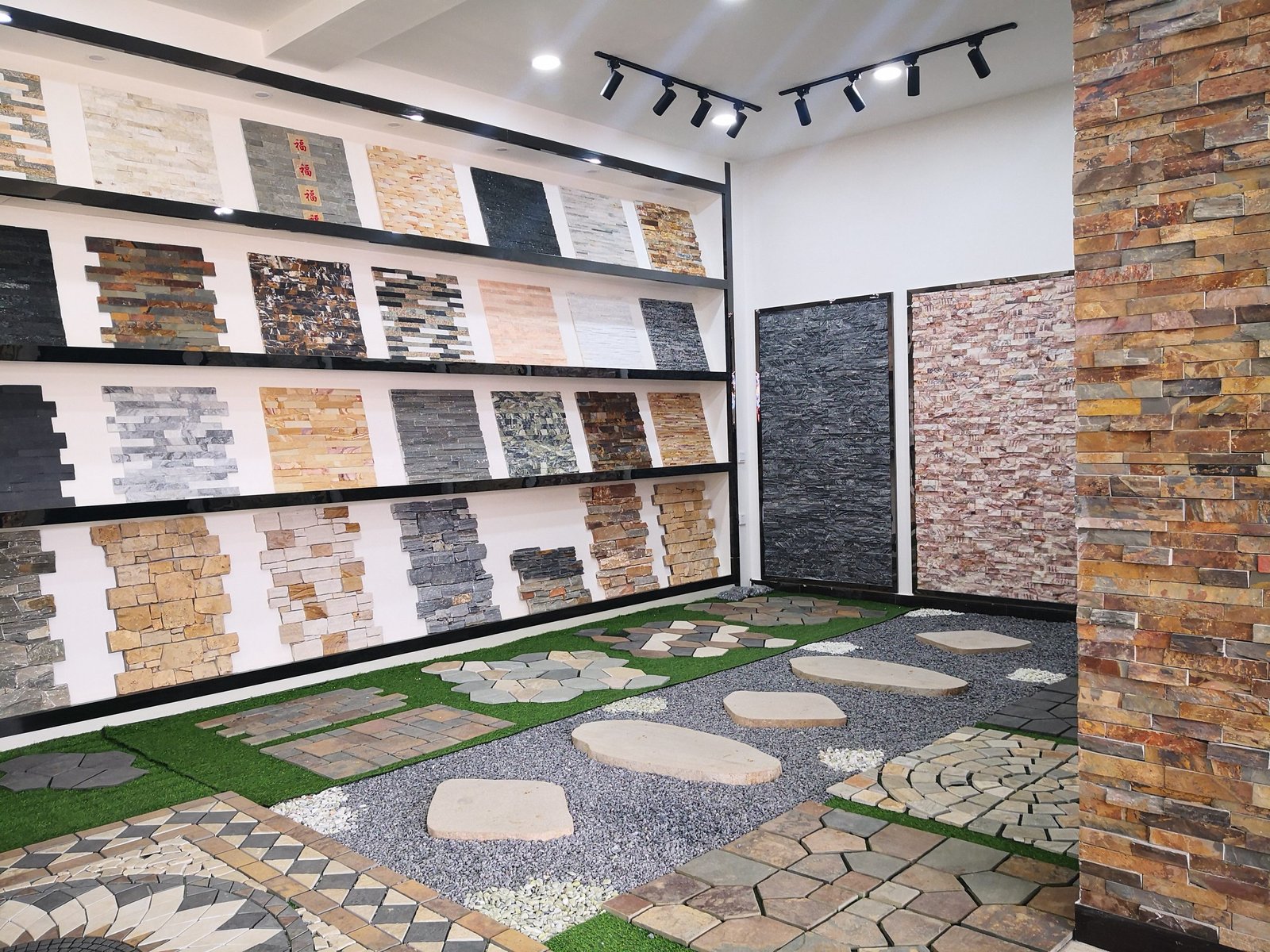
Retention fails in two directions: keep too little and the reference is gone when the reorder comes; keep too much and the sample bank turns into a dusty pile nobody logs. Aim for a working set per color line that survives at least two years of reorders.
| Item | Quantity to keep | Use |
|---|---|---|
| Full panels | 1 untouched panel per color | Master reference for future reorders |
| Loose pieces | 2-3 riven pieces per color | Hand samples for new customers |
| Corners | 1 L-corner per color line | Profile and face match checks |
| Photo file | 1 fixed-light photo per row | Digital backup of the physical board |
Store the reference panels flat, off direct sunlight, and away from moisture. Stone does not fade easily, which is a selling point of natural slate and quartzite, but UV and humidity still dull the comparison surface over years. A panel stored leaning against a warehouse wall picks up grime and scratches, and then it stops being a fair reference. Keep the untouched panel sealed and only handle it for comparisons; the loose pieces are what customers touch.
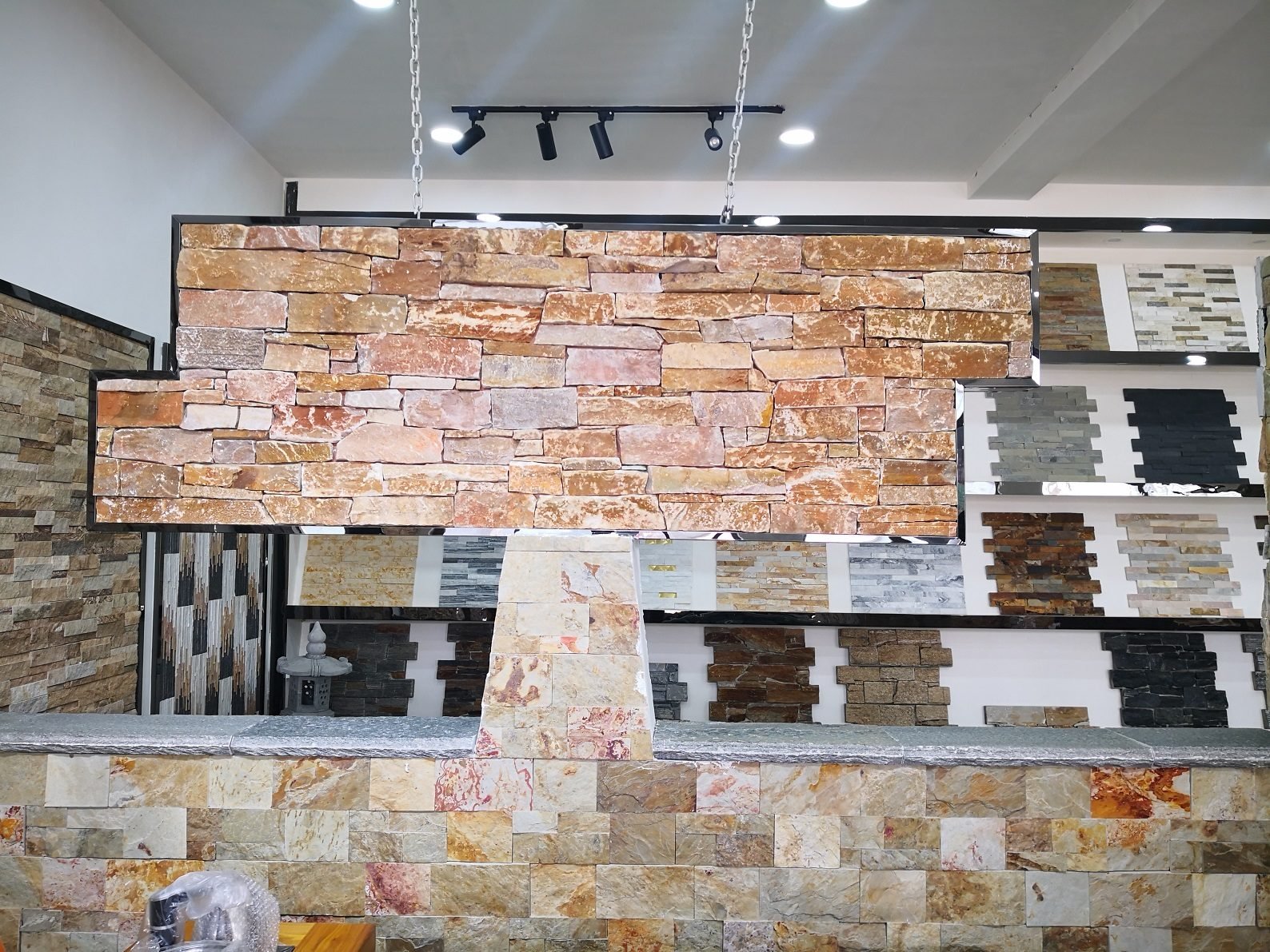
One panel set per color line is enough for most distributors. If a color becomes a volume SKU, upgrade it to a display board in the showroom and keep the sealed master behind it. The day the showroom display gets worn is the day you thank yourself for the sealed copy.
6. Batch Control Holds the Same Vein
Batch control is the factory-side engine of stone sample retention. It works because natural stone comes in named vein families, and production can be scheduled against a specific family just as a tile factory schedules a glaze line.
At Top Stone Panels the control runs through the entire order. Raw material selection pulls blocks from the vein family the approved sample came from. Processing re-checks color and thickness as the infrared CNC lines saw the panels. The pre-shipment check compares finished cartons against the approved reference before container loading. That is the three-step QC loop, and it runs on every line, including the stacked stone panel program and the thin veneer range; it is also the loop behind the factory’s batch color consistency process.
Buyers should ask one direct question before a reorder: “Can you confirm this production run is cut from the same vein family as the approved sample?” A factory with real batch records answers with a code and a photo. A factory that hesitates is telling you the color will be close rather than matched, and the price of that ambiguity is a whole container of “close.”
The same principle covers custom mixes. When a buyer asks for a custom color mix, the approved sample is even more important because there is no single natural vein to fall back on. The factory must log the mix recipe against the sample ID so the next run repeats it. Our custom color mix process guide walks through how a mixed color gets documented and repeated.
7. Verify Before the Balance Payment
The payment structure in the stone trade concentrates the buyer’s control at one specific moment: before the 70% balance is paid. Standard terms are 30% T/T as a deposit and 70% before shipment, so the verification window sits exactly between production and the cash release. Use it.
- Request a production sample: ask for pieces from the actual lot, photographed next to the approved reference under daylight.
- Ask for loading photos: the container layout and the packed cartons show the lot as it loads, with the factory’s packing protocol visible.
- Use a third-party inspection: for full-container orders, an independent inspector pulling an ISO 2859-1 Level II sample plan checks color, dimensions, and thickness against the specification.
- Get the pre-shipment video: Top Stone Panels records the container loading, so the buyer sees the actual cartons and the airbag and steel-strap protection.
The factory side of this is routine because the three-step QC ends at the same point. Top Stone Panels’ three-step quality control finishes with a final check before the container is sealed, and the buyer’s production sample check is the final link in the same chain. When both sides verify at the same moment, mismatch claims almost never survive the invoice.
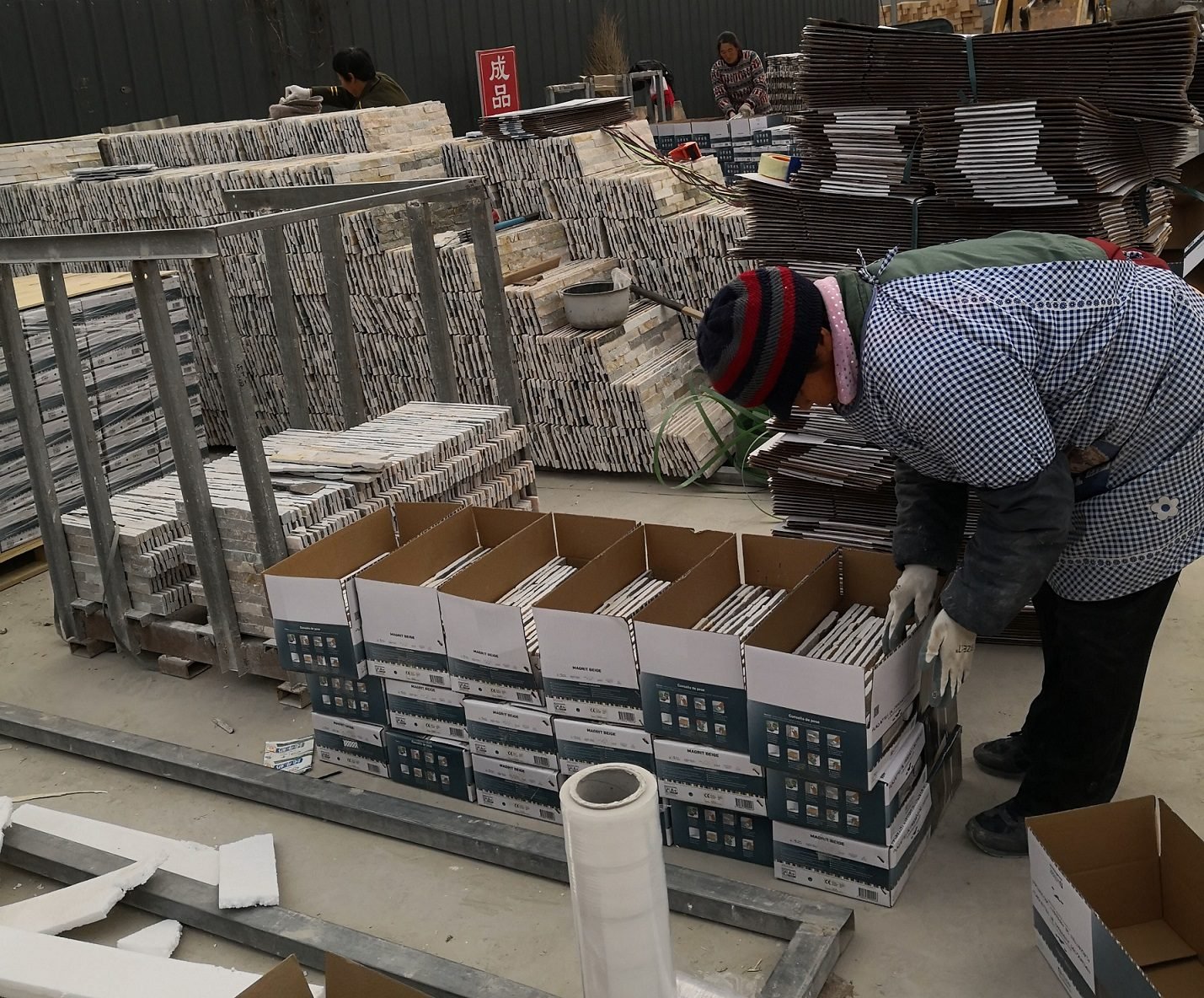
Match the container to the sample, or check it before it sails.
The approval record only pays off when the next purchase references it, which is why our guide to stone reorder color match walks the full repeat-order workflow: PO and vein-lot reference, the stored OEM spec, and the pre-shipment check that keeps a phase two inside the same colour family.
Top Stone Panels supplies stacked stone, thin ledgestone, thin veneer, flagstone, column kits, and interlocking z-panels from its own quarry in Yixian County. Samples ship in 1-3 days, production runs 20-25 working days, and every load is batch-controlled and checked against the approved reference.
8. Compare in Daylight When Receiving
The container arrives and the real test starts. Receiving is not the moment to hope; it is the moment to compare, and it must happen fast enough to preserve claims and slow enough to be fair.
Open a sample carton first, before the load is fully cleared. Lay several panels from different boxes side by side on a flat surface, ideally outdoors under daylight or under a daylight lamp indoors. Fluorescent warehouse lighting changes every stone tone, which is why the photo record in section 4 was shot under fixed light: it is the neutral referee for this comparison.
Compare against the retained master, not against memory. Check face color, texture, thickness feel, and the corner profile if corners are in the order. Photograph the dry lay next to the master sample and send it to the factory immediately; a factory that controls batches would rather hear about a deviation at receiving than in a claim three months later. Our sample evaluation checklist lists the exact checks in a form you can use at the dock.
Keep the evidence system running here. Add the arrival inspection photos to the same sample record, note the batch code printed on the cartons, and update the record before the pallets move into the warehouse. That single habit turns receiving from an event into the monitoring loop that keeps every future reorder honest.
9. Reorders and the Closed-Vein Case
Reorders are where retention earns its keep. First orders get attention on both sides; reorder ten months later is where sloppiness creeps in, on the buyer’s desk and inside the factory.
Before you reorder, pull the sample record, confirm the vein code with the factory, and restate the reference on the PO. If the factory confirms the same vein family and the production sample matches, the reorder is a low-risk repeat. If the vein has shifted or closed, move to the re-approval path: request new samples from the available vein, evaluate them under the same fixed-light protocol, and update the sample record with the new approval. It costs days, not weeks, because physical samples ship in 1-3 days.
Quarries do close out veins, and honest factories say so. The buyer who has a record of the original approval can decide deliberately: accept the closest available vein, lock a closed-out vein inventory if any remains, or switch the color line. The buyer without a record makes that decision from memory, which is how a display wall ends up mid-wall with two different tones. The stone inventory management guide covers how batch and vein control flows into stock turns and slow-mover decisions once the pallets are in the warehouse.
FAQ
What is stone sample retention?
Stone sample retention means keeping an approved physical sample and its records so the factory can match production, and every reorder, to that reference. It covers how much to keep, what to document, and how to verify the container against it.
How long is a stone sample valid for a reorder?
Plan on two years of safe reorders, then re-approve. The risk is not the sample aging, it is the quarry vein shifting. If the factory confirms the same vein family, the original approval still holds; if not, request new samples.
Why does my stone container look different from the sample?
Usually because the production batch was cut from a different part of the deposit than the sample. Natural stone is not formulated, so the fix is batch-specific vein selection and a pre-shipment production sample check before the balance payment.
How many sample panels should a distributor keep per color?
One untouched full panel as the sealed master, two or three loose pieces for customer handling, and one L-corner per color line. Store them flat and dark, and keep a fixed-light photo as the digital backup.
How do I check a production sample against the approved sample?
Lay panels from different cartons next to the master sample under daylight or a 5000 K lamp. Photograph the dry lay, send it to the factory, and log the result in the sample record before the pallets move into storage.
What documents should come with a stone sample approval?
A sample ID, approval date, fixed-light photo, the PO reference, and the vein family code. On the export side, COO, ISPM 15 fumigation, and pre-shipment inspection media complete the file.
Conclusion
Stone sample retention turns a one-time color approval into a repeatable supply chain control. Keep a sealed master and a few handling pieces per color, log every approval against a sample ID and vein code, and check the production lot before the balance payment and again at receiving. The factories that do this well, like Top Stone Panels with its three-step QC and batch-specific vein selection, make the whole loop look easy; the buyer’s records are what make it hold.
Key Takeaways
- The approved sample is the master, the production sample is the live check, and both belong in one record per color line.
- Batch-specific vein selection is the factory control that keeps reorders color-true; confirm the vein code on every PO.
- Verify with a production sample, loading photos, and third-party inspection before the 70% balance payment, not after the container sails.
- Keep one sealed panel, loose pieces, an L-corner, and a fixed-light photo per color, and compare arriving cartons against that master in daylight.
Ready to lock a color for the long run? Top Stone Panels ships physical samples in 1-3 days and holds production to the approved reference through batch-specific vein selection and three-step QC. Send your target wall coverage and color direction, and we will send boards you can reorder against for years.