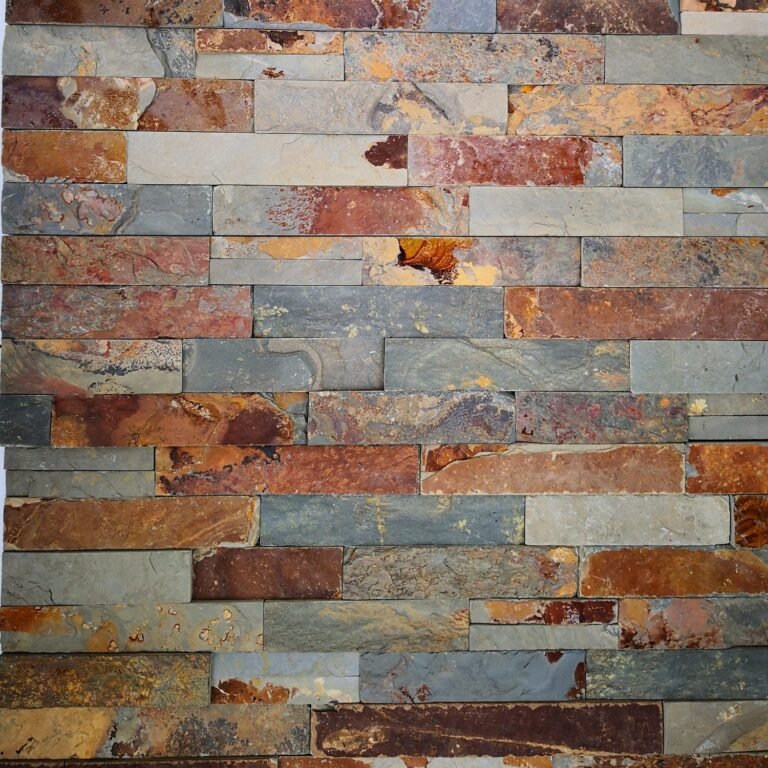
Here is the most common reorder failure in natural stone, and it rarely involves anyone doing something wrong on paper. A distributor clad a townhome facade in Midnight Black. The builder comes back months later for phase two: same elevation, same panel, same product code. The distributor reorders on the code alone. The second container arrives a shade cooler and a vein busier, and now the two phases meet at a corner where anyone on the street can see the seam. The reorder simply skipped the steps that hold quarried material to a single colour family.
Reordering stone is not the same as ordering it again. Natural material carries geology into every batch, so a repeat purchase only matches when the supplier locks the new production to the same quarry vein, references the specification it already holds on file for you, and lets you verify colour before the balance is due. This guide walks the commercial reorder workflow end to end: what “match” really means, what to write on the purchase order, how to order enough of one vein, and how to catch drift before it ships rather than after it lands.

Why Reordered Stone Is Never Identical
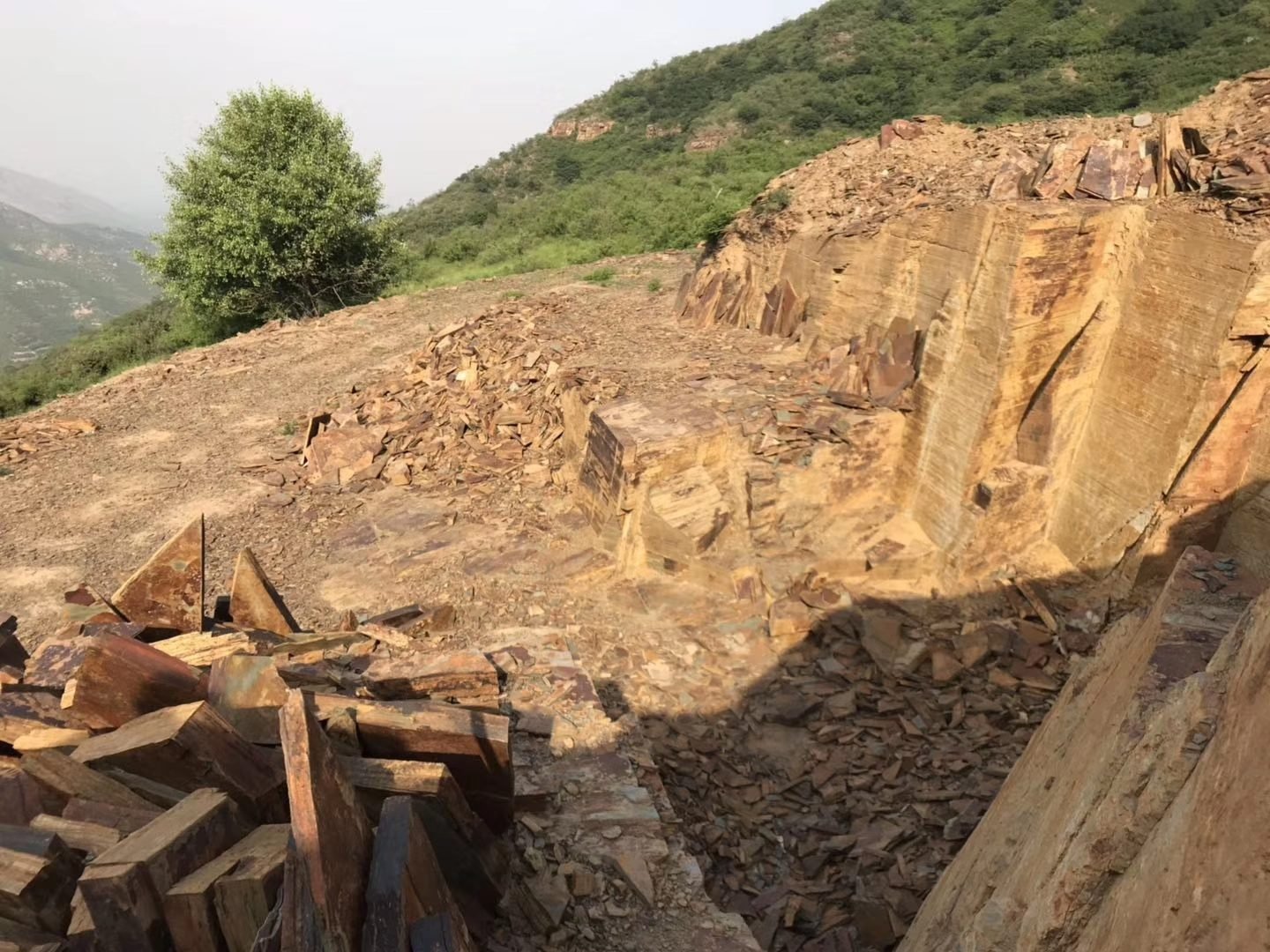
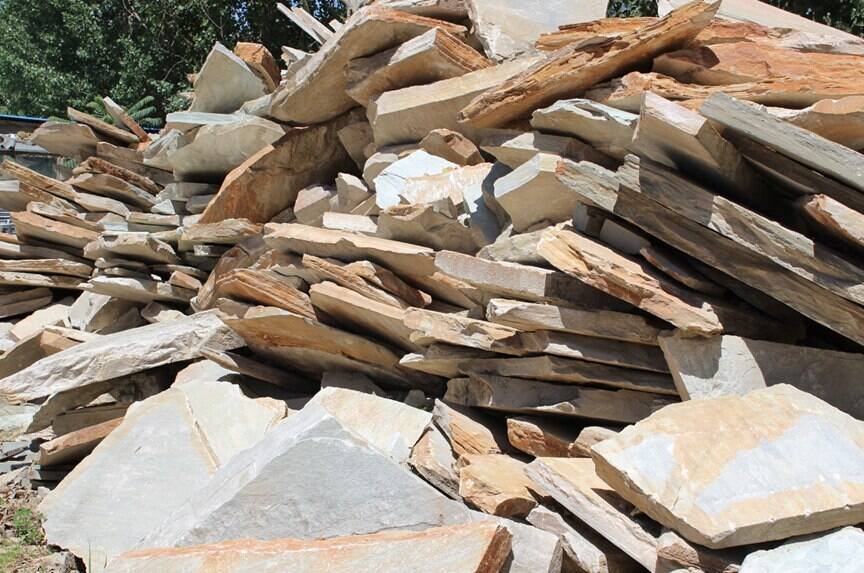
Start from the geology, because it explains every rule that follows. A panel of natural slate or quartzite is cut from a quarry face that formed over millions of years under pressure that was never uniform. Mineral content shifts across the deposit, so iron oxides warm one band toward rust while a purer quartz band reads paler a few metres away. Veining, fossil ghosts, and cleavage lines are all local. When a factory works its way along a face, the colour moves with it.
That means two production runs pulled from different points in the same quarry, or from the same point at different months, are related but not twins. This is not a defect and no supplier can engineer it out of natural stone. Manufactured veneer can repeat a moulded colour indefinitely; quarried material cannot. The realistic goal of a reorder is a new batch that sits inside the same colour family as the first, close enough that the transition reads as natural variation rather than as two products bolted together.
What Color Match Actually Means
Buyers and factories sometimes use “colour match” to mean two different things, and most reorder disputes live in that gap. A buyer often hears it as “identical.” A factory means “within the same vein lot and tolerance, hand-sorted so the spread is continuous.” Set the second definition on the purchase order and both sides are protected.
The technical way to talk about the gap is Delta E, the single number that describes how far apart two measured colours sit. A low Delta E means the eye struggles to separate them; a high one means the difference is obvious at a glance. You do not need to own a spectrophotometer to use the idea. Ask a candidate supplier whether they measure colour difference between an approved sample and production, and what Delta E ceiling they hold a batch to. A factory that answers with a process is telling you it controls reorders. A factory that answers “the stone is natural, it varies” is telling you it does not.
There is a second dimension buyers miss: finish and format change perceived colour even when the stone is identical. A split face scatters light and reads darker and more textured than a sawn face of the same material. A 15×60 cm panel and a 36×10 cm mini ledgestone of the same vein present different amounts of grout line and different surface rhythm. When you reorder, you are matching stone, finish, and module together. Change one and you change how the wall reads, even if the mineral is the same.
How Single-Vein Selection Controls Color
The control that matters most happens before cutting, not after. Our process locks each order to one quarry vein and keeps it there. Skilled masons then hand-sort the split material, pulling the pieces that sit outside the target family and blending the rest so the transition from panel to panel is continuous. That single-vein, hand-sorted discipline is what holds colour transition at 95% or better across a shipment, and it is the reason a wall reads as one surface instead of a patchwork of crates.
For a reorder this is the whole game. If your first container came from vein lot A, the repeat needs to come from vein lot A while it is still open, or from the closest mapped lot when A is exhausted. A supplier that tracks your original vein can go back to it. A supplier that treats every order as new cannot promise anything, because it is not holding a reference to return to. This is also why the colour names in a catalogue, Alaska Gray or Midnight Black, are a starting point and not a specification. Two orders of “Midnight Black” from different veins are both Midnight Black and still visibly different on a facade.
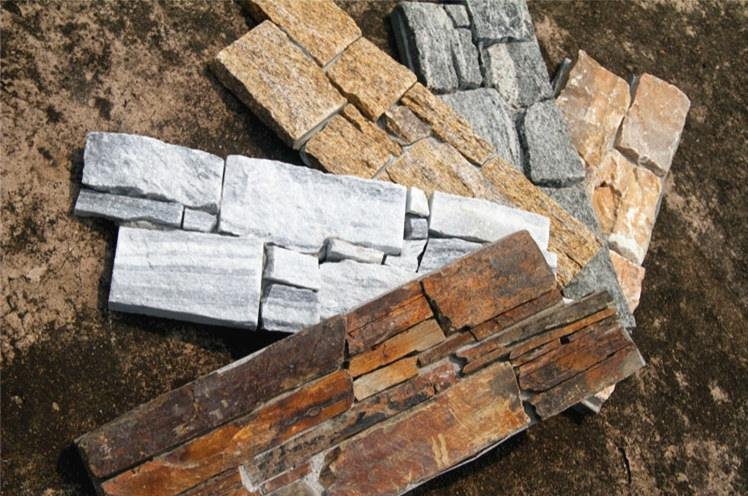
The batch-specific vein selection that protects a reorder is the same discipline behind our thin stone veneer line, where hand-sorting loose split material to a continuous spread is the entire product promise. It is worth reading that page before you specify a colour for a multi-phase project, because the material you choose decides how much sorting the reorder will need.
The Reorder Workflow, Step by Step
A clean reorder is a short sequence, and the reason it is short is that the hard work was stored the first time. When you place an initial order with a factory that keeps proper records, your custom private-label packaging artwork and your specific OEM product specification are held in its database. That record is the anchor for every repeat. It is also why repeat orders carry no extra setup fee: there is no plate to remake and no specification to rebuild, because both already exist on file.
Work the sequence in this order:
- Reference the original order by PO number and vein lot, not by product name alone
- Confirm the stored spec: colour, finish, panel size, backing, carton artwork
- State the new quantity and whether the project needs it all from one vein
- Ask the factory to confirm the vein lot is still open, or map the nearest lot
- Request pre-shipment layout photos and a loading video before the balance is due
- Retain a physical sample from this batch for the next reorder
Notice what is missing: a fresh negotiation of the product. On a true reorder you are confirming a record and adjusting quantity, not re-specifying from scratch. If a supplier asks you to re-describe the panel every time, they are not holding your specification, and your next phase two will carry the same risk as the Calgary townhomes.
What to Put on the Reorder PO
The purchase order is where a reorder is won or lost, because it is the document the production floor builds against. A PO that says only “Midnight Black stacked stone, 1,500 m2” leaves five variables to chance. A PO that pins them removes the argument before it starts. These are the fields that matter, and the reason each one is there.
| Field | What to write | Why it protects the match |
|---|---|---|
| Colour name | Catalogue name plus your approved-sample reference | Names are a family, not a fixed point; the sample fixes it |
| Vein lot | The original lot number, or “match PO #____” | Tells the factory which face to return to |
| Finish | Split face, sawn, riven, rockface | Finish changes perceived colour on identical stone |
| Module | Panel size, e.g. 15×60 cm, 15×55 cm, 36×10 cm | Module changes grout rhythm and how the wall reads |
| Backing | Glue, mesh-back, or cement-backed | Backing affects thickness and installation, not just structure |
| Quantity + buffer | Project total plus overage from one vein | Avoids a second batch mid-project |
| Packaging | Private-label carton artwork reference | Confirms the stored print file, no new setup fee |
Two of these fields get skipped more than the rest. The vein lot is the first, because buyers assume the product code carries it; it does not, since the same code can be cut from different faces across a year. The buffer is the second, because it feels like over-ordering. Both are cheap insurance against the expensive failure, which is a visible seam you cannot fix without replacing installed stone.
Order One Vein for the Whole Run
The single most effective reorder decision is the one you make on the first order: buy enough of one vein to cover the whole project, including a buffer, so you never place a mid-project reorder at all. A facade that goes up in two seasons is the classic trap. If phase one is cut from an open vein and phase two arrives a year later after that vein has been worked out, the factory is matching against a moving target no matter how good its records are.
So size the buffer at takeoff. Count the field, then add the cuts: corners, returns, and the waste from fitting irregular modules. Pre-made L-corner kits reduce on-site cutting loss, which is worth factoring, but a project with four walls and multiple openings still generates more waste than a flat run. Add a realistic overage, order it all against one vein lot, and store the surplus. Surplus stone from the correct vein is an asset on a phase-two project. A short order that forces a second batch from a different lot is the liability.
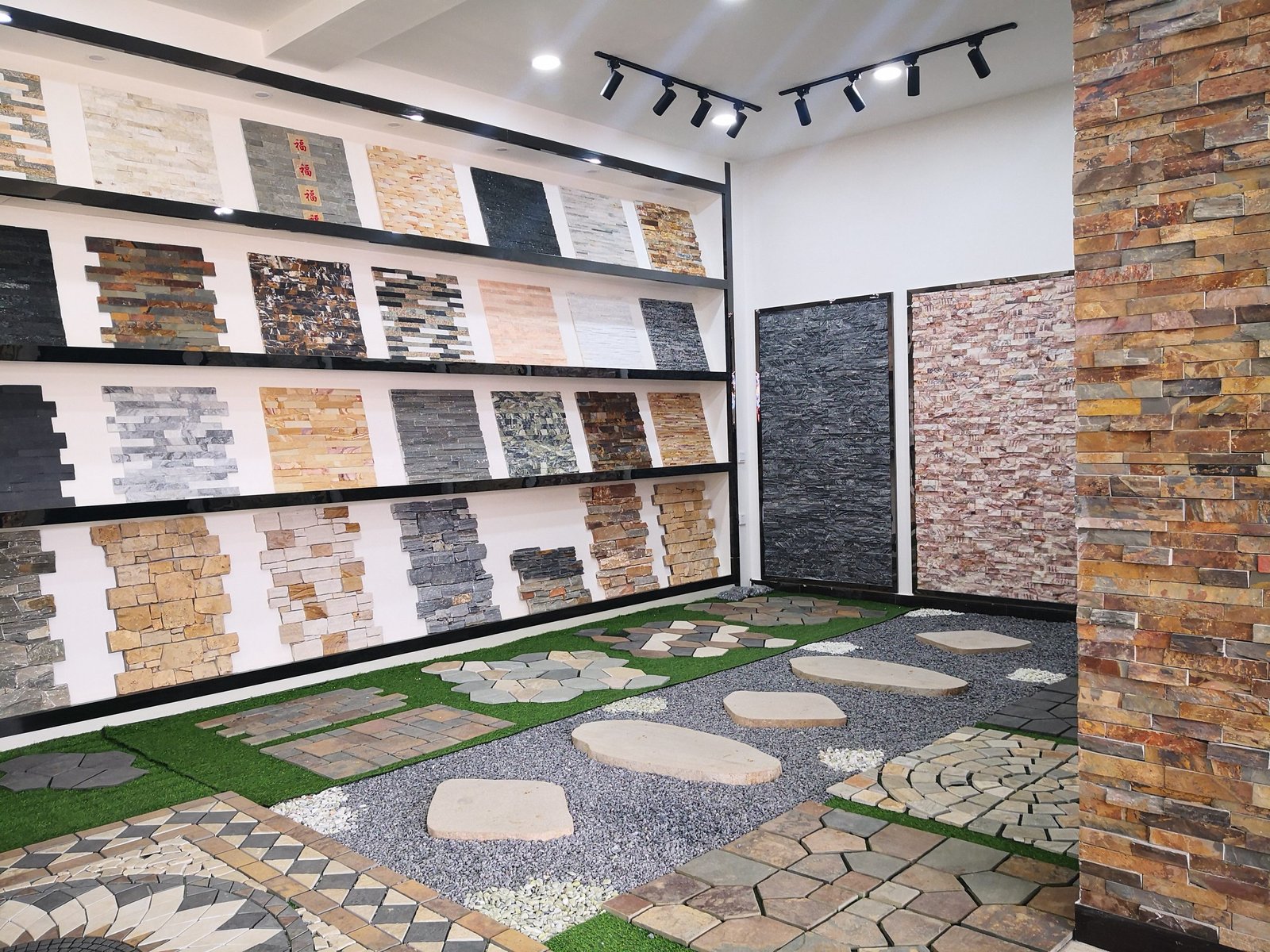
If you hold inventory across seasons, coordinate the buffer with your stock turns so surplus does not become dead cash. Our guide to stone inventory management covers how distributors balance a protective overage against storage and cash flow, which is the other half of this decision.
The 3-Day Lab Match for Hard Cases
Sometimes a reorder cannot be matched from records alone. The original vein is closed, the first order came through a third party who did not pass on the lot, or you are matching stone installed years ago by a different supplier. For these cases the reliable route is a physical sample and a laboratory match rather than a photograph and a hope.
Send the retained sample from the installed wall. Our factory laboratory runs a vein density comparison, checks cutting tolerance, and reverse-engineers the backing within three days, then produces a 1:1 sample at no charge so you can hold the proposed match next to the original before committing to volume. A photo on a phone cannot carry that judgement: screens shift colour, and a single image hides the spread across a batch. Physical side-by-side comparison in daylight is the only test that means anything, which is the discipline our stone sample retention guide sets out in full.
Retaining that sample is a habit, not an event. Keep a piece from every batch you receive, labelled with the PO and vein lot, and the next reorder starts from a physical reference instead of a memory. A distributor who keeps samples turns a three-week email argument into a three-day lab match.
Verify Before the Balance Payment
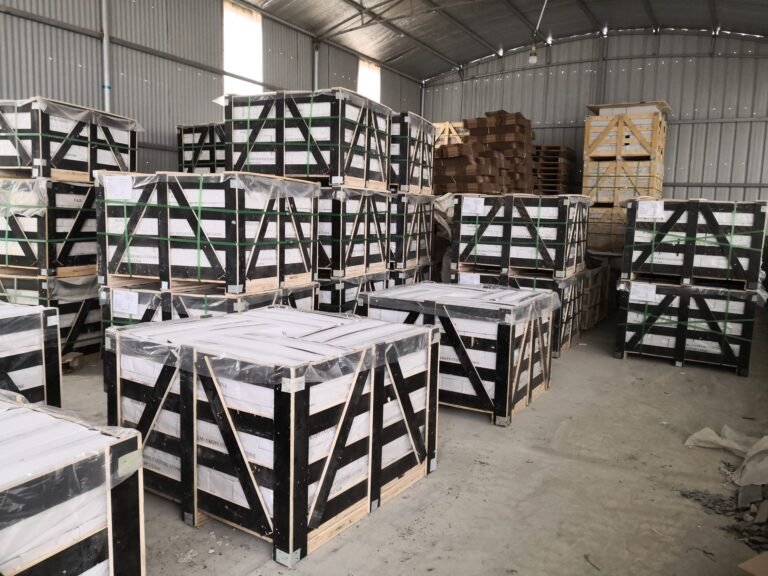
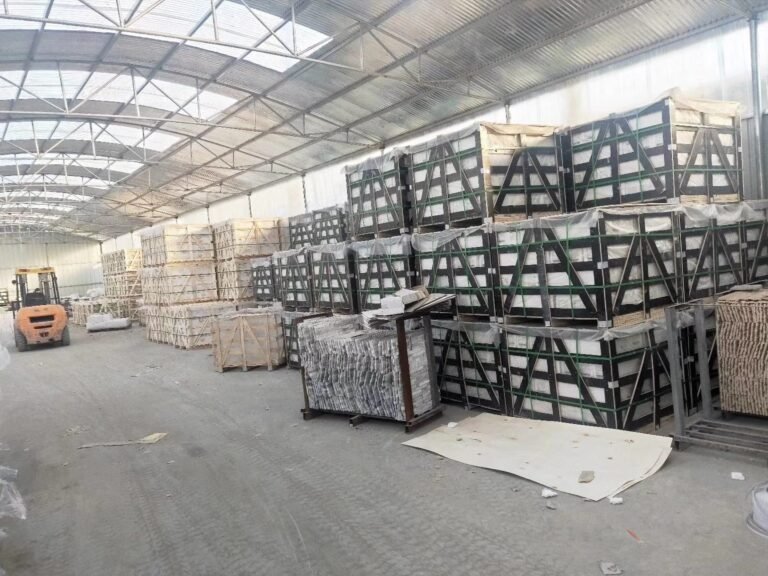
The last checkpoint is also the cheapest one to use, because it happens while the stone is still in the factory. Standard terms are a 30% T/T deposit with the 70% balance due before shipment, and the balance is settled only after you have seen the bulk layout and a container-loading video. That sequence is not a formality. It is your window to confirm colour before the goods are on the water, when a correction is still a re-sort rather than a claim.
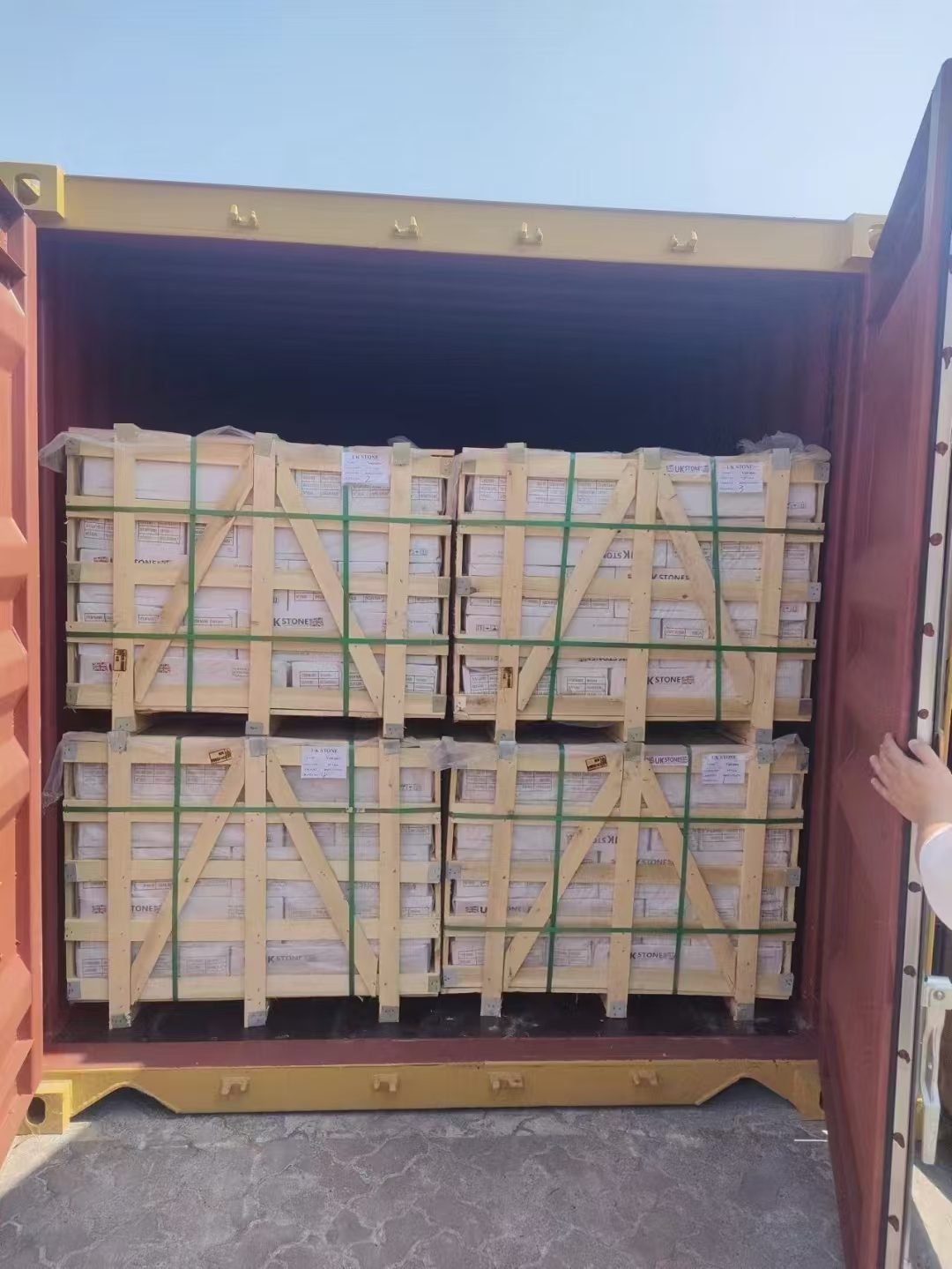
Use the window properly. Ask for random layout photos of the actual production, not the showroom sample, shot in daylight. Look at the spread across several panels rather than one hero piece, because a single panel can flatter a batch. Confirm the loading video shows the crates you expect: thickened fumigation timber, four to six strapping bands, and air bags where the load needs them, all rated to survive a 26.5-tonne ocean shipment. Packaging detail is covered in our packaging and shipping guide, and it matters to a reorder because damage on the voyage forces yet another batch and another match.
Reorder Lead Times and Payment Terms
Reorders are usually faster than first orders, and knowing the difference helps you promise a builder a realistic date. A first order that includes private-label carton printing runs 25 to 30 working days, because the print plate has to be made. A reorder against a stored specification skips that step. Stock and fast-shipment production leaves Tianjin Xingang in about 20 working days. Prototype and short-run samples for a hard match are made and shipped in 1 to 3 working days.
| Order stage | Typical lead time | What drives it |
|---|---|---|
| Sample / short-run | 1-3 working days | Lab match and 1:1 sample production |
| First order, private label | 25-30 working days | Includes carton print plate-making |
| Reorder, stock spec | ~20 working days | Stored spec, no new setup |
| Payment | 30% deposit / 70% before shipment | Balance after layout photos and loading video |
Build the reorder date backwards from the installation, not forwards from the order. A builder who needs stone on site in October should have the reorder confirmed, produced, verified, and shipped with room for ocean transit and customs. Planning that timeline is the same muscle as forecasting first-order demand; our supplier onboarding plan walks through setting these expectations with a new factory at the start of a relationship.
When the Color Still Drifts
Even with a stored spec and a single vein, there are cases where an exact match is genuinely impossible. The most common is the closed vein: the original face is exhausted, and no amount of record-keeping can pull stone from a deposit that is gone. When that happens, the honest options are a mapped nearest lot approved against your physical sample, a deliberate design change that treats the new phase as a contrast band rather than a continuation, or holding the remaining surplus from the first order for exactly this moment.
What you should not do is accept a substitution on a photograph. If a factory proposes a different lot, get the 1:1 sample and compare it in daylight against the installed stone before you commit. And this is where buying the buffer on the first order pays for itself: surplus from the original vein is the only guaranteed match for a closed-vein repair, which is why experienced distributors treat overage as inventory rather than as waste.
Colour drift is also easier to prevent on some materials than others. Loose split-face veneer shows variation as natural texture and forgives a small drift; a large-format sawn panel in a pale, uniform stone shows it immediately. If a project will span multiple phases over years, factor that into the material choice at the start, and read the colour behaviour of the specific stone before you specify it. Our overview of ledge stone colours explains how far a given family naturally ranges, which tells you how much drift a reorder can absorb before it shows.
Frequently Asked Questions
Can I reorder the exact same stone colour?
Not identical, because natural stone varies within a quarry face. You can get a batch inside the same colour family if the supplier locks the reorder to the same vein lot and hand-sorts it. Single-vein selection holds colour transition at 95% or better, which reads as continuous on a wall rather than as a patch.
Why does a reorder cost no extra setup fee?
Because your private-label carton artwork and OEM product specification stay in the factory database after the first order. There is no print plate to remake and no spec to rebuild, so a repeat order is a quantity change against a stored record, not a new setup.
How long does a stone reorder take?
Stock and fast-shipment production leaves in about 20 working days because the specification is already on file. A first order with private-label printing runs 25 to 30 working days. A hard-match sample is produced and shipped in 1 to 3 working days.
What if the original vein is closed?
Then an exact match is impossible. Approve the nearest mapped lot against your retained physical sample in daylight, use surplus held from the first order, or treat the new phase as a deliberate contrast band. Never accept a substitution on a photograph alone.
How do I check colour before paying the balance?
Standard terms hold the 70% balance until after you review bulk layout photos and a container-loading video. Ask for daylight photos of the actual production spread across several panels, not a single showroom piece, and confirm the crating before the goods ship.
Conclusion
A reorder matches when four things line up: the same vein lot, a stored specification you reference instead of re-describing, a retained physical sample for the hard cases, and a pre-shipment verification window you actually use. Skip any one and you are gambling on geology.
- Order the whole project, plus a buffer, from one vein on the first PO so you never reorder mid-build.
- Reference the original order by PO number and vein lot, not by colour name alone.
- Keep a labelled sample from every batch; it turns a three-week argument into a three-day lab match.
- Review bulk layout photos and the loading video before the 70% balance, while a fix is still a re-sort.
Send us the original PO number, the vein lot, and a photo of the installed wall. If the match is not straightforward, ship the retained sample and we will return a 1:1 comparison piece within 3 working days, with no setup fee on the repeat. The colour is confirmed before a single panel is cut, on every reorder, from Top Stone Panels.