Buying Less Than a Full Container: Stone Veneer Trial Orders, Pallet Quantities and LCL Done Right
Short answer: yes, Chinese stone factories sell trial orders, but the three questions hiding inside yours have different answers and different owners. The factory’s minimum production quantity is about its line, the shipping quantity is a freight decision made with a forwarder, and the commercially sensible quantity is yours alone: the point where landed cost still beats local supply. The practical trial is one export crate per style, roughly one or two square meters for the display plus enough panels to test breakage and install a mock-up, shipped LCL through a consolidator rather than a “part container” bought from the mill. Expect a mixed-order premium, insist on packed dimensions and weight before booking, and treat the fumigated timber crate standard as a compliance requirement, not packing decoration.
Almost every new stone distributor starts below the full container, and almost every first trial order teaches the same three lessons the hard way: the price is not the quote you expected, the freight behaves nothing like a full box, and the packaging rules at your own port catch you by surprise. This guide puts the trial order on a proper footing.
Three Quantities, Three Owners: Separate Them Before You Negotiate
The single sentence that changes a trial-order conversation from retail to wholesale is separating what the factory can produce from what you can ship and what you should buy. The factory’s minimum is a production fact: standard stocked styles can often be sold in the low hundreds of square meters, while a custom color mix or private packaging pushes the floor toward the full-run logic in the MOQ and container mix guide. The shipping quantity is a logistics fact: an LCL booking accepts whatever your crates measure, subject to the forwarder’s minimum charge, which is why a trial can physically move even when nobody sold you a “part container.” The commercial quantity is the one nobody else can compute: does the landed per-square-foot still leave margin against local wholesalers, using the same normalization discipline as the per-square-foot cost guide. Factories quote best prices on full containers because the whole machine is built around them, as the wholesale sourcing guide lays out; a small order paying a premium is not the supplier being difficult, it is the honest cost of breaking a campaign. Your job is to make the premium visible and bounded, not to negotiate it to zero.
What a Serious Trial Order Actually Contains
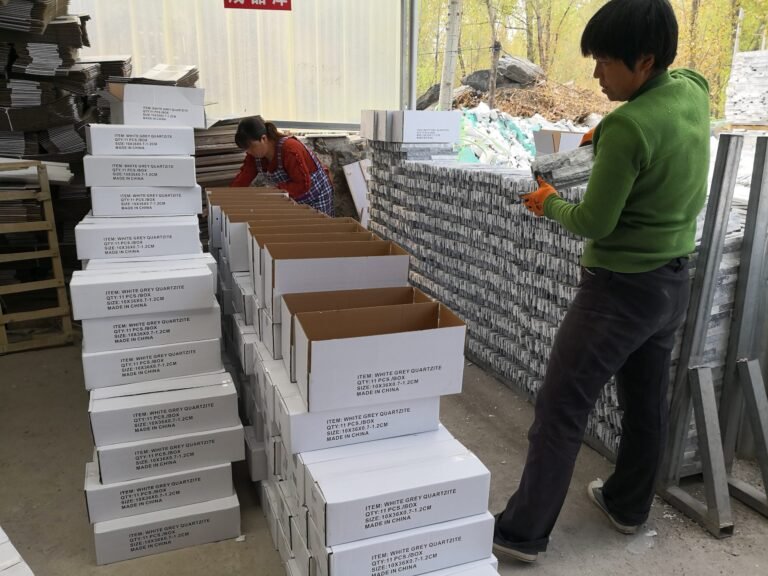
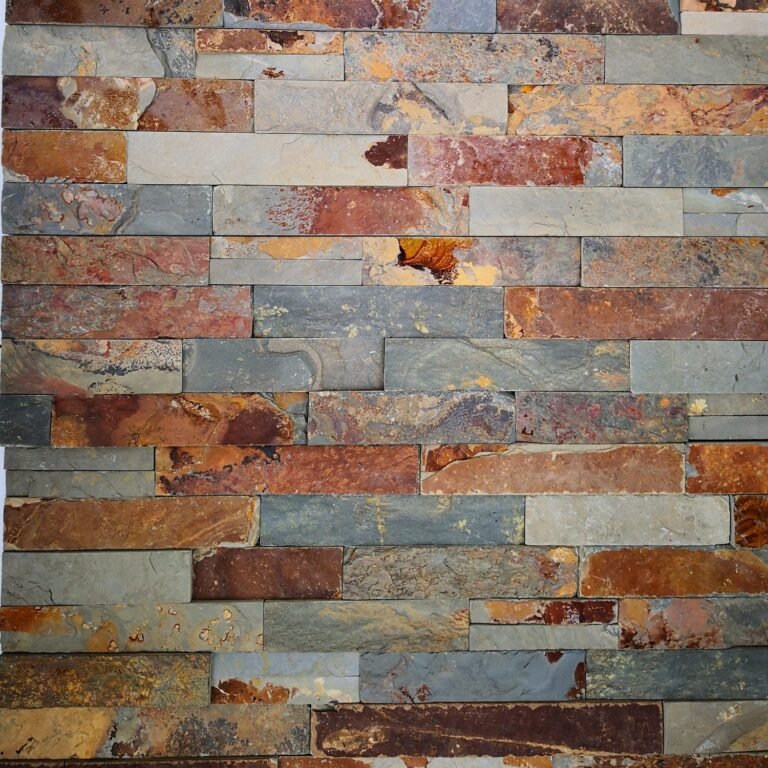
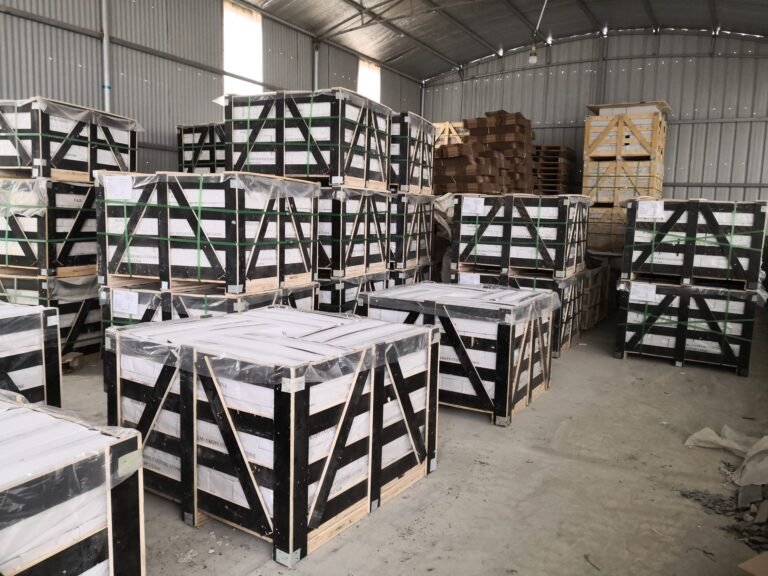
Two or three styles is the right ambition for a first order, and the structure that gets you wholesale treatment rather than homeowner service reads like this: one export crate per style, or one consolidated crate with SKUs physically separated and marked; roughly one to two square meters per style for the showroom display, plus enough material to build a small mock-up wall, because nobody signs off a veneer program from a brochure swatch; corner pieces included per style so the mock-up is honest about the full system; and every figure that will matter downstream captured before sealing: packed crate dimensions, gross weight and total cubic meters, not product dimensions, because freight bills the box. Photographs of the packed order go to you before the crates close. Ask for the inspection basics on the trial exactly as you would on a container, which is the color, thickness and quantity check distilled in the shipment claims guide, since a trial that arrives wrong teaches you nothing except how to lose money slowly. A common and reasonable term to propose: the factory credits the trial’s freight premium or sample charge against the first full container, which converts your test into their pipeline instead of their one-off.
LCL Is a Forwarder Product, Not a Factory Product
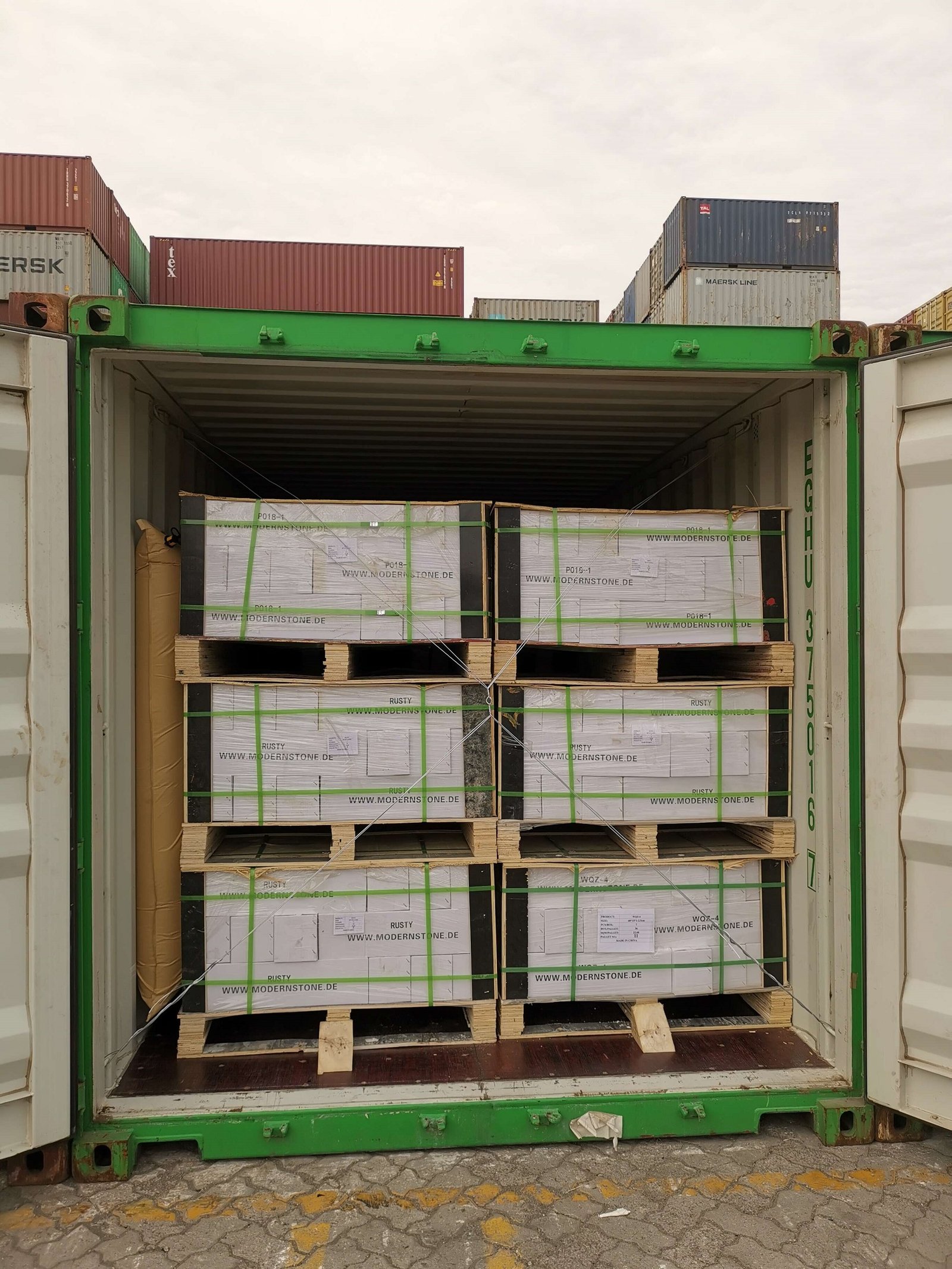
Understand who sells what. The mill produces and packs; the consolidator builds your shipment. A trial order normally moves LCL through a freight forwarder or China-side consolidation warehouse that receives your crates at a CFS and groups them with other shippers’ cargo to the same destination. The economics to know going in: LCL rates are charged per cubic meter with a minimum, stone is the commodity that hits weight limits early, and for a small trial your cost per square meter of freight will be several times the full-container rate, which is exactly why the quote sheet must show factory price and shipping cost as separate numbers from day one, the way the FOB versus CIF comparison teaches for full loads. One structural trap: because stone crates are dense and awkward, some consolidators decline them or price them into a “no-space” penalty; put the crate dimensions to three forwarders before you commit the order, and ask specifically for building-material LCL experience. When the trial works and the pattern resembles a real assortment, the same logic decides whether the second order goes a mixed 20GP or waits into the 40HQ plan the container booking guide walks through.
The Packaging Rules Your Port Will Enforce Whether You Knew Them or Not
Small orders carry one compliance burden large orders hide inside scale: timber packaging. International shipments ride on wood, and the ISPM-15 standard for wood packaging material, maintained under the International Plant Protection Convention, requires heat treatment or fumigation with the mark applied and documented, which is why a real export crate carries the stamp and paperwork; the standard’s official text and country measures live at ippc.int. Get the mark on the crate, not promised in an email, because customs at your end inspects wood, not invoices. Destination rules stack on top, and a stone importer should read the market-access page for the country they actually ship to before choosing styles: Australia, for example, prohibits supply of engineered stone products outright under its silicosis controls, which is an import-planning fact, not an installation footnote, published by the Border Force at abf.gov.au. Natural quarried veneer is a different category from the banned engineered slabs, but your catalog, your packaging description and your entry documents must all say so consistently, which is the same scope-proof chain built in the AD/CVD documentation guide.
Proving You Are a Wholesale Buyer When Your PO Is Small
Factories sort inquiries in minutes, and quantity is only the first signal. The behaviors that read as distributor rather than DIY: quoting against named SKUs and packed-crate quantities instead of “a few panels”; asking for the packed dimensions, the crate weight and the CBM, which a homeowner never asks; specifying the LCL forwarder or CFS delivery point instead of demanding door delivery; requesting the color-batch and retained-sample logic described in the reorder color matching guide even at trial scale; and asking what the second order looks like, price-wise, which starts the campaign conversation early. A supplier who treats you like a project source after a pallet order is doing you a favor you cannot keep; a supplier who answers with crate counts, batch numbers and a two-container plan has found a customer. The same posture carries into pricing: the trial is where you learn the mill’s mixed-order premium structure before the first real campaign, so the volume negotiation in the tiered pricing guide starts from data instead of imagination.
FAQ
Will a Chinese stone factory actually sell me less than a container?
Yes for standard stocked styles, usually at a small-order premium; less willingly for custom colors or private packaging, where the minimum tracks a production run. The practical form is crates or pallets shipped LCL, and the honest framing is a trial with a stated path to a container.
How much material should the first trial include?
Enough to sell and install: roughly one to two square meters per style for display, plus a mock-up quantity per style including corners, not just samples. A trial sized to prove the product moves gets a better price than one sized to satisfy curiosity.
Why is LCL freight on stone so expensive per square meter?
Because LCL charges minimum-per-cubic-meter while stone is heavy and crate-packed, so you pay a share of the consolidated box far above your freight-efficiency. Compare per-square-foot landed cost against local wholesale before assuming the factory price is the high part.
What paperwork does a pallet order still need?
The same as a container, in miniature: ISPM-15 marked timber packaging, packed-dimensions sheet, photos before sealing, a packing list matching SKUs, and destination-market product descriptions that say natural stone in the words the customs system expects.
How do I stop being treated as a one-off buyer?
Order on crate and CBM language, name a forwarder or CFS, ask for batch and sample retention terms, and define the second order while negotiating the first. Distributor behavior plus a repeatable pattern is what earns the second-order price the trial is a payment for.