Resort pools trade on the material story as much as the water. A wall of stone behind the deep end, a flagstone apron that reads dry even when wet, cabana facades that match the pool edge, entrance columns that frame the arrival. For a hospitality buyer, that material story is also a maintenance decision: the finish around a pool has to survive chlorine, salt, UV, crowds, and the winter shutdown cycle without becoming a repair line in the operating budget.
This guide walks through five stone cladding applications that recur in hotel and resort pool design, with the trade-offs of each and the specification details that keep the finish working. It is written for hotel developers, procurement teams, outdoor design consultants, and distributors quoting resort projects.
Top Stone Panels is the slate and quartzite quarry exporter in Yixian County, Hebei, supplying stacked stone, ultra-thin ledgestone, flagstone, and column kits in container quantities. Hospitality buyers come to us for the same reason the pool environment demands: dense natural stone that handles the climate and a factory that holds color and thickness tolerances across a whole project.
- Slate and quartzite handle the pool environment: salt-spray resistance, UV-stable color, and -30°C to +50°C cycling cover chlorinated and coastal sites.
- Flagstone with a natural cleft face is the safety floor for pool decks because it stays non-slip when wet.
- Stacked stone and ledger panels give pool walls and cabanas the resort texture at thin veneer weight and cost.
- Prefabricated column kits frame entrances without formwork and concrete pours on site.
- Specify by area, request a color-mix layout, and order samples before the container so the resort approval happens once.
1. Stacked Stone Pool Walls
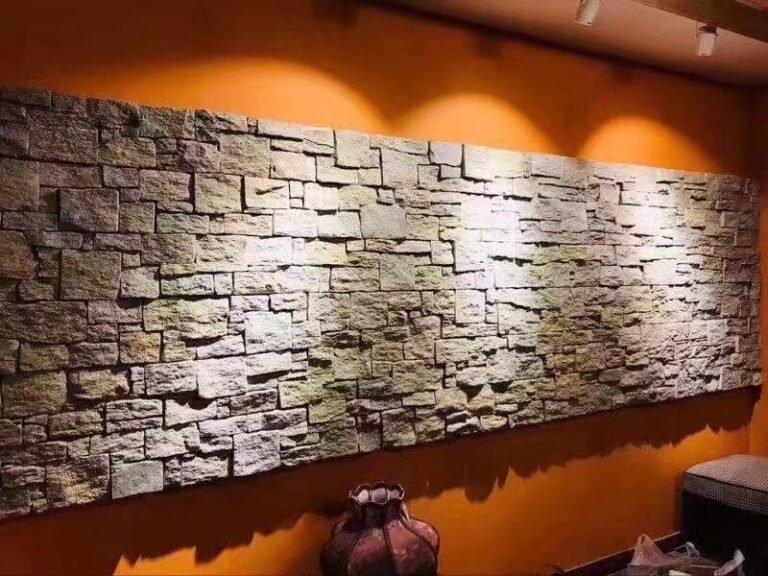
The deep-end wall is the postcard shot. A full-height face of stacked stone panels behind the pool reads as natural luxury, and it does double duty: the run of panels hides pool equipment niches and skimmer areas with a texture that never looks institutional. On thin veneer panels the installation cost stays close to a render finish, while the effect lands closer to a quarry face.
Stacked stone panels in the standard 15x60cm and 15x55cm formats give the wall a clean running-bond rhythm, and the prefabricated L-corner pieces carry the texture around inside corners of wet decks and planters without a field-cut miter. Panel thickness consistent to factory tolerance matters here; it keeps the face flat so pool water lines and LED niche frames sit straight against the stone.
Specification notes for the buyer:
- Choose slate or quartzite from a salt-spray-rated source; the pool air is chlorinated and humid, and low-water-absorption stone shrugs off both.
- Detail the top edge with coping rather than stopping the stone flat; standing water on a horizontal stone shelf is the detail that ages worst.
- Keep the wall system behind the veneer drained and vented; the same wet-area waterproofing rules that protect bathroom walls apply at pool scale.
Design note
Stacked stone pool walls pair best with a darker, flatter pool interior finish: the texture stays the focal point and water chemistry stays visible for maintenance staff. Add a single recessed LED strip at waterline in a color-matched frame, and the wall doubles as evening architecture.
2. Flagstone Decks Around the Water
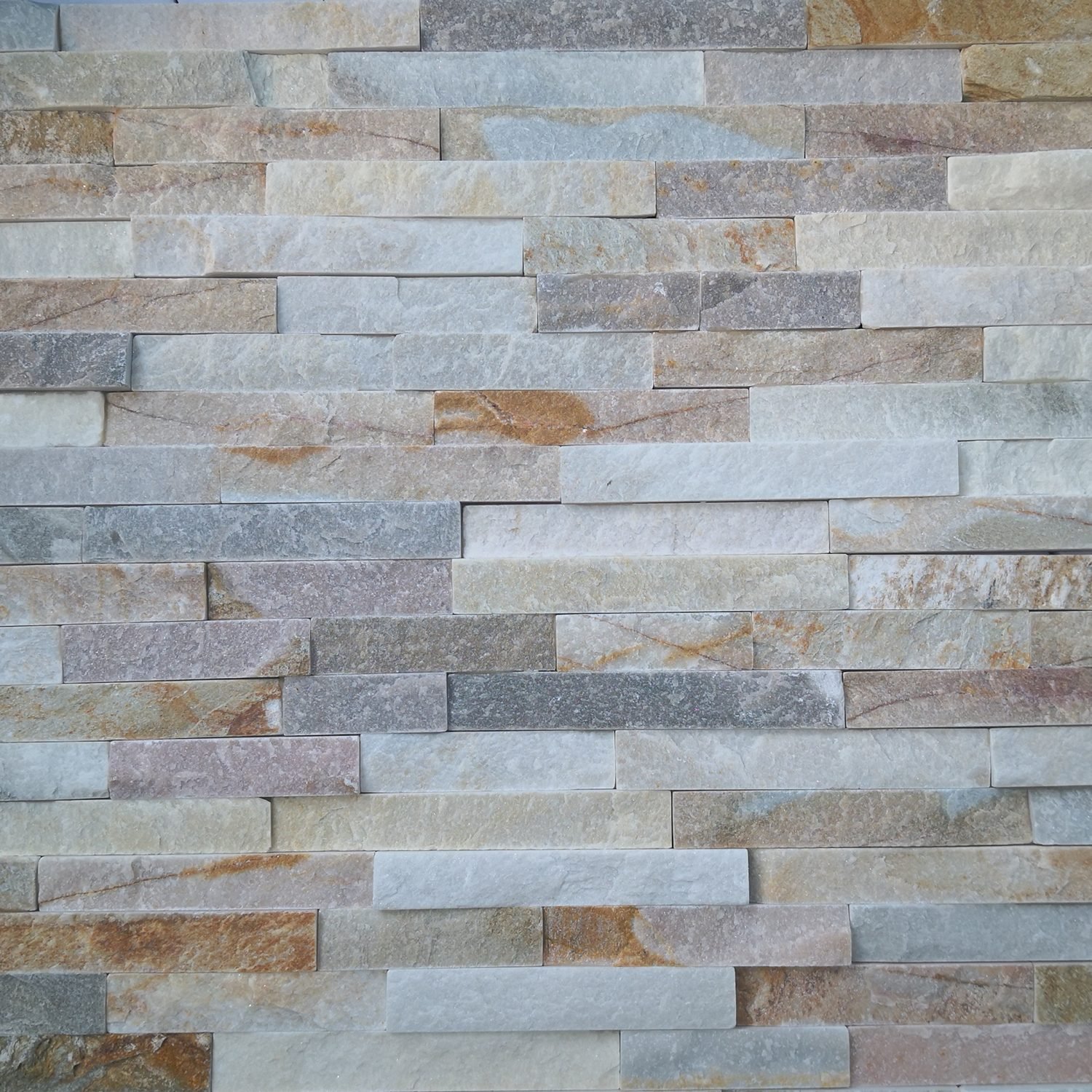
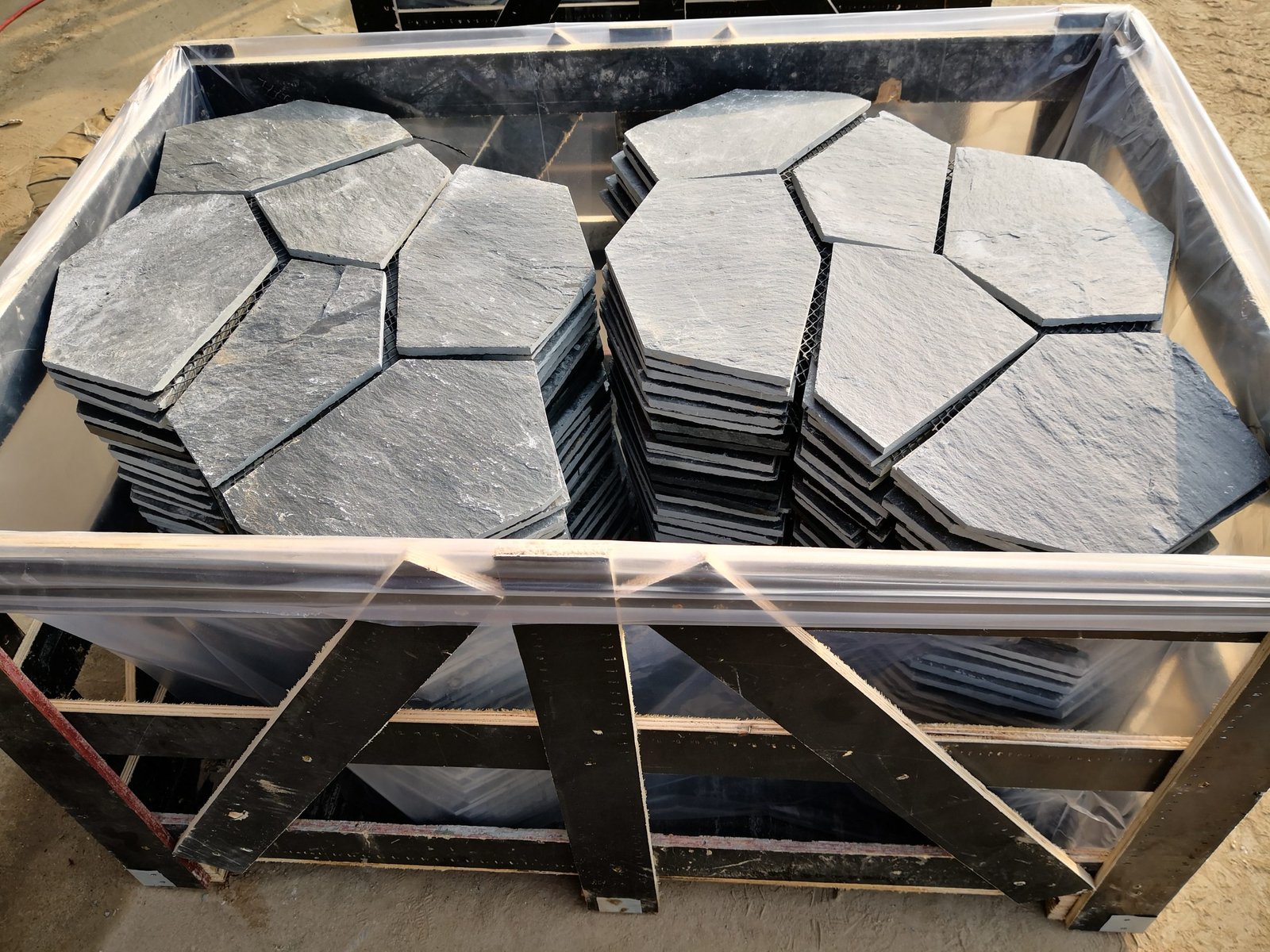
The deck is the largest stone surface on the project and the one guests walk on barefoot, wet, sun-blinded, and in flip-flops. Safety comes first: a natural cleft flagstone face stays non-slip when wet because the cleft texture is load-bearing roughness, not a coating that wears off. Flagstone is the traditional resort pool deck for exactly that reason. The natural stone industry’s own guidance on flagstone selection begins with water absorption and slip testing, which is why cleft slate and quartzite show up on so many pool specifications.
For a hotel setting, mesh-backed flagstone and crazy paving sheets speed installation by standardizing the mat, while the random natural edges keep the hand-laid look. The same slate product family can serve the deck and the pool wall, which simplifies ordering and guarantees the tone story matches on day one.
Dense, low-water-absorption flagstone is the specification target. Water absorption governs freeze-thaw survival, and a seasonal resort that closes for winter cannot babysit a porous stone deck through the freeze cycle. The flagstone pool decking guide covers the layout and joint details; the buying decision narrows to density, cleft face, and batch-consistent color.
3. Ledger Panel Cabana and Shower Walls
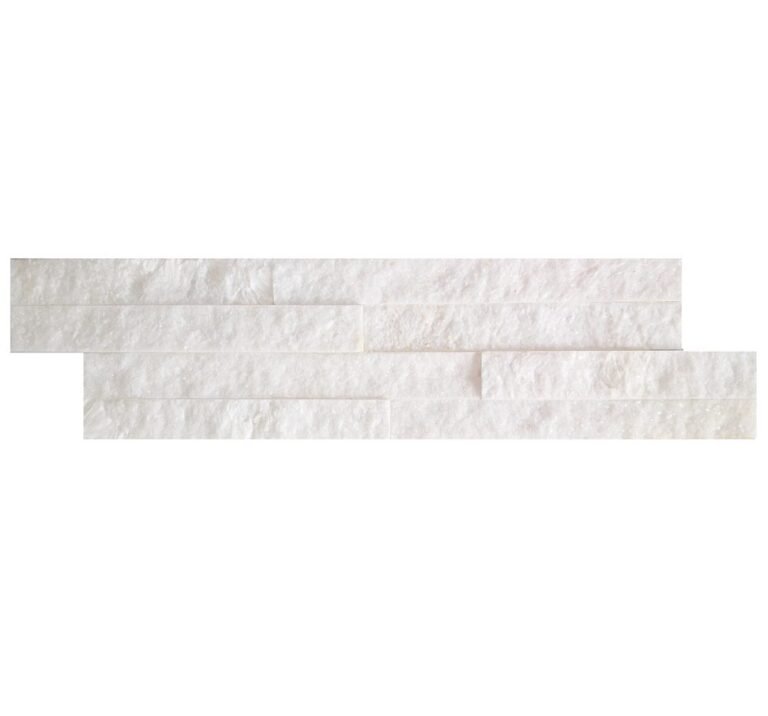
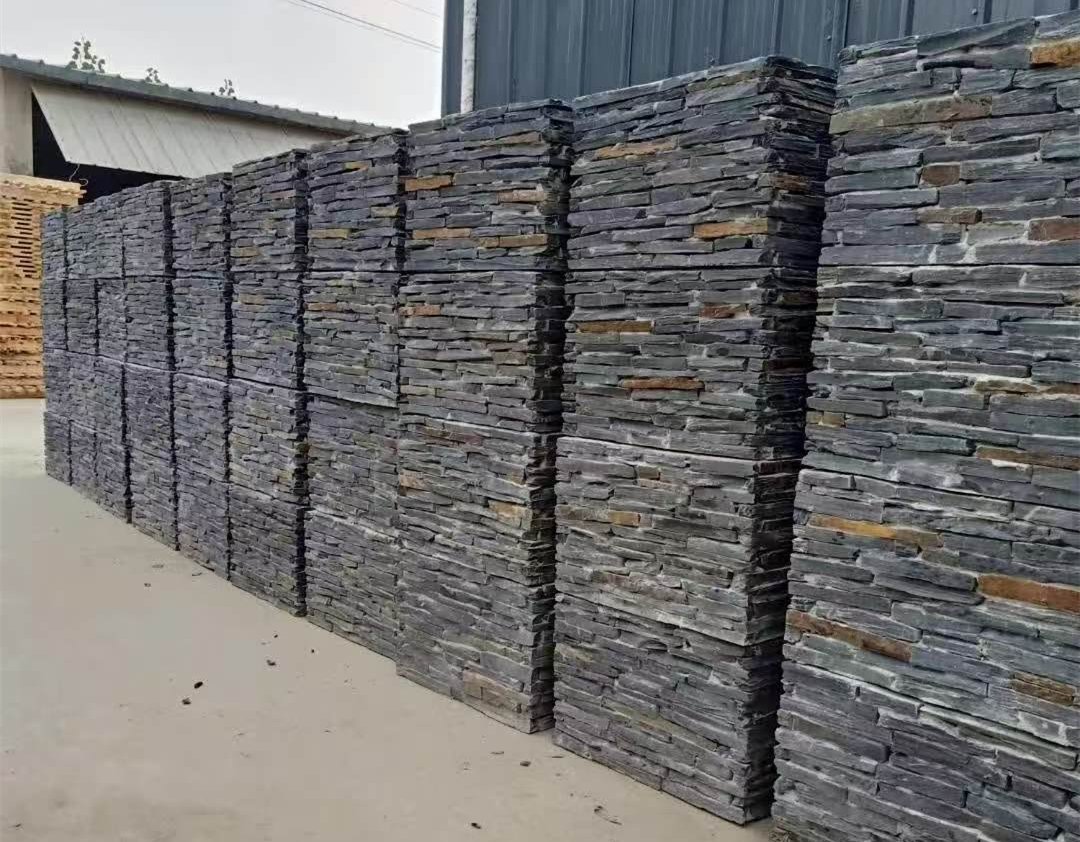
Cabanas and outdoor showers extend the pool story beyond the waterline, and ultra-thin ledger panels fit the job because the scale is intimate. The 36x10cm mini-panel reads finer than full stacked stone, which suits cabana walls, shower enclosures, and the short returns around towel rooms where a full panel format feels heavy.
Outdoor shower walls are the wet-core of the pool project. The panel surface sheds water, the detailing behind the wall follows standard wet-area rules, and inside the shower the fine ledger texture gives guests the tactile resort moment without the maintenance of mosaic grout lines at every seam. Panels with tight thickness tolerance keep the shower face flat enough for fixtures to mount cleanly.
For cabanas, run the ledger panel on the exterior plane and inside the changing bench, continuing the line around the opening with corner pieces rather than stopping at the door. Continuity is what separates a designed resort building from a decorated box; linear layouts with a consistent band height give cabanas the precision a hotel spec sheet expects.
4. Stone Column Wraps at Pool Entrances
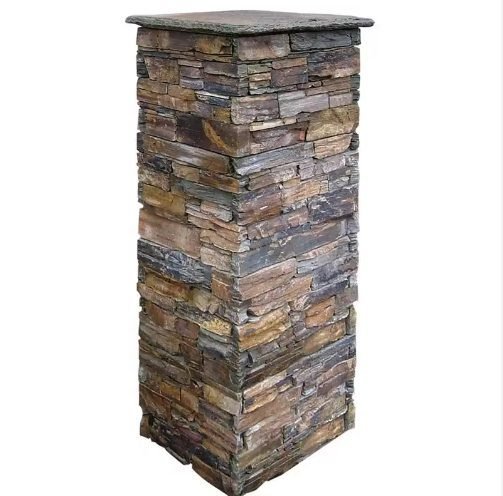
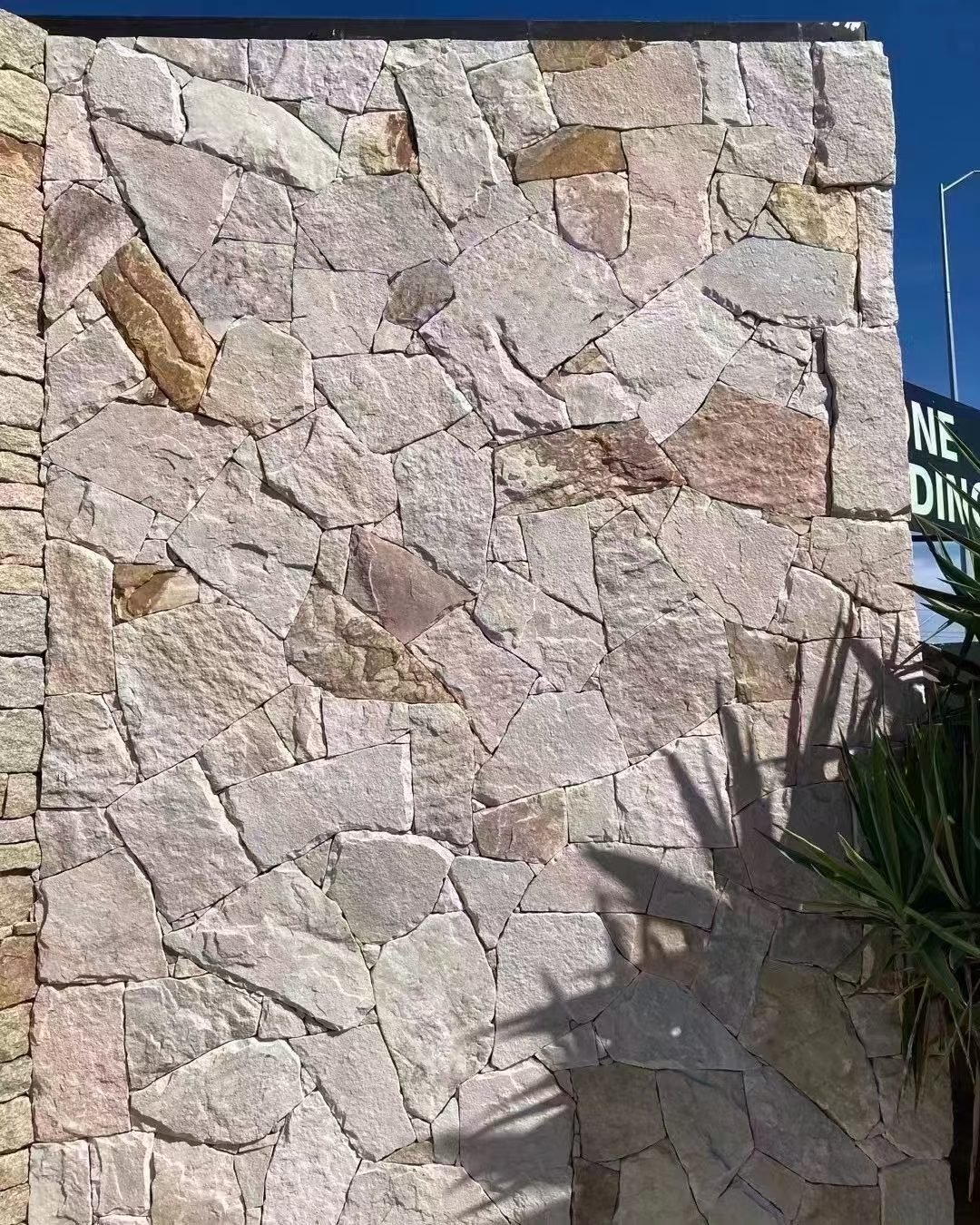
Pool entrances and covered walkways need vertical framing, and a stone-clad column is the fastest way to signal arrival. Prefabricated stacked stone column kits wrap a structural post in natural stone without formwork, concrete pours, or a stone mason cutting returns on site. The kit carries the same stone as the pool wall, so the entrance column, the planter columns, and the deep-end wall read as one family.
Column dimensions run custom in the stacked stone line, typically 40x40cm or 50x50cm square sections, sized to the structural post behind them. Each kit includes the corner and flat pieces in the right proportions, which removes the field trigonometry that eats labor budgets. For a project with eight entrance columns, the labor saved by kits instead of hand-cut returns is not a rounding error.
Detail the column base and cap in the same stone, and keep a drip at the cap so water sheds off the top rather than running down the column face. Column wraps pair naturally with pillar and gate designs, and the same kits work for the arrival drive, the pool gate, and the beach-club portico, so one package covers the whole site.
5. Crazy Paving Lounge Terraces
The sun-lounge terrace and the dry deck are where guests settle, so the surface needs the non-slip safety of flagstone, a scale that reads more casual than a ruled deck, and color that does not glare at midday. Crazy paving delivers all three: irregular slate or quartzite pieces set in a random pattern, with a gorgeously organic texture and less visual repetition than a grid.
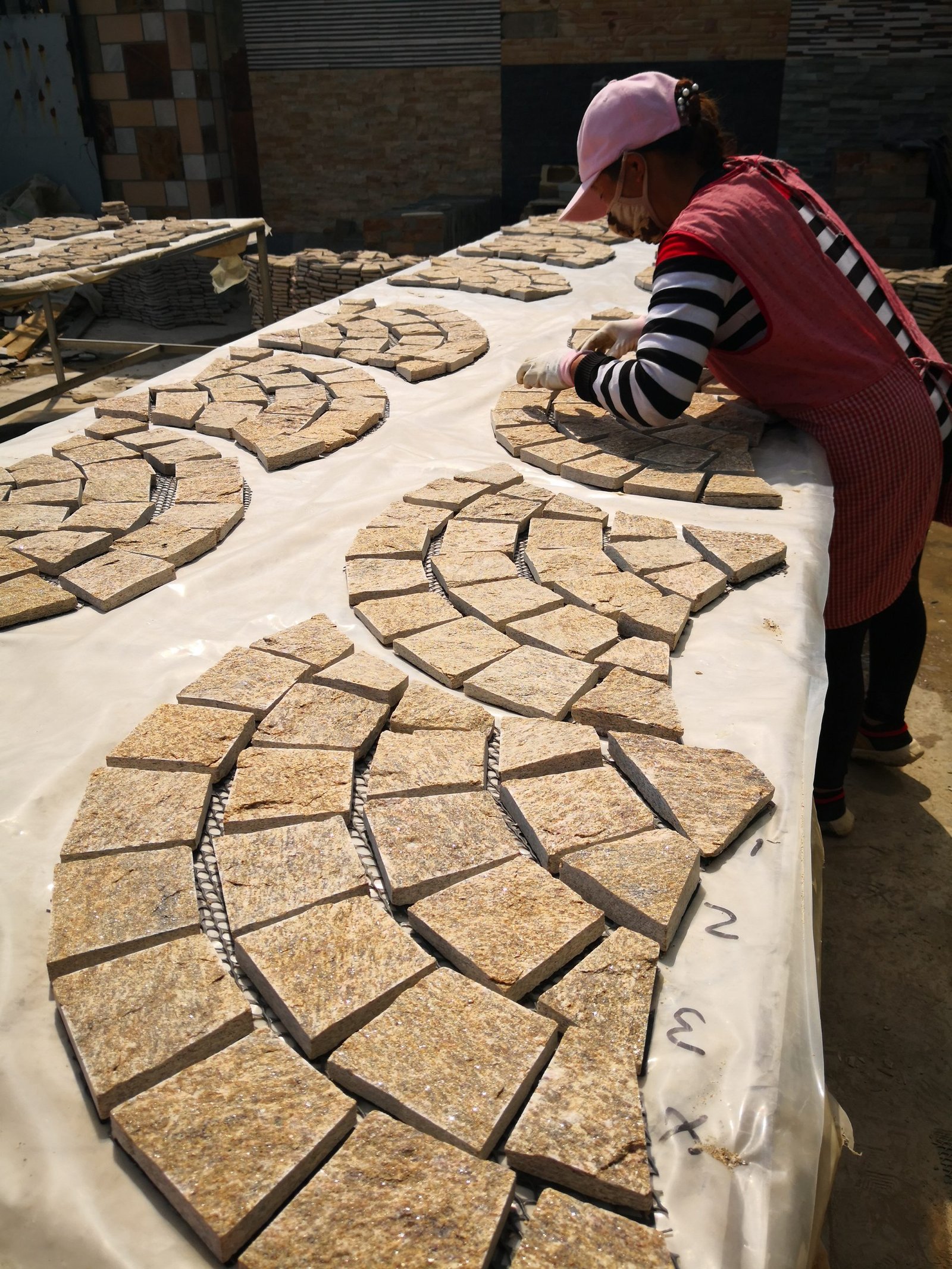
Crazy paving is not a compromise product. The random shapes, when mesh-backed into sheets, install at flagstone speed while the finished terrace looks hand-laid by a craftsman. Pool-side cafes, dry bars, and the shaded walkway under sun-breakers are the natural zones; the irregular joints give drainage paths and hide the small movement that a rigid grid would telegraph.
For procurement, the question is material family continuity again. Crazy paving from the same slate batch as the deck and the wall keeps the terrace tying into the pool, and the manufacturer’s color-mix layout shows the finished randomness before production. It is the visible guarantee that the chic-and-random terrace actually matches the approved rendering.
6. What to Specify for a Pool Project
Resort pool stone buys by area and by system, not by pallet of whatever is cheapest. Before sending an RFQ, a buyer should list the zones, the finish each needs, the quantities, and the approval requirements. The table below is the working shape of that RFQ.
| Pool zone | Typical finish | Key property |
|---|---|---|
| Deep-end wall | Stacked stone panels | Texture, low water absorption, corner pieces |
| Pool deck and apron | Cleft flagstone | Non-slip wet face, freeze-thaw density |
| Cabana and shower walls | Ultra-thin ledger panels | Fine scale, wet-area detailing |
| Entrance and walkway columns | Column kits | Prefabricated returns, custom sections |
| Lounge terraces and dry bars | Crazy paving | Random pattern, drainage, color mix |
Move the approval upstream. The color-mix layout, the sample set, and the thickness data should reach the designer before the container commitment, because re-approval after production costs weeks. Top Stone Panels ships samples in 1-3 days and runs production in 20-25 working days, one 20GP MOQ per line, FOB Tianjin Xingang or delivered under CIF and DDP terms. The zero-breakage packing protocol matters at pool scale because a chipped corner piece holds up the whole wall.
Planning a resort or hotel pool project? Build the specification once: pool wall, deck, cabanas, columns, and terraces from one factory so the tone story holds across the site. Top Stone Panels supplies the full resort package from quarry-owned slate and quartzite sources, with color-mix layouts and samples before production.
FAQ
What stone is best for a hotel pool area?
Slate and quartzite with a natural cleft or split face perform best around pools because they resist salt, chlorine, and slip when wet, and they hold color under UV.
Can natural stone be used around a swimming pool?
Yes, when the stone is dense with low water absorption, the deck surface is non-slip, and the details keep standing water off the wall and bed systems.
Is flagstone safe around pools?
A natural cleft flagstone face is non-slip when wet, which is why it remains the standard pool deck material for hotels and resorts over smooth alternatives.
Does chlorine damage natural stone around pools?
Dense slate and quartzite resist the chlorinated environment; the risk comes from low-grade or high-absorption stone absorbing pool water and staining, which is why absorption specification matters.
How is stone cladding ordered for a resort project?
Specify the zones, request a color-mix layout, add corners and column kits, and order samples before the full container so the designer approves the exact batch.
Can pool stone be used in a climate with freezing winters?
Yes, when the stone is dense and low-absorption and the assembly drains. Slate and quartzite veneer rated for -30°C to +50°C cycling carry seasonal resorts through the shutdown freeze.
Conclusion
A resort pool is a set of zones with one material story. The deep-end wall, the deck, the cabanas, the entrance columns, and the lounge terrace each want a different format, but they all want the same stone family, the same quarry batch, and the same tolerance story. Specify by zone, keep the tone continuous, and move the color-mix approval before production. That is the difference between a pool that photographs like a resort and a pool that knots up the accounting department.
Key Takeaways
- Slate and quartzite carry the pool environment; non-slip cleft flagstone covers the deck.
- Stacked stone, ultra-thin ledger panels, column kits, and crazy paving cover every pool zone.
- One factory, one stone family, and one color-mix layout keep the site consistent.
- Order samples first, then commit the container to the approved batch.
Start with the sample set and the color-mix layout. Top Stone Panels supplies the full resort package, samples in 1-3 days, production in 20-25 working days, and one-20GP minimum quantities that let a project phase the pool, the cabanas, and the courtyard without changing supplier.