Answering whether natural stone cladding is worth it with a single number misses the way builders actually think. The real question is not the sticker price per square foot; it is what the wall costs over the life of the building, and that math includes installation labor, waste, maintenance, and the day the cheap alternative gets replaced. A thin stone veneer at a higher material price frequently wins that longer accounting, and wholesale buyers in the container market see the payback land on their margin line instead.
Top Stone Panels is the quarry-owning slate and quartzite factory in Yixian County, Hebei, with more than 18 years in stone and 220+ containers shipped a year. The natural stone cladding cost benefit we see in the market is a chain of decisions: material, labor system, durability, maintenance, and the alternatives priced against it. This guide lays out each link with numbers that hold up to a spreadsheet.
- Cost benefit should be measured over the building life, not the first invoice; natural stone outlasts manufactured veneer by decades.
- Prefabricated L-corners cut corner installation labor by about 50%, and infrared precision cutting reduces on-site waste by roughly 20%.
- Dense slate and quartzite carry a rated -30 C to +50 C window, A-class fire performance, UV stability, and coastal salt-spray resistance.
- Thin stone veneer loads about 500-530 m² per 20GP at 50 kg/m², which keeps container freight per square meter lower than it feels.
- The payback fails only when the substrate, the budget, or the building life cannot justify the material; those cases are identifiable up front.
- Always quote against a sample: split face, thickness, and color confirmed before the container is committed, not after.
- 1. What “Worth It” Actually Depends On
- 2. Upfront Cost Against the Alternatives
- 3. Installation: The Labor Line Nobody Quotes Flat
- 4. The Durability Math
- 5. Maintenance and Operating Cost
- 6. Resale and Commercial Appeal
- 7. Hidden Costs That Ruin the Payback
- 8. When It Is Not Worth It
- 9. How to Price a Project Honestly
- FAQ
- Conclusion
1. What “Worth It” Actually Depends On
Three variables decide whether natural stone cladding pays: how long the building will last, how visible the wall is, and who pays for labor. A commercial façade that must stand 30 years with minimum maintenance gets a different answer than a cosmetic strip behind a retail counter that might be renovated in five. State the building horizon first; every subsequent number hangs off it.
The second variable is visibility. Natural stone earns its keep where people see it and where weather attacks it: entrance wings, street-facing facade planes, coastal houses, fireplace walls, and outdoor kitchens. Hidden walls and interior rooms that will be painted over do not need the durability line, and the cost benefit of natural stone collapses when the payoff feature is invisible.
The third variable is who carries the labor. Builders with their own crews feel the labor saving directly; owners paying a premium hourly rate for every corner and cut feel it even harder. That is why the prefabricated corner system and the cutting precision at Top Stone Panels change the answer: stacked stone panels arrive with L-corners that skip on-site corner building, which is exactly where the bill multiplies.
2. Upfront Cost Against the Alternatives
Material price is the line every buyer compares first, and it is the least informative one. Natural quarried slate and quartzite face a container wholesale price that moves with grade, panel size, source, freight, and the current tariff; the planning bands below are estimates for comparing cost shape, not quotes. The honest way to read them is as an order of magnitude with a supplier quote attached.
| Cladding system | Material cost profile | Installation profile | Life profile |
|---|---|---|---|
| Natural stone veneer (slate/quartzite) | Higher per m²; container MOQ takes the edge off freight | Fast with L-corners; ~20% less waste from precision cutting | Decades; replace only if substrate fails |
| Porcelain panel | Comparable or lower per m² | Fast, but cutting and corners add labor | 10-15 years typical coated-face warranty range |
| Manufactured stone veneer | Lower, lighter material | Lighter handling; color mixing still demands skill | 10-15 year warranties; weathering over decades |
| Wood or siding | Lowest upfront | Fast, familiar crews | Repaint/replace cycle adds cost over time |
The stone versus porcelain comparison digs into the specific trade-offs, and the panel price trends piece tracks where wholesale prices have moved, including the reported 2024 drop in China stone export values around 20.9 percent year over year to roughly US$5 billion at customs level. Prices in a container market move with those curves, which is exactly why a fixed “natural stone is expensive” belief goes stale.
3. Installation: The Labor Line Nobody Quotes Flat
A façade quote breaks into material and labor, and labor is where natural stone either wins or loses the comparison. The twentieth corner of a stone wall is the expensive one because someone is cutting and fitting at a premium rate. Prefabricated L-corners eliminate that step: the pieces arrive ready to set, and the labor saving lands around 50 percent on the corner work specifically.
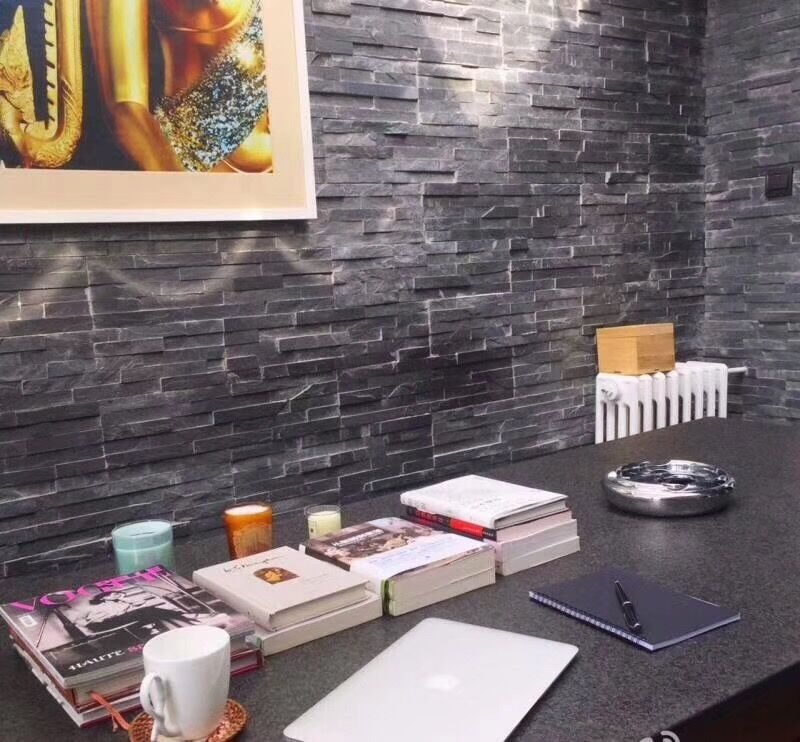
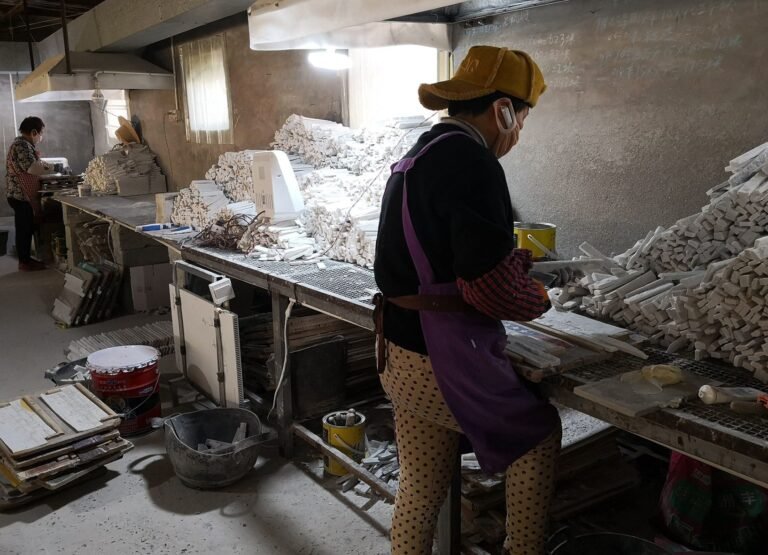
The second lever is waste. Natural stone arrives as random natural cleavage, and without precise factory cutting the installer trims on site and the off-cuts pile up. Infrared CNC diamond-blade cutting at the factory delivers panels sized to the plan, and the standard claim of about 20 percent less on-site waste turns a supply detail into a labor and material saving. Waste is not a dumpster line; it is paid-for square meters that never go on the wall.
Backing choice moves the same ledger. Interlocking z-panels and other machine-backed formats change the substrate requirements and the speed of installation, and sometimes that system cost belongs on the same project line as the face stone. The backing systems guide walks which backing suits which wall, so the quote does not hide the substrate surprise for later.
The familiar warning applies: a thin veneer system on the wrong substrate fails like any other cladding. Skill matters, and the installation mistakes review lists the failures builders see when shortcuts arrive on site. Buying the material does not skip the install discipline; it rewards it.
4. The Durability Math
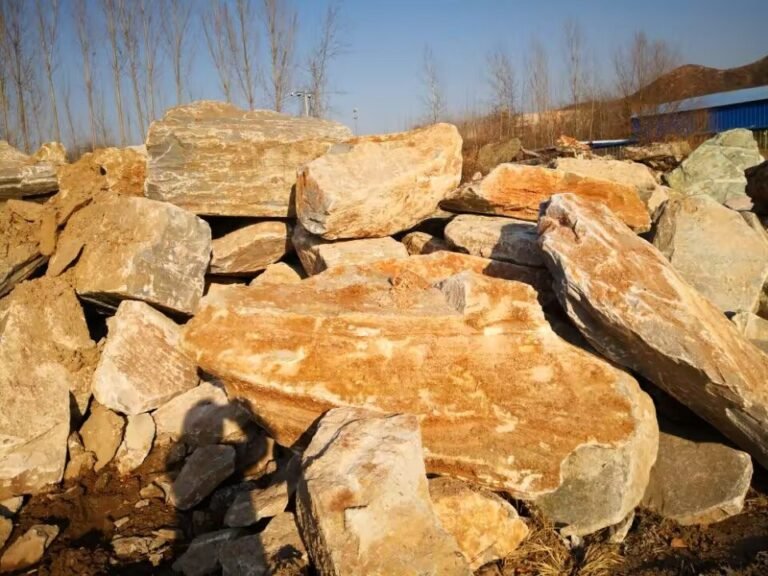
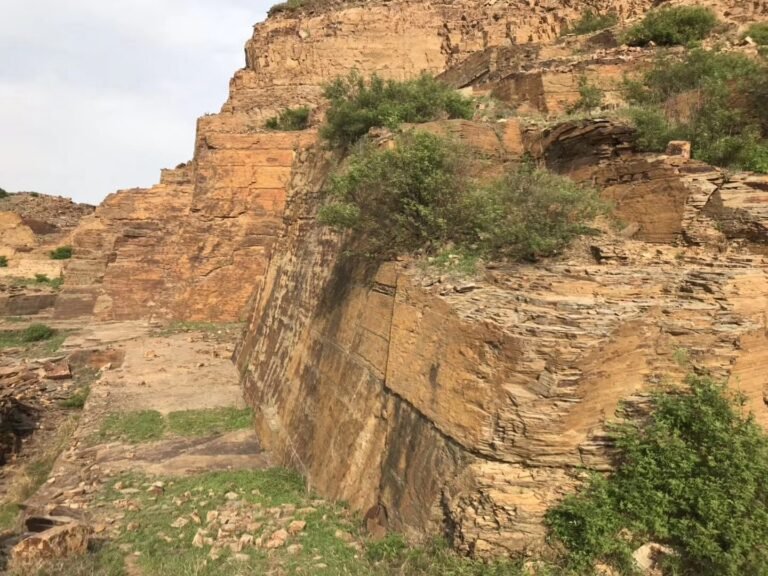
Durability is where natural stone stops feeling expensive. Dense slate and quartzite from a quarry carry the same physical properties as the stone used in heritage buildings: low water absorption, stable split layers, and weather resistance that does not wear out like a coating. The rated range at Top Stone Panels is -30 C to +50 C, which covers the freeze-thaw cycling that destroys softer facings in cold climates and the heat load under direct sun.
Fire and coastal exposure are the two conditions where the material earns its place. Natural slate and quartzite carry an A-class fire performance, so a stone façade is not a flame spread liability. UV stability means the color does not fade into a washed-out grey the way some coated panels do, and the salt-spray and humidity resistance is why Australian and coastal specifications keep coming back to natural stone.
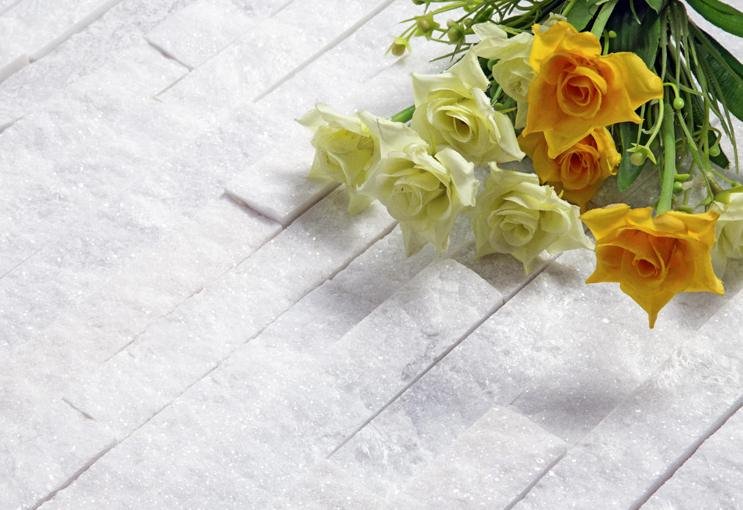
Lifespan is the line most quotes leave out. Manufactured cladding systems commonly carry 10-to-15-year structural warranties for the panel itself, with weathering on the substrate and fastener stack. Natural stone does not have a replacement cycle for weathering, which means the life-of-building cost comparison must price in at least one replacement cycle of the coated alternative. That single line changes the payback for any building meant to stand past fifteen years.
5. Maintenance and Operating Cost
Operating cost is the quiet side of the benefit. A natural stone façade needs essentially no maintenance cycle beyond keeping drainage and joints right: no repainting, no coating renewal, no panel replacement order. The maintenance budget for the alternative systems shows up every 5 to 10 years, and it is a real invoice with scaffolding and labor attached.
The care the stone does need is about the system, not the surface. Joints should stay sealed where the spec demands, drainage behind the veneer should stay clear, and salt-laden coastal air calls for the same inspection routine as any cladding. When a chip or crack does appear on natural stone, the repair is a stone trade task rather than a full-panel swap: the chipped stone veneer repair workflow shows how a single damaged edge gets fixed in place instead of dragging a manufacturer’s replacement cycle into the schedule.
Distributors quoting projects should put the maintenance line in the proposal before the client compares against the cheap option. The buyer who sees a 25-year operating-cost curve understands why a higher material price is not the same as a higher total cost.
6. Resale and Commercial Appeal
Natural stone cladding changes how a building is valued, which is a benefit that shows up at sale or lease time. Homeowners in most markets read a natural stone façade as a durable, premium upgrade rather than a decoration, and the longevity supports that reading when the appraisal looks at the exterior. Commercial owners value the reduced maintenance cycle and the tenant-facing impression of a solid-building façade.
Builders should also count the less tangible line: the entrance facade is a sales asset. The stone entrance gate and pillar combinations piece shows how the same material family extends from the façade to the first impression of the property, and the design continuity is free marketing for the building.
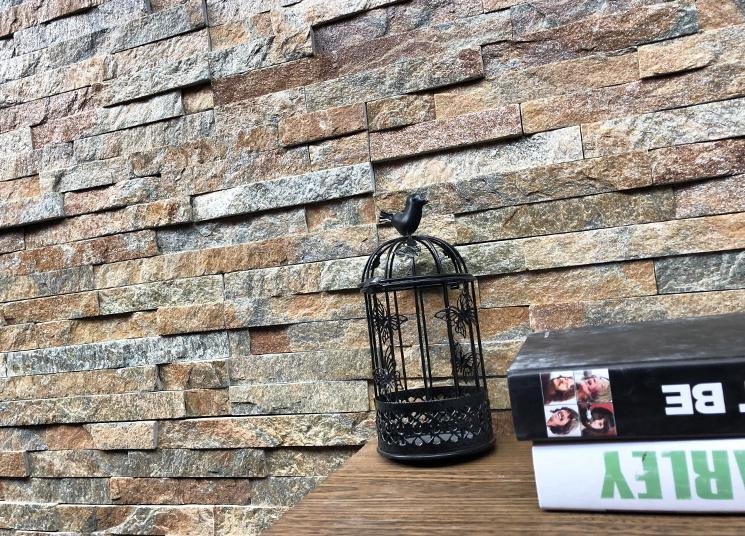
The honest caveat sits next to it: resale uplift is market-dependent and should not be sold as a guaranteed percentage. Price the stone where the market already prices it—entrances, visible facades, outdoor living—and the perceived-value argument is real rather than a sales line.
7. Hidden Costs That Ruin the Payback
Three hidden lines decide whether the payback math survives contact with reality: freight, tariffs, and samples. Stone is heavy, so the container math matters more than on almost any other wall product. Thin panels at about 50 kg/m² put roughly 500-530 m² in a 20GP container, which keeps the freight per square meter workable; ordering in loose pallets or LCL destroys that efficiency by paying for air and handling.
Tariffs move the landed price, and the duty class is not negotiable guesswork. Stone cladding has a specific HS classification, and the applied rate should come from a broker’s written confirmation before the container books. The refusal to engage a broker’s figure is the hidden cost that shows up in customs holds.
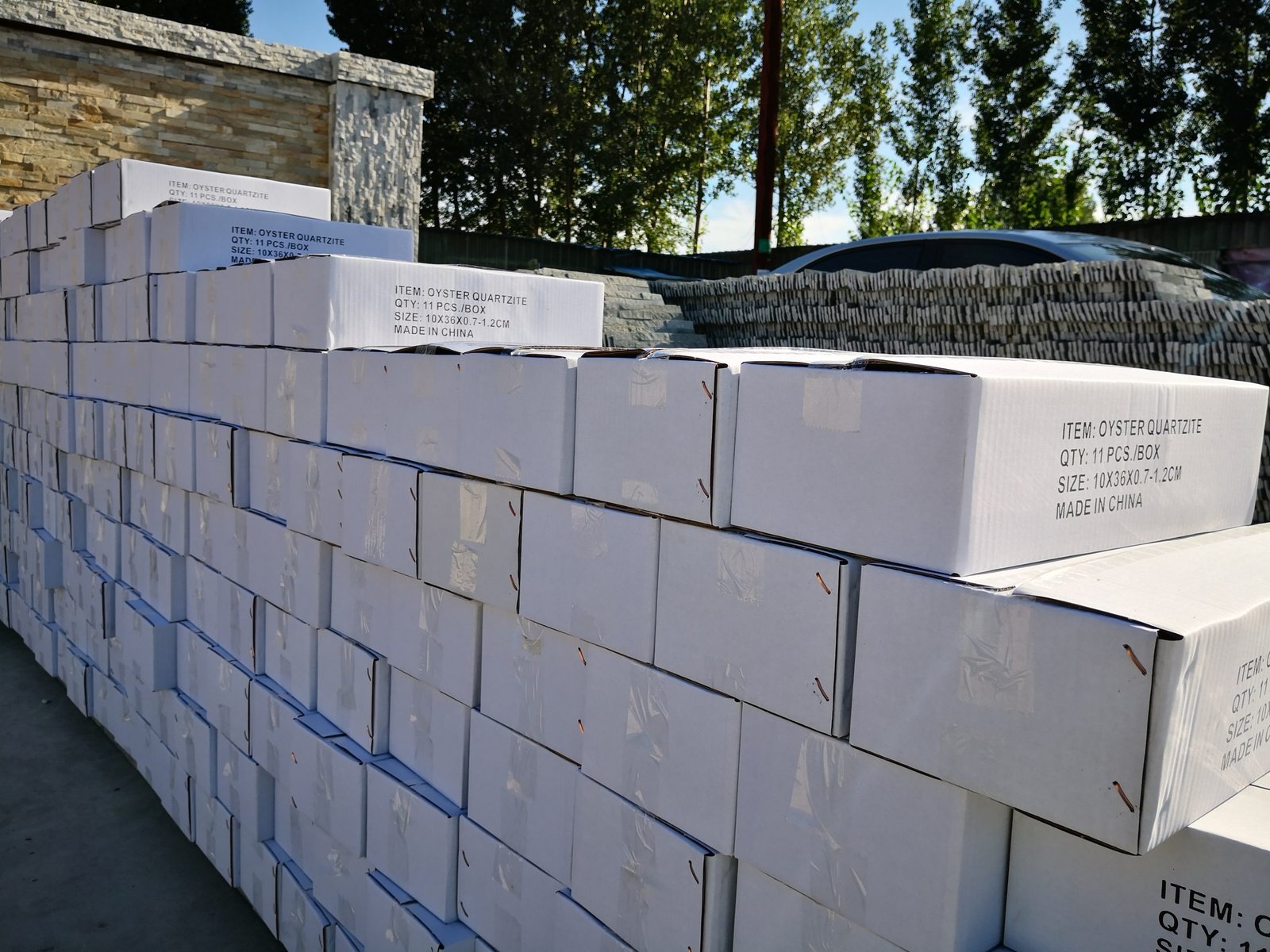
The sample line is the cheapest insurance in the system. Split face, thickness, and color confirmed on a physical sample in 1-3 days cost a few dollars against a container-sized mistake. The sample ordering workflow is short because the industry has learned the hard way how expensive a color mismatch is after production.
8. When It Is Not Worth It
Say it plainly: natural stone cladding is not worth it on every wall. If the building has a five-year horizon and will be stripped and rebuilt, the premium buys durability nobody collects. If the wall is invisible—an alley facade, a store interior that gets painted over—the benefit is zero and any material is overkill. If the substrate cannot carry the system or the budget cannot afford the base work, the honest answer is to walk away from the stone, not to thin out the spec.
A second failure mode is treating natural stone as a cosmetic only, without the system. A thin veneer over an unprepared wall, with poor drainage or skipped flashing, fails differently but no less expensively than the cheap option it replaced. The cladding is not worth it when the installation plan is the cost-cutting plan.
For wholesale buyers, the “not worth it” case also appears at the wrong volume. A project too small for a container pays LCL freight and loses the per-square-meter advantage that makes the material competitive. In that case the better answer is a mixed container shared with another product line or a delay until the area justifies the box, not a switch away from stone entirely.
9. How to Price a Project Honestly
Build the estimate in layers so the cost benefit is visible instead of asserted. Layer one is the material: quoted per square meter or per container, anchored to the product line. Layer two is freight and duty, calculated against the 20GP economics and the broker’s confirmation. Layer three is labor, cut by the L-corner system and the precision cutting, and layer four is the maintenance and life line that runs over the building horizon.
| Estimate layer | What to ask | Where it bites |
|---|---|---|
| Material | Quote per m² for the exact panel and color from one quarry vein | Color drift and grade surprises after production |
| Freight and duty | Land rate per m² at container volume; broker-written duty confirmation | LCL inefficiency and customs holds |
| Labor | Confirm L-corners in the package and factory-cut sizes on the plan | Corner work and on-site cutting time |
| Life and maintenance | Compare a 15-year maintenance schedule against the alternative | Replacement cycles priced out of the payback |
The container anchor is the one number that keeps the whole estimate honest: roughly 500-530 m² of thin panels per 20GP means a 1,000 m² façade is two containers, and the freight picture follows the box count, not a vague “volume” line. Ask the factory for the area per box when you request the quote, and the estimate earns its own credibility.
FAQ
Is natural stone cladding worth the cost?
Yes for buildings with a long horizon and visible, weather-exposed walls. Natural stone outlasts manufactured veneer, needs little maintenance, and the L-corner and waste savings shorten the payback.
How much does stone cladding cost per square foot?
Quoted material, freight, duty, and labor move the number so much that a flat figure misleads. Use planning bands for the cost shape and confirm exact pricing with an itemized quote.
Does natural stone cladding add value to a house?
A natural stone façade reads as a durable premium upgrade in most markets, and the low-maintenance life supports the value at resale, especially on entrances and visible facades.
How long does natural stone cladding last?
Natural slate and quartzite facades last decades; the stone does not have a weathering replacement cycle. Correct drainage and jointing remove the usual failure points.
Is natural stone cladding more expensive than porcelain or manufactured veneer?
The material often is, but thin stone veneer narrows the premium through lighter weight, prefabricated corners, and a decades-long life that the alternatives price back in replacement cycles.
Conclusion
Natural stone cladding earns its premium on walls that will stand, that get seen, and that face weather. The benefit stacks up in the labor line, the durability line, and the maintenance line, and it gets priced honestly when the estimate counts the building life instead of the first invoice.
For bulk buyers, the container math keeps the material competitive: about 500-530 m² of thin panels per 20GP, one container MOQ, samples in 1-3 days, and production in 20-25 working days. Send the façade dimensions to Top Stone Panels and the itemized quote will show where the payback lands.
Key Takeaways
- Judge the cost over the building life; a 15-year replacement cycle is the competitor’s hidden line.
- Save on labor with prefabricated L-corners and factory cutting that cuts on-site waste by roughly 20%.
- Want the maintenance, fire, and UV benefits only on visible, weather-exposed, long-horizon walls.
- Anchor the estimate on container area per box and confirm prices with an itemized quote.