A distributor agreement is signed, or close to it, and a 20-foot container of natural stone panels from a Chinese factory is about to become your inventory. The gap between a good catalog and a reliable supplier shows up inside the first 30 days: samples that do not arrive, quotes that change after order confirmation, and paperwork that strands a shipment at the port. This stone supplier onboarding plan maps those 30 days week by week, so the first container becomes a reorder instead of a rescue.
Top Stone Panels has shipped 220+ containers a year for 18 years, and nearly every distributor relationship follows the same track. Day 1 is a sample request, not a purchase order. Day 30 is a shipped container with a clear reorder date. Run the plan in that order and most onboarding risk disappears.
- Onboarding a stone supplier works best as a timed 30-day sequence: scorecard, samples, pricing, QC, paperwork, then the first order.
- Physical samples dispatch in 1-3 days, so request them on day one rather than after the quote.
- Factory-direct MOQ is one 20GP container, with production at 20-25 working days and 25-30 days for a first order with custom box printing.
- Payment runs 30% T/T deposit and 70% before shipment, with loading video and layout images as your balance check.
- Export files such as COO and ISPM 15 travel with the shipment, and they protect your margin more than a low unit price does.
- 1. What Distributor Onboarding Includes
- 2. Build a Supplier Scorecard Before Day 1
- 3. Week One Samples Specs and Communication
- 4. Week Two Pricing MOQ and Payment Terms
- 5. Week Three QC Files and Export Packaging
- 6. Week Four First Order and Reorder Rhythm
- 7. Mistakes That Derail New Distributor Onboarding
- 8. How Top Stone Panels Onboards Distributors
- FAQ
- Conclusion
1. What Distributor Onboarding Includes
Supplier onboarding is the structured process of taking a factory from first contact to repeat shipper. It is not a procurement form. For a building material distributor it is the moment your margin, your lead times and your customer relationships start depending on a company 9,000 kilometers away.
Two things make stone harder to onboard than most products. First, it is natural material, so color and texture vary by quarry block rather than by production batch. Second, the payment model favors the exporter: deposit first, balance before shipment. Both facts reward a checklist that verifies the supplier before money moves.
A 30-day window works because each checkpoint needs a physical deliverable: sample in hand, quote on paper, QC protocol documented, documents delivered, container loaded. Deadlines keep the relationship concrete. Without them, supplier onboarding drifts into the vague zone where “we will send samples later” quietly costs you a selling season.
The cost of skipping the plan is easy to measure. A distributor who orders blind on color may eat a restocking conversation with a builder. A distributor who misses the ISPM 15 certificate pays port storage at rates that erase the freight advantage of buying factory-direct. Seen that way, the 30-day plan is not overhead. It is the cheapest insurance policy attached to a six-figure container.
2. Build a Supplier Scorecard Before Day 1
Score the candidate on five criteria before you request a single quote: production control, export experience, capacity, documentation, and communication. Weight each one to fit your business. A distributor selling to premium architects weights production control highest. A volume importer weights capacity and paperwork.
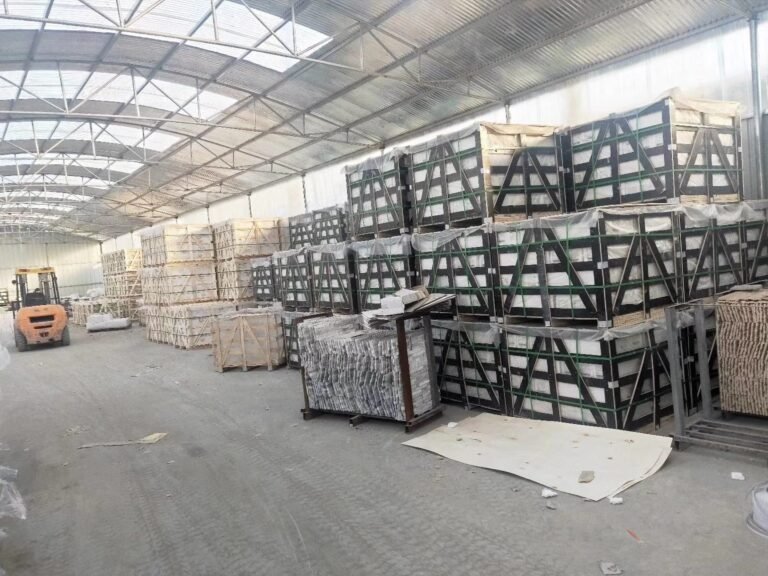
Production control means the factory owns or controls its quarry and runs quality checks at material selection, mid-processing, and pre-shipment. Capacity means monthly output that can absorb your orders without displacing existing customers; ask for containers shipped per year, because a supplier moving 220+ containers annually has run the logistics loop thousands of times. Documentation means standardized certificates, not a promise to “figure it out.”
| Criterion | What to verify | Top Stone Panels example |
|---|---|---|
| Production control | Own quarry, batch color selection, 3-step QC | Six lines from material rated for -30 to +50 C |
| Export experience | Years exporting, volume per year | 18 years, 220+ containers per year |
| Capacity | Square meters per month per line | 30,000 to 80,000 m2 monthly by line |
| Documentation | COO, ISPM 15, inspection video options | COO, ISPM 15 and pre-shipment video |
| Communication | Response time, clear English, sample speed | Samples dispatched in 1-3 days |
Treat scorecard red flags as disqualifiers, not price leverage. A factory that cannot name its QC steps will not invent quality control once your deposit lands. A quote 40% below peers usually means thinner material or thinner packing, and stone arrives broken when packaging is skimped. For classification reference, the Natural Stone Institute stone type library is the source specifiers use to identify natural stone on drawings.
3. Week One Samples Specs and Communication
Request physical samples on day one. Samples test three things at once: the actual stone face, color consistency, and the factory’s speed. A sample request that returns in 1-3 days with a dispatch note tells you how the supplier treats an order. A sample request that takes three weeks tells you what your deposit would buy.
Ask for samples of the exact product you will reorder, from the same vein your production will use. Keep a retained reference after the first container arrives; distributors who skip this habit end up with footage that does not match the sample board in their showroom. The stone sample retention guide explains the full system, from dispatch timing to sealed storage for reorder matching.
During week one, confirm the specification sheet in writing: product name, panel dimensions, thickness, backing, square meters per box, boxes per pallet, pallets per container. One 20GP container is the standard MOQ across our product lines, and the square meter yield per container is the number your margin math lives on. A factory that cannot state loading density is not ready for your purchase order.
4. Week Two Pricing MOQ and Payment Terms
Get the quote in a structured form: FOB price, incoterm, payment schedule, production time, and validity. Natural stone pricing usually lands in one of four incoterms: EXW, FOB Xingang, CIF, or DDP. Your job in week two is agreeing which one, because the price shifts by thousands of dollars per container and so does your risk.
FOB Xingang puts freight and insurance on your side. DDP puts delivery on the supplier’s side and suits distributors who want one landed-cost number. The DDP stone shipping guide breaks down when each term makes sense, and the import stone to USA guide covers the landed-cost checklist for North American buyers.
Standard payment for factory-direct stone is 30% T/T deposit and 70% before shipment. That schedule is why your QC and documentation steps happen before payment. The 70% balance releases only when you have seen the loading video and the final layout images. A supplier who demands 70% upfront or refuses photo proof should not see your deposit.
| Term | Who handles freight | Best for |
|---|---|---|
| EXW | Buyer arranges everything from factory | Importers with their own freight partners |
| FOB Xingang | Buyer arranges ocean freight | Most volume distributors |
| CIF | Supplier arranges freight to destination port | First-time importers on one invoice |
| DDP | Supplier delivers to buyer’s door | Buyers who want a fixed landed price |
5. Week Three QC Files and Export Packaging
Week three is paperwork week. Request the documentation list before production starts, not at the port. The core set is a commercial invoice, packing list, bill of lading, certificate of origin when your customs code benefits from it, ISPM 15 fumigation certificate for wooden packing, and the pre-shipment inspection video. The stone export documents guide lists these in detail by destination country.
Missing files cost real money. A container flagged at customs without its ISPM 15 certificate can sit at port for weeks, and storage charges fall on the consignee. That one line item kills more first orders than any product defect.
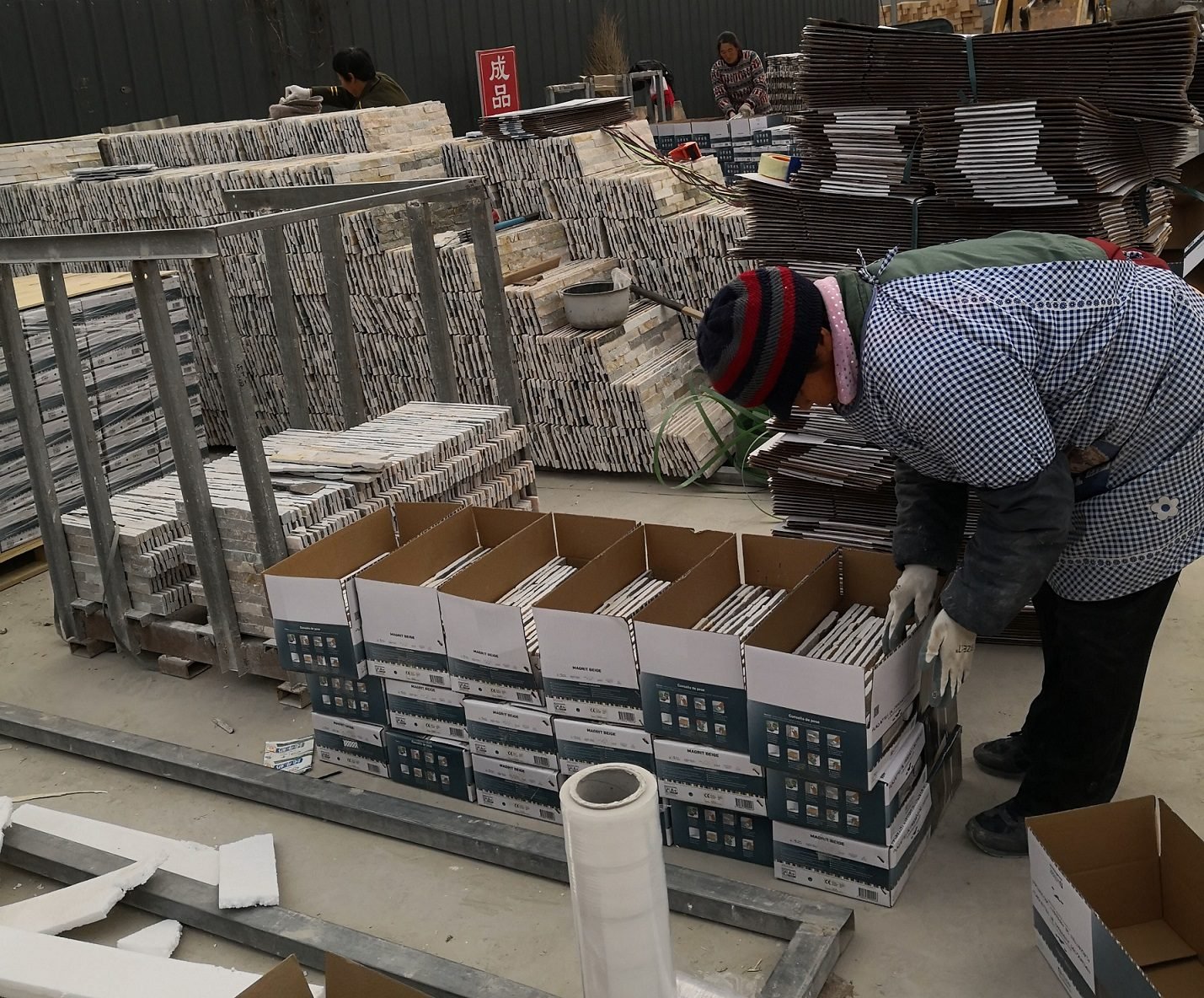
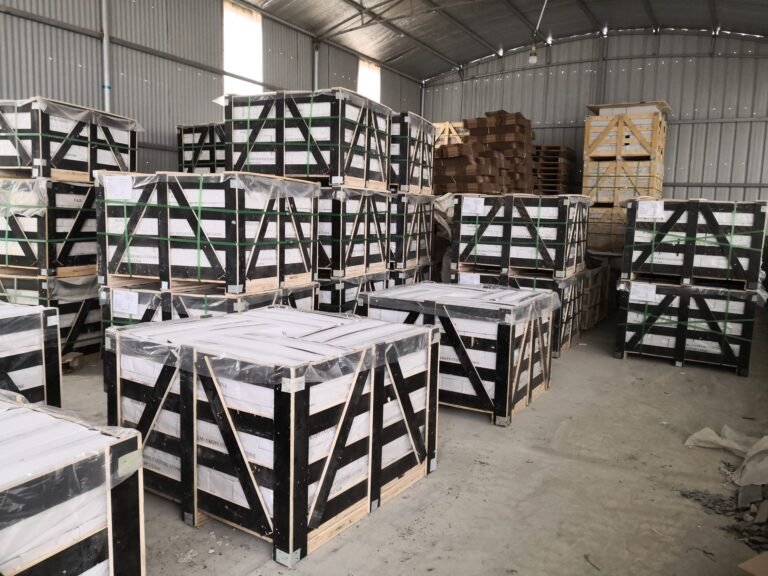
Packaging is the other half of QC. Stone ships on 3-5 layer reinforced cartons, heat-treated or plywood pallets, steel strapping, and internal airbags for container impact. If the packing spec is a single sentence, push for detail. A distributor who built a margin model on unit price often meets it again in the breakage line.
Finally, agree the QC protocol: raw material selection check, mid-production check, and pre-shipment total inspection. That three-step pattern is the operating baseline in this industry. A factory that documents it can be improved. A factory that improvises it cannot be trusted.
6. Week Four First Order and Reorder Rhythm
Place the first order with eyes open on lead time. Bulk production takes 20-25 working days, and a first order with custom box printing typically runs 25-30 days. Book the required date into your inventory plan, then add buffer for the first structural cycle. You are not just buying boxes. You are training a supplier on your specs, your labeling, and your QC expectations.
A reorder rhythm only holds if the supplier keeps your specification on file, which is the commercial side of stone reorder color match: stored OEM spec, no repeat setup fee, and lead times that drop from 25-30 working days on a first order to about 20 on a stock reorder.
First orders are also the moment to test private label capability if your channel needs it. A factory that prints your box artwork, confirms your carton dimensions, and keeps your SKU list on file saves your team hours on every reorder. Ask in week four what the first container includes: custom boxes, corner units, and delivery of the L-corners that finish outside corners without field cutting. The answers separate an OEM partner from a commodity seller.
Fix the reorder date at the same time as the first order. Natural stone color drifts across quarry blocks, so a distributor’s most valuable asset is an ongoing relationship with one vein. If you reorder only when inventory hits zero, you risk a visible color gap between shipments. Sequence containers so one lands as the previous one runs low, and reference the retained sample on every reorder conversation.
| Checkpoint | Timing | Deliverable |
|---|---|---|
| Sample dispatch | 1-3 days after request | Physical samples plus dispatch note |
| Quote | Week two | Structured quote with incoterm |
| QC and docs | Week three | COO, ISPM 15, inspection video |
| Production | 20-25 working days | First order at 25-30 days with custom boxes |
| Balance release | After loading video | Payment tied to proof |
7. Mistakes That Derail New Distributor Onboarding
Most onboarding failures are process failures, not product failures. They surface as one dramatic event: a container held at customs, a color mismatch, a payment dispute. Every one maps to a skipped checkpoint. The list below is the short version of the full buying procedure in our stone panel buying guide.
| Mistake | Consequence | Prevention |
|---|---|---|
| No physical sample before order | Color or texture mismatch on arrival | Sample first, keep a retained reference |
| Unclear incoterm | Thousands in unexpected freight charges | Incoterm agreed in writing in week two |
| Documents requested too late | Container held at customs | COO and ISPM 15 confirmed pre-production |
| Thin packaging specification | Breakage and claim friction | Reinforced cartons, pallets, steel strapping |
| No reorder date | Color gap between shipments | Sequence containers before stock hits zero |
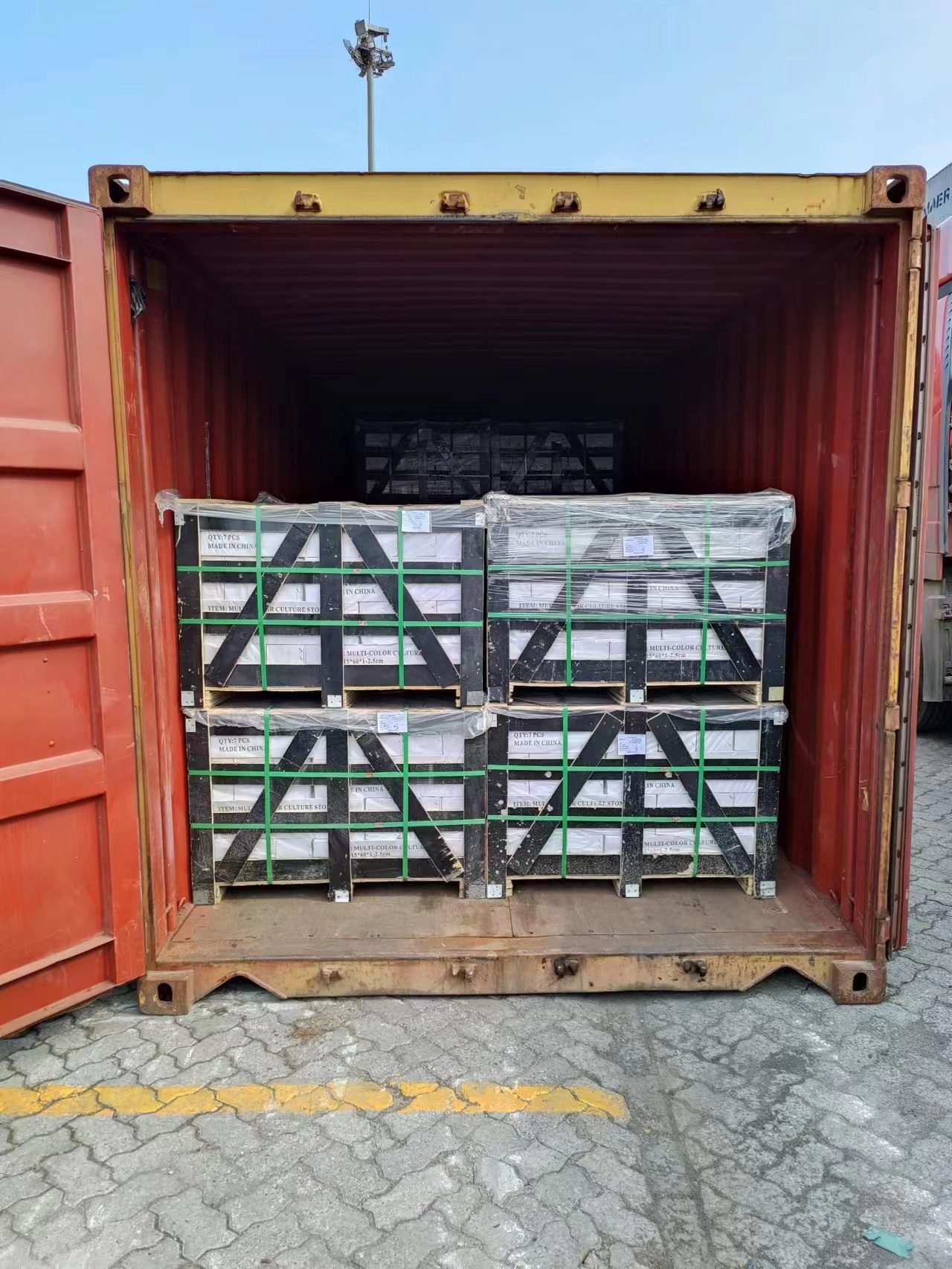
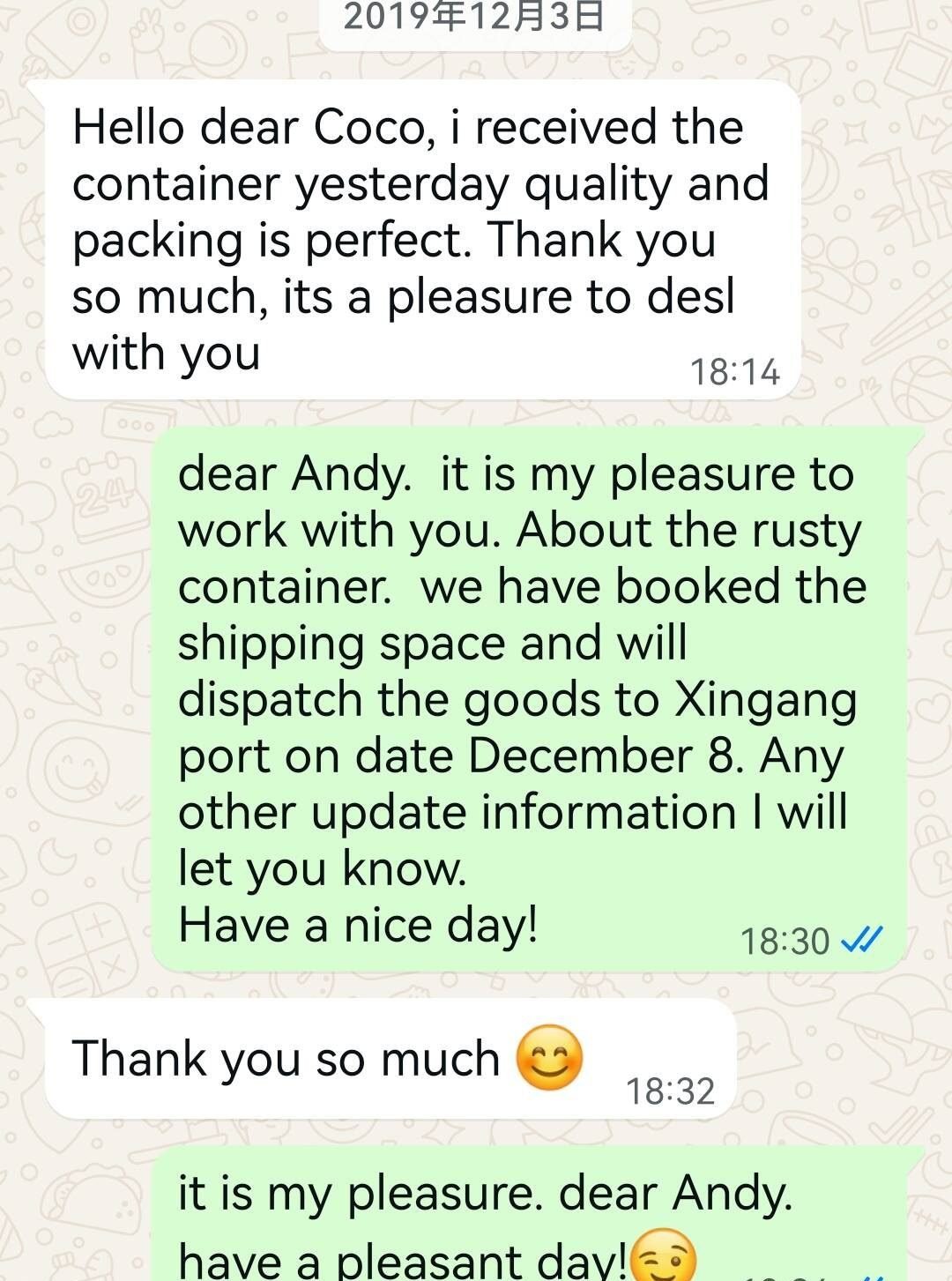
The pattern to avoid is treating the first purchase order as the end of onboarding. It is the start of a supply relationship. Suppliers who make you look good on reorder thirty-six earn your volume. If a supplier rushes you past sample verification or documentation, that is the trend, not an exception.
8. How Top Stone Panels Onboards Distributors
At Top Stone Panels the onboarding sequence is the same one we recommend to buyers. You request samples; we dispatch within 1-3 days. You approve a product; we confirm dimensions, backing, loading density and the incoterm in one structured quote. We share the COO, the ISPM 15 document and the pre-shipment inspection video before we ask for the 70% balance.
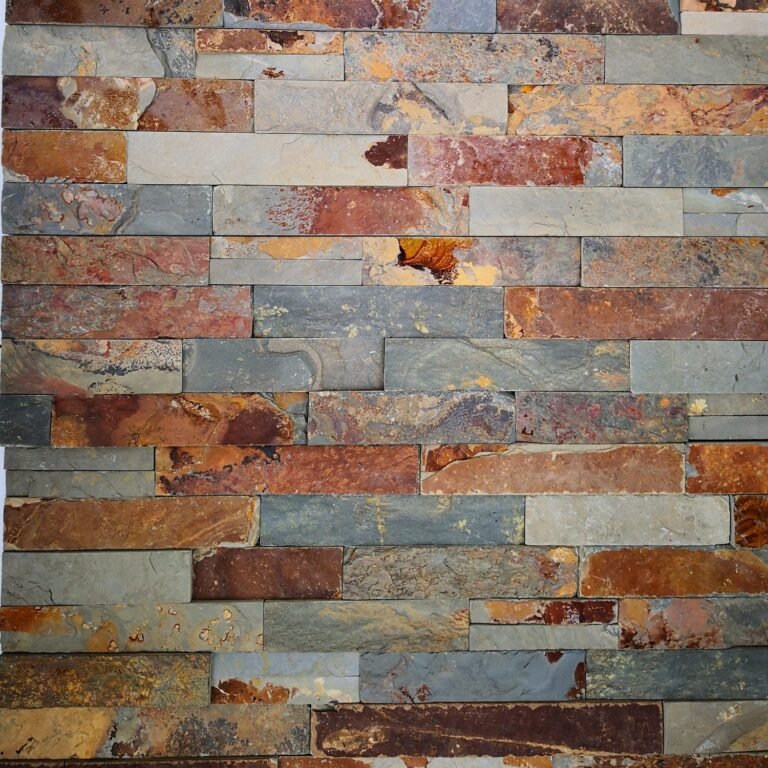
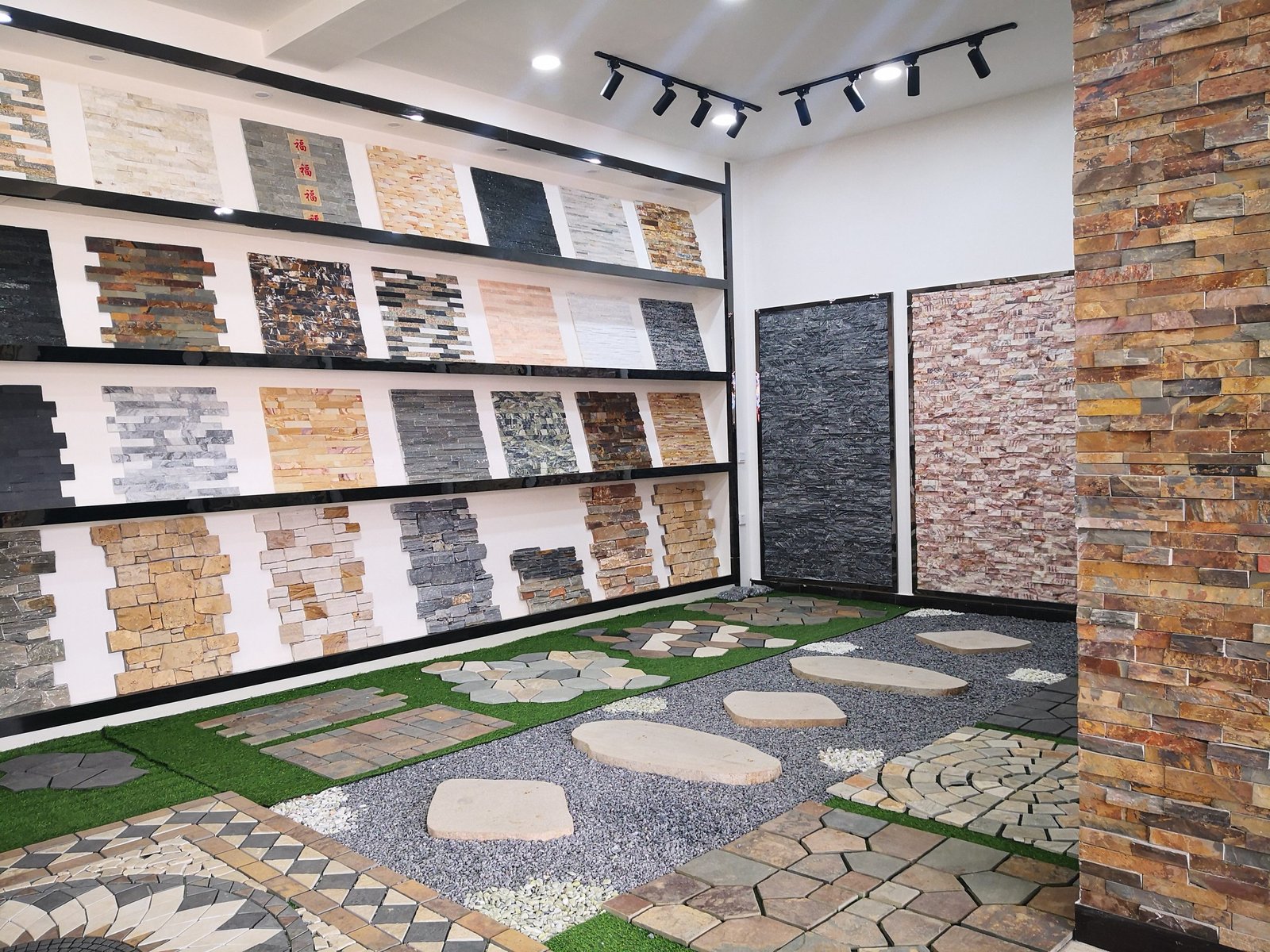
Our factory in Hebei makes six product families: stacked stone, ledgestone panels, interlocking Z panels, thin stone veneer, flagstone, and stone columns, all natural split-face stone from our own quarry. MOQ is one 20GP container per product. A working week after your first order confirms, production starts and your schedule locks in.
If your desk is new to stone, start the conversation now. Request the sample set, the factory tour video, and a structured quote, then run the 30-day plan from there. That path is faster and safer than waiting for the next trade show and hoping the business card in the pile fits your program.
FAQ
How long does it take to become a distributor for a stone supplier?
Most factories have no formal distributor contract. The practical process is samples, a structured quote, a first container order at a one-20GP MOQ, plus 25-30 working days of production. A focused importer can move from first contact to shipped container in about 30 days of commercial work.
Do I need to visit the stone factory before ordering?
No, but you need equivalent proof. Request a factory video, a pre-shipment inspection video, and customer references. Many distributors work with several factories for years on a video and document verification basis before their first visit.
What is the minimum first order for natural stone panels?
Factory-direct programs typically set MOQ at one 20GP container. Top Stone Panels quotes at one 20GP per product line, with roughly 500-530 square meters of thin panels per container, which is the number margin math should use.
How do I know shipment quality before I pay the balance?
Pay the 70% balance only after you receive the loading video and final layout images. Combined with the 3-step QC protocol at the factory, those checks verify the actual goods before the balance is released.
What export documents do I need for a stone container?
The standard set is a commercial invoice, packing list, bill of lading, certificate of origin where applicable, and ISPM 15 fumigation certificate for wooden packing. Confirm each with your customs broker before production starts.
Which incoterm should a new distributor choose?
FOB Xingang is the most common for volume importers because it gives you control of freight cost. DDP suits buyers who want one landed price. CIF offers a middle path on a first order with freight arranged by the supplier.
Conclusion
Supplier onboarding is a sequence of physical checkpoints, and 30 days is enough time to run them all. Samples first. Structured pricing second. QC and documents third. Then, and only then, the first container, with a reorder date already on the calendar.
Key Takeaways
- Request samples on day one; they arrive in 1-3 days and test both product and process.
- Verify production control, export experience, capacity, documentation, and communication before quoting.
- Confirm incoterm, a one-20GP MOQ, and the 30% / 70% T/T schedule in writing.
- Collect COO, ISPM 15, and the loading video before your balance is due.
- Lock a reorder rhythm that keeps one quarry vein in continuous supply.
The supplier who moves fast on samples and gives you honest paperwork today is the supplier still shipping for you in year three. Start the 30-day plan now and request your sample set or structured quote from the Top Stone Panels team.