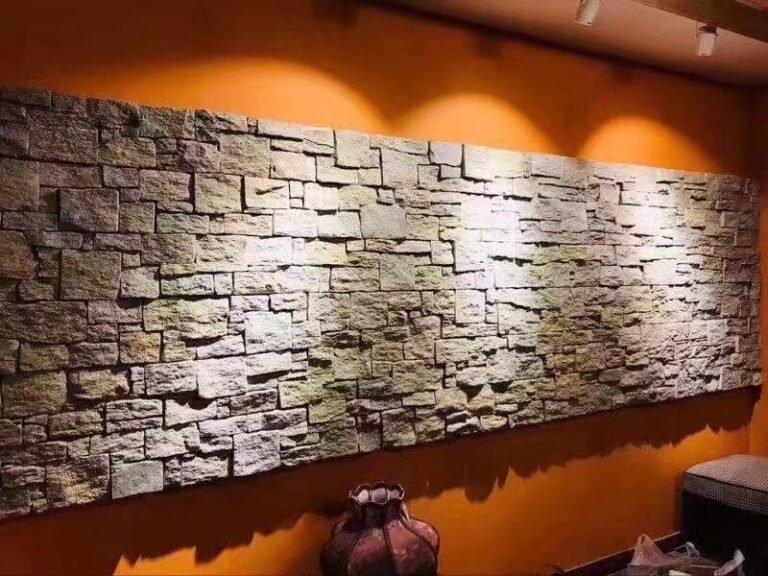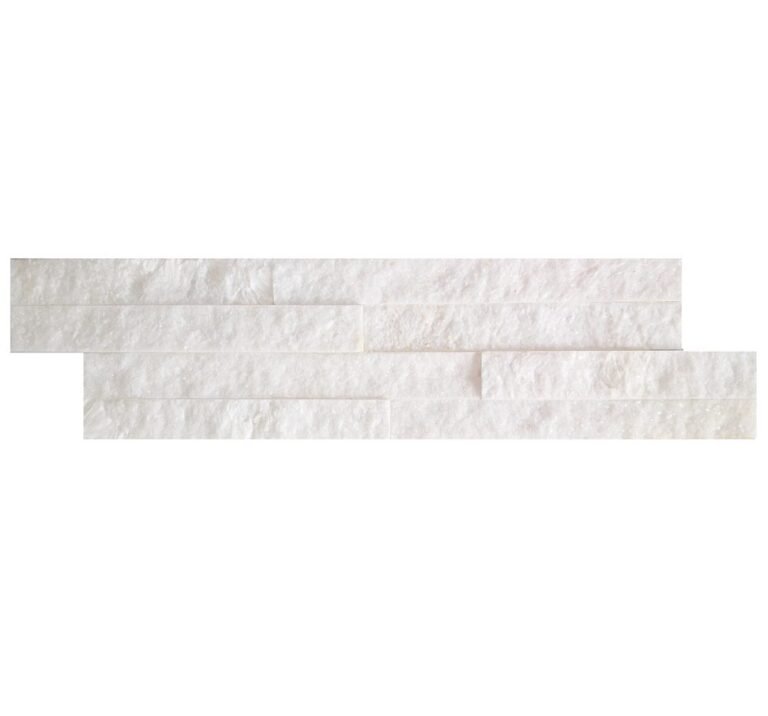
Two houses on the same street in Maine, both finished last spring. The neighbors watched one keep its color through the season while the other showed white film along the lower courses by August. The difference was not the stone. It was the stone selection and the details: dense material that shrugs off salt spray, joints tooled to shed water, and flashings at every change of plane.
Sea air is hard on facades because wind carries salt water as a fine mist. The water evaporates, and salt crystals grow inside any porous surface they reach, expanding and flaking material over time. Porous stone pays that price; dense stone barely registers it. That is why slate and quartzite have a long record on coastal homes: low absorption means little room for salt crystals to form. This guide covers five salt-air-ready stone facade ideas, built around materials and details that survive the coast.
- Salt air damages porous stone through salt crystallization; dense slate and quartzite resist it because they absorb little water.
- Facade details carry the weather load: flashed openings, a drained cavity, tooled joints, and a base drip edge matter more than the brand of stone.
- Split-face thin veneer, thin ledgestone, stacked stone columns, and non-slip slate flagstone are the workhorse coastal products at Top Stone Panels.
- Each coastal idea below works at a different exposure level, from full-height sea-facing walls to sheltered courtyards.
- Samples ship in 1-3 days so coastal builders can approve the exact stone before production.
- Why Salt Air Changes the Stone Spec
- Ideas: 1. Full-Height Split-Face Veneer on the Sea Side
- 2. Ledgestone Base with a Painted Upper
- 3. Sheltered Courtyard and Media Walls
- 4. Stone Gate Columns at the Coastal Entrance
- 5. Slate Flagstone Entry and Pool Surround
- Coastal Facade Option Comparison
- FAQ
- Conclusion
Why Salt Air Changes the Stone Spec
Coastal exposure adds three stresses on top of ordinary weather: salt spray, wind-driven rain, and temperature swings between fog and sun. The salt is the one people underestimate. As salt-laden water evaporates on a facade, crystals form in pores and small cracks. Repeated wetting and drying grows those crystals, and the mechanical pressure flakes the surface, a process called salt crystallization damage. Stone with high porosity is vulnerable; dense stone with low absorption has nowhere for the crystals to grow.
Slate and quartzite sit at the dense end of natural stone, which is why the factory rates them for high salt-spray and high humidity conditions along with the -30 C to +50 C thermal range. The same properties help indoors near pools and humid bathrooms. But material alone is not enough. Every coastal facade that lasts combines dense stone with a wall that drains: flashing above windows, a cavity that lets moisture fall out, and joints tooled deep so water runs off the face.
The ideas below use the products and the details together. Each one names the exposure level it suits, so a designer can match the idea to the actual wall, not to a Pinterest board.
1. Full-Height Split-Face Veneer on the Sea Side
The wind-facing wall takes the worst punishment, so it gets the most direct solution: a full-height skin of dense split-face veneer that covers the whole facade plane. Split-face texture hides the light salt sheen that forms on any exterior, while the dense slate or quartzite underneath stays structurally unaffected. The vertical texture also casts shadows that break up a long, bright coastal silhouette.
Specify the thin stone veneer split-face pieces for this wall, in a single color family so the sea-facing glass and trim read quietly against it. Two details carry the design. First, flash every window head and the base; the lower courses are where splash-back and salt film concentrate. Second, keep the veneer off grade with a raised foundation detail or a paving band, so capillary moisture and salt-laden soil never meet the wall face.
Best for: direct sea-facing walls, contemporary and Nantucket-style homes. Watch out for: the larger exposed area means sealant and flashing work must be meticulous; dense stone still depends on water-shedding details.
2. Ledgestone Base with a Painted Upper
The classic coastal cottage reads as stone below and painted siding above, and it is defensible on the coast, not just charming. The stone base takes the splash zone, the salt film, and the dune sand that hardworking coastal yards throw at a wall. A painted upper is easier to refresh as the coast wears its paint, so the stone carries the load where the wear is worst.
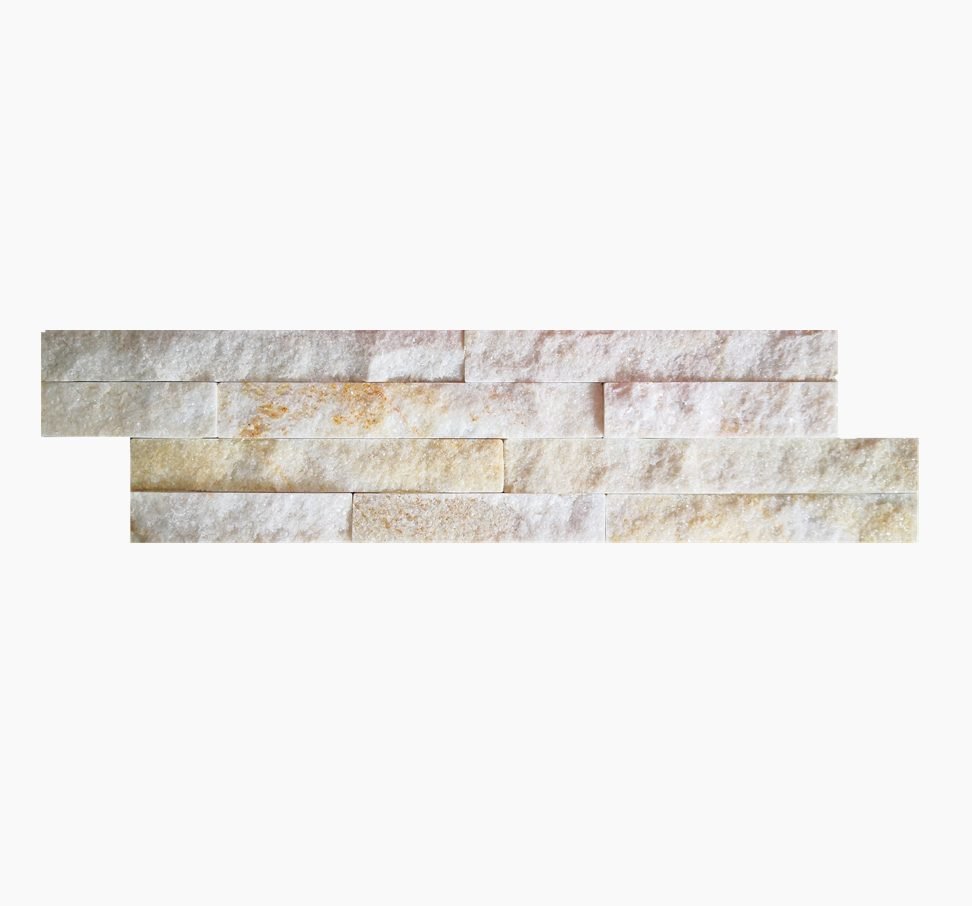
Use thin ledgestone panels for the base band: the 36x10cm thin ledgestone format reads as narrow, horizontal courses that sit naturally under a shingle or board upper. Cream and oyster quartzite brighten a gray coastal sky; charcoal ledgestone anchors a pale house. Cap the base with a drip edge or shallow ledge so water falls outward instead of running down the top course. Keep the siding lap above high enough that it never wicks from the stone.
Best for: coastal cottages, shingle-style homes, and any facade that wants a bright lower level. Watch out for: the transition between stone and siding is the leak point; a proper Z-flash or siding drip at that line is non-negotiable.
3. Sheltered Courtyard and Media Walls
Not every stone surface on a coastal property faces the sea. Courtyard walls, porch screen walls, and outdoor fireplace surrounds sit in the same salty air but take far less wind-driven moisture. They are where the stone can warm up the design without carrying the full weather load, and where a client gets a convincing stone experience without a full facade budget.
Build a courtyard wall as a windbreak and a viewing plane: a split-face feature wall behind an outdoor dining area, or a low stone bench wall that edges the patio. On the sea side of the courtyard, the wall itself becomes a planted windbreak that slows salt mist for the glass behind it. The pool and spa surround walls follow the same logic, only nearer water, which is why the poolside stone cladding guide and the alpine exterior styles both lean on dense panel formats.
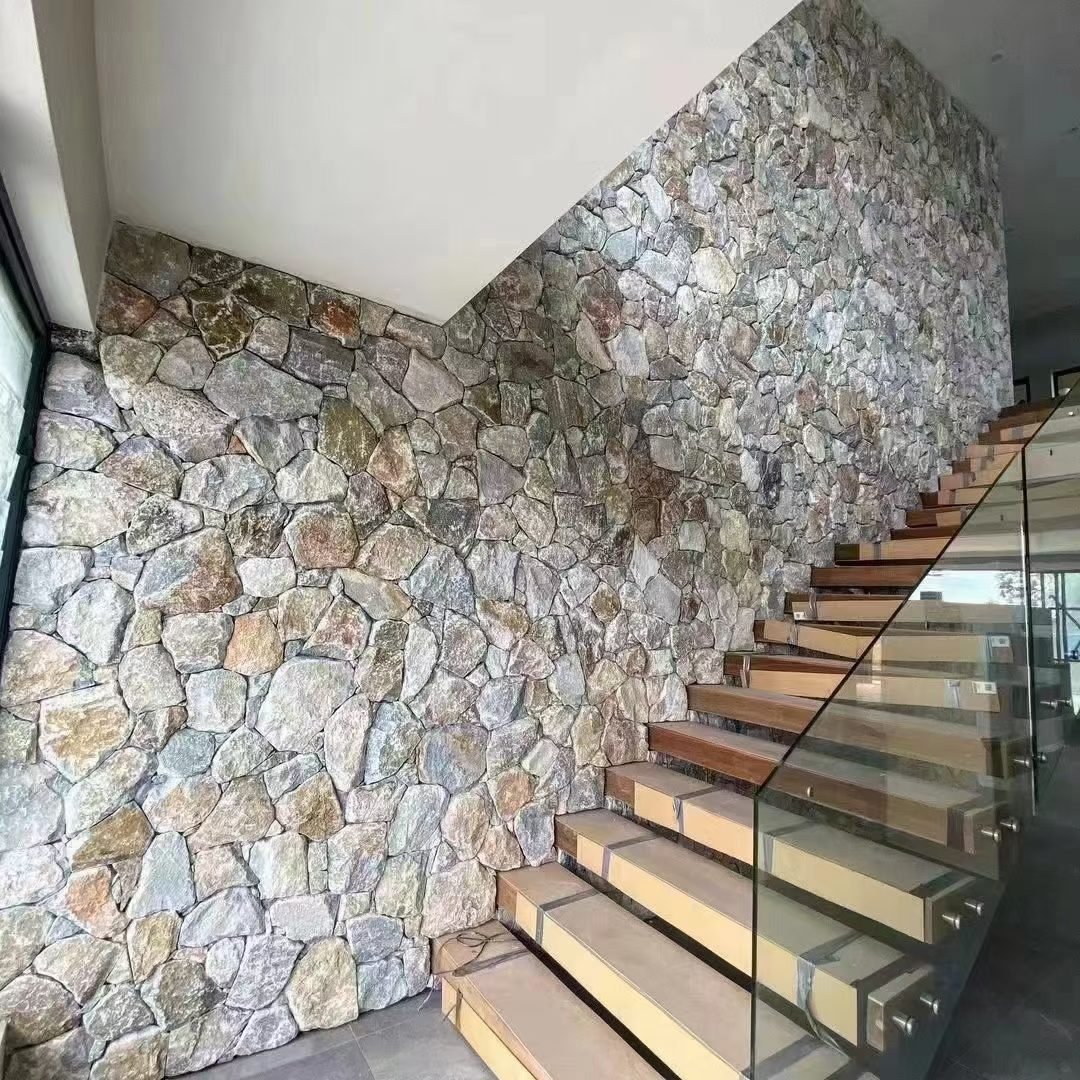
Best for: covered patios, pool courtyards, outdoor kitchens, and entrance courts. Watch out for: mist still reaches sheltered walls in storms; the drained cavity and flashed top matter exactly as much on a 2.4 m wall as on a full facade.
4. Stone Gate Columns at the Coastal Entrance
Gate and porch columns frame the coastal entrance, and they take a surprising amount of abuse: salt mist, hose water, luggage bumps, and door swings. Pre-assembled stone columns turn that entrance into a structural strong point and a design statement at once. The dense stone face means the salt film stays on the surface and rinses away with the next rain.
The pre-assembled stacked stone columns with pillar caps install over the structural post, so the crew gets the finished look without site-built masonry work. Choose a light grey or cream quartzite for a bright coastal entry, or a charcoal cap-and-base detail for contrast against pale houses. Cap the columns with a proper drip overhang so water sheds off the top rather than running down the shaft, and give the base a plinth that clears the paving.
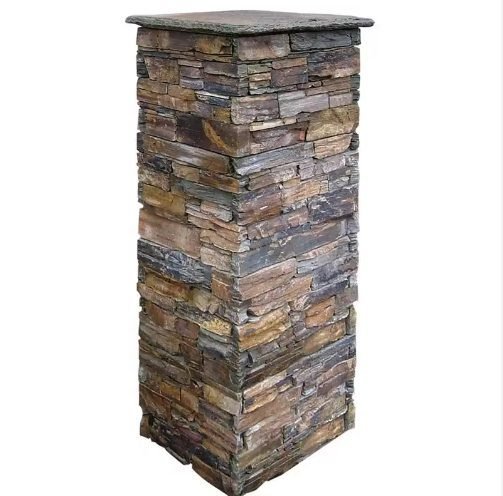
Best for: entrance gates, porch posts, driveway piers, and stair newels. Watch out for: column caps must shed water, not catch it; verify the drip edge in the shop drawing before production.
5. Slate Flagstone Entry and Pool Surround
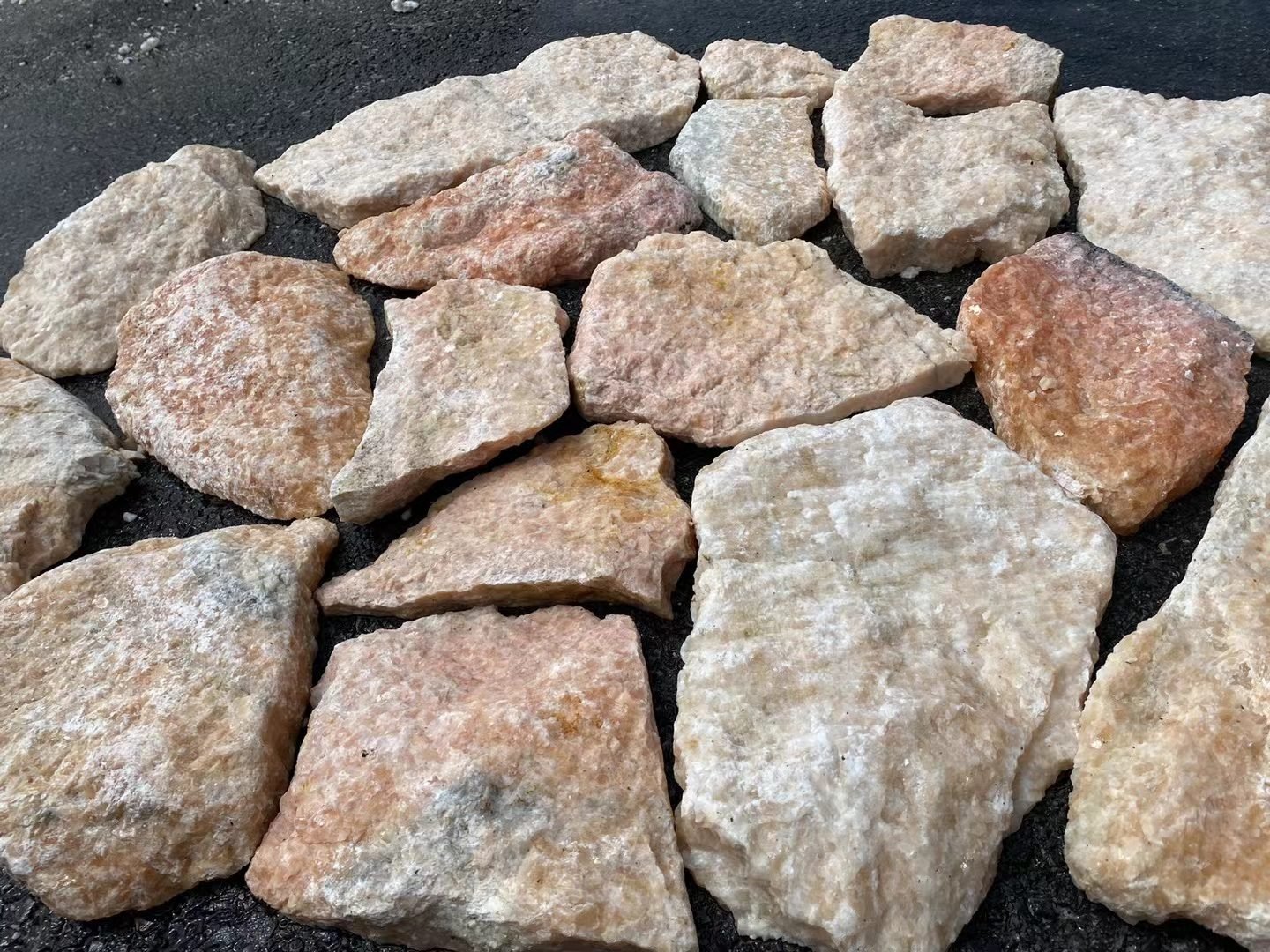
Salt air stops at the wall line in many coastal yards, but the hardscape lives in it all day. The entry path, the pool surround, and the terrace paving face sand, salt, and standing water, so slip resistance and salt tolerance matter more than the wall design. Natural slate flagstone and crazy paving deliver both: the split surface stays grippy when wet, and dense slate tolerates the salt and humidity that poolside summers pile on.
Use natural slate flagstone and crazy paving for the walk from the gate to the porch, and the same stone around the pool edge as a wet band that matches the dry terrace. Flagstone colors run from black and dark grey to warm browns, and the pool decking details handle the joint widths and drainage a wet zone requires. Black and dark-grey slate shows less salt film than a white stone, which keeps maintenance low for a busy coastal home.
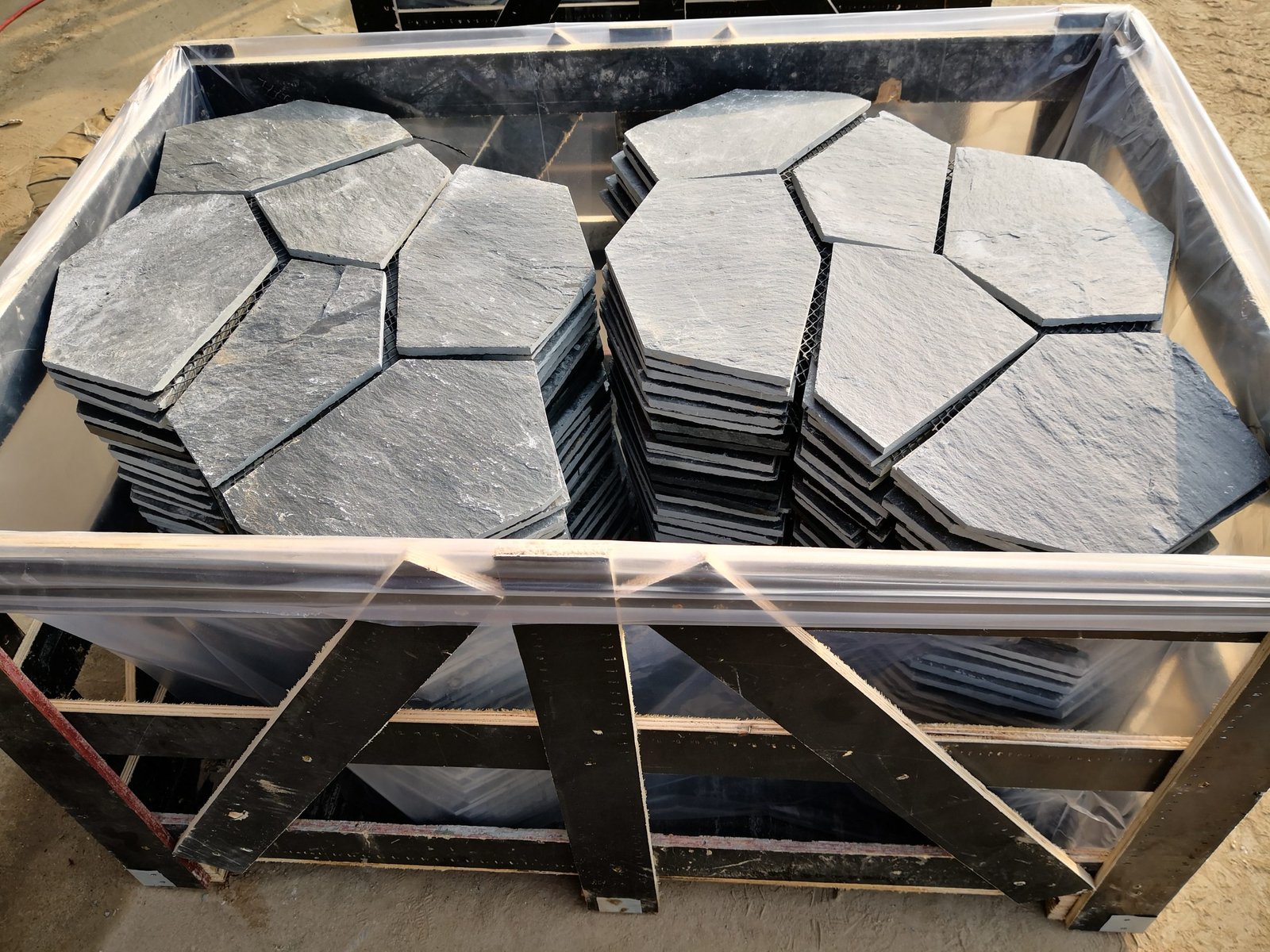
Best for: entry walks, pool surrounds, terraces, and stepping-stone paths through coastal gardens. Watch out for: grade joints away from the house and the pool so water flows away, and fix any loose units promptly before sand undermines them.
Coastal Facade Option Comparison
| Idea | Best for | Exposure level | Key detail |
|---|---|---|---|
| Full-height split-face veneer | Sea-facing walls, contemporary coastal | High | Flashing at every opening; base drip edge |
| Ledgestone base + painted upper | Cottages, shingle style | Medium | Flashing at the stone-to-siding transition |
| Sheltered courtyard walls | Patios, pool courts, outdoor kitchens | Medium | Drained cavity and flashed top even on short walls |
| Stone gate columns | Entrances, gates, porch posts | Medium | Column cap drip overhang; plinth off grade |
| Slate flagstone entry and pool surround | Walks, pool edges, terraces | High | Non-slip split surface; joints grade away from house and pool |
Across all five options, the details follow one rule: dense stone, drained wall, flashed openings, and tooled joints. The stone veneer joint and weatherproofing guide is the technical partner to these design ideas, and the Natural Stone Institute documents how natural stone performs in exterior exposure for specifiers who need the reference.
FAQ
Does salt air damage natural stone?
Salt air attacks porous stone through salt crystallization inside pores, but dense stones such as slate and quartzite absorb little water and resist salt-spray degradation well.
What is the best stone for a coastal facade?
Dense, low-absorption natural stone, typically slate and quartzite, in split-face veneer or ledgestone formats, installed with a drained cavity and flashing.
Should you seal coastal stone veneer?
Sealing is optional. Choose a dense low-absorption stone, install the wall with drainage details, and clean salt residue with water rather than relying on sealer.
Which coastal facade design survives sea spray best?
A full-height dense veneer on the sea-facing wall with a drained cavity and flashing at every opening, or a ledgestone base and sheltered stone accent walls.
How do you clean salt residue off stone?
Rinse with fresh water and a soft brush, then let the wall dry; avoid acidic cleaners on slate and quartzite.
Conclusion
Coastal stone facades fail slowly and predictably when the stone is porous, the details are missing, or the maintenance assumptions are wrong. Flip all three: specify dense slate or quartzite, drain and flash every wall plane, and rinse the facade with fresh water now and then. Then the sea air becomes a background condition, not a threat.
Key Takeaways
- Dense slate and quartzite resist salt crystallization; details do the rest.
- Five designs scale coverage from full-height veneer to flagstone paving.
- Flashing at openings, a drained cavity, and tooled joints protect every option.
- Fresh-water rinsing is the maintenance that keeps coastal stone looking new.
Designing a coastal facade? Top Stone Panels supplies split-face thin veneer, thin ledgestone, stacked stone columns, and non-slip slate flagstone with samples in 1-3 days and one-20GP MOQ. Send the house drawings and the sea-side exposure notes for a product recommendation.