Walk a building material showroom in North America and you will see the same stock stone colors at every distributor: the greys, the creams, the standard blends everyone’s catalog carries. The distributor who sells something nobody else stocks commands the margin. A custom color mix stone panel is that product: natural stone pieces from several colors and tones, blended to your ratio, assembled into panels, and sold under your brand. The process that turns a blend idea into a container is called OEM stone panel production, and it is more repeatable than most buyers expect.
This guide walks the full path, aimed at distributors and building product buyers who want a signature wall panel line. It covers what a custom mix is, why the format works commercially, the exact process steps with realistic timelines, how to write a color spec a factory can hit, sample workflow, MOQ and cost variables, and how to protect your blend from copycats. The factory references are first-party data from Top Stone Panels, a direct-from-quarry producer in Yixian, Hebei that has run OEM and private-label programs through 220+ containers a year for 18+ years. Where numbers are production practice rather than factory data, they are labeled as such.
Key Takeaways
- A custom color mix is a defined ratio of natural colors, locked to a physical master sample, not a random mélange.
- The process: blend spec, quarry vein selection, master sample approval, production, batch QC, packing, shipment.
- Samples ship in 1-3 days; production runs 20-25 working days standard, 25-30 on first orders with custom cartons.
- MOQ is one 20GP container, and mixed containers let you test a blend without dedicating a full load to it.
- The batch must match the approved master at 95% or better color harmony through same-quarry vein selection.
- Exclusivity is a written agreement, not a handshake. Keep the blend formulation confidential.
What Is a Custom Color Mix Stone Panel
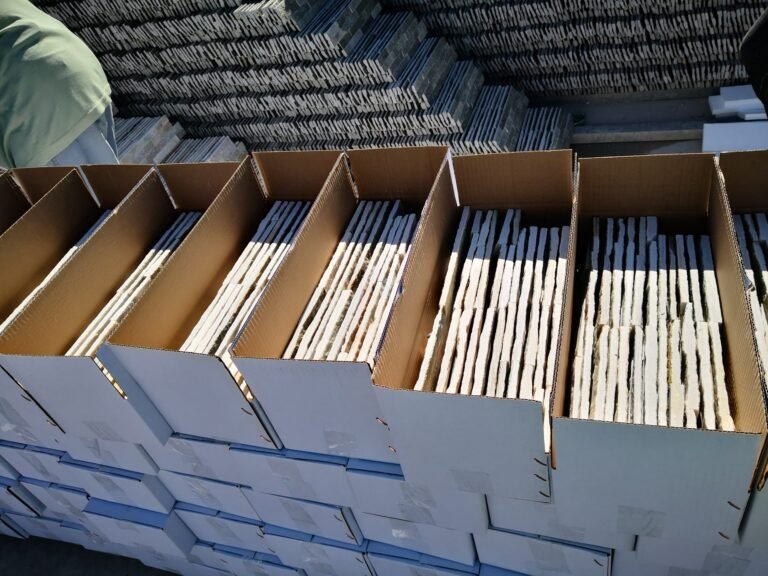
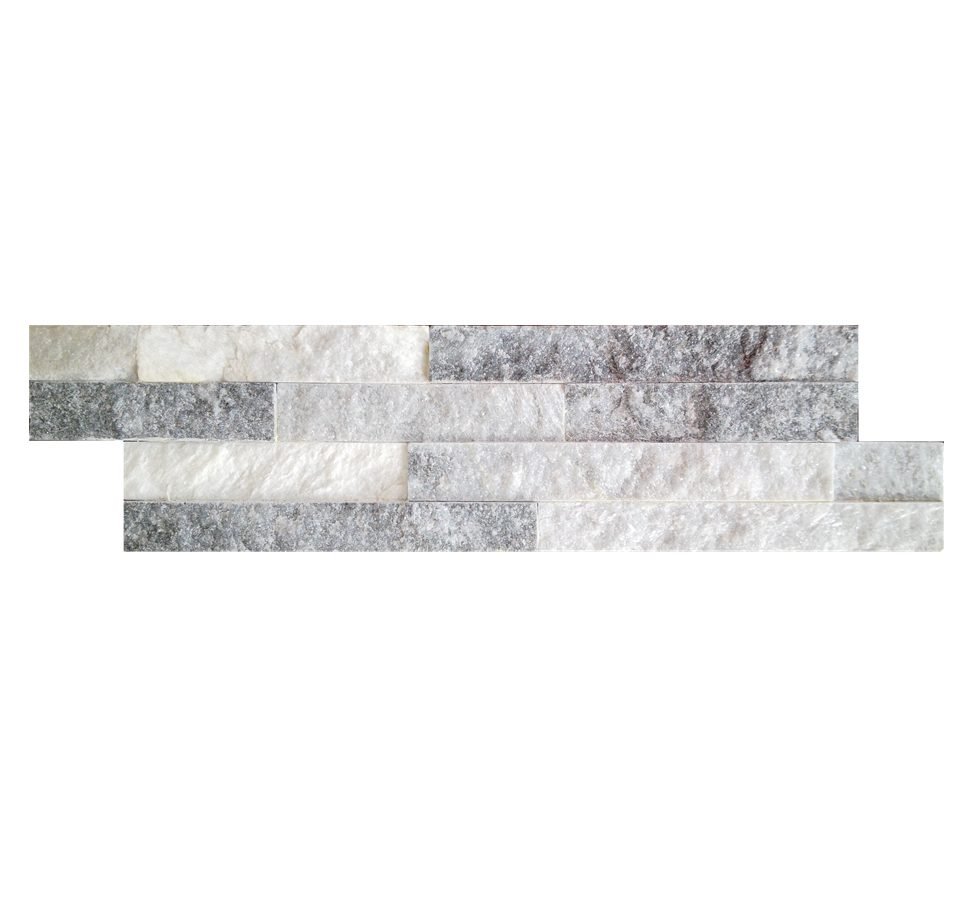
A custom color mix takes pieces of natural stone in multiple colors from the same quarry family and assembles them into panels at an agreed ratio. The standard stacked stone line, for example, runs 15x60cm and 15x55cm panels; a custom mix changes the face rather than the format. Where a stock product might ship all grey, a custom mix might ship 40% warm grey, 30% rust, 20% beige, and 10% deep charcoal, with every panel built to that blend.
When a buyer wants a deeper grey story, our grey stone veneer guide covers the slate and quartzite grey families that mix into custom blends.
The critical difference from a stock color is governance. Stock colors are defined by the factory, and you take what arrives. A custom mix is defined by the buyer, locked to a physical master sample, and every production batch is measured against that master before it ships. That governance is what makes the product sellable as a brand, because your customers get the same wall color on shipment two and shipment ten.
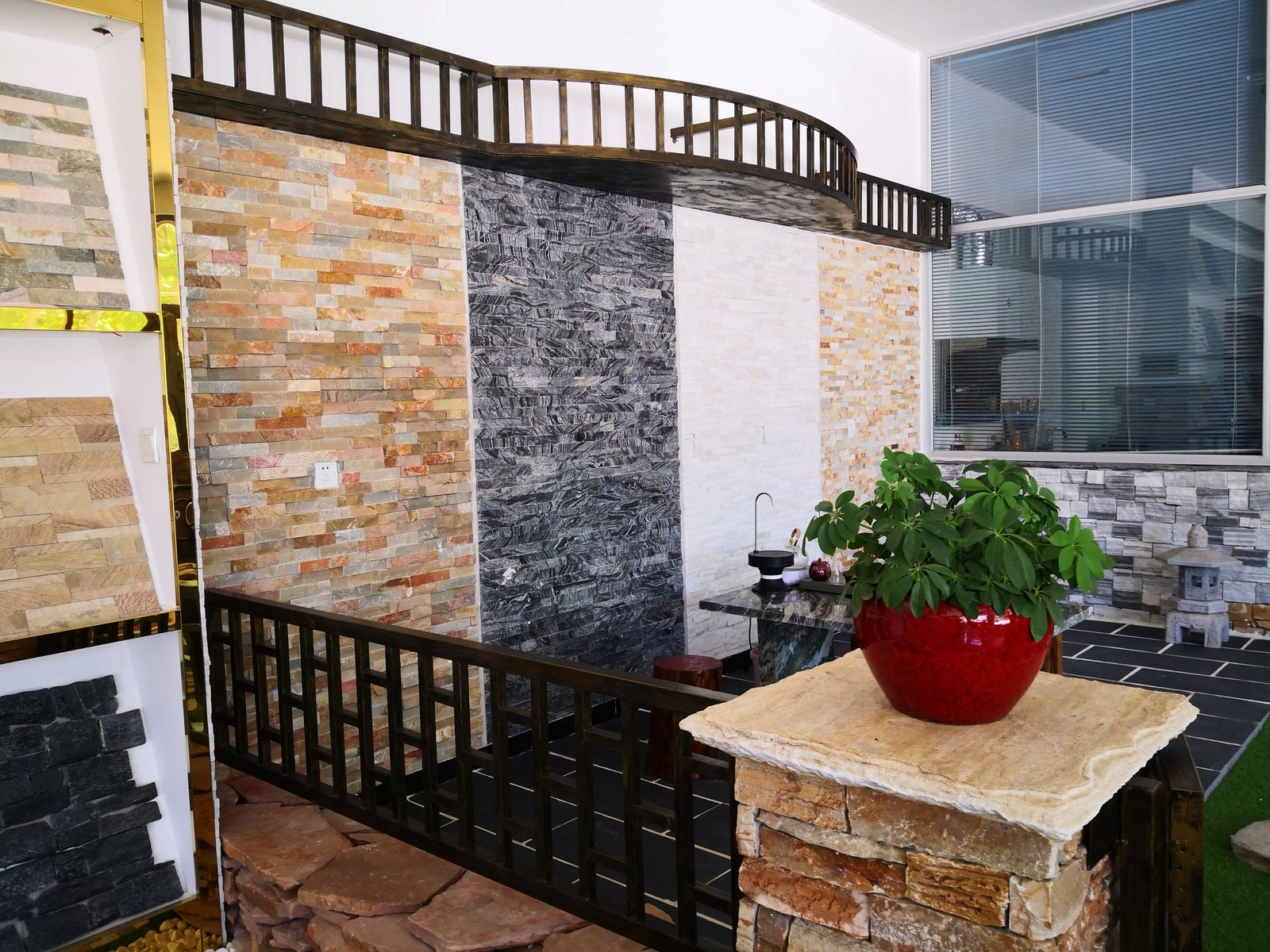
Custom mixes are available across the panel product lines: stacked stone, thin ledgestone at 36x10cm, interlocking Z-panels at 20x55cm or 15.2x61cm, thin stone veneer strips, and flagstone. The material family matters more than the format. Top Stone Panels blends slate, quartzite, marble, and sandstone, and quartzite plus slate carry most exterior custom-mix work because their density holds color under UV and freeze-thaw cycling.
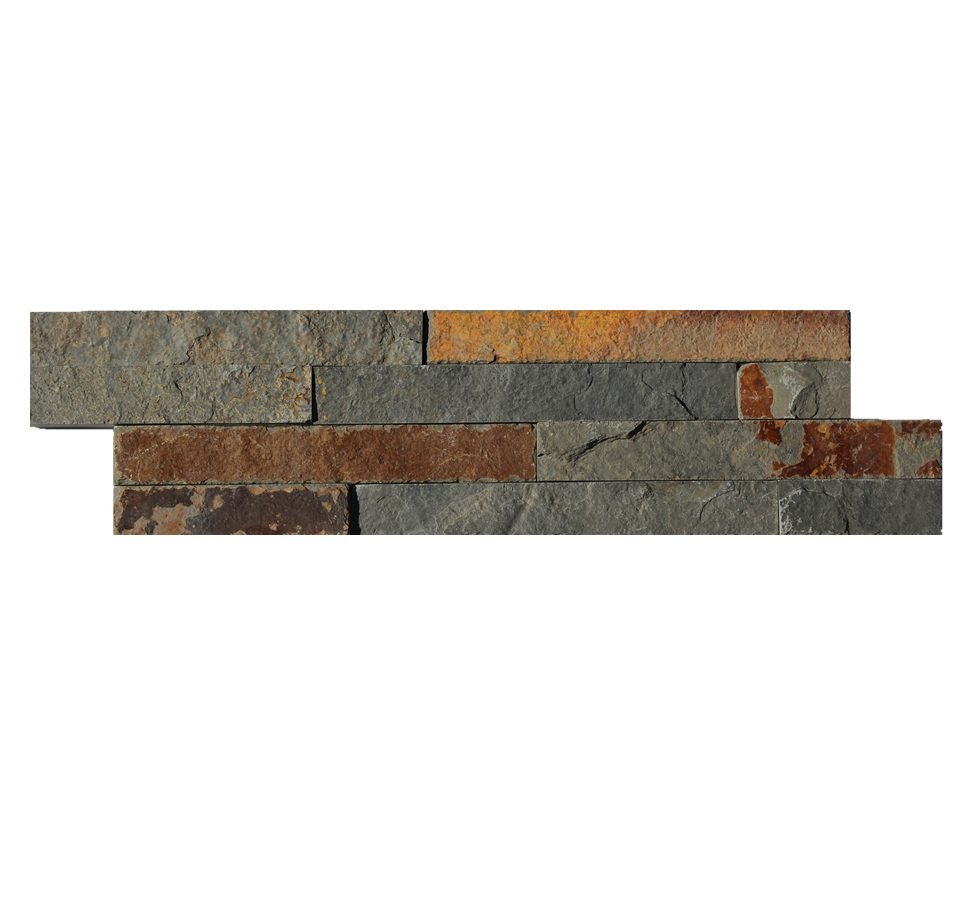
The backer completes the product definition. Panels ship with cement backer, mesh backing, or marine-grade epoxy bond depending on the line and the market. The backing choice affects weight, cutting behavior, and adhesive requirements onsite, so the mix spec should name the backer as part of the product, not leave it as a factory default. A distributor stocking an exclusive blend is really stocking an exclusive system: face ratio, material family, backer, and format all carry the brand.
Why Distributors Order Custom Mixes
Three commercial forces push distributors into custom blends. First is exclusivity: a blend only you stock means buyers cannot price-compare you against the same product three rows away. Second is margin: private-label product typically earns more per square meter than catalog stock, because the comparison shopper loses their anchor. Third is brand: an exclusive wall color gives a showroom a talking point and a website a signature product.
The dynamics are documented in the OEM and private label guide, which covers naming, carton branding, and marketing support. Distributors who already run a private label often find a custom mix is the natural upgrade: the carton says your brand, and now the stone inside says your color too. The six types every distributor should stock article shows where an exclusive blend slots into a balanced stock range.
There is a cost caveat worth naming early. Custom mixes pay off at container scale, not at sample scale. The economics assume you move enough square meters to spread the sample, approval, and exclusivity overhead across the volume. A first blend order is a product launch, and it deserves the same planning as one.
The OEM Process From Spec to Container
The process is a sequence of gates, each producing an artifact the next step depends on. Missing a gate, approving a sample you are not sure about, or skipping the exclusivity discussion costs far more later than the gate itself.
- Define the blend spec. Set the target ratio of colors and tones in percentage terms, and name the base material (slate, quartzite, or mixed). Keep the palette to 3-5 colors; natural stone blends fail when the palette gets too wide to hold across batches.
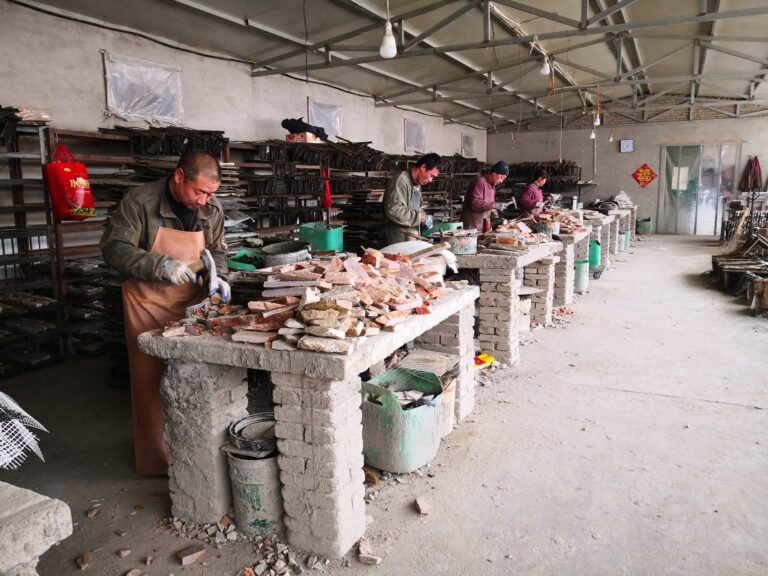
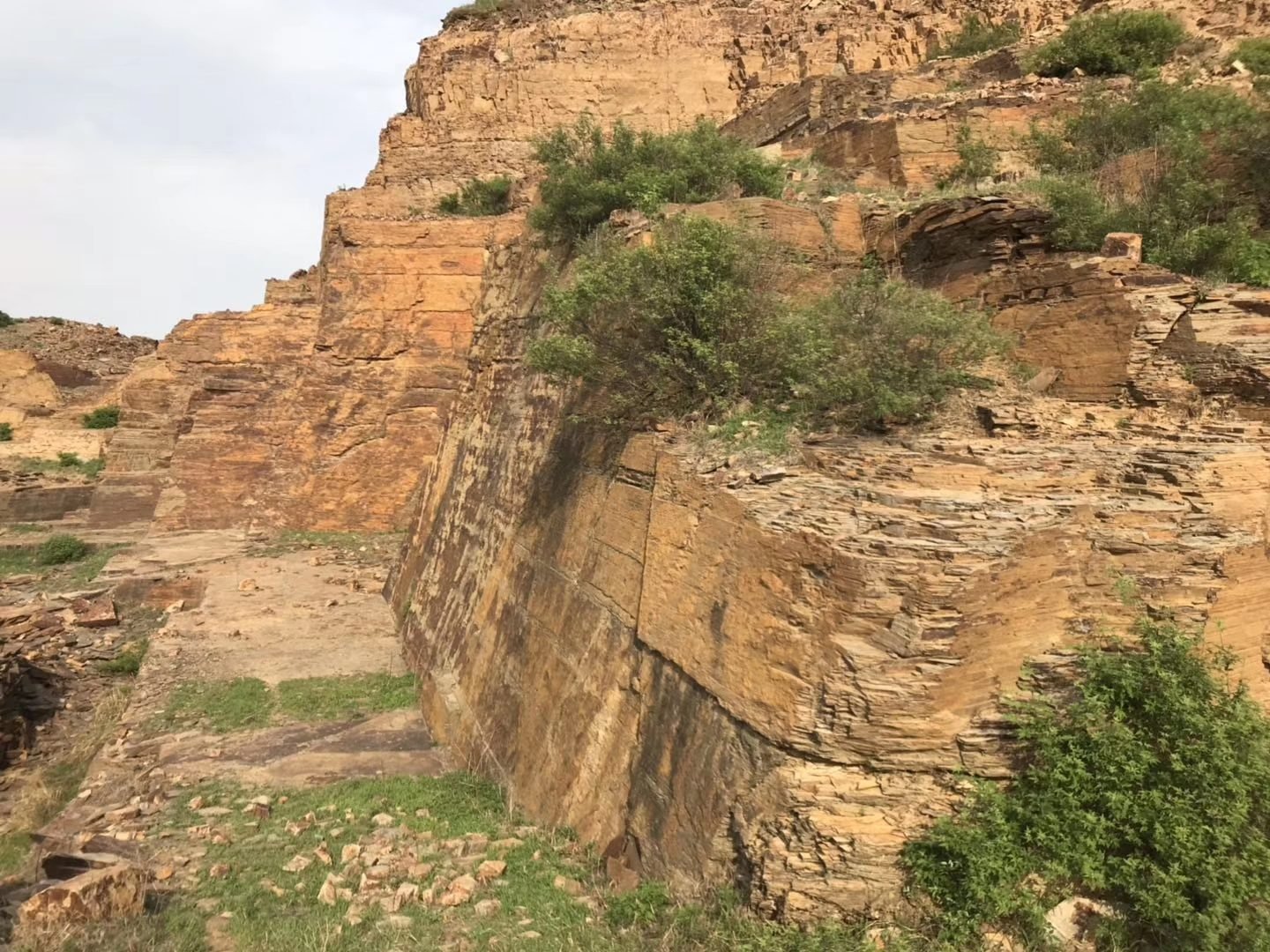
- Quarry vein selection. The factory pulls from the same quarry block or vein family, because color lives in the vein. Top Stone Panels runs batch-specific vein selection on every order so the production face matches the sample family.
- Master sample build and approval. The factory assembles a physical master panel from real stone at the agreed ratio and ships it in 1-3 days. Approve the physical master, not a photo, and keep it as your reference for batch comparison.
- Production batch. Standard production runs 20-25 working days; first orders with custom cartons and private-label packaging run 25-30 working days.
- Batch QC and color harmony check. The batch is measured against the master at 95% or better color harmony before it moves to packing.
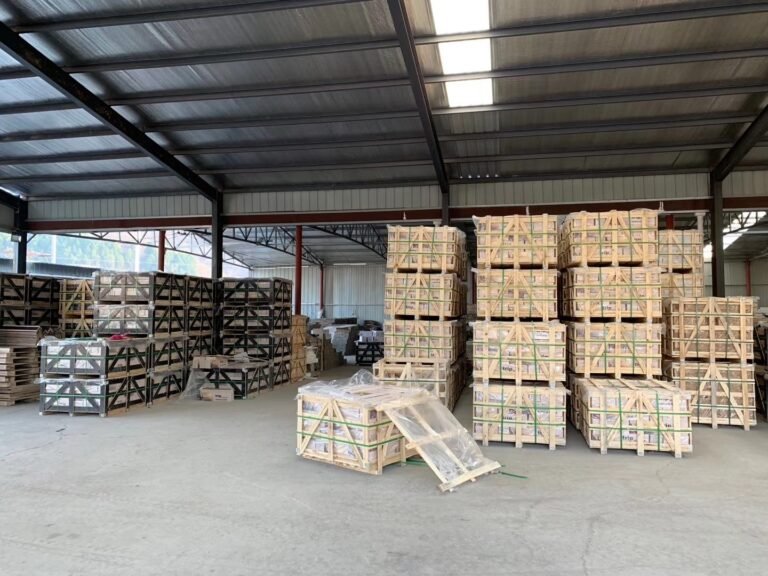
- Packing and loading evidence. Panels move through zero-breakage packaging: 3-5 layer cartons, plywood pallets, 4-6 steel straps, and airbags in the container. Layout photos and loading video are released before the balance.
- Balance and shipment. Payment runs 30% T/T deposit and 70% balance, FOB Xingang, with the balance released after the loading evidence confirms the actual blend.
| Process gate | What you get | Timeline |
|---|---|---|
| Blend spec + vein selection | Agreed ratio and quarry family | Before production booking |
| Master sample | Physical panel for approval | 1-3 days to you |
| Production | Full batch at the agreed mix | 20-25 working days (25-30 first order) |
| Batch QC + harmony check | ≥95% match to master | Before packing |
| Loading evidence + balance | Photos, video, documents | Before 70% balance release |
Two gates deserve extra attention. The master sample is the legal definition of your color, so approve it only in natural daylight and keep it physically safe. The loading evidence gate is the inspection moment for the blend; a pre-shipment inspection works the same way for a custom mix as for a stock order, and the companion inspection guide lists exactly what to check before the container loads.
Writing a Color Spec the Factory Can Hit
The fastest way to ruin a custom blend is imprecise language. “Warm mix with some rust” produces exactly what you would expect: a batch the factory considers warm and you consider wrong. Write the spec the way factories measure it, as a percentage ratio attached to a physical reference.
A workable spec looks like this: 40% warm grey, 30% rust, 20% sand beige, 10% charcoal, all slate from the same quarry family, matched to master sample TSP-009. Add a variance band in writing as well, for example both colors may drift up to five percentage points of mix share within a batch, and note that small seasonal vein variation is normal. Natural stone does not reproduce like paint, and the trade practical rule is that the assembled face must read harmoniously at 95% or better against the master, not that every single piece matches.
Watch the lighting. The eye judges color differently under showroom LED, building-site daylight, and a phone screen. Compare samples in north-facing daylight at the same hour, and ask the factory to photograph layout panels in daylight, not only under warehouse lighting. The batch color control and vein selection article explains how factories manage color across batches and what documentation to request.
One more realism check: do not spec a single flat color in a natural stone panel. Natural split-face stone carries inherent tonal variation within one vein, and buyers who fight that variation fight nature. Custom mixes actually solve the problem stock single colors have, because the blend absorbs individual variation into the mix. Lean into the blend.
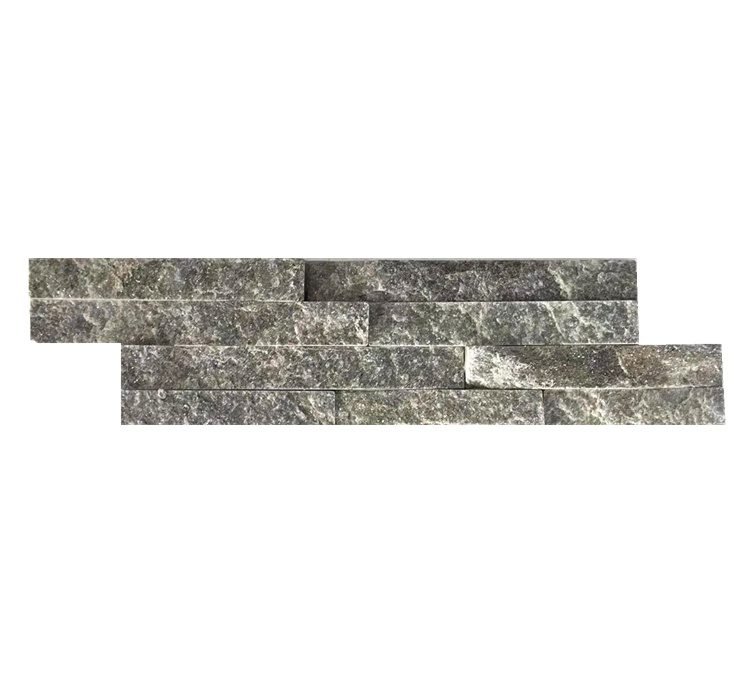
Ask the factory for component sheets as part of the spec. An honest supplier sends one photo of every color in the mix at the same distance and lighting, so you can see that the manufactured panel face looks the way the ratio describes. High resolution matters: a layout photo should let you zoom into individual pieces, not a thumbnail of a wall. Top Stone Panels releases high-resolution layout photos of the actual goods before the balance payment, which is the practical guarantee that the production batch reads like the master.
Sample Approval Workflow
The sample is the contract. Top Stone Panels dispatches physical samples in 1-3 days, fast enough to test before production commitment. A sample set for a custom mix should include the master blend panel, one panel of each component color, and, when relevant, a corner piece, because outside corners read the mix differently.
Run the components through the same evaluation you would give any stone order: absorption, density feel, edge chips, and color under different light. Keep the approved master where it cannot be lost, and tell the factory the sample number that the production batch will be measured against. The 10-point sample evaluation guide is the checklist used here, written for exactly this moment.
If your first sample misses, the feedback loop is the point. Factories iterate fast on blends; the second master usually lands closer because the ratio conversation becomes concrete once both sides hold real stone in their hands. Budget one sample round into the schedule so the production window is not disturbed by an approval delay.
MOQ, Lead Times, and Cost Variables
The standard factory MOQ for custom color mix panels is one 20GP container, the same gate as stock product. Mixed containers are the practical way around the mental block a first-time custom buyer hits: several stone types and even several blends can share one container, so a distributor can test a custom mix with a partial allocation rather than dedicating a full load to an unproven color. The mixed container logistics are covered in the container mix guide.
Lead times do not change much with the custom format. Samples go out in 1-3 days, production runs 20-25 working days, and first orders with custom cartons and private-label packaging run 25-30 working days. The import lead time guide shows how these dates interact with freight booking, because the production window and the vessel schedule must overlap or the container sits at port.
Cost variables are the part buyers underweight. Blend ratios drive cost: a mix leaning on a rare vein color costs more than one riding common quarries, and the factory quotes reflect sourcing difficulty, not markup games. Custom carton printing adds a first-order cost and a lead time extension. Sample shipping is charged by courier, usually fast and small. On the freight side, stone ships FOB Xingang at around 26.5 tons per 20GP, and the landed cost depends on your port, so the price discussion should separate FOB quote from freight. The stone cladding cost breakdown model explains how to build the full comparison.
Payment terms matter for a custom program because reorders run on the same gate. The standard 30% T/T deposit and 70% balance before shipment, FOB Xingang, lets you fund production while keeping the final payment matched to evidence. For a blend you intend to reorder quarterly, settle the balance terms once and keep the loading video and layout photo deliverable on every batch. The payment terms guide compares T/T against letter of credit for exactly this decision.
Protecting Your Blend
A custom mix is only exclusive while the ratio and the source stay confidential. Write the exclusivity into the agreement: for a defined territory or period, the factory will not produce your blend for another buyer. Top Stone Panels treats blend formulations as buyer property, but the principle should be confirmed in writing, not assumed, and the private label guide covers the agreement mechanics in detail.
Practical protection runs through the supply chain. Keep the formulation sheet internal, and do not publish percentage ratios in marketing material. Use private-label cartons so the product cannot be traced to a stock line by the packaging. And recognize the real limitation: another buyer can commission a similar-looking blend from the same factory family; what they cannot reproduce without your permission is your exact ratio and your approved master.
Repeatability is the quiet half of protection. A blend you can order again, year after year, at the same color harmony is worth more than a one-off lucky batch. That repeatability comes from the vein-selection and 95% harmony discipline, and it is also what keeps your run to your own showroom wall in five years matching shipment one.
Launch your own blend
Top Stone Panels produces custom color mix panels across all six lines, with samples in 1-3 days, same-quarry vein selection, and private-label packing. Send us your ratio idea and get a physical master panel to hold.
FAQ
What is a custom color mix in stone panels?
It blends natural stone pieces in several colors to a defined ratio, locked to a physical master sample. Panels assemble to that blend, giving distributors a wall product no stock line offers.
How long does it take to get custom color mix stone panels?
Samples ship in 1-3 days. Standard production takes 20-25 working days after approval, and first orders with custom cartons and private-label packaging take 25-30 working days.
What is the MOQ for custom color mix panels?
The standard MOQ is one 20GP container. Mixed containers with several stone types and blends let you test a custom mix without dedicating a full container to it.
Can my competitor copy my custom color mix?
Only if they learn the ratio and the quarry source. Use a written exclusivity agreement, keep the formulation confidential, and use private-label cartons so the product traces to your brand.
How do I know the color will match the sample?
The factory holds production to the approved master at 95% or better color harmony through same-quarry vein selection. Layout photos and loading video are released before the balance pays.
Conclusion
A custom color mix panel turns a commodity stock line into a branded product only you sell. The process is defined by gates: a ratio spec, a physical master sample, a 95% harmony production check, and loading evidence before the balance releases. None of the gates are mysterious, and all of them are doable from another continent through samples, photos, and video.
- Spec the blend as a percentage ratio tied to a physical master panel, and agree a variance band in writing.
- Approve samples in natural daylight and keep the master for batch comparison on every reorder.
- Plan around a 1x20GP MOQ, 1-3 day sample dispatch, and 20-25 working days of production.
- Protect the blend with a written exclusivity agreement and confidential formulation.
When the blend order reaches production, run the pre-shipment inspection checklist so the color you locked in the master is confirmed on the loaded panels before the balance leaves your account. That is the last gate of the OEM process, and it closes with layout photos and the loading video in hand.