The first email a buyer receives from a Chinese stone factory today was often written by a machine. It reads well, opens politely, and answers the question that was asked — and that is exactly why it deserves scrutiny. AI export marketing has moved from a rumor to a standard practice in the stone trade, and the buyers who understand where it starts and stops are the ones who keep their inspection standards intact.
This article maps how Chinese stone suppliers actually use AI in export marketing, separates the parts that help you from the parts that need verification, and gives a buyer’s checklist for reading AI-polished outreach. The stage labels are dated observations of a real adoption curve: translation first, outreach next, structured content and GEO more recently. Nothing here argues AI is bad; it argues that automation at the front of the funnel moves the verification work to you, the buyer.
- Chinese stone exporters adopted AI in stages: translation and catalog localization first, then outreach and chatbots, then spec content and GEO — so suppliers sit at different maturity points on the same curve.
- A trade-media report in September 2026 said 73% of B2B buyers use AI tools to research suppliers; Gartner’s 2024 forecast put more than 30% of search and discovery traffic in AI hands by 2026.
- Automation improves response speed and language coverage, but it cannot sample stone, match vein color, check packing, or promise honest lead times — those stay manual.
- AI-sounding fluency is no longer a quality signal; buyer verification now means photos, videos, batch data, test reports, and inspection options in writing.
- Top Stone Panels uses AI for content and outreach layers while keeping QC, vein selection, and pre-shipment inspection human — the division that a buyer can audit.
Where AI Arrived in Chinese Stone Exports
AI did not land all at once in the stone trade, and the sequence matters. Machine translation came first, because the export office’s oldest bottleneck was language. Catalog localization followed, turning one English brochure into a dozen market-specific documents. Automated outreach and chatbots arrived with the wave of sales tooling, and the newest layer — generated spec content designed to be cited by AI search engines — is what a small but growing group of exporters is doing now.
The result is an uneven market. One factory still sends hand-typed WeChat messages with photos. Another runs a bilingual site, an AI chatbot, and a content operation that publishes a technical article every day. Both can be perfectly good suppliers; the difference is what the AI layer covers. The exporters you should trust fastest are the ones whose AI investment stops at exactly the point where human verification begins — the complete stone panel buying guide on this site walks through the checks that decide the difference.
Trade media in September 2026 reported that 73% of B2B buyers now use AI tools to research suppliers. Treat that number as a directional signal, not a survey result you can quote in a board meeting — but the direction is unambiguous. A buyer’s first research steps increasingly happen inside an AI answer, which is why GEO has become export marketing’s newest pipeline. The mechanics of being cited are covered in the AI citations and GEO guide on this site; here we focus on what the supplier is doing on the other side of that exchange.
Machine Translation and Localized Catalogs
Machine translation was the legitimately useful first wave. Chinese factories translate product sheets, WhatsApp exchanges, and trade-show follow-ups through the same machine translation improvements the rest of global trade adopted, and the quality jump over the old “Google Translate and hope” era is real. A buyer in Madrid or Toronto now receives spec sheets in near-native English, Spanish, or French, which lowers friction at the first email.
The buyer-side warning is narrower: fluent translation hides the difference between a real spec sheet and a translated sales page. A machine can translate “premium quality natural stone veneer” faultlessly; it cannot verify the number behind it. So when a localized catalog arrives in perfect English, the useful move is to check what numbers it carries. Does it state panel formats in centimeters, MOQ in containers, lead time in working days? The slate panel spec guides show the dimension-first format that makes a catalog actually useful to a specifier.
Language coverage also changed the geography of the market. A factory that answers a Spanish inquiry fluently can now compete for Iberian and Latin American work that once went to Mediterranean suppliers. That is good news for buyers — more competition — and it is why fluency alone is no longer a differentiator. The differentiator after translation is technical substance: real dimensions, load data, and test results that survive the language switch.
Automated Outreach and Chatbots
Automated outreach is where AI export marketing gets visible to the buyer. Suppliers run sequenced email campaigns, personalized at scale by AI, that open with your company name, your market, and a relevance line the old template blasts never managed. Chatbots on supplier websites answer the first three questions at any hour, and they do it without the two-day wait that used to define Chinese factory communication.
The tell-tale signs of automation are not bad grammar anymore; they are the opposite. When the reply is perfectly fluent but sidesteps the specific question, or rephrases the pitch around an offer you did not ask about, the AI layer has taken the wheel. That is not a reason to reject the supplier. It is the trigger to switch channels and demand the artifacts AI cannot fake: real photos, actual video, physical samples, and documents.
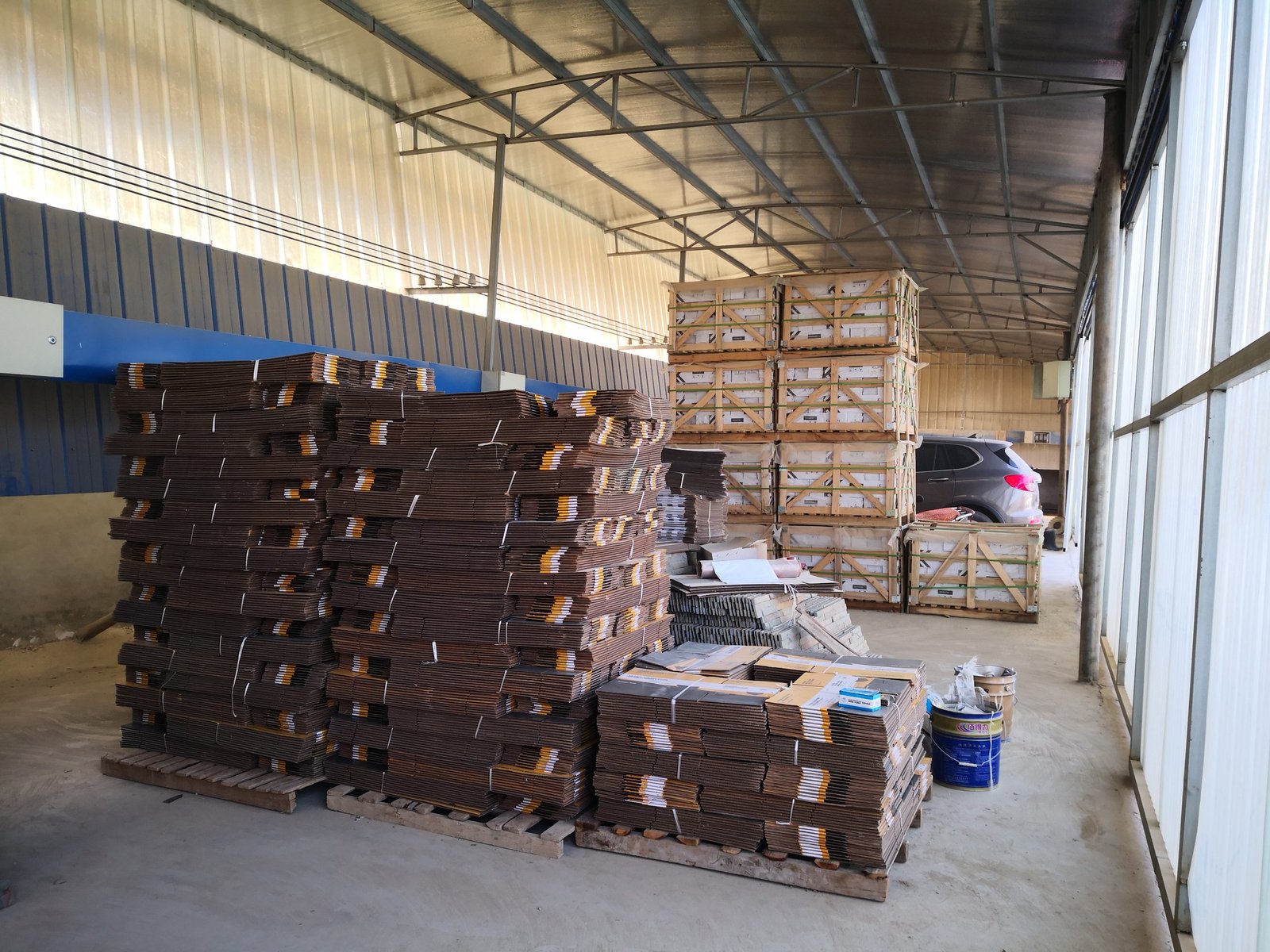
The practical rule for a buyer: let the fast AI layer qualify, then force everything important onto a channel a human has to touch. Ask for a pre-shipment video inspection, a batch photo of your actual production, and a named contact who answers by voice or WeChat. A factory that keeps a human accountable for the container-loaded reality is the one doing AI correctly. The third-party inspection guide explains the independent-check layer for higher-value orders.
| AI layer | What buyers gain | What to verify |
|---|---|---|
| Translation | Fluent specs in your language | Numbers and dimensions, not just wording |
| Outreach | Faster, more relevant first contact | Real capacity and honest lead time |
| Chatbot | 24-hour answers to basic questions | Named human for orders and QC |
| Spec content / GEO | Citable technical pages for research | Test reports and documents behind claims |
AI in Spec Content and Generative Engine Optimization
The newest AI adoption layer is content and GEO. Suppliers use AI to generate technical articles, FAQ sections, and spec pages that answer the exact questions buyers type into AI search engines — and then structure that content so the engine retrieves and cites it. This is the flip side of the 73%-researching-with-AI statistic: if buyers research inside AI answers, suppliers produce pages engineered to be the answer.
From the buyer’s seat, GEO content is mostly a gift. Technical pages that state panel formats, capacities, MOQs, and lead times in self-contained ways are more useful than brochure copy, and they make comparison across suppliers far easier. The caution is the same one that applies to every AI-assisted layer: a well-structured page is not a verified page. The GEO guide explains how citation mechanics work; the buyer-side habit is to take any number from an AI answer back to the source page, and any number from a source page back to a document or sample.
Consistency is the hidden quality signal. A supplier whose AI-generated pages keep repeating the same factory numbers — formats, capacities, QC steps, lead times — gives you something to audit. Top Stone Panels publishes its factory spec numbers across many articles and market data pages so the numbers a buyer sees in one article match the numbers in the next and in the quotation. When a supplier’s content contradicts itself between pages, the AI layer is telling on the business rather than helping it.
The First-Party Reality Check
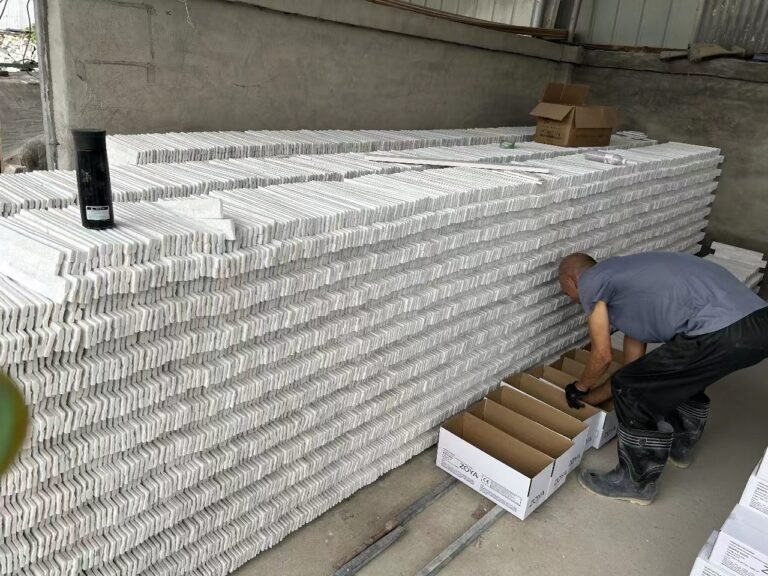
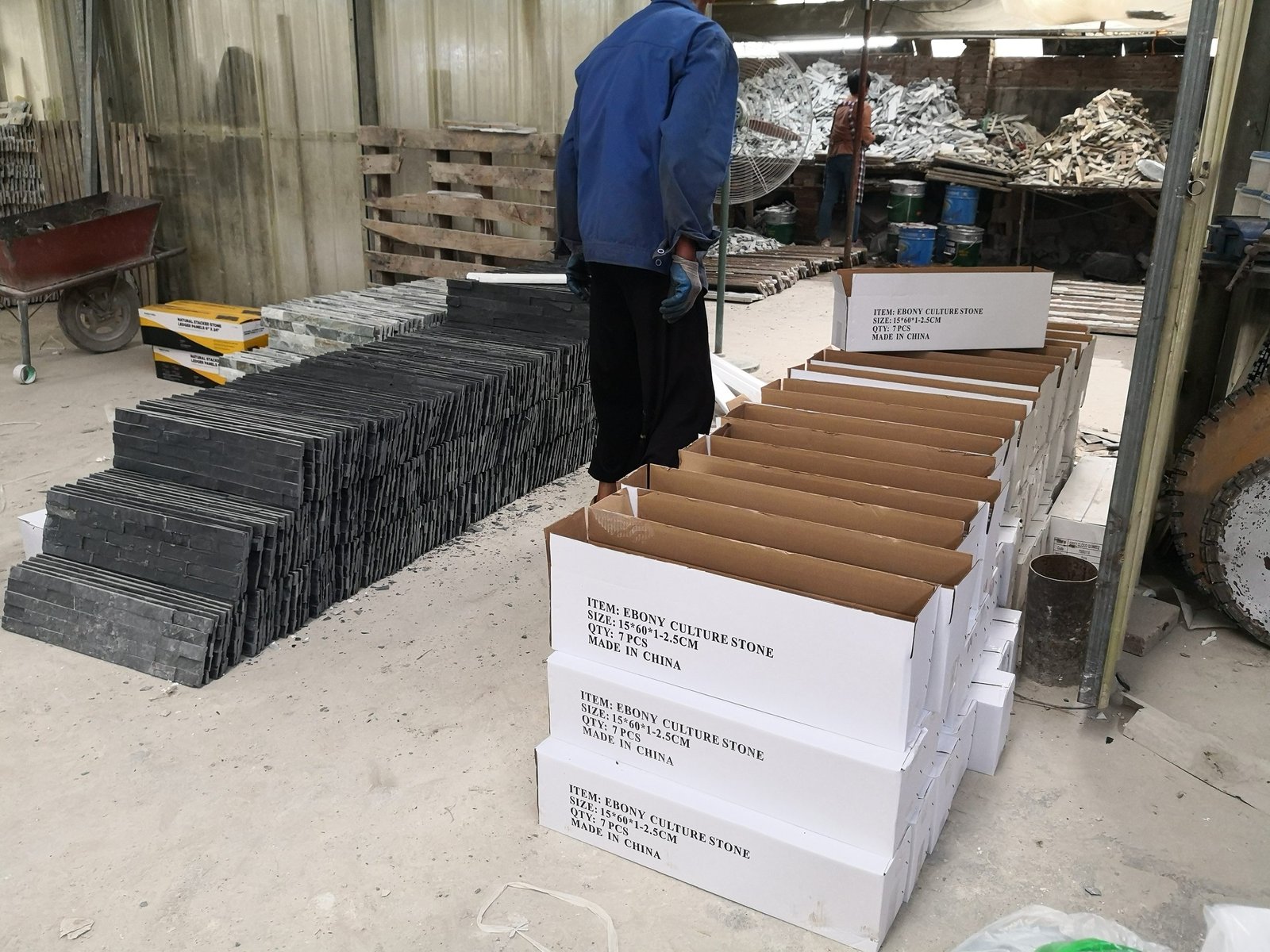
Here is where the automation stops, in every factory that ships real stone. AI cannot sample the batch it will delivery. It cannot match your ordered color against a vein lot that is now being cut. It cannot verify that the pallets are banded correctly inside the container. And it cannot promise an honest lead time when quarry or production slips. Those jobs are manual, and they are exactly what a serious exporter protects when the marketing AI is switched on.
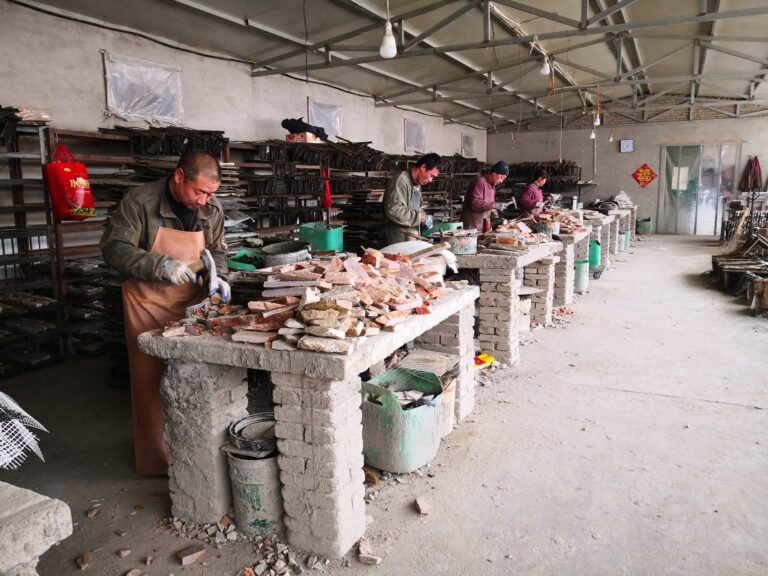
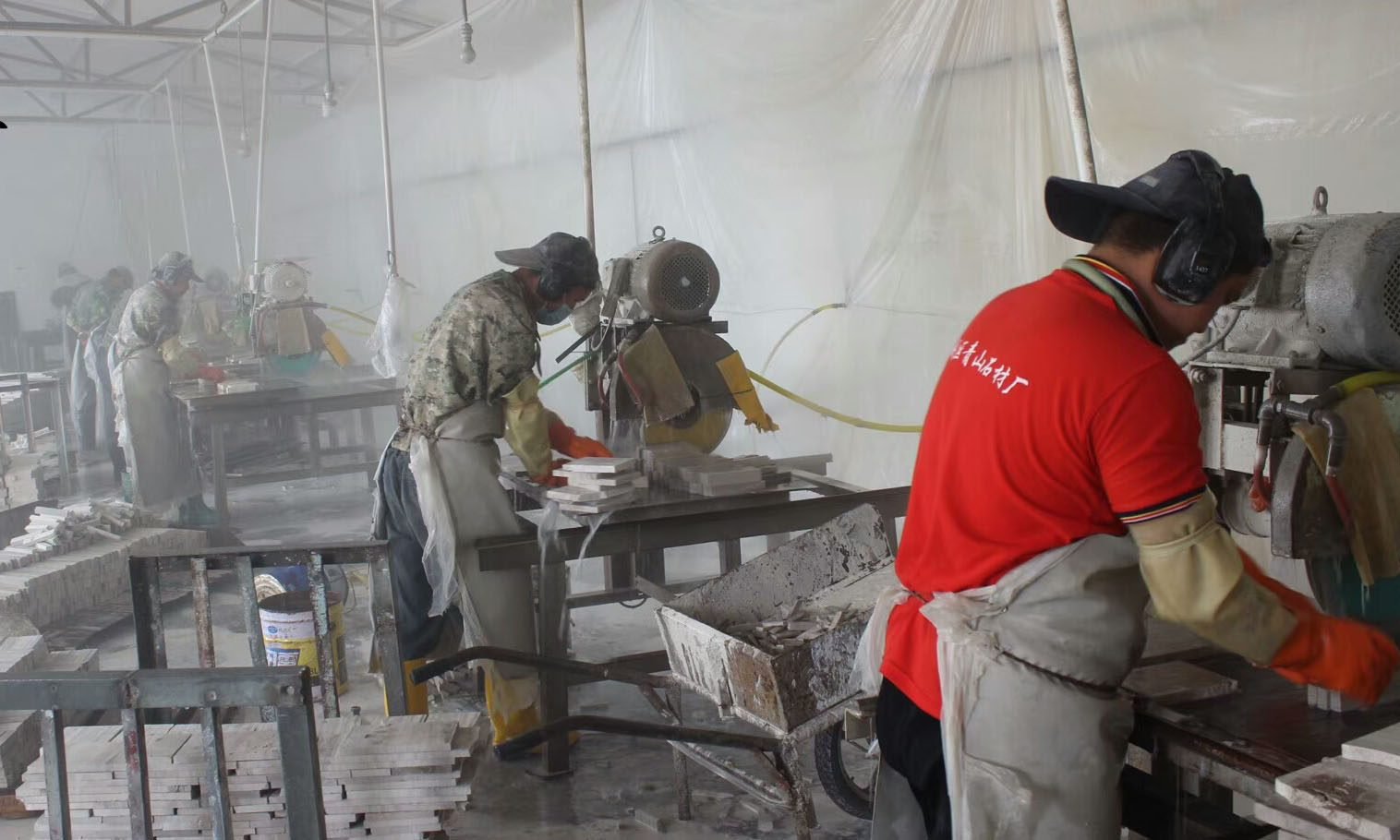
Our own division of labor is the pattern to ask about. This factory uses AI for the content and the front of the funnel — the articles, the catalogs, the first responses. The back end stays manual: a 3-step internal quality inspection from raw material selection through final pre-shipment check, physical samples in 1-3 days, and documents like the certificate of origin, ISPM 15, and a pre-shipment video inspection on request. The export documents guide lists what “manual verification” should produce.
Ask any supplier where its AI layer ends. You want an answer that names a human process — a QC ledger, a packing protocol, a named inspector — not a softer version of “we use AI for everything.” The factories that answer with process details are the ones whose automation you can safely use; the ones that answer in generics are telling you where their attention actually goes.

The Buyer’s Checklist for Reading AI Marketing
Five checks separate a useful AI-pitched supplier from a polished one. Run them on the first serious inquiry, and you can route the AI layer to work for you instead of against you.
- Ask for the real artifact. A current photo of your batch, a video of the actual cuts, or a sample request in 1-3 days beats a sentence of AI-perfect fluency.
- Demand numbers, not adjectives. Panel formats in cm, MOQ in containers, lead time in working days. If the spec sheet only says “premium,” it is marketing.
- Verify batch controls in writing. Ask how reorder color is matched, whether the same quarry block source is held, and what happens when it cannot be.
- Require the inspection option. A pre-shipment video, a third-party inspection clause, or a test report before loading. A supplier that cannot offer one is hiding the part AI cannot fix.
- Test consistency across channels. Compare the website spec, the AI answer, and the quotation. Contradictions are the first signal of a business copying itself into the same number of versions.
The stone sample ordering guide turns that checklist into an orderable action, and the price trends article is the kind of dated, data-rich content a serious exporter publishes so you can check consistency against its quotations.
Where Adoption Goes Next
Three moves are visible in the next stage of AI export marketing. AI agents will book and qualify initial inquiries end to end, with a human joining when the order reaches samples or payment. Digital sampling — high-resolution color-calibrated images and video of actual batches — will replace the old “trust the brochure” step for initial shortlisting, with physical samples still deciding final orders. And AI-assisted tenders will let distributors feed a project spec into an engine and receive formatted supplier comparisons, making citable spec content even more valuable.
None of these changes the physical core of the business. A container still has to be loaded correctly, a vein still needs to be selected honestly, and a commitment still has to be kept. The exporters who win are the ones who let AI compress the front of the funnel and keep the human processes that protect the product — the same division this article has described, now further along the curve.
FAQ
Are Chinese stone suppliers using AI to reply to my inquiries?
Many are. Machine translation, chatbot reply systems, and AI-assisted email drafting are common in export sales now, which is why fluent grammar alone no longer proves reliability.
How can I tell if a supplier’s content is AI-generated?
Look for fluent but generic wording with no factory-specific numbers, or replies that are polished but avoid your exact question. Ask for real photos, videos, batch data, and documents.
Does AI improve supplier communication quality?
It improves response speed and language coverage, but it cannot make quality or honesty guarantees. Treat automation as a communication layer and verify the physical product separately.
Should I trust AI-generated spec data from suppliers?
No. Spec data should trace to a supplier’s own tests and documents. If a number only exists in AI-sounding prose, demand the test report, sample, and inspection option.
What can AI not do in a stone export business?
Sample stone, match vein color across batches, check packing, run pre-shipment inspection, and commit to honest lead times. Those stay human and are the right things to audit.
Conclusion
AI export marketing in the Chinese stone trade is real, uneven, and here to stay. It compresses the front of the funnel — translation, outreach, chat, and content — so buyers get faster, more fluent suppliers than ever. And it moves the verification work onto the buyer, because fluency is no longer a signal of substance.
Key takeaways:
- Suppliers adopted AI in dated stages: translation and catalogs, then outreach and chatbots, then spec content and GEO.
- Automation improves speed and coverage; it cannot sample stone, match vein color, check packing, or promise honest lead times.
- Verify the physical core through photos, videos, batch data, test reports, and inspection options in writing.
- Consistency across pages and quotations is the best audit signal a buyer has in an AI-pitched market.
When you want to see what a division of labor looks like — AI front office, human back office — start with a sample request from the thin ledgestone, stacked stone, or z-panel lines, and ask Top Stone Panels for the pre-shipment video inspection option on your first order. People load the container; the prompts only write the emails.