The Retail Vendor Compliance Packet for Stone Veneer: UPC, GS1-128 Labels, Pallet Standards and Who Owns Each Job
Short answer: when a US home-improvement chain takes on your stone veneer, the container that clears their dock is decided by a paperwork set, not a price sheet. That set has five parts: a clean item master with a correct GTIN for every sellable unit, scannable packaging barcodes that pass a scan test, GS1-128 shipping labels carrying the SSCC pallet license plate, pallets that match the chain’s routing guide, and carton marks stating quantity, coverage and country of origin in the format their receiving system reads. The line split is the part importers get wrong: you own the codes, the data and the compliance decision; the Chinese factory owns physical execution, packing, palletizing, printing and applying the labels exactly as approved. Approve one photographed, scan-tested golden sample before the first load, and let nothing ship until that sample matches the packet.
Most stone factories will happily print your logo on a carton. Far fewer have ever satisfied a big-box receiving scan, and the gap between the two is where a first retail order quietly dies in an inspection lane. This guide is the packet, in the order a vendor onboarding team actually checks it, and the contract language that keeps the factory to it.
Item Master and GTIN: The Numbers Everything Else Hangs On
The retail item master is the record of what a product is: retailer item number, your internal SKU, description, stone type and finish, panel dimensions, units per carton, cartons per pallet, square feet per carton, net and gross weight, country of origin. The GTIN is the spine of it, and the rule that catches importers out is scope: a GTIN identifies a trade item, and a different GTIN is required whenever the product varies by size, color, style or package count. A three-color veneer program in two carton sizes is six codes, not one, however similar the panels look on a job. The other thing importers concede they cannot control is ownership: the brand owner normally assigns the GTIN even when a different company manufactures the goods, which for a distributor means the codes come from your GS1 US company prefix and never from the factory’s. The GS1 US guidance on who is responsible for numbering trade items, published at support.gs1.org, is the reference to hand your supplier relationship manager when the factory offers to “just put a barcode on it.”
Scannable Codes and the Scan Test Nobody Mentions
Every sellable unit and every shipping carton needs a barcode that a retail scanner actually reads, which is a print-quality problem wearing a compliance label. Stone veneer cartons are the hard case: a corrugated box packed with brittle panels, printed at factory, shipped across an ocean, and then handled through a distribution center is exactly the environment where quiet-zone encroachment, low print contrast and surface bow turn a theoretically valid code into a scan failure. This is why the packet needs a barcode verification report or a scan test on a pre-production sample, not just the code image in the artwork. Get the artwork approval and the scan test in the same document exchange, and treat a failed scan the way you would treat a failed batch: a gate, not a warning.

Shipping Labels and the Pallet License Plate
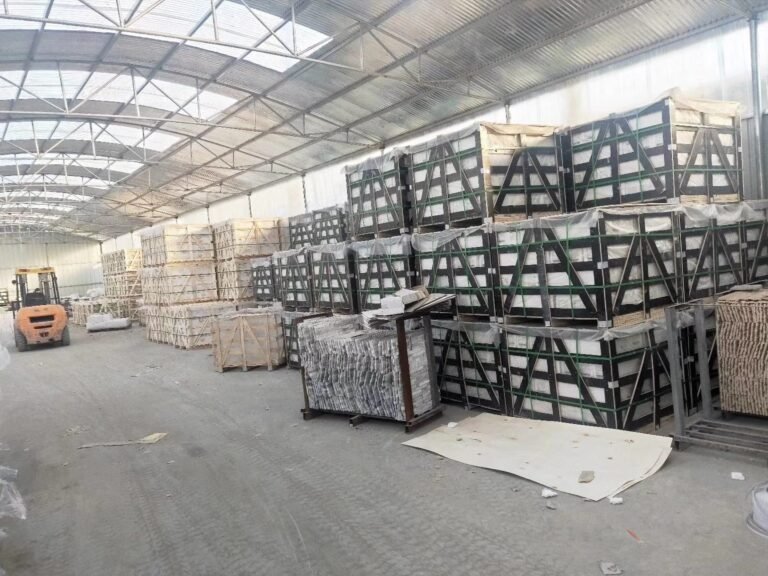
A retail distribution center does not read your carton barcodes one by one; it scans the GS1-128 shipping label on each pallet, which carries the SSCC, the serialized container code that makes your pallet a tracked unit in their network. A wrong or missing SSCC is an appointment problem, a relabel fee, or a rejection. Pallet standards then come from the chain’s own routing guide, and here is the discipline that separates experienced importers from burned ones: the routing guide overrides general practice. Pallet dimensions, stack height, stretch-wrap pattern and the placement of the shipping labels on the pallet face are all set by the retailer, and major US chains publish vendor requirements that reach that level of detail, for example requiring GTIN-level barcode submission and GS1-128 labels for certification, or packaging dimensions at every level of the hierarchy including the pallet. Do not assume a European or generic pallet plan satisfies a US big box; ask the chain’s supplier hub for its current routing guide and pack the container to it, which is the kind of detail that belongs in the same pre-order checklist as the MOQ and container mix conversation.
Carton Marking, Country of Origin, and the Customs Seam
Carton marks are a receiving document disguised as printing: SKU, description, quantity, coverage per carton in square feet, lot or batch, and the country-of-origin statement US customs requires on the goods themselves. For stone, origin marking and the classification paperwork have to agree, because the same description that tells the DC what is in the box also feeds the entry, which is exactly where the AD/CVD scope documentation question bites retail-bound shipments: a vague goods description on a carton that also drives an invoice line is how an exempt natural-stone shipment gets flagged. Mark to both the retail spec and the customs description, and let one controlled vocabulary carry from purchase order to carton to invoice so nothing contradicts anything else.
Who Owns Each Job: The Contract Line Most Importers Never Write
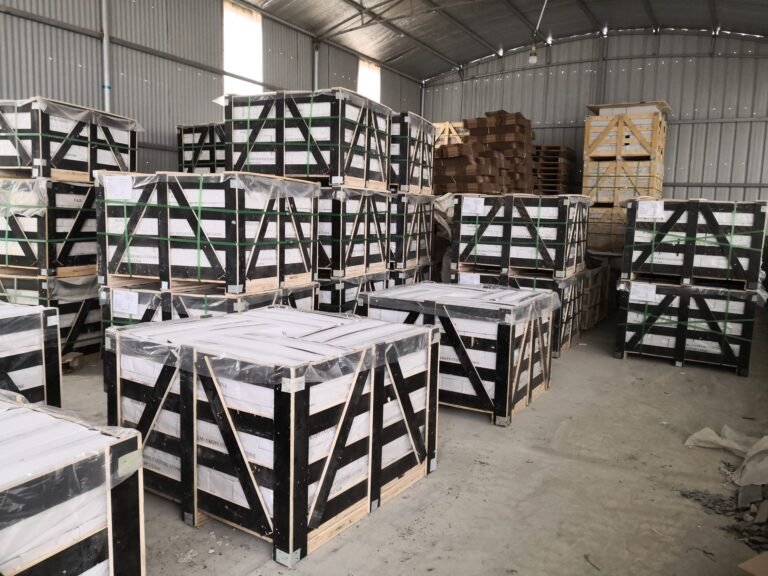
The failure this whole guide is really about is the assumption that the factory owns retail compliance. It does not, and the clean division is: you own the codes, the data, the routing-guide translation and the approval; the factory owns execution, packing to spec, applying the approved labels, building pallets to the guide, and shipping what matches the sample. Put that division in the purchase order, not the group chat, with two operative clauses. The golden-sample clause: nothing ships unless a photographed, scan-tested pre-production sample is approved by you against the packet. The relabel-and-delay clause: if the factory ships non-conforming packaging, the cost and the appointment consequence sit with the factory, because the approved sample left them no excuse. This is the same evidence discipline the dock inspection guide builds on the receiving side and the shipment claims guide needs when a carton that should have scanned does not; the retail packet is just the version where the claim is against a delivery appointment rather than a broken edge.
The Onboarding Sequence, End to End
Run retail entry as four gates with nothing skipped. First, the data gate: assign GTINs to every sellable SKU configuration and load the item master the chain’s onboarding form will ask for, with dimensions and coverage per level, which is the arithmetic the per-square-foot conversion guide makes defensible. Second, the print gate: cartons and shipping labels printed, scan-tested and photographed on a real pre-production pack. Third, the pallet gate: build and photograph a full pallet per the routing guide, SSCC label placed to spec. Fourth, the trial gate: ship a small assortment and reconcile at their DC before you commit a campaign, the same test-first logic the supplier onboarding plan applies to choosing a factory, pointed at the retailer instead. A distributor who runs those four gates in order gets a second order; one who compresses them spends the first season chasing a delisting. The paperwork also compounds in your favor over time: the item master, label artwork and routing-guide checklist built for one chain are 80 percent reusable at the next, which is why importers treat the first retail onboarding as an asset purchase rather than a fee.
FAQ
Does the Chinese factory assign my barcodes or do I?
You do, from your own GS1 US company prefix. The brand owner is responsible for numbering trade items even when another company manufactures them, so the factory applies your codes; it should never generate its own.
What is the SSCC and why does the pallet need one?
The SSCC is the serialized shipping-container code printed in the GS1-128 label on the pallet. It is the license plate a distribution center scans to track your pallet as a unit, and a missing or wrong SSCC turns a scheduled delivery into an inspection-lane problem.
Can the factory’s standard pallet just be used?
No, and that assumption is where first retail orders stall. The chain’s routing guide sets pallet build, wrap and label placement, and it overrides any generic factory habit; build and photograph a pallet to the guide before committing a container.
How many barcodes does a three-color veneer line need?
One distinct GTIN per sellable trade item. Three colors in the same carton size is three codes; add a second carton size and it is six, because package count is part of what a different trade item means.
What stops the factory from shipping non-compliant packaging?
Two purchase-order clauses: a golden-sample approval gate on a photographed, scan-tested pre-production pack, and a relabel-and-delay remedy that puts the cost of non-conforming packaging back on the factory. Approved sample first, then nothing ships.