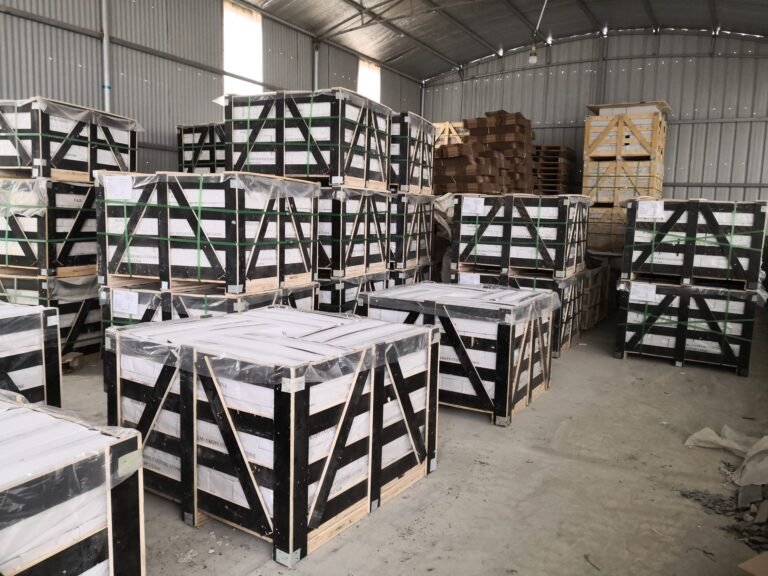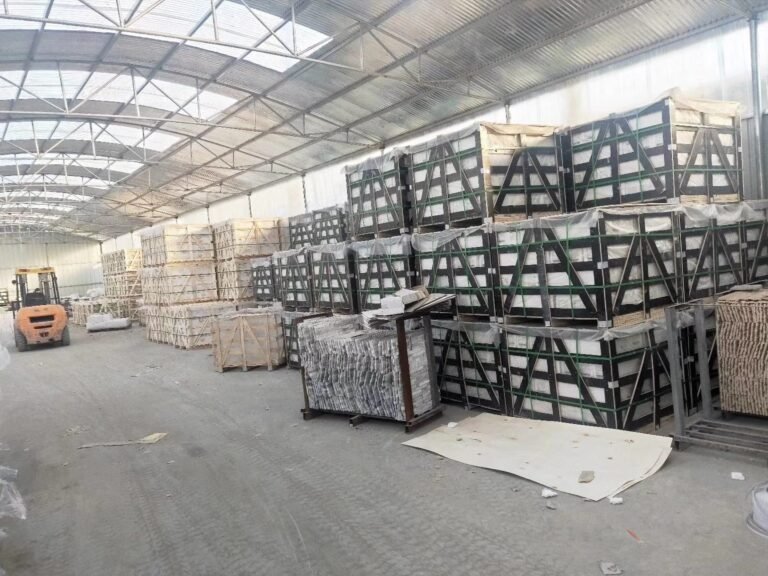
A stone container that clears customs and moves out of the terminal on schedule costs the same freight as one that sits at port for an extra week — apart from one line on the invoice: demurrage and detention. For an importer facing $75 to $200 per container per day, a single seven-day slip on a 20-foot box adds $525 to $1,400 that never appeared in any quote.
This guide gives resellers, distributors and project importers the working definitions, the arithmetic behind the invoices, and a pre-arrival checklist built for heavy, inspection-prone stone cargo — the kind of plan that keeps a loaded container out of the fee window entirely. Every figure here is a published rate, a first-party factory fact, or plain arithmetic you can replay on a calculator.
- Demurrage is charged while the box sits inside the terminal beyond free time; detention applies once it moves outside the port — both run per container per calendar day.
- Free time is the agreed, no-fee window written into the carrier’s tariff; once it expires, typical stone-container charges run $75 to $200 per container per day.
- At a mid-range rate of $150 per day, five extra days cost $750 before any escalation clause activates.
- Heavy 26.5-ton stone loads face staged lifts and inspection holds that eat into free time unless documents and drayage are pre-arranged.
- A supplier with an 18+ year export record and a documented loading video package removes the paperwork friction that keeps containers waiting.
Why Stone Containers Accumulate Demurrage
Before the vessel ties up, most stone importers think about freight rates, lead times and payment terms. The surprise sits on the other side of discharge. A 20-foot container of stacked stone regularly ships at a rated 26.5-ton heavy load, which puts it at the heavy end of terminal handling. Heavy boxes frequently wait for staged lifts, reinforced frames or updated equipment plans before they can move from the yard onto a chassis — waiting that happens inside your free-time window, not after it.
Inspection is the second clock-eater. Containers selected for examination are opened at the terminal, sampled and re-sealed, and release can take several days depending on the inspecting authority’s workload. Stone draws attention partly because it is heavy, partly because each wooden crate must be shown to match the declared packaging, and partly because the consequences of misdeclared cargo are steep enough that the check is thorough. None of this happens because anyone is doing a bad job; it happens for the same reason every port day is expensive.
Clearance rhythm is the third factor. The vessel can arrive before the original bill of lading reaches your broker, an HS classification question can absorb a working day, and a duty payment can sit waiting on an internal approval. Every one of those delays lands on a box that is already discharged and already ticking. That is why the customs clearance guide for natural stone imports is the first document our export team recommends an importer read before the container sails.
Stack the three together — heavy loads, inspection, and a clearance pace set by documents rather than by your calendar — and a stone container becomes one of the more predictable candidates for a fee window. The predictable part is welcome news: the charges themselves follow fixed, published rules, which is where the arithmetic starts.
Demurrage vs Detention: Definitions That Matter
Two charges, two territories. Carriers and terminals define them sharply, and the boundary is drawn at the port fence.
Demurrage is the fee a terminal assesses when cargo remains at the port after the last free day, in the words of Flexport’s glossary. It covers the carrier’s container held inside the terminal, depot or port facility beyond free time, and on carrier definitions it includes terminal storage for the same period. If your stone sits in the yard waiting for customs release, you are in demurrage territory.
Detention is the mirror image outside the fence. It is the charge for holding the carrier’s container away from the port beyond free time — in a cartage yard, on a trucker’s chassis waiting for a slot, or on your own dock before your forklift crew can start. Many buyers believe demurrage ends when they pick the box up. It does not; the charge simply switches names and keeps accruing per container per calendar day until the empty container is returned.
Both invoices share the same counting rule: per container, per calendar day, with no pro-rating by the hour and no pause for weekends or holidays.
| Aspect | Demurrage | Detention |
|---|---|---|
| Where it applies | Inside the port or terminal | Outside the port — depot, drayage, your yard |
| What it covers | Container held at the terminal beyond free time, including terminal storage | Container held away from the terminal beyond free time, until the empty is returned |
| Billing basis | Per container, per calendar day | Per container, per calendar day |
| Typical charge | $75-$200 per container per day | $75-$200 per container per day |
| Main trigger on stone imports | Clearance stops, inspection holds, missing documents | Drayage delays, chassis shortage, full unloading schedule |
One practical distinction matters most for stone. Inside the terminal, your leverage is document speed: the right export documents for a stone shipment presented early move a box into released status faster. Outside the terminal, your leverage is equipment and labor: chassis, drayage booking and dock crew. Plan both sides and you are planning against both invoices.
Free Time and Fee Rate Mechanics
Free time sounds generous and reads neutral, but it is the most contract-heavy word in your booking. Free time is the agreed period between carrier and merchant during which demurrage and detention are not payable — the no-fee window that begins when the container is discharged.
Three mechanics decide what that window is worth. First, free time is counted in calendar days, not working days: a container discharged on a Friday counts the same as one discharged on a Tuesday, with weekends inside the clock. Second, the window is quoted per container and per container type, which is why tariff tables list rates by equipment rather than by shipment. Third, carriers publish demurrage and detention tables with effective dates and renew them, so a figure from last season or from another port is a guess, not a planning number.
On the fee side, the published picture is reassuringly concrete. Flexport’s glossary places typical demurrage rates between $75 and $200 per container per day and notes that some terminals escalate the daily fee after a set number of days — a ratchet that makes day ten more expensive than day five. Maersk’s import pages publish the same per-container, per-calendar-day structure with local tariff tables, a model you will recognize no matter which carrier files your bill of lading. Read both before you dispute an invoice or set an internal deadline: Flexport’s demurrage glossary and Maersk’s published demurrage and detention definitions.
One stone-specific caution: do not plan on free time being an industry standard. It varies by port, route and tariff, and in heavy-cargo lanes it is frequently tighter than the clearance sequence. The figure on your booking confirmation, for your discharge port, is the one that starts your internal deadline. And if you are choosing between port-to-port versus door-to-door stone shipping, confirm which party’s agent runs the final leg, because that handover point often decides whose calendar the free-time window is measured against.
Worked Examples: Counting Real Costs
Worked numbers make a tariff tangible. These are example calculations built from the $75-$200 per container per day range confirmed by Flexport, and they are meant to be replayed on your own calculator — your invoice will follow your own tariff table.
A container held five days past its free time at a mid-range $150 per day accrues 5 × $150 = $750 of charges before any escalation clause engages. The arithmetic is identical wherever the box sits; the only difference is which side of the port fence it is on while the days pass. A seven-day slip, common when a shipment misses a release window, costs about 7 × $75 = $525 per container at the low end and 7 × $200 = $1,400 per container at the high end of the range. Scale the pattern across a small landing of ten containers at the mid-range rate and the same five-day slip becomes 10 × $750 = $7,500 — money that appears on no freight quote and no unit price.
Those numbers are why the largest importers treat a fee-invoice line as a scheduling failure rather than an operating cost. The companies that avoid it rarely fight the tariff; they fight the calendar.
Pre-Arrival Checklist to Avoid Fees
The fee window opens at discharge and closes, in effect, when the empty container returns. Everything you control before the vessel arrives shrinks the days spent inside that window. The checklist below is ordered the way a stone landing is actually run.
Start at order placement. When the factory issues the invoice, packing list and bill of lading, ask for the set in full — including the ISPM 15 fumigation certificate that wooden export crates must carry to enter most destinations without a border-side delay. Then send that set to your customs broker before the vessel sails, with the HS code and declared value agreed in advance rather than discovered at the desk. Pre-clearance is available in most ports; using it means a box that arrives freestanding instead of waiting on paperwork that travelled in separate envelopes.
While you are in ordering mode, forecast the landing itself. Review the natural stone cladding panel catalog and count pallets and cartons per product line, then match that to your dock’s daily unloading capacity. A 26.5-ton load of stacked stone in reinforced crates does not come off a chassis by hand; it needs a forklift or crane, a staging area, and a crew that knows where each crate goes. Deciding this before arrival is the difference between a one-day offload and a three-day one — two extra detention days at $150 each, using the mid-range example rate.
Book your drayage and chassis early — ideally a week before arrival — and watch the terminal’s pickup window daily, because appointment slots open and fill. Where the terminal allows pre-pull or pre-advice, meaning authorizing the move the moment customs releases, submit that paperwork alongside your broker’s release request rather than after it. The interval between “released” and “picked up” is a pure detention window with no prize for waiting. Our guide to receiving and unloading stone containers at the dock covers the offload side in the same detail.
| Stage | Action | Why it protects your budget |
|---|---|---|
| At order placement | Confirm Incoterm, container type and who controls the arrival leg | Locks responsibility early and removes “whose agent books the drayage?” disputes |
| Two weeks before arrival | Send the full document set to your broker; fix HS code and declared value | Lets the box move at the desk instead of sitting through classification holds |
| One week before arrival | Book drayage, confirm chassis supply and reserve the terminal pickup slot | Locks equipment and floor time for the pickup day |
| On discharge | Track the free-time countdown; file pre-pull or pre-advice where offered | Converts a released box into a moved box the same day |
| At your yard | Stage the forklift or crane, labor and layout before the truck arrives | Keeps detention off the calendar and protects the crates during offload |
How Your Supplier Can Help Prevent Charges
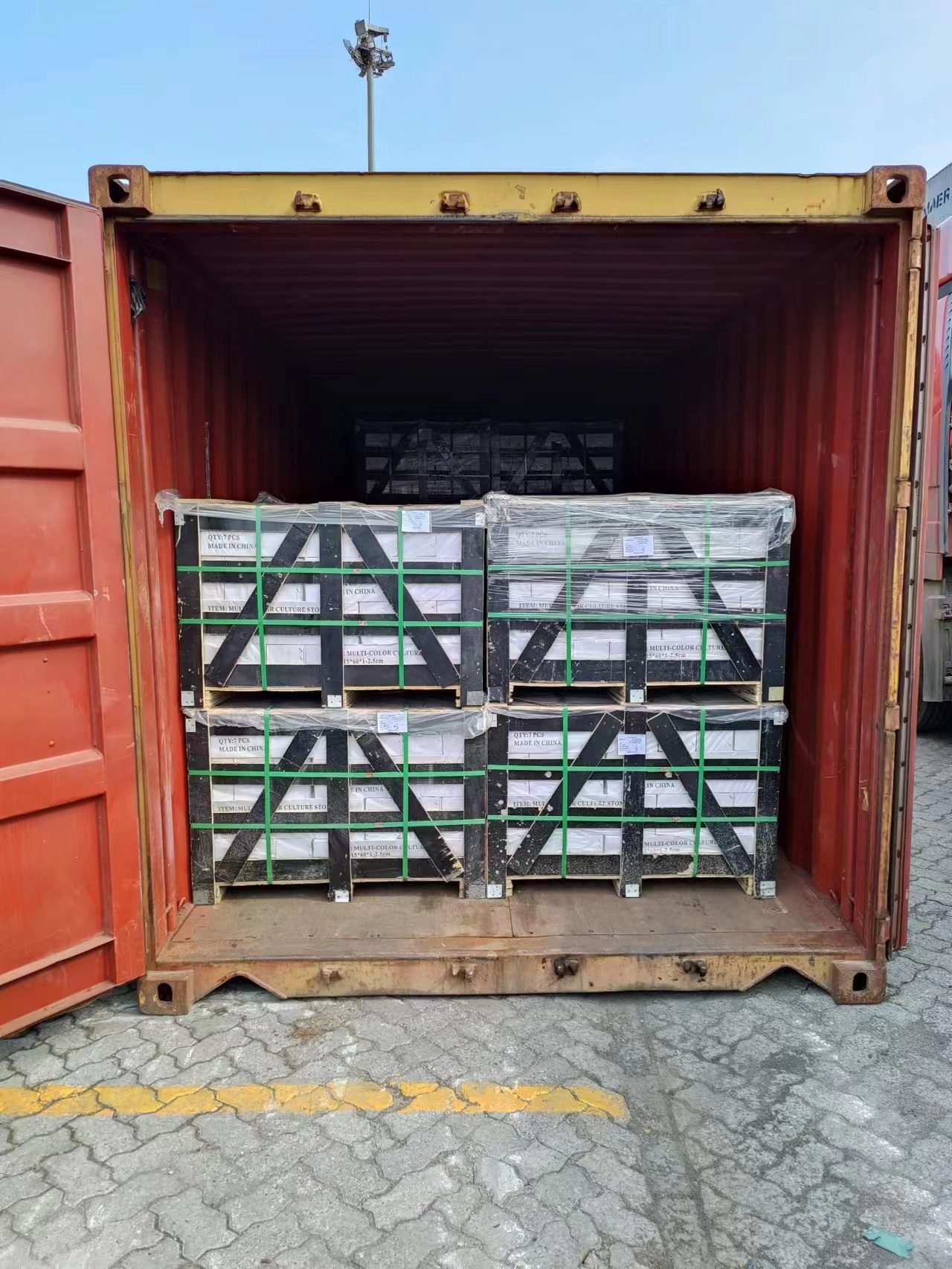
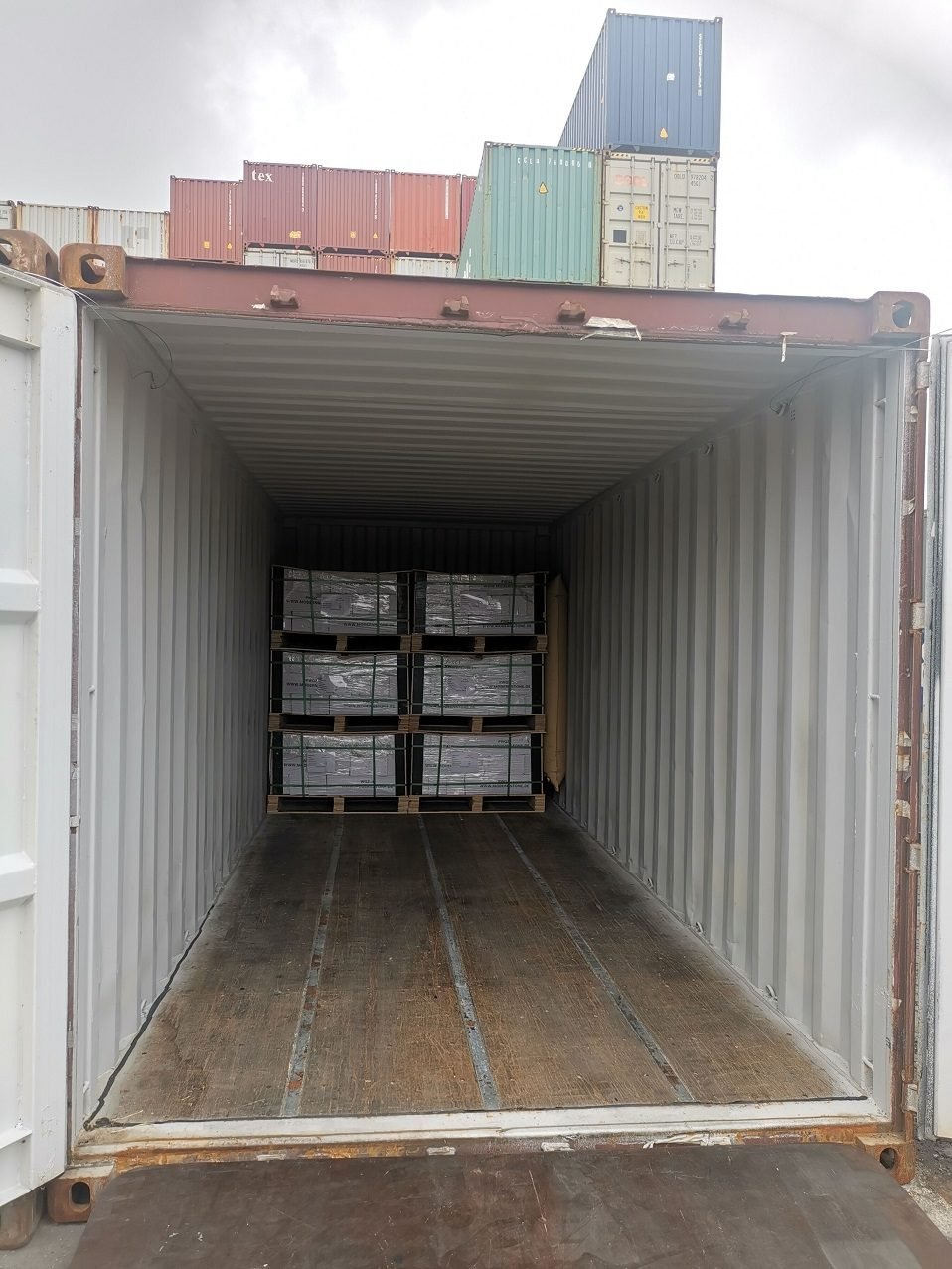
An exporter who has shipped 220+ containers a year for 18+ years has seen every document error, inspection question and port pattern that generates demurrage on stone. That experience never appears on a unit-price list, but it is exactly the kind of thing worth paying attention to during sourcing. The factory’s logistics desk knows, for example, that a fumigated wooden crate must match its certificate line for line, and that the pallet count on the packing list has to reconcile with the chassis ticket at the destination gate. Getting those details right at origin is the cheapest demurrage prevention available.
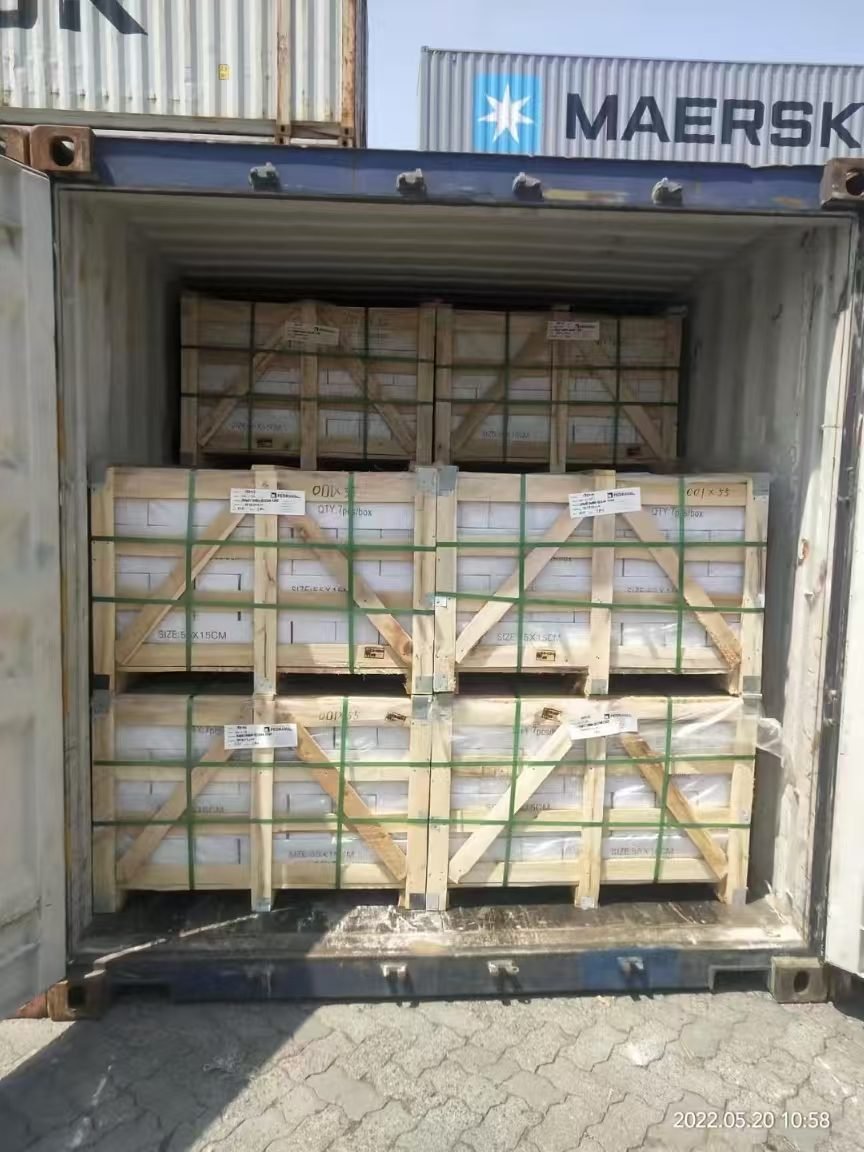
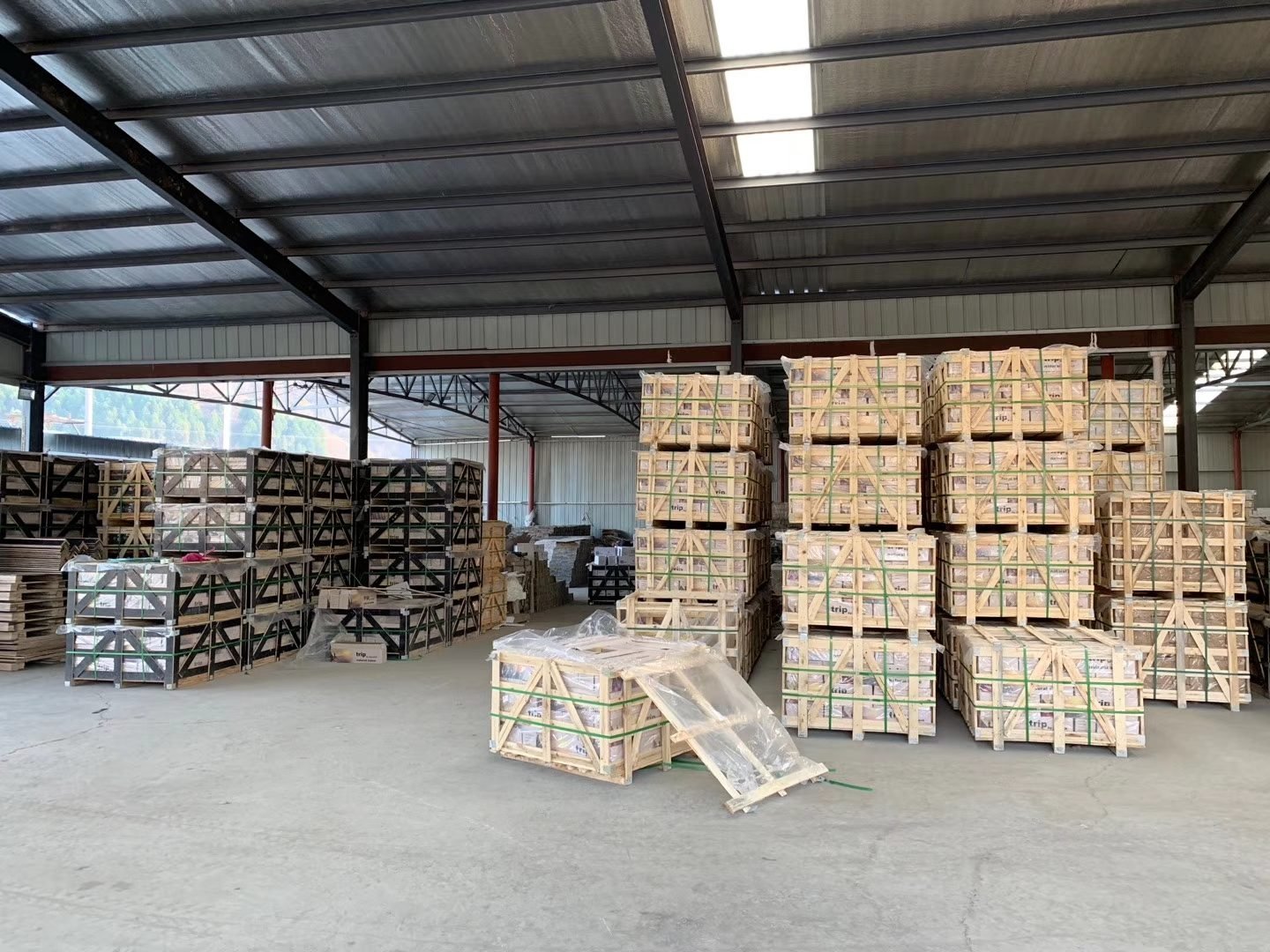
Three deliverables carry real demurrage-prevention weight. The Loading & Packaging Inspection Video is shot as the container is stuffed, and it doubles as the reference for both the balance-release decision and any later condition question — a video showing crates going in clean is the fastest way to end a claim discussion before it becomes a hold. The pre-shipment photo package, with layout photos of every pallet, serves the same purpose on paper. And the Zero-Breakage Packaging Protocol — thickened fumigated wooden crates, 4-6 high-tensile strapping bands and container air bags, with reinforced strapped crating specified for 26.5-ton loads — is built so the stone arrives intact and no port-side repack or dispute stalls the truck. The full protocol is documented in our zero-breakage container loading and packaging guide, and the pre-shipment inspection checklist for container loading shows what to verify before a box is sealed.
You can also schedule around the fee window with the supplier’s help. Production behind a 20-foot order runs about 20 working days from stock; a first order with custom printed cartons runs 25-30 working days; samples and prototypes are ready in 1-3 working days. Float those figures against your discharge port’s rhythm before committing to a sailing date, and arrival lands in a week when your broker and your dock are both open — the most reliable demurrage avoidance move in logistics.
Frequently Asked Questions
What is the difference between demurrage and detention on a stone container?
Demurrage applies while the carrier’s container remains inside the terminal beyond free time and, by carrier definition, includes terminal storage. Detention applies once the same container sits outside the port — in a depot, on a trucker’s chassis, or at your own yard — beyond free time. Both are invoiced per container per calendar day.
How much do demurrage and detention fees cost per container?
Published ranges typically run from $75 to $200 per container per day, and some terminals escalate the daily fee after a fixed number of days. Your exact rate comes from the carrier’s tariff table for the discharge port and container type.
What is free time on a container?
Free time is the agreed period between carrier and merchant during which demurrage and detention are not payable. It is counted in calendar days and varies by port, route and tariff, so the figure on your booking confirmation is the one that sets your deadline.
Can a supplier’s packing discipline reduce demurrage risk?
Yes. Cargo packed to the Zero-Breakage Protocol — thickened fumigated wooden crates, 4-6 high-tensile strapping bands and container air bags — resists damage in transit, which lowers the chance of port-side repacking, inspection disputes and claim holds that consume free time.
When does the fee clock start on my stone container?
The clock starts when free time expires after discharge: demurrage from the moment the container stays past its last free day inside the terminal, detention from the same moment for the container held outside the port. Both charges are per container per calendar day, and carriers republish their tariff tables with effective dates.
Conclusion
Demurrage and detention are not penalties; they are rent for machinery — a carrier’s box and a terminal’s slab — paid per container per calendar day after free time runs out. The stakes are small per box and large per landing: $75 to $200 a day, every day, once the clock starts. For stone imports the exposure concentrates in heavy 26.5-ton loads, inspection holds and a clearance pace set by documents, all of which are manageable with pre-arrival preparation.
The buyers who stay out of the fee window do the same five things: they fix the documents before sailing, pre-clear where possible, book drayage against the terminal’s pickup windows, stage the dock before the truck arrives, and pick a supplier whose packing and paperwork are built for the container lane. Everything a loaded box needs — full documents, a loading video, a photo package and a departure schedule you can plan around — should be on the table before you commit to a sailing date.
Key takeaways:
- Free time is a contract window, not an industry standard; the figure on your booking decides your deadline.
- Demurrage and detention are per-container, per-calendar-day charges, typically $75 to $200 a day, sometimes escalating.
- A five-day slip at a mid-range rate is $750 per container; ten containers make it $7,500.
- Heavy 26.5-ton stone loads, inspection and document pace are the three fee drivers — plan for all three.
- Choose a supplier whose export desk handles the paperwork and packing that keep containers moving.
Ready to price an order that arrives on schedule? Request your stone container quote and loading plan, and the Top Stone Panels export team will return FOB, EXW, CIF or DDP terms from Tianjin Xingang, a packing list you can send straight to your broker, and a loading video to match.