A single vague line in your purchase order can cost thousands of dollars in wasted material. Buyers who write “natural slate cladding, 15mm thick” without specifying tolerance, backing type, or packaging method often receive panels that vary 4mm in thickness, arrive with cracked edges, or delaminate within months of installation. A detailed stone cladding purchase specification is the single most effective tool for preventing these problems.
This guide provides a section-by-section specification template that building material distributors, builders, and landscape architects can copy directly into their procurement documents. Every table and threshold comes from 18 years of real production and export experience at Top Stone Panels, a natural stone cladding manufacturer in Yixian, Hebei Province, shipping 220+ containers annually to North American and European markets.
Why a Detailed Purchase Specification Protects Your Investment
When a purchase order lacks measurable requirements, the supplier has no contractual obligation to deliver beyond the bare minimum. The result is a predictable pattern of disputes: thickness variance that makes panels impossible to align on a facade, color batches that clash on the same wall, backing adhesive that fails in freeze-thaw cycles, and breakage rates that climb from 3-5% to 15-20% when packaging is left to the supplier’s discretion.
A written specification solves three problems simultaneously:
- Accountability. Every requirement becomes a verifiable checkpoint. If the spec says thickness tolerance of +/-1mm and the pre-shipment inspection shows +/-3mm, you have documented grounds to reject or renegotiate before the container leaves the port.
- Consistency across orders. Distributors placing repeat orders every quarter need panels that match. A specification locks in quarry source, vein selection protocol, and color reference so that container #4 looks identical to container #1.
- Reduced total cost. The cost of writing a specification is zero compared to the cost of replacing 500 m² of installed cladding that doesn’t match. Breakage, color mismatch, and backing failure are the three most expensive problems in stone procurement, and all three are preventable with clear written requirements.
The financial case is straightforward. A 20-foot container of stacked stone typically covers 450-600 m². At an installed cost of $60-120/m² (material plus labor), a 15% breakage rate on a single container represents $4,000-$10,800 in wasted material and reinstallation labor. A specification that holds breakage below 1% pays for itself on the first shipment. For more on supplier evaluation before you write the spec, see our guide on how to verify a stone cladding supplier through factory audit.
Section 1 — Material Requirements
The material section is the foundation of your stone cladding purchase specification. It defines what stone you are buying, where it comes from, and what physical properties it must meet. Skipping this section leaves the supplier free to substitute material from different quarries, which is the root cause of most color and density inconsistencies.
Stone Type and Origin
Specify the exact stone category and, where possible, the quarry region. Natural slate from Yixian, Hebei has different mineral composition, density, and cleavage planes than slate from Jiangxi or Shandong. If you are matching an existing installation or require batch-to-batch color consistency, quarry origin matters as much as stone type.
Physical Properties to Specify
The three properties that most directly affect cladding performance are density, water absorption, and flexural strength. Density correlates with durability and freeze-thaw resistance. Water absorption above 3% significantly increases the risk of spalling in cold climates. Flexural strength determines whether thin panels will crack during handling and installation.
| Parameter | Requirement | Test Standard | Notes |
|---|---|---|---|
| Stone Type | Slate / Quartzite / Sandstone / Marble (specify one) | Visual + geological ID | Mixed types within one order require separate line items |
| Quarry Origin | Yixian, Baoding, Hebei Province (or specify alternative) | Mill certificate of origin | Same quarry seam for entire order |
| Density | ≥ 2.70 g/cm³ (slate/quartzite), ≥ 2.20 g/cm³ (sandstone) | ASTM C97 / EN 12372 | Lower density acceptable for interior-only applications |
| Water Absorption | ≤ 0.40% (slate/quartzite), ≤ 3.0% (sandstone) | ASTM C97 / EN 1925 | Critical for exterior freeze-thaw environments |
| Flexural Strength | ≥ 40 MPa (slate/quartzite), ≥ 15 MPa (sandstone) | ASTM C99 / EN 12372 | Test on wet and dry specimens |
| Freeze-Thaw Resistance | Pass 50 cycles, mass loss ≤ 1% | ASTM C666 / EN 12371 | Required for exterior projects in USDA zones 3-7 |
| Radioactivity | Class A (unrestricted use) | GB 6566 / ASTM C1715 | Mandatory for EU and Canadian building codes |
For projects requiring ASTM compliance documentation, our ASTM standards guide for natural stone cladding explains which tests apply to which product categories.
Section 2 — Dimensional Tolerances and Panel Specifications
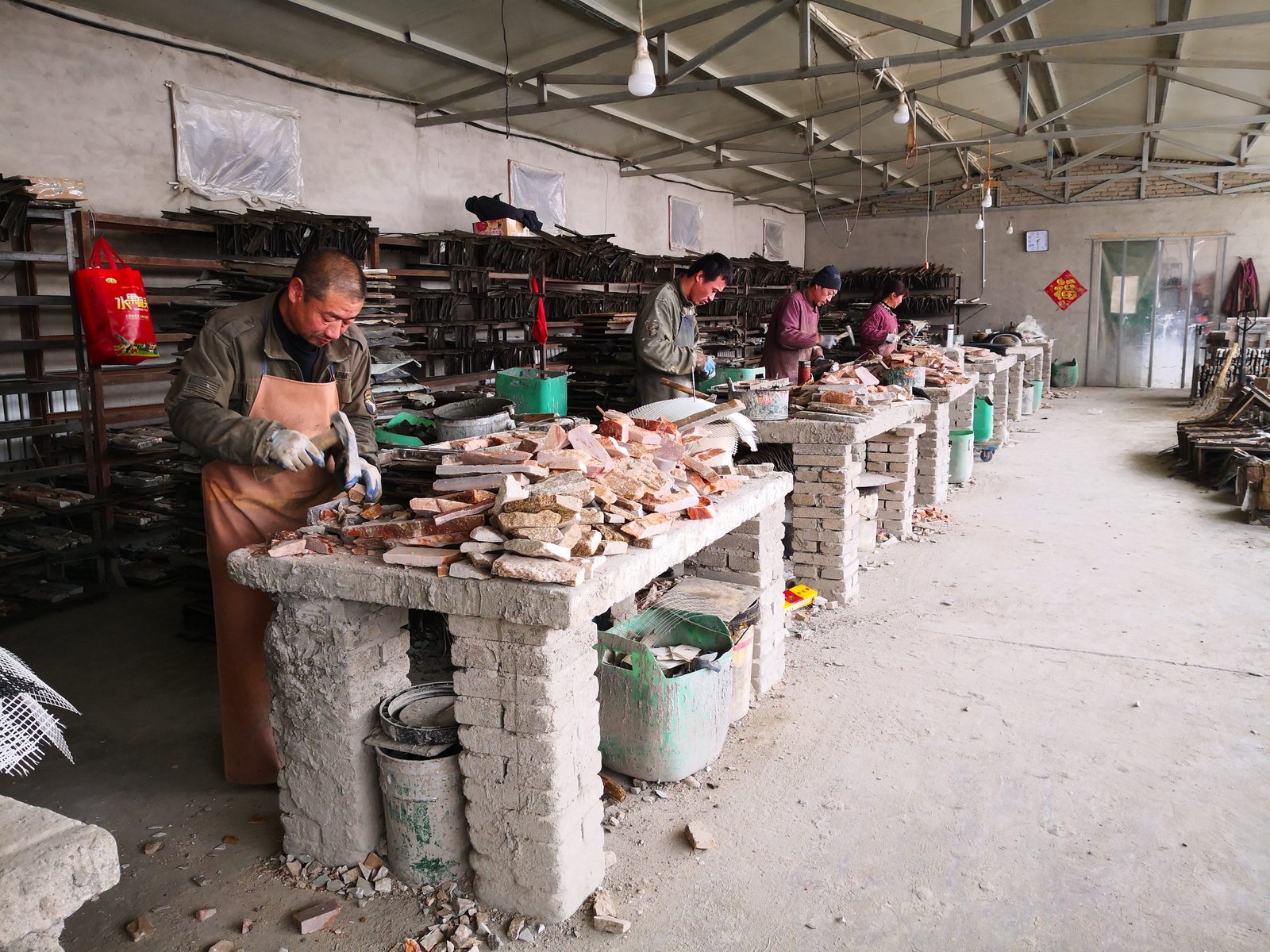
Dimensional precision is what separates a smooth installation from a project that requires on-site cutting, grinding, and rework. Your specification should state nominal dimensions, acceptable tolerances, flatness limits, and weight parameters for every panel type in the order.
Standard Panel Sizes
Top Stone Panels produces the following standard sizes. If your project requires custom dimensions, specify them as a separate line item with the same tolerance framework.
| Product | Nominal Size | Thickness Range | Length Tolerance | Width Tolerance | Thickness Tolerance | Flatness (max deviation) | Approx. Weight (kg/m²) |
|---|---|---|---|---|---|---|---|
| Stacked Stone | 15 x 60 cm or 15 x 55 cm | 8-15 mm | ±2 mm | ±1 mm | ±2 mm | 2 mm over 600 mm | 35-55 |
| Thin Ledgestone | 36 x 10 cm | 6-12 mm | ±2 mm | ±1 mm | ±1 mm | 1.5 mm over 360 mm | 25-40 |
| Z-Panels (stone cladding) | 20 x 55 cm or 15.2 x 61 cm | 10-20 mm | ±2 mm | ±1 mm | ±2 mm | 2 mm over 610 mm | 45-65 |
| Thin Stone Veneer | Random strip | 8-15 mm | ±3 mm | ±2 mm | ±1 mm | 2 mm over longest axis | 30-50 |
| Flagstone / Crazy Paving | Random geometric mesh sheets | 10-30 mm | N/A (random) | N/A (random) | ±3 mm | 3 mm over sheet | 40-70 |
| Stone Columns | 40 x 40 cm or 50 x 50 cm cross-section | Custom | ±3 mm | ±3 mm | ±2 mm | 2 mm per face | Custom per set |
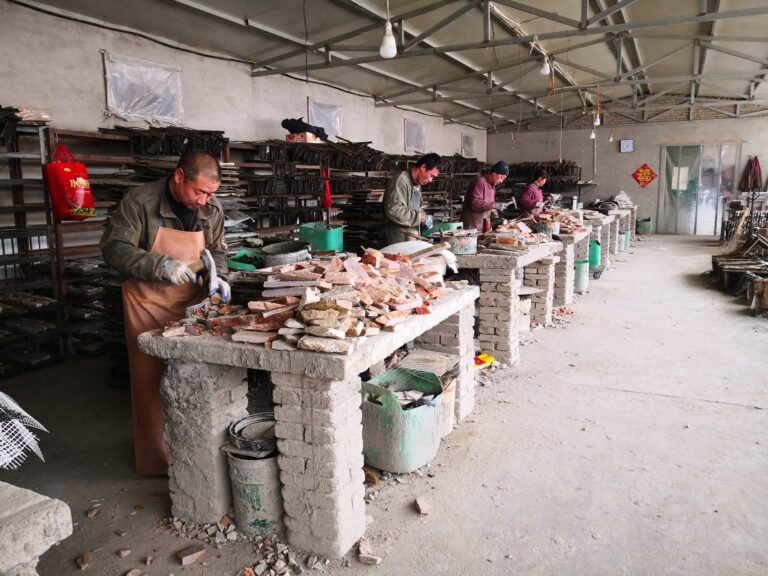
Measurement method matters. Specify that dimensions are verified with digital calipers at a minimum of five measurement points per panel (four corners plus center), and that the supplier must include dimensional inspection data in the pre-shipment report. Top Stone Panels uses precision infrared CNC diamond blade cutting to maintain these tolerances consistently across production runs.
Weight per m² is often overlooked but affects structural engineering calculations and shipping cost allocation. Include it in your spec so that the supplier’s quotation and your logistics planning reference the same numbers. For product-specific details, see our stacked stone, thin ledgestone, Z-panels, thin stone veneer, flagstone, and stone columns product pages.
Section 3 — Surface Finish and Color Requirements
Natural stone varies by quarry seam, depth, and even the direction of extraction. Without explicit color and finish requirements, two containers from the same supplier can look like they came from different factories. This section of your specification locks in the visual standard.
Surface Finish Specification
Define the finish type clearly, as terminology varies between markets:
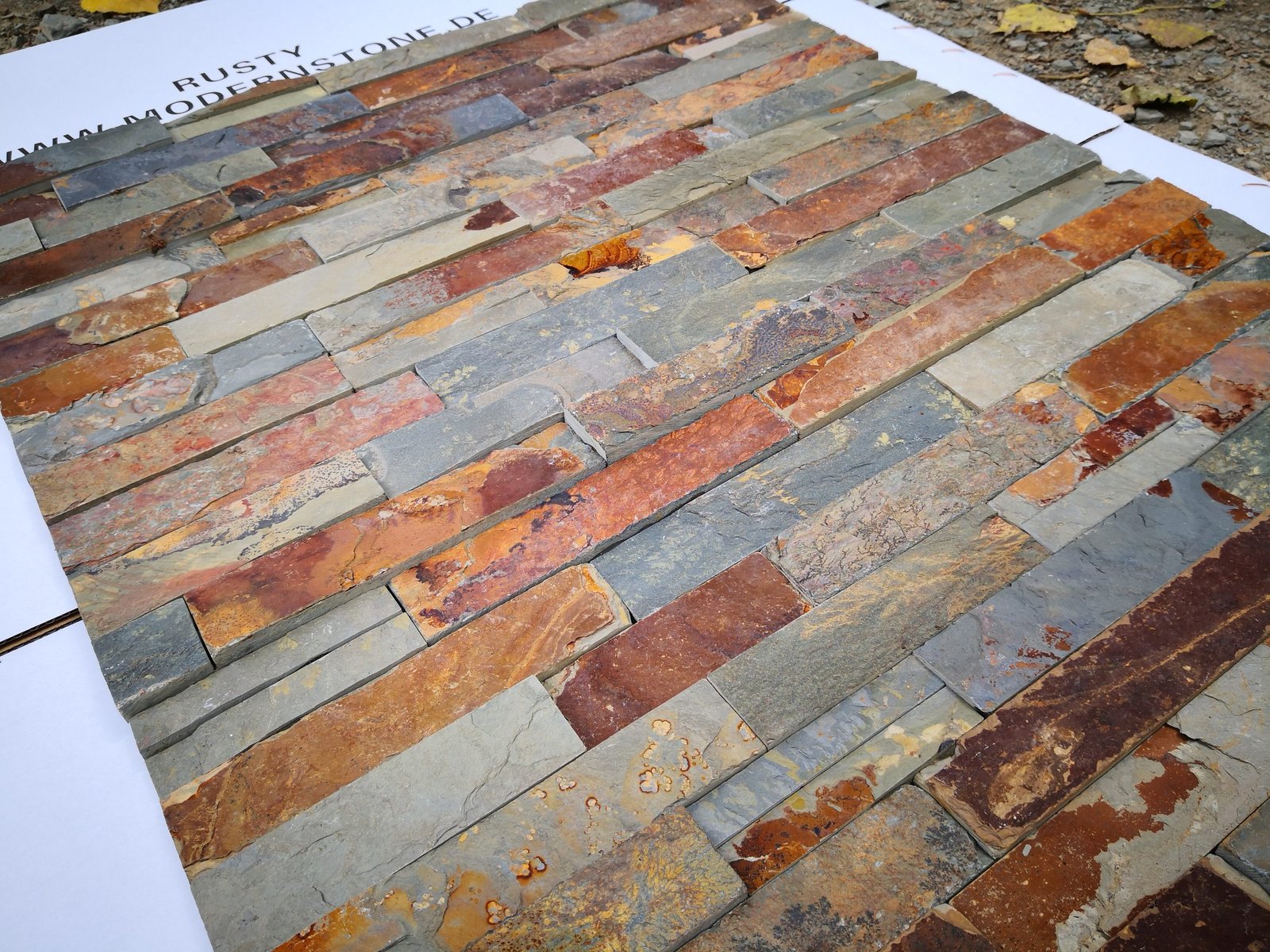
- Split face (natural split): Rough, textured surface produced by splitting stone along its natural cleavage plane. Most common for stacked stone and ledgestone products.
- Natural cleft: The unmodified surface as quarried, with natural undulations. Typical for slate applications.
- Honed: Smooth, matte finish achieved by grinding with progressively finer abrasives. Used for marble and some quartzite products.
- Tumbled: Edges and surfaces softened by mechanical tumbling. Common for sandstone and Mediterranean-style applications.
Specify one finish per line item. If a project uses multiple finishes, each gets its own specification row with its own approved sample.
Color Consistency Requirements
Color is the most common source of disputes in natural stone procurement. Your specification should address it with three mechanisms:
- Approved sample as reference standard. Before production begins, the supplier ships a physical sample (typically 1-3 day turnaround from Top Stone Panels). The buyer evaluates it, signs off, and returns one copy to the factory as the production benchmark. This signed sample becomes the contractual color reference.
- Batch-specific vein selection. Specify that all panels in the order must be produced from stone quarried from the same vein or seam. Top Stone Panels performs same-vein color sorting as part of its standard 3-step quality control process, ensuring that raw material is grouped by quarry seam before cutting.
- Measurable tolerance. Use a Delta-E (ΔE) value to quantify acceptable color deviation. A ΔE of 3.0 or below is generally considered a visually acceptable match for architectural stone. Specify that production panels must not exceed ΔE 5.0 when measured against the approved sample under D65 standard illuminant.
| Parameter | Requirement | Verification Method |
|---|---|---|
| Surface Finish | Split face / Natural cleft / Honed / Tumbled (specify one per line item) | Visual comparison to approved sample |
| Color Reference | Approved physical sample (signed, dated, retained by both parties) | Signed sample on file |
| Pantone / RAL Reference | Specify nearest Pantone or RAL code (supplementary, not primary) | Spectrophotometer measurement |
| Maximum Color Deviation | ΔE ≤ 5.0 vs. approved sample (D65 illuminant, 10° observer) | Spectrophotometer reading on production panels |
| Vein Selection | Same quarry seam for entire order; same-vein sorting before cutting | Quarry batch records + pre-production photo report |
| Pre-Production Photos | Required before cutting begins; minimum 10 panels shown under natural + D65 lighting | Photo report submitted for buyer approval |
Section 4 — Backing System and Bonding Method
The backing system determines how the stone panel attaches to the substrate and how it performs under thermal cycling, moisture exposure, and structural movement. Specifying the wrong backing for the application environment is one of the most expensive mistakes in stone cladding procurement.
Backing Types and Applications
| Backing Type | Best For | Moisture Resistance | Thermal Range | Substrate Compatibility |
|---|---|---|---|---|
| Cement backing | Exterior walls, high-load applications, commercial facades | High | -40°C to +80°C | Concrete, CMU, cement board |
| Mesh backing (fiberglass) | Interior feature walls, lightweight applications, curved surfaces | Moderate | -20°C to +60°C | Drywall, plywood, cement board |
| Marine-grade epoxy bond | Coastal environments, pool surrounds, high-humidity exteriors, freeze-thaw zones | Very high | -50°C to +90°C | Concrete, CMU, metal substrates |
For exterior applications in North American climates, marine-grade epoxy bond is the safest default specification. It resists salt spray, maintains adhesion through freeze-thaw cycles, and bonds to a wider range of substrates than cement or mesh backing. Top Stone Panels uses marine-grade epoxy as standard on all Z-panel and stacked stone products destined for exterior installation. See our salt spray resistance testing for coastal projects for performance data in marine environments.
Adhesive Strength Requirements
Specify a minimum pull-off adhesion strength of 1.0 MPa (per EN 1015-12 or ASTM C1583) for standard applications and 1.5 MPa for seismic zones or high-wind facades. The supplier should provide pull-off test results for each backing type in the pre-shipment documentation package.
| Parameter | Requirement | Test Standard |
|---|---|---|
| Backing Type | Cement / Mesh / Marine-grade epoxy (specify one per line item) | Production record |
| Pull-Off Adhesion Strength | ≥ 1.0 MPa (standard) / ≥ 1.5 MPa (seismic/high-wind) | ASTM C1583 / EN 1015-12 |
| Epoxy Grade (if applicable) | Marine-grade, two-component structural epoxy | Supplier certification |
| Mesh Specification (if applicable) | Alkali-resistant fiberglass mesh, ≥ 145 g/m² | Supplier certification |
| Substrate Preparation Notes | Specify recommended adhesive type for installer (thin-set, construction adhesive, mechanical anchor) | Installation guide reference |
Section 5 — Packaging and Shipping Specifications
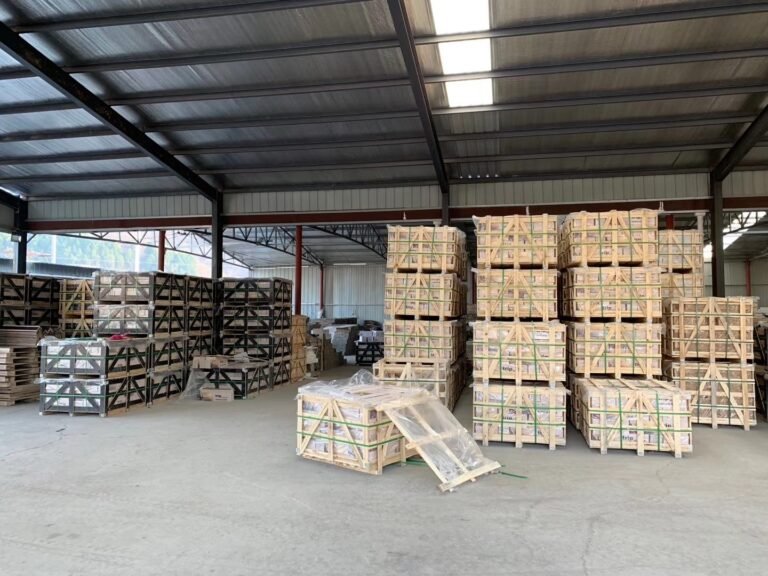
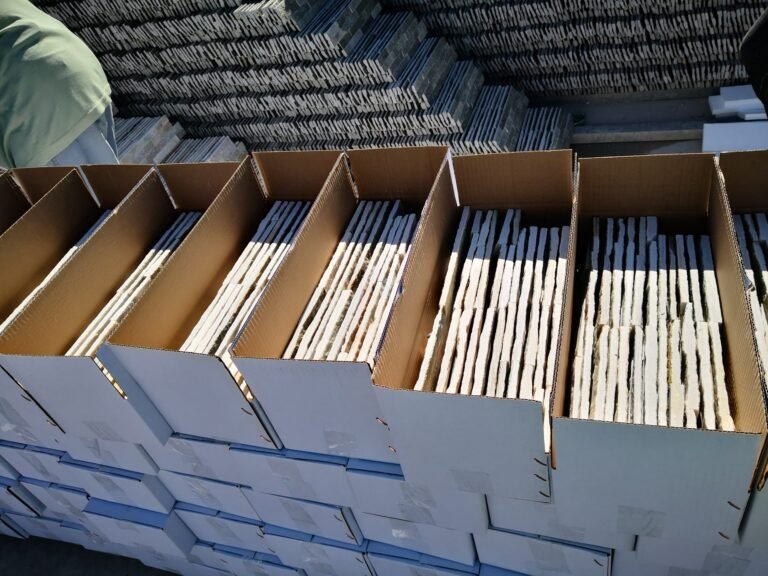
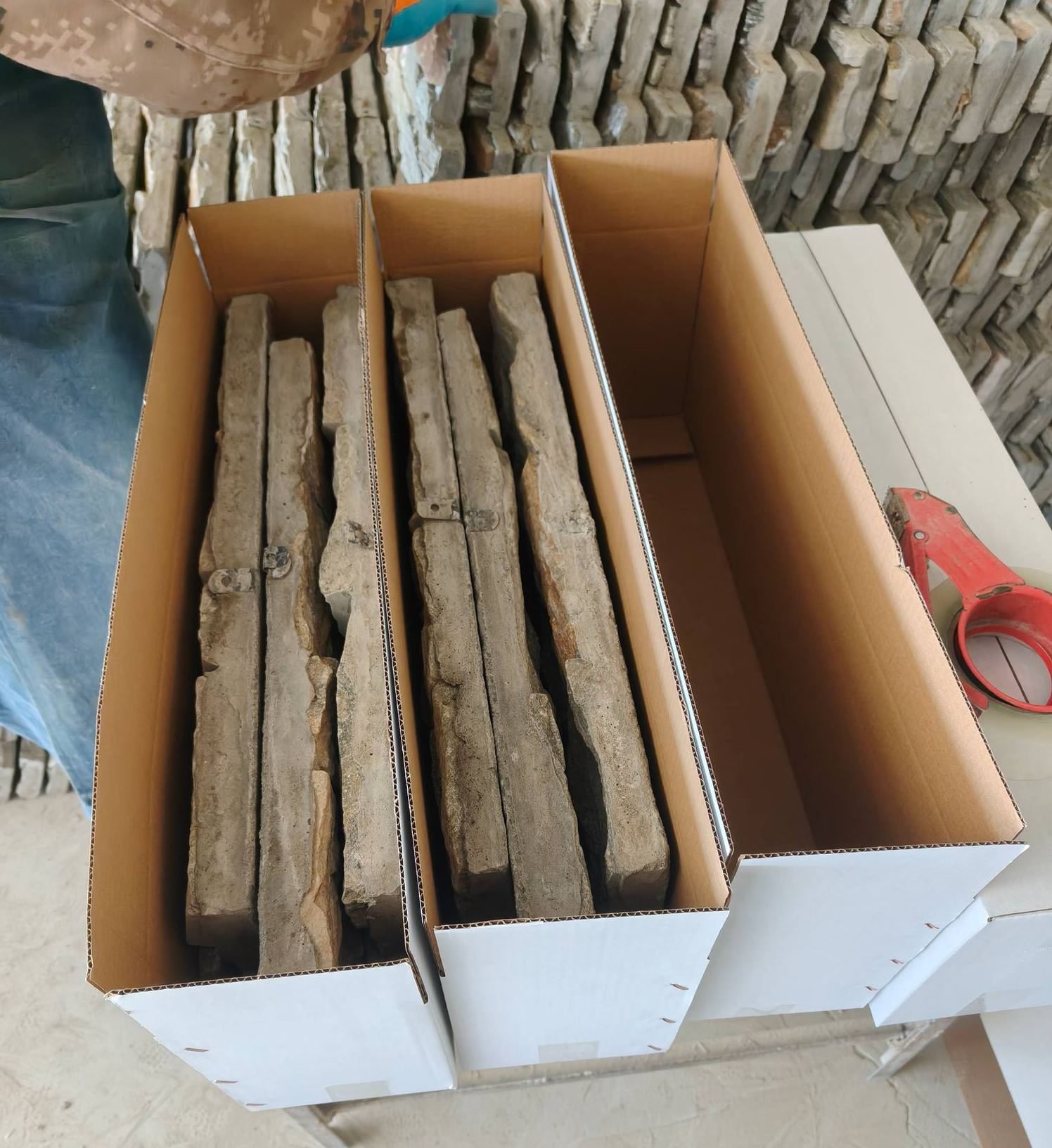
Packaging is the section where vague specifications cost the most money. The natural stone industry averages 3-5% transit breakage under standard packaging. Without explicit packaging requirements in your purchase specification, breakage can reach 15-20% on long ocean freight routes with multiple transshipment points. Top Stone Panels’ zero-breakage packaging protocol reduces damage rates to below 1% through a systematic approach.
Packaging Checklist
| Component | Specification | Purpose | ✓ |
|---|---|---|---|
| Inner Carton | 3-5 layer reinforced corrugated cardboard, burst strength ≥ 1400 kPa | Impact absorption during handling | |
| Carton Internal Protection | Foam corner protectors on all panel corners; interleaving paper between panels | Edge and surface protection | |
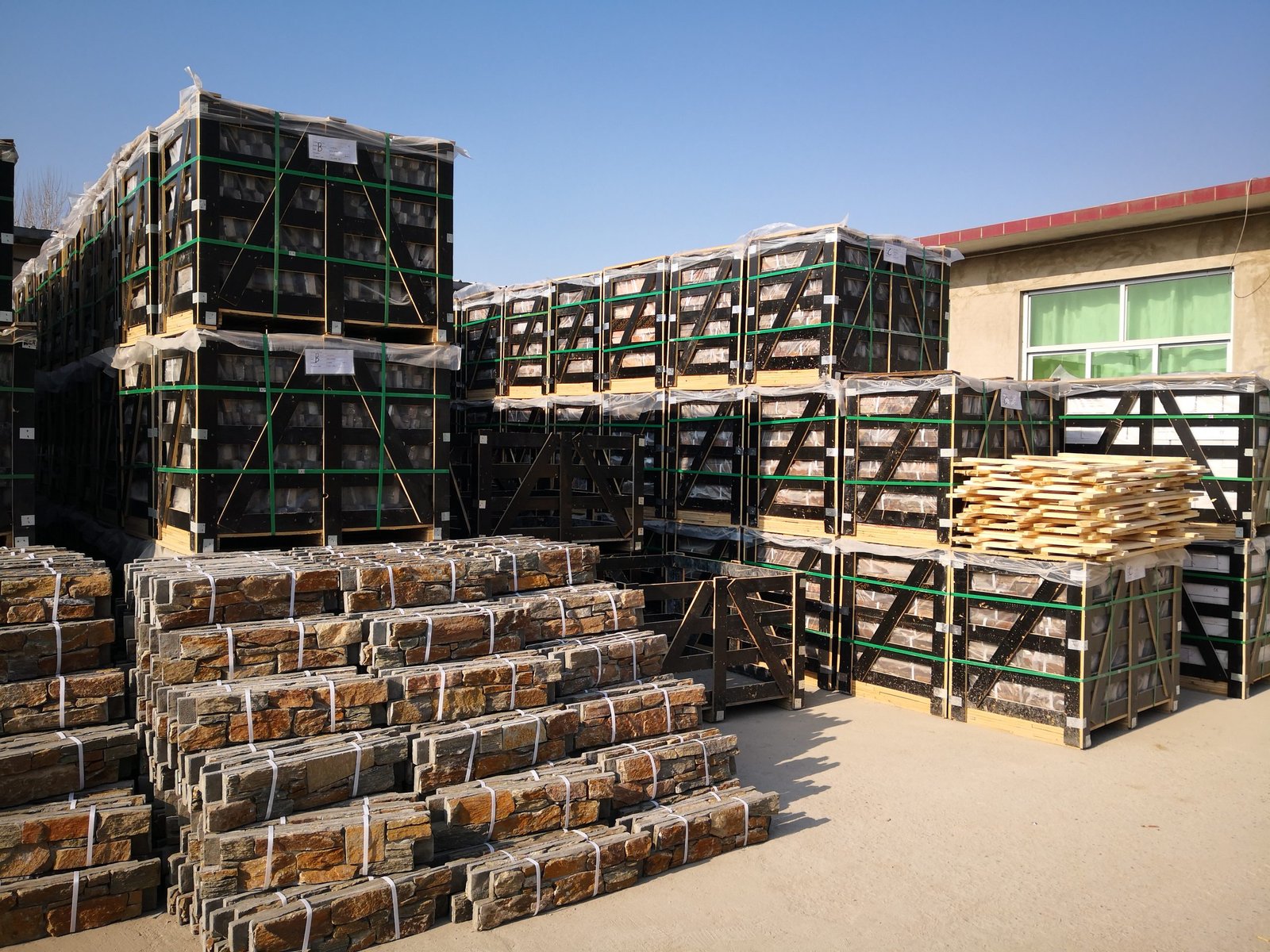
| Pallet Material | Fumigation-free solid wood or plywood pallets (ISPM 15 compliant) | Structural support; customs compliance | |
| Steel Band Strapping | 4-6 high-tensile steel bands per pallet, minimum 32mm width | Prevents carton shift during ocean transport | |
| Container Airbag Filling | Industrial-grade inflatable dunnage bags in all voids between pallets | Eliminates lateral movement during transit | |
| Weight Distribution | Heavier pallets on bottom and toward container center; max 2-tier stacking | Prevents crushing; maintains axle weight compliance | |
| Container Loading Photos | Photos at 25%, 50%, 75%, and 100% fill; high-res layout photos post-loading | Documentation for claims and verification | |
| Container Loading Video | Full-length video of loading process provided to buyer before shipment | Buyer confirmation before container seal | |
| Shipping Marks | PO number, item code, quantity, gross/net weight, dimensions, “FRAGILE” and “THIS SIDE UP” labels | Warehouse receiving and customs |
Include this entire checklist as an appendix to your purchase order. Each item should be initialed by the supplier before production begins. For a detailed walkthrough of container loading procedures, see our guide on zero-breakage packaging and container loading for stone panels.
Shipping Terms to Specify
Your purchase specification should state the Incoterm, loading port, and destination port clearly. Top Stone Panels ships from Xingang/Tianjin port and offers FOB Xingang, EXW, CIF, and DDP trade terms. Production lead time is 20-25 working days for repeat orders and 25-30 working days for first orders (additional time required for custom color box printing). Minimum order quantity is one 20-foot container per product line.
Section 6 — Quality Documentation Requirements
Documentation is the paper trail that protects both parties. Without it, you have no recourse if problems appear after the container arrives at your warehouse. Your stone cladding purchase specification should list every document the supplier must provide, the format required, and the delivery deadline relative to the shipment date.
| Document | Format | Delivery Deadline | Purpose |
|---|---|---|---|
| Certificate of Origin (COO) | Original, issued by CCPIT or local commerce bureau | With shipping documents (within 3 days of B/L date) | Customs duty determination; trade agreement eligibility |
| ISPM 15 Fumigation Certificate | Original, issued by certified fumigation provider | With shipping documents | Wood packaging compliance for US, EU, AU, CA imports |
| Flexural Strength Test Report | Third-party lab report (ASTM C99 or EN 12372) | Before production begins | Verifies structural adequacy of stone |
| Water Absorption Test Report | Third-party lab report (ASTM C97 or EN 1925) | Before production begins | Confirms suitability for exterior/freeze-thaw use |
| Density Test Report | Third-party lab report (ASTM C97) | Before production begins | Confirms material grade |
| Freeze-Thaw Test Report | Third-party lab report (ASTM C666 or EN 12371) | Before production begins | Required for cold-climate exterior projects |
| Pre-Shipment Inspection Report | PDF with high-resolution photos (minimum 20 images covering dimensions, surface, backing, packaging) | Before container loading | Buyer approval checkpoint |
| Pre-Shipment Inspection Video | MP4, minimum 1080p, showing panel inspection and loading | Before container seal | Visual verification |
| Container Loading Video | Full-length video of container loading process | Within 24 hours of loading | Confirmation before final payment |
| Quarry/Mill Certificate | Signed statement of quarry origin and seam identification | With shipping documents | Material traceability |
Top Stone Panels provides all of the above documents as standard practice. The 3-step quality control process (raw material selection, in-process inspection, final pre-shipment inspection) generates the data that populates these reports. For more detail on how quality control works in practice, see our 3-step quality control process for stone panels.
Section 7 — Sampling and Approval Process
The sampling workflow is the last line of defense before your money leaves the bank. A structured approval process eliminates the “it looked different in the photo” problem that plagues international stone procurement.
Pre-Order Sample Request
Top Stone Panels ships samples within 1-3 business days of request. Sample size is typically 15×15 cm or one full panel, depending on the product. The sample should represent the quarry seam and finish that will be used in production, not a cherry-picked showpiece.
Sample Evaluation Checklist
When the sample arrives, evaluate it against the following criteria before granting approval:
- Color match: Compare against your project’s design intent or existing stone. Check under both natural daylight and D65 artificial light.
- Surface finish: Verify the texture matches the specified finish type (split face, honed, etc.). Run your hand across the surface to check for unexpected roughness or smoothness.
- Thickness measurement: Use digital calipers at five points (four corners plus center). Confirm readings fall within the specified tolerance.
- Edge quality: Examine all four edges for chipping, micro-fractures, or irregular cuts. Edges should be clean and consistent.
- Backing inspection: Verify the backing type (cement, mesh, or epoxy). Check for full coverage with no voids or delamination at the bond line.
- Flatness check: Place the panel on a flat surface and check for rocking. Measure any gap with a feeler gauge.
- Weight check: Weigh the sample and compare against the specified weight per panel or per m².
- Vein pattern: Confirm the vein pattern is representative of the quarry seam and consistent with the product description.
- Odor: Natural stone should not have a chemical odor. Strong adhesive smell may indicate low-quality bonding agents.
- Water absorption spot test: Apply a few drops of water to the unsealed surface. Rapid absorption suggests the material may not meet the specified water absorption rate.
Approval Workflow
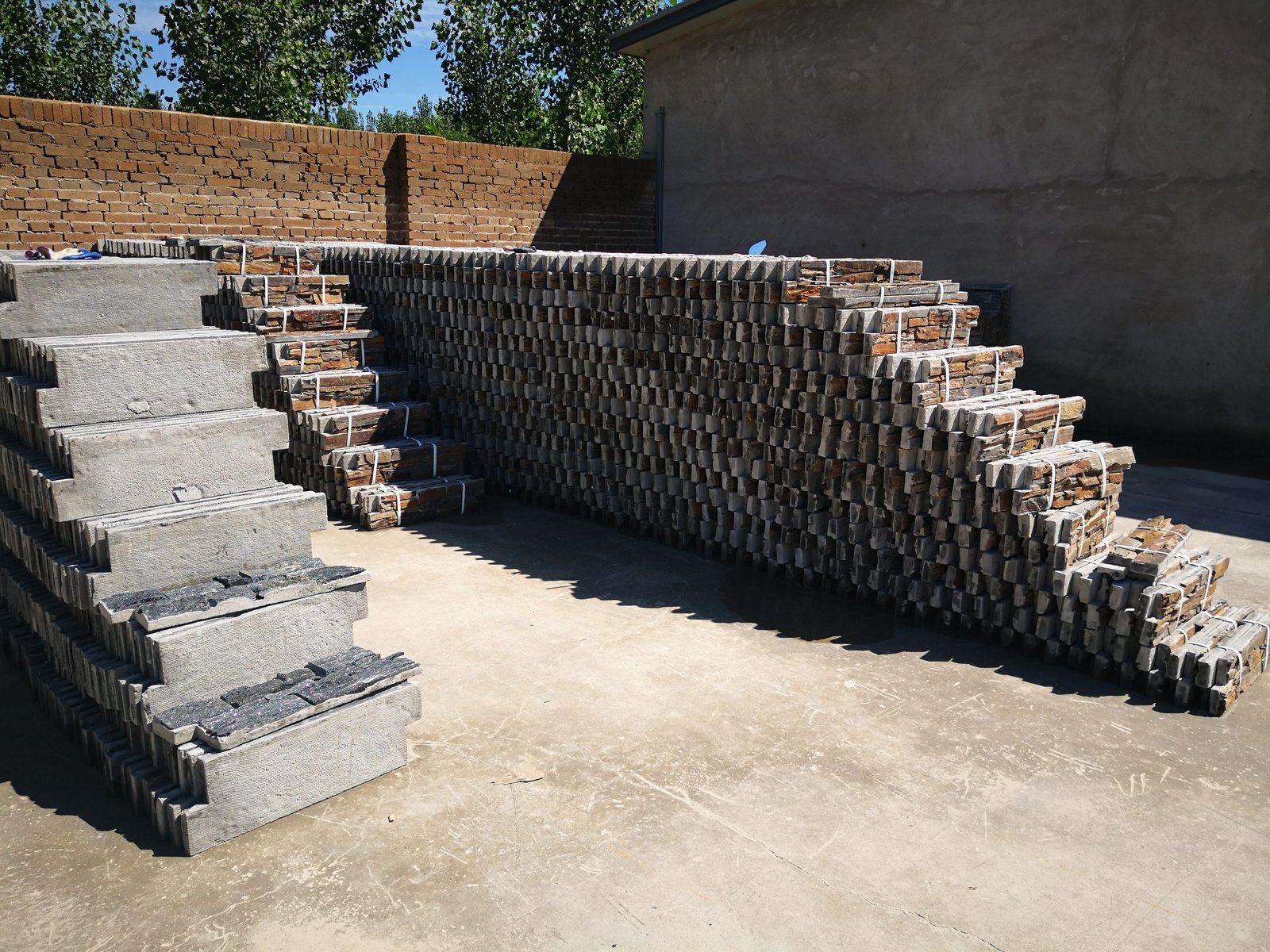
The recommended workflow from sample to shipment follows five stages:
- Sample request — Buyer requests sample with specification attached.
- Sample evaluation — Buyer evaluates against the 10-point checklist above. Approve, request revision, or reject.
- Production — Upon written approval (email with signed sample photo), factory begins production per the approved specification. Production lead time: 20-25 working days (25-30 for first orders).
- Pre-shipment inspection — Factory provides inspection report with photos and video. Buyer reviews and grants loading authorization.
- Shipping — Container loaded with video documentation. Loading video and high-resolution layout photos sent to buyer for confirmation before final payment (70% balance T/T). Container departs from Xingang/Tianjin port.
For a broader view of the sourcing process, see our guide on how to source stone cladding from China.
Complete Stone Cladding Purchase Specification Template
The following template consolidates every section above into a single document. Copy it into your procurement system, fill in the project-specific fields, and attach it to your purchase order.
| PROJECT INFORMATION | |
|---|---|
| Project Name | [Fill in] |
| Buyer / Company | [Fill in] |
| Purchase Order Number | [Fill in] |
| Date | [Fill in] |
| Supplier | Top Stone Panels, Yixian, Baoding, Hebei, China |
| Shipping Port | Xingang / Tianjin |
| Trade Terms | FOB Xingang / EXW / CIF / DDP (select one) |
| Payment Terms | 30% T/T deposit + 70% T/T before shipment (after container loading video and photo confirmation) |
| Line Item # | [1, 2, 3…] |
| Product Name | [e.g., Stacked Stone, Z-Panel, Thin Ledgestone] |
| Stone Type | [Slate / Quartzite / Sandstone / Marble] |
| Quarry Origin | [Yixian, Hebei — same seam for entire order] |
| Nominal Panel Size | [e.g., 15 x 60 cm] |
| Thickness Range | [e.g., 8-15 mm] |
| Thickness Tolerance | [±1 mm / ±2 mm] |
| Length/Width Tolerance | [±2 mm / ±1 mm] |
| Flatness Tolerance | [e.g., 2 mm over 600 mm] |
| Surface Finish | [Split face / Natural cleft / Honed / Tumbled] |
| Color Reference | [Approved sample # + Pantone/RAL code] |
| Max Color Deviation | [ΔE ≤ 5.0] |
| Vein Selection | [Same quarry seam; same-vein sorting required] |
| Backing Type | [Cement / Mesh / Marine-grade epoxy] |
| Pull-Off Adhesion | [≥ 1.0 MPa / ≥ 1.5 MPa] |
| Density | [≥ ___ g/cm³] |
| Water Absorption | [≤ ___%] |
| Flexural Strength | [≥ ___ MPa] |
| Freeze-Thaw | [50 cycles, mass loss ≤ 1% — Yes / No] |
| Quantity | [___ m²] |
| MOQ Confirmation | [Minimum 1 x 20GP container per product] |
| Inner Carton | 3-5 layer reinforced corrugated, burst strength ≥ 1400 kPa |
| Pallet | Fumigation-free plywood or solid wood, ISPM 15 compliant |
| Strapping | 4-6 high-tensile steel bands per pallet, ≥ 32 mm width |
| Container Dunnage | Industrial-grade inflatable airbags in all voids |
| Stacking | Max 2-tier; heavier pallets bottom and center |
| Shipping Marks | PO#, item code, qty, GW/NW, dimensions, FRAGILE, THIS SIDE UP |
| Certificate of Origin | Original, CCPIT-issued, with shipping docs |
| ISPM 15 Fumigation Certificate | Original, with shipping docs |
| Test Reports | Flexural strength, water absorption, density, freeze-thaw (ASTM or EN) |
| Pre-Shipment Inspection | PDF report + 20 photos + video before container loading |
| Loading Documentation | Full container loading video + high-res layout photos |
| Quarry Certificate | Material origin and seam identification statement |
| Step 1 | Sample request submitted with this specification attached |
| Step 2 | Sample received, evaluated against 10-point checklist, approved or rejected in writing |
| Step 3 | Production begins upon written approval (lead time: 20-25 working days; 25-30 for first orders) |
| Step 4 | Pre-shipment inspection report reviewed; loading authorization granted |
| Step 5 | Container loaded with video; loading confirmation; balance payment; shipment departs |
| Buyer Signature | _________________________ Date: __________ |
| Supplier Signature | _________________________ Date: __________ |
Frequently Asked Questions
What should a stone cladding purchase specification include?
A complete stone cladding purchase specification covers seven areas: material requirements (stone type, quarry origin, physical properties like density and flexural strength), dimensional tolerances (length, width, thickness, flatness), surface finish and color standards (with approved physical samples as reference), backing system details (cement, mesh, or epoxy with pull-off adhesion values), packaging and shipping protocols (carton grade, pallet type, strapping, container dunnage), quality documentation (test reports, certificates, inspection photos), and a sampling approval workflow. Each section should contain measurable thresholds that both buyer and supplier can verify independently.
What thickness tolerance is acceptable for stone cladding panels?
For thin stone veneer products under 15mm thick, a tolerance of ±1mm is the standard specification. For standard cladding panels in the 15-30mm range, ±2mm is acceptable. Tighter tolerances matter because they affect how panels align on a wall — a 4mm variance between adjacent panels creates visible shadow lines and forces installers to shim or grind on site. Always specify the measurement method (digital caliper at five points: four corners plus center) to ensure the supplier and your QC inspector are measuring the same way.
How do I specify color consistency for natural stone cladding?
Use a three-part approach: (1) a signed physical sample as the primary reference standard, (2) Pantone or RAL color codes as a supplementary reference, and (3) a measurable Delta-E tolerance (ΔE ≤ 5.0 is a practical threshold for architectural stone). Additionally, require batch-specific vein selection from the same quarry seam and pre-production photos of at least 10 panels under both natural and D65 standard lighting. Natural stone will always show some variation — the goal is to keep it within a range that looks intentional on the wall.
What packaging specifications prevent breakage during stone cladding shipment?
Specify a zero-breakage packaging protocol: 3-5 layer reinforced corrugated cartons (burst strength ≥ 1400 kPa) with foam corner protectors and interleaving paper, mounted on fumigation-free ISPM 15-compliant plywood pallets, secured with 4-6 high-tensile steel band straps per pallet, with industrial-grade inflatable airbags filling all void spaces inside the container. Require container loading photos at 25%, 50%, 75%, and 100% fill, plus a full-length loading video. This protocol, used by Top Stone Panels on every export shipment, holds breakage below 1% compared to the 3-5% industry average.
What quality documents should I request from a stone cladding supplier?
Request six categories of documents: (1) Certificate of Origin issued by CCPIT for customs duty determination, (2) ISPM 15 fumigation certificate for all wood packaging, (3) third-party test reports for flexural strength (ASTM C99), water absorption (ASTM C97), density (ASTM C97), and freeze-thaw resistance (ASTM C666), (4) a pre-shipment inspection report with at least 20 high-resolution photos, (5) a container loading video, and (6) a quarry or mill certificate confirming material origin and seam identification. All original documents should arrive with or before the shipping documents package. For more on negotiating these requirements into your supplier agreement, see our guide on stone panel pricing negotiation and FOB quotes.