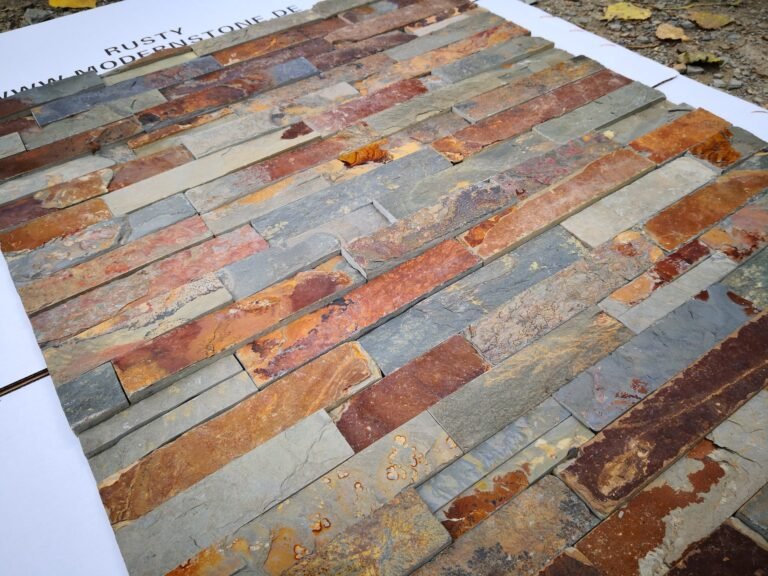
Coastal construction projects face a relentless adversary that most building material specifiers underestimate until it is too late: salt spray corrosion. Within 5 to 10 years of installation, manufactured stone veneer, fiber cement panels, and vinyl cladding begin showing advanced deterioration along oceanfront and marine-side facades. Spalling, cracking, discoloration, and delamination appear with predictable regularity. Yet there is a class of building material that has performed flawlessly in salt-laden coastal environments for centuries — natural stone. The stone cladding salt spray resistance of high-density quartzite and slate is not a marketing claim; it is a measurable physical property backed by standardized laboratory testing and thousands of completed coastal projects worldwide. This guide explains the science behind natural stone’s corrosion resistance, compares it against manufactured alternatives with hard data, and provides the practical specification guidance that distributors, builders, and landscape architects need when sourcing cladding for coastal environments.
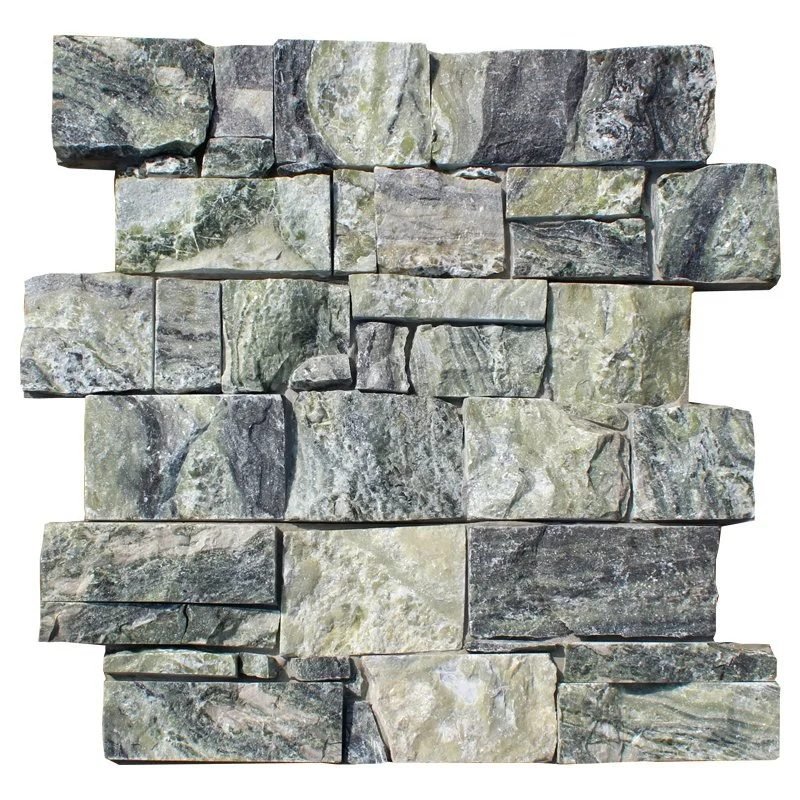
Why Coastal Environments Destroy Most Building Materials
The destruction mechanism in coastal environments operates through a cycle that materials scientists call salt crystallization weathering. Airborne salt particles — sodium chloride, magnesium chloride, and calcium sulfate — deposit on cladding surfaces and dissolve into moisture. This saline solution penetrates the pore network of the material. When temperatures rise or humidity drops, the water evaporates and the dissolved salts crystallize inside the pores. Salt crystals expand up to 3.1 times their dissolved volume during crystallization, generating internal pressures that can exceed 100 MPa in confined pore spaces.
For most manufactured cladding products, this creates a progressive failure cycle:
- Cultured and manufactured stone typically has water absorption rates of 8-15%, providing ample pore pathways for salt solution ingress. The cementitious binder reacts chemically with chloride ions, accelerating surface degradation and causing the aggregate-bond matrix to weaken from within.
- Fiber cement boards absorb moisture at rates of 15-25%. The cellulose fiber reinforcement wicks salt solution deep into the panel body, leading to efflorescence, edge swelling, and eventual face delamination.
- Vinyl and composite cladding resists salt penetration at the surface, but UV radiation combined with salt deposits causes plasticizer migration and embrittlement. Thermal expansion in coastal heat compounds the problem, leading to warping and fastener pull-through.
The coastal environment delivers a triple-threat combination that accelerates material decay: continuous salt aerosol deposition (typically 10-100 mg/m²/day within 1 km of coastline), high humidity levels (70-90% RH) that keep pore spaces saturated, and intense UV radiation that degrades polymer-based products and breaks down surface sealers. Materials that perform adequately in inland settings often fail within a decade when exposed to this combination. The natural UV stability of slate and quartzite eliminates one leg of this destructive triangle entirely.
The Science Behind Natural Stone’s Salt Spray Resistance
Natural stone’s resistance to salt spray corrosion is not the result of chemical treatment or surface coating. It is an inherent property determined by the stone’s geological formation process, mineral composition, and physical microstructure. Three factors work together to give high-quality natural stone its exceptional coastal performance.
Low Porosity Blocks Salt Penetration
Water absorption rate is the single most important predictor of a cladding material’s salt spray resistance. Lower absorption means fewer interconnected pore pathways for saline solution to penetrate. Natural quartzite, formed from sandstone under extreme heat and pressure over millions of years, achieves water absorption rates of just 0.5-1.5%. Natural slate, metamorphosed from shale under directed pressure, ranges from 0.4-5% depending on grade.
Compare these figures to manufactured stone veneer (8-15%), fired clay brick (12-20%), and concrete masonry (18-25%). The porosity differential means that in identical coastal exposure conditions, natural quartzite absorbs roughly one-tenth the salt solution volume that manufactured alternatives absorb. With less salt entering the stone body, crystallization pressures remain well below the stone’s tensile strength, preventing the micro-fracturing cycle that destroys higher-porosity materials.
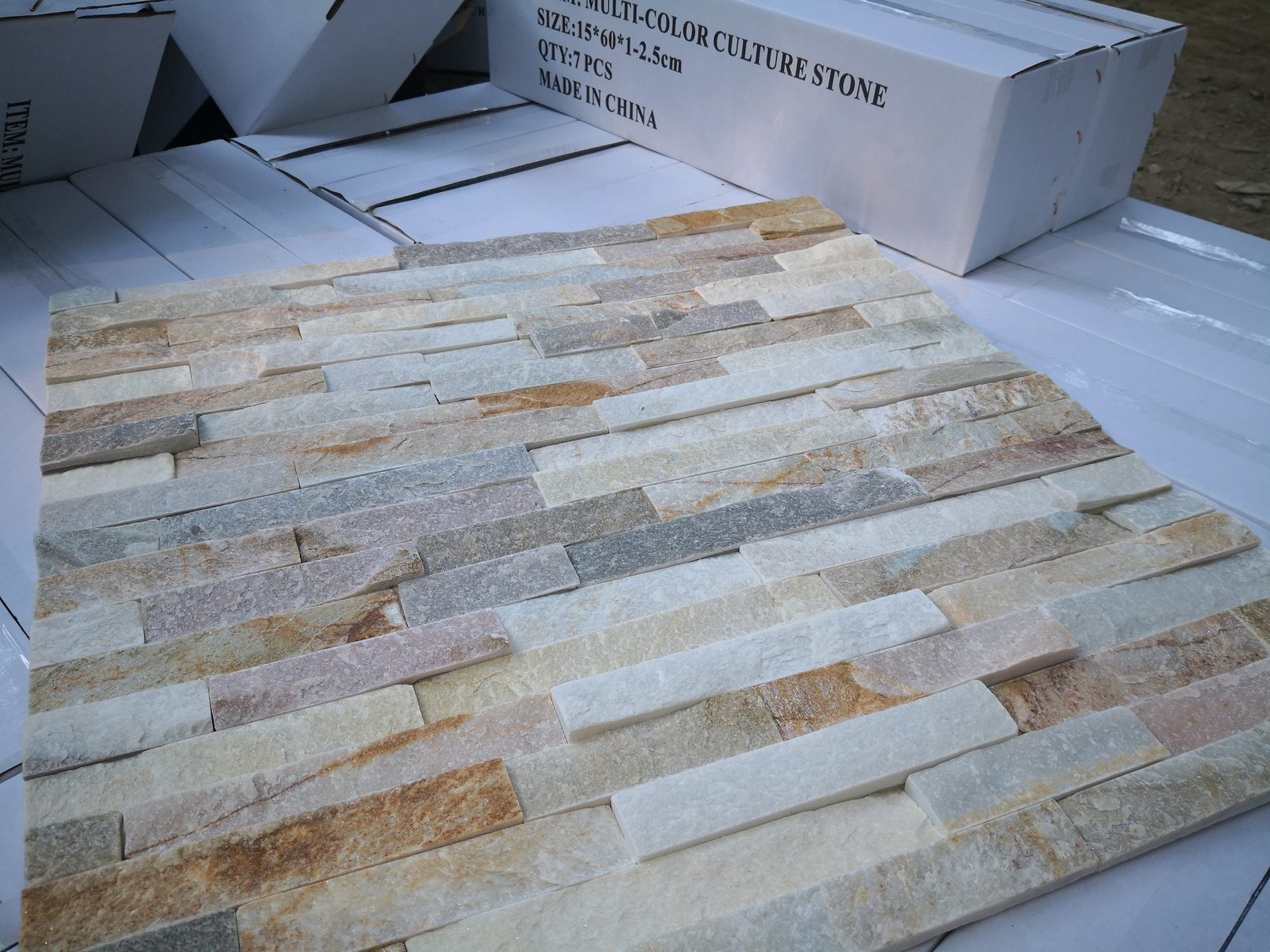
Mineral Stability Against Chloride Attack
The mineral composition of natural stone determines its chemical reactivity with salt compounds. Quartzite is composed primarily of interlocking quartz grains (SiO2), one of the most chemically inert minerals on Earth. Quartz does not react with sodium chloride, magnesium chloride, or calcium sulfate at any temperature range encountered in building environments. Slate’s dominant minerals — quartz, muscovite mica, and chlorite — are similarly resistant to chloride ion attack.
This contrasts sharply with manufactured stone, where Portland cement binders contain calcium hydroxide and tricalcium aluminate phases that react aggressively with chloride ions. These reactions produce expansive compounds like Friedel’s salt and calcium oxychloride, generating internal stresses that crack the binder matrix from within. The chemical stability of natural stone minerals eliminates this failure mode entirely.
Dense Grain Structure Resists Salt Ingress
Beyond porosity percentage, the actual microstructure of the pore network matters. In natural quartzite, the metamorphic recrystallization process creates a tightly interlocking mosaic of quartz grains with minimal inter-granular void space. Even when total porosity measures 1.5%, the pore throats connecting individual voids are often sub-micrometer in diameter — too narrow for capillary action to draw salt solution deep into the stone body under normal conditions. This tight grain structure also means that freeze-thaw resistance remains intact in coastal climates that experience seasonal temperature swings from -30°C to +50°C.
How Natural Stone Outperforms Manufactured Alternatives in Salt Air
Theoretical advantages translate into measurable performance differences when natural stone and manufactured cladding are tested under identical coastal conditions. The following comparison summarizes key durability parameters across the four most common cladding material categories used in coastal construction projects.
| Parameter | Natural Stone (Quartzite/Slate) | Manufactured Stone Veneer | Fiber Cement Board | Vinyl/Composite Cladding |
|---|---|---|---|---|
| Water Absorption Rate | 0.4-5% | 8-15% | 15-25% | <1% (surface only) |
| Expected Coastal Lifespan | 50+ years | 15-25 years | 10-20 years | 15-30 years |
| Salt Crystallization Resistance | Excellent (<1% mass loss after 100 cycles) | Poor-Moderate (5-15% mass loss) | Poor (edge swelling, delamination) | Moderate (embrittlement) |
| UV Stability | Inherent, no fading | Color-fast pigments, moderate fading | Paint/coating dependent | UV degradation, fading |
| Chemical Reactivity with NaCl | None (inert minerals) | High (cement-chloride reactions) | Moderate (fiber wicking) | Low (surface only) |
| Sealer Required for Coastal Use | No (in most applications) | Yes (annual reapplication) | Yes (coating system) | No (but limited lifespan) |
| Fire Rating | Class A | Class A | Class A(1) | Class C or unrated |
| Maintenance Cycle | Minimal (occasional rinse) | Annual inspection + sealing | Bi-annual coating inspection | Replacement at end of life |
The lifespan differential drives the economic case for natural stone in coastal projects. While natural stone cladding carries a higher initial material cost than manufactured veneer, the 50+ year service life eliminates one or two full replacement cycles that manufactured products require within the same timeframe. For building owners and facility managers calculating total cost of ownership over a 30-year mortgage period, natural stone often represents the lower-cost option when replacement, labor, and disruption costs are factored in.
Natural stone’s lack of required sealers is a significant operational advantage. Manufactured stone in coastal applications typically demands annual or bi-annual sealer reapplication to maintain salt resistance. Each cycle costs $2-4 per square meter in materials plus labor. Over 30 years, this maintenance burden adds $60-120/m² in cumulative cost. Natural quartzite and slate, with their inherently low absorption, simply do not need this treatment for functional protection. See our detailed analysis of natural stone Class A fire ratings for additional performance data relevant to commercial coastal specifications.
Best Stone Types for Coastal Cladding Projects
Not all natural stone performs equally in salt spray environments. Selecting the correct stone type for coastal cladding is critical — choosing a high-porosity stone for an oceanfront application produces results no better than manufactured alternatives. The following hierarchy guides material selection for salt-spray-exposed facades.
Quartzite: The Coastal Performance Leader
Quartzite consistently delivers the strongest salt spray resistance metrics among commercially available natural stone cladding materials. With water absorption rates typically between 0.5-1.5%, density values exceeding 2.65 g/cm³, and a mineral composition dominated by chemically inert quartz, quartzite represents the optimal choice for direct oceanfront applications where salt aerosol deposition is highest.
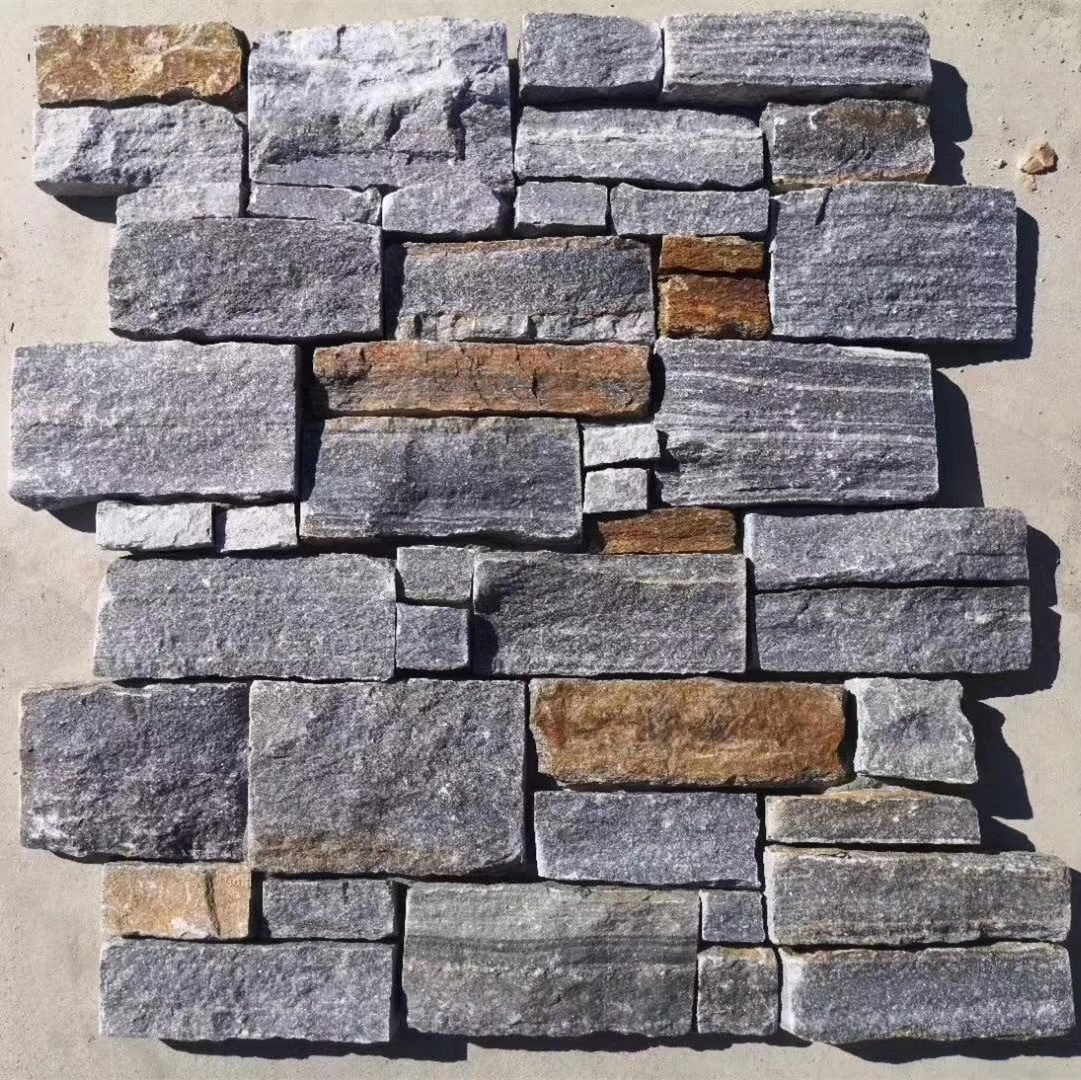
Top Stone Panels’ quartzite stacked stone panels and Z-panel cladding systems use precision infrared CNC diamond blade cutting to produce consistent panel thicknesses that facilitate proper installation with the ventilation gaps required in coastal applications. The high density of quartzite also provides superior UV resistance, maintaining color integrity through decades of direct coastal sunlight exposure.
Slate: Versatile Coastal Architecture Stone
Natural slate offers excellent salt spray resistance with absorption rates of 0.4-5% (premium grades typically below 2%). Slate’s geological formation creates natural cleavage planes that allow splitting into thin, uniform panels — making it ideal for thin ledgestone profiles and thin stone veneer applications where weight reduction matters. The mineral composition (quartz, muscovite, chlorite) provides stable performance in chloride-rich environments.
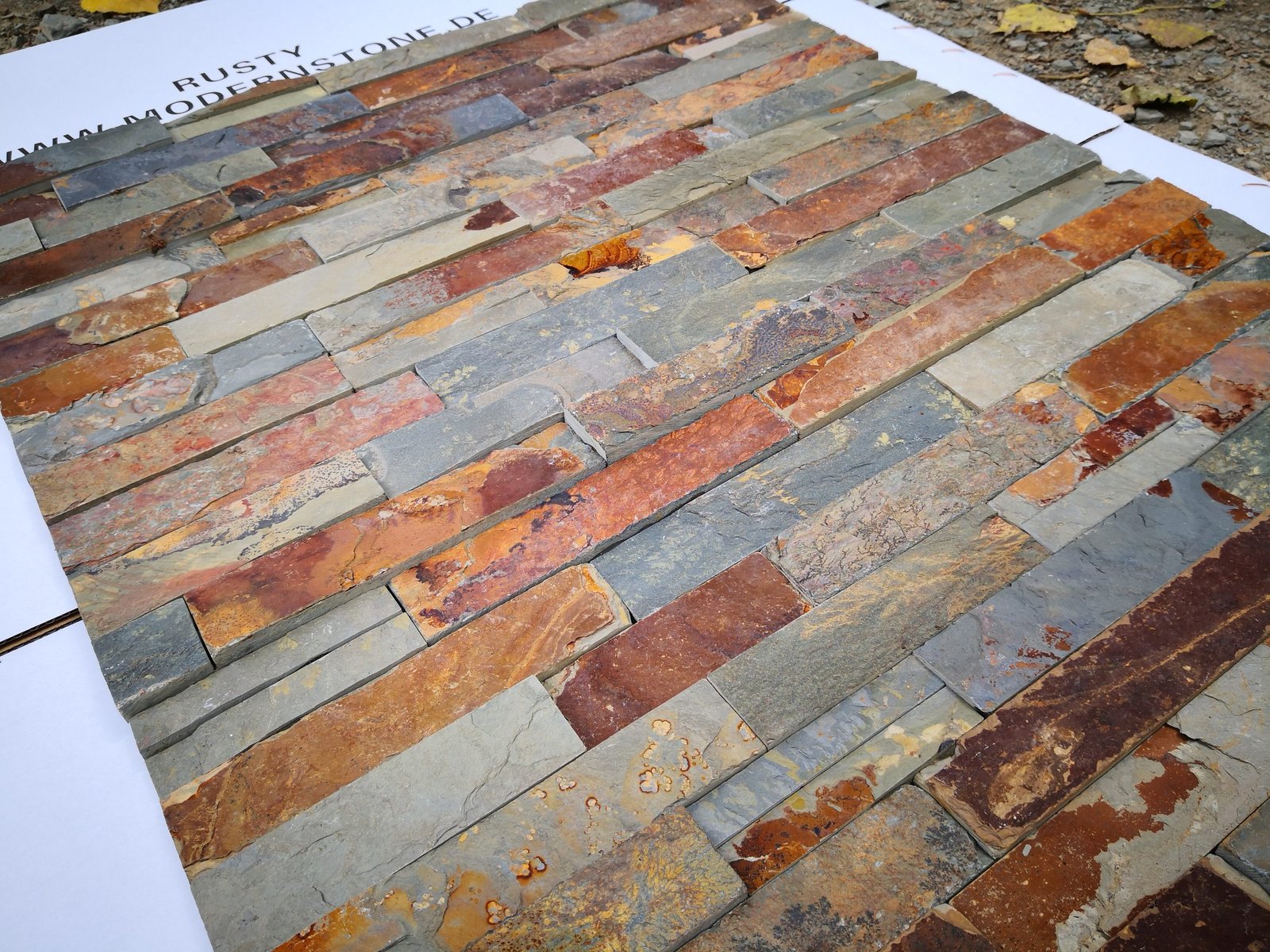
Stone Types to Avoid in Salt-Spray Zones
Several commercially available natural stone types should be avoided or used with significant protective measures in coastal applications:
- Sandstone: Typically 5-15% water absorption. The same geological process that creates sandstone’s attractive texture also creates the pore network that salt solution exploits. Some low-porosity sandstones (under 3%) may be acceptable with proper sealing, but most grades are unsuitable for direct salt spray exposure.
- Limestone: Absorption rates of 3-12%, plus the calcium carbonate mineral composition reacts directly with acidic components in marine atmospheres. Surface dissolution and accelerated weathering are common failures.
- Travertine: Characteristic void pattern and high porosity (6-15%) make travertine particularly vulnerable to salt crystallization damage. The voids act as salt collection chambers.
Stone Cladding Salt Spray Resistance: Testing Standards and Certification
Specifying salt-resistant stone requires verification through standardized testing protocols. Two primary test methods apply to natural stone cladding in coastal applications, each measuring different aspects of salt resistance.
ASTM B117 — Standard Practice for Operating Salt Spray (Fog) Apparatus
ASTM B117 exposes test specimens to a continuous salt fog environment inside a controlled chamber. A 5% sodium chloride solution is atomized at 35°C (+/- 2°C), creating a saturated salt fog that deposits on all exposed surfaces continuously. For natural stone cladding evaluation, specimens are typically tested for 500-2000 hours (equivalent to approximately 5-20 years of coastal exposure, depending on proximity to the ocean). After the test period, specimens are evaluated for:
- Surface mass loss (weighed before and after cleaning)
- Visual changes (color shift, surface roughening, pitting)
- Flexural strength retention (tested per ASTM C99 before and after exposure)
- Dimensional stability (thickness and flatness measurements)
High-quality quartzite and slate specimens typically show less than 0.5% mass loss and retain over 95% of original flexural strength after 1000 hours of ASTM B117 exposure. Manufactured stone veneer of comparable thickness commonly shows 3-8% mass loss and 15-30% flexural strength reduction under identical conditions.
EN 12370 — Determination of Resistance to Salt Crystallization
EN 12370 is specifically designed for natural stone and measures resistance to salt crystallization pressure — the primary destruction mechanism in coastal environments. Test specimens undergo repeated cycles of immersion in a 14% sodium sulfate solution (more aggressive than sodium chloride) followed by oven drying at 105°C. Each cycle drives salt crystallization within the stone’s pore network.
The standard specifies 15 cycles as the minimum evaluation period, but coastal specification projects often extend testing to 30-50 cycles for higher confidence. The key metric is total mass loss after all cycles. Passing criteria for coastal cladding applications:
- Category 1 (suitable for all coastal exposure): Less than 1% mass loss after 15 cycles
- Category 2 (suitable for moderate coastal exposure): 1-5% mass loss after 15 cycles
- Category 3 (not recommended for coastal use): Greater than 5% mass loss after 15 cycles
For additional testing context, our guide on ASTM standards for natural stone cladding covers the full range of laboratory tests relevant to building code compliance.
Obtaining Test Samples for Independent Verification
Top Stone Panels supports buyer-initiated laboratory testing by supplying test-ready samples with 1-3 day shipping. Each sample set includes material from the specific production batch, ensuring that test results reflect the actual stone that will ship to the project site. We provide Certificate of Origin (COO) documentation and pre-shipment inspection reports with every order. Our 3-step quality control process — raw material selection, in-process inspection, and final pre-shipment inspection — ensures consistency between tested samples and delivered product. Buyers can submit samples to their preferred testing laboratory for independent ASTM B117 or EN 12370 verification.
Design Considerations for Coastal Stone Cladding Installations
Even the most salt-resistant stone will underperform if the installation system is not designed for coastal conditions. The cladding assembly — stone, backing, fasteners, mortar, and wall structure — must function as an integrated coastal-resistant system. The following design parameters address the specific challenges of salt-laden environments.
Ventilated Rainscreen Gap
A ventilated air cavity behind the stone cladding is the single most important design element in coastal installations. The rainscreen principle creates a pressure-equalized zone that allows any moisture penetrating the stone face to drain freely and evaporate, rather than becoming trapped against the substrate. For coastal applications:
- Minimum gap width: 25mm (1 inch) — wider than the 15mm minimum used in inland installations, to accommodate higher moisture volumes and promote faster drying
- Ventilation openings: Continuous slots at top and bottom of each wall section, with total open area of at least 500 mm² per linear meter of wall height
- Drainage plane: A dimpled or textured drainage mat on the substrate side of the cavity ensures moisture channels downward to weep holes rather than bridging across to the structural wall
This ventilation gap also mitigates salt accumulation behind the panels. In non-ventilated direct-adhered installations, salt that penetrates the stone accumulates at the stone-mortar interface, eventually causing bond failure. The drained cavity allows salt-laden moisture to exit the system.
Fastener and Anchor Selection
Fastener corrosion is the most common failure point in coastal cladding systems — the stone survives, but the hardware holding it does not. Specify the following minimum standards:
- Stainless steel grade 316 (marine grade): Required for all anchors, screws, clips, and ties in salt-spray zones. Grade 304 stainless, while acceptable inland, will show surface corrosion within 3-5 years in coastal exposure.
- Minimum fastener diameter: 4mm for mechanical anchors, with embedment depth calculated for wind-load requirements plus a 25% safety factor for coastal wind events.
- Galvanized fasteners: Not acceptable for coastal stone cladding, regardless of zinc coating thickness. Hot-dip galvanized coatings typically fail within 5-8 years in marine atmospheres.
Mortar and Adhesive Selection
Conventional cement mortars degrade in salt environments due to chloride attack on the hydrated cement phases. For coastal stone cladding installations, specify:
- Polymer-modified thin-set mortars meeting ANSI A118.4 or A118.15 (improved modified dry-set mortar) with documented salt resistance
- Epoxy-based adhesives for critical structural bonds — these are chemically inert to chloride attack and provide superior bond strength in wet conditions
- Avoid: Unmodified Portland cement mortars, organic mastics, and any adhesive system not specifically rated for continuous moisture exposure
Top Stone Panels offers both epoxy bond and cement backing options for our stone panels. For coastal projects, we recommend marine-grade epoxy bond backing, which provides a chemically stable interface between the stone panel and the installation substrate. Our stone column systems and flagstone products are also available with coastal-specified backing systems.
Panel Thickness for High-Wind Coastal Zones
Coastal environments subject cladding to higher wind loads than inland sites. Design wind pressures of 2.0-3.5 kPa are common in hurricane-prone coastal zones, compared to 1.0-1.5 kPa in typical inland locations. Panel thickness directly affects the spanning capacity and anchoring requirements of the cladding:
- Standard coastal applications (wind pressure <2.0 kPa): 12-15mm panel thickness with standard anchoring patterns
- High-wind coastal zones (wind pressure 2.0-3.5 kPa): 15-20mm panel thickness with increased anchor density
- Hurricane-prone zones (wind pressure >3.5 kPa): 20mm+ panel thickness with engineered mechanical anchoring systems, supplemented by adhesive bond
Real-World Applications: Where Salt-Resistant Stone Cladding Performs Best
Natural stone’s salt spray resistance delivers measurable value across a range of coastal construction typologies. The following applications represent the project categories where the performance and economic advantages of natural stone cladding are most pronounced.
Beachfront Hotels and Resort Properties
Hospitality properties face the dual challenge of maintaining aesthetic standards that justify premium room rates while managing aggressive maintenance budgets. Natural stone cladding eliminates the annual sealer reapplication cycles that manufactured stone demands, reducing facade maintenance costs by 40-60% over a 20-year operating period. The visual authenticity of natural stone — with its genuine geological texture and color variation — also aligns with the premium positioning that beachfront resorts require. Thin stone veneer systems are particularly popular in resort applications where weight considerations matter for elevated structures and cantilevered balconies.
Coastal Commercial and Mixed-Use Buildings
Retail centers, office buildings, and mixed-use developments along coastal corridors require cladding that maintains its appearance with minimal landlord-funded maintenance. Natural stone’s 50+ year service life aligns with commercial lease structures where facade replacement during an active tenancy creates significant business disruption and liability exposure. The Class A fire rating of natural stone also satisfies the stringent fire code requirements common in commercial coastal zones, particularly in wildfire-prone coastal regions of California, Australia, and Southern Europe.
Marine-Side Residential Developments
Multi-unit residential developments along coastlines benefit from natural stone’s long service life and minimal maintenance profile. Homeowner associations and property management companies face fewer special assessment events when the building envelope uses materials that do not require cyclical replacement. Individual homeowners in coastal communities also choose natural stone for its permanence — a single installation that outlasts the mortgage period without facade-related capital expenditure.
Saltwater Pool and Spa Surrounds
The growing adoption of saltwater chlorination systems in residential and commercial pools creates a micro-environment equivalent to moderate coastal exposure. Saltwater pools maintain sodium chloride concentrations of 2,500-3,500 ppm, generating salt aerosol in the immediate pool surround area. Natural stone cladding on pool feature walls, spa surrounds, and outdoor kitchen facings resists this salt exposure without the etching and surface deterioration that affects manufactured products and softer natural stones. For flush joint finishing around pool areas, refer to our guide on grouting stacked stone panels for moisture-managed environments.
How to Specify Salt-Resistant Stone for Your Coastal Project
Translating the technical advantages of natural stone into a procurement specification requires clear parameters that suppliers can test against and deliver consistently. The following specification framework ensures that the stone you receive meets the salt spray resistance requirements of your coastal project.
Key Specification Parameters
Include these measurable requirements in your stone cladding specification:
- Water absorption: Maximum 3% when tested per ASTM C97 (for quartzite, specify maximum 1.5%)
- Density: Minimum 2.55 g/cm³ when tested per ASTM C97
- Flexural strength: Minimum 15 MPa when tested per ASTM C99 (for structural cladding panels, specify minimum 20 MPa)
- Salt crystallization resistance: Maximum 1% mass loss after 15 cycles per EN 12370, or maximum 0.5% mass loss after 1000 hours per ASTM B117
- Compressive strength: Minimum 100 MPa when tested per ASTM C170
Request Salt Spray Test Documentation
Require suppliers to provide test reports from accredited laboratories for each stone type proposed. Acceptable documentation includes:
- ASTM B117 test reports showing exposure duration, specimen identification, and pre/post-test measurements
- EN 12370 test reports showing cycle count and mass loss percentage
- Material test data sheets with water absorption, density, and strength values per ASTM or EN standards
Top Stone Panels provides complete test documentation packages and can supply pre-cut test specimens from the production batch designated for your project. Samples ship within 1-3 days via international express for submission to your preferred testing laboratory.
Sample Evaluation Checklist
When evaluating stone samples for a coastal project, verify the following:
- Visual inspection for consistent grain density and absence of visible voids or fracture planes
- Weight assessment — high-density stone feels noticeably heavier than equivalent-sized lower-grade material
- Water droplet test — place a water droplet on the surface; on low-absorption stone, the droplet beads and remains on the surface for 60+ seconds rather than being absorbed immediately
- Edge inspection — examine cut edges for tight, uniform grain structure without visible porosity
- Batch consistency — compare multiple pieces from the sample set for uniform density and texture
Working with Top Stone Panels for Coastal Projects
Top Stone Panels brings 18+ years of stone mining and export experience to coastal cladding projects worldwide. Operating from Yixian, Baoding in Hebei Province — China’s primary slate and cultural stone production region — we ship 220+ containers annually to distributors, builders, and architects across North America, Europe, and Australia. Our 100% natural quartzite and slate products carry the inherent salt spray resistance that coastal projects demand, backed by our 3-step quality control process and complete export documentation.
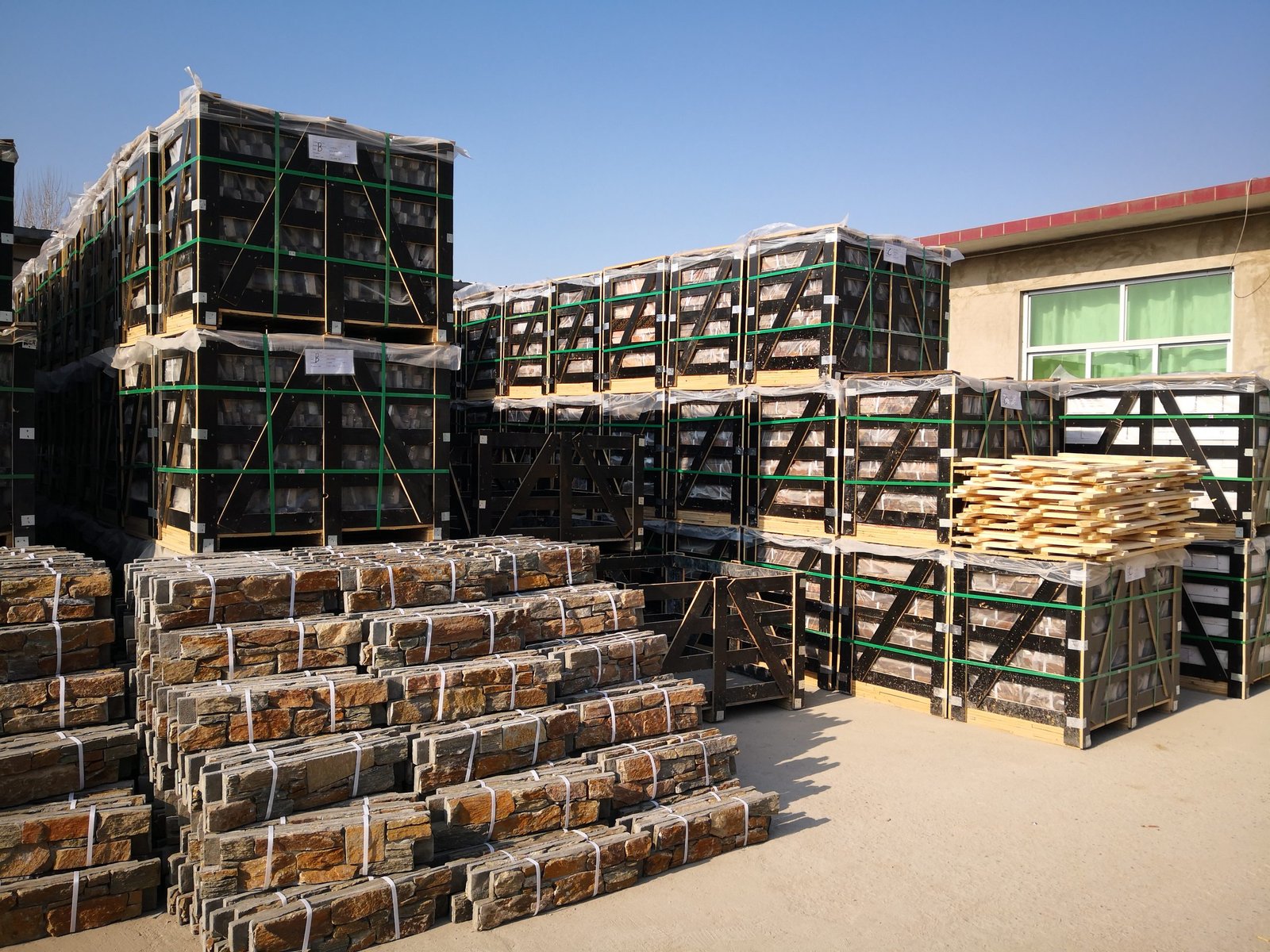
Trade terms include FOB Xingang, EXW, CIF, and DDP, with a minimum order of one 20-foot container. Production lead time is 20-25 working days for standard orders and 25-30 days for first orders requiring additional quality alignment. Our Zero-Breakage Packaging Protocol — featuring 3-5 layer reinforced corrugated cartons, fumigation-free solid wood pallets, high-tensile steel band strapping, and industrial-grade airbag filling — ensures that panels arrive at coastal project sites in installation-ready condition regardless of transit distance.
Contact Top Stone Panels for salt-resistant stone samples, test documentation, and project-specific quotation for your coastal cladding requirements.
Frequently Asked Questions
Does natural stone cladding resist salt spray better than manufactured stone?
Yes. Natural quartzite and slate have water absorption rates between 0.4% and 5%, significantly lower than manufactured stone (8-15%). Their dense mineral structure and chemical stability with sodium chloride mean natural stone cladding typically lasts 50+ years in coastal environments, compared to 15-25 years for manufactured alternatives. The mineral composition — primarily quartz and mica — does not react with chloride ions, eliminating the internal expansion reactions that degrade cementitious binders.
Which natural stone types are best for coastal cladding projects?
Quartzite is the best choice for direct oceanfront applications due to its extremely low porosity (0.5-1.5%) and high density. Slate is also excellent for coastal architecture with absorption rates of 0.4-5% and natural cleavage planes that create attractive cladding profiles. Avoid porous sandstone, most limestones, and travertine in salt-spray zones, as their higher absorption rates and reactive mineral compositions make them vulnerable to salt crystallization damage.
What testing standards verify salt spray resistance in stone cladding?
The two primary standards are ASTM B117 (salt spray/fog testing), which exposes stone to continuous salt fog at 35°C in a controlled chamber, and EN 12370 (salt crystallization resistance), which measures weight loss after repeated salt solution immersion and drying cycles. Quality natural stone for coastal use should show less than 1% mass loss after 15 EN 12370 cycles or less than 0.5% mass loss after 1000 hours of ASTM B117 exposure.
Does coastal stone cladding require special sealers or treatments?
High-density natural quartzite and slate generally do not require sealers in coastal applications. Their inherent low porosity prevents salt penetration without additional chemical treatments. Sealers may be specified for aesthetic enhancement — deepening color or adding sheen — but they are not structurally necessary for salt spray protection on quality natural stone. This contrasts with manufactured stone, which typically requires annual sealer reapplication in coastal environments.
What installation considerations apply to stone cladding in coastal environments?
Coastal installations should include a ventilated rainscreen gap of at least 25mm behind the cladding, stainless steel grade 316 (marine-grade) fasteners and anchors, polymer-modified or epoxy-based mortars rated for salt exposure, and panel thicknesses of 15-20mm or greater in high-wind zones. Proper drainage planes and corrosion-resistant backing systems are also critical to prevent salt accumulation behind the cladding panels.