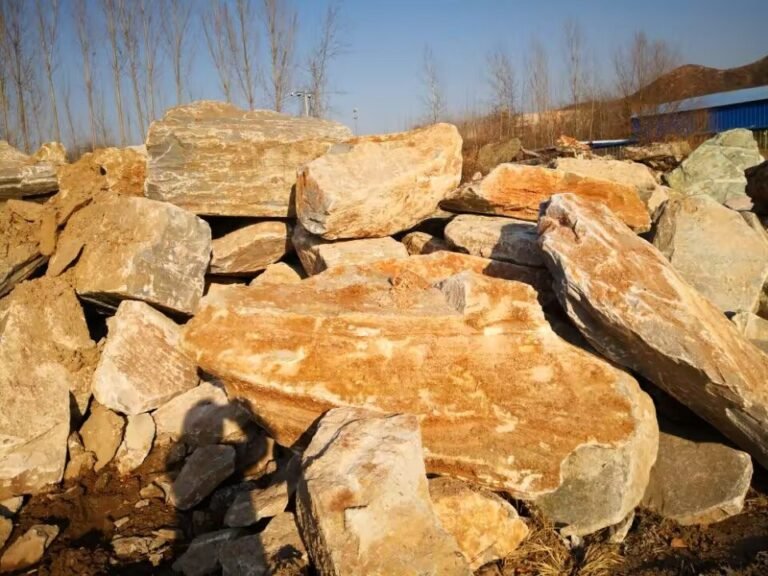
When people say infrastructure is driving stone demand, they usually reach for a big investment number. That is the wrong tell. The reason infrastructure matters to a stone factory is not a total on a slide; it is a buying rhythm. Public programmes are tendered, split, re-tendered and released in cash tranches across two or three years, and the stone moves accordingly: a first container against an approved sample, a second eighteen months later that has to match it, a third tied to a newly opened station section. A supplier who reads that rhythm correctly positions for it; one who only reads the headline figure brings a brochure to a cadence fight and loses.
The buying rhythm and the ground-level consumption are what set this channel apart, and they reward a different kind of preparation than a private fit-out cycle does. The institutional and civic project case, with the submittal-file argument behind it, is made in institutional stone cladding projects, and the wider year picture sits in stone cladding market trends 2026 and the 2027 outlook. What a factory can actually act on is narrower: how a programme buys, what it consumes at the street and portal level that a facade catalogue under-weights, and where a distributor gets into the room before a tender ever opens.
- Infrastructure stone demand is defined by procurement cadence, not a market total: tenders, finance tranches, releases across years.
- Programmes consume more than facades: public-realm flagstone and crazy paving, portal and wayfinding columns, and cap and coping lines at grade.
- Year two has to match year one, so a retained vein and a physical approval sample decide whether a phased build stays one tone.
- Format coverage beats a single hero product: standard panels, interlocking cement-backed, ultra-thin for freight, and factory L-corners where returns compound.
- A distributor wins ground by registering a mix and entering the specifier’s palette before the tender, not by quoting at the last minute.
- Refuse unsourced market-size or growth numbers; public reviewers check, and honesty is the durable advantage.
- The Rhythm, Not the Number
- What a Programme Consumes at Grade
- The Cadence: Tranches, Not One Order
- Matching Four Formats to the Build
- Holding One Tone Across Years
- Gateway Nodes and Transit-Attached Hospitality
- When a Distributor Gets Into the Room
- What a Public Reviewer Will Check
- Frequently Asked Questions
- Conclusion
The Rhythm, Not the Number
A demand channel you cannot put a verified total on is easy to over-claim, so the honest starting point is the buying behaviour rather than a headline number. Infrastructure is not a single market figure you quote to sound authoritative; it is a rhythm of decisions that repeats across countries and transit systems with enough regularity to be predictable even where the dollar total is not. Programmes get announced, deferred, value-engineered, split into lots, and released as funding is drawn. Stone follows that shape. The practical skill for a factory is reading the rhythm, being able to hold a product steady across a multi-year release, and being present when the specification is written rather than when the container is quoted.
That reframes the whole question. The useful thing to know about 2026 is not how large the infrastructure stone market is; it is how a buyer behaves when they are a public authority spending a budget on a schedule. Because that behaviour is consistent, a supplier who builds to it can win the channel across many geographies without ever inventing a statistic.
What a Programme Consumes at Grade
Institutional and civic buildings are largely a facade story, and that is where the institutional-projects article already does the work. Infrastructure adds a dimension a facade catalogue under-weights: the ground plane, where a programme meets thousands of feet a day. A station or terminal is not only its elevation; it is the paving you cross to reach it, the portal columns that carry the signage and mark the entry, and the cap and coping lines that tie the wall down to the walking surface so the whole reads as one built thing rather than a facade with a concrete apron dropped under it.
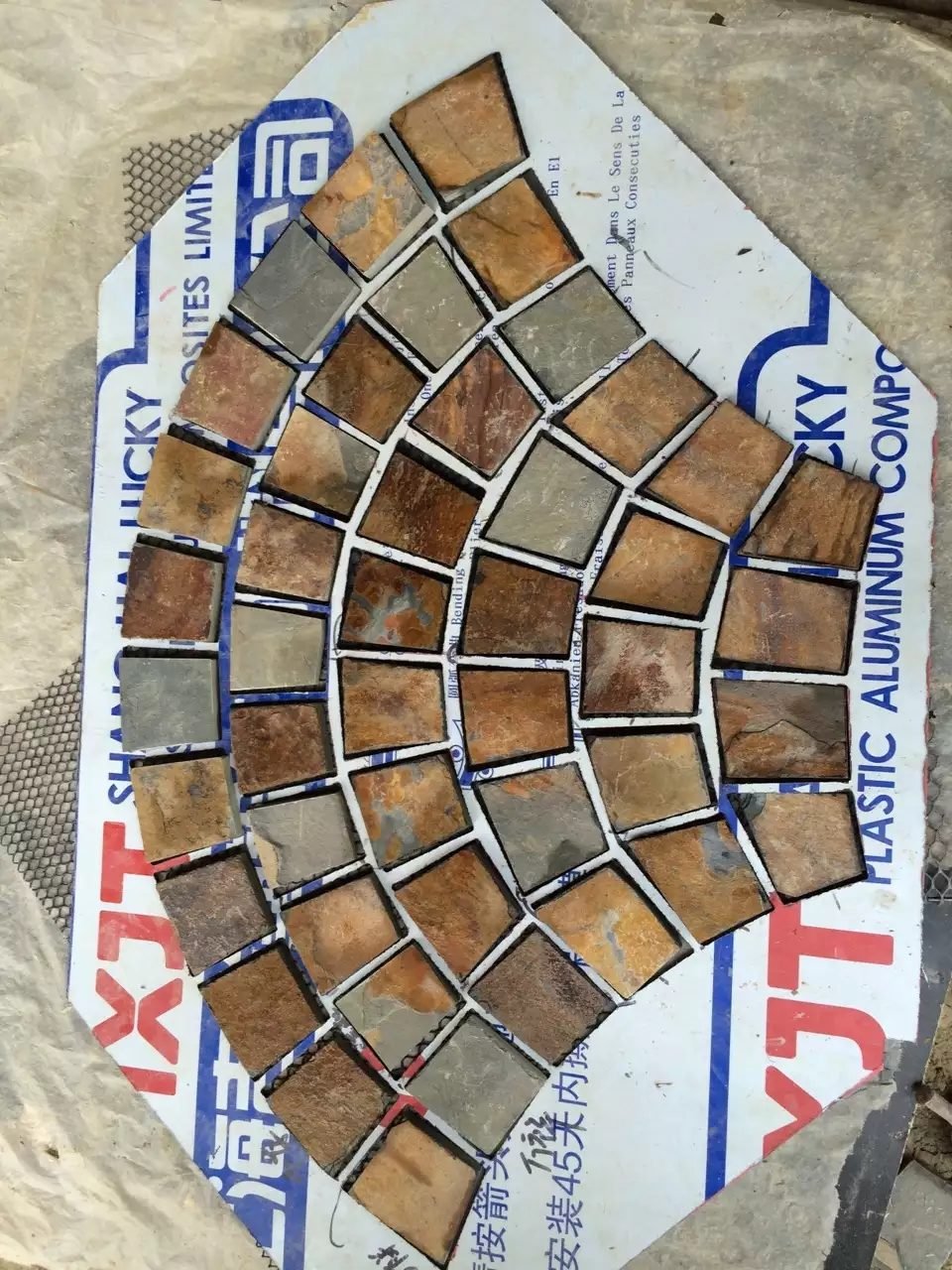
At grade the demand is dense, slip-resistant flagstone and crazy paving that survives salt, freeze and a commuter crowd, and it is a distributor’s chance to sell more than one product family into a single programme. The public-realm paving traces to the flagstone buyer’s guide and flagstone paver types and sizes; the wayfinding portals and gate columns are the stacked stone columns line; and the capstones and copings that finish a wall at grade are covered in stone veneer caps and coping. Reading the programme at grade, not just at eye level, is what widens an infrastructure order from one facade SKU to a full palette.
The Cadence: Tranches, Not One Order
The most misunderstood thing about infrastructure demand is that it looks like one large purchase and behaves like several small ones spaced far apart. A programme is funded in tranches and built in phases; a specifier will release the first container for a completed section, hold, then release more as a new wing or platform opens, sometimes years later. Each release is a separate purchase order against the same drawing, and the buyer’s memory of your performance is set by whether the second and third releases match the first.
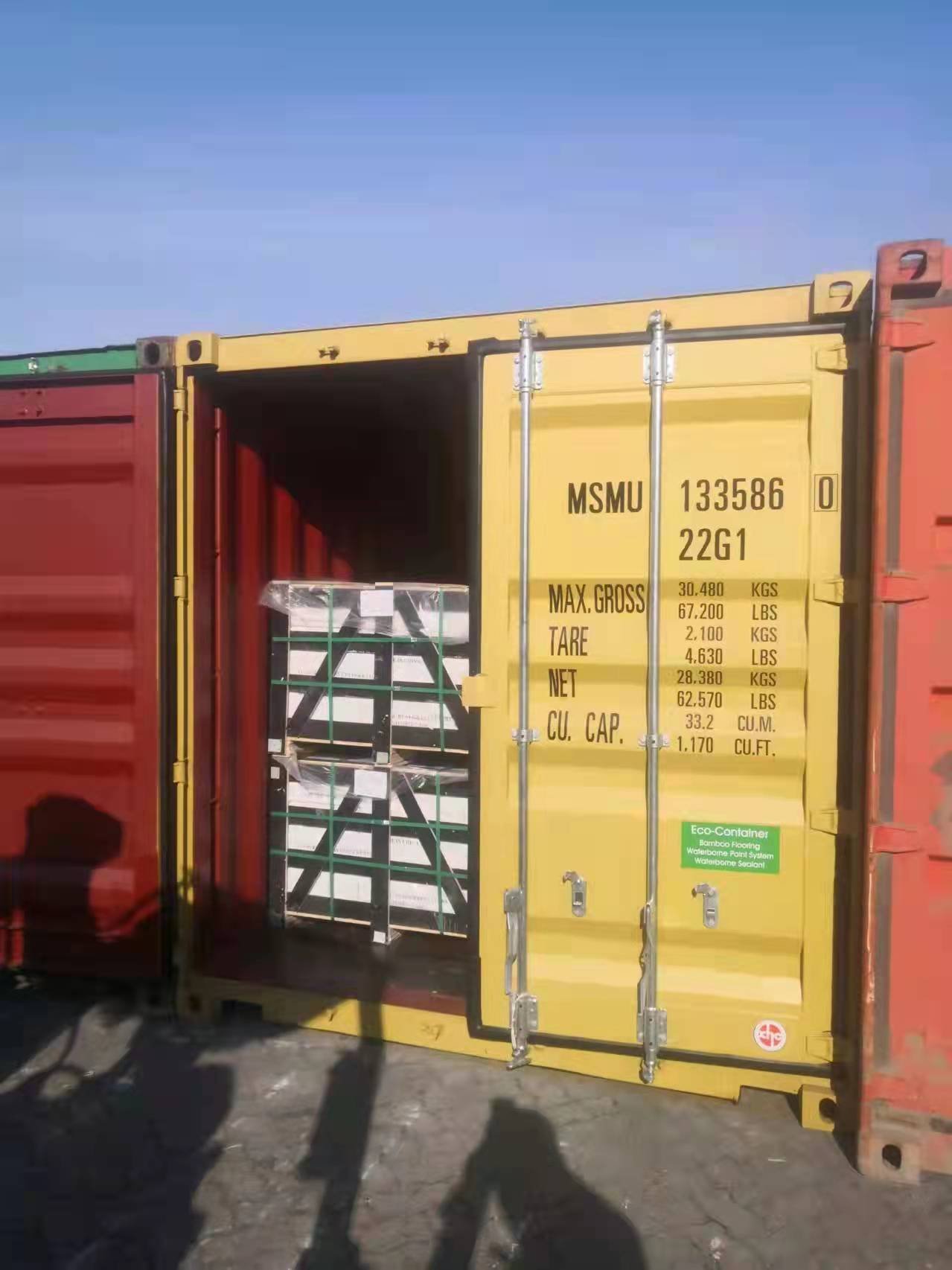
That cadence has concrete consequences a factory should plan around rather than react to. The approved sample and the vein it came from have to stay live and on file across the whole programme, not just the first order, which is why a written specification reference is agreed once and carried forward (the purchase-specification template covers that discipline). Freight and lead-time planning assumes the buyer will need more later, so holding a standing position in the fast-mover formats beats scrambling each tranche; the production-scheduling and lead-time mechanics behind that are set out in production scheduling and import lead time and the 20GP versus 40HQ loading comparison. The inspection and evidence that a public buyer expects on each release are part of the submittal-file argument that lives in the institutional-projects article; the point here is only the cadence around it: the file is opened once and every tranche has to hold it.
Matching Four Formats to the Build
Because a programme is built as a whole and delivered as a palette, a distributor chasing this channel stocks format families, not a hero product. The long elevation plane rewards the interlocking cement-backed system in 20×55 cm or 15.2×61 cm on the Z-panel line, which self-aligns and buries the vertical seam so a broad civic wall goes up as one surface. The bulk that a project consumes across many sections is the standard bonded ledger in 15×60 cm or 15×55 cm on the stacked stone range. The freight-heavy long run pushes toward the ultra-thin 36×10 cm mini ledgestone, because areal mass per square metre drives landed cost and a big programme buys a lot of square metres. And where the architecture is full of returns, pre-made L-corner sets take the 45-degree miter off every outside corner, cutting roughly 20 percent material waste and over 50 percent corner labour, which is real money across a station or terminal with hundreds of corners, as the L-corner pieces guide details.
Reading the programme as four format families rather than one product is what turns a facade enquiry into a whole-building supply relationship, and it is why a factory with a genuine range across the thin stone veneer, cladding, columns and paving lines is positioned for this channel in a way a single-product broker is not.
Holding One Tone Across Years
Nothing defines an infrastructure supplier like how the stone behaves in the second year of a build. Phase one goes up clean; phase two, eighteen months on, is a shade off, and the whole elevation now reads patched, because a natural product drifted to a new vein. The control is a vein discipline plus a retained physical reference, held for the duration of the programme rather than for the first order. On split-face loose stone, hand-sorting to a single quarry vein holds natural transitions at 95 percent or better, scoped to that format; bonded ledgers and cement-backed panels are matched against the retained approval sample on later tranches instead, and the mechanism is worked through in batch colour consistency and quarry vein selection.
An own-quarry, quarry-to-container base is the structural reason a two-year build can hold one tone at all, because the same vein is available to the second order rather than to whatever a broker sourced that quarter. For Top Stone Panels that is an 18-plus-year operation running more than 220 export containers a year from its own material, which is a supply-chain fact a public reviewer can reason about, not a marketing line. Distributors should look for exactly that structure before standing behind a factory on a multi-year tender.

Gateway Nodes and Transit-Attached Hospitality
The part of this channel that most suppliers miss is the private money that follows the public one. A new station or an airport expansion pulls in the hotel, the conference block, the retail concourse and the terminal-adjacent development that want to read as arrived, and they buy stone too, on a faster and less tender-bound cycle than the public asset itself. Gateway hospitality wants the same material language as the transit hub next door, so a distributor already inside the public specification has a warm introduction into the private scheme that trails it, and the entrance statement is usually a portal, a pillar wrap or a stone-clad approach rather than a full facade.
That adjacent commercial demand is where a facade-heavy product range earns a repeat: the FF and E specification guide for hotels and resorts, the retail storefront cladding treatment and the villa and commercial facade work all sit on the private side of the same transit investment. The honest read is that the public programme sets the palette and the gateway schemes scale it, which is why getting into the specifier’s file on the public asset is worth more than chasing every private quote separately.
When a Distributor Gets Into the Room
For a distributor the entire game is timing, because an infrastructure specification is effectively decided before the tender is issued; by the time a package is out to bid the approved product families and the reference samples are usually already written in. Positioning that actually moves the needle therefore happens at design stage, not quote stage. Two moves make it practical. First, register a vein and a custom mix once so a specific tone is real and repeatable on file, which is covered in custom colour-mix and OEM, and hold a modest standing inventory across the four formats so a scheme does not stall on the first container (see MOQ and mixed-container ordering). Second, put those samples in front of the specifier early, and let the palette do the work.
None of that requires a market forecast, and none of it survives a fabricated one. A reviewer who finds a made-up growth figure stops trusting the whole file. The durable advantage is being the distributor whose tone is already in the specification and whose factory can already hold it across a build.
What a Public Reviewer Will Check
Public buyers verify what a supplier claims, so the case for serving an infrastructure programme has to rest on things a reviewer can check, not on a market figure they cannot trace. The credible proof is first-party and concrete: a retained vein and a physical approval sample, format coverage across the building, a container capability a reviewer can reason about, and the delivery evidence a programme expects at each release. A growth percentage or an investment total in a tender response does the opposite, because one unsourced number invites scrutiny of the whole file. Where the institutional project types or the wider style picture are genuinely needed, they are documented in institutional stone cladding projects and natural stone facade trend; a supplier’s own job is the evidence behind the claims it makes, and that is what wins the cadence.
Frequently Asked Questions
What counts as infrastructure demand for stone, versus a general market trend?
Programmes built for public use, transit and rail stations, airport and port terminals, civic and health buildings, street and public-realm regeneration, and the hospitality attached to a gateway, that buy stone on tender and release it in phases, rather than the private fit-out cycles a trend article tracks.
Why does the buying cadence matter more than the total volume?
Because a programme releases in finance tranches across two or three years, so the container you ship in year two has to match the one already built in year one. Cadence and consistency, not a single big order, decide whether you actually serve the project.
Which stone formats suit an infrastructure programme?
Wide but shallow: standard bonded ledgers and interlocking cement-backed panels for large elevations, thin or ultra-thin 36×10 cm formats where freight is tight, factory L-corner sets where many returns compound site labour, and flagstone or crazy paving where the public realm meets the ground.
Should a tender response quote market-size numbers about this demand?
No. Public reviewers check figures, and the honest case is built on what your factory already holds, a locked sample, a retained vein, capacity, and paperwork, not on a growth percentage you cannot source.
How does a distributor get in front of a programme before it tenders?
By registering a vein and a colour mix with the factory and holding the four formats in stock, then getting into the specifier’s palette at the design stage, so the firm is already inside the approved specification when the tender lands.
Conclusion
Infrastructure matters to a stone factory because of how it buys, not because of a headline total. It arrives as tenders and finance tranches spread across years, it consumes a full palette at the ground plane, portal and elevation rather than one facade product, and it holds a supplier to how well a second-year release matches a first. Positioning for that channel is a set of disciplines you can actually be honest about: keep a vein and an approved sample live, stock the four format families, read the programme at grade as well as at eye level, use the gateway-scheme tail, and be inside the specifier’s palette before the tender closes. Do that and you win the cadence; quote a market-size number you cannot source and a public reviewer discounts the rest of your file.
- Plan around the tranche rhythm, not one big order: keep a vein and an approval sample live across the build.
- Sell the ground plane too: public-realm flagstone and crazy paving, portal columns, and caps and coping at grade.
- Cover four format families rather than a hero product: standard panels, interlocking, ultra-thin, and factory L-corners.
- Use the gateway-hospitality tail that trails the public asset, on the same palette.
- Get into the specification at design stage, and never lean on an unsourced market figure.
Positioning a factory line or a distributor business for a multi-phase public or infrastructure programme? Send the drawing and delivery schedule to the Top Stone Panels team and we will show you what we can hold on vein, format and cadence before the tender closes.