
The buyer who gets hurt is the one who waited for a signed agreement that never arrived. Nobody quotes stone with an SLA attached, so the relationship runs on proforma terms, WhatsApp photos, and goodwill until the pallets land wrong. At that point the only enforceable lever left is the unpaid 70%, and it is being spent defending a promise nobody wrote down.
This guide covers the clauses that actually change outcomes on a stone purchase. Dated lead times, the inspection standard, the evidence that releases the balance, color and dimensional tolerances, packaging obligations, and the remedy ladder. Every commitment quoted is one a quarry-direct factory can already support with documents.
- Agree the service levels before the deposit clears, because the only leverage after payment is withholding the balance.
- Lead times must be stated as days with a start date: samples 1 to 3 working days, stock production about 20, first custom-carton orders 25 to 30.
- Make the loading video and the layout photo the written condition for releasing the 70% balance, not a courtesy the supplier sends when convenient.
- Specify the inspection against an acceptable quality limit by defect class, checked with a sealed sample and a random sample pulled from packed cartons.
- Write tolerances as measurable limits: thickness and flatness with a caliper, and a maximum number of visible shades across the order.
- Define the remedy ladder in order of cost to you: replacement, credit, then termination for a repeated miss.
- What an SLA Is on a Container Order
- Dated Lead Times, Not Fast Promises
- Evidence Before the Balance Moves
- Inspection Standard and Defect Classes
- Color and Dimensional Tolerances
- Packaging Is a Service Level
- Claims and the Remedy Ladder
- Clauses Not to Ask For
- Clause Checklist Before You Sign
- Supplier SLA Questions Answered
What an SLA Is on a Container Order
A service level agreement states what the supplier commits to do, by when, and what happens if the commitment is missed. It is not a purchase contract and not a warranty. The contract covers quantity, price and terms. The Incoterms rule you pick fixes the point where risk passes and who pays carriage. The warranty covers the product over time. The SLA covers the transaction itself, which is where most of the operational pain in stone importing actually lives.
That distinction matters because the pain points are timing and evidence, not defects in the abstract. A container of stone that is two weeks late costs a hire crew, a scaffold hire, and a site programme. A container that arrives with three visible shades costs all of that plus a dispute over who saw what when. Neither failure is a product defect, and neither is covered by a warranty clause.
The right instrument is two pages of specific, dated, evidenced commitments attached to the proforma. It is not a fifty-page master agreement, and the reason most importers never get one drafted is that they imagine the wrong document.
Agree it before the 30% deposit clears, because after that payment the buyer’s enforceable leverage is the balance. A term that was never written cannot be enforced against it, and the buyer who tries discovers the cost of that sentence in full.
Dated Lead Times, Not Fast Promises
Lead time is the first clause, because every other deadline in the agreement hangs off it. Our own published commitments are a workable template. Samples and prototypes return in 1 to 3 working days. Stock mass production runs about 20 working days and ships from Tianjin Xingang. A first order with custom printed cartons takes 25 to 30 working days. Minimum order is one 20GP container.
Write those as days plus a start trigger, and the start trigger is the deposit clearing, not the date the quotation was sent. A supplier who quotes 20 working days against an unspoken payment date is describing a schedule, not accepting one.
Then split the clause by what actually varies. A repeat stock order and a first-order custom carton program are different commitments, and a single “20 days” line covers neither properly. Same container, same factory, different clock.
| Commitment | Stated Level | Start Trigger |
|---|---|---|
| Sample or prototype | 1 to 3 working days | Approved specification and courier details |
| Stock mass production | About 20 working days | Deposit received |
| First order, custom cartons | 25 to 30 working days | Deposit received plus carton artwork approval |
| Balance release | Within an agreed number of days after evidence is accepted | Loading video and layout photo delivered |
Ask how the stated level behaves when the project adds a second elevation mid-run. Capacity in months is the honest test of that, because a line that ships 220+ containers a year absorbs a mid-build addition differently from a reseller working from stock.
Evidence Before the Balance Moves
This is the clause that does the most work, and it is the one suppliers least like to write down. On a stone order, the balance is released against evidence rather than against a calendar. Two deliverables belong in the agreement.
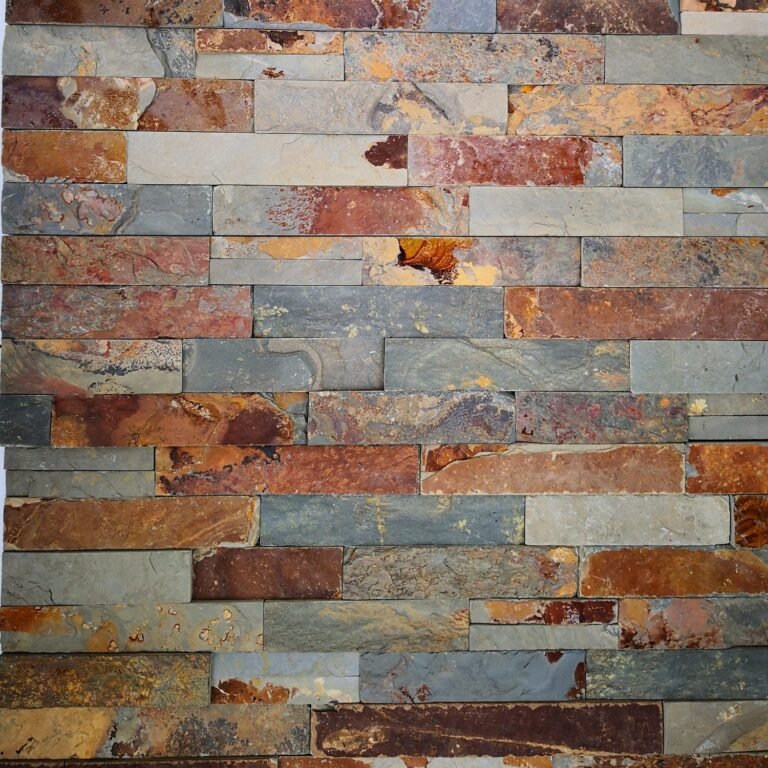
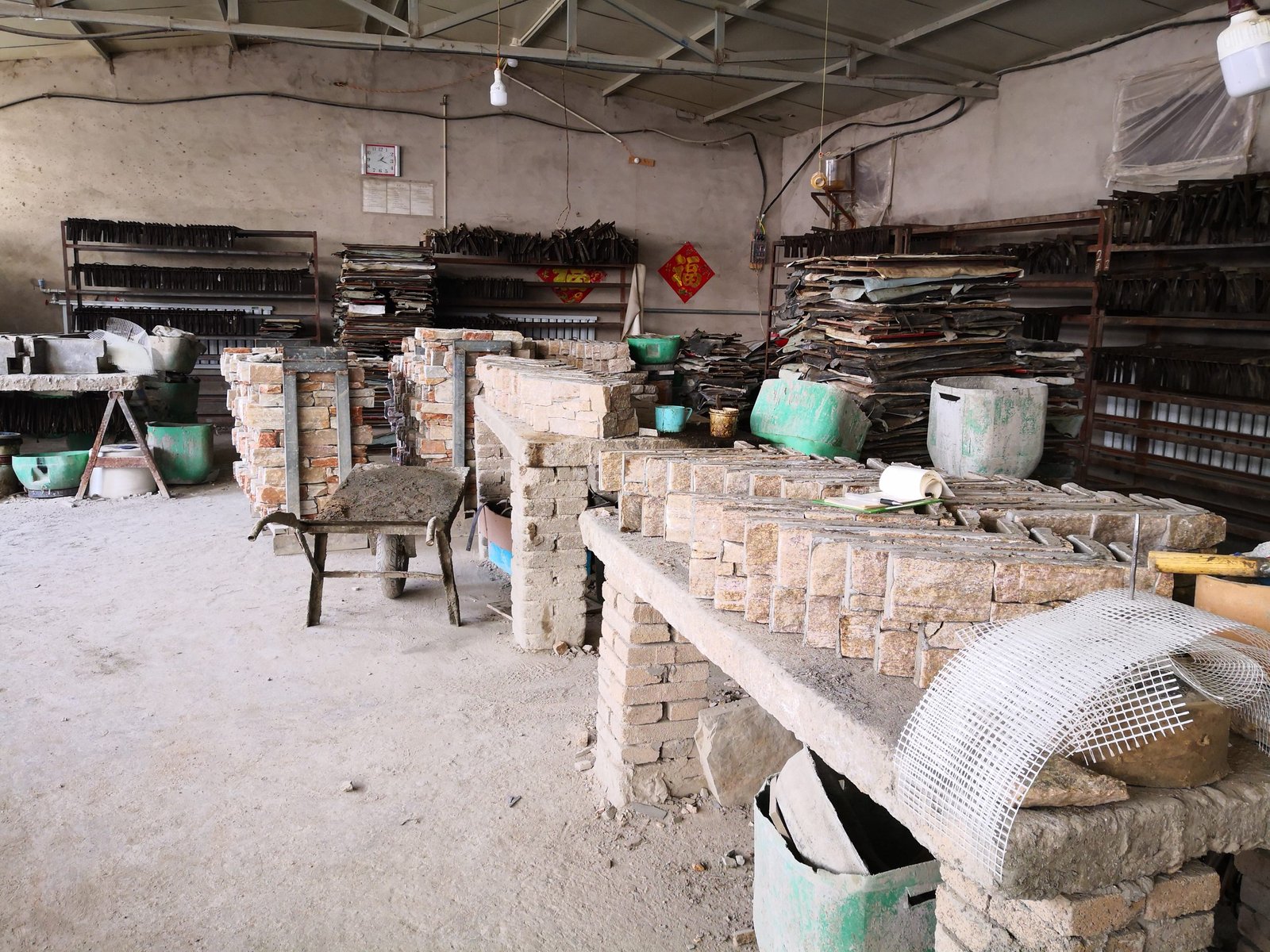
A high-resolution layout photo of the actual production run. Not a reference image of a similar wall. The photograph shows the panels laid out as they were produced, so the buyer can see color transition, profile and joint behavior across the run that is already finished. Rejecting a batch is a conversation; rejecting a photograph of a finished batch is a decision.
A loading video of the container being filled and strapped. The video proves the packing method was followed, shows crate orientation and strapping, and dates the load. It is also the evidence that makes a breakage claim arguable instead of anecdotal, which is exactly why it exists.
Write the acceptance window as well. Name a number of days in the agreement, so a buyer who receives the photo package either accepts it or states the remedy inside that window. Without a stated period an open-ended review becomes an open-ended argument, and it cuts both ways: the supplier cannot book the vessel either. The timing chain is worked through in the import production timeline guide.
Inspection Standard and Defect Classes
An inspection clause needs three things named: the standard, the defect classes, and the sample basis. Without all three it is an intention.
The method we specify is acceptance sampling against an acceptable quality limit (AQL), a practice we write into our own pre-shipment protocol. In plain terms it fixes two things before anyone opens a carton: how many panels get pulled from the lot, and how many defects of each class are tolerated before the lot is rejected. State the limit and the defect classes in the agreement. Do not leave the inspection to whoever turns up on the day, and keep the numbers inside the contract rather than in a phone call. Our inspection sequence is documented in the pre-shipment inspection guide.
- Critical: cracked or chipped panels through the face, delamination between stone and backing, and any panel that will not seat on the schedule module.
- Major: thickness outside tolerance, face lipping across adjacent panels, color outside the approved batch range, and packaging that will survive handling but not a 26.5-tonne stack.
- Minor: carton labelling, pallet wrap, and documentation gaps that cost time at the dock rather than at the wall.
Anchor the inspection to two physical references: a sealed sample, signed and dated by both parties, and a random sample pulled from packed cartons rather than from a staged pile. Inspecting from the packed cartons is the only version of this that tests what actually ships.
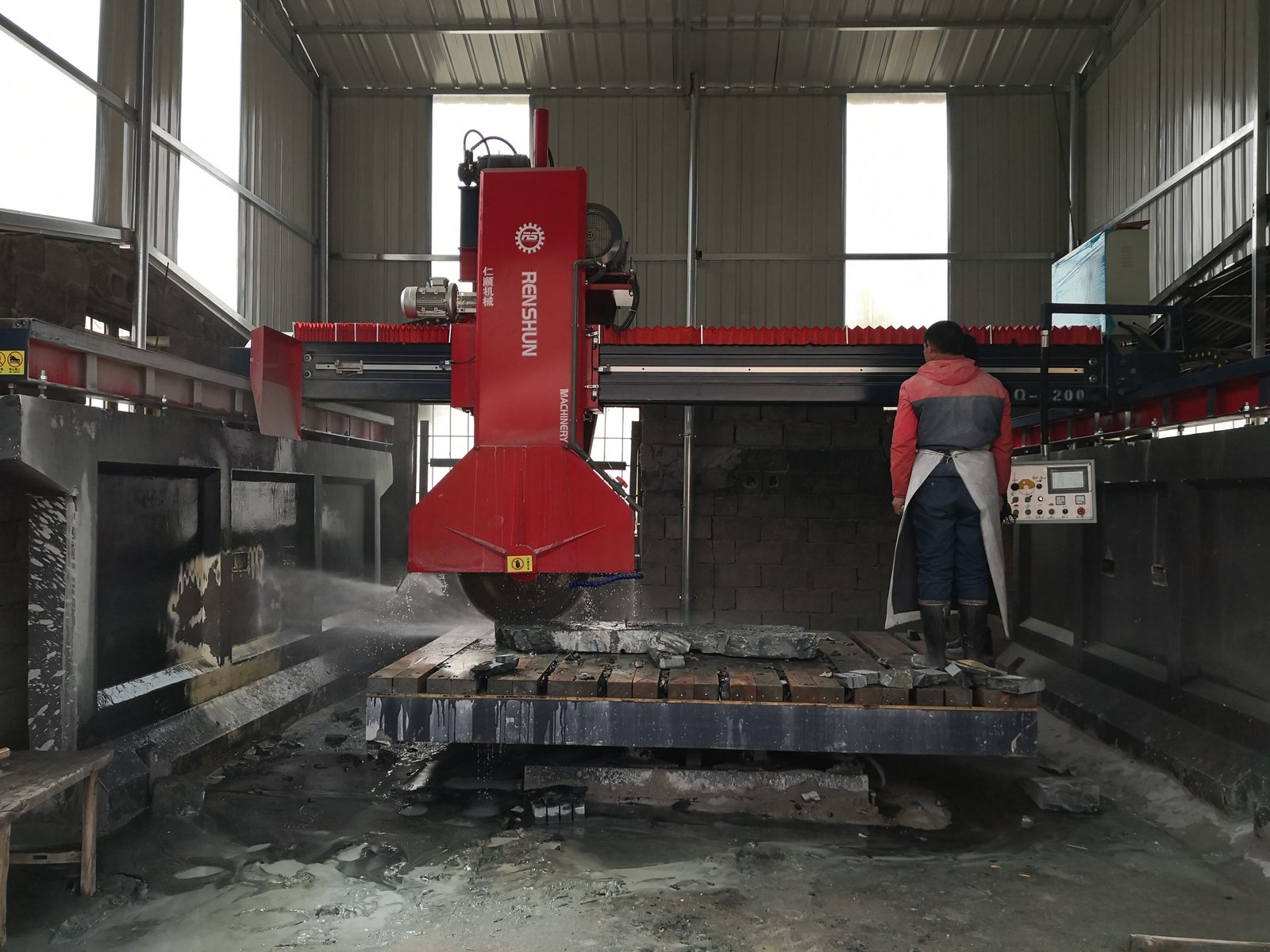
Then name who performs it. A third-party inspection is legitimate, and our three-step quality control process is written so an external inspector can work from the same thickness and batch records we do. The difference is timing. A third party reports after the run is finished, while an in-house protocol with a named replacement path resolves a pre-shipment finding inside the production window. Write which of the two applies, because that choice decides how long a rejection takes to fix.
Our audit trail for this part of the process should be walkable, either on a factory visit or on a live video call at the moment of packing. The damage claim path that follows a failed delivery is set out in the damaged shipment claims guide.
Color and Dimensional Tolerances
Natural stone varies, and an agreement written as though it does not is going to fail at the first delivery. The correct structure is a named source plus a bounded outcome.
For color, three terms carry the weight. The order is drawn from one declared quarry vein, recorded as a batch reference on the packing list. Hand sorting is applied before packing. And the visible outcome is bounded by a stated maximum number of shades across any single elevation, agreed at mock-up stage. Batch-Specific Vein Selection holds 95%+ color-transition consistency across an order, which is the measurable version of what a spec means by “coordinated.”
For dimensions, specify the measurement, not the adjective. Thickness at a stated number of points per pallet, checked with a caliper. Face flatness across a straightedge on a sample of panels. Module fit, tested by dry-laying a section and measuring the joint. Each of those three has a defensible method, and the agreement should name the tool as well as the limit.
Write the remedy for a tolerance miss as replacement of the affected pallets rather than a discount on the whole container. A discount settles the argument; replacement settles the wall.
Send the format you buy, the annual volume and the install window. The export team returns a proforma with dated lead times, the layout photo and loading video release conditions, and packing obligations stated as terms.
Explore Our Products -> | 1 to 3 day samples | Three-stage QC protocol | ISPM 15 crated, FOB Xingang
Packaging Is a Service Level
Breakage is the most common loss on a stone container, and it is almost entirely a packing compliance question. So packaging is not a line item in the specification, it is a service level with an inspectable method.
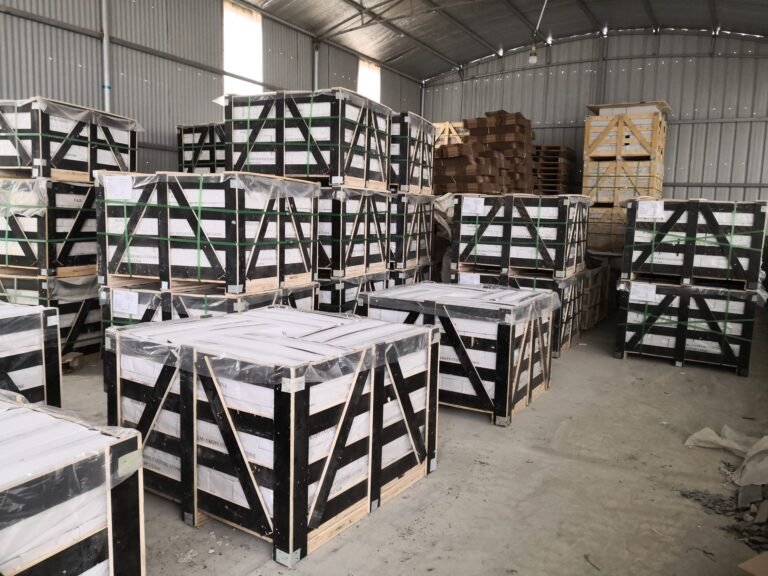
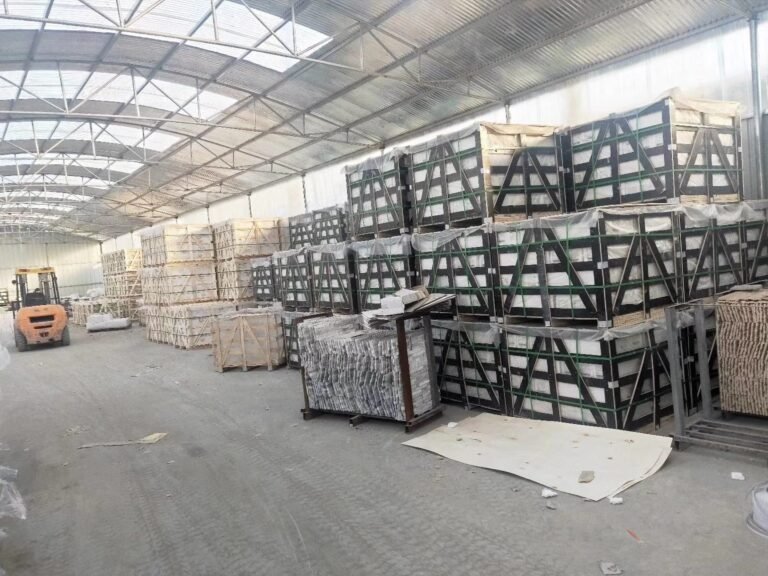
Our protocol is written as a zero-breakage standard: thickened fumigated wooden crates, 4 to 6 high-tensile strapping bands, container air bags, and a load rated for 26.5-tonne heavy freight.
The fumigation is a documentary requirement, not a quality preference. Timber crating carries an ISPM 15 mark under the phytosanitary measures published by the International Plant Protection Convention, and the certificate travels with the packing list. A buyer’s customs broker checks that mark the same way they check the certificate of origin, so it belongs in the agreement as a deliverable.
Put three obligations in the agreement, and all three are verifiable from the loading video. Crate specification and strapping count. Air bag placement. Container floor condition and load pattern. Light formats make the count easier to prove. The thin ledgestone panels in the 36x10cm profile stack to a predictable number per crate, so a missing strap or air bag shows up on the video rather than inside the wall. A claim that depends on what happened in a sealed box is unwinnable unless the method was filmed before the doors closed.
Claims and the Remedy Ladder
A remedy clause is only useful if it is ordered. Escalate from the cheapest fix for the buyer to the most expensive, and let the supplier earn the right to the first one by responding inside a stated window. The warranty behind this ladder covers the material over years, not the transaction over weeks, so the two documents should reference each other. What a stone panel warranty should contain is a separate question with separate terms.
| Stage | Trigger | Remedy |
|---|---|---|
| 1. Replace | Tolerance or breakage loss within the first install week | Replacement panels on the next consolidated load |
| 2. Credit | Replacement will not arrive inside the install window | Credit against the next order or the balance |
| 3. Cure at supplier cost | Sorting or re-packing needed at origin after acceptance | Supplier pays inspection and rework, shipment date held |
| 4. Exit | Two missed dated commitments in a rolling period | Reorder elsewhere without losing the deposit on open lines |
Deadlines belong on the claim, not after it. File a breakage claim with a counted list, photographs against a known reference, and unloading video, within days of the container being opened. Delay converts a documented packing failure into a dispute about site handling, which is a much harder argument to win.
On the other side of the same door, notice what the buyer owes. Late balance release after accepted evidence is a missed service level too, and it produces exactly the same class of loss: a container sitting at a berth and accruing charges per day. Write the buyer’s obligation into the same page as the supplier’s.
Clauses Not to Ask For
Penalty percentages per day of delay. They read as tough and rarely survive contact with a real schedule. Absent a definition of what the delay cost you, the number becomes a negotiating chip rather than compensation, and the supplier prices the risk into the quote instead.
Zero defect language. Natural stone varies. An agreement that promises no variation is a promise to argue about it later. Write bounded variation with a named source instead.
A blanket right to reject the container. Rejection of a full load is the most expensive outcome available to both parties and it usually follows a conversation that could have produced a pallet replacement. Keep rejection for the classes that genuinely make the wall unusable.
Force majeure drafted by the supplier. A quarry, a port and an ocean leg each have their own interruption patterns. If the clause excuses the supplier for anything upstream while the buyer’s site date stands still, the risk transfer runs the wrong way.
Clause Checklist Before You Sign
Eleven lines, each one enforceable by a document rather than by memory. Print them against the proforma before the deposit goes out.
- Sample lead time stated as working days, with the specification approval date recorded.
- Production lead time stated as working days from deposit receipt, split between stock and custom-carton orders.
- Named shipping port and a booking window after evidence acceptance.
- Layout photo of the actual run defined as a release condition for the balance.
- Loading video defined as a release condition, with strapping count visible.
- Inspection basis stated as sampling against an AQL by defect class, with critical, major and minor defined for stone.
- Sealed sample signed and dated by both parties, retained by the buyer.
- Thickness, flatness and module-fit tolerances written as measurements with an inspection method.
- Single vein batch reference printed on the packing list, with the maximum shade count across an elevation agreed at mock-up.
- Crate specification, strapping count, air bag requirement and ISPM 15 mark written as packing obligations.
- Claim deadline and remedy ladder, from replacement to credit to exit, with response windows.
Supplier SLA Questions Answered
When should a stone supplier SLA be agreed?
Before the deposit clears. Once the 30% advance is paid, the buyer’s only enforceable lever is the balance, so terms that were never written cannot be enforced against it later.
What evidence should release the balance payment?
A high-resolution layout photo of the actual production run and a loading video showing crate orientation and strapping. Written as release conditions, those two documents are the strongest control a buyer has on a container order.
How do you write color consistency into an agreement?
Name one quarry vein batch on the packing list, require hand sorting before packing, and bound the outcome with a maximum number of visible shades across any single elevation agreed at mock-up stage.
Which inspection standard applies to stone panels?
Acceptance sampling against an AQL, with defect classes defined for stone: breakage and delamination as critical, tolerance and color deviation as major, and labelling or documentation gaps as minor. Sample from packed cartons, not from a staged pile.
What happens if stone arrives broken?
The claim rests on packing compliance proven before sailing. File a counted list, photographs against a known reference and unloading video within days of opening the container, then apply the remedy ladder starting with replacement.
Is a penalty per day of delay worth insisting on?
Rarely. Without a definition of what the delay actually cost, the percentage becomes a negotiating chip and the supplier prices the risk back into the quote. Dated milestones with a cure-at-cost remedy work better.
Conclusion
A working stone supplier SLA is short, dated, and evidence-based. It says how many days, from which trigger, proven by which document, remedied in which order. Written before the deposit, it costs nothing. Discovered after the container opens, it costs the whole margin on the job.
Key takeaways:
- Tie every lead time to a start trigger and split stock orders from custom-carton orders; 1 to 3 days, about 20 days and 25 to 30 days are different clocks.
- Make the layout photo and loading video the written release condition for the 70% balance, with a stated acceptance window.
- Specify inspection by AQL defect class against a sealed sample, and write tolerances as measurements taken with a named tool.
- Order the remedies from replacement to credit to cure-at-cost to exit, and file breakage claims with a deadline rather than a mood.
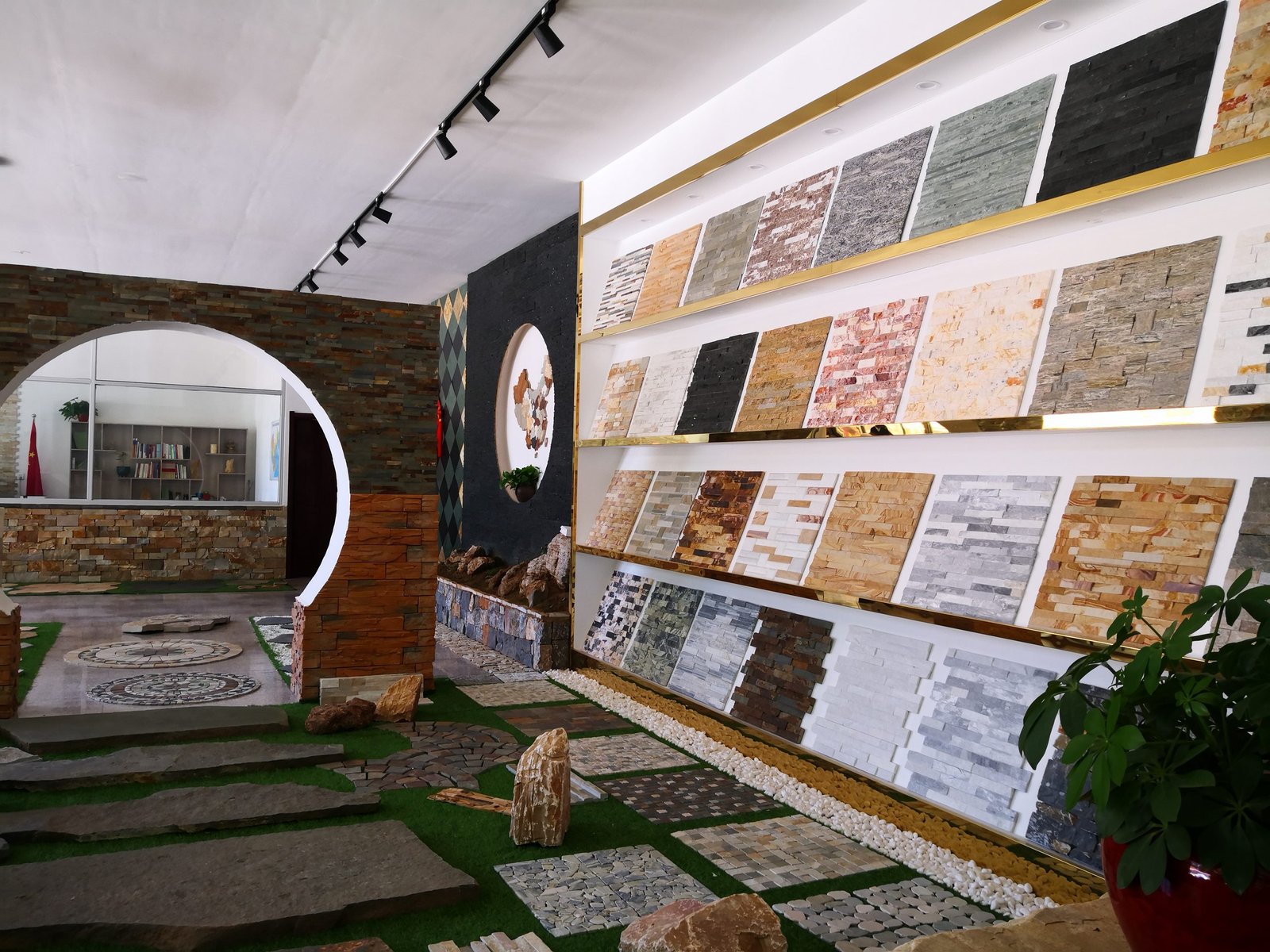
Ready to attach the missing page to your next order? Send your order schedule to Top Stone Panels. The export team returns a proforma with dated lead times, the layout photo and loading video release conditions, packing obligations and ISPM 15 crating stated in writing.