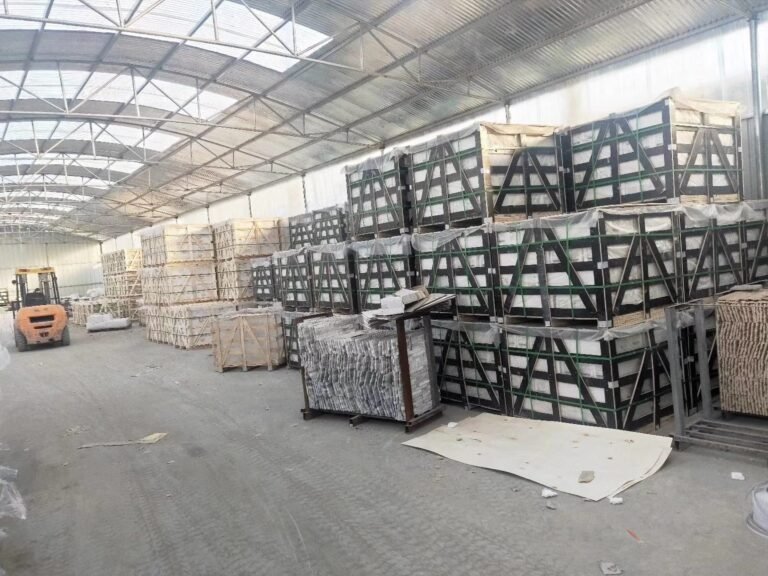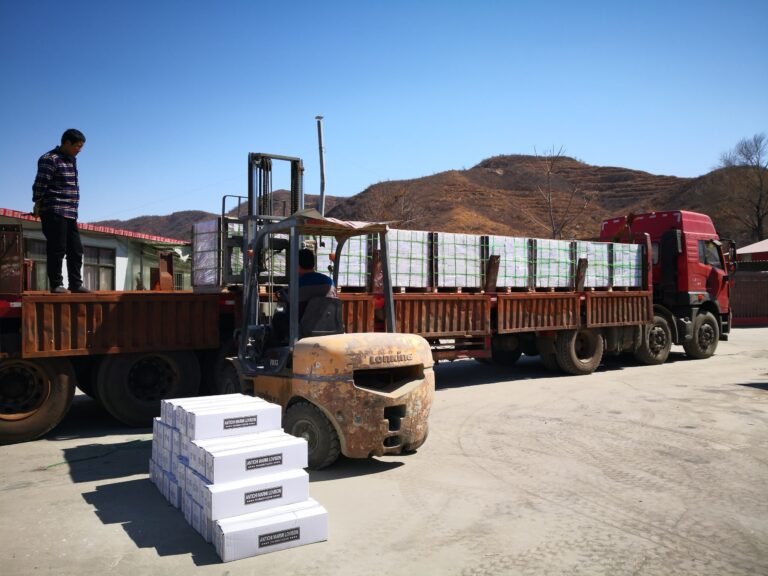
Stone export documents decide whether your container moves. A distributor can negotiate the right price, approve the right sample, and pack the right squares, then lose a week at the port because the bill of lading names the wrong consignee or the packing list shows a different gross weight than the invoice. Buyers who understand these documents treat them as part of the product, not as supplier back-office noise.
The three documents that carry every stone export are the commercial invoice, the packing list, and the bill of lading. Each has a different job. Customs values and classifies from the invoice, port and forwarder teams handle volume and weight from the packing list, and the bill of lading moves the title and the transit contract. A certificate of origin, ISPM 15 or fumigation evidence, insurance, and test reports complete the set.
This guide runs through what each document contains, who needs it, and where shipments typically break down. It closes with the cross-check rules and the checklist a buyer should hold a stone factory to. The numbers used here — MOQ, lead time, payment terms, packaging protocol — come from what Top Stone Panels ships out of its Hebei factory, so the workflow is the one a real China-stone order follows. The same set carries a facade of stacked stone panels or a patio load of flagstone.
- The commercial invoice, packing list, and bill of lading must tell the same story: same container and seal numbers, same gross weight, same carton count, same HS codes.
- Invoice states value and HS codes; packing list states weights and cube; bill of lading is the contract of carriage and the title document.
- Stone is weight-limited freight, so gross weight, per-pallet weights, and payload planning matter more than cube calculations.
- Supporting documents — certificate of origin, ISPM 15 or fumigation evidence, test reports, loading video — turn a plain shipment into a verifiable one.
- Clean on board, telex release, and sea waybill are different delivery modes; pick based on payment method and bank requirements.
- At Top Stone Panels the order runs 30/70 T/T, production 20-25 working days, MOQ one 20GP, samples in 1-3 days.

- The Three Documents That Carry a Stone Container
- Commercial Invoice: The Document Customs Prizes Most
- Packing List: Weights, Cube, and Boxes
- Bill of Lading: Title, Transit, and Delivery Mode
- The Supporting Document Set
- How Documents Move Through a Stone Order
- The Three-Way Check: Container, Seal, Numbers
- Letters of Credit Demand Exact Documents
- Buying Direct From a Chinese Factory
- Documentation Checklist Before Shipment
- FAQ
- Conclusion
The Three Documents That Carry a Stone Container
Think of the paper set as three layers. The invoice is the value layer. The packing list is the physical layer. The bill of lading is the legal layer.
Customs in the destination country reads the invoice to classify the goods by HS code and assess duty. The forwarder and the port read the packing list to know what is on each pallet and how much the whole load weighs. The carrier, the bank, and the importer read the bill of lading to know who owns the cargo and when it can be released.
One rule binds them: the three documents must match. If the invoice describes 2,400 panels and the packing list counts 2,360, or the bill of lading shows a different seal number than the one on the booking, someone stops the shipment. Sometimes it is the bank under a letter of credit, sometimes the customs officer, sometimes the insurance surveyor after a damage claim. Fix the mismatch before the container leaves, because every port-side correction costs days and fees. The damaged shipment claims guide shows what happens when the paper trail and the physical load disagree at arrival.
Commercial Invoice: The Document Customs Prizes Most
The commercial invoice is a sales document, but customs treats it as the valuation record. Every figure on it should be defensible, because the duty assessment starts from it.
Seven fields matter on a stone invoice: seller and buyer legal names and addresses; a product description that matches the packing list; the HS code for each line; unit price and extended total; the incoterms reference (FOB Xingang, CIF, EXW, or DDP); the currency; and the payment terms. Add country of origin and marks and numbers so the goods can be traced to the cartons.
Description discipline buys time at the border. “Natural slate stacked stone panels, 15x60cm” clears faster and validates your tariff classification better than “stone products.” The importer should confirm the HS classification before production, because a wrong code at invoice stage becomes a duty correction, a customs query, or worse, a misdeclaration. The site’s customs clearance guide covers the classification and entry steps in more depth.
The invoice also triggers payment. On the standard 30/70 T/T schedule, the buyer pays the 70% balance after the factory sends loading video and layout photos, then the final commercial invoice is issued to match what actually loaded. That sequence — inspect the load, then invoice it — keeps the invoice honest.
Packing List: Weights, Cube, and Boxes
If the invoice is about value, the packing list is about physics. Every carton count, pallet count, dimension, and weight on it becomes someone else’s planning data.
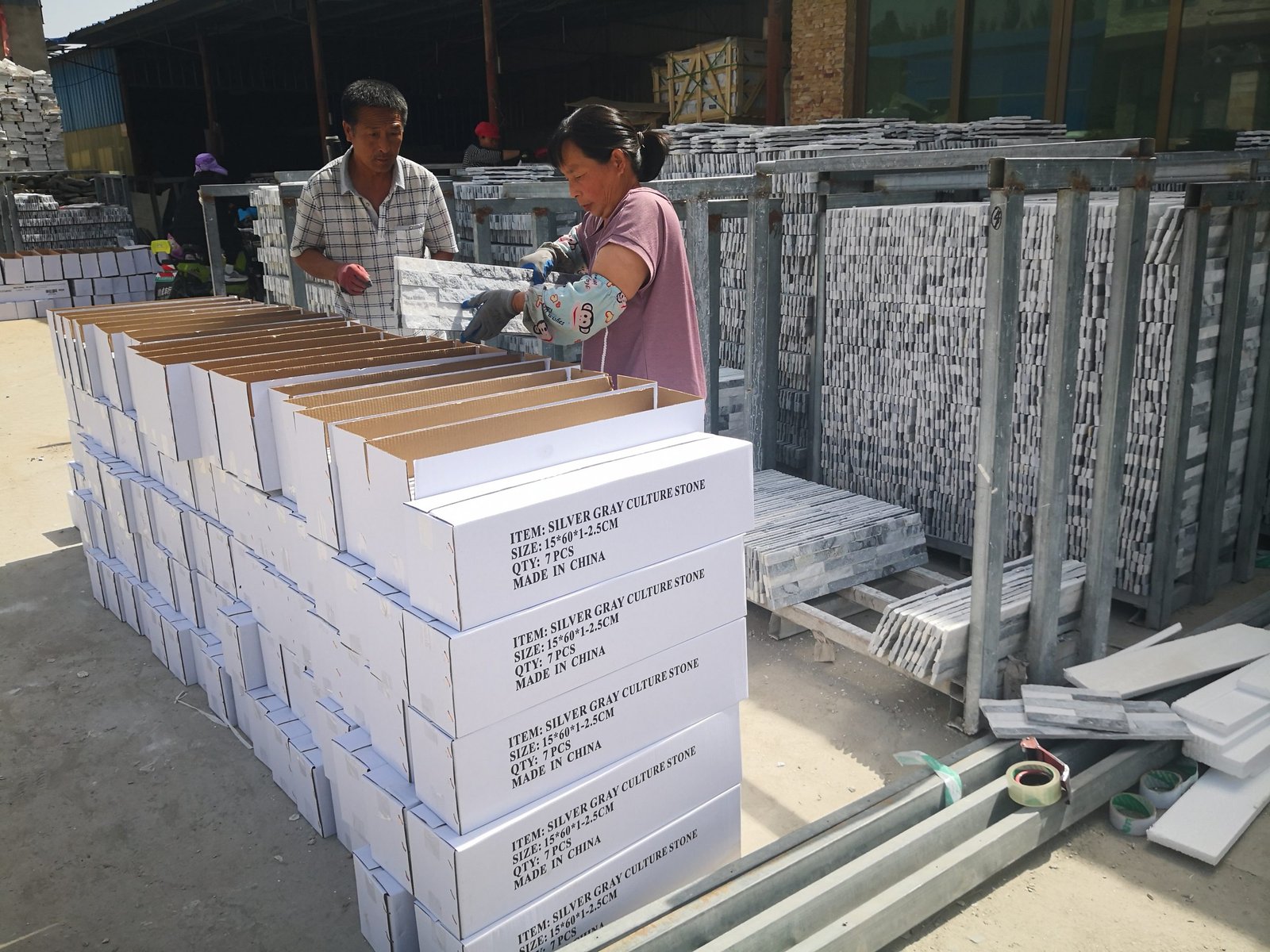
The packing list needs four blocks of information. First, the line items: product, size, quantity per carton, cartons per pallet, totals. Second, the measurements: carton dimensions, total cubic measurement, gross weight, net weight. Third, the palletization: pallets used, loads per pallet, banding and wrapping. Fourth, the marks: shipping marks, carton numbers, and the container and seal numbers once loading happens.
Stone is weight-out freight. A container of panels runs out of legal payload before it runs out of cube, so the gross weight on the packing list is the number the forwarder, the port, and the trucker all plan around. The stone panel weight calculator explains how to estimate container weight from panel dimensions during quoting; the packing list is where the estimate becomes an actual.
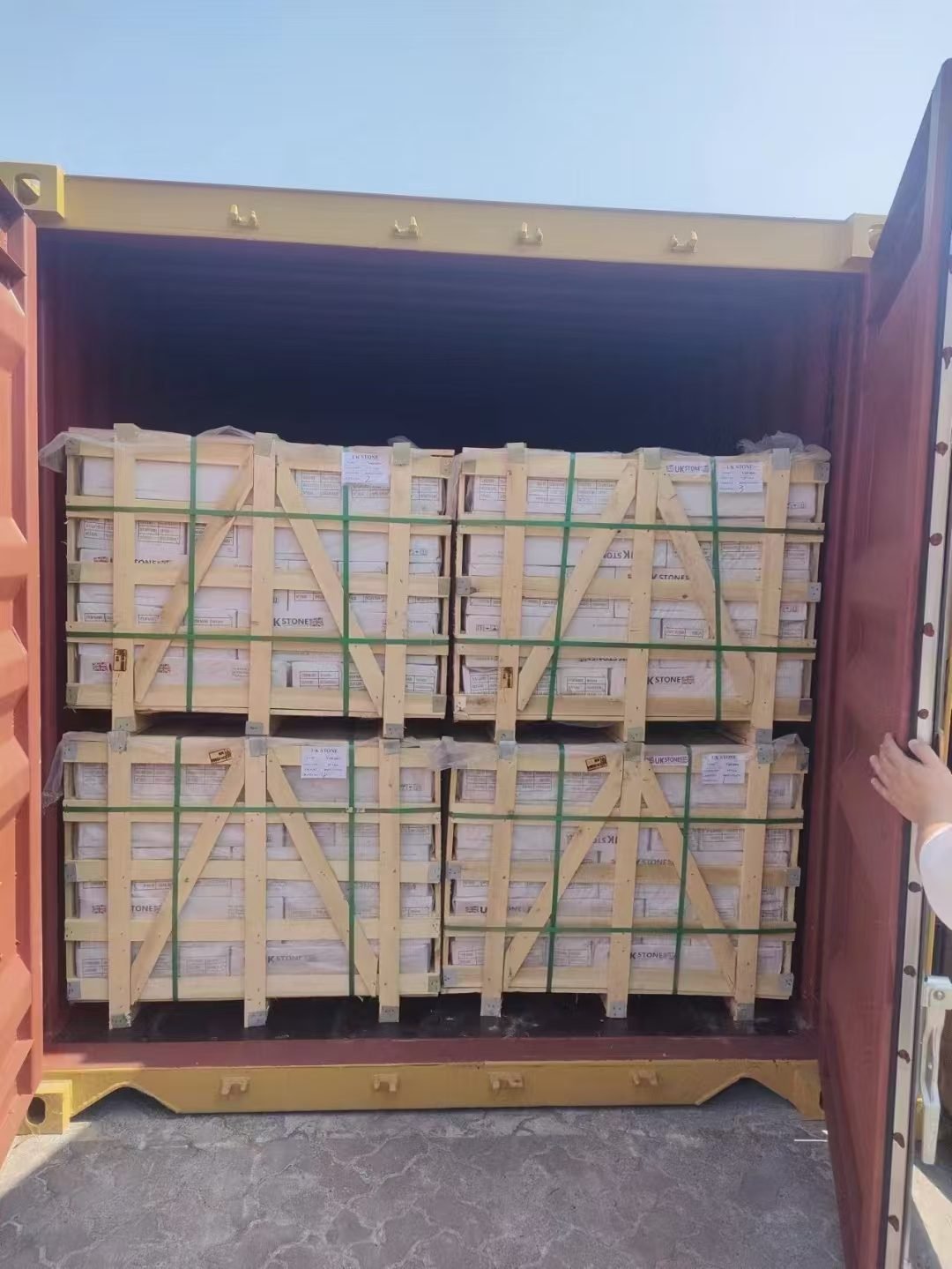
Top Stone Panels ships under its Zero-Breakage Packaging Protocol: 3-5 layer reinforced cartons, plywood pallets that need no fumigation, 4-6 steel bands per load, and industrial air bags inside the container. The packing list should name that protocol, because the container loading and packaging spec is something your insurer and your receiving team will want documented.
Bill of Lading: Title, Transit, and Delivery Mode
The bill of lading is the only one of the three that is a legal document, not just a record. It is the contract of carriage between shipper and carrier, the receipt showing the goods were loaded, and the document of title that controls who can claim the cargo.
Three fields decide how the cargo moves. The shipper is normally the factory or its trading company. The consignee is who the cargo is consigned to, or “to order” when the title needs to stay transferable while the ship is at sea. The notify party is who the carrier contacts at arrival, usually the buyer or their clearance broker. A consignee mistake is the classic stone-shipment delay: the container arrives, the intended buyer cannot claim it, and a document amendment costs time and money.
The delivery mode matters as much as the fields. An original bill of lading is a physical title document, required when a letter of credit or a transshipment needs the buyer to hold the paper. Telex release lets the carrier release the cargo on an electronic instruction after the original set is surrendered, which is fast and standard for straight 30/70 T/T orders. A sea waybill is not a title document at all, only proof of carriage, and suits buyers who do not need control of the goods in transit. Choose the mode when you place the order, not when the container is at the port.
Confirm the master-bill structure too. For a full container, the factory’s freight forwarder can issue a house bill that names the factory as shipper and the buyer as consignee, or you can hold a master bill directly from the carrier. The house-bill route is common from Xingang and fine for container loads, but read it before accepting it, because some banks under letters of credit want the carrier’s master bill. The T/T vs letter of credit guide compares both payment routes and what each needs from this document.
The Supporting Document Set
Around the three core documents sits a second ring. It varies by destination, incoterm, and payment method, but a stone order usually touches at least four of these.
| Document | What it proves | Who needs it | From Top Stone Panels |
|---|---|---|---|
| Certificate of origin (COO) | Country of origin for duty assessment and trade claims | Destination customs, buyers under preferential trade terms | Provided on request |
| ISPM 15 / fumigation evidence | Wood packaging treatment status for biosecurity | Border authorities (e.g., DAFF in Australia, USDA for the US) | Fumigation-free plywood pallets; certificate on request |
| Pre-shipment inspection report and video | Count, condition, and loading evidence | Buyer, insurer, and the 70% balance payment release | Standard part of the process |
| Test reports | Material performance: absorption, flexural strength, freeze-thaw | Specifiers, building officials, and buyers with project compliance | On request; see test report guide |
| Insurance certificate | Cover under CIF or buyer-placed marine cargo insurance | Buyer and bank under letter of credit | Arranged when CIF is quoted |
Two of these deserve a closer look. The ISPM 15 requirement applies to wood packaging, and because Top Stone Panels ships on fumigation-free plywood pallets, most routes need no fumigation certificate at all — but the buyer should confirm the destination rule and ask for the document when the route requires it. The ISPM 15 guide walks through the marking and documentation details. The certificate of origin is the other one buyers forget: it is cheap to obtain and expensive to miss, so the COO guide explains when it is required and how to secure it.
How Documents Move Through a Stone Order
Documents are not produced in one burst on shipping day. They move in five stages, and a buyer who expects the full set late in production is asking for a delay.
| Stage | Document created | What happens |
|---|---|---|
| Quotation | Proforma invoice | Locks pricing, incoterms, HS codes, and delivery; the buyer confirms against it |
| Pre-production | Sample approval, color and size confirmation | Samples ship in 1-3 days; the approved sample becomes the acceptance reference |
| Production | Packing list draft, test reports | Factory runs 3-step QC; the 20-25 working day window starts after deposit |
| Loading | Loading video, layout photos, final packing list | Buyer reviews the load, pays the 70% balance, and the invoice and COO are finalized |
| Arrival | Bill of lading + original document set | Buyer or broker clears customs, checks the container, and releases the load |
The 30/70 T/T sequence explains the rhythm. Deposit clears, production runs, the loading video confirms the actual load, the buyer pays the balance, and the factory releases the documents. That is why asking for loading evidence is not mistrust; it is the control point that makes the 70% payment safe. The pre-shipment inspection guide lists exactly what to review in the video and photos.

The Three-Way Check: Container, Seal, Numbers
Before the container leaves the factory yard, run the three-way check. Take the packing list in one hand, the invoice draft in the other, and the booking confirmation on screen, then match every field that appears in more than one place.
Start with identity: container number and seal number appear on the booking, the bill of lading, and the packing list. A seal number that does not match is a security event at the destination port. Move to volume: carton counts and gross weight must be identical on invoice and packing list. End with description: the HS code and product wording on the invoice must match what customs will see on the declaration, because a mismatch between invoice and entry is how misdeclaration penalties start.
Weight deserves a second look on stone. The packing list gives net stone weight and gross shipping weight; the bill of lading typically states gross weight and sometimes volume. If the destination is a market that weighs containers on inbound scales, a packing list that understates the load is not a paperwork detail — it is a demurrage bill. The incoterms guide and the FOB Xingang vs CIF comparison show where responsibility for those discrepancies sits under each term.
Letters of Credit Demand Exact Documents
If payment runs through a letter of credit, the documents stop being a formality. They become the inspection standard the bank pays against, and any deviation from the credit’s terms is a discrepancy the bank can refuse.
Common stone-trade discrepancies include a commercial invoice that does not state “FOB Xingang” verbatim as the credit requires, a bill of lading presenting as the shipper when the credit says the beneficiary must be the shipper, or a description on the packing list that adds words the credit did not include. Banks do not interpret; they compare. One comma difference can trigger a rejection.
Two practices reduce the risk. First, send the draft documentation to the buyer for review before the original set is issued — a pre-advice round catches most field-level errors. Second, confirm the consignee wording early: “to order of the issuing bank” or “to order of the applicant” are different instructions with different release rights. The 30/70 T/T vs LC at sight guide compares the cost and effort of both routes so a buyer can decide whether the LC protection is worth the document discipline it demands.
Buying Direct From a Chinese Factory
Buying direct from a quarry-based factory in China changes the document set in one important way: the factory becomes the shipper, and its paperwork must stand alone at your border. No trading company in the middle to reconcile discrepancies.
What that means in practice is picking a supplier whose document process is tested. Top Stone Panels runs the standard set from its Hebei operation: proforma invoice at quotation, commercial invoice and packing list that reference the actual loaded cartons, COO and ISPM 15 documentation on request, and the pre-shipment inspection video before the 70% balance is due. The how to source from China guide and the supplier verification checklist cover how to test a factory’s document discipline before you commit a container.
Two buying habits make any direct order smoother. Agree the document schedule in the sales contract — who issues what, by when, and in what form — instead of assuming it. And keep a named contact who can adjust a field on a document after the cargos are loaded; the factory relationship guide explains why response speed matters more than the org chart once a shipment is at sea.
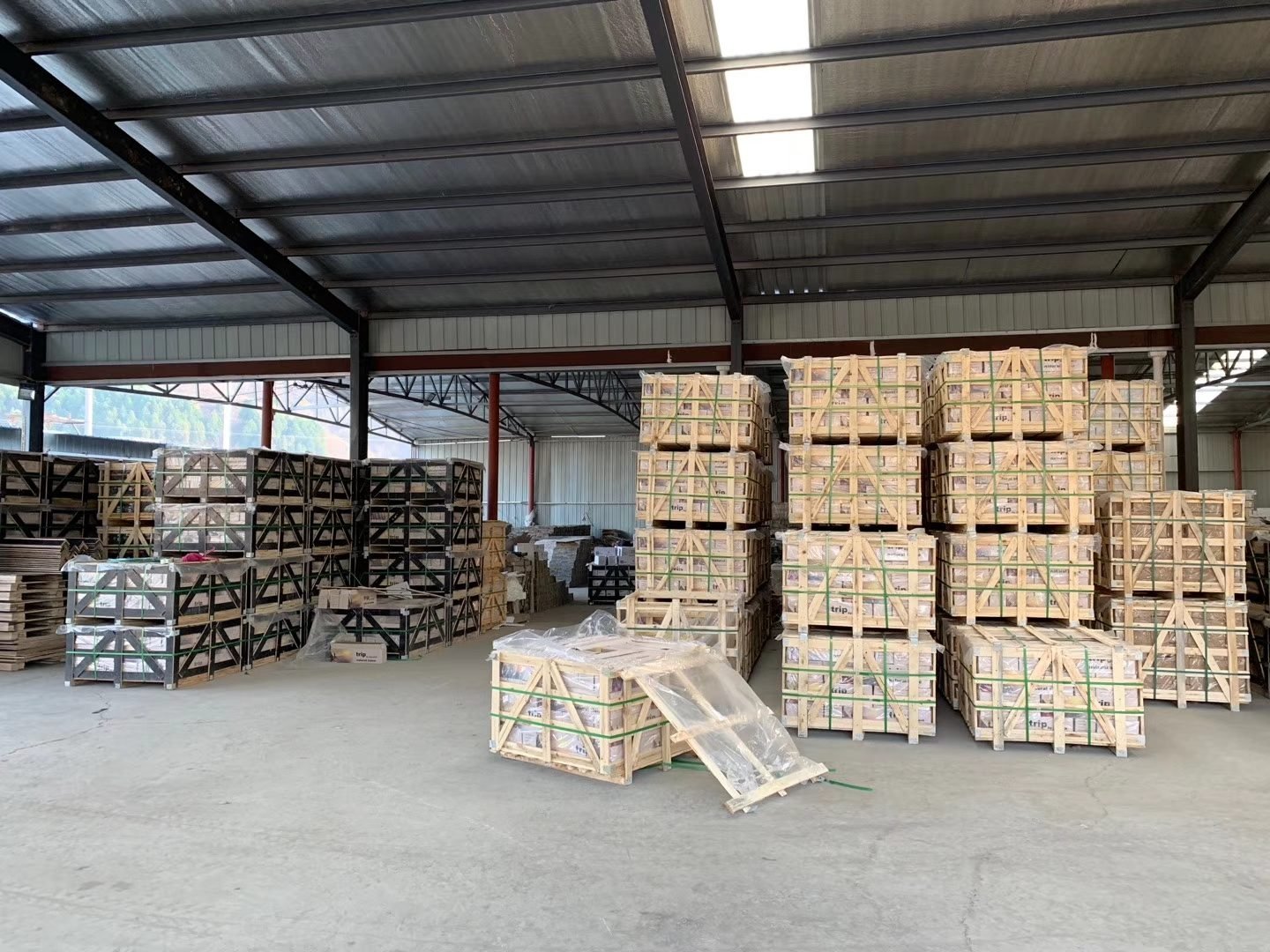
Ask for the document schedule at quotation, not after production. Get the proforma, sample match, and container quote in one pass — then hold the loading video before the 70% balance.
Documentation Checklist Before Shipment
Use this as the final gate before the container door closes. Anything missing here is cheaper to fix on the ground in Hebei than at your port.
| Check | Why it stops problems | Where to look |
|---|---|---|
| Invoice, packing list, and bill of lading fields match | Container, seal, weights, and carton counts all agree | Three-way check before loading |
| HS codes confirmed by destination customs | Avoids reclassification, duty correction, and queries | Buyer’s broker at quotation stage |
| COO requested and issued | Supports duty and trade claims at destination | Factory before loading |
| ISPM 15 or fumigation evidence settled | Biosecurity at the destination border | Packing list + destination rule |
| Loading video and layout photos reviewed | Confirms count and condition; releases 70% balance | Before payment |
| Bill of lading mode and consignee agreed | Original, telex release, or sea waybill matches payment method | Booking stage |
Add anything your destination market requires beyond this set. The Canton Fair and sourcing events are where buyers typically meet suppliers who can explain their document process face to face; use that first meeting to ask how they handle the checklist, because the answer tells you more than the sample board.
FAQ
What documents are required to export stone panels?
The commercial invoice, packing list, and bill of lading are required. A certificate of origin, ISPM 15 or fumigation evidence, test reports, and insurance complete the set depending on destination and payment terms.
Who prepares the export documents?
The factory issues the invoice, packing list, COO, and test reports; the freight forwarder compiles the bill of lading with the carrier. The buyer reviews the set before shipment and before payment.
What is the difference between a bill of lading and a sea waybill?
A bill of lading is a document of title that controls who claims the cargo; a sea waybill is only proof of carriage and releases the cargo to the named consignee automatically.
How can I check a packing list against the actual container?
Review the loading video and layout photos: count pallets, confirm carton and steel-band condition, and match the container and seal numbers to the packing list before paying the balance.
Do stone panels need an ISPM 15 fumigation certificate?
Only when the wood packaging requires treatment. Top Stone Panels ships on fumigation-free plywood pallets, but can provide ISPM 15 documentation when a destination route requires it.
Conclusion
Stone export documents do three jobs, and each document owns one: the invoice prices the shipment for customs, the packing list measures it for the port, and the bill of lading moves the title for the bank. When they agree, the container clears. When they disagree, the container waits.
- Confirm HS codes and the document schedule at quotation, not after production.
- Hold the factory to the three-way check: container, seal, weights, and carton counts must match across invoice, packing list, and bill of lading.
- Choose the bill of lading mode by payment method: original for LC, telex release for straight 30/70 T/T.
- Request the COO, settle ISPM 15, and review the loading video before paying the 70% balance.
The factory-side numbers are straightforward: samples in 1-3 days, MOQ of one 20GP container, production in 20-25 working days, and the full document set from Top Stone Panels. Start the conversation on the contact page with your destination market and HS code, and ask for the document schedule with the quote.