Plenty of contractors and tile-shop owners want to start selling stone panels. Very few make it past the second container. The ones who fold rarely fail because the product was bad — natural slate and quartzite sell themselves once a buyer sees them. They fail because they picked the wrong partnership structure and never did the margin math before the first order locked their capital into a warehouse.
Becoming a stone panel distributor is a supply-chain decision dressed up as a sales opportunity. The questions that determine whether it works are not “will people buy this?” but “which partnership model fits my capital and my market?”, “where does my margin actually come from?”, and “what does the factory owe me beyond a price list?”
This guide answers those three. It compares the four distributor partnership models, breaks down the real sources of margin with a worked cost model, sets out the capital you need to start at a one-container minimum, and lists the terms worth negotiating before you sign anything. If you are still at the very beginning — registering the business, finding a warehouse, landing your first customers — read the step-by-step startup guide first; this piece assumes the business exists and focuses on the supplier partnership and the economics.
What a Stone Panel Distributor Actually Does
A distributor buys at container volume from the factory, holds or finances inventory, and sells in smaller quantities to the trade — contractors, tile and stone retailers, landscape suppliers, designers, and regional developers. The margin lives in that gap: wholesale-in, smaller-wholesale-or-retail-out. Top Stone Panels sells strictly B2B wholesale to distributors and project buyers, which means the distributor is the channel to the end customer, not an optional middleman.
Three functions define the role. First, you carry inventory so a contractor can buy two pallets today instead of waiting seven weeks for a container from China. Second, you absorb the import complexity — freight, duty, clearance, inland haulage — so your buyers never deal with it. Third, you provide local stock, samples, and credit terms that a factory on the other side of the ocean cannot. Each function is worth money, and together they are why a distributor earns a margin rather than a commission.
Understand this and the partnership question sharpens. You are not just buying product; you are buying supply continuity, lead-time cover, and the right to represent a manufacturer in your territory. The model you choose determines how much of that you get and what it costs.
The Four Partnership Models Compared
Every stone panel distributorship runs on one of four structures. They differ in capital, control, and margin, and choosing the wrong one for your situation is the most expensive early mistake you can make.
| Model | How It Works | Capital Needed | Margin Profile | Best For |
|---|---|---|---|---|
| Authorized reseller | You sell the factory’s branded product as an approved stockist | Moderate — 1+ container inventory | Standard wholesale spread | New distributors testing a market |
| Private label / OEM | The factory produces panels under your own brand | Higher — larger minimum runs | Wider — no brand premium paid out | Established distributors with volume |
| Regional exclusivity | Territory rights in exchange for annual volume commitments | High — committed purchase targets | Protected — no in-territory competition | Distributors confident in demand |
| Dropship / broker | You take orders, the factory ships direct; you hold no stock | Low — no inventory | Thin — asset-light, freight-bound | Project brokering, not stocking |
Authorized reseller is the right starting point for almost everyone. You buy branded stacked stone and cladding, stock it, and sell it with the factory’s marketing support behind you. Capital exposure is limited to the containers you actually order, and you learn your market’s real demand before committing to bigger structures.
Private label / OEM is where margin widens, because you stop paying a brand premium to anyone else and the product carries your name. The factory handles OEM and ODM production, including private-label and custom color mixing. The catch is volume: custom runs and branded packaging carry higher minimums, so private label rewards distributors who already move product. Start here only when your reorder cadence justifies it.
Regional exclusivity trades commitment for protection. You agree to an annual purchase target; the factory agrees not to appoint a competing distributor in your territory. This is powerful if demand is proven and dangerous if it is not — you are on the hook for the volume whether the market delivers or not. Negotiate exclusivity only after two or three successful reorder cycles.
Dropship / broker is the weakest fit for stone and the one to be most skeptical of. Container-scale ocean freight and a 20–25 day production window mean direct-ship lead times are long and the customer experience suffers. Brokerage works for one-off projects where the buyer accepts the timeline; it does not build a stocking distribution business. If someone pitches you asset-light stone dropshipping as the easy path, the freight math is the reason it usually is not.
Where Distributor Margin Actually Comes From
Margin is not a single number the factory hands you. It is the gap between your landed cost and your sell price, and landed cost is a stack.
Start with the FOB factory price — the cost of the panels loaded at Tianjin Xingang. Add ocean freight. Add import duty and any customs fees for your market. Add inland haulage from the port to your warehouse. Add your overhead: storage, insurance, capital carry, and the breakage you will eat. That total is landed cost. Your sell price minus landed cost is gross margin, and every layer in the stack is either a cost you control or a cost you can negotiate.
The mistake new distributors make is anchoring on the FOB price and ignoring the rest. Two suppliers can quote the same FOB and deliver very different landed costs, because one packs to a zero-breakage standard and the other hands you a five percent loss on arrival. The full cost breakdown — FOB, shipping, and landed cost — is the model to build before you compare a single quote.
A Worked Margin Model (Illustrative)
The numbers below are an illustrative model, not a quote. Your actual FOB price, freight rate, and duty set the real figures — get them in writing from the factory and your forwarder. The point is the structure, so you can drop your own numbers in and see where margin leaks.
| Cost Layer | What It Covers | Who Controls It |
|---|---|---|
| FOB factory price | Panels loaded at Xingang port | Negotiated with factory by volume |
| Ocean freight | Container to your destination port | Forwarder + Incoterm choice |
| Import duty & fees | Customs clearance into your market | Fixed by HS code and trade rules |
| Inland haulage | Port to your warehouse | Your logistics arrangement |
| Overhead & breakage | Storage, insurance, capital carry, losses | Your packing spec and stock turn |
Run the model as a per-square-meter figure, not a per-container figure, so you can price against local competitors. A container carries roughly 26.5 tons of product; divide your full landed cost by the sellable square meters in it and you have your true cost per m². Add your target gross margin and you have a floor price. Anything a customer negotiates below that floor is a loss, and knowing the floor before the conversation is what keeps a distributor solvent.
Two levers move the model most. Buying at container volume lowers the freight and overhead cost per m², because those are largely fixed per container. Controlling breakage protects the sellable meters — the zero-breakage packaging protocol is why a factory’s packing standard belongs in your margin conversation, not just your quality conversation.
What Moves Your Margin Up or Down
Once the model is built, six variables decide whether a distributorship is worth running. Each is a decision you make before or during the order.
- Product line. Higher-value formats — thin ledgestone, Z-panels, column kits — carry more margin per m² than commodity loose veneer, but they also move slower and tie up more capital per unit.
- Container volume. Freight, duty handling, and overhead spread across more square meters as you fill the container. A part-full container is the quietest margin killer in the business.
- Freight terms. FOB, CIF, and DDP shift cost and risk between you and the factory. The FOB versus CIF comparison and the Incoterms guide show which term hands you the better landed cost for your lane.
- Private label versus branded. Your own brand removes the premium you would otherwise pay a middle layer, at the cost of higher minimum runs.
- Breakage rate. Every damaged panel is paid-for square meters you cannot sell. Insist on the packing standard and the loading video.
- Payment terms. Capital has a cost. The 30/70 T/T versus LC terms change how long your cash is tied up, which is a margin line most distributors forget to count.
Pull these together and the pattern is clear: margin is earned in the buying decisions, not at the sales counter. A distributor who buys smart can price competitively and still profit; one who buys carelessly cannot discount their way to a healthy margin.
What a Strong Factory Partner Provides
A price list is not a partnership. Before you commit, know what a serious manufacturer brings to the relationship beyond the product itself — because these are the things that make your distribution business runnable.
Fast samples. Physical samples couriered in one to three days let you test, show, and specify without waiting on a container. Run them through the sample evaluation checklist before you order.
OEM and private-label capability. The ability to produce under your brand, with custom color mixing, is what lets a reseller grow into a margin-protected private-label distributor without changing suppliers.
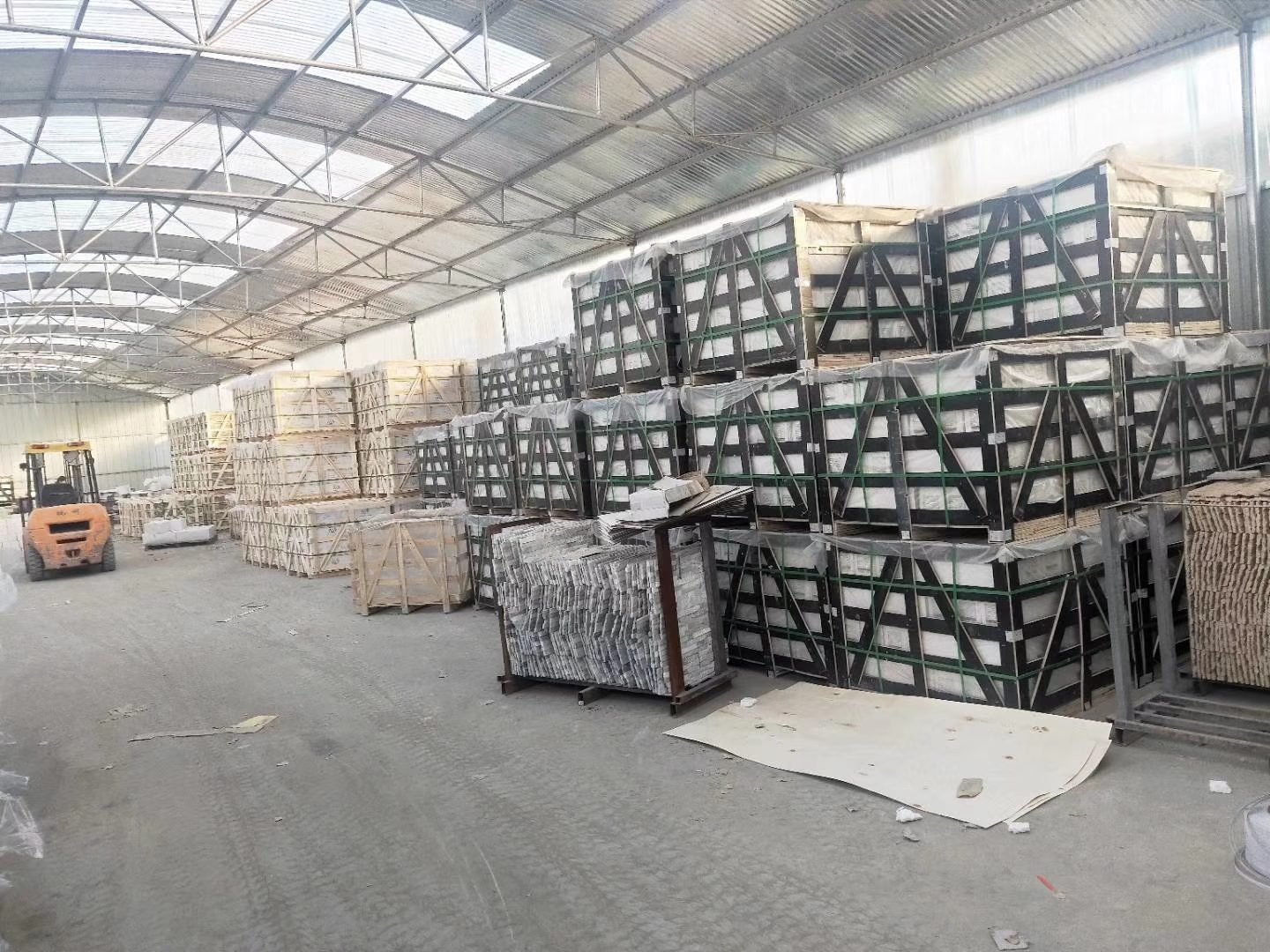
Real capacity. Supply continuity is the whole game for a distributor. A factory shipping 220+ containers a year with roughly 260,000 m² of monthly panel capacity can keep your stock flowing through a busy season. A smaller plant cannot, and a stockout costs you the customers you worked to win.
Export documentation. Certificate of Origin, ISPM 15 fumigation certificates for pallets, and pre-shipment inspection reports keep your containers moving through customs instead of sitting at port.
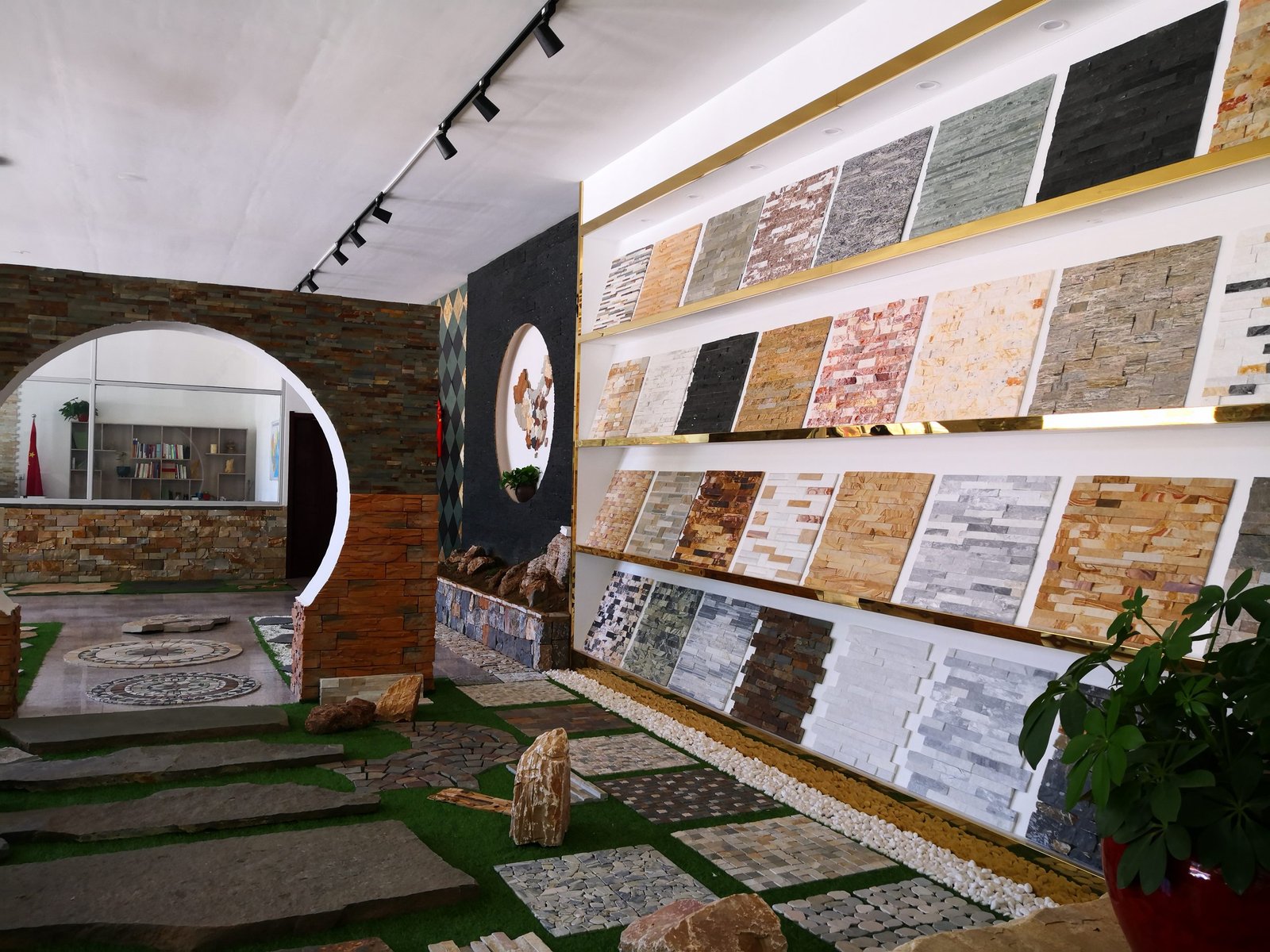
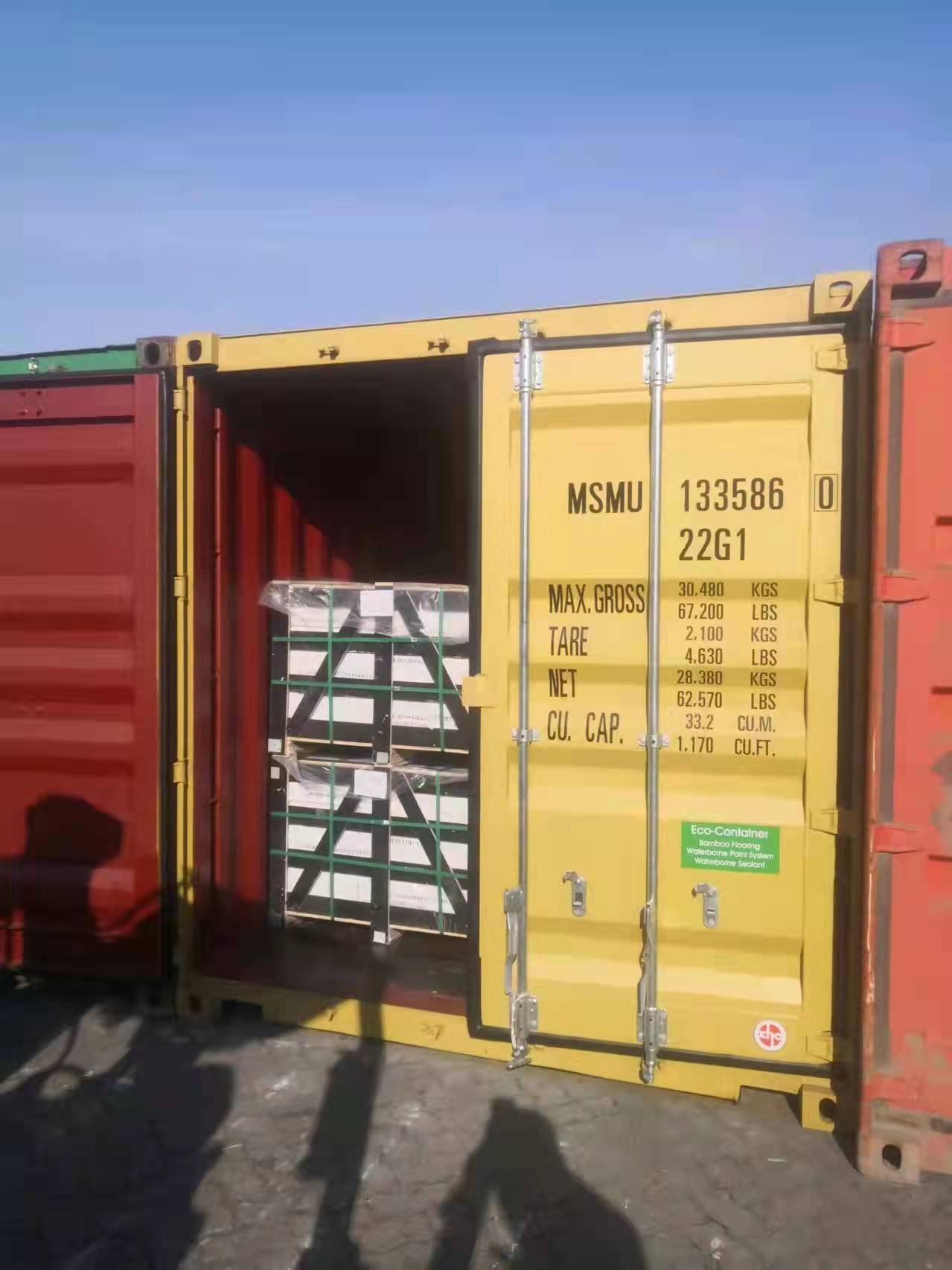
Showroom and display support. Sample displays and a showroom display wall turn a warehouse into a selling floor. Ask whether the factory supplies display materials and merchandising guidance.
The Capital You Need to Start
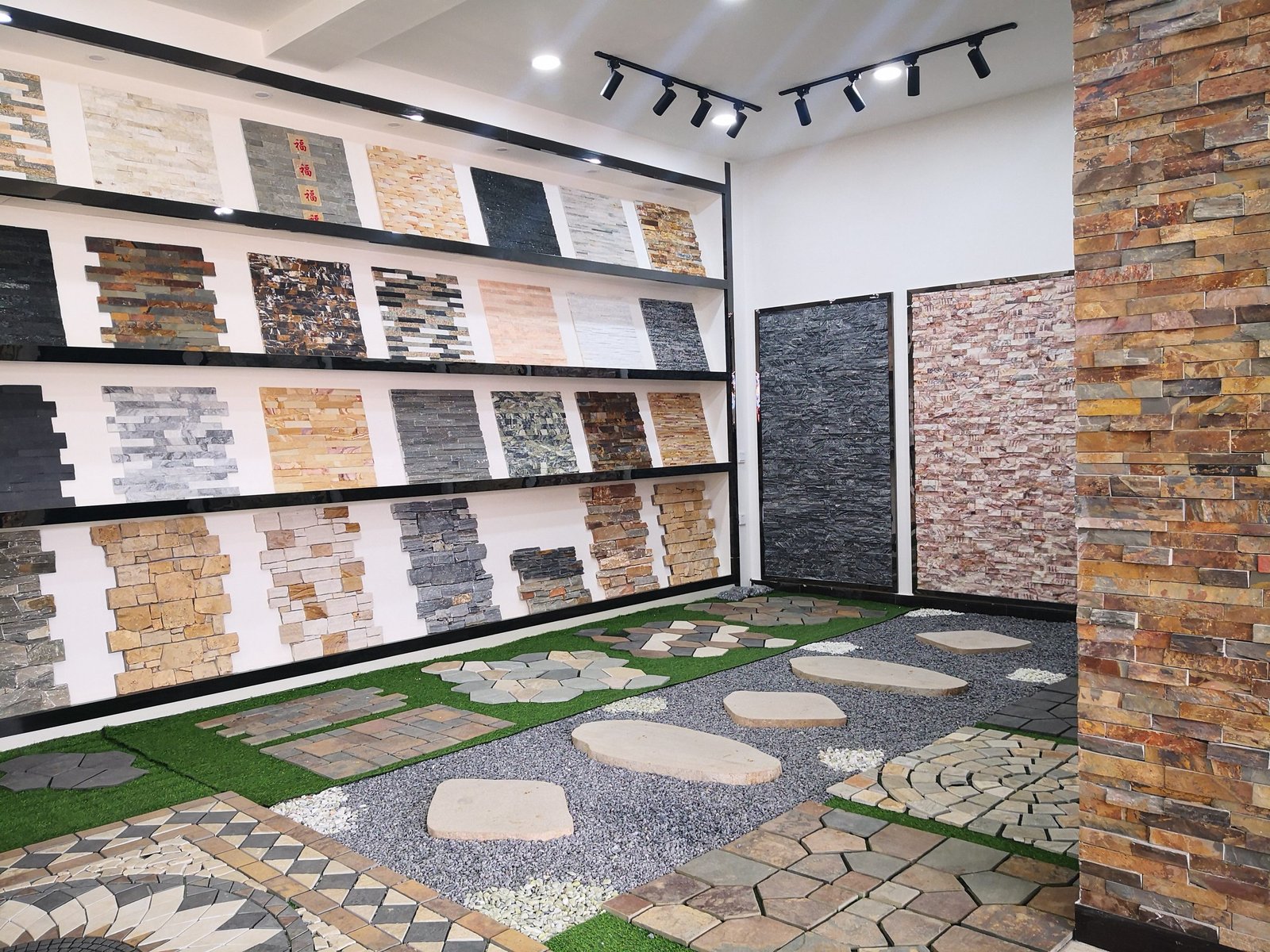
Entry cost is set by the minimum order, and the minimum order is one 20GP container per product line. There is no half-container starter pack in this trade, so plan the first buy as a full container plus everything it takes to land and store it.
The capital stack has four parts. The container itself — product at FOB. The landing costs — freight, duty, inland haulage. The carrying costs — warehouse space, insurance, and the cash tied up until the stock sells. And a buffer, because the first order teaches you what you got wrong. Payment terms are typically thirty percent deposit and seventy percent before shipment, which means the full container cost is committed before the goods reach you. That cash-flow gap is the real barrier to entry, not the product price. For the business-planning side — insurance, credit, and working-capital basics — the U.S. Small Business Administration is a practical starting point for structuring the entity and the books.
A new distributor can soften the exposure with a mixed container — several product types in one shipment instead of a full container of a single format. This spreads capital across a broader range, lets you see which lines your market actually wants, and reduces the risk of sitting on twenty pallets of a format nobody buys. It is the smartest first order for almost any new distributorship.
Negotiating the Partnership: Terms That Matter
Price is the term everyone negotiates and rarely the one that matters most. The clauses below decide whether the partnership works when volume arrives and something goes wrong.
| Term | What to Negotiate | Why It Matters |
|---|---|---|
| Tiered pricing | Price breaks at defined annual volumes | Rewards growth without renegotiating every order |
| Production slot | Reserved capacity and a written lead time | Prevents your order slipping behind bigger customers |
| Payment terms | Deposit structure, LC option for large orders | Controls how long your cash is committed |
| Sample policy | Free or credited samples, courier time | Lets you sell and specify before committing |
| Claims & breakage | How damaged goods are credited or replaced | Decides who eats the loss on a bad container |
| Marketing support | Display materials, images, co-op advertising | Lowers your cost to sell the product |
Two of these deserve emphasis. The production slot is what turns a quoted 20–25 working days into a reliable date you can promise your own customers — reserve it in writing, especially for a rolling program. The claims term is the one that reveals a factory’s honesty: a supplier with a proven zero-breakage protocol will define the credit process clearly, while one that is vague about damage is telling you what a bad container will cost you. The pricing negotiation guide covers the seven factors that move an FOB quote; pair it with these terms and you negotiate the whole deal, not just the headline number.
Evaluating a Partnership Offer: Red and Green Flags
Every factory will tell you they are a great partner. The differences show up in what they will and will not put in writing, and in how they respond to scrutiny.
Green flags: capacity data by product line, not one headline number; samples shipped in days, not weeks; a pre-shipment inspection video offered before your balance payment; clear claims and breakage terms; references from existing distributors in markets like yours; and willingness to do a live or in-person factory audit covering the cutting line, assembly floor, packing area, and quarry source.
Red flags: a promised margin that looks too fat for the product class; reluctance to name the quarry source or show capacity; refusal of a pre-shipment inspection; pressure to pay the full balance before any inspection evidence; and exclusivity offered immediately, before you have proven any volume — a factory handing out territory rights to a first-time buyer is usually short on better partners.
The verification is not complicated and it is not optional. Run the supplier verification checklist and the China sourcing guide before you sign. A quarry-direct manufacturer with eighteen years of export history welcomes the audit, because the audit is where it beats the trading companies. The one that resists it is answering your question.
Scaling From One Container to Ten
The first container proves the market. The next nine build the business, and they reward a distributor who plans the growth rather than stumbles into it.
Scaling is mostly a scheduling and pricing conversation. Reorder on a predictable cadence so the factory reserves your production slot and you never face a stockout in a busy season. As annual volume rises, move onto the tiered pricing you negotiated and revisit private label — at ten containers a year, your own brand usually beats reselling someone else’s. Plan every order against the production window plus transit; the lead-time and scheduling guide shows how to build that calendar backwards from your customers’ delivery dates.
Treat the growth as one rolling program with reserved capacity, not ten separate purchases that each re-enter the queue. That single reframe is the difference between a distributor who gets priority and one who waits. It is also the moment to revisit exclusivity — with proven volume, territory protection becomes an asset you have earned rather than a risk you have guessed at.
Frequently Asked Questions
What are the main partnership models for a stone panel distributor?
Four models dominate: authorized reseller (you sell the factory’s branded product), private label or OEM (your brand on the panels), regional exclusivity (territory rights in exchange for volume commitments), and dropship or broker (asset-light, limited in stone because of container-scale freight). Most new distributors start as authorized resellers and add private label once volume justifies it.
How much capital do I need to become a stone panel distributor?
The minimum order is one 20GP container per product line, so entry capital is the cost of that container plus freight, duty, inland delivery, and warehouse space. Payment terms are typically 30% deposit and 70% before shipment, which means the full container cost is committed before the goods arrive. A mixed container lets a new distributor spread that capital across several product types.
Where does a stone panel distributor’s margin come from?
Margin is the gap between landed cost and sell price. Landed cost stacks the FOB factory price, ocean freight, import duty, inland haulage, and your overhead. Distributors widen margin by buying at container volume, choosing higher-value product lines, controlling breakage, and moving to private label, which removes the brand premium paid to a middle layer.
What should a good stone panel factory partner provide?
Physical samples in one to three days, OEM and private-label capability, custom color mixing, enough capacity to guarantee supply continuity (Top Stone Panels ships 220+ containers a year), export documents such as Certificate of Origin and ISPM 15, showroom and display-wall support, and a pre-shipment inspection video before your balance payment. Capacity and inspection are the two that separate a manufacturer from a trading company.
How do I scale from one container to ten?
Reorder on a predictable cadence so the factory can reserve your production slot, negotiate tiered pricing as annual volume rises, and plan each order against the 20–25 working day production window plus ocean transit. Distributors who treat a rolling program as reserved capacity rather than ten separate purchases get better pricing and reliable scheduling.
Bottom Line: Build the Partnership Before the Sales
A stone panel distributorship succeeds or fails on two decisions made before the first sale: which partnership model fits your capital and market, and whether the margin math survives your real landed cost. The product is the easy part. Natural stone sells to anyone who sees it installed; the hard part is structuring the supply relationship so you stay profitable and in stock while you sell it.
Here is the action roadmap:
- Start as an authorized reseller with a mixed container. Limit capital exposure, learn which lines your market wants, and prove demand before committing to private label or exclusivity.
- Build the landed-cost model before you compare quotes. Know your cost per sellable m² and your floor price, and put breakage and payment terms into the margin math, not just the FOB number.
- Negotiate the terms that matter, not only price. Tiered pricing, a reserved production slot, sample policy, and clear claims terms decide whether the partnership works at volume.
- Verify before you sign. Capacity data by line, fast samples, a pre-shipment inspection video, and a factory audit separate a real manufacturer from a trading company.
Get the partnership structure and the margin model right and the sales side takes care of itself — contractors and retailers are always looking for a distributor who is reliably in stock and competitively priced. To go deeper on the buying side, the purchase specification template and the quantity calculation formula are the next two tools to put in place before your first container ships.