Brown stone veneer panels get dismissed as a regional taste, then they keep winning commercial jobs in the Mediterranean belt, the American Southwest, and the Gulf. Buyers who treat warm tones as a niche miss the reason these facades endure: the color is not painted on. Gold, copper, and tan in quartzite, slate, and sandstone come from iron oxides inside the stone, so the panel fades nowhere near as fast as the dye on a manufactured product, and the tone reads consistent from the first box to the last.
This guide covers the stone types that carry warm tones, the aging behavior that makes them facade-safe, and the ordering steps that keep a full container matching its sample: vein selection, color sorting, and the QC loop at the factory. For a distributor or contractor buying for a warm-climate region, that is the difference between a facade that looks composed after five years and one that drifts into a gradient.
- Warm tones in brown stone veneer panels are mineral color, not dye: iron oxides inside quartzite, slate, and sandstone create gold, copper, tan, and brown.
- High-density quartzite and slate in warm tones tolerate -30°C to +50°C freeze-thaw swings and pass as A-class non-combustible, so they are code-safe for exterior facades.
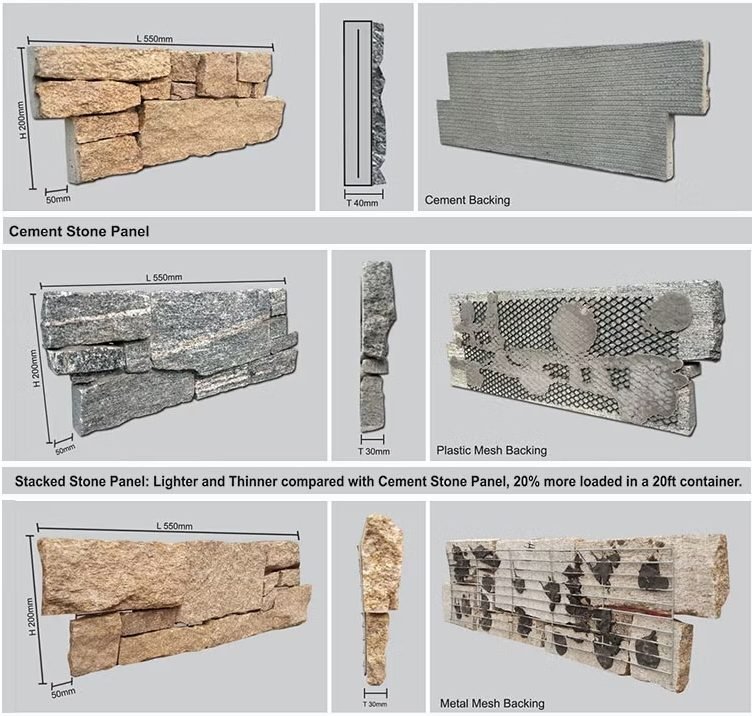
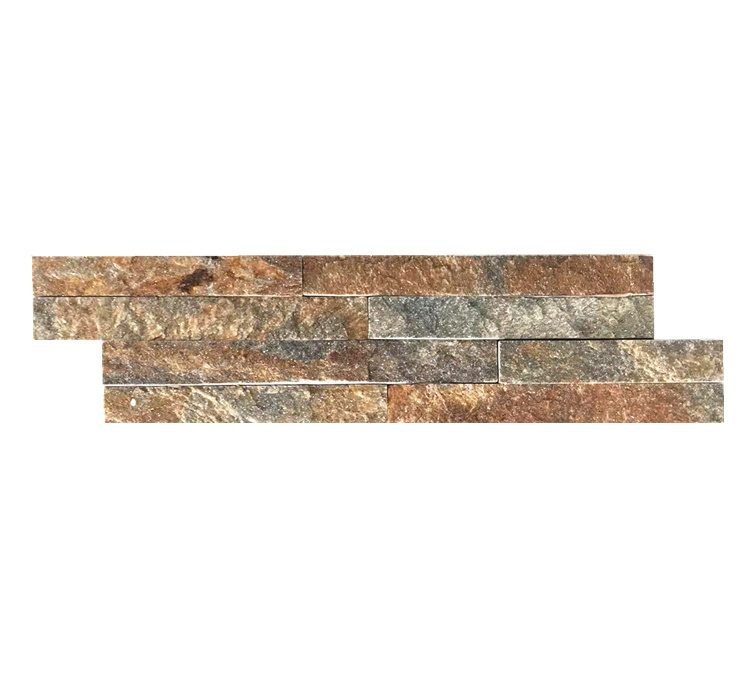
- Thin ledgestone panels in copper and rusty tones ship at 36x10cm format with 60,000 m²/month factory capacity at Top Stone Panels.
- Color consistency across a container is a supply-chain decision: one quarry vein, batch-specific sorting, and a sample that matches the production run.
- Wholesale warm-tone orders start at one 20GP container, samples ship in 1-3 days, and full production runs 20-25 working days after approval.
- Natural UV stability and salt-spray resistance make warm-tone stone a low-maintenance choice for coastal and high-sun regions.
Why Warm Tones Are Returning to Facades
Facade specifications moved through a long grey phase, and many specifiers assumed stone color was a fixed menu of charcoal and silver. The projects winning awards in sun-drenched regions tell a different story. Warm-toned stone reads as earth, not trend: it sits on a desert site the way grey never does, it hides the chalky residue of hard water better than dark surfaces, and it brightens a facade without the glare of a white wall.
There is a practical layer underneath the aesthetics. Warm facade tones photograph well against sky, keep a building visible in twilight, and age with fewer visible stains. A light grey facade in a dusty climate shows every tide mark within two seasons. A tan or copper facade collects the same dust and reads as texture. That maintenance argument is what convinces property managers, not the color wheel.
For distributors the demand is regional and repeatable. Mediterranean and coastal resort markets, Southwest residential projects, and the Gulf commercial sector all order warm tones as a baseline, not a special. The thin stone veneer line at Top Stone Panels carries beige-yellow, rusty, and copper splits precisely because these tones move in those regions every season.
Gold and Brown Color Families in Stone
Warm stone is a family of tones with different mineral sources, and the naming matters less than the geology. You hear gold, copper, tan, camel, rusty, and amber used for the same product by different suppliers. What you need to verify is whether the tone is natural or applied. Natural warm tones run through the full panel thickness; applied tone sits on the surface.
Here is how the main families break down, matched to the stone that actually produces them.
| Tone family | Source stone | How the color forms | Typical veneer format |
|---|---|---|---|
| Gold / beige-yellow | Quartzite | Iron oxides in the silica matrix | Linear loose stone, ledgestone |
| Copper / rusty | Quartzite, slate | Higher iron content, oxidized seams | Thin ledgestone, stacked stone |
| Tan / camel | Sandstone | Iron oxide grain cement | Loose veneer, flagstone |
| Brown / multicolor | Slate, quartzite blend | Mixed seams within one quarry vein | Ledgestone, stacked stone |
Quartzite and slate dominate the exterior market because they carry the density required for facade work. Sandstone in tan and cream tones is a strong interior and mild-climate exterior choice, and it shows in the warm-toned sandstone guide published earlier on this site. When a supplier says “brown stone veneer,” ask for the stone type and the vein, not just the color name.
The Stones Behind Warm Facades
Three stones carry nearly all warm-tone facade work: quartzite, slate, and sandstone. Their color physics differ, and that difference decides where each belongs.
Quartzite is metamorphic rock formed when sandstone re-crystallizes under heat and pressure, and the iron oxide content trapped during that process produces its gold and copper tones (quartzite formation and composition). It is one of the hardest common facing stones, which translates to a dense, low-absorption panel that resists water ingress in freeze-thaw climates. The quartzite panel guide covers the hardness and translucence details separately; for warm facades the point is that the tone survives weather because the density protects the color-bearing structure.
Slate forms from shale or volcanic ash and splits into thin, cleft-faced layers. Its brown and multicolor varieties keep the pragmatic strengths of slate: natural slip resistance on riven faces, thin panels that cover more square meters per container, and a look that holds up in coastal air (slate as a building material). Copper and rusty slate is often the best price point for a warm ledger panel because the material splits cleanly into thin strips.
Sandstone is the sedimentary origin of the family. Its warm tones come from iron oxide cementing the grains, and it is generally softer and more porous than quartzite, which is why specifiers accept it readily for interior walls, fireplace surrounds, and mild-climate exteriors but check the absorption rate before accepting it for a cold coastal facade. The sandstone vs limestone comparison walks through the coastal-climate performance trade-offs.
When you compare samples, hold the edge up to the light. A natural warm panel shows color running through the split face, with the quartz or slate grain visible in the break. A dyed or coated panel shows a thin surface layer and a pale core. That simple edge check screens out most manufactured substitutes before the price conversation starts.
How Warm-Tone Panels Age Outdoors
The aging story is what separates natural brown stone veneer panels from manufactured substitutes. Because the tone is mineral, there is no dye layer to oxidize or fade. High-density quartzite and slate in these lines rate for freeze-thaw swings from -30°C to +50°C, pass as A-class non-combustible material, and tolerate salt spray in coastal zones.
Three failure modes are worth naming before you specify:
- Efflorescence on cement-backed panels. If the backing wicks moisture, white salt can appear on a warm face. The fix is a panel with controlled absorption and a proper air gap or waterproofing behind it; the efflorescence removal guide shows the cleaning route if it still occurs.
- Color shift from water pooling. Warm tones show mineral staining faster than grey when water sits on the face. Standard cleaning with pH-neutral products and a sealed mortar joint keeps the tone even.
- Fading of adjacent materials. A natural stone facade stays stable while paints and vinyl on the same wall plane fade, which flatters the stone over time but can make the contrast with cheap trim grow. Specify the tone against a trim you are willing to live with for a decade.
The practical test for a warm facade is the freeze-thaw cycle, not the color. If the panel passes density and absorption requirements, the tone is weatherproof almost by default. The quartzite vs slate exterior comparison explains which density numbers matter most for a cold-climate facade.
Color Consistency at Container Scale
A single panel of brown stone veneer is easy to like. A full wall is another test: if the supplier pulls stone from multiple veins, the first container can arrive with a grey-brown drift scattered across the face. Color consistency at container scale is not a quality accident, it is a supply-chain decision made at the quarry and the cutting table.
Top Stone Panels runs the ordering chain in four controlled steps:
- Block selection. Each order is locked to one quarry vein, so the raw material cannot drift from the approved sample.
- Batch-specific color sorting. The same vein is split and sorted at the cutting stage, keeping gold and copper panels grouped rather than mixed randomly.
- Physical sample match. Samples ship in 1-3 days, and production starts only after the buyer approves a sample cut from the actual production batch.
- 3-step QC. Raw block, mid-production, and pre-shipment checks hold thickness tolerance and tone across the run.
That chain is why a buyer can order a 20GP container of copper ledgestone in March, add a second container in July, and still match the original approval panel. The alternative, assembling warm tones from whatever the yard has in stock, is how multi-container projects end up with a patchwork wall.
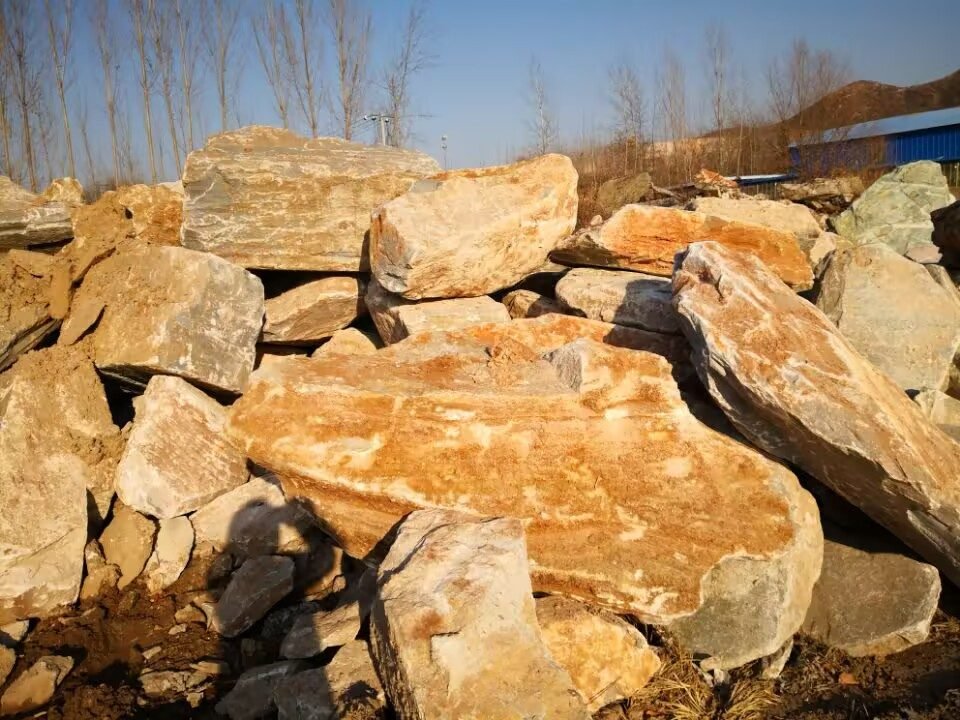
Ask for the quarry and block numbers when you place the order. A supplier who can name the vein behind your sample is controlling color at the source; one who replies with a sales color name is controlling nothing until the container arrives. This is the same logic as the quarry vein selection guide published earlier, applied to the warm-tone range specifically.
The quantity side is straightforward for distributors. Wholesale warm-tone orders start at one 20GP container on 30% T/T deposit terms, with the 70% balance due before shipment from Xingang. Full production runs 20-25 working days after sample approval, so a container ordered with the lead-time buffer arrives on schedule for the build season.
Where to Use Gold and Brown Veneer
Warm tones carry specific building types better than others. The shortlist for a distributor’s showroom conversation:
- Mediterranean and Tuscan-style facades. Copper and rusty ledge panels read as aged plaster and stone, the classic warm wall idiom.
- Desert and coastal resort projects. Tan quartzite and sandstone tolerate sun and salt, and the tone matches the site instead of fighting it.
- Fireplace surrounds and feature walls. Brown and gold tones make a room feel warm without a single painted surface; the ledgestone fireplace guide shows the warm-interior direction.
- Stone columns and entry accents. Warm panels used on the column wrap and stepped back on the main wall create depth without covering the whole facade.
- Commercial lobbies. Large-format beige-yellow quartzite reads upscale in hospitality and office lobbies, and it hides hand traffic better than white.
Where to avoid: on a north-facing facade in a grey climate, warm tones can look washed out against low clouds. If the project sits in continuous shade, a brown product with a strong copper seam holds more life than a flat tan. And on high-rise towers, always confirm the panel format and anchoring before committing, since thin veneer on tall wall faces follows different rules than on single-story homes.
Warm-tone veneer is not a single SKU. The same copper quartzite face can be cut into different panel formats, and the format changes the installed look and the container economics:
| Format | Panel size | Warm-tone fit | Factory capacity |
|---|---|---|---|
| Thin ledgestone | 36x10cm ultra-thin | Copper, rusty, beige-yellow linear splits | 60,000 m²/month |
| Stacked stone | 15x60cm / 15x55cm + L-corners | Rustic multicolor, copper, tan blends | 80,000 m²/month |
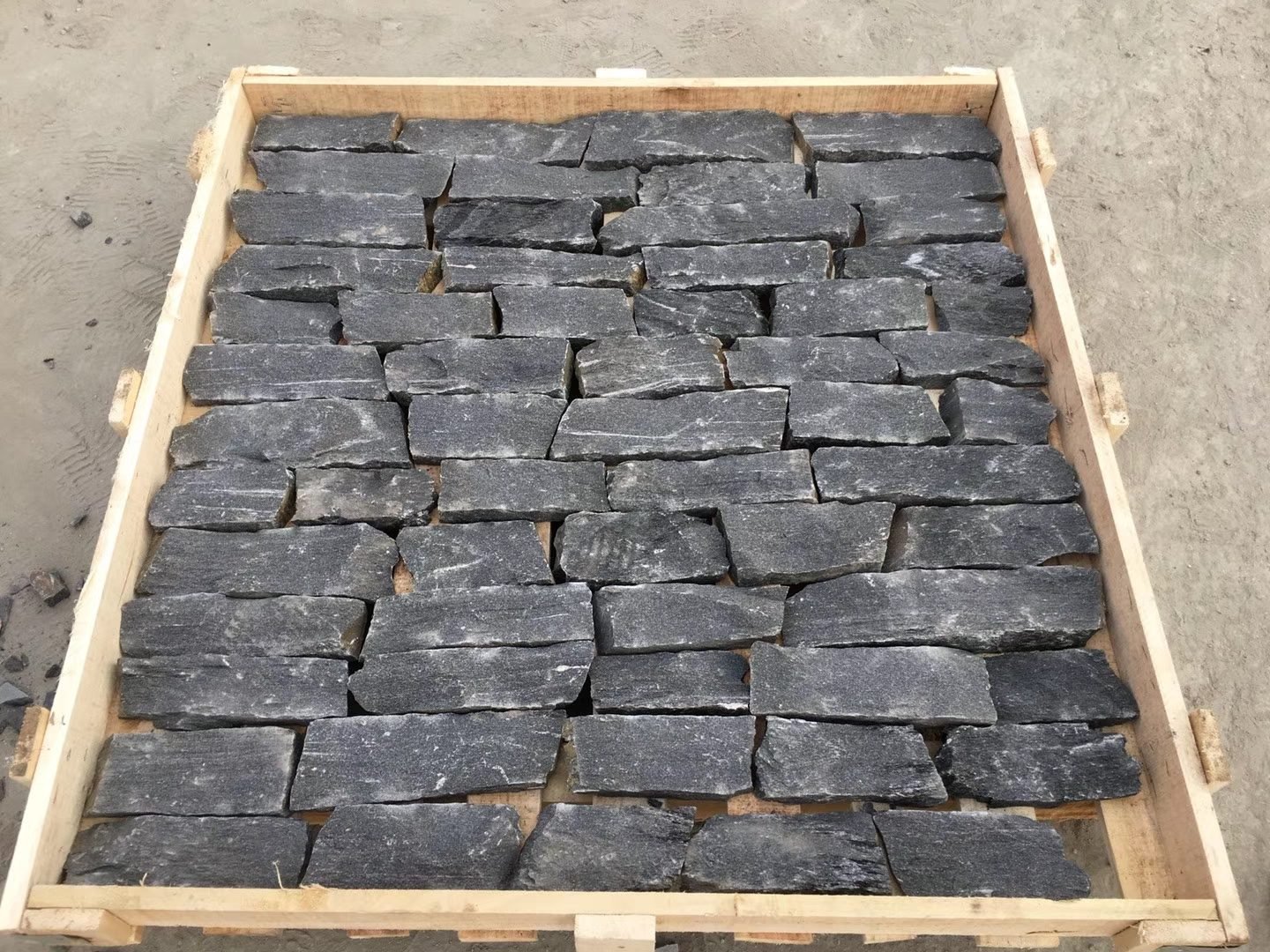
| Loose thin veneer | Random-length strips, color-sorted | Stone-by-stone warm variation | 40,000 m²/month |
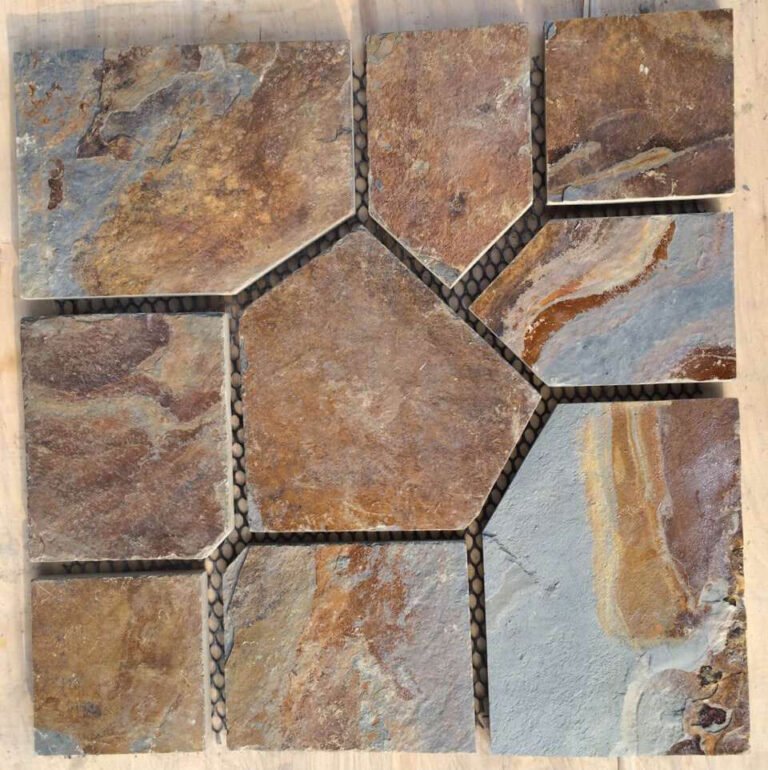
| Flagstone and crazy paving | Mesh-backed sheets | Tan and brown outdoor paving | 30,000 m²/month |
Read the table as a type selector, not a price list. If the design calls for clean horizontal lines, thin ledgestone delivers the linear rhythm. If the facade wants mass and depth, stacked stone reads heavier. The loose veneer format is the one that shows individual stone variation, which is desirable when the brief asks for a naturally blended warm wall. For the same copper quartzite tone, each format produces a visibly different wall face.
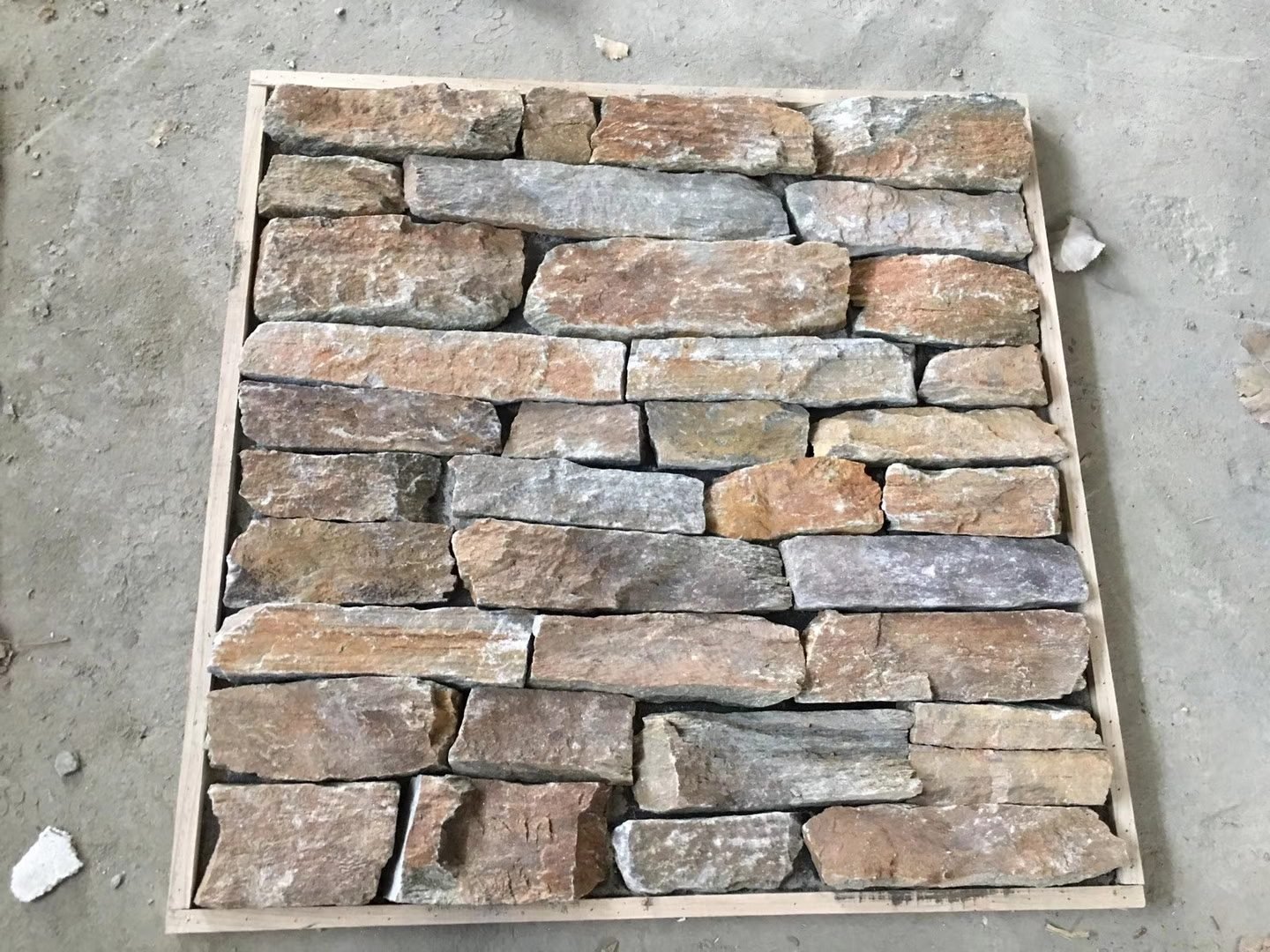
Top Stone Panels produces gold, copper, rusty, and tan veneer from high-density quartzite, slate, and sandstone at 40,000-80,000 square meters per month. One 20GP container starts a wholesale order, physical samples ship in 1-3 days, and standard production runs 20-25 working days with batch-matched color.
Mineral color that cannot fade | Freeze-thaw rated -30°C to +50°C | Batch-matched containers
How to Order Brown Stone Veneer Panels
Ordering warm-tone veneer is the same process as ordering any facade stone, with one extra discipline: proof of batch match. A grey stone order can tolerate a small vein drift; a brown order cannot, because humans perceive warm-tone differences faster than grey differences.
The sequence that works:
- Request physical samples, not photos. Ask for 1-3 tiles from the actual production vein, including an edge so you see the color run through the thickness. Photos compress the warm spectrum and flatter the tone.
- Confirm the format and coverage. Ledgestone arrives as 36x10cm ultra-thin panels; stacked stone as 15x60cm and 15x55cm standard panels with L-corner options. Each format covers different square meters per container, so the tone is only half the order math.
- Lock the color in writing. Your PO should name the vein and the approved sample number. A supplier who resists writing that down is planning to substitute stone later.
- Schedule against the production window. Confirm 20-25 working days after approval and add a buffer if the project deadline is fixed.
- Ask for loading photos and QC files. Pre-shipment photos of the loaded container and the inspection report close the loop before payment clears.
The stone sample ordering guide covers the testing you should run on the physical sample, and the veneer quantity calculator turns the wall dimensions into panel counts before you talk to a supplier.
FAQ
Is brown stone veneer natural color or painted?
Natural. Gold, copper, tan, and brown tones in quartzite, slate, and sandstone come from iron oxides inside the stone, so the color runs through the full panel thickness and does not fade like surface dye.
Does brown stone veneer fade in the sun?
No. High-density quartzite and slate are naturally UV stable because the tone is mineral rather than applied. That is why warm-tone facades are specified for high-sun regions without a re-coating cycle.
How do suppliers keep warm tones consistent across a container?
By locking the order to one quarry vein, color-sorting at the cutting stage, and matching production to an approved physical sample. Color consistency is a supply-chain decision, not a QC accident.
Which stone is best for a warm exterior facade?
High-density quartzite and slate carry warm tones and pass freeze-thaw and fire requirements, so they suit exterior facades. Sandstone is a strong choice for interiors and mild climates but needs an absorption check before coastal exterior use.
What is the MOQ for warm-tone stone veneer?
Wholesale orders start at one 20GP container on 30% T/T deposit terms, with the balance before shipment. Physical samples ship in 1-3 days, and production runs 20-25 working days after approval.
Conclusion
Brown stone veneer panels earn their place on a facade the same way every natural stone does: by carrying a mineral color that the weather cannot strip away. Gold and copper tones in quartzite and slate, and tan tones in sandstone, come from iron oxides inside the stone, so the panel you approve in the sample room is the panel that ages on the wall.
Key takeaways:
- Verify the tone is natural by checking a sample edge; mineral color runs through the thickness, dye does not.
- Match the stone to the climate: quartzite and slate for freeze-thaw and coastal exteriors, sandstone for interiors and mild climates.
- Lock color consistency at the source: one quarry vein, batch-specific sorting, and production matched to an approved physical sample.
- Order warm-tone veneer with the lead-time buffer in mind: samples in 1-3 days, production 20-25 working days, one 20GP container minimum.
Order a warm-tone sample set from Top Stone Panels before your next quotation goes out. The comparison between gold quartzite, rusty slate, and tan sandstone on a real sample board is worth more than any color PDF from a supplier.