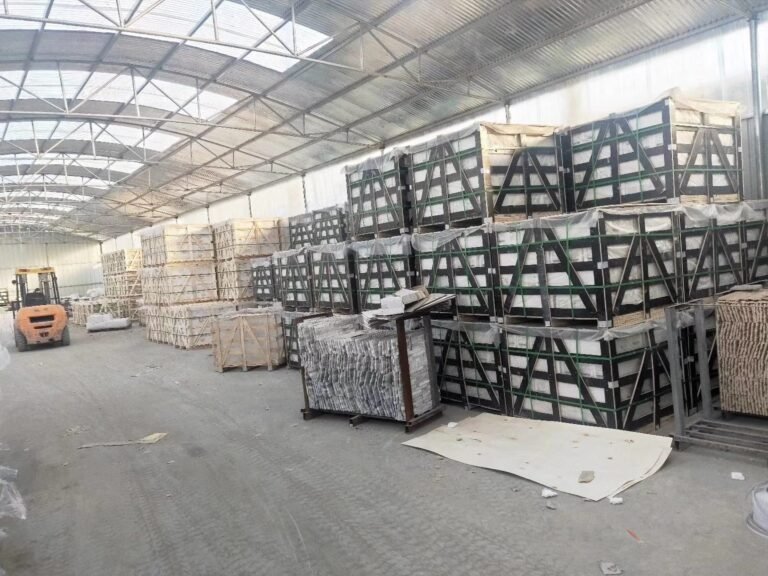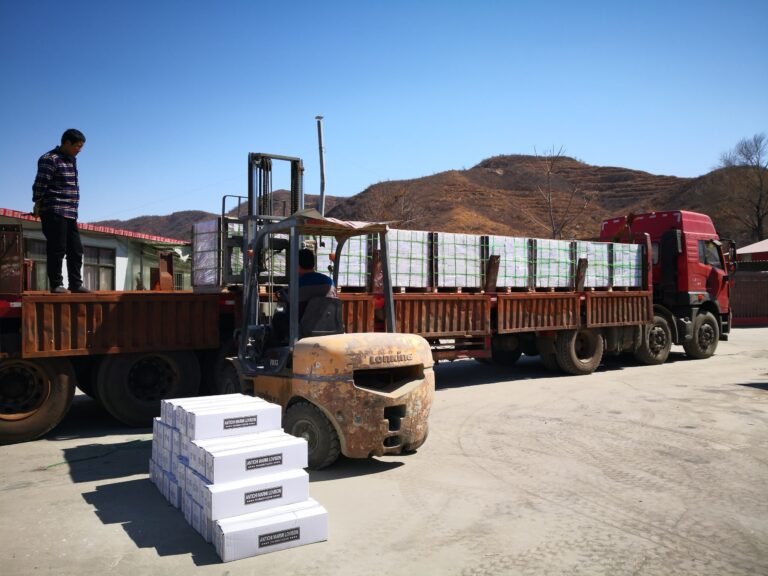
Stone cladding looks like a simple upgrade to the client: a facade or feature wall that transforms the building. But the contractor standing in front of that wall carries a different risk load than most trades would guess. Panels are heavy, the work happens on ladders and scaffolding, and the finished wall sits outside in wind, rain, and freeze-thaw cycles for decades. One panel dropped from a second-story scaffold can smash a window, land on a parked car, or hit a passerby. That is a general liability claim, not a materials problem. A sheet of thin veneer that crumbles in the first winter can produce a defect claim against the installer years after the crew packed up.
This article maps the insurance stack a stone cladding contractor actually needs, the risk-transfer clauses general contractors will ask for, and the supplier-side documentation that quietly decides which claims you win and which you fight. The goal is practical: by the end, you can list the policies that belong on your renewal, name the exclusions that would have surprised you, and know which factory documents to request before the next container.
- General liability with completed operations is the backbone of cladding-contractor coverage; workers comp, commercial auto, and tools coverage complete the core stack.
- The care, custody, and control exclusion means damaged panels themselves are usually not covered by your liability policy – protect material through supplier warranty and shipping claims instead.
- Get every requirement on paper before the job: certificates of insurance, additional insured status, and waiver of subrogation clauses decide who pays when a claim lands.
- Factory test reports, batch QC records, written warranties, and pre-shipment inspection photos are defense documents, not paperwork.
- Document the delivered stone at unloading – container claims have time windows, and photos are the only evidence that survives.
- Why Stone Cladding Work Has Its Own Risk Profile
- The Five-Policy Core for Cladding Contractors
- What General Liability Covers and What It Excludes
- The Claims That Actually Happen on Stone Jobs
- Risk Transfer on Paper: COI, Additional Insured, Waiver of Subrogation
- Material Risk: Who Pays for the Broken Stone
- Supplier Documentation as Your First Line of Defense
- When You Import Directly, Your Risk Footprint Changes
- A Practical Insurance Checklist Before the Next Job
- FAQ
- Conclusion

Why Stone Cladding Work Has Its Own Risk Profile
Every contractor carries risk. Cladding contractors carry it in a slightly different shape, and it is worth naming that shape before shopping for policies.
First, the weight. A stacked stone panel or a thin stone veneer sheet is not a single-handed lift the way drywall is. Panels in the 15x60cm range come in crates, and a full day of lugging them up scaffolding strains backs, which is exactly the territory of workers compensation claims. Second, the process: cutting stone with a diamond blade produces dust and loud noise, and the cutting table and saw are expensive, specialized equipment worth more than a standard homeowner’s tool kit.
Third, the exposure is outdoor and permanent. The finished facade faces weather for decades, so installers carry a long tail of potential defect claims: efflorescence, moisture discoloration, or a chip that appears at a joint. Fourth, the material itself is natural. Two panels from the same quarry vein differ slightly in tone, and a client who was not prepared for natural variation can file a dispute over appearance. That is not a liability claim in the insurance sense, but it is a contract-risk conversation you want documented.
Finally, there is the import dimension. Much of the panel volume on North American and European projects is manufactured overseas, which means the contractor who buys direct takes on the risk of transit damage, documentation gaps, and a warranty promise made on a different continent. The rest of this article walks each of those areas with the coverage that answers it. For the material-side setup that determines many of these risks before the first panel is opened, the substrate preparation guide is where the wall decisions start.
The Five-Policy Core for Cladding Contractors
Insurance terminology gets noisy fast, so here is the short version of the coverage stack that a cladding contractor compares against. Discuss it with a licensed agent; the table gives you the vocabulary.
| Policy | What it pays | Where stone jobs feel it |
|---|---|---|
| General liability | Third-party bodily injury and property damage from your work | Dropped panel hits a car; visitor trips on site |
| Completed operations | Claims after the job is finished and handed over | Loose stone falls off a wall months later |
| Workers compensation | Employee injuries; legally required in most states and provinces | Lifting injuries, saw cuts, scaffold falls |
| Commercial auto | Vehicles used for work, including hauling | Truck carrying panels to the job site |
| Tools and equipment | Repair or replacement of your tools, often as inland marine coverage | Stolen or damaged saws, mixers, and generators |
Two more appear on larger jobs. Builder’s risk pays for the project itself while it is under construction — the owner or general contractor usually buys it, and it covers panels stored on site and installed work before final acceptance. Professional liability (errors and omissions) matters if you take on design-build work: a cladding layout you designed that sheds water wrong can become a professional claim rather than a simple construction claim.
Contractors who quote commercial work on metal studs and curtain walls should treat workers comp classifications carefully — scaffolding and heavy-lift exposure can change class rates. The commercial metal-stud installation guide describes the framing systems where that exposure is highest.
What General Liability Covers and What It Excludes
General liability is the policy that pays when your crew hurts someone or damages property that is not yours. On a stone cladding job, the classic scenarios are simple: a panel slips while being carried, a carton of veneer tips off a lift, or a ladder falls into the client’s landscaping. The policy responds to the third party’s injury or property damage. A good overview of how construction businesses use this policy comes from the general liability insurance explainer for contractors.
What surprises most small shops is not what is covered but what is not. Three exclusions matter for stone work:
- Care, custody, and control. If the stone in your possession gets damaged — a crate dropped in the driveway, panels cracked in storage — your liability policy usually will not pay to replace the material, because the material was in your care. That loss sits with your material-contract terms, your supplier’s packing warranty, or builder’s risk.
- Your own work. Many policies exclude damage to the work itself, meaning a wall that you installed and that fails is not automatically a covered loss. Completed operations fills part of that gap for third-party harm, but repairs to your own defective work are often excluded and belong in a written warranty agreement.
- Contractual liability beyond the contract. When a general contractor makes you sign an indemnity clause that assumes liabilities you never carried, the policy may only respond to the liability you would have had anyway. Read the clause before signing, not after a claim.
The message is not that general liability is weak; it is that the policy is a specific tool. It covers the third party and the accident; it is not a material warranty and it is not your warranty promise. Knowing that boundary is what protects your margins when a claim lands.
The Claims That Actually Happen on Stone Jobs
It helps to look at claims in the shape they really take, because the coverage you carry in your head has to survive contact with an adjuster.
| Incident | Coverage that responds | Evidence that decides it |
|---|---|---|
| Panel drops onto a car or window | General liability | Site photos, witness statements |
| Stone comes loose after handover | Completed operations | Installation records, lath and mortar spec |
| Crew injury while lifting or cutting | Workers compensation | Incident report, training record |
| Cracked panels found in the container | Shipping claim or supplier warranty | Unloading photos, delivery receipt notes |
| Color mismatch against the approved sample | Contract terms, not insurance | Signed sample card, batch QC record |
Panel impact damage. A thin stone veneer sheet drops from scaffold height or a pallet of stacked stone sways off a forklift. The third party’s car or window is damaged. General liability responds; the damaged material itself falls to the care-custody-control exclusion. On cladding crews this is the claim that repeats most often, and the easiest to anticipate.
Detached stone after handover. Months after the crew leaves, a piece of ledgestone comes loose and damages a vehicle below. Completed operations coverage is the policy that answers. This claim also brings the installation questions — was lath correct, was substrate flat, was the mortar keyed? The mortar application guide is the kind of documented procedure that turns a completed-operations claim into a clear defense.
Moisture and appearance disputes. A facade shows efflorescence or a gray quartzite wall starts to look patchy. The client argues defect; the installer points to natural stone variance and a sealed surface that requires maintenance. These rarely reach the insurer, but they reach the lawyer’s desk. Documentation — the written specification, the approved sample, the sealer instruction handover — is the deciding evidence.
Injury on the install. A crew member strains a back moving crates or slips from a scaffold plank. Workers comp responds, and that is exactly why the classification of the work matters on your policy renewal.
Chipped edges discovered at opening. The installer opens the delivered cartons and finds chipped stone. This is not an accident on site; it is a supply-chain claim, and it moves through shipping-claims and supplier-warranty channels rather than your liability policy. The next section walks that path.
Risk Transfer on Paper: COI, Additional Insured, Waiver of Subrogation
Before any commercial job starts, the general contractor or the owner’s risk manager will ask for three documents. They are standard in the industry, and knowing them keeps the conversation honest.
- Certificate of insurance (COI). A one-page summary proving you carry the policies and limits the contract demands. It is not coverage itself — it is a snapshot on the day it prints. Keep your agent’s contact current so a requested COI goes out the same week.
- Additional insured status. The GC asks to be named as an additional insured on your policy. That extends your coverage to protect the GC when your work causes a claim. Some contracts also flow this down to the owner. The status is attached by endorsement, not by the COI alone.
- Waiver of subrogation. Your insurer agrees not to pursue the GC to recover what it paid on your claim. Reasonable where the GC is blameless; read it carefully where the GC’s supervision contributed to the incident.
The same discipline runs the other direction. If you hire subcontractors for scaffolding, trucking, or cutting, ask them for the same three documents. A scaffolding crew without its own general liability becomes your general liability if their incident harms a third party. If you rent a crane or a lift, check what the rental agreement already requires and confirm your policy responds.
Contractual risk transfer has a practical edge for cladding work: ask for the indemnity clause in writing before you price the job, and let the limits of your policy inform what you sign. A signature that obligates you beyond your coverage is a personal-balance-sheet promise wearing a company letterhead.
Material Risk: Who Pays for the Broken Stone
On a stone cladding project, the most argued liability question is usually not an injury — it is a crate of cracked panels. Who pays depends on when the damage happened, and the answer lives in the paper trail.
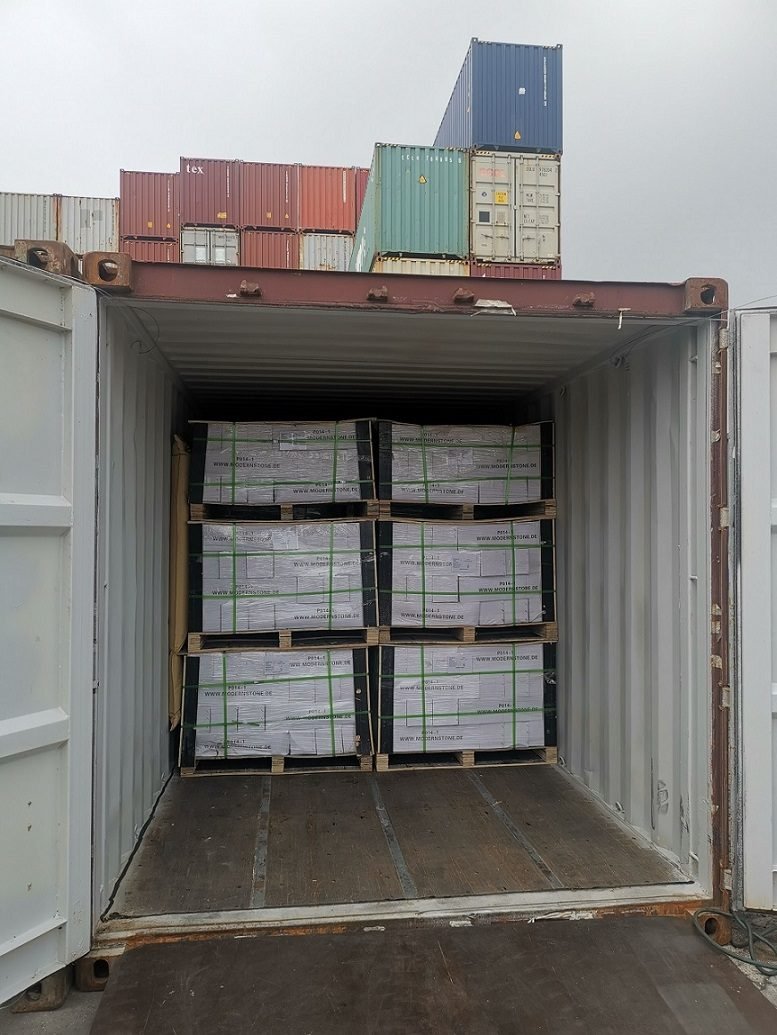
Damage found during container unloading. The importer or distributor documents it immediately with photos, notes the condition on the carrier’s delivery receipt, and files a claim within the carrier’s window. This is the cleanest scenario if the packer’s stowage broke — Top Stone Panels ships under its Zero-Breakage Packaging Protocol with reinforced crates and airbags, and its packing and container loading photos are part of the documentation a buyer can compare against the delivered condition. The damaged shipment claims guide walks the exact claim sequence, and the pre-shipment inspection guide explains how to verify the load before it leaves the factory.
Damage found after the driver leaves. The carrier’s claim window typically starts at delivery, so the receiving checklist matters more than the supplier’s goodwill. Photograph every carton corner, open a sample of cartons, and log the condition before the pallet moves.
Damage on site after handover. If panels crack after installation and the cause is a slab that moved or a substrate that failed, the question is installation liability — back to completed operations and contracts. If panels crack in normal conditions and the specification was met, the conversation moves to the supplier’s test reports and warranty terms. The stone panel warranty guide for B2B buyers lays out what a supplier warranty should say before you sign.
For mixed orders, the paper matters even more. A container that mixes stacked stone, thin ledgestone, and flagstone is a complex load; the container mix-order guide shows how quantities and stowage are planned so claim questions stay answerable.
Supplier Documentation as Your First Line of Defense
Here is where the buying side connects to the insurance side. A contractor who can point to factory documentation is dramatically harder to claim against. Performance claims on natural stone fail on the fact of whether the material met the specified standard — and “specified” is a paper word.
Request these documents before you commit to a source, and keep them in the job file:
- Test reports. Freeze-thaw, flexural strength, water absorption — the numbers that prove the material survives the climate where the wall sits. The test report reading guide explains which metric answers which claim.
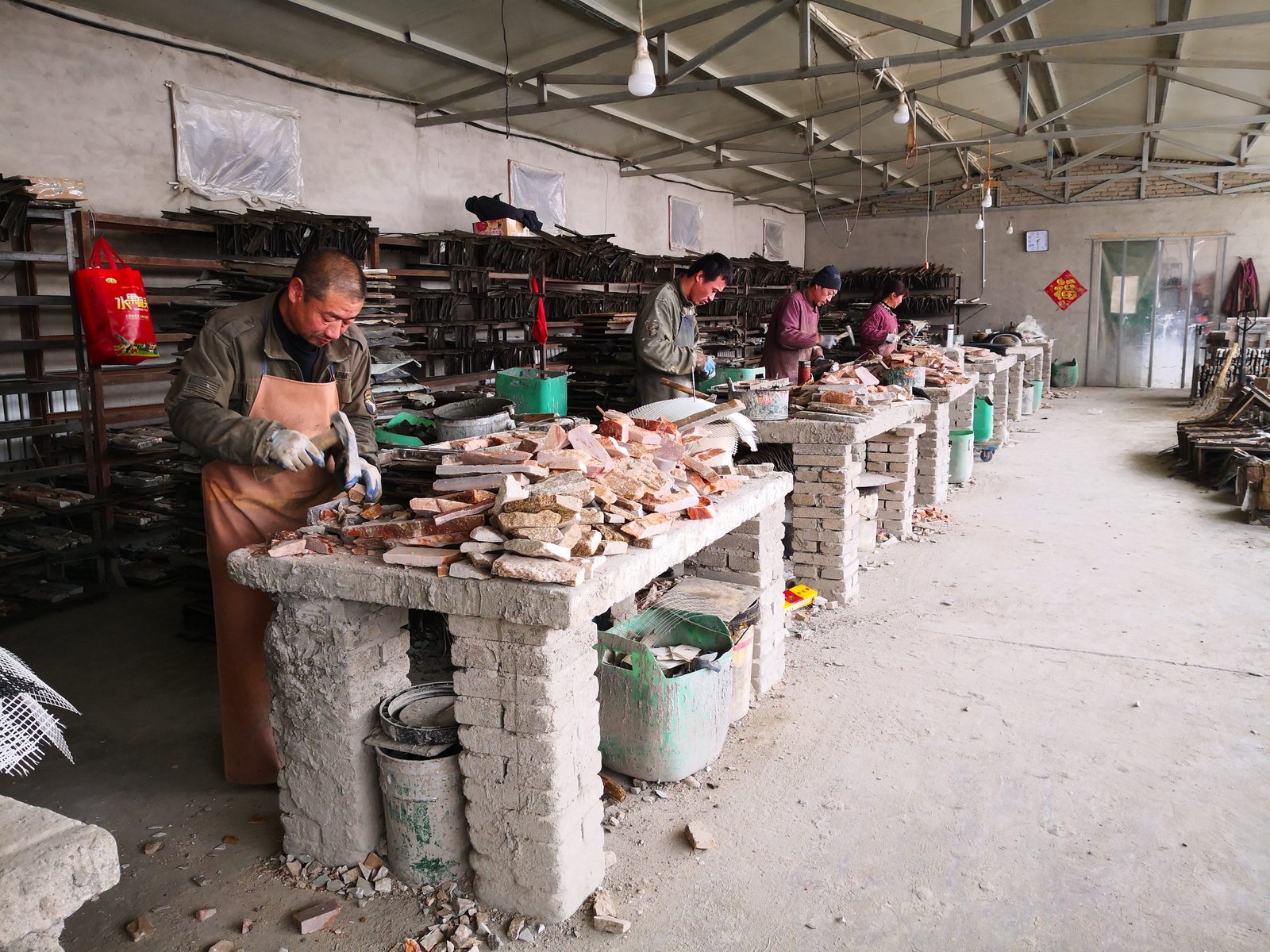
- Batch QC records. A factory’s 3-step inspection — raw material selection, mid-production checks, final loading inspection — is evidence that the delivered lot was actually checked. Batch control also matters for color: the quarry vein selection guide explains how consistent color across a container is achieved and documented.
- A written warranty. Get the warranty terms in the purchase order: what is covered, the window, and the remedy. Without it, a supplier’s verbal promise is not a defense document.
- Sample records. Order a physical sample and keep the sample card signed and dated against the delivered batch. The sample evaluation checklist and the sample ordering guide cover the timeline and tests.
- Factory audit evidence. If a job is large enough, a factory audit visit or a documented audit report removes the guesswork from the supplier question. The supplier verification checklist is the structured version.
On the craftsmanship side, the Natural Stone Institute maintains installation and spec resources that are widely cited in the industry — a useful reference when a claim dispute references accepted practice, though your own written procedures and photos remain the primary defense.
When You Import Directly, Your Risk Footprint Changes
A contractor who buys panels from a local distributor has a simpler paper chain: the distributor owns the import risk, and any transit damage runs through their warranty. A contractor who imports directly — a growing pattern for larger crews that want container pricing — carries more of the chain themselves.
Direct import adds specific exposure. The Incoterm in the contract decides when risk transfers from the factory to you: under FOB, risk passes at the port of origin; under DDP, the supplier carries delivery risk to your door. Choose terms with the insurance implication in mind, not just the price per square meter. The Incoterms guide for stone exports maps those responsibilities.
Documentation is the second tier of the import risk. The bill of lading, commercial invoice, and packing list are the proof of what shipped and when; certificate of origin and ISPM 15 fumigation documents clear customs and port inspection. None of these documents is a liability shield for a performance defect — that is what the test reports and warranty are for — but a missing document stops the shipment and costs the job schedule, which then becomes a delay claim against you from the owner. The stone export documents guide lists what belongs in the file. The deeper sourcing picture, including what a direct-import contractor should verify before committing, is covered in the China sourcing checklist.
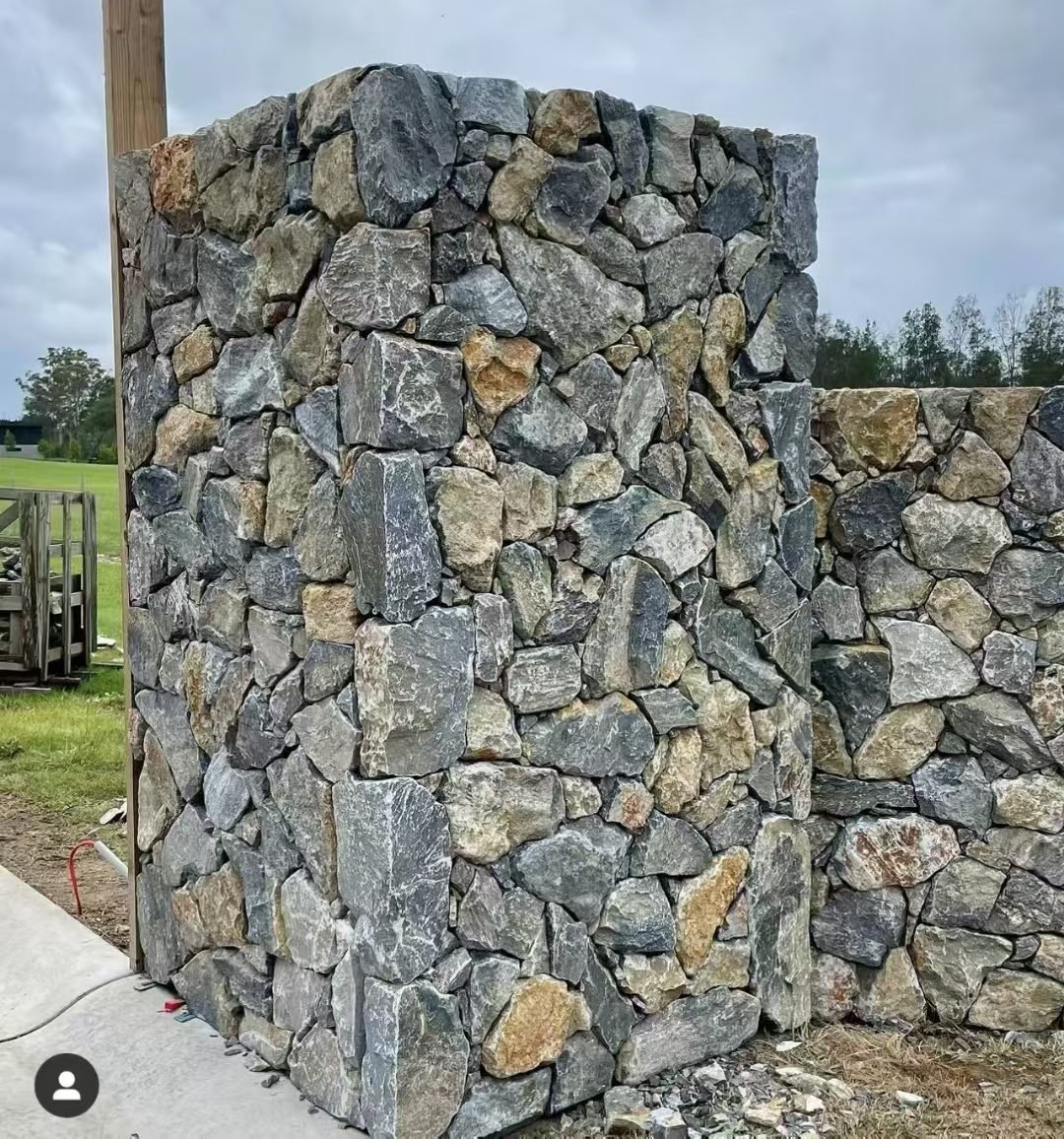
A Practical Insurance Checklist Before the Next Job
Before you price your next commercial cladding job, walk this list once. It takes an afternoon and saves a year of claim pain.
- Confirm your general liability policy is current and the limits match the contract requirement — not just the previous job’s number.
- Check that completed operations coverage is endorsed on the policy, and know how long it runs after project completion.
- Review your workers comp classes with the agent: straight scaffold and heavy-lift work should be classified honestly.
- Keep your tools and equipment schedule updated; a new diamond-blade wet saw is a schedule change, not an assumption.
- Send the GC your COI on request, and request the same documents from every subcontractor you hire.
- Read indemnity clauses before signing, and confirm any additional insured endorsement requested by the contract is actually on the policy.
- File the supplier documents — test reports, batch QC, warranty, sample record — into the job folder before the container clears.
- Photograph every pallet at unloading, and note condition on the carrier’s receipt.
For the sourcing side of that checklist, Top Stone Panels ships physical samples in 1-3 days and standard production runs in 20-25 working days after approval, with MOQs starting at one 20GP container. The factory documents its 3-step QC, packing protocol, and pre-shipment inspection records — the paper a contractor’s defense file is built from.
FAQ
What insurance do stone cladding contractors need?
The core set is general liability, workers compensation, commercial auto, and tools and equipment coverage. Larger commercial work also calls for completed operations endorsement and, on design-build jobs, professional liability. Confirm limits with a licensed agent for your state or province.
Does general liability cover damaged stone panels?
Not automatically. Material in your possession is often subject to a care, custody, and control exclusion, so cracked panels are usually handled through the supplier’s packing warranty, the shipping claim, or builder’s risk coverage on the project — not your liability policy.
Who is liable for stone damaged in transit?
It depends when the damage surfaced. Damage logged at container unloading is documented against the shipper, using photos and the carrier’s delivery receipt. Damage found after the driver leaves is often subject to the carrier’s claim window, so checklist the receiving job on day one. See the damaged-shipment claims guide for the full sequence.
How does supplier documentation reduce contractor liability?
Test reports and batch QC records prove the delivered stone met the specified standard, which is the decisive fact in most performance claims. A written warranty and a dated sample record close the dispute windows that otherwise turn into legal costs.
Is workers comp required for cladding crews?
In most US states and Canadian provinces, workers compensation is legally required once you have employees. Requirements vary by jurisdiction and class code, so verify with your agent or state board — coverage is a legal floor, not an optional extra.
Conclusion
Insurance for stone cladding work is not a one-policy answer — it is a stack of policies plus a discipline of documentation. General liability with completed operations covers the third-party accident; workers comp, commercial auto, and tools coverage round out the daily exposure; and the care-custody-control boundary tells you where material losses must be covered by supplier warranty, shipping claims, and builder’s risk. Add the three paper tools of risk transfer — COI, additional insured, waiver of subrogation — and the file becomes the real armor.
Key takeaways:
- Carry the five-policy core: general liability, completed operations, workers comp, commercial auto, and tools and equipment coverage.
- Know the exclusions: material in your care, your own defective work, and contract language beyond your policy limits.
- Document the stone at every handoff — supplier QC records, container photos, warranty terms — because claims are decided on paper.
- If you import direct, make Incoterms, documents, and claim windows part of the job plan, not an afterthought.
When you source panels, make documentation part of the order. Top Stone Panels provides physical samples in 1-3 days, standard production in 20-25 working days after approval, and MOQs starting at one 20GP container — with test reports, batch QC records, and packing documentation available for the job file. Start the conversation on the contact page, or request samples from the stacked stone and thin stone veneer product lines.